
Your Christmas Cactus Went Pale And Floppy, And One Thing You Are Overdoing Is Almost Always Why
Follow us on Google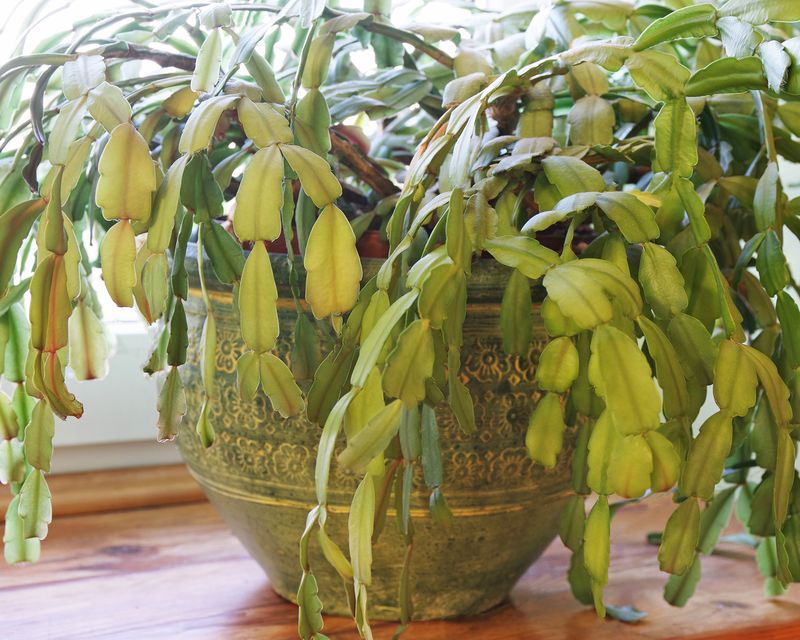
You noticed it drooping on the windowsill, stems gone dull and limp, and your first instinct was probably to reach for the watering can.
That instinct might be exactly wrong, or it might be exactly right, depending on what is actually happening inside that pot.
A pale, floppy holiday cactus is not automatically a lost cause, but it does need a real diagnosis before you change anything.
Check the soil first, and the answer is usually waiting right there.
Overwatering Is Common, Not Automatic
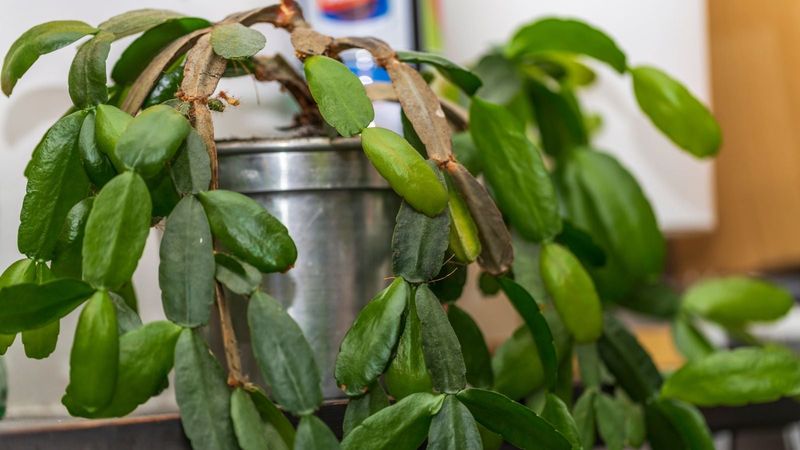
Limp, wrinkled, dull-gray-green stems on a holiday cactus do point toward overwatering more often than anything else, especially when the potting mix feels wet several inches down.
University of Illinois Extension identifies overwatering as the most common culprit in this specific symptom pattern.
But the word “most common” is doing real work there, and it does not mean automatic.
Here is the part that trips many people up.
When roots stay saturated too long, they begin to rot and lose the ability to move water up into the plant.
The stems end up looking thirsty even though the soil is soaking wet, which makes the problem feel like a watering shortage when it is actually a drainage failure.
Adding more water at that point makes things worse, not better.
The fix is not simply “stop watering.” The fix is to check the soil first.
Push a finger or a wooden skewer a few inches below the surface.
If the mix is still wet, hold off on water and focus on drainage.
If the mix is dry all the way through, the plant may genuinely need a drink, and withholding water would add stress on top of stress.
Pale, bleached, or crispy patches tell a different story entirely.
University of Maryland Extension links that kind of tissue damage to excessive direct light, not wet roots.
And North Carolina Extension notes that plants sold as Christmas cactus are sometimes actually Thanksgiving cactus, Schlumbergera truncata, though the basic care advice stays the same for both.
The takeaway before you do anything else: limp and pale is a symptom, not a diagnosis.
The soil tells you which direction to go, and that is always the right place to start.
Holiday Cacti Need Moisture And Air
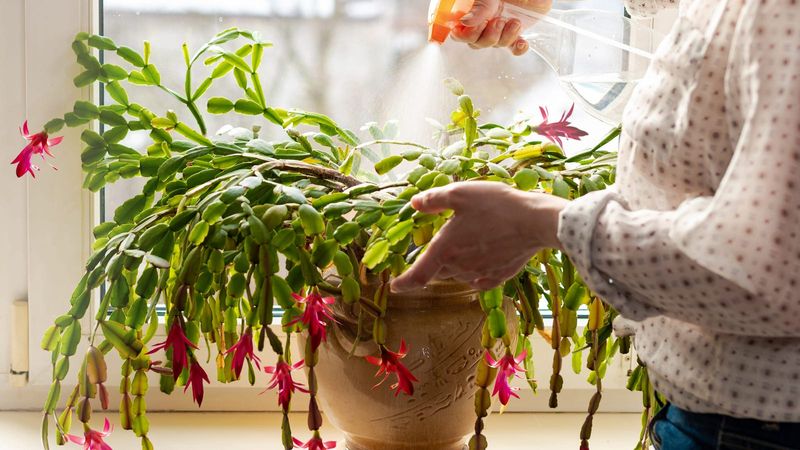
Schlumbergera is not a desert plant.
These cacti evolved in the cloud forests of Southeast Brazil, clinging to tree branches where rain falls regularly but drains away almost instantly around the roots.
North Carolina Extension describes them as rainforest epiphytes, meaning their roots are naturally exposed to air as much as moisture.
That background explains why a soggy container is so damaging.
The roots expect water to move through and leave, not sit.
When a pot holds water, whether because the soil is too dense, the drainage holes are blocked, or a saucer is collecting runoff underneath, the roots are essentially being suffocated.
They cannot breathe, they begin to break down, and the plant above starts to suffer.
Reducing how often you water helps, but it does not solve a container problem.
University of Wisconsin Extension emphasizes that the growing medium and drainage setup matter just as much as the watering schedule.
A dense, compacted mix will stay wet for days longer than a loose, airy one, even if you water at exactly the same frequency.
University of Minnesota Extension recommends allowing the soil to dry between waterings and confirms that excess water can cause both wilting and root rot.
Empty any saucer within an hour of watering, and make sure the decorative cachepot, if you use one, is not quietly holding water at the bottom where you cannot see it.
Think of the root zone like a sponge that needs wringing out between uses.
Moisture with movement is what keeps these plants healthy, not moisture that lingers.
Check The Soil Before You Water Or Wait
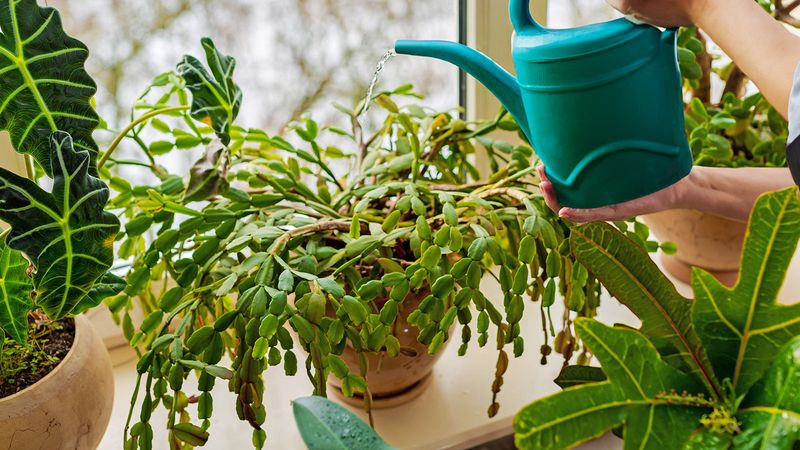
The single most useful thing you can do for a drooping holiday cactus is check the moisture a few inches below the surface, not just the top layer.
The surface dries out fast and can feel bone dry while the root zone underneath is still saturated.
That gap between surface and root zone is where most watering mistakes live.
When the mix is wet several inches down and the stems are limp, stop adding water.
Empty any saucer, remove the plant from any decorative cachepot, and confirm that the drainage holes are open and not plugged with compacted soil or roots.
Illinois Extension notes that both overwatering and underwatering can produce wilted or wrinkled stems, which is exactly why the soil check comes before any change in routine.
When the mix is dry throughout and the stems look limp or slightly shriveled, water the plant thoroughly.
Pour slowly until water runs freely from the drainage holes, then discard whatever collects below.
University of Florida IFAS Extension recommends watering when the top inch of soil is dry, using the soil condition as the trigger rather than the calendar.
When the mix feels evenly moist and the stems are pale but not wrinkled, look at the light situation before adjusting water at all.
Pale tissue accompanied by dry, crispy patches is more likely a light problem than a moisture problem, and that calls for a different response entirely.
North Carolina Extension offers a rough interval of one to two weeks between waterings, but pot size, soil type, room temperature, season, and light level all change how fast a mix dries out.
Use that interval as a loose reference, not a schedule, and let the soil be the deciding vote every time.
Wet Soil Calls For A Root Check
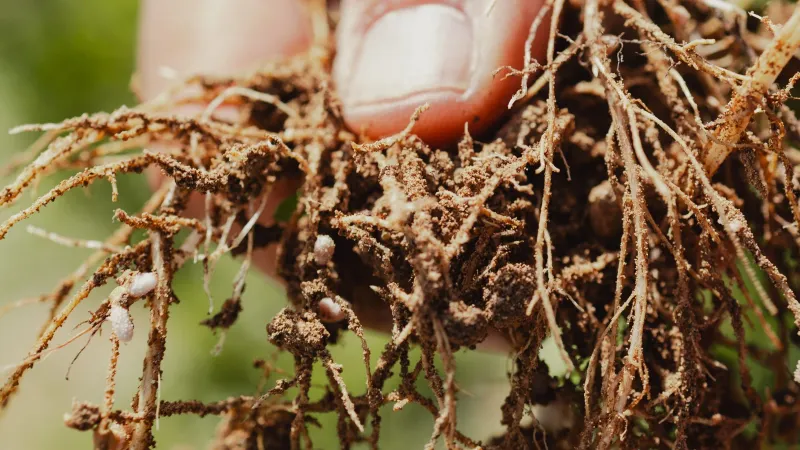
Changing how often you water will not save a plant whose roots have already rotted.
If the stems stay limp and the soil stays wet day after day, it is time to unpot the plant and look at what is actually happening underground.
Lift the plant out of its container and brush away the loose mix.
Healthy roots are firm and range from white to tan.
Roots that are dark, soft, mushy, or that fall apart when touched have rotted and can no longer do their job.
University of Wisconsin Extension advises removing all dead or diseased roots, then letting the fresh cuts air-dry for a few days before repotting.
That drying window allows the cut surfaces to seal, which reduces the chance of new rot starting at the same wound.
Root loss also explains why wet soil can linger so long.
Fewer working roots means less water being drawn out of the mix, so the soil stays saturated even without additional watering.
The plant looks thirsty, the soil is sopping, and the usual instinct to water more makes everything worse.
Iowa State Extension recommends repotting into fresh, freely draining mix in a container with open drainage holes.
Choose a pot that fits the remaining healthy root mass without leaving a large volume of unused soil around it.
Extra soil that roots cannot reach stays wet longer, which recreates the same problem you just dug out of.
University of Minnesota Extension is clear that excess water can cause root rot that the plant may not recover from.
A plant with a few damaged roots and some healthy ones remaining has a reasonable chance of recovery.
A plant with no living roots left is a much harder rescue, and being honest about that helps you decide whether to focus on the original plant or shift to propagating healthy cuttings as a backup.
Excess Sun Can Bleach The Stems
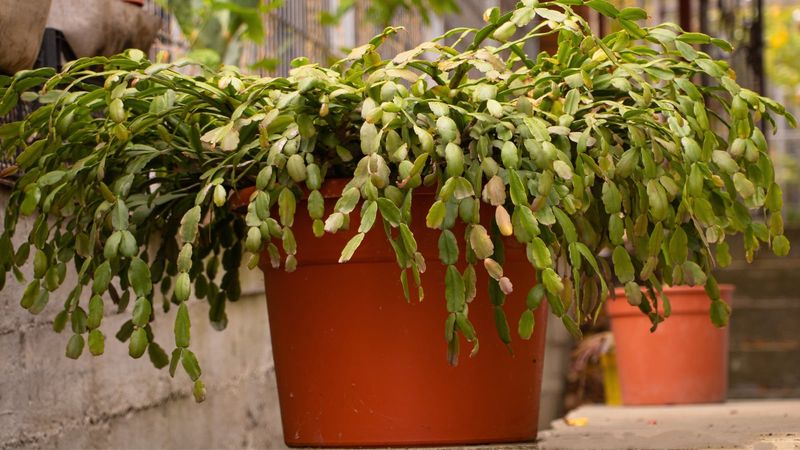
Not every pale holiday cactus has a water problem.
When the faded tissue looks bleached, dry, or crispy rather than dull and wrinkled, and especially when it appears on the side of the plant facing the light source, excessive direct sun is likely involved.
University of Maryland Extension explains that too much direct light breaks down chlorophyll in the leaf tissue, producing pale, faded, yellow, or eventually brown patches.
This kind of damage often shows up after a plant is moved outdoors for the summer without any gradual adjustment, or after it gets repositioned near a hot south-facing window during winter when the sun angle is lower but the glass amplifies the heat.
University of Minnesota Extension recommends bright, indirect light as the standard for holiday cacti indoors.
Outside, filtered light under a tree canopy or a spot with morning sun and afternoon shade works much better than open, direct exposure.
Moving a plant that has been indoors all winter directly into full outdoor sun is a fast way to cause bleaching.
A safer approach is to start with about two hours of direct light per day and increase the exposure slowly over two to three weeks, letting the plant adjust its chlorophyll levels gradually.
Illinois Extension confirms that more direct sun is not a cure for pale stems.
Moving a struggling plant into stronger light without addressing the actual cause adds stress rather than relief.
If the pale patches are dry and crispy and the soil is not wet, adjust the light before you change anything else.
Build A Drainable Recovery Setup
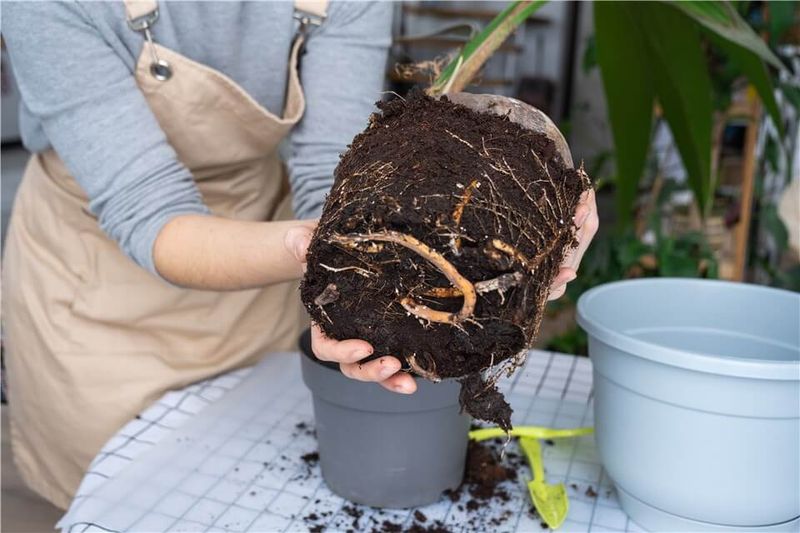
Once you have diagnosed the problem and trimmed away any rotted roots, the next job is giving the plant a setup it can actually recover in.
That starts with the growing medium.
Iowa State Extension says a special cactus mix is not required.
What matters is that the mix drains freely and holds a little organic matter and moisture without compacting.
A practical option is standard potting soil amended with 20 to 40 percent perlite.
Another approach that works well is one part potting soil, two parts peat moss, and one part perlite or sharp sand.
A commercial cactus mix can work if it drains well, but it is not automatically better than a well-amended general mix.
Confirm that the pot has at least one open drainage hole before you add any soil.
Illinois Extension recommends choosing a container that fits the root mass without a lot of extra room.
A pot that is two inches larger in diameter than the root ball is a reasonable target.
University of Minnesota Extension notes that healthy plants generally need repotting only about every three years, and they often flower reliably when slightly pot-bound.
For a plant that is actively failing, root repair cannot wait for the ideal repotting window.
But for a plant that is stable and recovering, spring or early summer after flowering is the gentlest time to make the move.
Hold off on fertilizer until the plant has resumed new growth.
University of Florida IFAS Extension cautions that excess fertilizer salts can damage roots, and a plant that is already stressed does not need that added burden.
Get the moisture and drainage right first, then feed once recovery is clearly underway.
Save Healthy Cuttings When Roots Fail
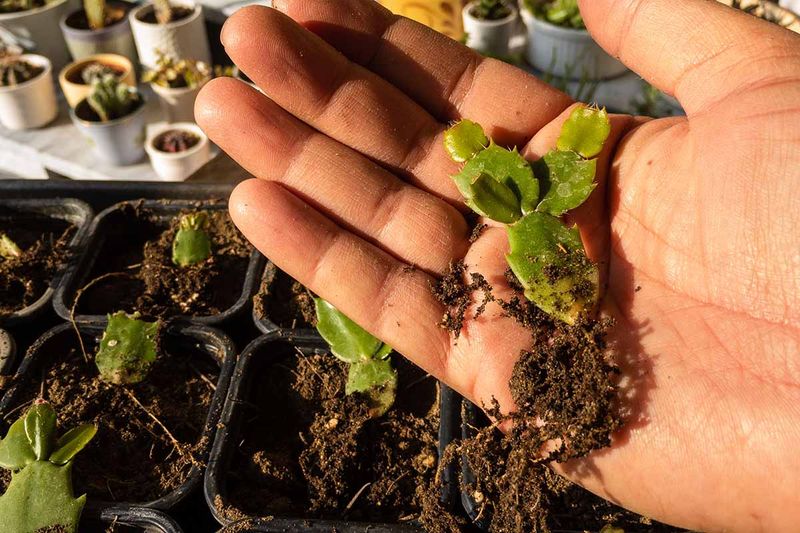
When root damage is extensive and you are not sure the original plant can recover, propagating healthy stem sections gives you a working backup before you lose anything worth saving.
This is not giving up on the plant, it is a practical insurance step.
Look for stem sections that still feel firm and show normal green color.
Take cuttings of two to five segments each, using a clean cut at a joint.
Iowa State Extension recommends letting the cut ends callus overnight before planting.
Set them cut-side down about one inch deep into moist perlite or another airy medium that will not hold excess moisture against the wound.
University of Wisconsin Extension puts the rooting window at roughly two to eight weeks, depending on temperature, humidity, and light conditions.
Keep the medium barely moist during that period, place the cuttings in bright indirect light, and resist the urge to tug on them to check for roots.
Patience matters more than intervention at this stage.
Cuttings taken from a severely stressed plant may not root reliably.
The healthier the stem section looks when you take it, the better its odds.
Do not expect a cutting that is already limp or discolored to turn around on its own in a propagation medium.
Monitor moisture and light during the recovery window rather than chasing immediate firmness.
A cutting that stays upright, holds its color, and eventually shows a new segment forming is on the right track.
Checking the soil first and treating the actual stress, whether wet roots, dry roots, or too much sun, gives many holiday cacti a real chance at recovery.
No single watering rule fits every pale, floppy plant, and that is exactly why the soil always gets the first look.