
10 Yellow Perennials That Handle Georgia Heat And Humidity With Ease
Follow us on Google
Georgia gardens can feel brutal by midsummer, especially when heat and humidity settle in for weeks at a time. If you want sunny color without constant replanting, the right yellow perennials can carry your beds through the toughest stretch of the season.
These picks are dependable, eye catching, and well suited to Southern growing conditions. You will find options here for pollinators, borders, cottage style spaces, and low fuss planting plans that still look pulled together.
Black-eyed Susan
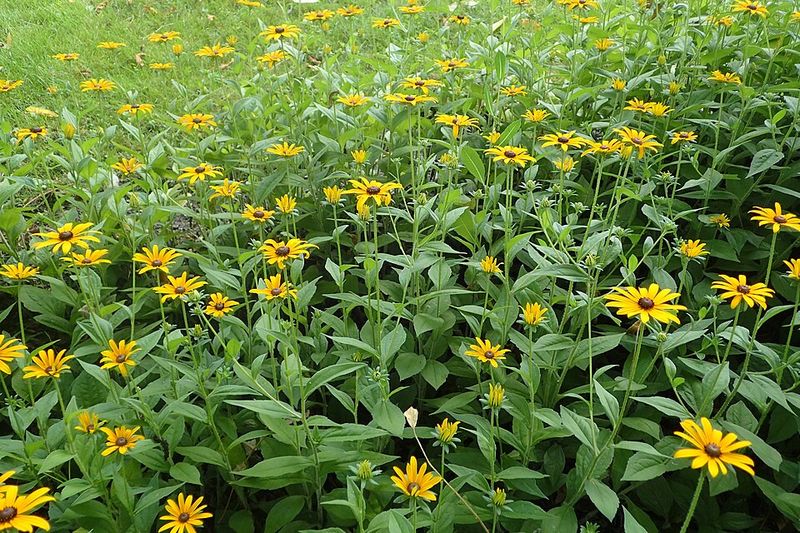
Few flowers look more at home in a Southern summer border than this cheerful, gold blooming favorite. Black-eyed Susan keeps pushing through hot afternoons and sticky air with far less drama than many showier perennials.
If your yard bakes in full sun, this is one of the easiest ways to keep bright color going from summer into early fall.
You will usually get the best performance in well drained soil, but established plants handle average Georgia garden conditions impressively well. Deadheading extends the bloom show, though leaving a few spent flowers in place can feed birds later in the season.
That balance makes it useful for gardeners who want both a tidy look and a bit of wildlife support.
Shorter varieties fit neatly along walkways, while taller forms work nicely in pollinator beds and informal cottage style plantings. Pair it with purple coneflower, ornamental grasses, or blue salvia for a combination that looks intentional without feeling fussy.
Once clumps settle in, maintenance stays simple, and that matters when summer chores already pile up fast.
Coreopsis
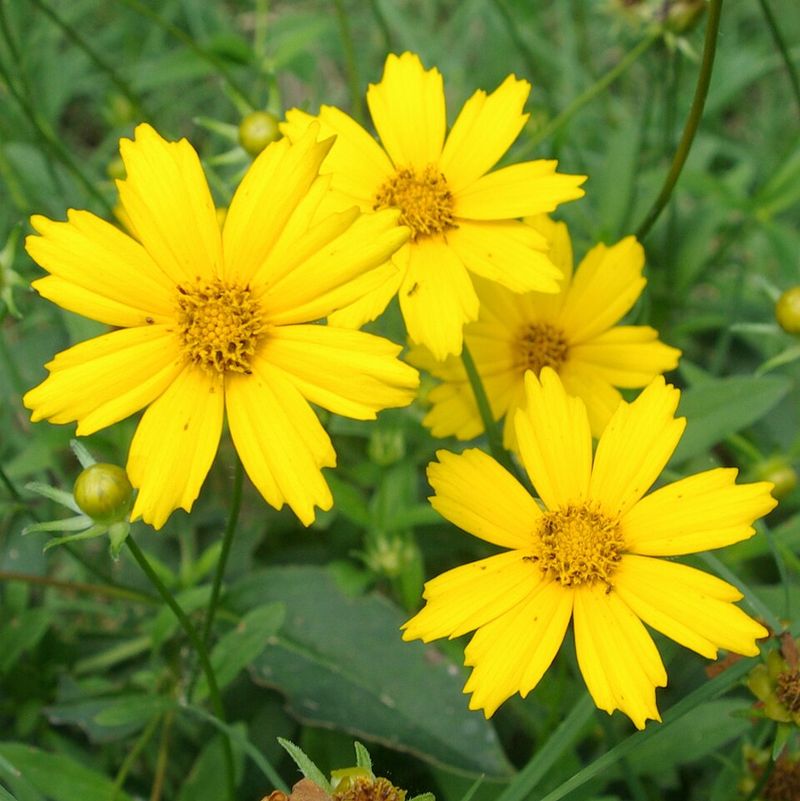
Bright, airy, and surprisingly tough, coreopsis earns its place in Georgia gardens by flowering through conditions that make other perennials sulk. Many varieties bloom generously through summer, and the yellow tones can range from soft butter to vivid golden shades.
That flexibility makes it easy to fit into a neat front bed or a looser pollinator planting.
You will get the strongest display in full sun with decent drainage, especially during the first season while roots establish. Once settled, many types tolerate dry spells and humid stretches without constant attention.
A quick midsummer trim often encourages fresh growth and another strong round of flowers, which is useful when the garden starts looking tired.
Threadleaf forms bring a softer texture, while broader leaf selections offer a sturdier, more upright look. Try mixing coreopsis with lantana, Russian sage, or compact grasses if you want a long blooming bed that still feels relaxed and natural.
For gardeners who prefer reliable color over high maintenance drama, this perennial makes summer planning much easier year after year.
Daylily
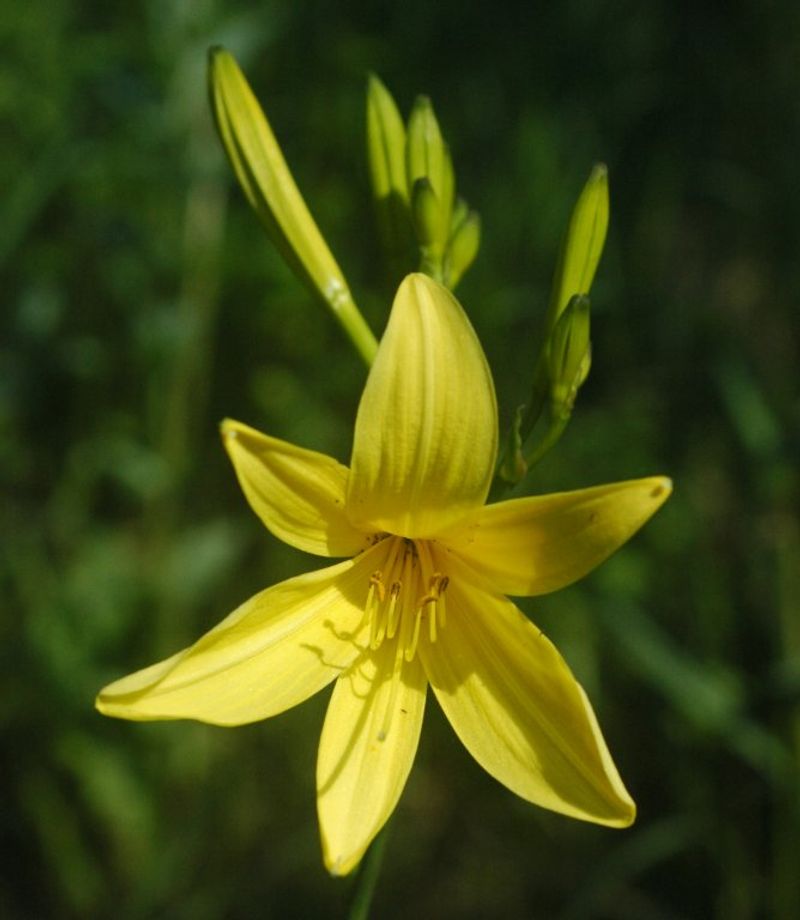
Some perennials earn their reputation by surviving neglect, and daylilies are a perfect example. Yellow varieties bring a clean, sunny look to Georgia beds while standing up well to heat, humidity, and the occasional missed watering.
If you need dependable flowers near driveways, mailboxes, or hard to reach borders, this is a smart choice.
Each bloom lasts just one day, but established clumps produce enough buds to keep the display going for weeks. Foliage stays attractive for much of the season, especially when plants get full sun and occasional deep watering during prolonged dry spells.
Dividing crowded clumps every few years helps maintain vigor and gives you extra plants for other parts of the yard.
Reblooming cultivars are especially useful if you want color beyond the first flush, and many modern selections offer richer yellow shades than older plantings. Pair them with black-eyed Susan, catmint, or dwarf yaupon holly for an easy, polished combination.
In busy gardens where performance matters more than fuss, daylilies keep earning their space without making extra work for you.
Tickseed
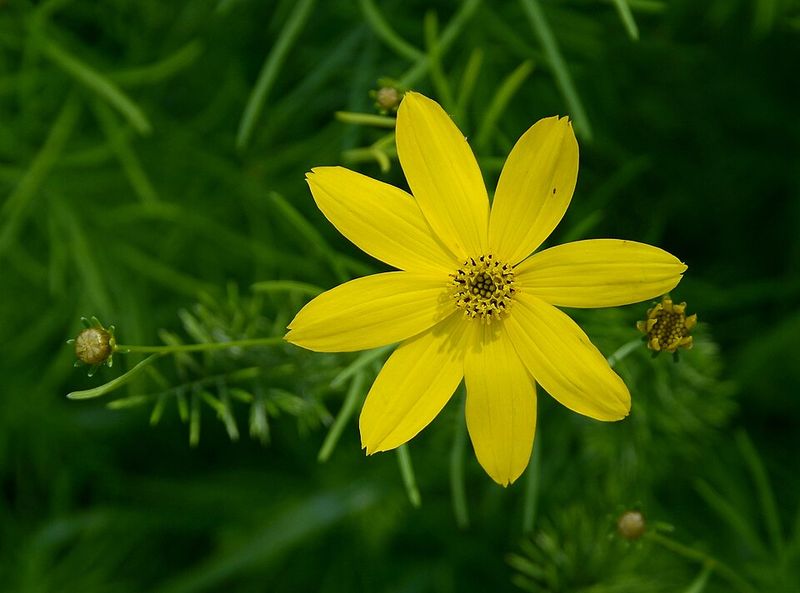
Masses of small yellow flowers can lighten a planting bed in a way that feels cheerful instead of heavy, and tickseed does that beautifully. This heat tolerant perennial is especially helpful in Georgia landscapes where summer can flatten more delicate bloomers.
Its long flowering period gives you reliable color when spring favorites have already faded.
You will usually see the best performance in full sun, where plants stay compact and flower more heavily. Good drainage helps, but many cultivars are forgiving enough for everyday garden soil as long as water does not sit around the roots.
Removing spent blooms is helpful, though newer selections often keep going with only minimal tidying.
Because the texture is fine and the flowers are plentiful, tickseed blends easily with bolder plants that might otherwise look stiff or overly formal. Use it near purple verbena, salvia, or dark leaved shrubs to make the yellow tones stand out even more.
For gardeners trying to keep beds bright through July and August without constant replacement, this is an easy perennial to appreciate.
Gaillardia
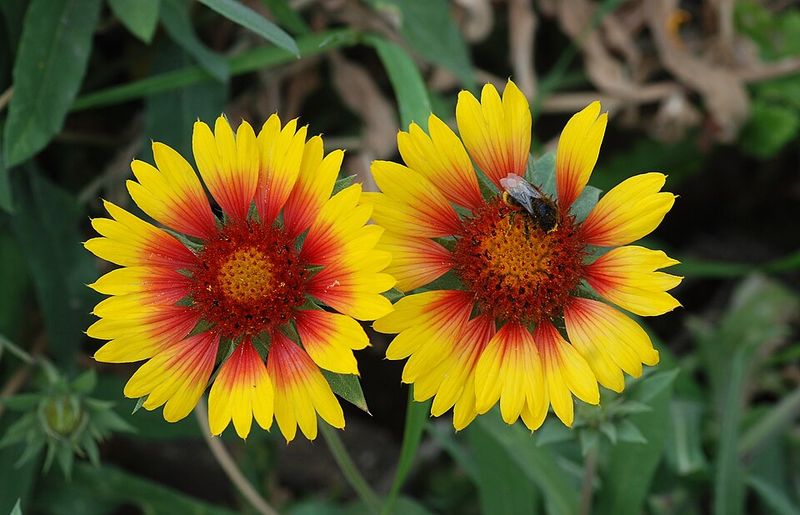
Long summer bloom is a huge advantage in the South, and gaillardia brings exactly that with a bold, carefree attitude. Yellow forms of blanket flower handle heat extremely well and keep color moving through the garden when many perennials pause.
If you have a sunny bed that dries quickly, this plant can feel almost tailor made for the spot.
Drainage is the main issue to watch, since gaillardia dislikes heavy, soggy soil more than high temperatures. In leaner ground, plants usually stay healthier and flower more freely, which is good news if your garden has sandy or fast draining areas.
Removing spent flowers can improve the display, but even casual maintenance often rewards you with plenty of blooms.
The daisy shape works nicely in pollinator spaces, and the warm yellow tones mix especially well with orange, red, and purple companions. Use it near salvia, lantana, or low ornamental grasses if you want a border that still looks lively deep into summer.
For gardeners tired of babying fussy flowers through humid weather, gaillardia offers a refreshingly practical kind of beauty.
Canna Lily
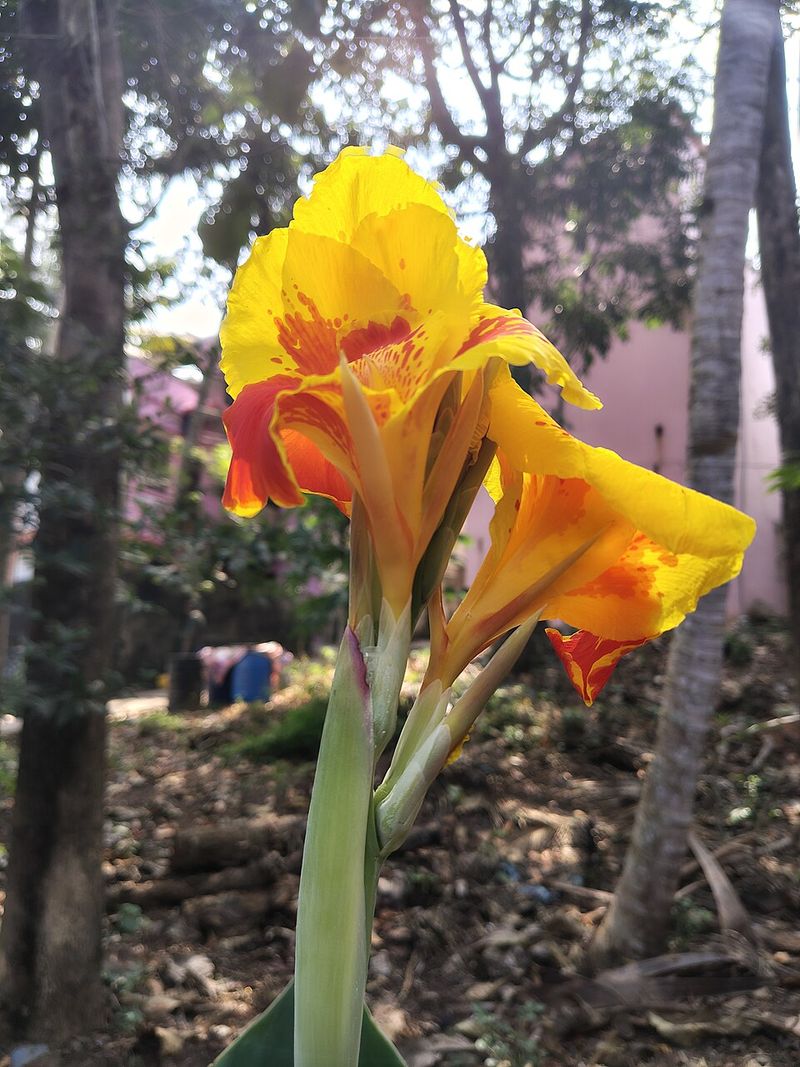
Bold foliage can be just as important as flowers in a hot climate garden, and yellow canna lily delivers both. The broad leaves hold their own through Georgia’s muggy summers, while the blooms add a tropical punch that reads beautifully from across the yard.
If you want a planting that feels dramatic without being delicate, this is an excellent direction.
Rich soil and regular moisture help cannas look their best, especially in the peak of summer when growth is fast. Unlike many perennials that merely endure humidity, these actually seem to enjoy it once temperatures rise.
A layer of mulch keeps the roots cooler, reduces watering stress, and helps beds stay neater around the base of those large leaves.
Use yellow forms near patios, fences, or poolside beds where their size can anchor the planting scheme. They pair well with elephant ears, purple fountain grass, or dark coleus for a high contrast look that feels intentional rather than chaotic.
In colder parts of Georgia, some gardeners mulch heavily or lift rhizomes, but many areas can keep them going with simple seasonal cleanup.
Lanceleaf Coreopsis
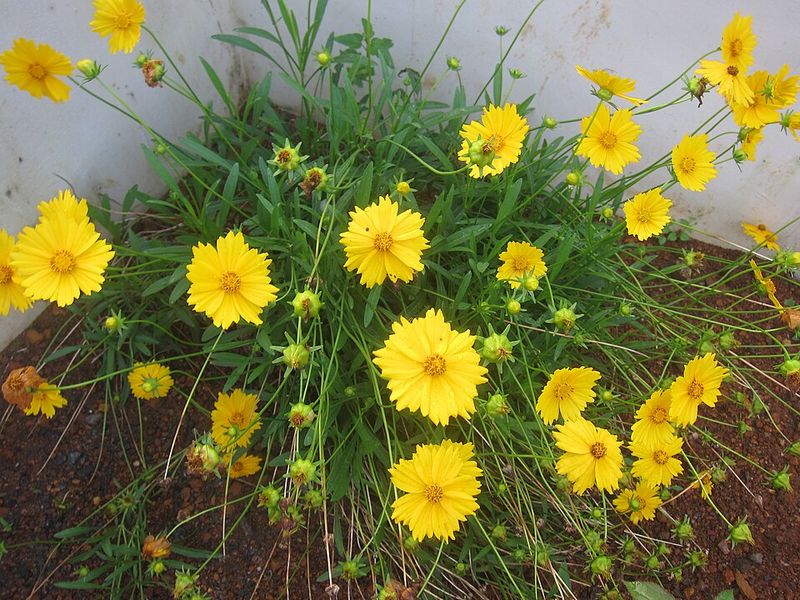
Native leaning gardens often benefit from plants that look relaxed but still perform under pressure, and lanceleaf coreopsis fits that role beautifully. Its clear yellow flowers rise above narrow leaves in a way that feels light, open, and easy to place in many designs.
In Georgia heat, that toughness becomes a major advantage as summer settles in.
Compared with some fussier perennials, this one asks for very little once established in full sun. Average to well drained soil suits it well, and the plant usually handles humidity better when air circulation is decent and surrounding growth is not too crowded.
Deadheading can prolong flowering, though many gardeners simply shear lightly after the first flush and enjoy the refresh.
Because it has a native garden character, lanceleaf coreopsis works especially well in meadow style borders, pollinator strips, and casual front yard plantings. Pair it with bee balm, native grasses, or coneflowers if you want movement and seasonal texture without a stiff, formal look.
For anyone trying to build a lower maintenance Southern garden that still feels bright and inviting, this perennial pulls plenty of weight.
Goldenrod
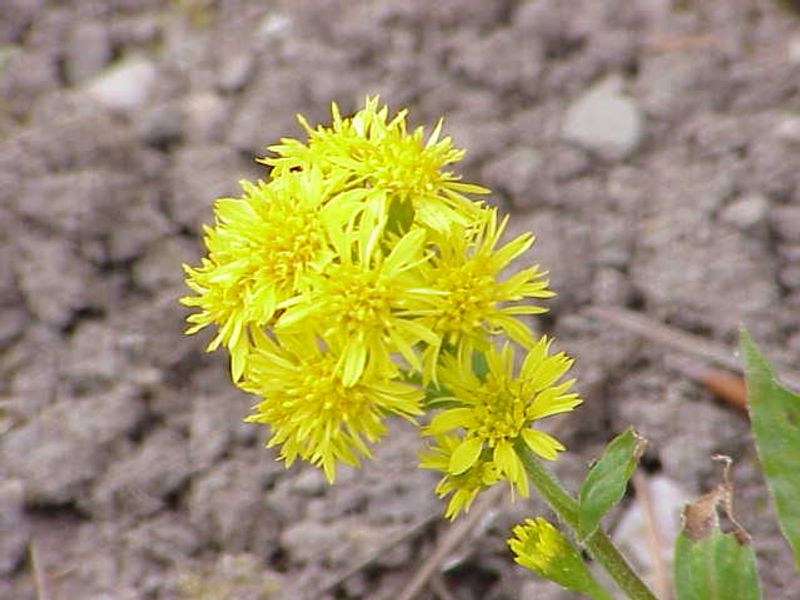
Late summer can leave garden beds looking worn out, which is exactly when goldenrod starts earning attention. Its yellow plumes arrive as many earlier flowers fade, giving Georgia landscapes a second wind during heat and humidity.
Despite old myths, goldenrod is not the main cause of seasonal allergies, so it deserves a fairer reputation than it often gets.
Most types prefer full sun and average soil, and many are far more adaptable than gardeners expect. Once established, they stand up well to Southern weather and support a wide range of pollinators when other nectar sources are thinning out.
Taller selections may need some room to stretch, while compact cultivars are easier to fit into smaller residential beds.
The color is rich and warm, making it especially effective beside asters, ornamental grasses, or deep green shrubs. Use it in the back of mixed borders, along fences, or in naturalized spaces where a slightly looser habit feels right.
If your garden often loses momentum by August, goldenrod is one of the smartest ways to restore brightness without turning to high maintenance annuals.
St. John’s Wort
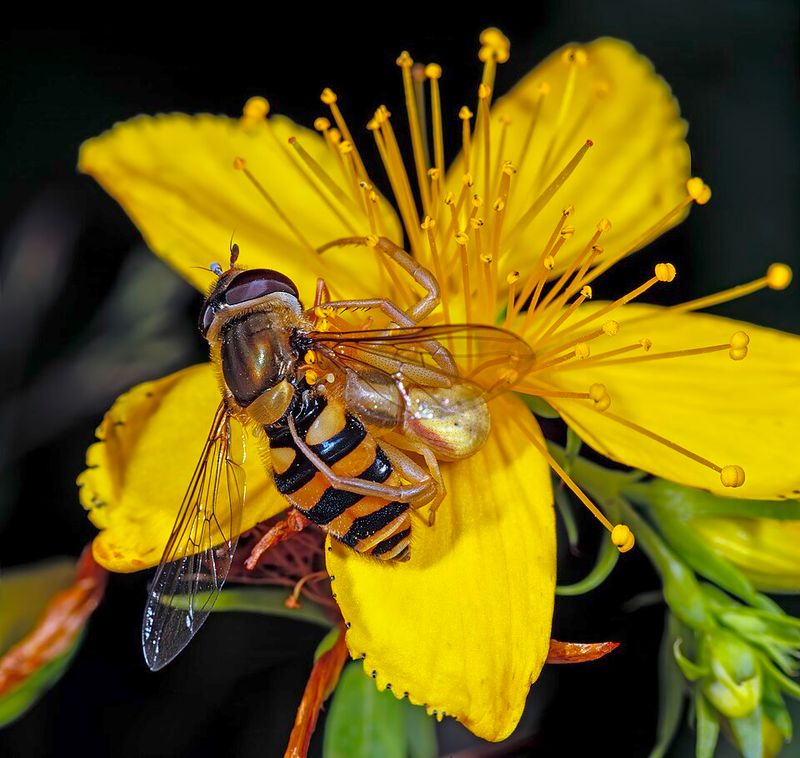
Shrub like structure and bright yellow flowers make St. John’s wort especially useful when a border needs more than just fleeting color. In Georgia, many gardeners appreciate how well it handles summer warmth while keeping a fuller, more grounded presence than smaller flowering perennials.
That habit makes it valuable near foundations, mixed borders, and sunny edge plantings.
Full sun to light afternoon shade usually works well, particularly in the hottest parts of the state where some relief can keep foliage fresher. The plant prefers well drained soil, but once established it is generally dependable through humidity and regular summer weather swings.
Pruning after flowering helps maintain shape and can encourage denser branching for the following season.
Those open yellow blooms pair nicely with blue flowering companions, silver foliage, or darker evergreens that sharpen the contrast. It is also a practical option if you want a perennial that bridges the visual gap between low flowers and larger shrubs.
For gardeners looking to build structure and color at the same time, St. John’s wort offers a sturdy, understated answer that holds up well in Southern conditions.
Yarrow
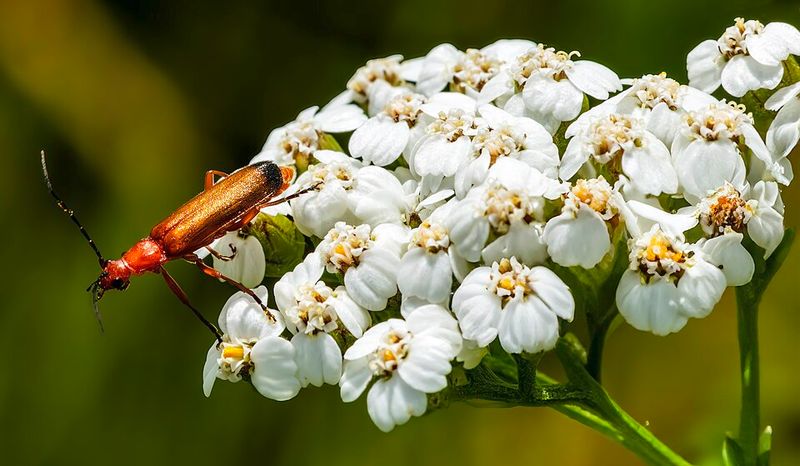
Yarrow brings a softer, meadow like look to a hot Georgia garden, but do not mistake it for delicate. Once established, it handles bright sun, steamy afternoons, and dry spells with a level of ease that feels almost unfair.
The flat clusters of yellow flowers hover above ferny foliage and keep borders looking light, airy, and cheerful.
This is a strong choice if you want long bloom time without constant fussing or watering. I like how it mixes easily with bolder summer perennials while still holding its own in the heat.
Give it sharp drainage and plenty of sun, and it usually settles in beautifully.