
10 Lavender Perennials That Define Cottage Gardens Across North Carolina
Follow us on Google
North Carolina cottage gardens feel incomplete without lavender working its quiet magic along paths, borders, and sunny porches. The right perennial variety can handle mountain chill, Piedmont clay challenges, and coastal heat with far less drama than many gardeners expect.
If you want fragrance, pollinator traffic, and that soft blue-purple haze cottage style does so well, plant choice matters. These eleven lavenders earn their place by looking beautiful, smelling unforgettable, and fitting the way real North Carolina gardens grow.
Munstead Lavender
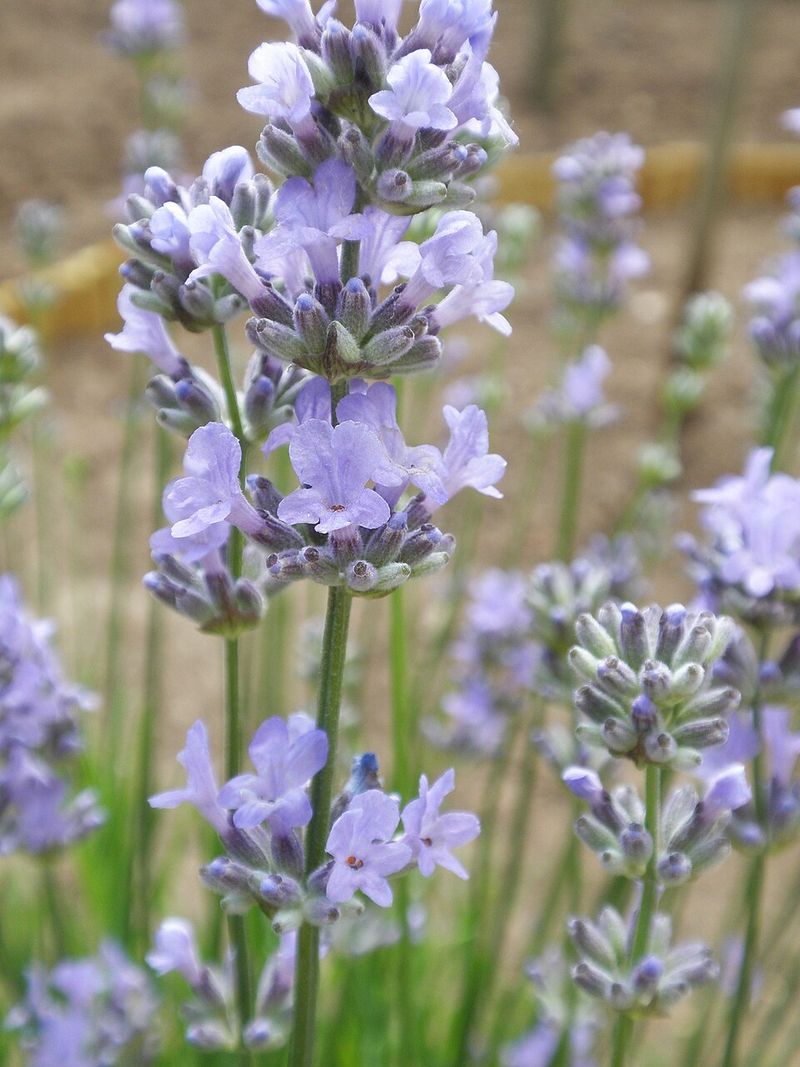
Few plants make a cottage border look settled as quickly as this compact English lavender. Munstead stays neat, flowers generously, and handles North Carolina’s seasonal swings better than fussier varieties that sulk in summer humidity.
If your garden space is limited, you still get fragrance, color, and a tidy outline without constant trimming.
Full sun is the nonnegotiable part, and drainage matters more than rich soil. I would mix grit or fine gravel into heavy Piedmont clay, then plant slightly high so roots never sit wet after thunderstorms.
Once established, it asks for less water than most flowering perennials, which makes it especially useful near paths and mailboxes.
The flower color leans soft violet rather than dark purple, giving beds a relaxed look that pairs beautifully with catmint, yarrow, roses, and salvia. Cutting stems just as the first buds open gives you the strongest scent indoors.
Bees find it quickly, and that constant motion adds life to even a very small front garden.
After the first big bloom, a light shear keeps the mound dense and may encourage another flush. In western and central North Carolina, this is often the safest lavender to start with.
It feels classic, dependable, and exactly right for a cottage garden that should look charming without becoming high maintenance.
Hidcote Lavender
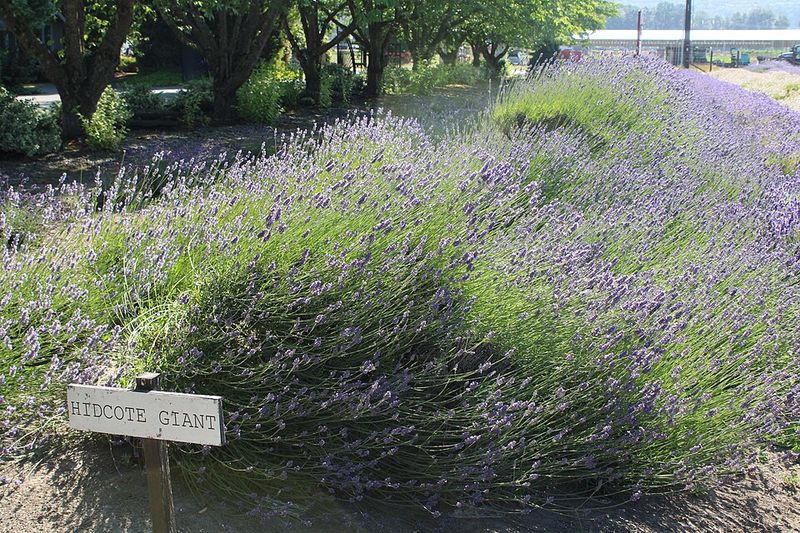
Deep color gives this English lavender its real advantage in cottage garden design. Hidcote brings richer purple flower spikes than many standard varieties, so borders look more defined and dramatic even when the planting palette stays soft and traditional.
That contrast is especially striking beside pale roses, white daisies, and weathered garden fencing.
Good drainage still decides its success, especially in humid parts of North Carolina where crown rot can end a promising plant fast. I like placing it in raised beds, gravelly edging strips, or sunny slopes where water moves away quickly after summer rain.
Heavy mulch is not your friend here, so keep the base airy and exposed.
The plant itself stays relatively compact, which makes it useful for repeating along walkways or framing herb gardens. Flower stems are wonderful for drying, and the stronger color holds nicely in bundles and wreaths.
If you want a more formal cottage look, this variety gives clear structure without appearing stiff or fussy.
Prune lightly after blooming, but never cut deep into old woody stems. In the mountains and upper Piedmont, it usually performs more reliably than in steamy coastal conditions.
For gardeners chasing that storybook purple edging around a path or patio, this one often delivers exactly the mood they pictured.
Phenomenal Lavender
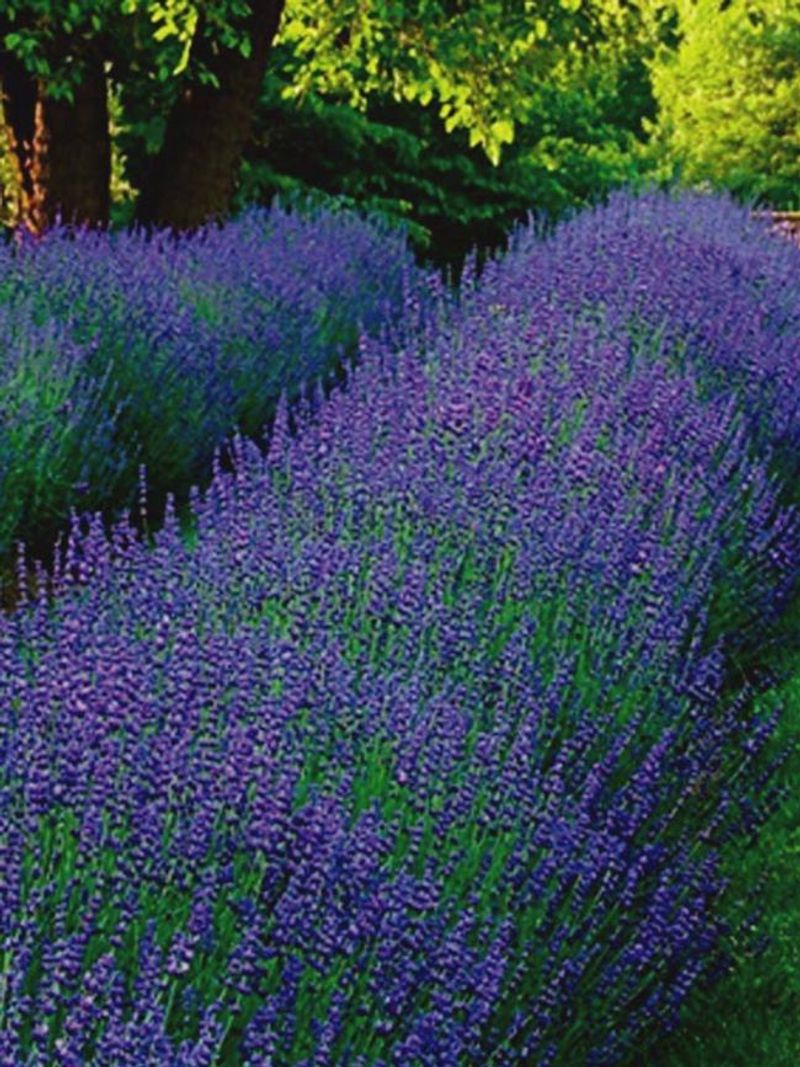
Humidity tolerance makes this lavender stand out when North Carolina summers start pressing down. Phenomenal was selected for stronger performance in heat, humidity, and winter cold, which is exactly the combination that confuses many classic lavenders here.
If you have tried lavender before and watched it decline by August, this is a smart second attempt.
The plant grows larger than compact English types, forming a broad silver mound topped with long flower spikes. That size works well in wide borders, around mailbox plantings, or beside gravel paths where you want a bigger visual statement.
Given enough sun, the foliage stays handsome even when the plant is not flowering.
Drainage still matters, but this one forgives imperfect conditions a little better than older varieties. I would not call it carefree, yet it is practical for gardeners who want cottage garden softness without building an entire alpine bed.
Pair it with echinacea, agastache, and gaura for a border that keeps moving through high summer.
Its fragrance is clean and strong, making fresh bundles worth cutting for the house. Pollinators work the blooms steadily, especially in warm midday hours.
Across central and western North Carolina, Phenomenal often earns its name by surviving conditions that send more delicate lavender varieties out of the garden far too soon.
Provence Lavender
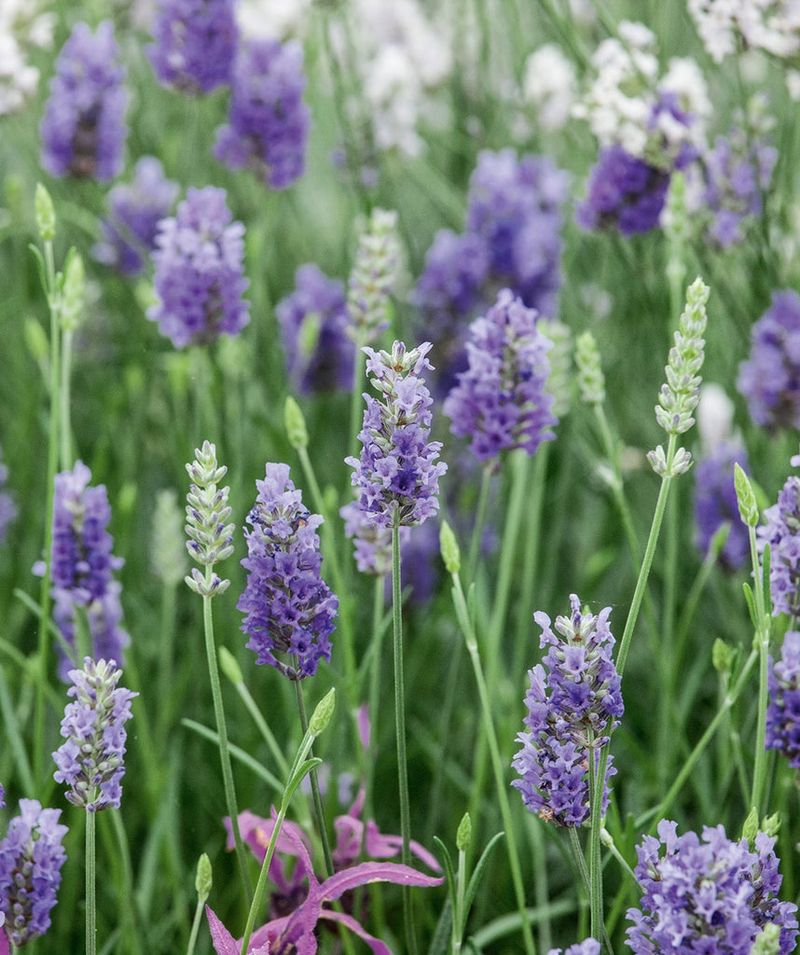
Long stems and a classic perfume make this French hybrid a favorite for gardeners who care about cut flowers as much as border beauty. Provence carries that familiar lavender scent people expect from sachets and bundles, and the bloom spikes have a graceful, airy height.
In a cottage garden, it softens fences, gates, and sunny corners beautifully.
Compared with tougher English types, this one needs a more careful site in North Carolina. The best results usually come from very sharp drainage, reflected heat, and room for air to move around the foliage after humid mornings.
Coastal gardeners can grow it, but only if wet soil never lingers near the roots.
Because the stems are longer, harvesting is especially satisfying. You can cut generous armfuls for drying, and the fragrance lasts well in wreaths, drawer sachets, and simple bunches tied with twine.
The flower color is lighter than some dark purple cultivars, which helps it blend easily with roses, santolina, and white gaura.
Winter survival is stronger in protected mountain and Piedmont gardens than in poorly drained low spots. A gravel mulch instead of bark helps keep the crown dry and the whole planting looking crisp.
If your cottage garden leans romantic and practical, Provence gives you flowers to admire outside and use indoors all season.
Grosso Lavender
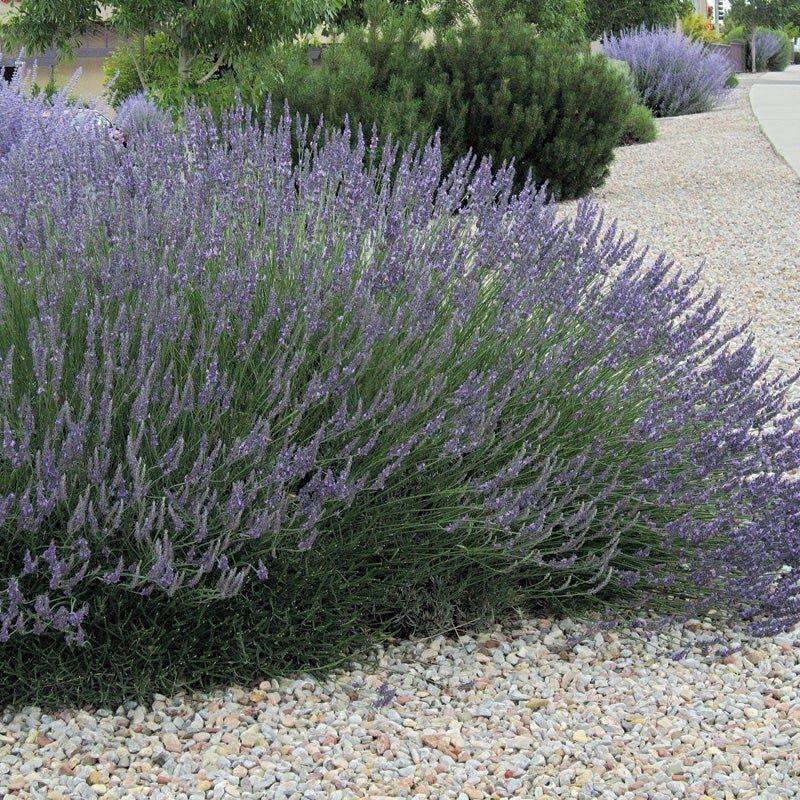
Big presence is what separates this lavandin from smaller border lavenders. Grosso grows broad and vigorous, sending up tall flower spikes that read from across the garden, which is useful if your cottage planting needs height and repetition.
The scent is bold too, leaning strongly herbal and perfect for drying in quantity.
Because it gets larger, spacing matters more than many gardeners expect. Cramming it into a tight bed invites poor air circulation, and humid North Carolina summers already create enough pressure on the foliage.
I like using it where breezes move through, such as along driveways, open herb gardens, or sunny retaining walls.
The flowers are excellent for bees and for harvest, especially if you enjoy making sachets, dried bundles, or simple handmade gifts. Its silvery foliage holds the border together even before buds open.
Paired with roses, upright salvias, or even ornamental grasses, it creates that relaxed cottage abundance without looking messy.
Winter hardiness is generally solid, but drainage remains the deciding factor in long term success. Do not overfeed it, and skip rich compost right at the crown.
For North Carolina gardeners who want one lavender plant to provide fragrance, volume, and a visible summer statement, Grosso is often the hardworking choice.
Royal Velvet Lavender
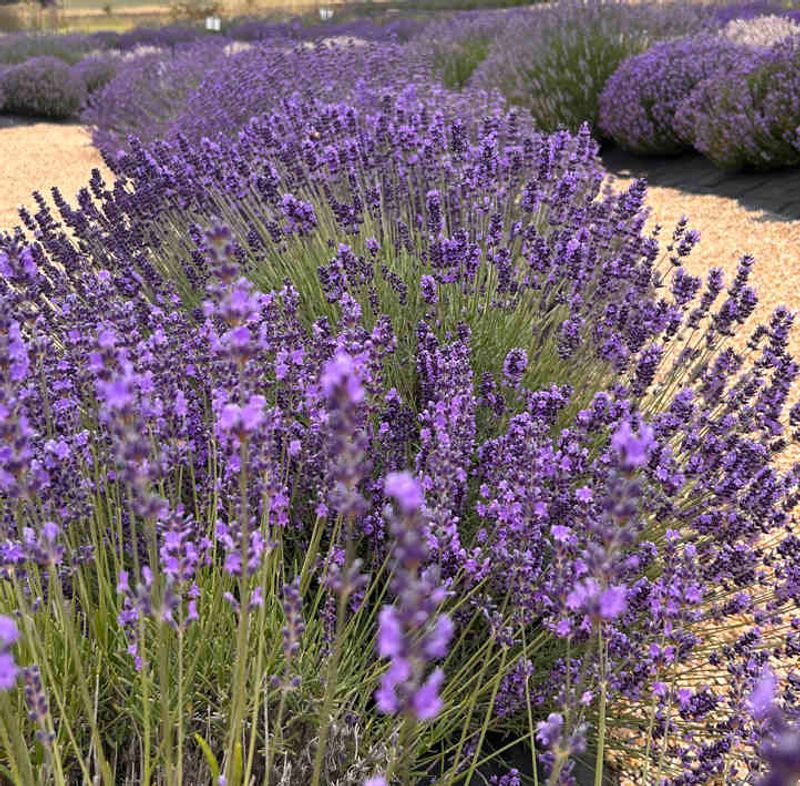
Richly colored flower spikes give this variety a polished look that still fits an easygoing cottage border. Royal Velvet is often chosen by gardeners who want darker blooms for fresh cutting and drying, and the color really holds attention against silver foliage.
In afternoon light, the planting can look almost painted into the garden.
Like other English lavenders, it performs best where drainage is fast and roots stay on the dry side. North Carolina gardeners with clay soil should improve the site before planting instead of hoping the plant adapts later.
Raised edging beds, gravel mulches, and south facing spots usually make the difference between surviving and thriving.
The stems are long enough for bouquets, and the fragrance is strong without turning sharp. If you are trying to create that old fashioned front walk lined with bloom and buzzing bees, this cultivar does the job beautifully.
It also pairs nicely with white roses, nepeta, lady’s mantle, and compact boxwood for more structure.
Prune after the main bloom to keep the mound from splitting open at the center over time. Avoid cutting into old wood, especially late in the season.
When a North Carolina cottage garden needs lavender with depth, scent, and excellent dried flower potential, Royal Velvet brings all three in a very convincing way.
Thumbelina Leigh Lavender
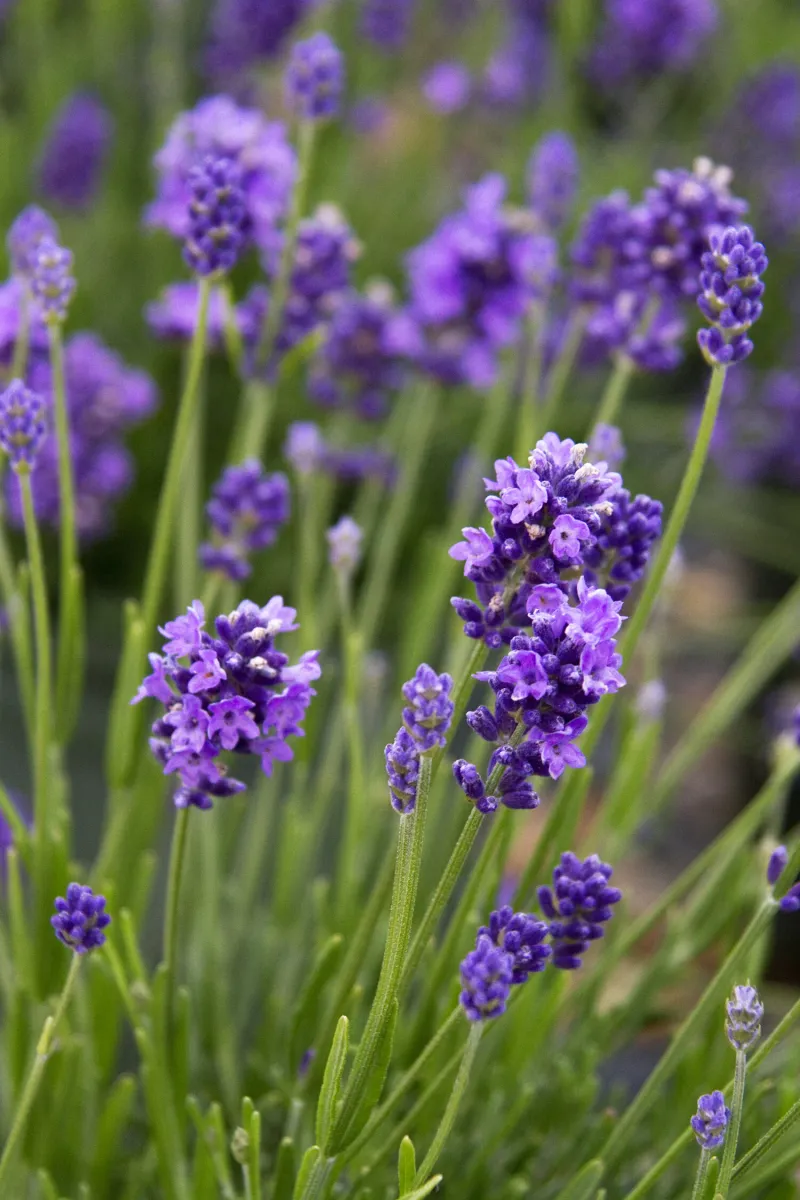
Rounded flower heads make this dwarf English lavender instantly distinctive in a cottage setting. Thumbelina Leigh stays compact, blooms on a small frame, and fits the kind of intimate garden spaces where every plant needs to earn its place.
Tucked beside stepping stones or herbs, it gives structure without swallowing nearby companions.
North Carolina gardeners often overlook dwarf lavenders when planning borders, but smaller forms can actually be easier to site well. You can place them in the sunniest, driest pockets where air circulation is strongest and soil can be amended thoroughly.
That precision matters when summer humidity and afternoon storms are working against you.
The flower spikes are short and plump, with a dense appearance that reads almost ornamental even from close range. I like it near seating areas because the fragrance releases easily when brushed along a path.
It also works beautifully in troughs, stone edged herb beds, and narrow front yard plantings that need a polished outline.
Pruning is simple because the plant stays naturally rounded. Just remove spent blooms and lightly shape the mound while leaving green growth in place.
If you want a classic lavender look in a small North Carolina cottage garden, Thumbelina Leigh gives you fragrance, pollinator appeal, and a tidy silhouette that never feels oversized.
Spanish Lavender
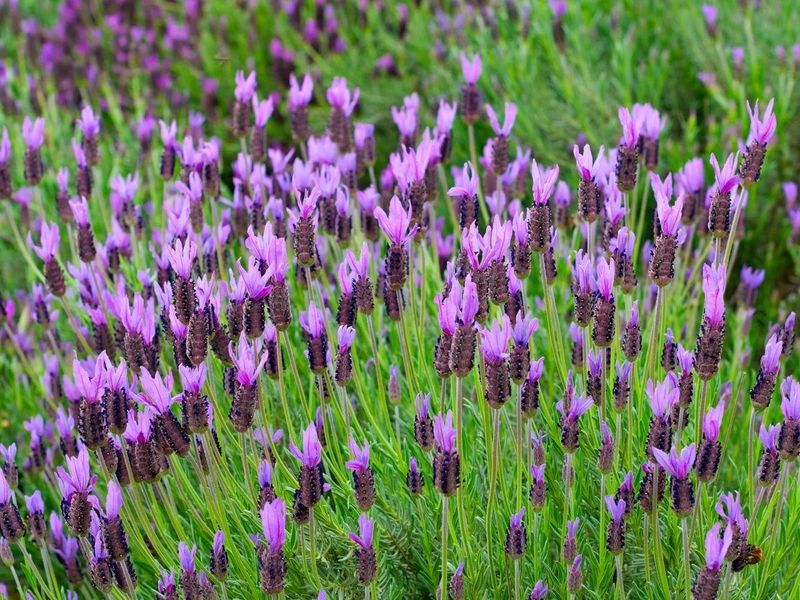
Distinctive top bracts give this lavender a playful look that instantly loosens a traditional planting. Spanish lavender is not the standard cottage image many people picture first, yet those rabbit ear blooms add personality and a longer season of interest in warm parts of North Carolina.
It looks especially good when the garden style leans relaxed rather than formal.
Heat is less of a problem here than winter wet or poorly drained soil. In central and eastern North Carolina, this type can perform surprisingly well if planted high, given full sun, and protected from soggy conditions.
I would avoid thick organic mulch and choose gravel instead to keep the crown dry and clean.
The fragrance is a bit different from classic English lavender, but pollinators still appreciate it, and the flowers hold color well. It pairs nicely with rosemary, santolina, dwarf roses, and flowering oregano for a cottage garden that hints at Mediterranean influence.
In containers, it often looks especially sharp near steps, patios, or sunny entryways.
Cold snaps in the mountains can shorten its life, so treat it as a choice for milder microclimates or protected sites there. Shear lightly after bloom to encourage repeat flowering and a tighter shape.
For gardeners who want cottage charm with extra visual character, Spanish lavender brings an upbeat twist without losing perennial value.
Goodwin Creek Grey Lavender
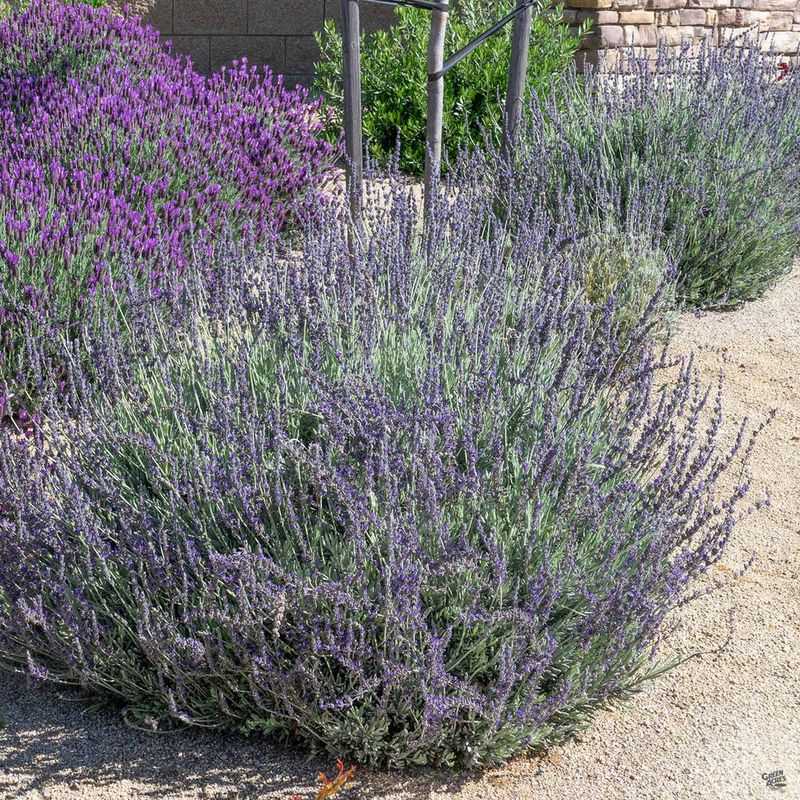
Silvery foliage is the first thing that catches your eye with this distinctive lavender. Goodwin Creek Grey offers finely textured leaves and a softer shrubby habit, so it brings season long color even before the purple flowers fully arrive.
In a cottage garden, that silver tone brightens hot summer borders and plays beautifully against brick, stone, and weathered wood.
North Carolina gardeners should think of it as a specialty choice rather than the default beginner plant. It appreciates excellent drainage, lots of heat, and some winter protection in colder areas, especially in the mountains.
Containers, raised beds, and sheltered foundation plantings usually show it off better than exposed low spots.
The foliage has real ornamental value, which means you get more than just a short bloom window. I like combining it with trailing thyme, white gaura, and compact roses where the silver leaves can cool down stronger flower colors.
Its habit feels slightly relaxed, making it ideal for informal cottage beds that should look collected over time.
Regular light pruning helps keep the plant shapely and prevents legginess. Avoid heavy cutting into old wood, particularly before cold weather arrives.
If you want a lavender that contributes texture as much as fragrance in North Carolina, Goodwin Creek Grey can be a beautiful choice when the site is thoughtfully prepared.
Anouk Lavender
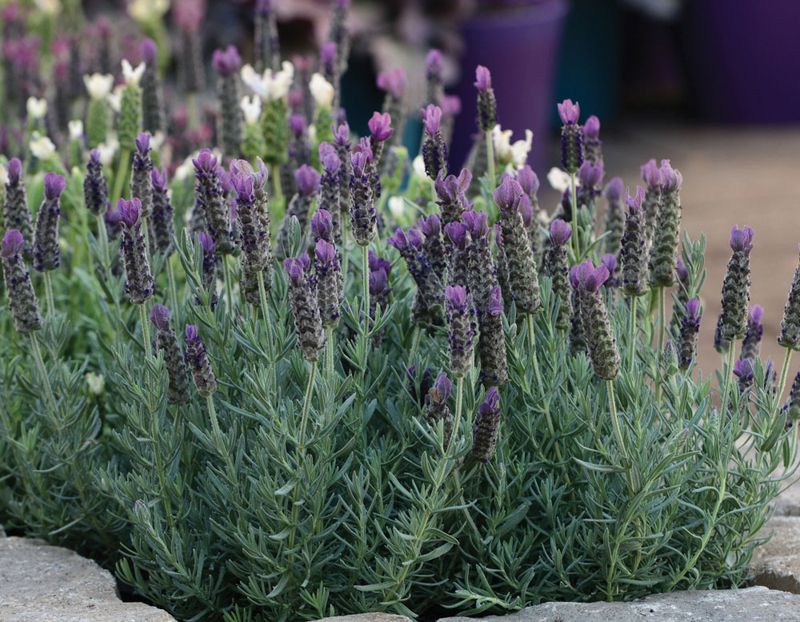
Showy bracts and compact growth give this Spanish type an almost decorative, ready made look. Anouk brings saturated color early and often, which makes it useful when you want immediate impact near patios, gates, or cottage garden focal points.
It has enough personality to stand alone, yet it also mixes well with softer silver and white plantings.
Warmth suits it, but drainage remains the deciding factor in North Carolina. I would place it in containers, gravel edged beds, or elevated sites where summer downpours drain away quickly and winter moisture never lingers.
Gardeners near the coast often appreciate how well it handles sun and heat compared with fussier English forms.
The bloom shape is a conversation starter, especially for visitors who assume all lavenders look the same. It works beautifully with rosemary, dwarf santolina, osteospermum, and compact roses if you want a cottage palette with a slightly southern European feel.
Pollinators still visit regularly, so beauty is not coming at the expense of garden life.
In colder inland spots, protection from severe winter weather improves survival. Deadhead lightly and shear after the main flush to encourage fresh growth and repeat flowering.
For North Carolina gardeners craving a lavender that feels cheerful, stylish, and a little unexpected, Anouk offers strong ornamental value in a manageable size.