
13 Multicolor Perennials That Keep Ohio Yards Visually Dynamic All Season
Follow us on Google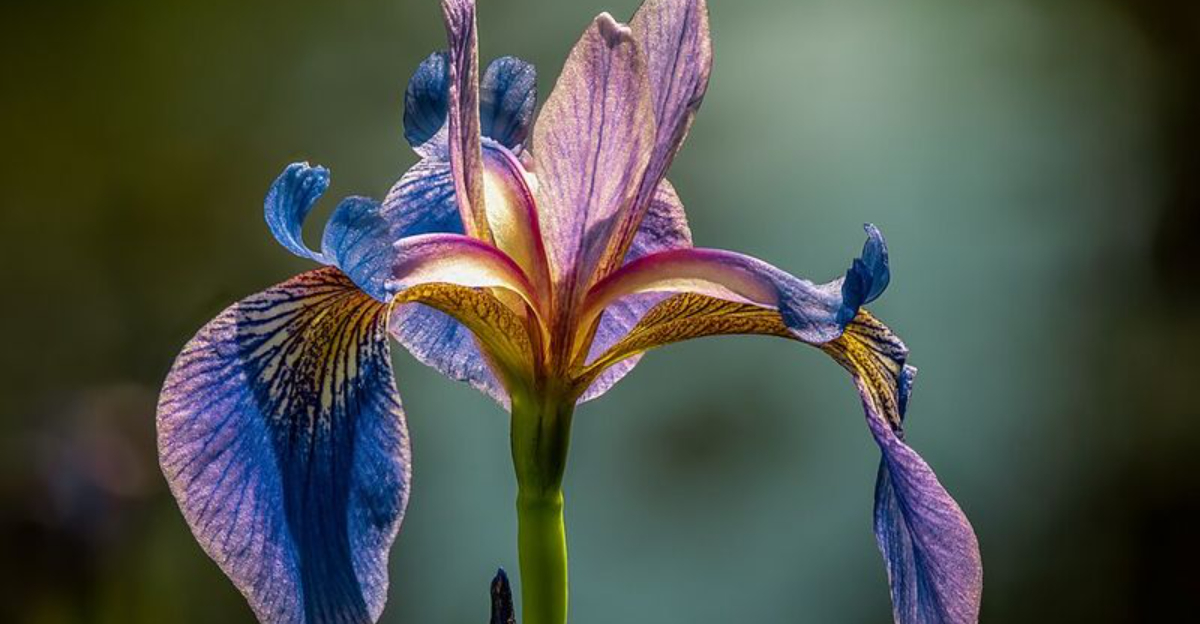
A yard can feel flat fast when every bloom peaks at once and then fades into green. The good news is that Ohio gardeners have plenty of perennial options that layer color, texture, and repeat interest from spring through frost.
These picks do more than flower – they keep borders moving visually as new tones appear against changing foliage. If you want beds that stay lively without replanting every year, these are the dependable standouts worth making room for.
Coneflower
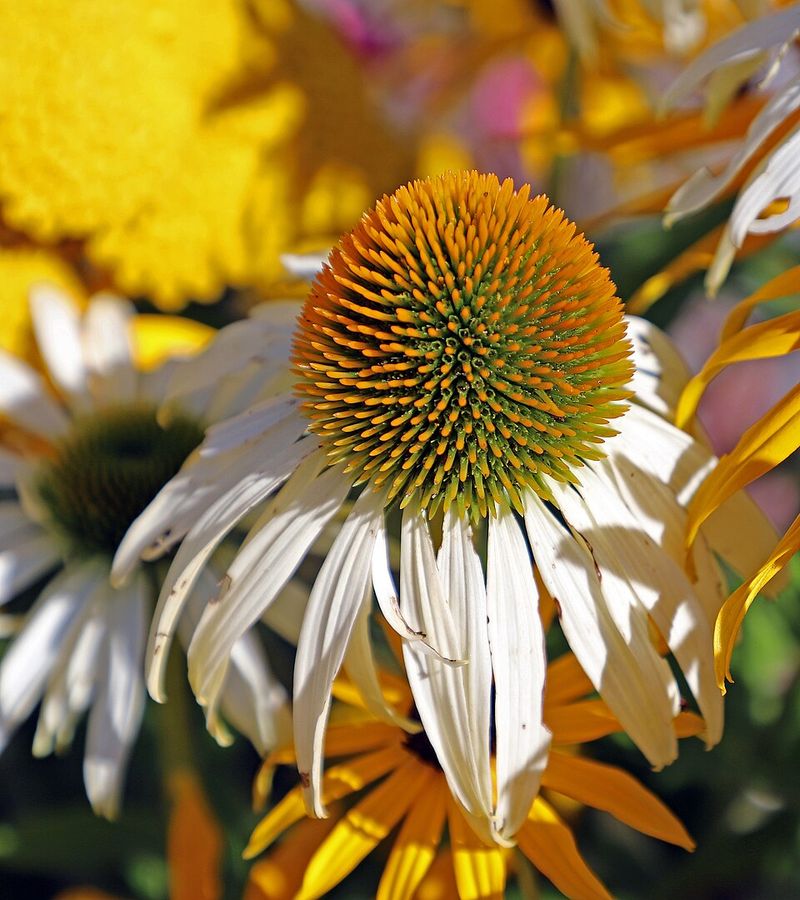
Few plants earn their space as easily as coneflower when you want months of shifting color in an Ohio yard. Newer varieties go far beyond purple, bringing sunset orange, clear white, coral, magenta, and even lime-tinted centers into the mix.
That range lets you build a bed that looks fresh even when the planting plan itself stays simple.
Ohio summers can swing from humid and stormy to dry and punishing, and this perennial usually handles both without much drama once established. Full sun keeps stems sturdy and flowering generous, while deadheading helps prolong the display if you want a tidier look.
Leaving a few seed heads in place later adds structure and gives goldfinches something to snack on.
In mixed borders, I like pairing these daisy-shaped blooms with ornamental grasses or dark-leaved coral bells for contrast. Shorter forms fit neatly along walkways, while taller selections anchor the middle of a sunny bed.
You also get pollinator traffic all season, which makes the color feel even more animated.
Plant several shades together instead of repeating only one, and the effect feels intentional rather than busy. Good drainage matters more than rich soil.
Once roots settle in, this is one of the easiest ways to keep summer beds visually active.
Daylily
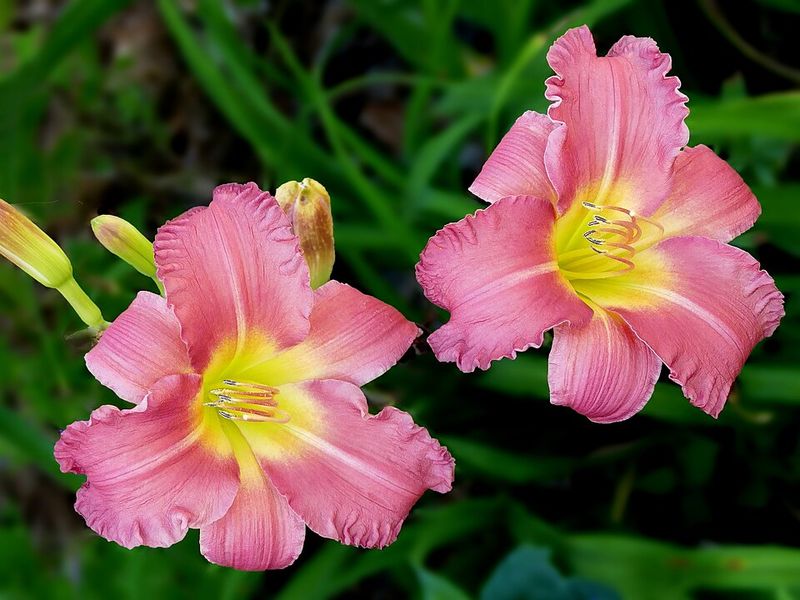
Color variety gets serious with daylilies because the flower palette seems almost endless. You can find buttery yellow, deep wine, apricot, near-red, lavender, peach, and dramatic bicolors with contrasting throats and edges.
In an Ohio yard, that means one dependable perennial can carry a border through early and midsummer without feeling repetitive.
Each bloom lasts only a day, but scapes hold many buds, so the show keeps renewing itself. Reblooming varieties stretch that effect even further, especially in sunny spots with average moisture.
When you mix early, midseason, and reblooming selections, the bed keeps changing as one color wave hands off to the next.
These are especially useful near mailboxes, fences, or hot strips along driveways where fussier plants struggle. Straplike foliage gives structure even when flowers pause, and clumps gradually expand without becoming hard to manage.
Dividing every few years keeps performance high and gives you extra plants for other corners of the yard.
For the most dynamic look, combine solids with patterned cultivars instead of planting all one tone. A cluster of orange beside burgundy and cream creates movement without looking chaotic.
If you want long color with very little babysitting, this one is hard to beat.
Bee Balm
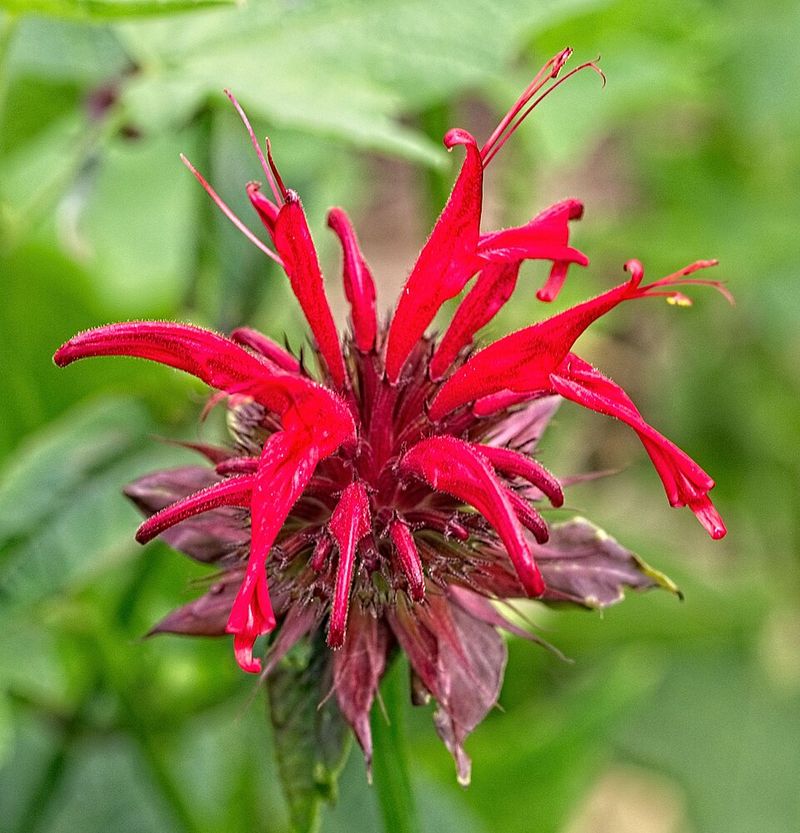
Summer borders wake up fast when bee balm starts throwing bright, shaggy flowers above the foliage. Instead of a single red patch, you can mix cherry, lavender, violet, pink, and white selections for a planting that looks lively from every angle.
The unusual flower shape also adds texture, which matters just as much as color in a long-season garden.
Ohio gardeners appreciate how strongly this perennial pulls in bees, butterflies, and hummingbirds during the hottest part of the season. Air circulation helps prevent mildew, so give each clump room and avoid crowding it with dense neighbors.
Newer cultivars often stay more compact and show better leaf health, which makes maintenance easier.
Use it where movement counts, like beside a patio or near a path you walk daily. Every visitor makes the planting feel more animated, and the blooms stand out nicely against simple companions such as black-eyed Susans or blue salvias.
Even after peak bloom, the seed heads can keep a little structure in the bed.
Rich soil is nice, but reliable moisture matters more, especially in full sun. If a clump gets tired, divide it in spring and replant the strongest outer pieces.
Mixing several bloom colors creates a pollinator patch that stays visually busy without needing annual fillers.
Coral Bells
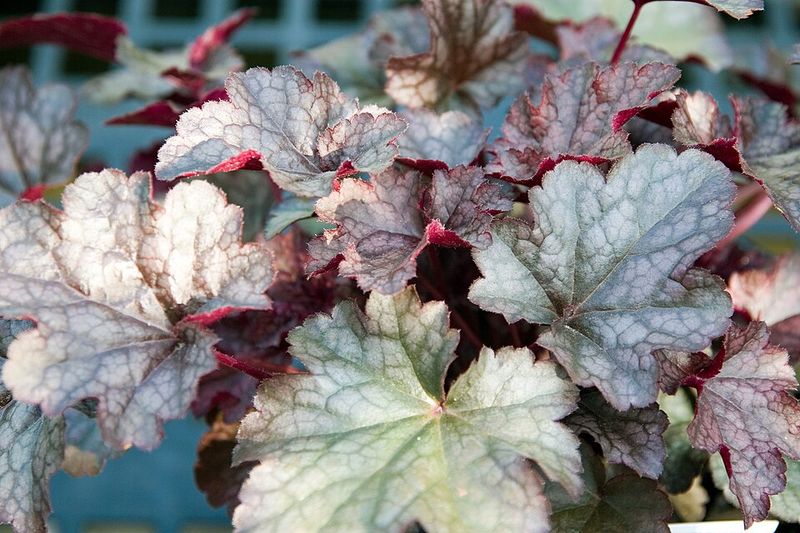
Foliage can do the heavy lifting when flowers fade, and coral bells prove that point beautifully. Leaves come in caramel, plum, silver, lime, rose, amber, and nearly black shades, often with veining that changes as the season moves along.
That color range keeps an Ohio yard dynamic even before the delicate flower stems appear.
These perennials are especially useful in part shade, where bright blooms can be harder to sustain from spring through fall. Tuck them along front borders, around hostas, or beneath small trees to create contrast that does not disappear after one flowering window.
In milder winters, some foliage even carries through, giving you extra value outside the main growing season.
Drainage matters because Ohio winters can be rough on crowns sitting in wet soil. Planting slightly high and mulching lightly usually helps.
Once established, coral bells are low effort, and their mounded habit makes neighboring plants look more polished without much editing on your part.
Try combining chartreuse leaves with deep burgundy forms instead of relying on a single cultivar. That simple move creates the same layered feeling designers chase with annual color schemes.
If your beds feel dull between bloom cycles, this is one of the smartest ways to add season-long visual motion.
Garden Phlox
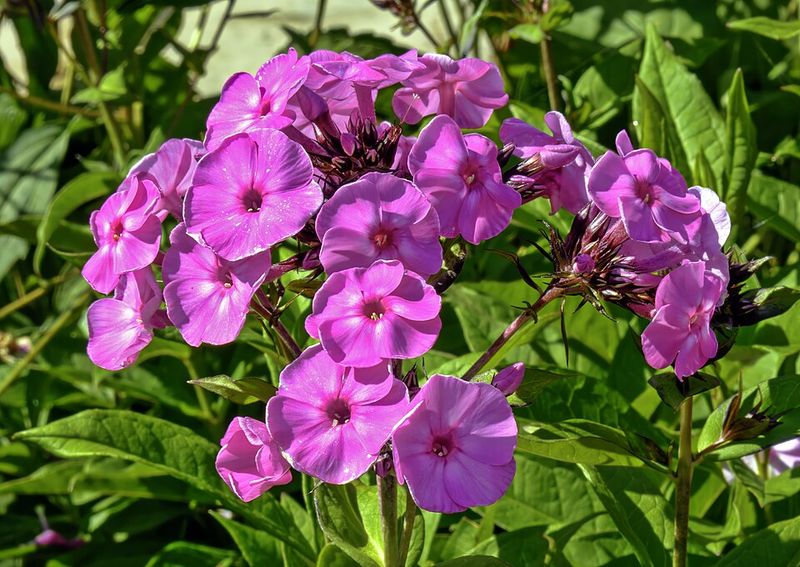
Height changes a planting fast, and garden phlox brings that vertical color right when many early bloomers are tiring out. You can choose from white, blush, hot pink, lavender, purple, and eye-catching bicolors with darker centers.
In Ohio beds, those shades create a strong midsummer to late-summer bridge that keeps borders from flattening.
Fragrance is part of the appeal, but the tall flower clusters are what make the yard feel full and energized. Good sun exposure and strong air flow are worth prioritizing because powdery mildew can be an issue in humid weather.
Resistant cultivars make a noticeable difference, so picking improved varieties saves trouble later.
These flowers pair well with coneflowers, ornamental grasses, and shorter edging plants that hide the lower stems. A drift of mixed pinks and purples looks lively without becoming messy, especially when repeated in more than one section of the yard.
They also make excellent cut flowers, which means the garden can brighten your kitchen too.
Keep soil evenly moist during dry stretches for the best performance. Deadheading can encourage extra bloom, though even fading trusses still give some structure until the next flush starts.
If you want bold color that reads from across the yard, this perennial earns its keep.
Blanket Flower
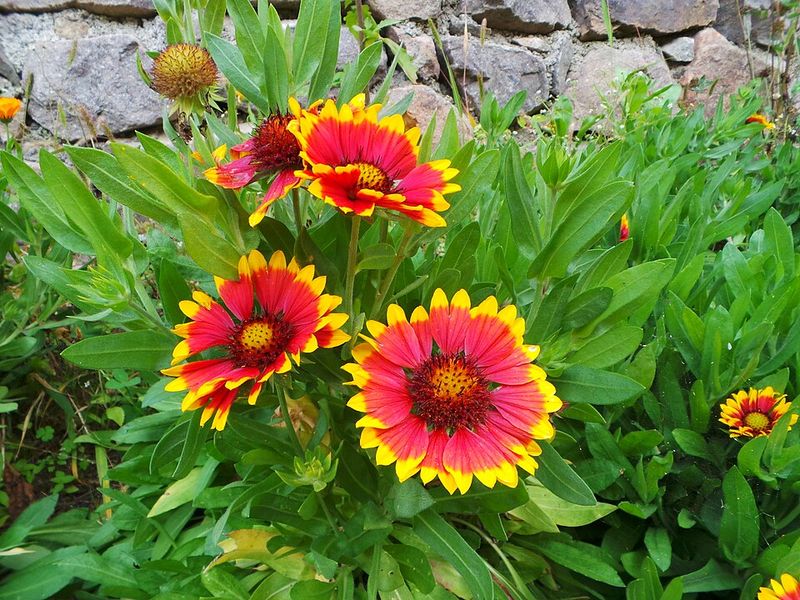
Hot color is the whole point with blanket flower, and it delivers without asking for pampering. Petals often blend red, orange, gold, and yellow in a single bloom, so even one plant can look multicolored from a distance.
That fiery mix keeps sunny Ohio beds from slipping into a one-note summer look.
Dry, lean soil is not a problem here, which makes this perennial useful in places that bake near sidewalks, driveways, or stone edging. Too much fertility can actually shorten its life, so there is no need to spoil it.
Full sun and decent drainage are the big requirements.
The daisy form fits naturally with prairie-style plantings, but it also works in smaller suburban borders. Repeating the warm tones beside purple salvia or blue catmint creates a strong contrast that feels intentional and energetic.
Pollinators show up regularly, adding motion that makes the color display feel even richer.
Deadheading helps extend flowering, though many gardeners leave some spent blooms for a looser, more natural look. Because individual plants can be short-lived, letting a few reseed lightly or replacing them every few years keeps the display strong.
For easy summer heat color, this one punches above its size.
Columbine
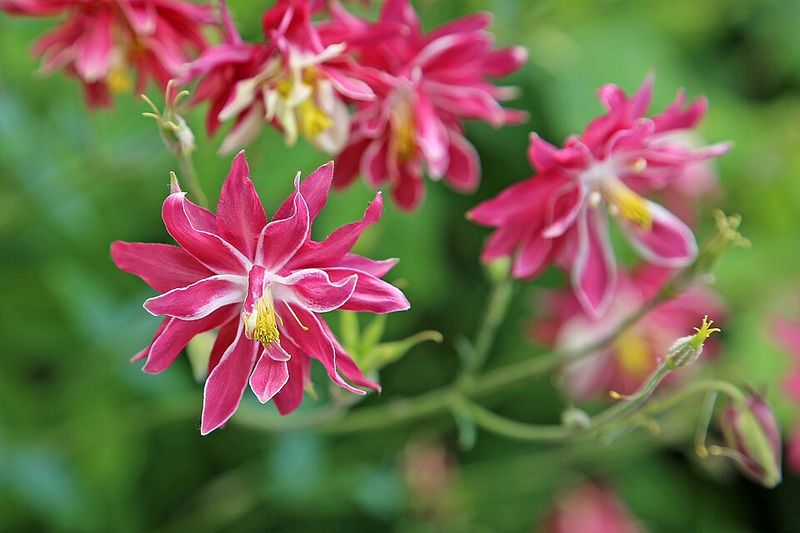
Spring color feels more interesting when flower shapes vary, and columbine brings a look that few other perennials can match. Nodding blooms appear in red and yellow, blue and white, purple, pink, and other mixed combinations that read almost like tiny lanterns.
In Ohio gardens, that makes it a strong choice for keeping early-season beds visually active.
Part shade is often ideal, especially where summers turn humid and bright afternoons can stress softer foliage. These plants are happiest in soil that drains reasonably well but does not stay bone dry.
Once established, they often self-sow lightly, giving you pleasant surprises in nearby pockets of the garden.
That natural reseeding is useful if you like a relaxed, layered planting style instead of rigid symmetry. The seedlings may vary in color, which actually adds to the dynamic effect over time.
Tuck them near ferns, hostas, or spring bulbs, and the whole area feels more textured and less predictable.
Foliage can fade after blooming, so surrounding them with later-emerging companions helps cover any gaps. If leaf miners appear, trim damaged foliage rather than worrying too much.
For gardeners who want a spring perennial that brings both movement and mixed color, this one has real charm.
Yarrow
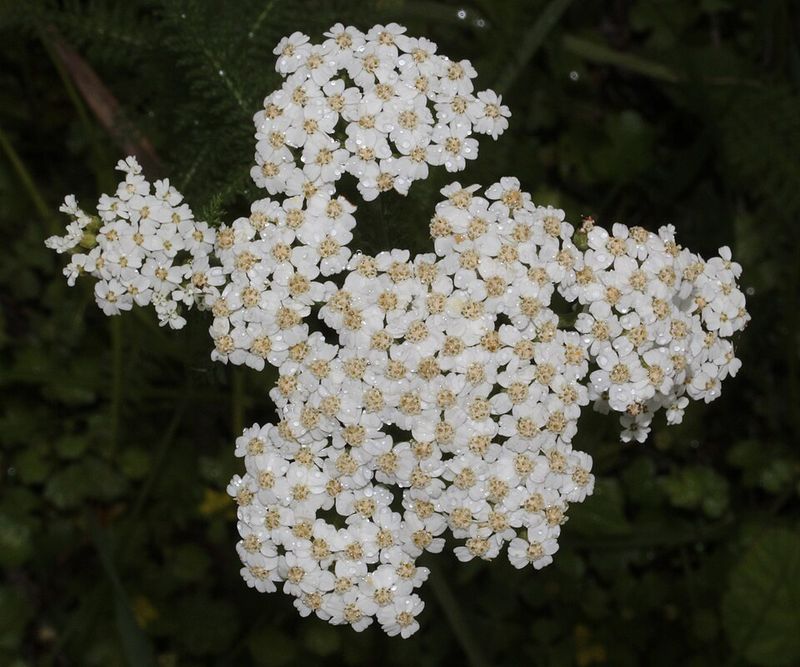
Flat-topped flower clusters give yarrow a different rhythm than spiky or daisy-shaped perennials, which helps a mixed bed feel layered. Colors range from lemon and cream to peach, rose, terracotta, and deep red, often fading into softer tones as blooms age.
That means one planting can shift appearance over several weeks without you changing a thing.
Ohio gardeners dealing with heat, dry soil, or exposed sites often find this perennial especially useful. It prefers full sun and excellent drainage, and it usually performs better in average soil than in rich, heavily amended beds.
Once roots are established, it asks for very little water.
The finely cut foliage adds a soft texture that contrasts well with broader leaves from daylilies or coneflowers. In pollinator gardens, it acts like a steady connector between spring and late-summer stars.
Cutting some stems for bouquets also encourages fresh growth and brings that color story indoors.
Shorter varieties suit front borders, while taller selections can fill the middle of a sunny bed with ease. If floppy growth shows up, the site is usually too rich or too shaded.
For a long-lasting perennial that changes shade subtly and keeps the yard looking active, yarrow is a smart addition.
Hellebore
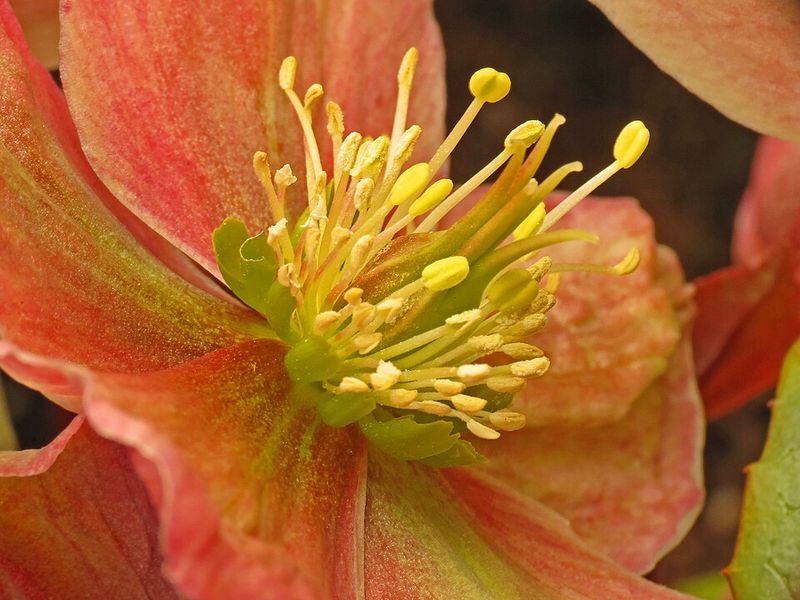
Late winter and early spring can make an Ohio yard look tired, which is exactly when hellebores start earning attention. Flowers appear in cream, green, blush, plum, burgundy, near-black, and speckled combinations that feel much richer than the typical early-season palette.
Because the blooms face outward more on newer strains, you actually get to enjoy that color without crouching as much.
These perennials prefer part to full shade and soil with decent organic matter, making them ideal near porches, woodland edges, or foundation beds. Evergreen foliage carries through much of the year, so the plant keeps contributing after flowering ends.
A quick cleanup of older leaves in late winter makes the blooms stand out better.
Color mixing works especially well here because the tones are subtle rather than loud. Grouping several shades together creates depth that reads sophisticated instead of busy, especially beside spring bulbs or blue pulmonaria.
They also resist deer better than many shade favorites, which matters in plenty of Ohio neighborhoods.
Patience helps because clumps improve with age and usually do not need frequent division. Once settled, they become one of those reliable plants you appreciate more every season.
For multicolor interest before most gardens wake up, hellebores bring a welcome head start.
Siberian Iris
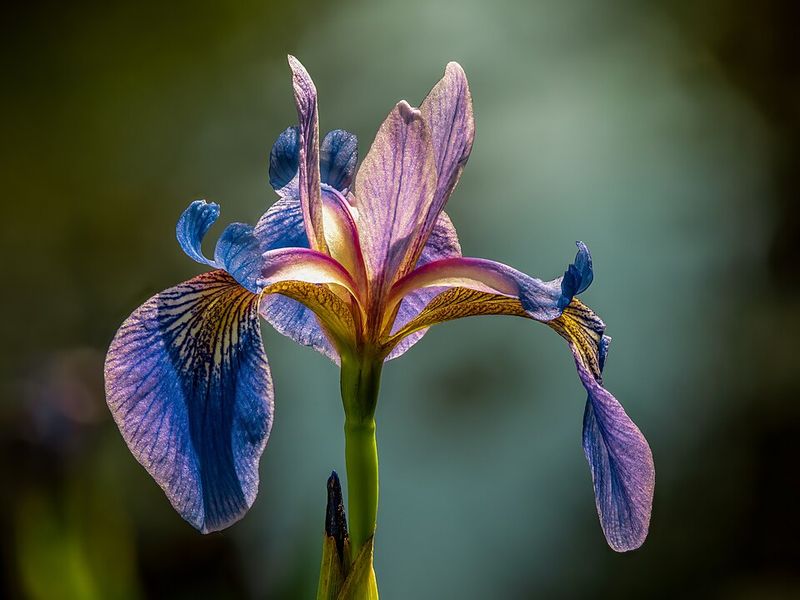
Graceful lines can be just as important as bloom count, and Siberian iris brings both structure and color to late spring beds. Flowers come in blue, violet, white, yellow, and attractive bicolor forms with contrasting falls and standards.
That range gives Ohio gardeners a refined way to add seasonal variety without making a border feel crowded.
Unlike some larger irises, these tolerate average garden conditions with less fuss and keep handsome grassy foliage after bloom. The leaves stay upright through much of the season, so the plant continues contributing texture long after the flowers finish.
That quality makes it useful in both formal and relaxed planting schemes.
Full sun gives the best flowering, though a touch of afternoon shade can help in hotter sites. Moist but well-drained soil is ideal, especially while clumps are establishing.
Near a rain garden edge or beside a path that gets regular moisture, they can look exceptionally fresh.
Use them to break up heavier foliage from peonies, hostas, or broad-leaved summer perennials. The bloom season is not the longest, but the elegant form and durable leaves keep the planting visually active afterward.
If you want a perennial that adds movement and mixed color without becoming overbearing, this is a strong pick.
Balloon Flower
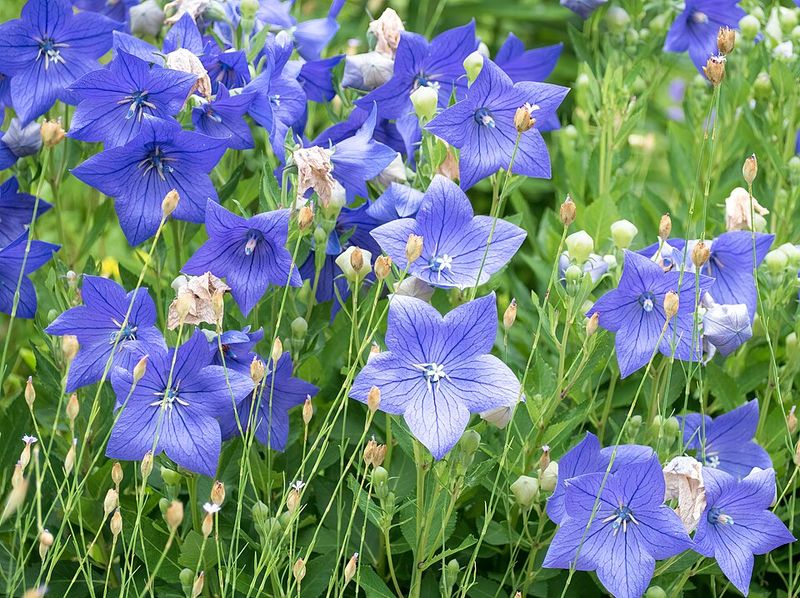
There is something genuinely fun about balloon flower because the puffed buds already look decorative before they open. Once they unfold, you get starry blossoms in blue, violet, white, and pink, which gives an Ohio border a playful midseason shift.
That bud-to-bloom progression adds visual change even when the plant is standing still.
These perennials prefer full sun to light shade and appreciate soil that drains well but does not stay parched for long stretches. They emerge late in spring, so marking their spot helps prevent accidental digging.
After that delayed start, they settle into a tidy clump that fits neatly into many bed designs.
Shorter selections are useful near edging, while taller forms can weave through mixed borders without dominating neighbors. The cool flower tones pair especially well with warm daylilies or blanket flowers, giving the yard more contrast.
Children and visitors also tend to notice the inflated buds, which makes this plant memorable beyond its color.
Because the roots dislike disturbance, choose the planting site carefully from the start. Deadheading can keep the display cleaner, though some seedpods are worth leaving for interest.
If you want an easy perennial with a little personality, balloon flower brings both charm and steady seasonal color.
Jacob’s Ladder
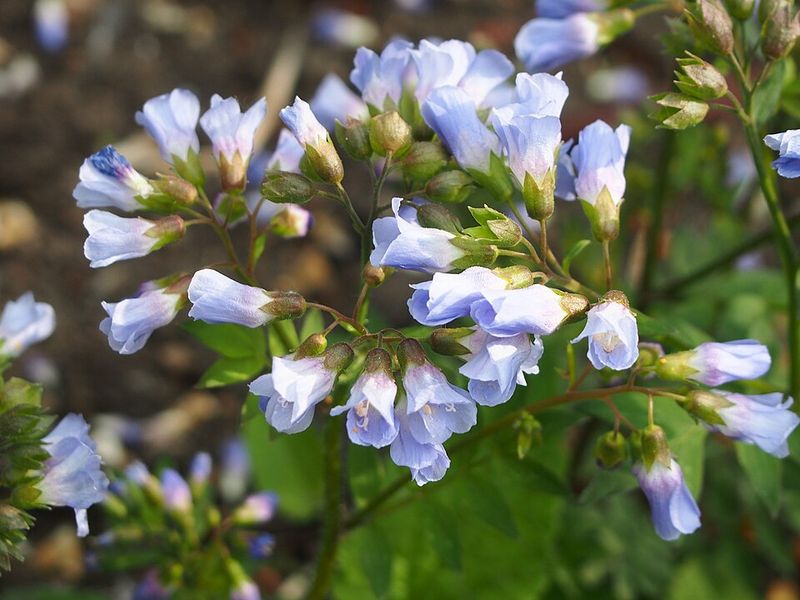
Texture does a lot of visual work in shade, and Jacob’s ladder brings plenty before flowers even open. The ladder-like leaf arrangement looks delicate and interesting, while bloom colors in blue, lavender, purple, and white add a cool, calming range to spring and early summer beds.
In an Ohio yard, that combination helps quieter spaces feel intentional rather than forgotten.
Part shade suits this perennial best, especially where afternoon sun can be strong. Soil should stay evenly moist but not soggy, since dry stress can cause foliage to look rough by midsummer.
In cooler, sheltered locations, it often stays attractive longer and asks for very little from you.
Variegated selections add another layer of brightness if a bed needs more contrast without louder flower colors. This plant works nicely with hostas, ferns, hellebores, and lungwort because the leaf shapes all play off one another.
The result feels detailed and dynamic, even in a limited color palette.
Cutting back tired foliage after flowering can freshen the clump and sometimes encourage better regrowth. It is not the flashiest perennial on this list, but it adds nuance that makes other plants look better too.
For a shade border that stays visually interesting, that subtle contribution matters a lot.
Lungwort
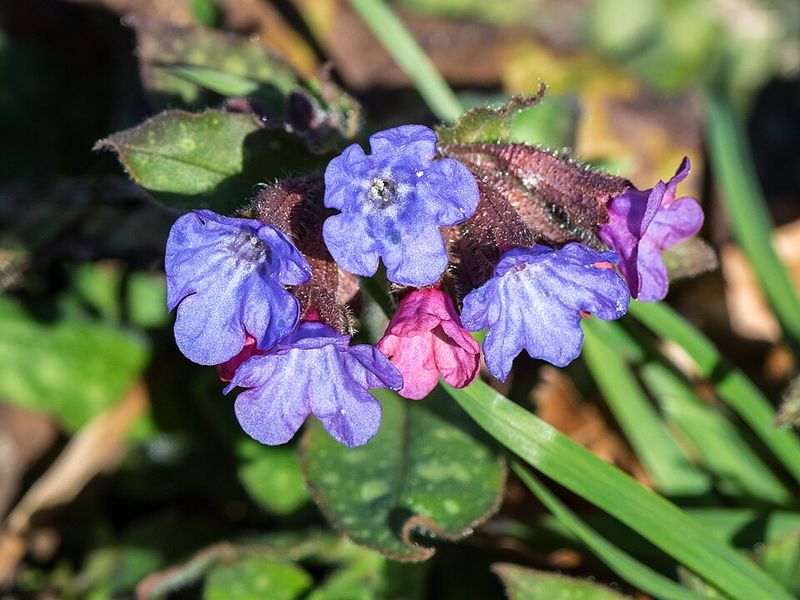
Seasonal change becomes more noticeable when a plant shifts color as it blooms, and lungwort does exactly that. Flowers often open pink and mature to blue or violet, creating a two-tone effect on the same clump for days at a time.
Add the silver-spotted foliage, and an Ohio shade bed instantly gets more contrast and depth.
This perennial shines in part to full shade, especially in soil that stays cool and evenly moist. It is one of those plants that rewards the right location more than extra work, so tucking it beneath deciduous trees or along a north-facing foundation usually pays off.
Early bloom also makes it useful near entryways, where spring color is especially welcome.
The leaves carry visual interest long after flowers pass, which is why lungwort pulls more weight than many brief spring bloomers. Pair it with hellebores, daffodils, or emerging hostas for a layered sequence that keeps shifting.
Even on cloudy days, the silver markings brighten darker corners.
Good air circulation helps keep foliage clean through humid periods. If leaves get ragged later, cutting them back can produce a fresh flush.
For gardeners trying to make shade feel more lively from the start of the season, this is a practical and surprisingly colorful choice.