
Why Zebra Longwing Butterflies Vanish From Florida Gardens And The Plants That Bring Them Back
Follow us on Google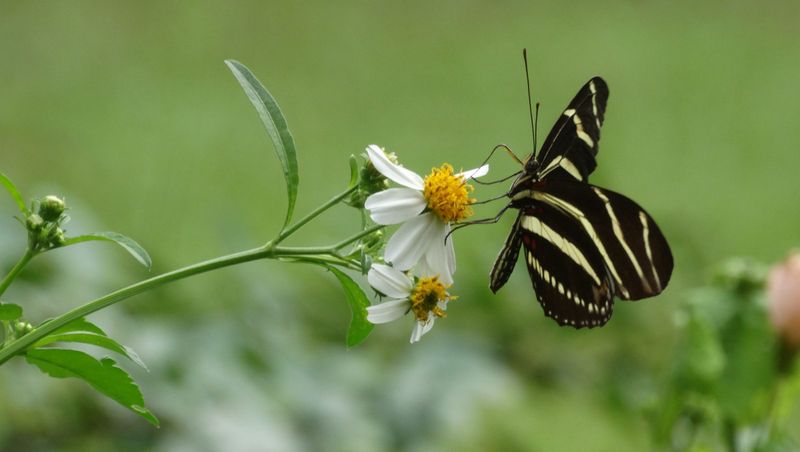
You step onto the back porch on a warm Florida morning, coffee in hand, and a zebra longwing butterfly drifts through your garden like it owns the place.
Then it moves on, and you never see it again.
If your yard is full of flowers but short on one particular vine, that brief visit may be the whole story.
The good news is that a commonly missing plant, not bad luck, is often the reason zebra longwings pass through without staying.
Passionflower May Be the Missing Breeding Plant
Many Florida gardeners notice zebra longwing butterflies drifting through the yard but never settling in long enough to matter.
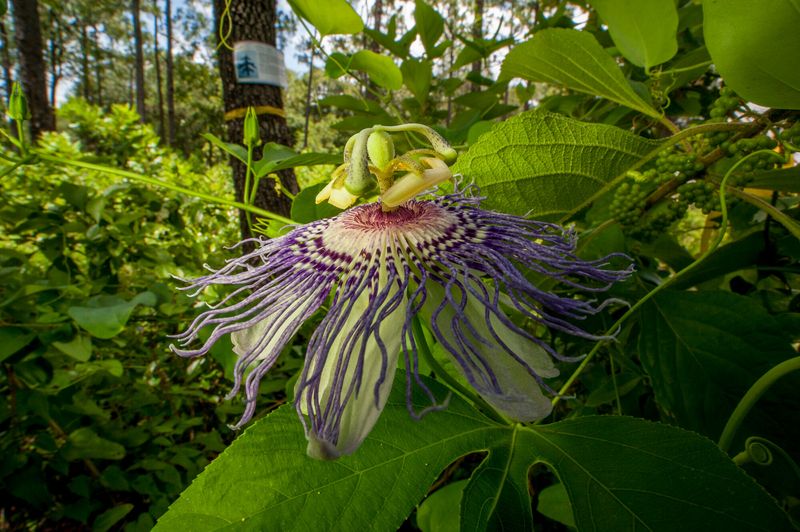
The gap between a passing visit and a garden that actually supports these butterflies often comes down to one plant group: passionflower vines in the genus Passiflora.
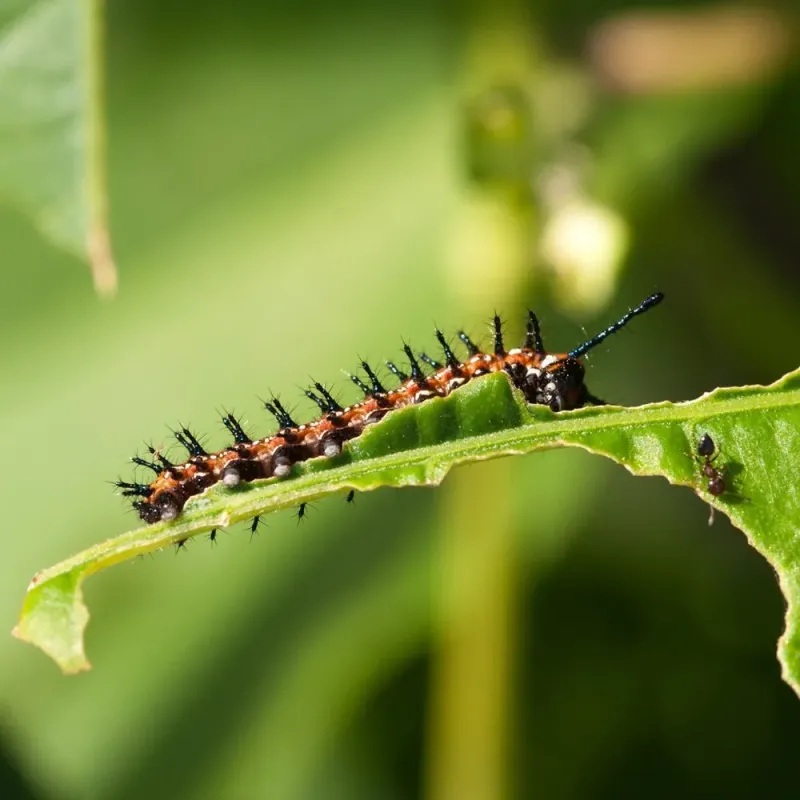
Females lay their eggs on Passiflora leaves and tendrils, and the caterpillars eat those leaves as they grow.
Without that vine, a female has no reason to stay.
Three species are well-documented as zebra longwing host plants in Florida.
Purple passionflower, or maypop (Passiflora incarnata), is a native vine that handles full sun and a range of Florida soils.
Corkystem passionflower (Passiflora suberosa) is an evergreen perennial that tolerates partial shade and drier conditions.
Yellow passionflower (Passiflora lutea) is quieter in appearance but equally useful as a host.
UF/IFAS entomology research names all three as documented larval hosts for Heliconius charithonia, the zebra longwing.
A garden full of lantana, firebush, or pentas can attract adult butterflies, and that matters.
But adult attraction is a different thing from reproduction.
Nectar keeps adults alive and moving, while passionflower leaves provide the specific resource females need for egg laying.
If no Passiflora vine is present, the garden is missing a key piece of the life cycle.
Missing passionflower is a common and evidence-supported explanation for why a flower-filled garden does not support zebra longwing reproduction.
It is not the only explanation.
Cold snaps, pesticide exposure, nearby habitat loss, and the absence of nectar and pollen can all play a role.
But the host vine is the place to start.
Flowers Alone Cannot Complete the Life Cycle
A yard full of color can genuinely fool you into thinking it has everything a butterfly needs.
Zebra longwings will visit nectar-rich flowers, linger for a few minutes, and then keep moving.
What looks like a butterfly garden may actually be a rest stop.
Adult zebra longwings need nectar and pollen to survive.
They are unusual among Florida butterflies because they feed on pollen in addition to nectar, which allows them to live for several months rather than the few weeks typical of many other adult butterflies.
Flowers like lantana and shepherd’s needle (Bidens pilosa) provide that adult food, and a garden stocked with them is doing something real and useful.
But here is where it gets tricky.
A female zebra longwing searching for a place to lay eggs is not looking for flowers.
She is looking for Passiflora leaves and tendrils, the specific plant tissue her caterpillars can eat.
UF/IFAS butterfly gardening guidance draws a clear line between nectar plants, which invite adults in, and host plants, which are the reason butterflies stay and reproduce.
Adding a passionflower vine beside your existing flowers does not replace what you already have.
It completes the picture.
The nectar plants feed the adults while the host vine gives females a place to deposit eggs.
Both matter, and one cannot do the other’s job.
Many Central Florida gardeners are surprised to learn that their beautifully planted pollinator beds are one vine short of being a full breeding habitat.
Choose a Passionflower That Fits Your Region and Space
Not every passionflower vine is the right fit for every Florida yard, and picking the wrong one can create more problems than it solves.
Start with the three species that research actually backs as zebra longwing host plants, then match the choice to where you live and how much space you have.
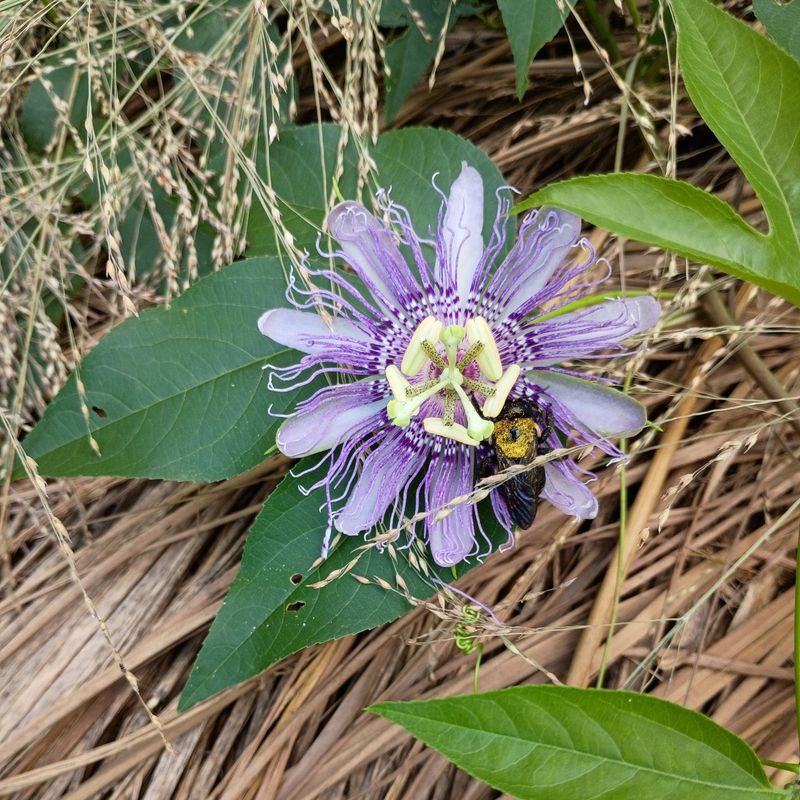
Maypop (Passiflora incarnata) is the showiest of the three.
UF/IFAS plant documentation describes it as tolerant of full sun, acidic soil, sand, loam, clay, and occasional wet conditions, with drought tolerance once established.
Its flowers can reach about 4 inches across and appear through the warm months.
It spreads aggressively, so give it a trellis or fence and expect it to run.
Maypop grows well through much of Florida, but its natural range extends only slightly into South Florida, so gardeners in Miami-Dade or the Keys may find it performs less predictably there.
Corkystem passionflower (Passiflora suberosa) suits shadier spots and drier soils.
The Florida Museum describes it as an evergreen perennial vine that can spread 10 feet or more, making it a good fit for South Florida gardens but a plant that needs regular pruning in a tight patio space.
It also hosts gulf fritillaries and Julia butterflies, so the planting serves multiple species.
Yellow passionflower (Passiflora lutea) is less ornamental, but a host plant does not need to be showy to be useful.
If your main goal is supporting caterpillars, its modest appearance is no drawback.
One vine to avoid buying on impulse is Passiflora foetida.
UF/IFAS invasive plant records report that it has become invasive in Palm Beach County and is spreading.
Do not buy any passionflower sold under a vague “butterfly vine” label without confirming the species.
Stick with documented native or regionally appropriate choices.
Give the Vine Room to Be Eaten
Planting a passionflower vine is only half the step.
Where you put it and how you think about its appearance matter just as much.
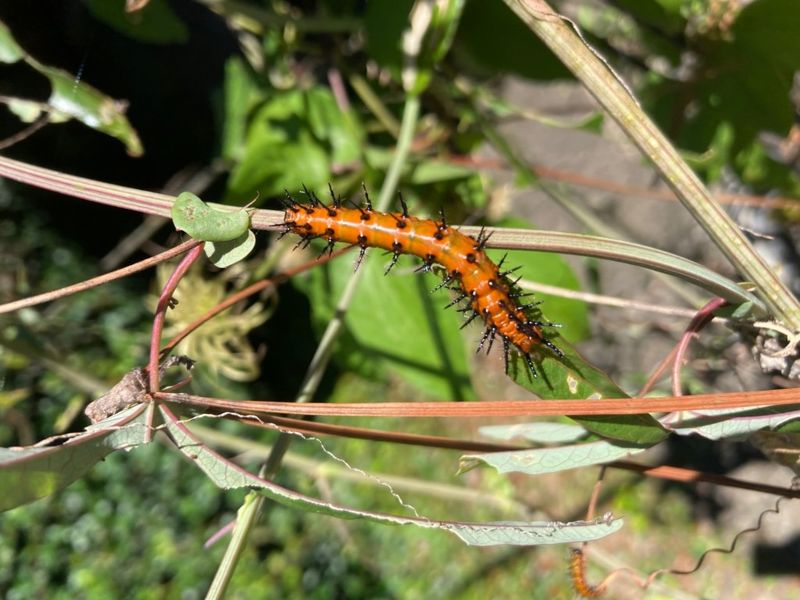
The goal is to place the vine somewhere you can actually tolerate looking at chewed leaves, because chewed leaves are the sign the garden is working.
A fence, trellis, or arbor is the right support.
These structures keep the vine vertical, give female butterflies easy visual access to fresh leaves and tendrils, and make it simple to check for eggs or small caterpillars.
For maypop, UF/IFAS spacing guidance recommends 36 to 60 inches between plants to give the vine room to spread without crowding.
Its roughly 4-inch flowers are a genuine bonus, but the leaves are the functional part.
In a small yard or on a porch, corkystem passionflower can spread beyond 10 feet if left alone.
Plan to prune it a few times a year to keep it manageable.
The pruning does not hurt the vine’s usefulness as a host, as long as you leave enough healthy growth for females to find and use.
When caterpillars appear and start feeding, that is actually good news.
UF/IFAS butterfly garden guidance is clear that host plants are meant to be eaten.
Defoliation can slow a young or stressed vine, but normal feeding damage on a healthy, established plant is evidence that the garden is supporting the caterpillar stage.
Do not remove caterpillars or strip the vine of chewed leaves.
That defeats the whole purpose of planting it.
Water According to Soil, Drainage, and Plant Stress
Getting the passionflower vine established is where many gardeners accidentally lose momentum.
Watering is straightforward in principle, but Florida’s sandy soils, unpredictable rainfall, and varying drainage can make it tricky in practice.
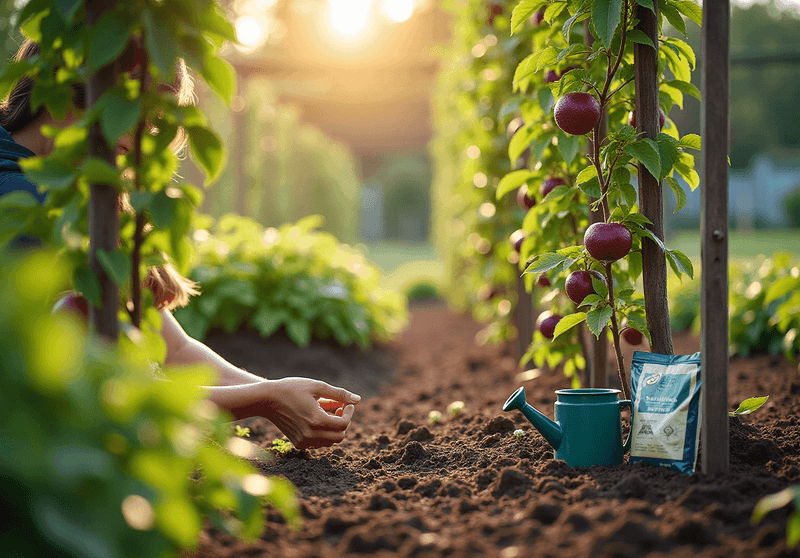
When you first plant the vine, saturate the root ball and the surrounding soil rather than giving it a quick sprinkle on the surface.
A light splash of water wets only the top inch of soil, leaving the root ball dry.
UF/IFAS landscape establishment guidance recommends watering new plants based on root-ball size, soil type, weather, and visible plant stress rather than a fixed calendar schedule.
General Florida-Friendly irrigation guidance offers a useful benchmark: limit a single irrigation event to about 1/2 to 3/4 inch where that applies to your site and soil.
But that number is a starting point, not a rule carved in stone.
UF/IFAS irrigation research emphasizes that site conditions, including soil texture, drainage, and weather, shape watering needs more than any fixed prescription.
In Florida’s sandy soils, a newly planted vine can dry out within a day or two after a hot stretch.
In low spots with poor drainage, the same vine can sit in soggy soil long enough to develop root rot.
Watch the plant, not the calendar.
Wilting in the morning, before the midday heat, is a reliable stress signal.
Florida-Friendly butterfly garden maintenance guidance recommends watering early in the morning and using hand watering or microirrigation when possible.
Water more thoroughly and less often as the vine matures, and let the plant’s own signals guide the schedule.
A Host Vine Still Needs Adult Food

A passionflower vine planted in the corner of the yard and surrounded by nothing else is a host plant without a habitat.
Adult zebra longwings need food too, and the host vine alone does not provide it.
Zebra longwings feed on both nectar and pollen, which sets them apart from most other adult butterflies in Florida.
USDA Forest Service pollinator documentation notes that this pollen feeding is connected to their unusually long adult lifespan, which can stretch to several months under the right conditions.
That means a garden that keeps adults fed may actually keep them around long enough to breed.
Lantana and shepherd’s needle (Bidens pilosa) are among the documented adult food plants for zebra longwings.
Butterflies and Moths of North America lists both as reliable nectar sources for this species.
Plant them within easy flying distance of the host vine so adults do not have to leave the yard to eat.
A mix of flower colors, shapes, and sizes genuinely helps.
Different butterfly species access nectar differently, and a varied planting serves adults that may be sharing the garden with gulf fritillaries, monarchs passing through, or other native pollinators.
Aim for something in bloom across the warm months, which in South Florida can mean most of the year.
None of these nectar plants can substitute for Passiflora when it comes to egg laying and caterpillar development.
They are companions to the host vine, not replacements.
Think of the passionflower as the nursery and the nectar plants as the dining room, both rooms need to be in the house.
Protect Caterpillars From Pesticide Exposure
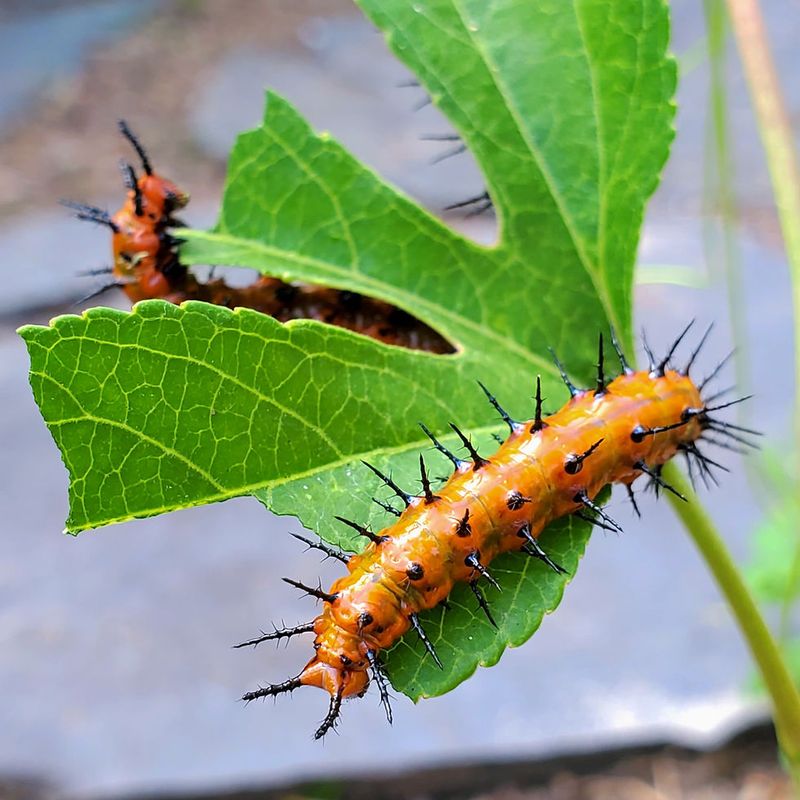
You can plant the right vine, water it carefully, and give adults plenty of food, and still end up with no caterpillars if the plant carries pesticide residue from the nursery.
This is one of the most overlooked hazards in butterfly gardening, and it can wipe out a whole clutch of eggs before you even notice them.
UF/IFAS butterfly garden guidance warns that pesticide residues on purchased host plants can kill butterfly larvae.
When you buy a passionflower vine, ask the nursery directly whether it was treated with systemic insecticides.
If the staff cannot give you a clear answer, a local native plant nursery with a transparent treatment policy is a safer source.
Products labeled as natural are not automatically safe around caterpillars or pollinators.
UF/IFAS Marion County Extension makes the point directly: pollinator-friendly labeling does not mean pollinator-safe.
Bacillus thuringiensis (Bt), which targets caterpillars, will kill zebra longwing larvae just as effectively as it kills pest caterpillars.
UF/IFAS guidance on Bt and spinosad confirms that both products can affect non-target butterfly caterpillars and should not be applied casually to known host plants.
Neem oil, insecticidal soap, and horticultural oil carry similar risks.
UF/IFAS pest management guidance recommends identifying the specific pest before reaching for any spray, using spot treatments rather than broad applications, and following the label precisely.
If you see a genuine pest problem on the passionflower, treat only the affected area, keep the spray away from caterpillars and eggs, and consider whether the problem actually needs a chemical response at all.
Many pest issues on a well-watered, healthy vine resolve on their own.
Set Realistic Expectations for a Florida Garden
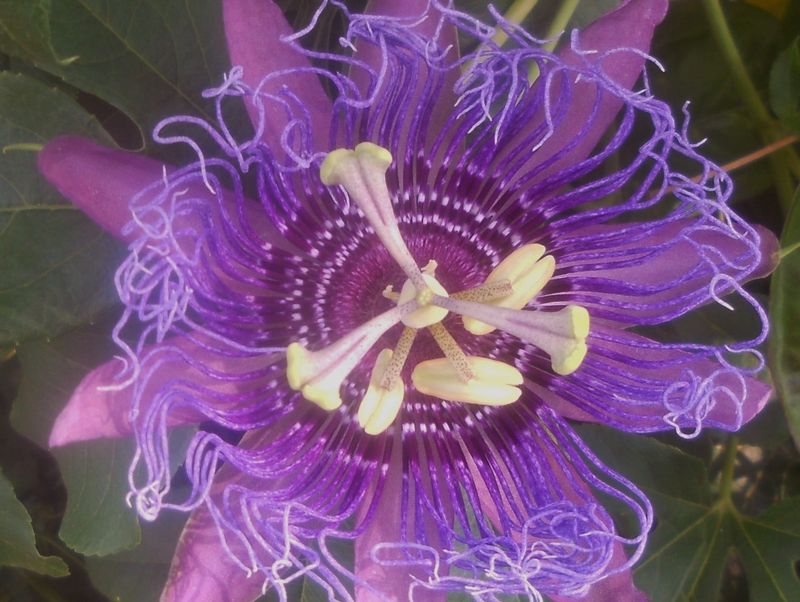
Planting a documented passionflower host vine is a meaningful step, and it genuinely improves a garden’s ability to support zebra longwings.
But it is not a switch you flip.
Several other factors shape whether the butterflies actually show up and stay.
Temperature matters.
Florida Museum species records describe zebra longwings as sensitive to freezing temperatures, but the species can occur in northern Florida during mild winters, so avoid assuming they vanish from the Panhandle every year.
In South Florida and the Keys, where freezes are rare, zebra longwings can be present year-round.
In Central Florida, a brief cold snap in January may pause activity, but a warm February can bring adults back quickly.
Nearby habitat plays a role too.
A garden surrounded by acres of lawn or heavily treated landscaping may see fewer butterflies than one near a natural area, a neighborhood with multiple native plantings, or a tree canopy that offers shelter.
A single yard can still make a difference, especially if neighbors are planting similarly, but no garden operates in isolation.
UF/IFAS butterfly gardening research is clear that nectar and pollen availability, host plant health, pesticide exposure, and weather all influence whether a garden supports the full zebra longwing life cycle.
Any one of those factors, if unfavorable, can limit results even when the host vine is in place.
The layered approach is the practical one: plant a documented Passiflora host appropriate for your region, keep adult food nearby, protect the planting from pesticide exposure, and then watch for eggs and small caterpillars rather than waiting for a crowd of adults.
Finding a tiny clutch of pale yellow eggs on a passionflower tendril is the real sign that your garden has become something more than a rest stop.