
More Barn Owls Hunting Your North Carolina Property Means Fewer Voles Tearing Up The Beds
Follow us on Google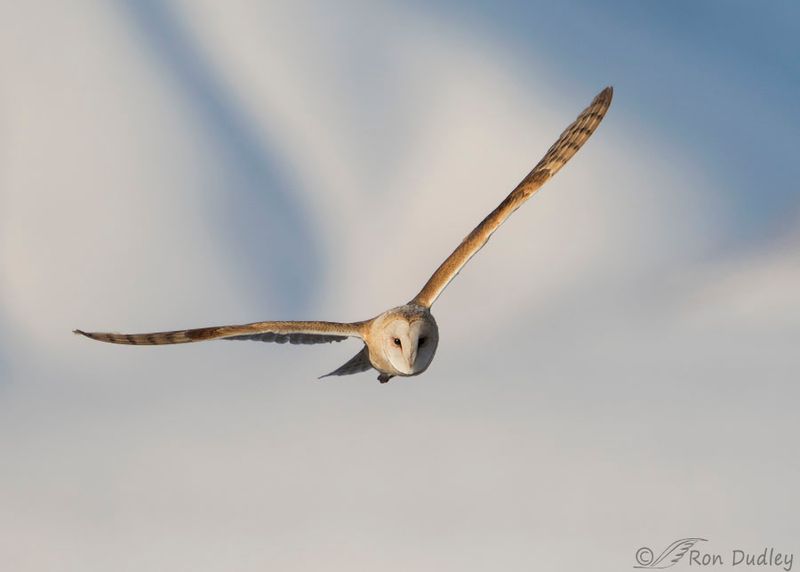
Something has been working through your garden beds overnight, and the damage looks personal. Clipped stems near the soil line, soft tunnels threading under the mulch, bulbs that simply vanish before spring.
If a pale, ghostly bird has been drifting low over your yard after dark, you may be wondering whether that owl is already handling the problem for you. The honest answer is more interesting than a simple yes or no, and understanding it will help you protect your plants without waiting on a bird that may be hunting two miles away.
A Barn Owl May Be Part of the Answer
Picture your yard at 2 a.m., the summer air still thick from an afternoon storm rolling off the Piedmont. Something pale crosses the tree line without a sound, drops low over the grass, and disappears into the dark.
That is a barn owl working, and what it is hunting matters to every gardener who has pulled back the mulch and found a root gnawed clean.
Barn owls are genuine small-mammal predators. NC Wildlife confirms that their diet consists mostly of mice, voles, shrews, and rats, and that they hunt at night over open or semi-open ground using low-light vision and hearing precise enough to locate a vole under leaf litter.
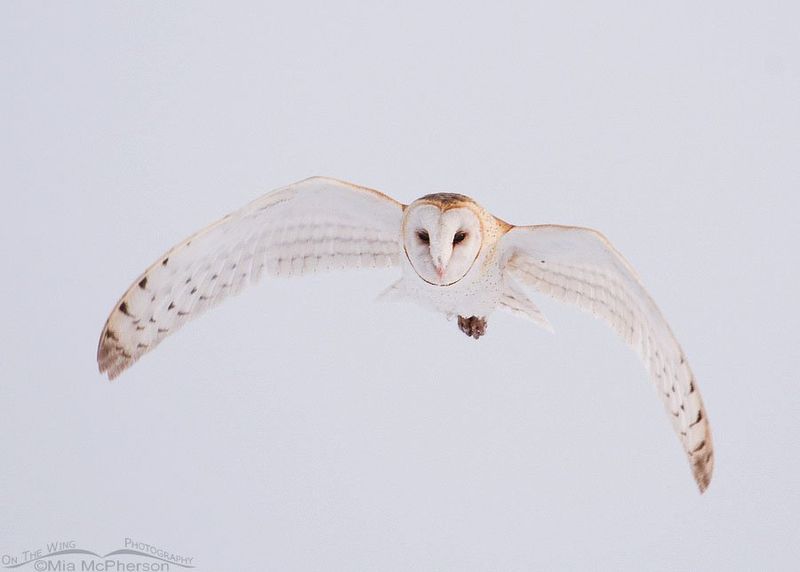
The bird you spotted is not a great horned owl and not a barred owl. It has a heart-shaped white face, tawny-and-gray wings, and instead of a classic hoot it produces a long, raspy screech that sounds like something tearing fabric.
That said, the owl near your property may not be a barn owl at all, and even a confirmed barn owl may not be hunting the animals in your beds. Barn owls range widely, sometimes covering more than a square mile in a single night, and the rodents drawing their attention could be in the field two lots over.
The useful starting premise is this: a local barn owl could become one layer of a broader pest-management plan, not a guaranteed fix. Knowing what you are actually dealing with, both the bird and the pest, is where the real work begins.
What the Evidence Really Shows
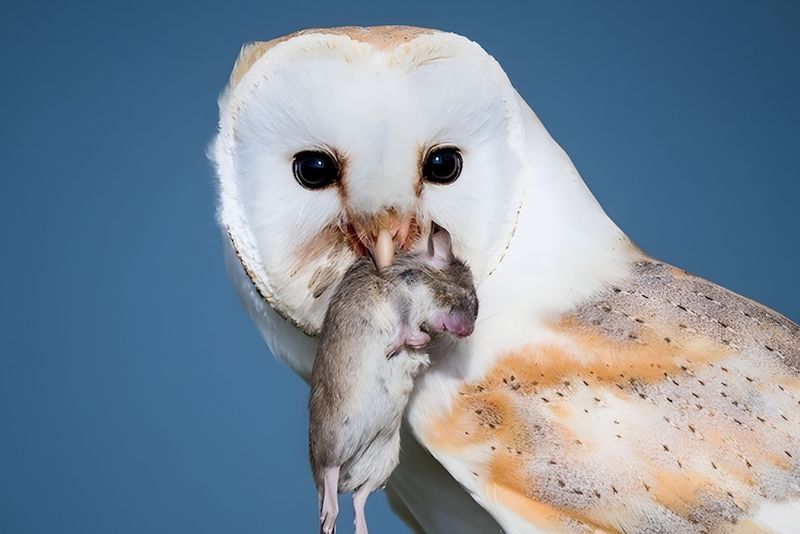
Barn owls eat voles. That part is not in dispute.
Cornell Lab’s life history account documents small mammals, including voles, mice, shrews, and occasionally bats, as the core of the barn owl’s diet across North America. The birds hunt efficiently and, when feeding a clutch of nestlings, can make dozens of foraging trips a night.
The strongest recent numbers come from a study published in a peer-reviewed journal, which found that greater barn owl hunting pressure was associated with a 38 to 52 percent reduction in rodent abundance. But that research was conducted in California vineyards and involved mostly deer mice in large, open agricultural landscapes.
It was not a North Carolina study, it did not measure garden-bed damage, and it did not involve pine voles, which are the species most likely to be destroying roots and bulbs underground in a Carolina yard.
Home range is the other complicating factor. Cornell’s barn owl nest FAQ notes that radio-tagged individuals in the United States have used roughly 740 to 1,800 acres, or about 1 to 2.5 square miles, with hunting areas sometimes extending several miles from the nest.
An owl seen crossing your Sandhills property at midnight may be a regular visitor or may never return.
A breeding pair with active nestlings does hunt with real intensity, and that pressure could touch your property. But a small wooded suburban lot surrounded by houses, mature trees, and dense landscaping offers far less open hunting ground than a California vineyard.
The effect on your particular beds, if any, would be modest and hard to measure. Treat barn owls as possible support, not a measured guarantee.
Identify the Animal Before You Choose Control
Here is where it gets tricky. Not every tunnel in your mulch was made by a vole, and not every missing bulb points to the same animal.
Choosing the right response, including deciding how much help an aerial predator could realistically provide, starts with figuring out who is actually in your beds.
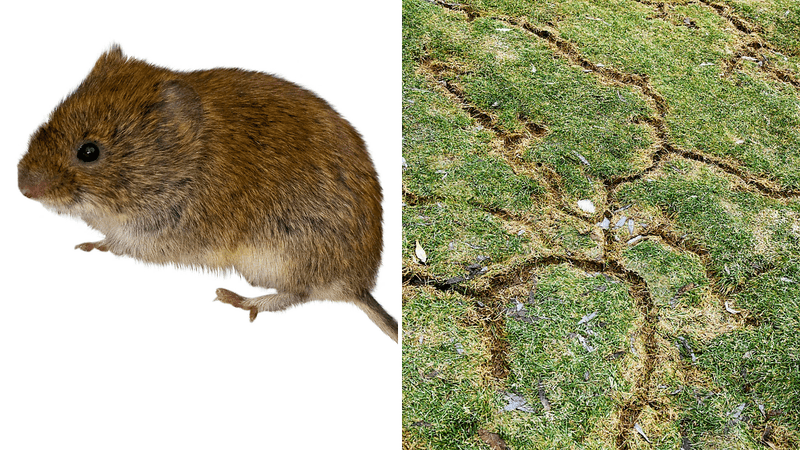
NC State Extension’s vole guide distinguishes two species that cause trouble in North Carolina landscapes. Pine voles (Microtus pinetorum) spend much of their lives underground, digging shallow root-zone tunnels and feeding on roots, tubers, and bulbs from below.
Meadow voles (Microtus pennsylvanicus) are more active at the surface, cutting narrow runways through grass and groundcover, clipping stems near the soil line, and leaving small droppings along their paths. Both can damage garden beds, but they do it differently.
Moles are the most common case of mistaken identity. They also tunnel, but moles primarily eat earthworms and soil insects, not plants.
Henderson County Extension’s trapping guide points out that voles frequently use mole tunnels as ready-made highways, so the tunnel you see may have been dug by a mole and simply adopted by a vole. The damage to your plants is the vole’s work, but blaming the tunnel-maker leads to the wrong fix.
Look for these clues. Runways at or just below the soil surface, roughly an inch wide, suggest meadow voles.
Soft spots or collapsed areas in beds where roots have been eaten from below suggest pine voles. Clipped vegetation near the ground with small droppings nearby is classic meadow-vole sign.
If you only see raised ridges with no plant damage, moles are the more likely culprit.
The species also determines how much a barn owl can help. Meadow voles working the surface are accessible to an aerial hunter.
Pine voles living underground, gnawing your tulip bulbs from below, are largely out of reach of any bird flying overhead.
A Nest Box Cannot Summon Barn Owls
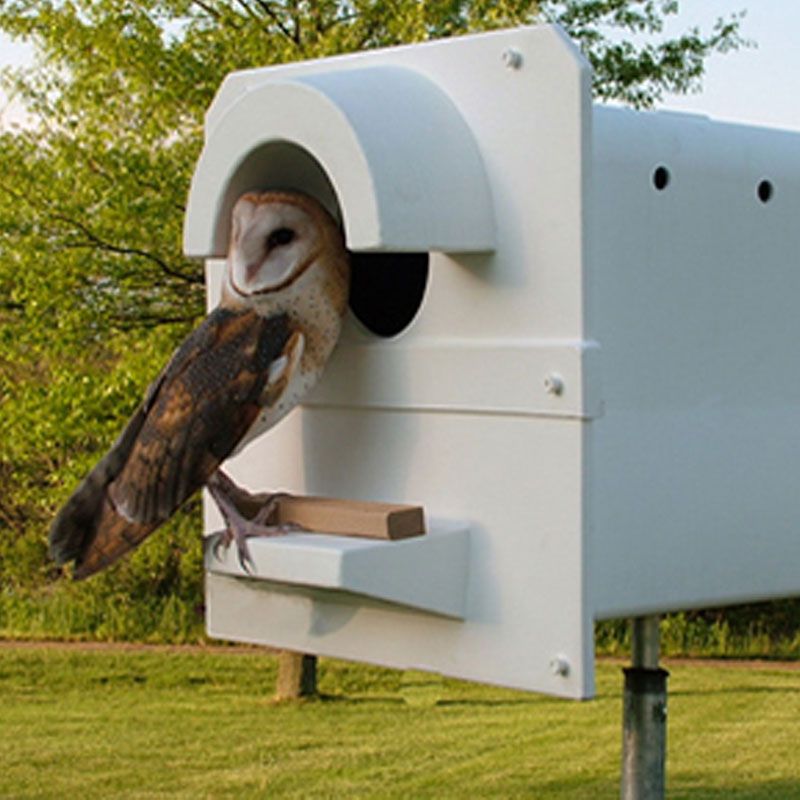
Putting up a nest box feels like a satisfying move, and it can be a genuinely good one. But the most tempting assumption about nest boxes is also the one most likely to disappoint you.
NC Wildlife states plainly that barn owls are not attracted to an area simply because a box is installed. Occupancy depends on whether owls already live or hunt nearby, whether the surrounding landscape offers suitable open or semi-open foraging ground, whether prey is present in sufficient numbers, and whether the box itself is placed and maintained in a way that owls will accept.
A box mounted on the back fence of a half-acre lot in a dense Piedmont subdivision, surrounded by mature hardwoods and neighboring rooftops, is unlikely to draw a barn owl. The same box on the edge of a pasture, a hay field, or a managed meadow where owls already hunt is a different proposition entirely.
The habitat has to come first.
If you do have barn owls on or near your property, the most useful thing you can do is protect what they already use. Preserve open areas at the edges of your lot.
Avoid disturbing active nests, which is also a legal requirement discussed in the final section. Reduce unnecessary outdoor lighting near hunting corridors, because bright lights can disrupt nocturnal hunting behavior.
NC Wildlife is actively seeking reports of barn owl sightings and active nests as part of ongoing conservation work. If you see a barn owl regularly or find evidence of nesting, reporting that observation to the North Carolina Wildlife Resources Commission is genuinely useful to the people tracking this species across the state.
A nest box is best understood as conservation support and a possible hunting anchor, not as pest-control equipment you can install and check off a list.
Place a Box for the Bird, Not the Headline
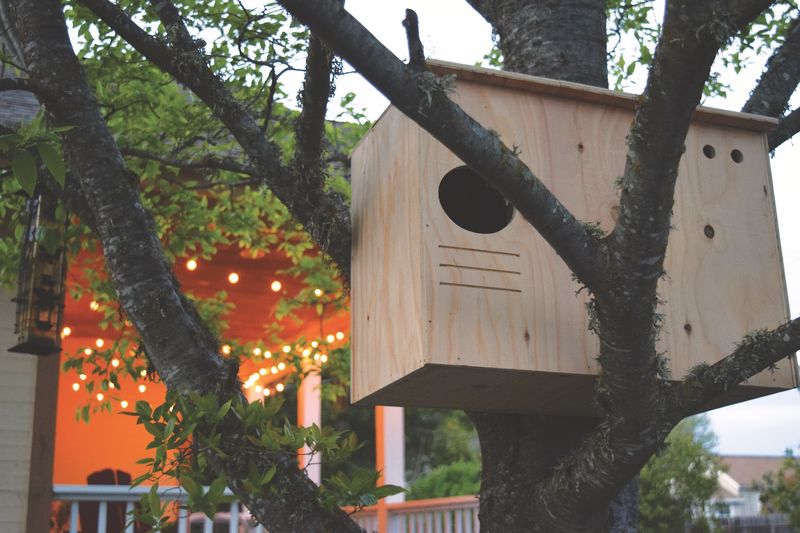
If your property genuinely offers suitable open habitat and you want to support barn owls with a box, the details of placement matter more than most people expect. Published specifications vary enough between agencies that combining dimensions from different sources can produce a box that fits no tested design well.
Pick one complete, current agency plan and follow it through. Both the Connecticut DEEP nest box guide and the Tennessee Wildlife Resources Agency barn owl box plan provide complete construction and placement specifications that are freely available online.
Use one of those as your single reference rather than pulling a floor dimension from one source and a height recommendation from another.
Across published guidelines, a few practical considerations appear consistently. The box should face an open flight path so an arriving owl does not have to navigate branches or structures to reach the entrance.
It needs drainage holes in the floor and ventilation near the top so heat and moisture do not build up inside. Predator guards on the mounting pole reduce the risk of raccoons or snakes reaching eggs or nestlings.
Height matters, and the range in published plans runs from about 12 feet at the lower end to 20 to 25 feet where structure allows. Placement research on barn owl boxes found that shade, exposure, and box orientation can meaningfully affect occupancy and breeding success.
In North Carolina’s muggy summers, a box baking in full afternoon sun on a south-facing post can reach internal temperatures that harm eggs or chicks. A location with morning sun and afternoon shade, or partial shelter from a nearby structure, is a safer choice than full southern exposure.
Check with NC Wildlife before installing, because the agency may have current guidance specific to North Carolina conditions or may want to coordinate monitoring on suitable properties. A box installed thoughtfully for the bird’s benefit is a sound conservation action, even when its effect on garden rodents remains genuinely uncertain.
Protect the Garden at Ground Level
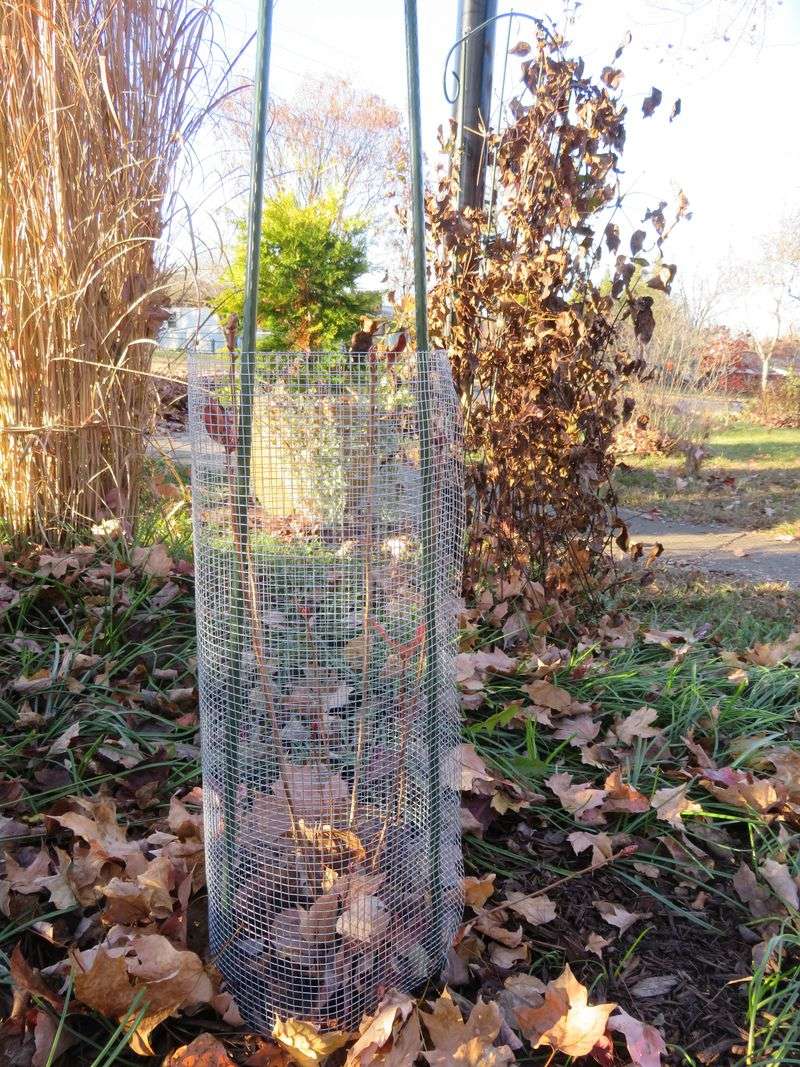
Barn owls, even active ones hunting your property every night, cannot reach a pine vole that is four inches underground gnawing through a tulip bulb. That is not a criticism of the owl.
It is just physics, and it means your beds need protection that does not depend on what is happening in the sky.
NC State Extension’s vole management guidance starts with habitat reduction. Keep grass and thatch mowed short in areas adjacent to vulnerable plantings, because tall grass and thick groundcover give voles the concealment they need to feed safely.
Remove heavy leaf litter and debris piles near beds. Keep mulch pulled a few inches back from the base of shrubs and young trees rather than mounding it against the bark, a practice that creates a sheltered feeding zone right where you least want one.
For young trees and shrubs, physical exclusion is the most reliable protection. NC State recommends a cylinder of one-quarter-inch hardware cloth buried about 6 inches deep to block underground access, with the cylinder extending above ground to a height that prevents surface voles from reaching the bark.
The mesh should be sized to allow the plant to grow without the wire constricting the trunk, and the bottom edge should be bent outward underground to prevent voles from tunneling beneath it. Check the cylinder each season and expand it as the plant grows so gaps do not open up between the wire and the stem.
Penn State Extension’s orchard vole management guide reinforces the same point: predators may help keep populations low after other controls reduce an initial infestation, but they rarely control a high vole population on their own. Voles reproduce quickly, with young reaching maturity in as little as three weeks, and a population can rebound faster than any predator can hunt it down.
Exclusion and habitat management give your plants protection that works regardless of what the owl is doing that night.
Use Targeted Traps When Damage Is Confirmed
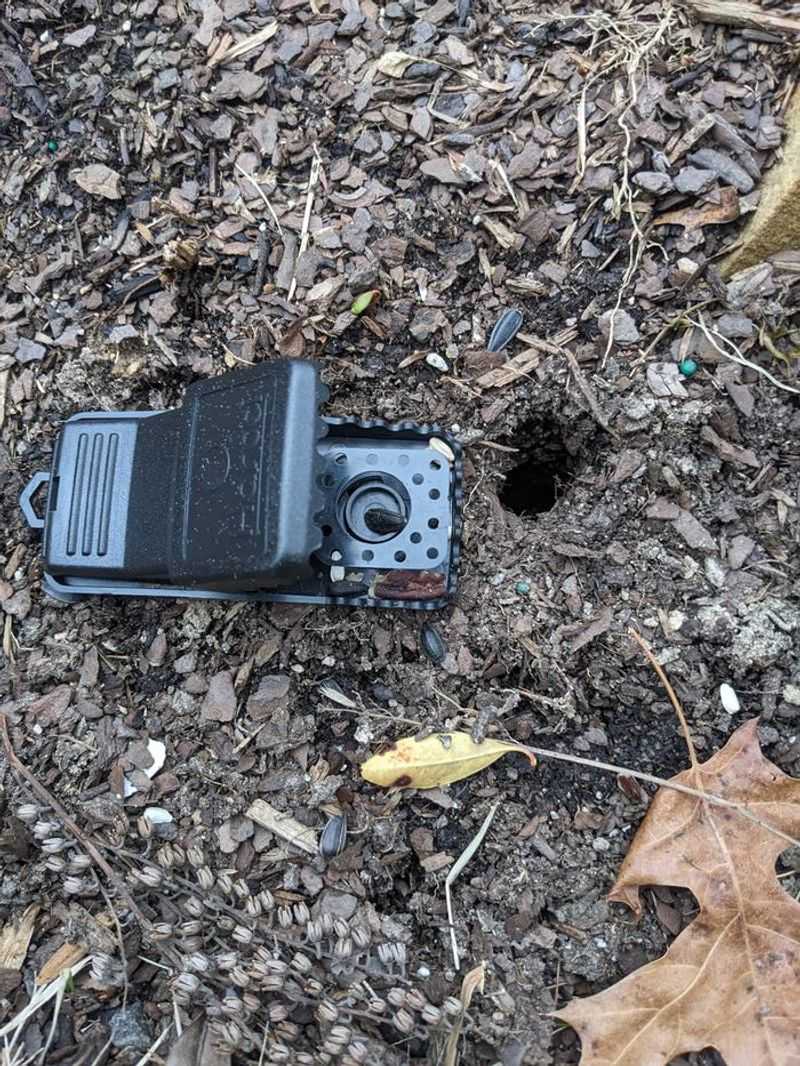
Once you have confirmed voles and reduced their cover, a small active infestation calls for a direct response. Trapping is practical, affordable, and does not create the secondary hazards that come with poison bait.
NC State Extension recommends standard mouse snap traps placed perpendicular to an active surface runway or directly at the entrance to a pine vole hole. Set two or three traps close together at each active site rather than spreading them thinly across a large area.
Cover each trap with a clay pot, a wooden shingle, a flat stone, or a similar barrier. That cover serves two purposes: it keeps the trap dark and tunnel-like, which makes voles more likely to enter, and it reduces the risk of catching a non-target animal, including songbirds, lizards, or a curious dog.
Henderson County Extension’s trapping guidance advises checking traps every 24 hours and resetting or relocating them if they go untouched for two or three days, because voles shift their runways frequently.
Trapping works best for small, localized populations. It is not a practical solution for a large property with widespread pressure, and it will not solve the problem if the habitat conditions that support voles remain unchanged.
Rodenticide bait is a different matter entirely, especially if you are also trying to support barn owls. EPA’s rodenticide safety review confirms that predators and scavengers can be harmed after eating poisoned rodents, and Cornell identifies rodent poisons as a documented threat to barn owls.
If you choose to use bait, use only products that are currently legal and EPA-registered, place bait only inside tamper-resistant stations that prevent access by children, pets, and non-target wildlife, and follow the label exactly for carcass handling and disposal. The EPA’s guidance on safely using rodent bait products covers these requirements in detail.
Rodenticide use and barn owl conservation do not mix well, and you should not pursue both at the same time on the same property.
Support Wild Owls Without Taking Control
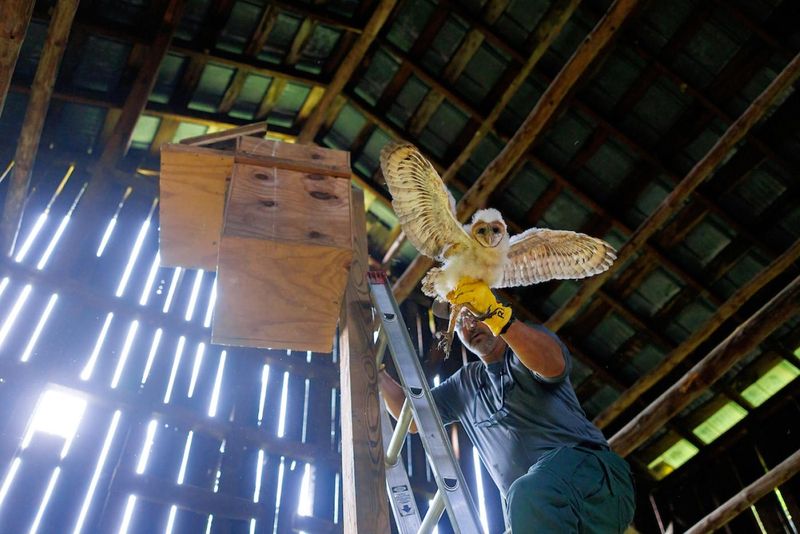
Barn owls are protected birds, and that protection is not a technicality. Under both North Carolina state law and the federal Migratory Bird Treaty Act, NC Wildlife confirms that you must not handle, harass, injure, kill, or possess a barn owl, its eggs, or an active nest without applicable authorization.
If an owl moves into a structure where it creates a conflict, contact the North Carolina Wildlife Resources Commission before taking any action. Do not attempt to remove an active nest on your own.
For an injured bird, the correct step is to contact a licensed wildlife rehabilitator rather than handling the animal yourself.
The Migratory Bird Treaty Act has applied federal protections to barn owls for over a century, and violations carry real penalties. When in doubt, call NC Wildlife first.
The practical takeaway from everything in this article is straightforward. Identify the animal causing your damage before choosing a response.
Reduce the cover that lets voles move and feed safely. Protect your most vulnerable plants with physical barriers sized and installed correctly.
Use targeted snap traps for small, confirmed infestations. And support barn owls only where your landscape can genuinely offer them what they need: open hunting ground, minimal disturbance, and a box placed with their biology in mind rather than your pest calendar.
A yard that thinks this way ends up safer for your plants, safer for your pets and kids, and genuinely more alive after dark. The owl drifting over the back fence is not a pest-control service you hired.
It is a neighbor doing its own work, and the best thing you can do is make sure the neighborhood is worth staying in.