
Why This Native North Carolina Vine Turns A Plain Fence Into A Wall Alive With Butterflies
Follow us on Google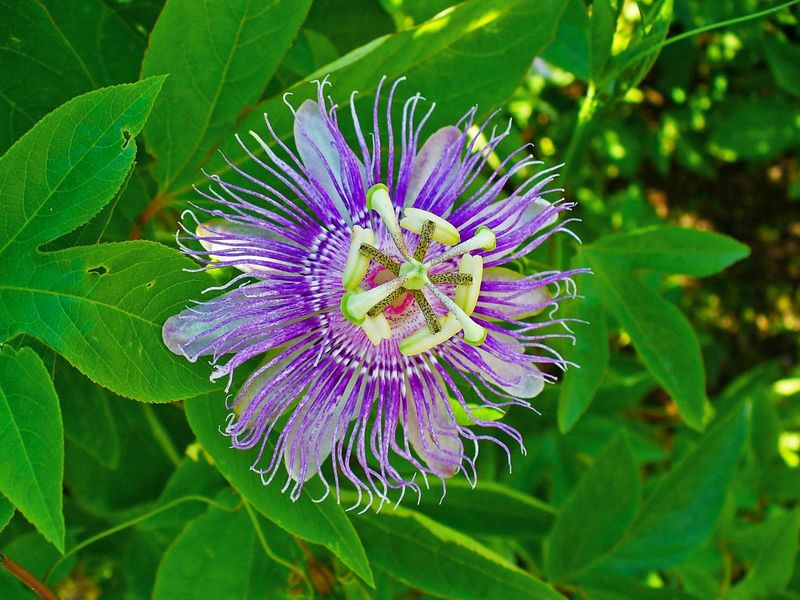
Most fence lines in North Carolina just sit there, doing nothing but marking a boundary.
But one native vine can change that plain stretch of wood or wire into something genuinely worth watching on a summer afternoon.
Maypop, or purple passionflower (Passiflora incarnata), grows wild across the state and can bring big, exotic-looking blooms and real butterfly activity to a fence you have probably walked past a hundred times without a second glance.
The catch is that what it actually does for butterflies is more interesting than the headline suggests, and knowing the truth makes you a smarter planter.
Meet Maypop, A Seasonal Fence-Line Showstopper
Somewhere between the dogwoods and the goldenrod, North Carolina grows one of the most eye-catching native vines on the continent.
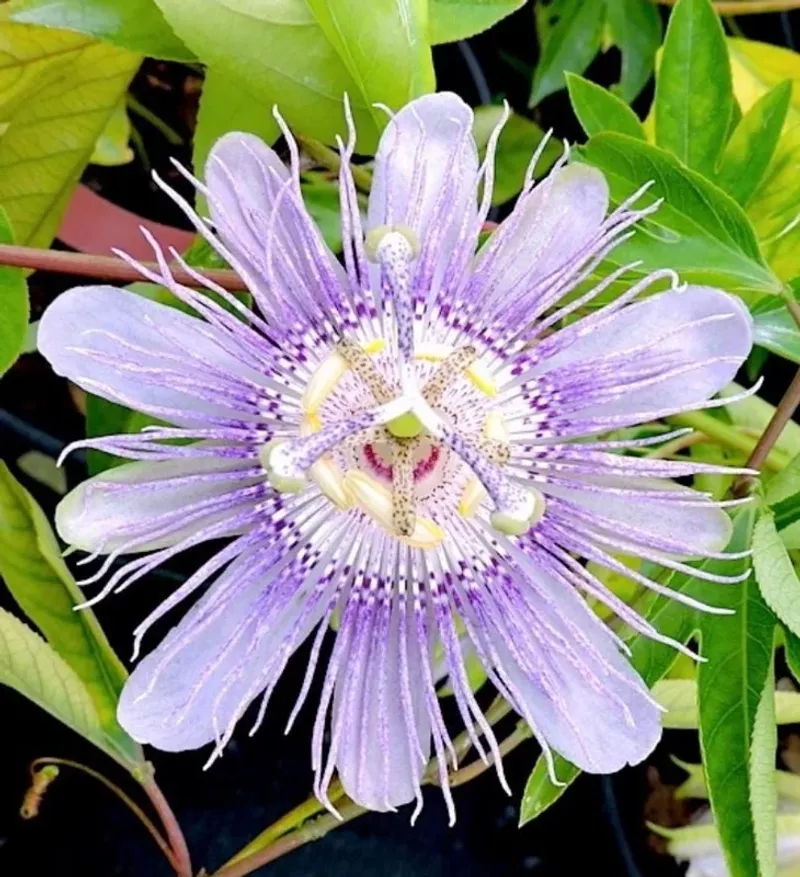
Maypop, or purple passionflower (Passiflora incarnata), is a fast-growing herbaceous perennial that climbs with thin, wiry tendrils and produces flowers so intricate they look like they belong in a tropical greenhouse, not a backyard fence line.
The blooms are large, white-petaled, and ringed with a fringe of purple-and-white filaments that stop people mid-stride.
What makes maypop genuinely useful for a fence is the way it climbs.
Instead of gripping wood or masonry with adhesive roots the way English ivy does, maypop sends out tendrils that curl around whatever narrow support they find, which makes it easy to guide, train, and remove without tearing up the fence itself.
NC State Extension lists maypop as suitable for fences, walls, arbors, and butterfly gardens, and that range of uses tells you something about how adaptable it is.
Keep the promise realistic, though.
Maypop is a warm-season vine.
In the Piedmont and Coastal Plain it can put on impressive growth from late spring through early fall, but in colder mountain counties it may die back to the ground after the first hard freeze and regrow from the roots the following spring.
A plain fence will look more attractive and more alive during the growing season, not necessarily year-round.
The choices you make about support, sun, space, and companion plants will determine how much wildlife activity you actually see.
The vine is the starting point, not the whole picture.
The Butterfly Benefit Starts With Caterpillars
Adult butterflies get most of the attention, but the real ecological story with maypop starts much earlier in the life cycle.
A host plant is a plant whose leaves a caterpillar can actually eat and survive on.
A nectar plant is one whose flowers feed adult butterflies.
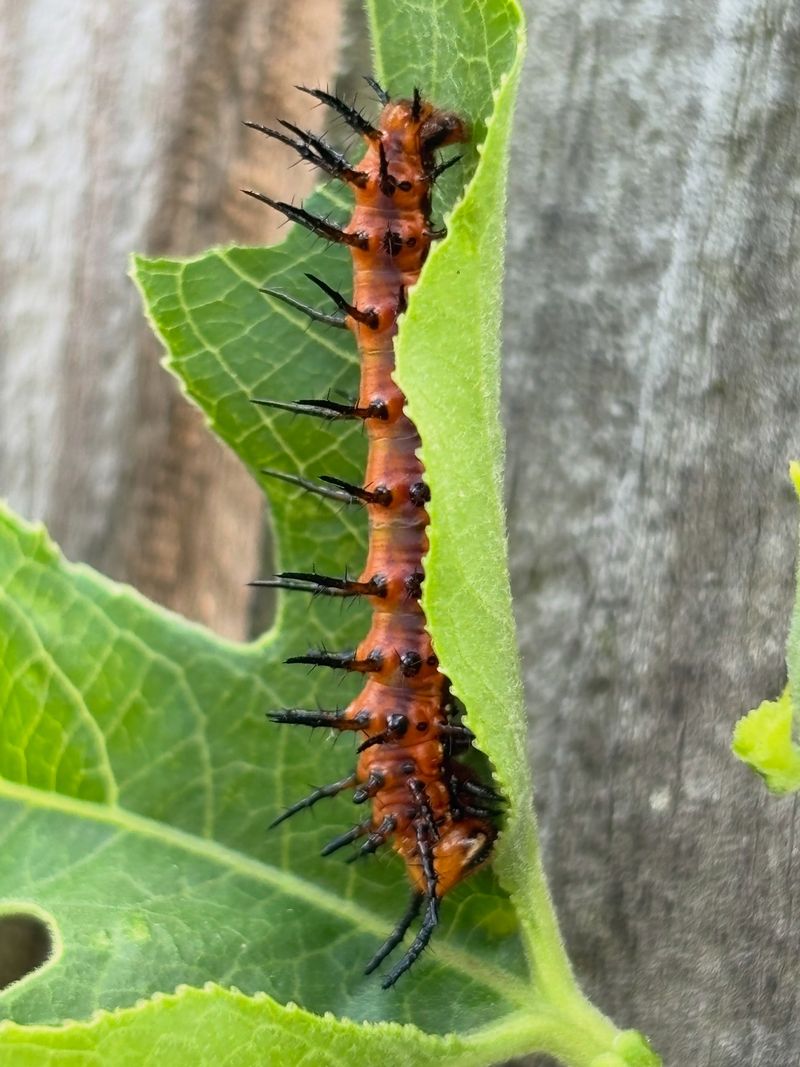
Maypop is a host plant, which means its strongest value to butterflies is that it feeds the caterpillar stage of particular species, not just the winged adults passing through.
The gulf fritillary is the most reliably associated species across the Southeast.
University of Georgia Extension confirms that gulf fritillary caterpillars feed on passionflower leaves, and many Piedmont and Coastal Plain gardeners recognize the bright orange adult fluttering around a maypop planting in late summer.
The variegated fritillary also uses passionflower as a larval host.
NC State lists zebra longwings as associated with passionflower too, but zebra longwings are year-round Florida and Texas residents that only wander northward in warm months, so do not count on seeing them regularly in a North Carolina yard.
Here is where it gets tricky for new butterfly gardeners.
When you spot chewed and ragged maypop leaves, that is actually the plant doing its habitat job.
Those holes mean caterpillars are present and feeding, which is the outcome you planted for.
Reaching for a broad-spectrum insecticide at that moment would undo the whole point of the planting.
Extension guidance on butterfly gardens consistently recommends identifying the insect before treating and avoiding routine pesticide applications that can kill caterpillars and other beneficial insects alongside any pest you were targeting.
Tolerate the leaf damage.
That is the trade, and it is a good one.
Build A Support The Tendrils Can Use
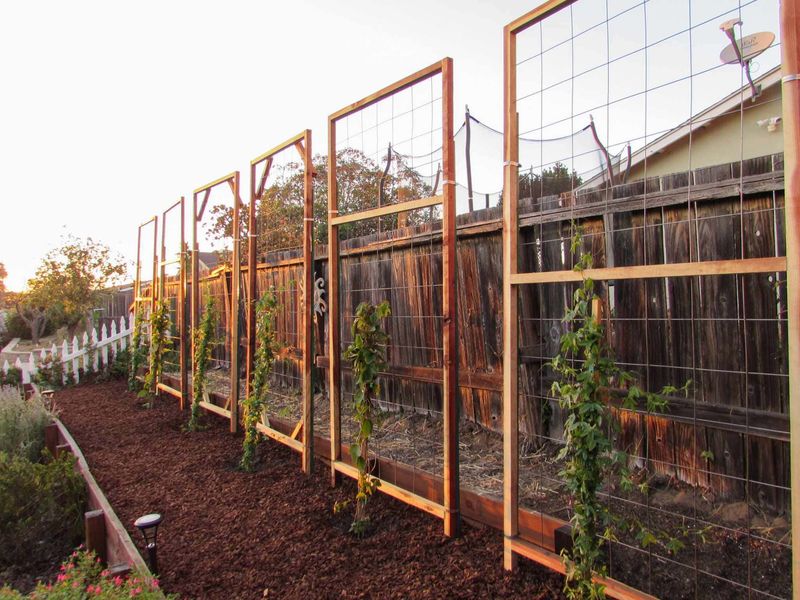
Maypop tendrils are looking for something to grab, and they are surprisingly good at finding it.
The vine will not cling to a flat board or a smooth vinyl fence panel on its own.
What it needs is a narrow structure it can actually wrap around, something like a wire panel, galvanized garden mesh, or a simple wooden trellis with horizontal and vertical members spaced a few inches apart.
Attach that support securely to a sound fence before the vine goes in the ground.
A loose or wobbly trellis that works fine in May can become a problem by August, when the plant has added significant foliage, soaked up a summer afternoon thunderstorm, and is catching every bit of wind that comes through.
NC State Extension notes that maypop is a fast-growing vine, and fast growth plus wet foliage plus wind is exactly the combination that pulls a poorly anchored support off a fence post.
Use screws rather than staples to fasten the support to the fence frame, and check the attachment points at least once a season.
On exposed Coastal Plain or Sandhills properties where afternoon storms roll through with real force, a sturdy connection matters more than it might in a sheltered Piedmont backyard.
The vine itself is not a structural wrecker the way wisteria can be, but a heavy canopy adds real weight that a sun-weathered fence may not have been built to carry.
Plan to inspect the whole setup once in midsummer and again after any significant storm.
Catching a loose bracket early is far easier than untangling a mature vine from a collapsed trellis in the August heat.
Choose A Sunny, Well-Drained Home For It
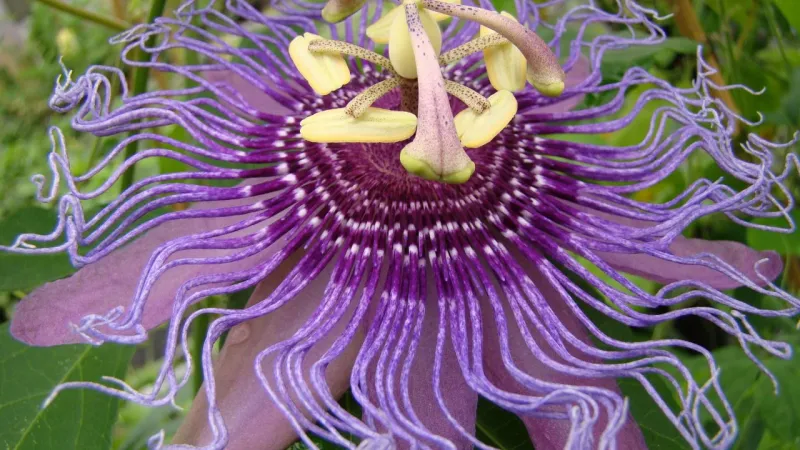
Placement decides everything with maypop.
Put it in the wrong spot and you will spend three years wondering why it never really takes off.
Put it in the right one and it will fill a fence panel by midsummer of its second year.
Full sun is the sweet spot, defined as at least 6 hours of direct sunlight every day.
Part shade is workable, but expect fewer flowers and a less vigorous vine.
What the plant will not forgive is soggy soil, particularly in winter.
NC State Extension reports that maypop tolerates clay, loam, and sand as long as drainage stays adequate, and that covers a lot of North Carolina ground, from Piedmont red clay to the sandy soils of the Coastal Plain.
The one consistent failure mode is standing water around the roots during cold months, which can lead to rot before the vine even gets a chance to wake up in spring.
Missouri Botanical Garden documents a mature garden size of roughly 6 to 8 feet tall with a spread of 3 to 6 feet, but NC State lists a planting space of 12 to 24 feet, which reflects how far the root system can wander.
Give the fence line that kind of room from the start, especially if neighboring beds or a lawn edge are nearby.
Maypop grows across the Coastal Plain, Piedmont, and mountains, though it is less common in some northern mountain counties and far-eastern coastal areas.
In colder mountain zones, expect the vine to die back to the ground after a hard freeze and regrow from the roots, sometimes not showing above ground until late May or even June.
The USDA notes a flowering window from June through September, though warmer Piedmont and Coastal Plain plantings often open their first blooms in late May.
Fruit develops from summer into fall, with the round, yellow-green maypops appearing after the flowers fade.
Both the bloom and fruit timing shift with region, weather, and how established the plant is, so the first season is often quieter than the second or third.
Contain A Native Vine That Wants To Roam
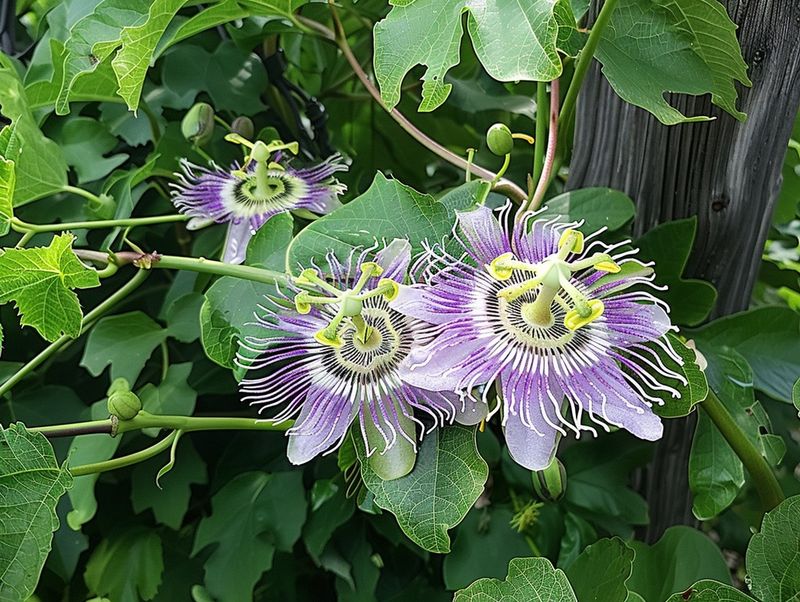
Native does not mean low-maintenance, and maypop makes that point clearly.
The vine grows fast, and it spreads underground through root suckers that can pop up several feet from the original planting, sometimes in a lawn, sometimes in a neighboring bed, sometimes in a spot you really did not plan for.
Many Coastal Plain gardeners discover a second colony of maypop shoots a full yard away from the fence by the end of the first summer.
NC State Extension describes the roots as capable of spreading aggressively, and the USDA warns that maypop may become invasive in some regions or habitats and recommends regular removal of suckers where containment matters.
To be clear, maypop is not a listed invasive plant across North Carolina, and it is genuinely native to the state.
But native and well-behaved are two different things, and this vine will test a narrow ornamental bed.
Walk the planting edge every few weeks during the growing season and pull or cut any shoots that are moving into paths, lawn, or areas you want to keep clear.
Young suckers pull easily from loose soil.
Established ones take more effort.
Catching them early is the practical solution, not heroic once-a-season removal sessions.
Two safety points deserve a plain statement.
First, NC State gives maypop a high flammability rating and advises against planting it in the defensible space closest to the house.
Keep it on a fence that is at least a comfortable distance from the structure itself.
Second, the leaves and stems contain cyanogenic glycosides and are poisonous to people, dogs, cats, and horses.
NC State notes that ingestion can cause severe nausea, vomiting, drowsiness, and irregular heartbeat.
Ripe, correctly identified maypop fruit is described separately as edible, but that does not make the whole plant safe.
Do not encourage children or pets to chew the foliage, and skip homemade teas from plant material you have not positively identified with an expert source.
Add Nectar Plants For More Butterfly Activity

One vine is a habitat start, not a complete butterfly garden.
Adult butterflies need nectar from flowers across the entire growing season, and maypop blooms for only part of that window.
If the fence line goes quiet once the maypop flowers fade, adult butterflies will simply move on to wherever the nectar is.
NC State Extension’s pollinator guidance emphasizes diverse native plantings as the foundation of useful pollinator habitat, and that principle applies directly to a fence-line butterfly planting.
Aim for flowers that bloom in sequence from spring through fall so there is always something open.
Native coneflowers carry the late spring and early summer.
Joe Pye weed and native milkweed carry the heat of July and August.
Goldenrod and native asters take over in September and October when many butterfly species are still actively feeding before temperatures drop.
Different caterpillars also need different host plants, and maypop handles only the passionflower-associated fritillaries.
Monarch caterpillars require native milkweed, period.
Black swallowtail caterpillars use plants in the carrot family.
Extension butterfly garden guidance is consistent on this point: a planting that combines multiple host plants with a long nectar season supports far more species and more consistent butterfly activity than any single vine can.
Monarchs may move through North Carolina during fall migration, and goldenrod and asters can provide nectar during that window, but exactly when and how many monarchs appear in any given yard depends on weather, timing, and conditions far beyond your fence line.
Plant the flowers because they support a broad range of pollinators, not because they guarantee a monarch spectacle.
USDA pollinator planting guidance recommends at least three plant species blooming in each season as a practical minimum for meaningful habitat.
Pesticide restraint ties it all together.
A yard full of nectar plants and host plants still fails butterflies if broad-spectrum sprays are going down regularly on the lawn or nearby beds.
Make The Fence More Welcoming, Not Guaranteed
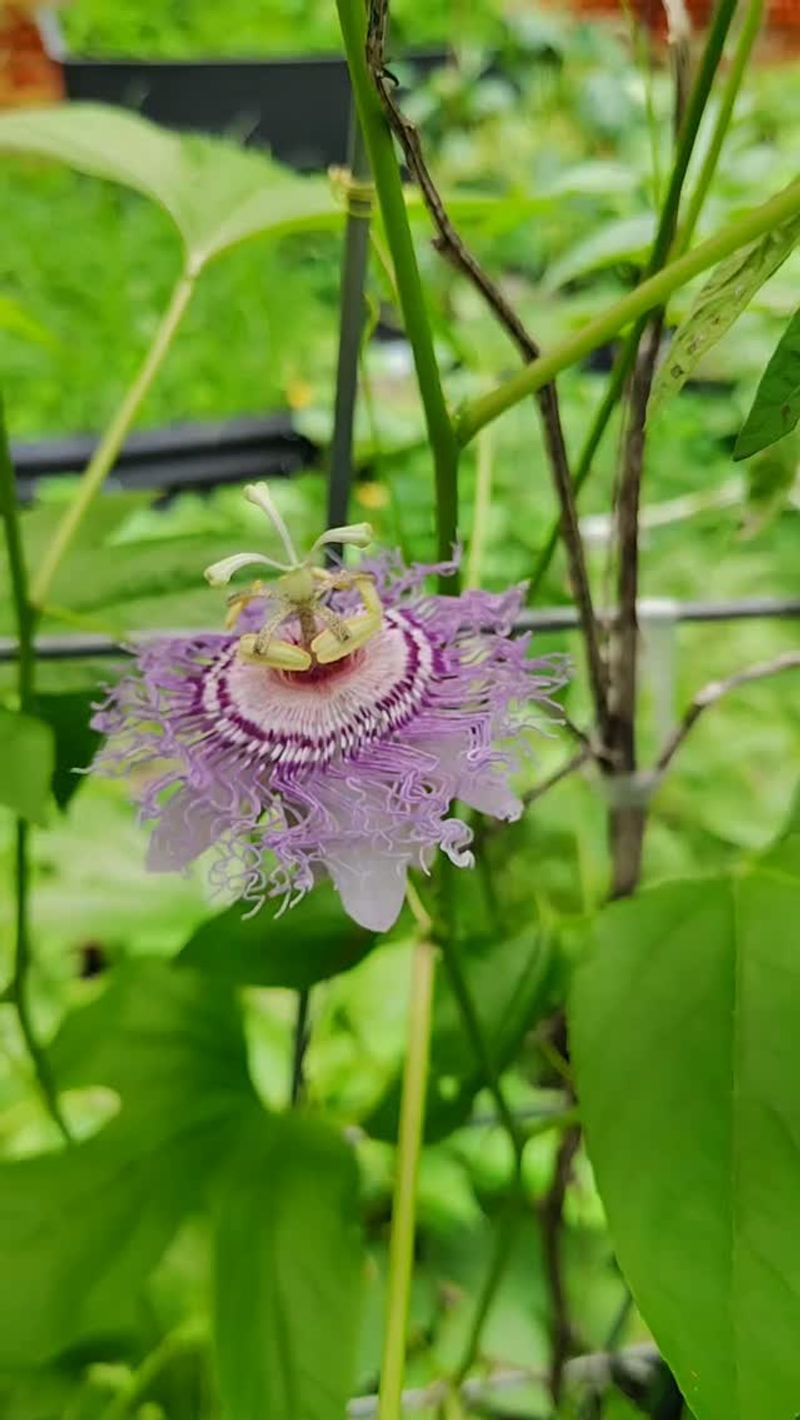
Before the first plant goes in the ground, run through a short checklist.
Pick a fence section that gets at least 6 hours of direct sun and has well-drained soil below it.
Attach a sturdy wire panel or trellis to the fence before the vine arrives, and use screws you can actually check later.
Allow 12 to 24 feet of linear fence space so the root system has somewhere to go without immediately invading a lawn or neighboring bed.
Once the vine is established, walk the planting edge every few weeks and pull suckers before they wander.
Tolerate the chewed leaves when caterpillars appear, because that damage is the habitat benefit you planted for.
Keep broad-spectrum pesticides off this section of the yard entirely.
NC State Extension confirms maypop’s role in butterfly gardens, and extension butterfly garden guidance is clear that pesticide restraint is non-negotiable if the goal is supporting caterpillars.
Fill the rest of the fence-line bed with nectar plants that bloom in sequence, native milkweed for monarch caterpillars, and at least one other host plant for a different butterfly species.
NC State’s pollinator habitat program points to diverse, multi-season plantings as the practical standard for a yard that actually supports pollinators rather than just looking like it might.
Maypop can genuinely beautify a North Carolina fence and feed the caterpillars of particular fritillary butterflies, but butterfly abundance depends on nectar sources, surrounding habitat, weather, and whether local butterflies find the planting.
The vine may also offer only seasonal screening, especially in colder parts of the state.
That is an honest trade, and for a plain fence that currently does nothing, it is a pretty good one.