
The Fragrant Texas Patio Plant That Handles 104 Degree Afternoons And Never Stops Smelling Good
Follow us on Google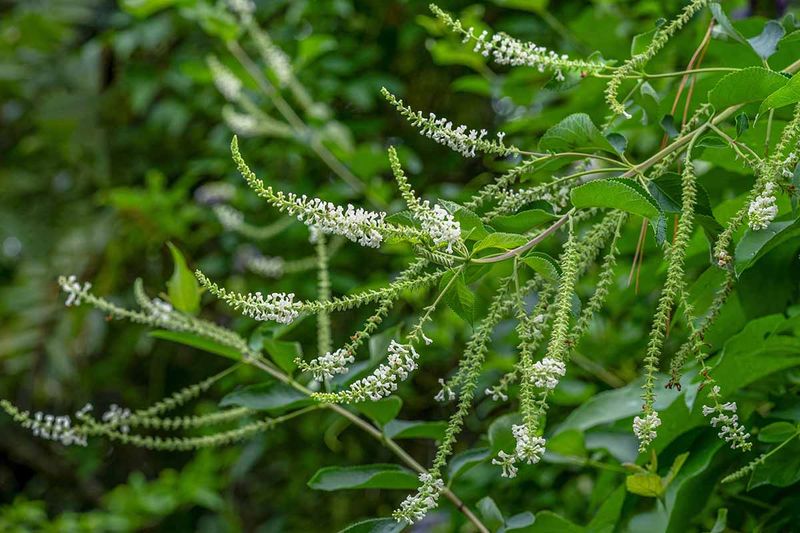
Step outside on a July evening in Texas and the heat hits you before you even reach your chair.
What you want out there is something that makes the patio worth sitting on anyway, something that smells so good it almost tricks you into forgetting the thermometer.
Sweet almond bush, known botanically as Aloysia virgata, is that plant.
It pumps out intensely almond-scented white flower spikes from midsummer well into fall, handles the kind of heat that sends most fragrant plants into survival mode, and fits a container on a porch or patio when you give it the right setup and honest attention.
Meet The Sweet Almond Bush
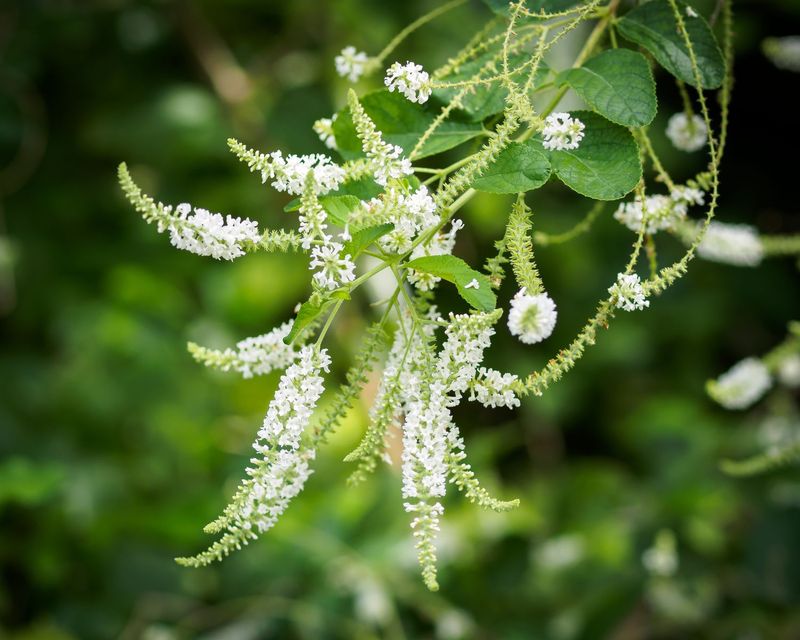
Sweet almond bush, also called sweet almond verbena or incense bush, carries one of the most recognizable scents you can grow on a Texas patio.
The botanical name is Aloysia virgata, and it belongs to the verbena family, not the jasmine family, though the two get confused constantly.
It is native to South America, and it arrived in Texas gardens because it genuinely performs through conditions that would shut down most fragrant ornamentals.
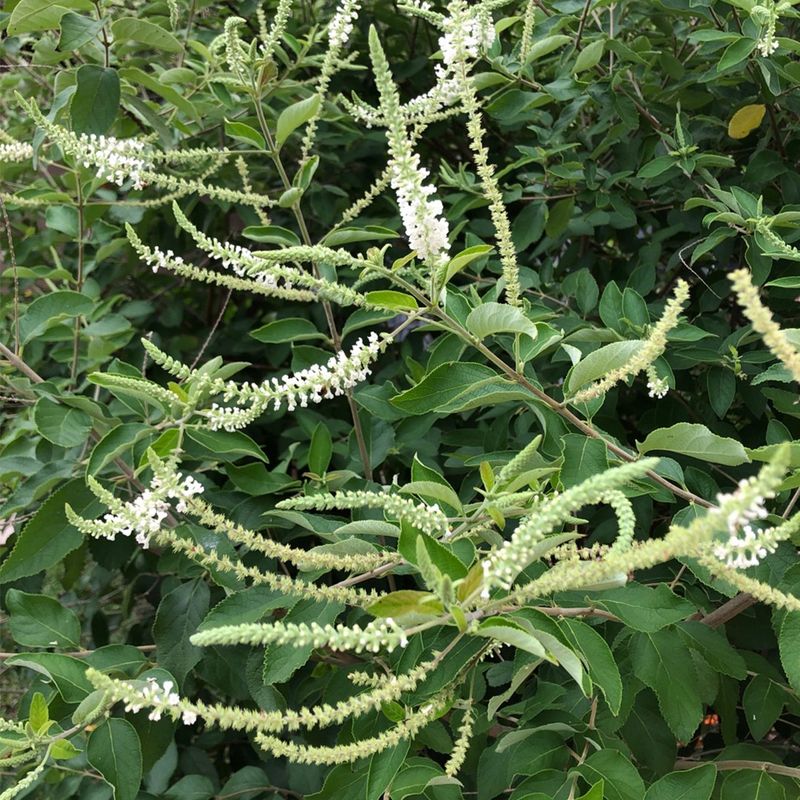
The flowers come in slender white spikes that line the branch tips, and the almond fragrance they release is not subtle.
On a still evening with the plant in full bloom, you can catch it from several feet away.
North Carolina State Extension lists it as drought tolerant after establishment, suitable for containers and patios, and attractive to bees, butterflies, and hummingbirds, which means a blooming plant on your porch is also a small pollinator station.
The honest version of the sales pitch goes like this: sweet almond bush can keep your Texas patio fragrant and flowering through much of the hot season when it gets full sun, enough water in the pot, and protection or a recovery plan when a hard freeze arrives.
It is not care-free, and it is not naturally small.
But for a patio plant that earns its space through scent and repeated seasonal color, the City of Austin plant guide describes it as adaptable and fragrant, blooming on and off all summer in Texas conditions.
That is a reasonable promise, and this plant delivers on it when you do your part.
The Fragrance Arrives With The Flowers
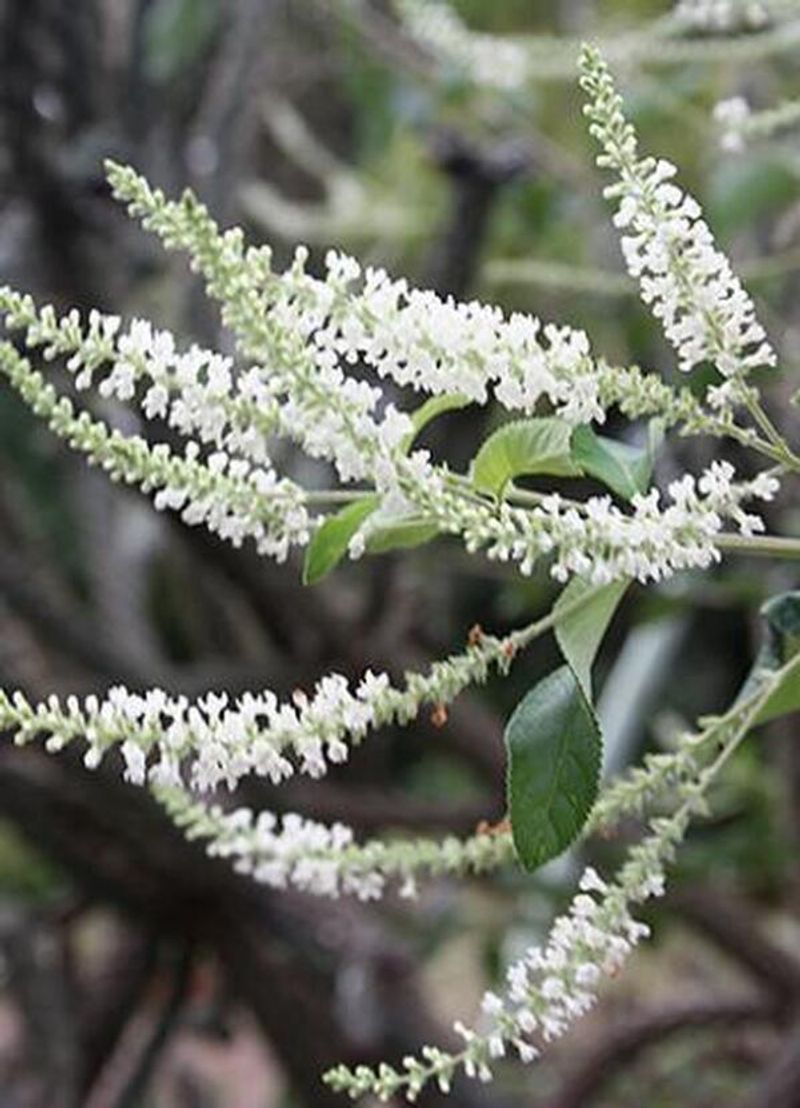
The scent that makes this plant worth talking about comes from its open flowers, not from the stems, leaves, or roots on a quiet Tuesday when nothing is blooming.
That distinction matters if you are expecting perfume every day of the year.
What you actually get is waves of almond fragrance that follow each flush of new flowers, and those flushes can roll through from July well into fall, sometimes right up to the first frost.
NCSU Extension documents the flowering window as July through frost, with flowers forming on new growth rather than on old woody stems.
That single fact shapes the whole pruning strategy, but more on that in a later section.
The Royal Horticultural Society also confirms the intensely almond-scented character of the white flowers, which lines up with what Central Texas gardeners describe when they talk about this plant carrying across the yard on a breeze.
Between bloom flushes, the fragrance takes a break.
That is not a flaw, it is just how seasonal flowering works.
The Austin plant guide describes the blooming pattern as on and off all summer, which is the honest version of the promise.
You are not buying a candle that never burns out.
You are buying a living shrub that keeps cycling back to bloom, and each time it does, the patio smells genuinely wonderful again.
Treat 104 Degrees As An Anecdote, Not A Limit
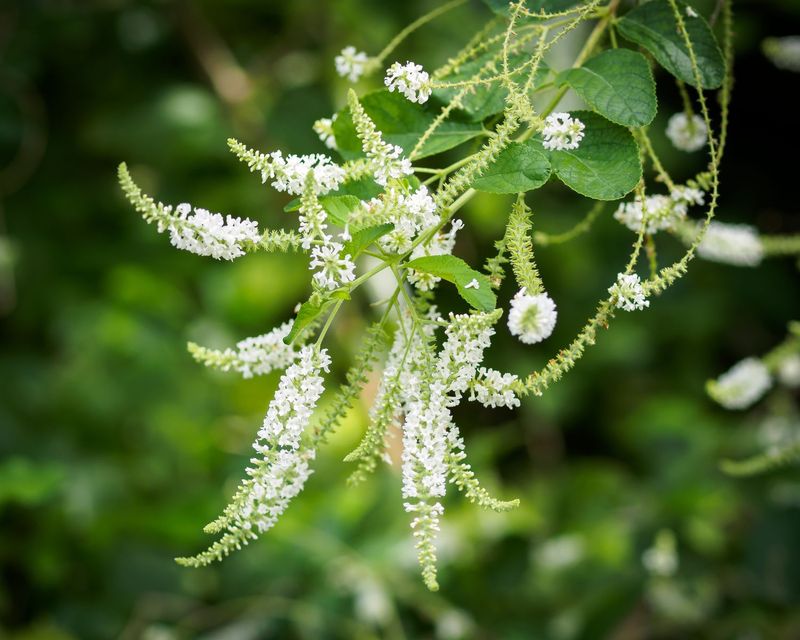
A user-submitted record on Dave’s Garden specifically describes sweet almond bush blooming during 104 degree weather, and that is a genuinely encouraging data point.
But one gardener’s observation is not a controlled study, and 104 degrees should not be treated as a guaranteed performance threshold for every plant in every pot on every patio in Texas.
The more useful question is not what temperature the plant can survive in theory.
It is what conditions on your specific patio do to the plant during a heat wave.
A dark-colored nursery pot sitting on a concrete slab in direct afternoon sun can push root-zone temperatures 20 to 30 degrees above the air temperature.
Add a drying southwest wind and no shade past noon, and the plant is managing far more stress than the thermometer reading suggests.
University of Arizona Cooperative Extension guidance on drought and extreme heat makes clear that reflected heat, wind, and moisture loss compound each other and cannot be reduced to a single temperature number.
Sweet almond bush is genuinely heat-tolerant under the right conditions, and NCSU Extension confirms it prefers full sun.
But heat tolerance is conditional.
A plant that is well-watered, in a large light-colored container, with some afternoon protection from a roof overhang or nearby live oak, is in a very different situation than one that is root-bound, bone-dry, and baking on open concrete.
Match your conditions to the plant’s needs, and the heat becomes manageable.
Ignore those conditions and even the toughest shrub will tell you about it through wilted leaves and dropped buds.
Water The Container Before Heat Takes Over
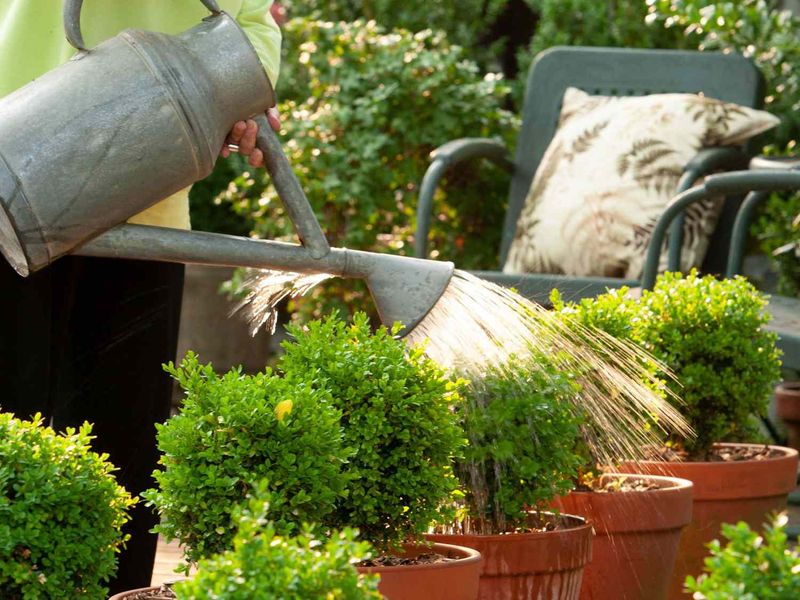
Drought tolerance is a real trait of sweet almond bush after it establishes in the ground.
A container is a completely different situation.
The pot holds a fraction of the soil volume that an in-ground planting does, and that small volume heats up fast, loses moisture fast, and gives the roots nowhere to chase water when the surface dries out.
The practical rule is to check the top 1 inch of potting mix every morning during the summer.
If it feels dry, water slowly and thoroughly until water runs freely from the drainage holes, then empty the saucer so the roots are not sitting in standing water.
University of Minnesota Extension container gardening guidance recommends exactly this top-inch checking approach as a reliable moisture gauge.
Their fertilizing and watering guidance also notes that containers may need daily watering during hot, dry weather, and sometimes twice a day depending on conditions.
During a Texas heat wave, twice-daily checks are not excessive for a smaller pot in direct sun.
Texas A&M AgriLife Extension horticulture guidance reinforces that container plants in extreme heat need more frequent attention than in-ground plants.
Do not let the pot dry completely between waterings, and do not apply heavy fertilizer while the plant looks stressed.
Both mistakes slow recovery and can cause lasting root damage.
The goal is consistent moisture, not wet roots and not bone-dry soil.
Use Pruning To Manage New Flowering Growth
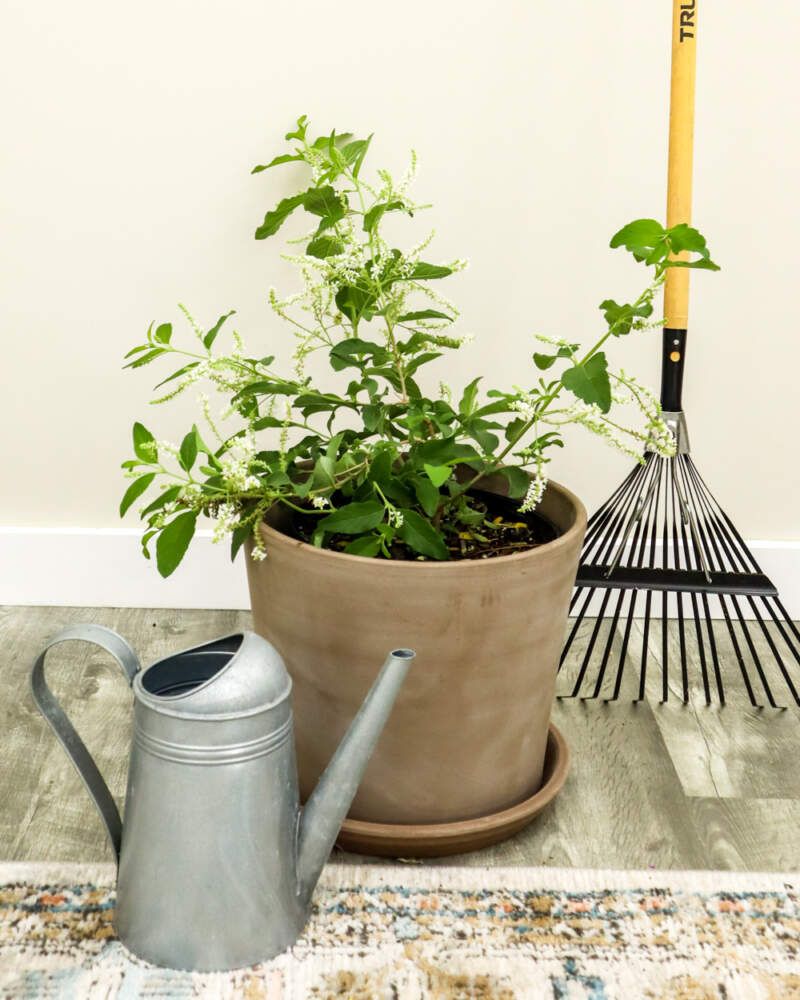
Because sweet almond bush produces its flowers on new growth, pruning is not just about keeping the plant at a manageable size.
It is actually part of how you encourage more blooms.
When you cut back a branch after a flowering flush, the plant responds by pushing fresh growth, and that fresh growth is what carries the next round of white flower spikes.
NCSU Extension confirms that pruning increases flower production for this species.
The timing matters more than any precise calendar date.
A good approach is to shape the plant after a flush of blooms finishes, or during the dormant period in colder parts of Texas where the plant dies back in winter.
Avoid hard pruning while the plant is visibly stressed from heat or drought, because stressed plants recover more slowly and the cuts open the plant to additional stress at the worst possible moment.
University of Minnesota Extension guidance on gardening in hot weather recommends holding off on significant pruning during peak heat stress for exactly this reason.
Sweet almond bush can reach 5 to 15 feet tall in favorable climates.
Keeping it at a comfortable patio scale in a container requires ongoing shaping, not a single annual cut.
That is honest maintenance work, and it pays off in a plant that stays proportionate to your space and keeps cycling back to flower.
Expect to do some light shaping several times through the growing season rather than one big chop and done.
Give A Large Shrub Enough Container And Drainage
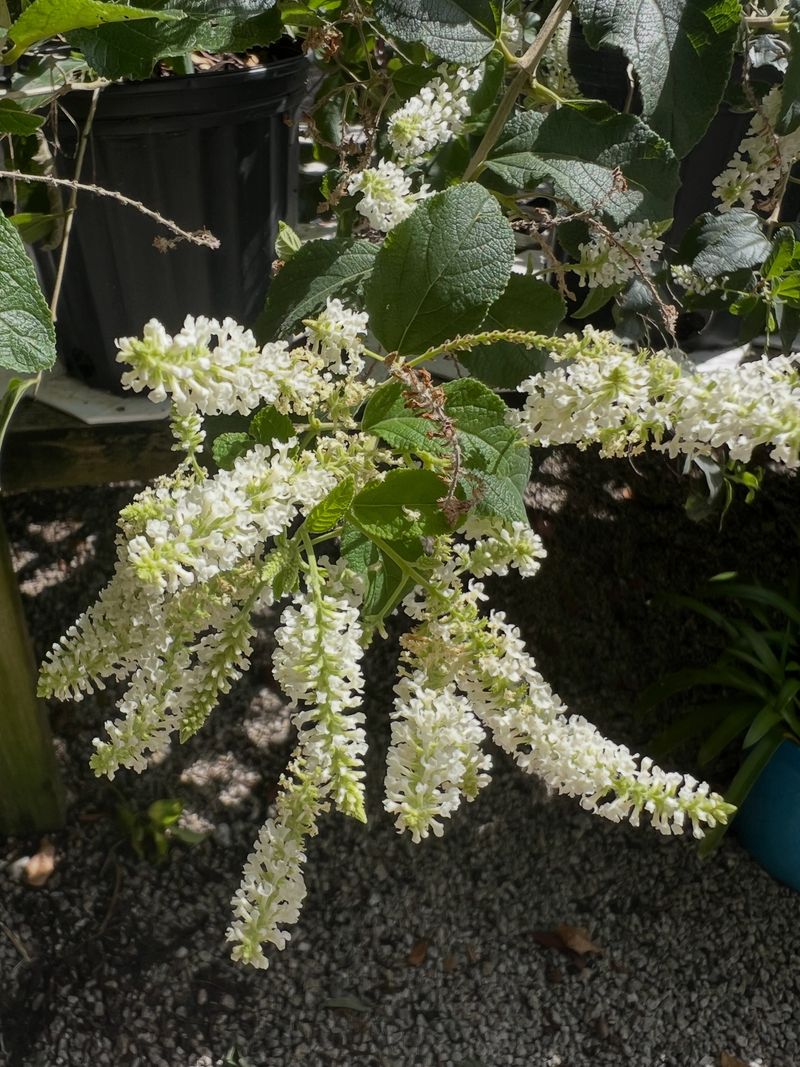
Many Texas gardeners first meet sweet almond bush as a compact nursery plant in a 1-gallon or 3-gallon pot, and it is easy to assume it will stay that size.
It will not.
In zones 10 and 11, NCSU reports the plant can reach up to 15 feet tall and 8 feet wide.
In Central Texas conditions, it typically stays smaller but still pushes several feet in a season when it is happy.
Gardenia.net documents the mature range as 3 to 8 feet wide in typical garden settings, which is a real patio footprint to plan around.
NCSU specifically lists containers and patios as suitable landscape locations, but a small decorative pot is not going to work long-term.
A container at least 15 to 20 gallons gives the roots enough room to support a blooming shrub through a Texas summer without the pot drying out every few hours.
Use a quality, well-drained potting mix rather than heavy blackland clay or caliche-based garden soil, which compact in containers and hold water unevenly.
University of Arizona Cooperative Extension container gardening guidance recommends a lightweight, well-draining potting mix specifically for hot-climate container culture.
Placement affects how fast the container heats.
A light-colored or glazed pot on a wooden deck surface stays cooler than a black plastic nursery container on concrete.
The Austin plant guide notes the plant reaches 4 feet or taller, so account for that height when positioning it where it will get full sun without toppling in a Gulf Coast or North Texas wind event.
Plan For Your Local Texas Freeze And Exposure
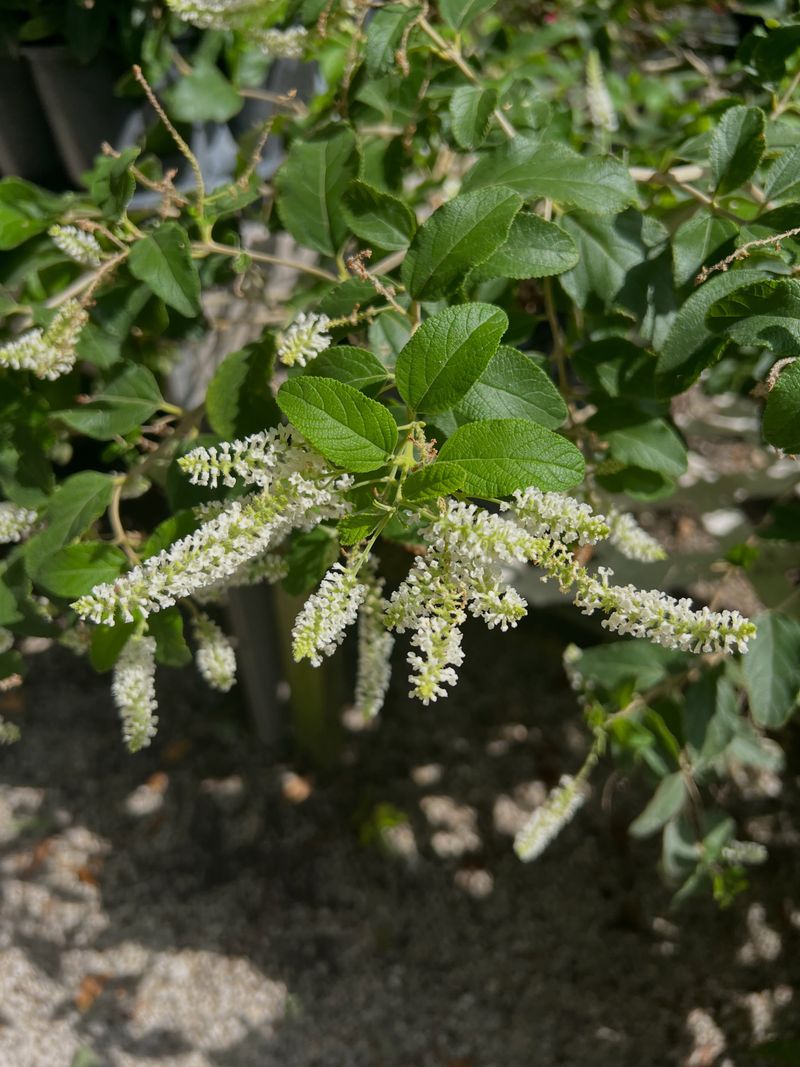
Summer performance and winter survival are two separate conversations when it comes to sweet almond bush in Texas.
The plant handles summer heat better than it handles a hard freeze, and Texas delivers both, sometimes in the same season.
NCSU lists it as hardy in zones 8a through 11b but notes it can die back to the ground in zones 8 and 9 before regrowing from the roots in spring.
That covers a large swath of Texas, from Central Texas down through the coast.
What that means practically is that your plant may lose all of its above-ground growth during a hard freeze, then push new growth from the root system when temperatures warm.
That is not death, that is dormancy, but you need to know it is coming so you do not pull the plant in March thinking it is gone.
A container actually helps here because you can move a potted specimen to a garage, covered porch, or shed when a freeze warning drops below 28 degrees Fahrenheit for more than a few hours.
The Austin city guide specifically warns that sweet almond verbena is susceptible to freezing weather, so Central Texas gardeners should have a plan before November.
In the Hill Country and West Texas, reflected heat from limestone and caliche increases summer irrigation needs.
In North Texas and the Panhandle, the freeze risk is higher and longer, making container culture more practical than in-ground planting.
Coastal and South Texas gardeners generally have the best conditions for a larger, longer-lived specimen.
University of Arizona Extension guidance reinforces that local exposure, including wind direction, reflected heat, and patio orientation, shapes outcomes as much as the regional climate does.
Check your local freeze history and talk to your county extension office before assuming your specific patio falls neatly into any regional pattern.
Make The Patio Promise More Realistic
Here is what you are actually signing up for when you bring sweet almond bush onto your patio.
You get a fast-growing shrub with intensely almond-scented white flowers that can bloom repeatedly from July through frost when conditions cooperate.
You get a plant that tolerates full Texas sun and some drought after establishment, attracts butterflies, bees, and hummingbirds, and genuinely earns its place in a container through scent and seasonal color.
NCSU Extension backs that description with documented bloom periods, container suitability, and pollinator value.
What you are not signing up for is a plant that requires zero care during a Texas heat wave, blooms every single day without interruption, or fits permanently in a small decorative pot.
The fragrance is real and the heat tolerance is real, but both depend on how you manage the container.
University of Minnesota Extension container guidance makes the core point plainly: pots in hot weather need consistent moisture checks, thorough watering with drainage, and no standing water in the saucer.
That routine is not complicated, but skipping it during a heat wave will cost you flowers and possibly the plant.
The 104 degree claim from the article title comes from one gardener’s record, not a laboratory test, and your plant may perform differently depending on pot size, placement, wind exposure, and how well you water.
The Austin plant guide frames this plant accurately: adaptable, fragrant, and worth growing in Texas, with eyes open about freezes.
Prune it to encourage new flowering wood, size the container to match the shrub’s ambitions, and give it a winter plan.
Do those things and your patio will smell like almond through much of summer and into fall, which is honestly a better deal than most plants offer.