
Why Texas Gardeners Are Adding More Ornamental Grasses To Dry Landscapes
Follow us on Google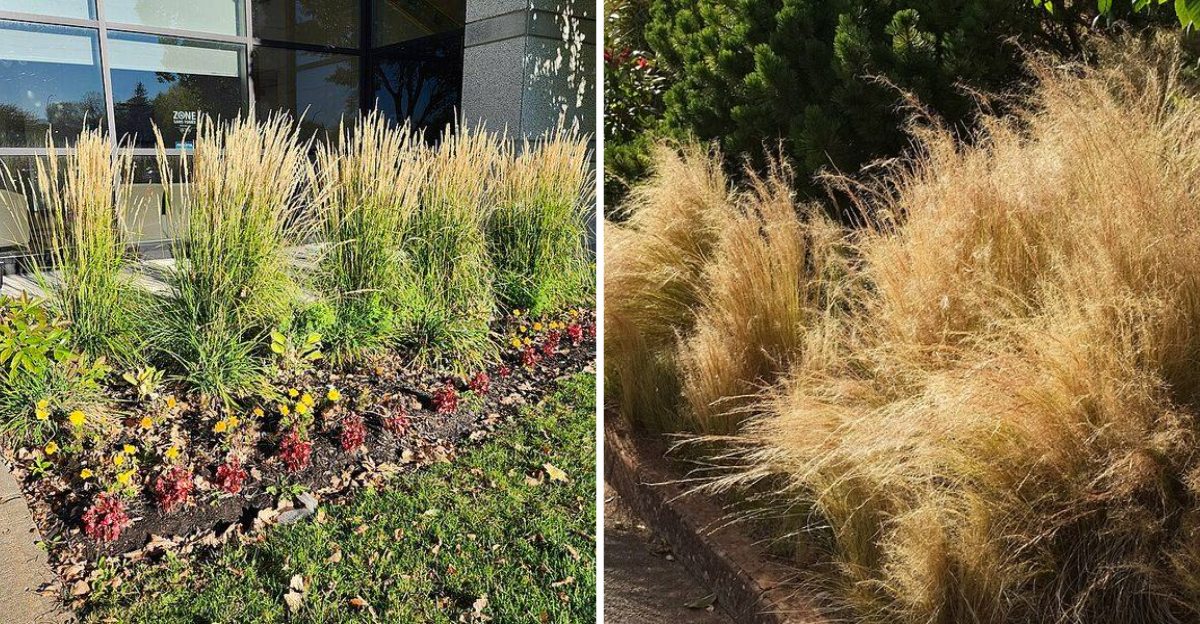
Texas yards are changing fast, and the shift is not just about style. More gardeners are choosing ornamental grasses because they handle heat, wind, and dry spells with far less fuss than many thirsty ornamentals.
These plants bring movement, texture, and structure without turning irrigation into a constant weekend chore. If your landscape needs to look good through long summers and water restrictions, grasses are starting to make a lot of sense.
They Handle Texas Heat With Less Stress
Long stretches of Texas heat can wear out even experienced gardeners, especially when flowering plants wilt by noon and recover only after heavy watering. Ornamental grasses earn attention because they keep their shape and color through punishing afternoons without demanding constant rescue.
You can plant them where reflected heat from sidewalks, driveways, and stone patios makes other ornamentals struggle.
Many popular choices develop deep, efficient root systems that help them ride through dry periods with less visible stress. That means fewer scorched leaves, fewer emergency sprinkler sessions, and less disappointment during the toughest part of summer.
If you have ever watched a border collapse in August, the steady presence of grasses feels practical rather than trendy.
Heat tolerance also gives you more freedom with placement. Sunny parkways, hell strips, mailbox beds, and west-facing foundations suddenly become useful planting zones instead of problem spots.
In my experience, that shift alone can make a yard feel more finished.
For gardeners trying to balance curb appeal with realistic maintenance, grasses offer a smart middle ground. They still look intentional and designed, yet they are built for the climate you actually live in, not the one you wish you had.
They Cut Back On Water Use
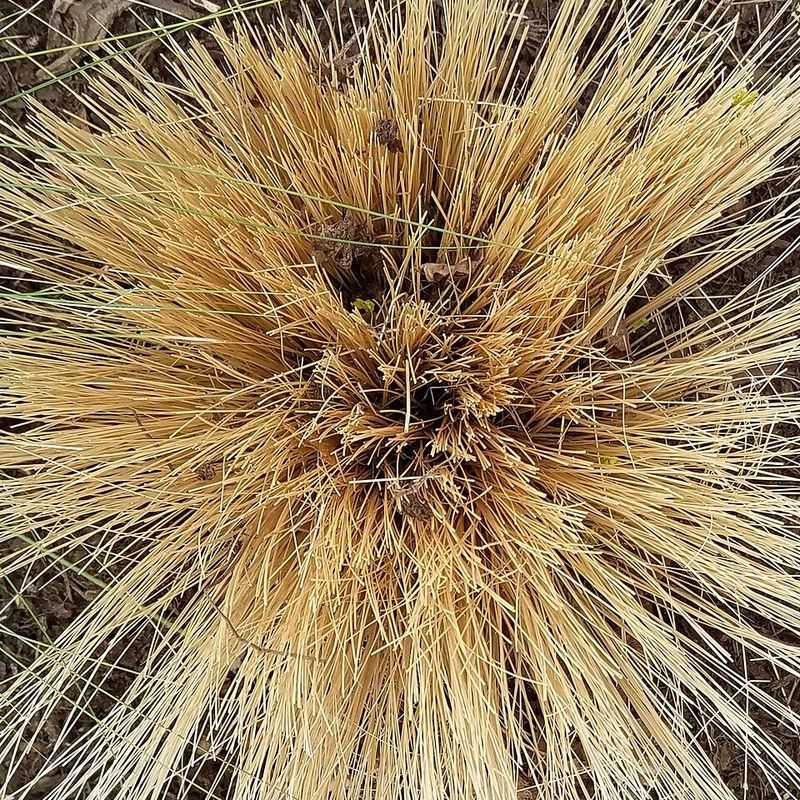
Water bills get attention quickly in Texas, especially when long dry spells push irrigation systems into overdrive. Ornamental grasses are becoming favorites because many varieties stay attractive with much less supplemental water than traditional bedding plants or thirsty turf patches.
Once established, they often need deep but infrequent watering instead of constant surface moisture.
That matters during drought restrictions, when every irrigation decision feels more important. A planting bed filled with grasses can keep visual impact high while lowering the pressure to water several times a week.
You are not just saving money either, because reduced watering can also mean less runoff, less disease pressure, and fewer fertilizer demands.
Many homeowners start by replacing small lawn corners or difficult side-yard strips with grasses and gravel mulch. The change looks intentional, and it usually performs better than trying to keep sparse grass green through extreme heat.
It is one of those upgrades that feels noticeable without requiring a total landscape overhaul.
If your goal is a yard that works with Texas weather instead of fighting it, water savings become a major reason to try them. The beauty is that conservation does not have to look bare, stiff, or overly minimal when grasses carry the design.
They Add Movement That Shrubs Cannot
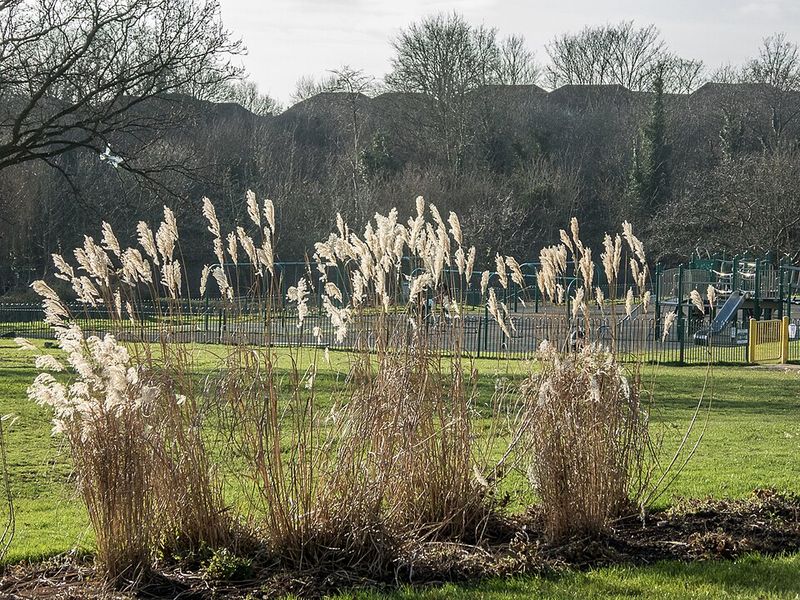
Still landscapes can feel flat in a climate where many plants hunker down during dry weather. Ornamental grasses add motion, and that movement changes how a yard feels from the street, patio, or kitchen window.
Even a light breeze can make the planting look alive in a way rigid shrubs rarely manage.
That quality matters more than people expect. In a dry landscape built with gravel, boulders, and hard surfaces, soft movement keeps the design from appearing harsh or overly static.
You get texture and rhythm without needing flowers to carry the whole visual load.
Plumes, blades, and arching forms also catch early and late sunlight beautifully. The result can make an ordinary front bed feel layered and thoughtful, especially when grouped in repeating drifts.
If you have ever felt that xeriscaping looked too stiff, grasses are often the detail that fixes that impression.
Movement is useful beyond aesthetics because it helps connect the garden to seasonal weather. Wind, changing light, and even a passing storm become part of the display rather than something the landscape merely survives.
For many Texas gardeners, that living, responsive quality is a big reason grasses keep replacing fussier ornamentals.
They Bring Four-Season Texture
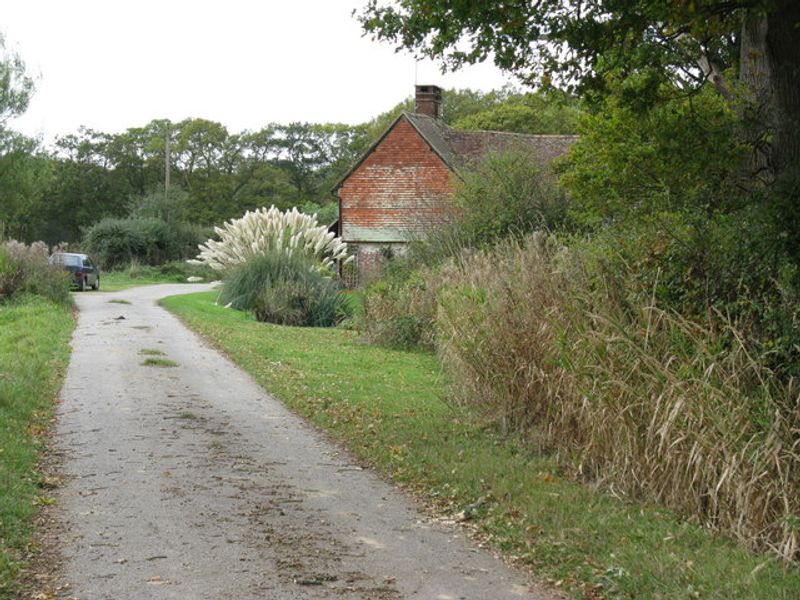
Color gets most of the attention in garden planning, yet texture often does the heavy lifting across the year. Ornamental grasses shine here because they offer fine blades, upright clumps, airy seed heads, and changing tones that keep dry landscapes interesting in every season.
Instead of peaking for a few weeks, they provide a longer visual return.
Spring growth looks fresh and clean, summer forms build body, and fall seed heads add softness and height. Even in winter, many grasses hold structure that works beautifully against stone, mulch, and evergreen shrubs.
That kind of steady performance is valuable in Texas, where intense weather can shorten the show from many flowering plants.
Texture also makes small spaces feel more layered. Pairing broad-leaved succulents or compact shrubs with narrow grass blades creates contrast that reads as intentional design rather than random planting.
You can achieve a sophisticated look without relying on delicate species that struggle in drought.
Gardeners often realize that a bed with strong texture still feels finished when blooms pause. That is a major advantage in hot climates, where color can disappear quickly under stress.
Grasses help landscapes remain engaging, even during the stretches when survival matters more than spectacle.
They Pair Well With Native Plants
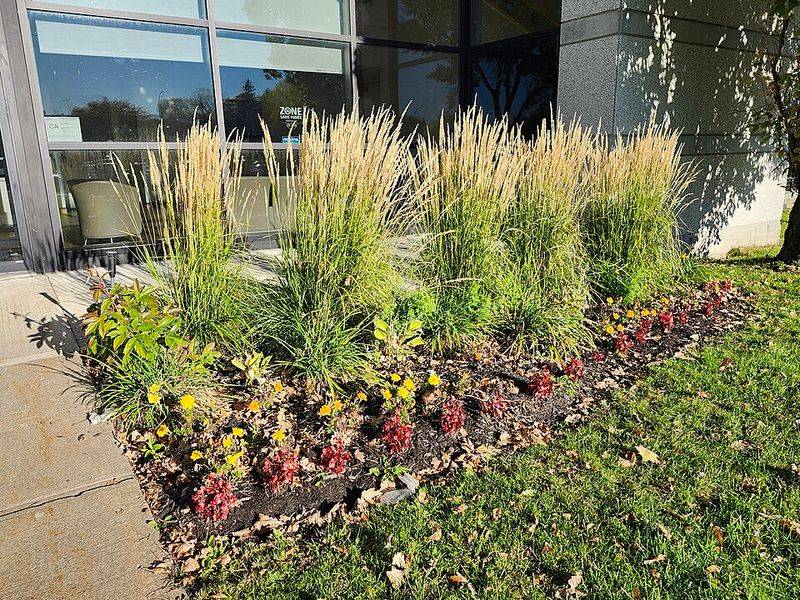
Dry Texas landscapes often look best when plants share similar needs, and ornamental grasses fit naturally into that strategy. They combine well with native perennials, shrubs, and succulents because the textures complement each other while the maintenance expectations stay realistic.
You are not forcing one thirsty plant to live among drought-adapted neighbors.
Think about the way grasses soften the edges of agave, yucca, lantana, salvia, or cenizo. The mix feels balanced, with enough contrast to keep each plant from disappearing into the background.
A bed that includes both bold forms and fine blades usually looks more layered and more professionally designed.
Another benefit is seasonal timing. When one native plant pauses after blooming, surrounding grasses can carry the scene with shape and motion.
That keeps the planting from feeling empty between flushes of flowers, which is especially helpful in long, hot stretches of the year.
Maintenance also becomes simpler when the entire bed is built around similar sun, soil, and water conditions. Fewer special cases mean fewer mistakes, and that matters if you want a landscape that survives travel, busy schedules, or inconsistent rainfall.
For many Texas gardeners, grasses are the glue that makes native planting schemes feel complete.
They Need Less Constant Grooming

Some garden beds feel like they need a haircut, fertilizer, and rescue watering every single weekend. Ornamental grasses appeal to busy Texas gardeners because they generally ask for much less hands-on grooming once they are established.
Instead of deadheading faded blooms or chasing pest damage constantly, you usually handle one seasonal cutback and occasional cleanup.
That lower workload can be a huge relief in hot weather. Spending less time fussing with individual plants means you are more likely to keep the whole yard looking tidy over the long term.
It is easier to maintain a polished appearance when the plant palette is not fighting you every week.
Grasses also hide dust and weather wear better than many broad-leaved ornamentals. A little wind, heat, or missed watering does not instantly make them look tired and defeated.
In practical terms, that means your landscape can tolerate real life, including vacations, work travel, and hectic family schedules.
Of course, low maintenance does not mean no maintenance at all. Good spacing, proper planting, and the right species still matter, especially in Texas soils and exposure conditions.
Still, if you want a yard that rewards smart setup rather than nonstop effort, grasses are one of the easiest wins.
They Help Fill Difficult Spaces
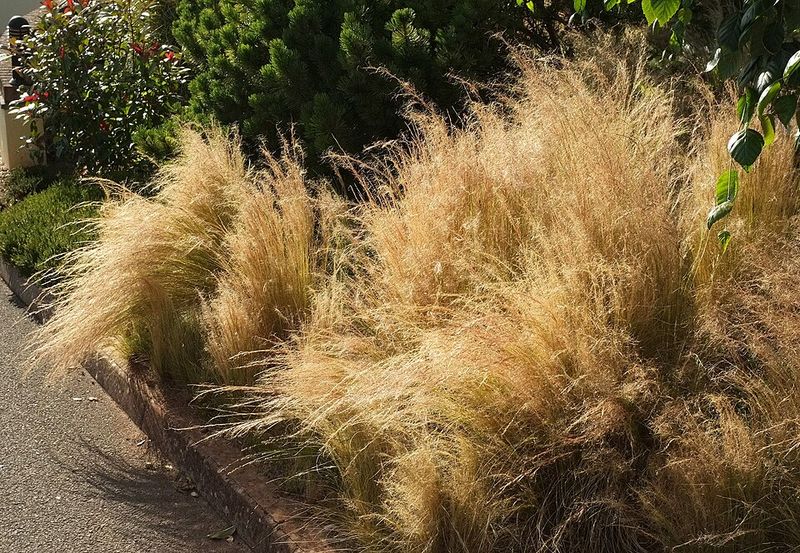
Every yard has awkward spots that never seem to cooperate. Narrow side yards, sloped corners, utility areas, and blazing strips along driveways often become patchy, neglected zones where standard landscape plants underperform.
Ornamental grasses are gaining popularity because they handle those difficult spaces with more grace and less drama.
Clumping forms can fit into tight footprints without sprawling everywhere, while taller varieties add vertical interest where depth is limited. In broad problem areas, mass plantings create order quickly and make the space look intentional rather than leftover.
That can be especially useful in front yards where irregular shapes are highly visible from the street.
Grasses also work well around hardscape, where radiant heat and fast-draining soils challenge more delicate choices. A row along a fence or property line can soften harsh edges without creating the heavy, overgrown feel some shrubs develop.
You get coverage and structure without closing in the space.
For homeowners trying to solve practical design issues, this flexibility is a major benefit. It is easier to build a cohesive dry landscape when one plant category can handle so many site conditions.
That adaptability explains why grasses keep showing up in places that were once hard to plant well.
They Support Wildlife In A Subtle Way
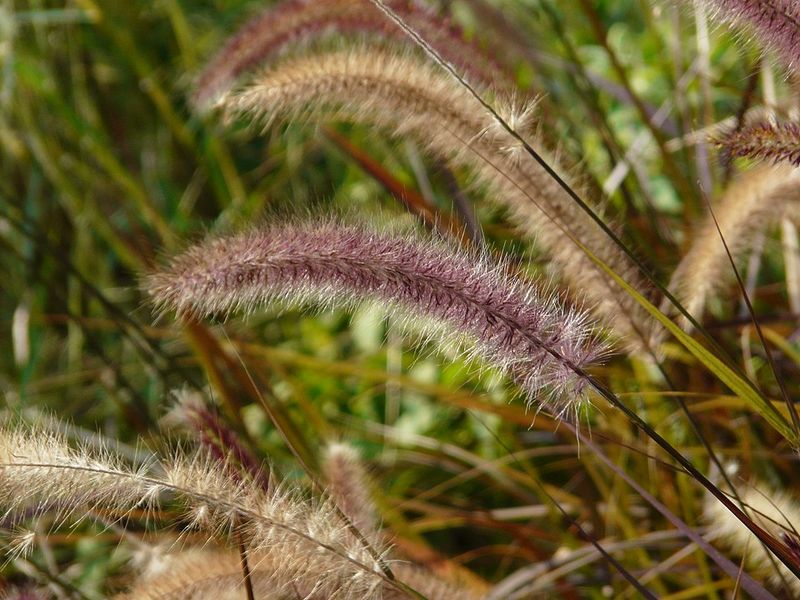
A dry landscape does not have to feel sterile or disconnected from local wildlife. Ornamental grasses can provide shelter, nesting material, and seed interest for birds while creating a softer habitat layer around patios and pathways.
They are not flashy in the way pollinator flowers can be, but their ecological value is often more noticeable over time.
Seed heads draw small birds, and dense clumps offer cover that open gravel beds cannot. That extra habitat can make a suburban garden feel more alive without turning it into a high-maintenance wildlife project.
You still get a tidy, intentional look, especially when grasses are repeated in clean drifts or grouped with native companions.
Insects also benefit from the microclimate grasses create near the soil surface. Shade, protection from wind, and organic matter from seasonal cutback all support a healthier garden system.
The result is subtle, but it contributes to the resilience many gardeners want in a water-wise yard.
If you enjoy seeing finches hop through seed heads or hearing birds move through planting beds in the morning, grasses can make that experience more common. They help bridge the gap between ornamental design and ecological usefulness, which is a combination many Texas gardeners increasingly appreciate.
They Suit Modern And Rustic Designs
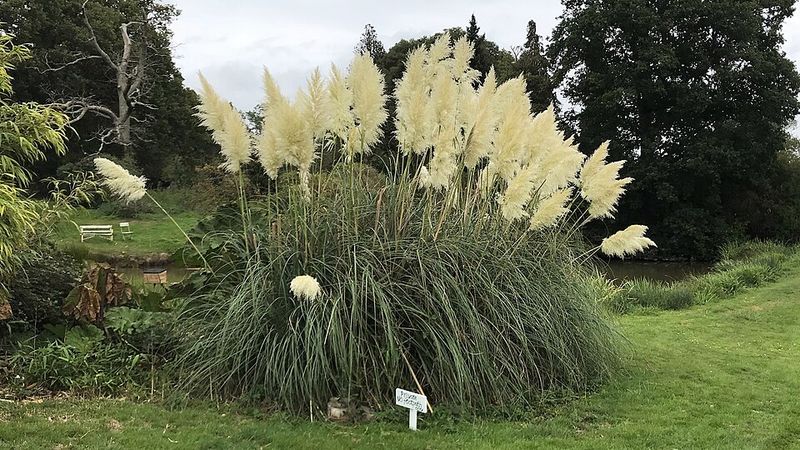
Style flexibility is one reason ornamental grasses keep showing up in very different Texas neighborhoods. They can look clean and architectural beside modern homes, yet they also feel right at home in rustic, Hill Country-inspired landscapes with limestone, decomposed granite, and weathered steel.
Few plant groups adapt to both moods so easily.
Upright grasses bring crisp repetition to contemporary designs where restrained color and simple forms matter. Softer, fountain-like varieties relax the harder edges of stone walls, metal planters, and geometric walkways.
If your landscape feels too rigid, grasses can introduce just enough softness without disrupting the overall design language.
In more naturalistic settings, they echo prairie textures and blend comfortably with native shrubs and wildflower-style perennials. That makes them useful for homeowners who want a cultivated yard that still feels connected to Texas scenery.
You can guide the look toward polished or informal simply by changing the species and spacing.
This versatility helps gardeners avoid expensive redesigns when tastes evolve. A bed anchored with grasses can absorb new accents, containers, or companion plants more easily than a tightly themed planting scheme.
That design range makes them a dependable choice for people who want beauty without boxing themselves into one style forever.
They Make Dry Landscapes Feel Finished
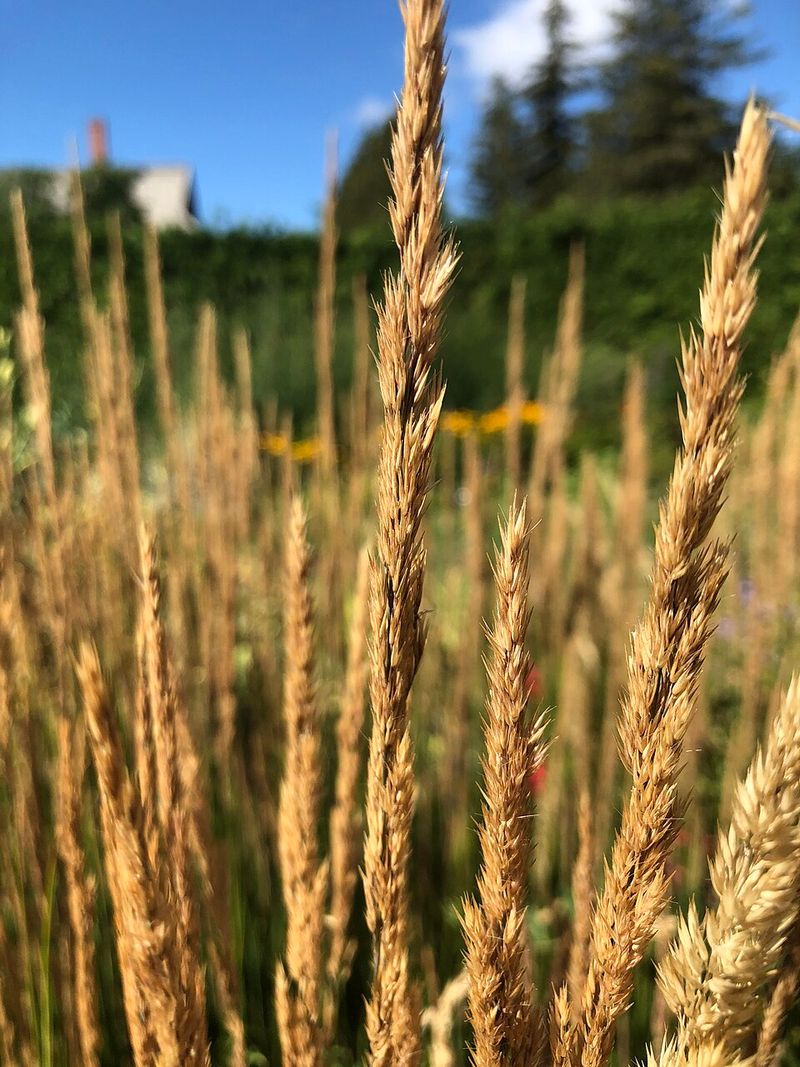
Some water-wise yards check the practical boxes but still feel incomplete. Gravel, mulch, and a few hardy shrubs may survive the climate, yet the design can look sparse if there is not enough repetition, height variation, or soft texture to tie everything together.
Ornamental grasses often solve that problem with surprisingly little effort.
They act like connectors between boulders, succulents, flowering perennials, and structural shrubs. A few well-placed clumps can guide the eye through the space, soften abrupt transitions, and make separate planting areas read as one composition.
That is why many professionally designed dry landscapes rely on grasses more than homeowners initially notice.
Grasses also help a yard look settled sooner. Even relatively young plants can create fullness and visual rhythm while slower shrubs are still growing in.
If you have ever planted a new bed and thought it looked oddly empty despite buying plenty of plants, this is often the missing ingredient.
For Texas gardeners, that finishing quality matters because every plant needs to justify its water, maintenance, and space. Grasses bring beauty, resilience, and design cohesion at the same time.
When a landscape feels both practical and complete, it becomes much easier to love living with it year after year.