
12 Easy Plants That Make Small Ohio Yards Feel More Lush
Follow us on Google
A small Ohio yard can feel full, layered, and inviting without turning into a weekend maintenance project. The right plants add texture, color, and structure while handling humid summers, cold winters, and the occasional stretch of unpredictable weather.
If you want your space to look richer without feeling crowded, these easy picks do the heavy lifting. Each one earns its spot by being reliable, attractive, and friendly to tighter suburban lots.
Boxwood
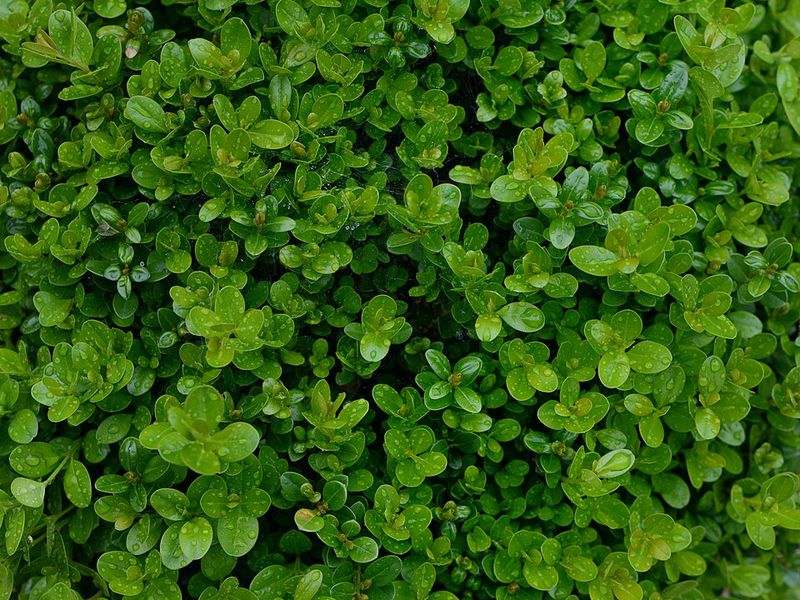
In a small Ohio yard, structure matters as much as flowers, and this classic shrub gives you that polished backbone without much fuss. Dense evergreen leaves keep beds looking intentional in every season, which is especially helpful when winter makes everything else disappear.
If your yard feels visually scattered, a few rounded forms can pull the whole space together fast.
Sun to part shade works well, and average soil is usually enough as long as drainage is decent. I like using two or three plants near the porch, mailbox, or front walk because they create rhythm without eating up valuable square footage.
You can clip them into clean spheres, soft mounds, or a low hedge that makes the yard look fuller from the street.
Water regularly during the first season, then only during dry spells once roots settle in. A light trim in late spring keeps the shape sharp, but you do not need to obsess over perfection for them to look good.
In Ohio neighborhoods where houses sit fairly close together, that year round greenery gives the eye a resting place and makes everything around it seem richer.
Panicle Hydrangea
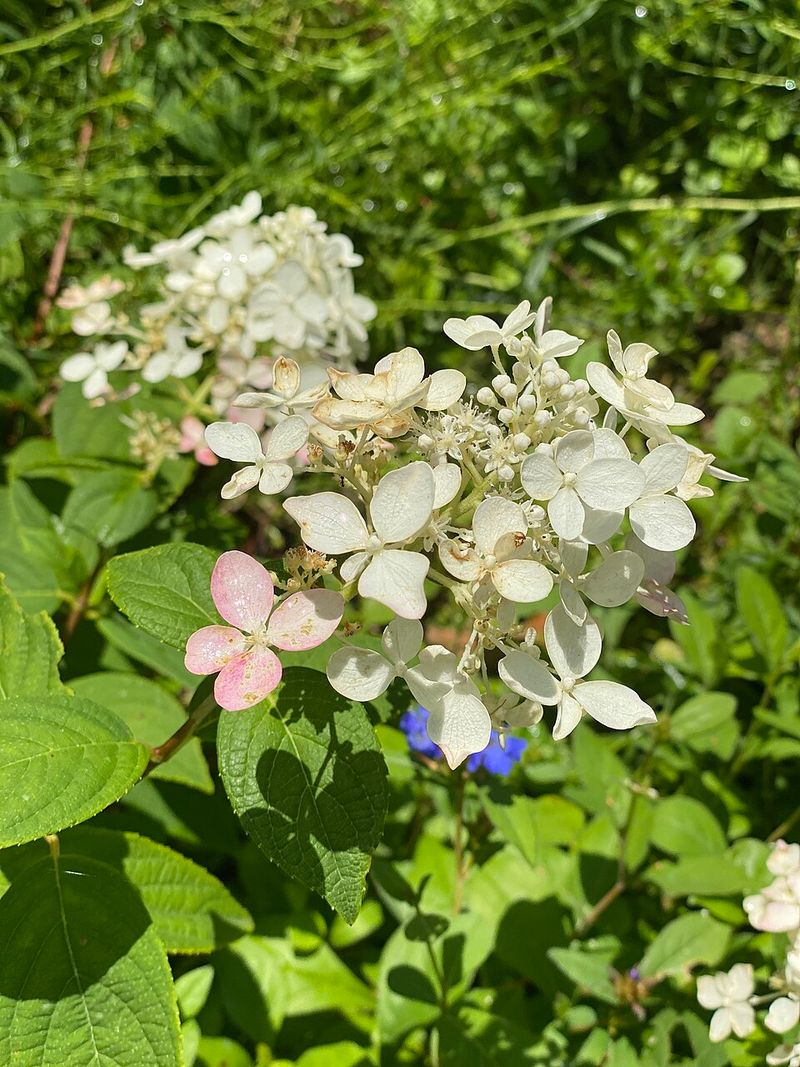
Big flowers can make a tiny yard feel generous, and few shrubs do that better than a compact panicle hydrangea. Cone shaped blooms start creamy white, then often blush pink as the season moves along, giving you months of visual payoff.
That long performance is useful when you want one plant to carry a bed instead of relying on several fussy options.
Full sun to part sun is usually enough in Ohio, though afternoon shade helps in hotter spots. Look for smaller selections so the plant stays proportional to a narrow side yard, front foundation bed, or patio border.
I love placing one where it can be seen from a kitchen window because the flowers make even ordinary days feel a little more finished.
Unlike some hydrangeas, panicle types bloom on new wood, so winter damage is rarely a big issue. Prune in late winter or early spring if you want to shape it, then let it do its thing through summer and fall.
Add mulch, give it a deep weekly drink during dry weather, and you get a low stress shrub that fills space beautifully without making your yard feel crowded.
Hosta
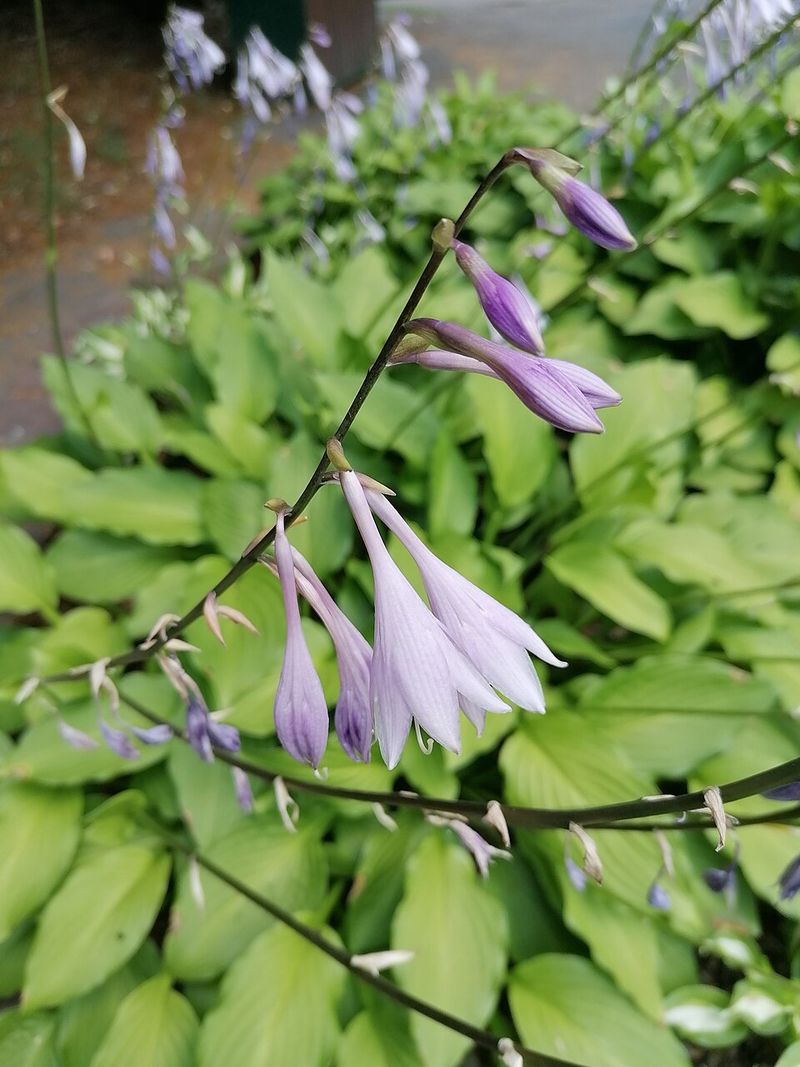
Shade can make a small yard feel sparse, but broad leaves instantly give those dim corners more presence. This reliable perennial comes in blue green, chartreuse, variegated, and giant textures, so you can build richness without relying on flowers alone.
In older Ohio neighborhoods with mature trees, that flexibility is incredibly useful.
Part shade to full shade is ideal, especially where afternoon sun is limited. I like mixing two or three leaf sizes instead of planting only one variety because the layered look feels more intentional and makes the bed appear deeper.
Even a thin strip beside the house can look fuller once those leaves start overlapping.
Moist, well drained soil helps them look their best, and a layer of mulch keeps roots cooler in summer. Watch for slugs and deer if those are common in your area, since both can chew holes in otherwise handsome foliage.
Pair them with a finer texture like ferns or Japanese forest grass, and your shaded space stops looking like a problem area and starts feeling like one of the most inviting parts of the yard.
Coral Bells
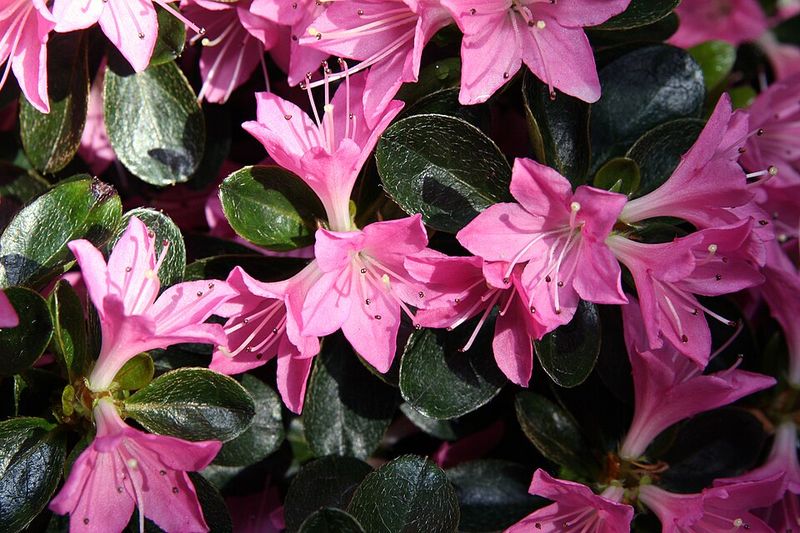
Foliage color goes a long way in a compact yard, and this perennial gives you that punch without demanding constant work. Leaves come in plum, caramel, silver, lime, and near black shades, which means you can brighten a border even when few flowers are open.
That kind of steady color makes tiny spaces feel more layered and finished.
Morning sun with afternoon shade is a safe bet in much of Ohio, though some varieties handle more light if the soil stays evenly moist. I like tucking coral bells near the front of beds, around stepping stones, or along a short walkway where their mounded shape reads clearly.
Small wands of flowers in late spring add movement, but the foliage is really the star.
Good drainage matters, especially through winter, so avoid soggy spots that stay wet after rain. Trim tired leaves in early spring, divide older clumps when needed, and they mostly take care of themselves after that.
If your yard needs color near the ground instead of another taller shrub, this is one of the easiest ways to make the whole planting feel richer while still leaving room for your patio, path, or mailbox.
Inkberry Holly
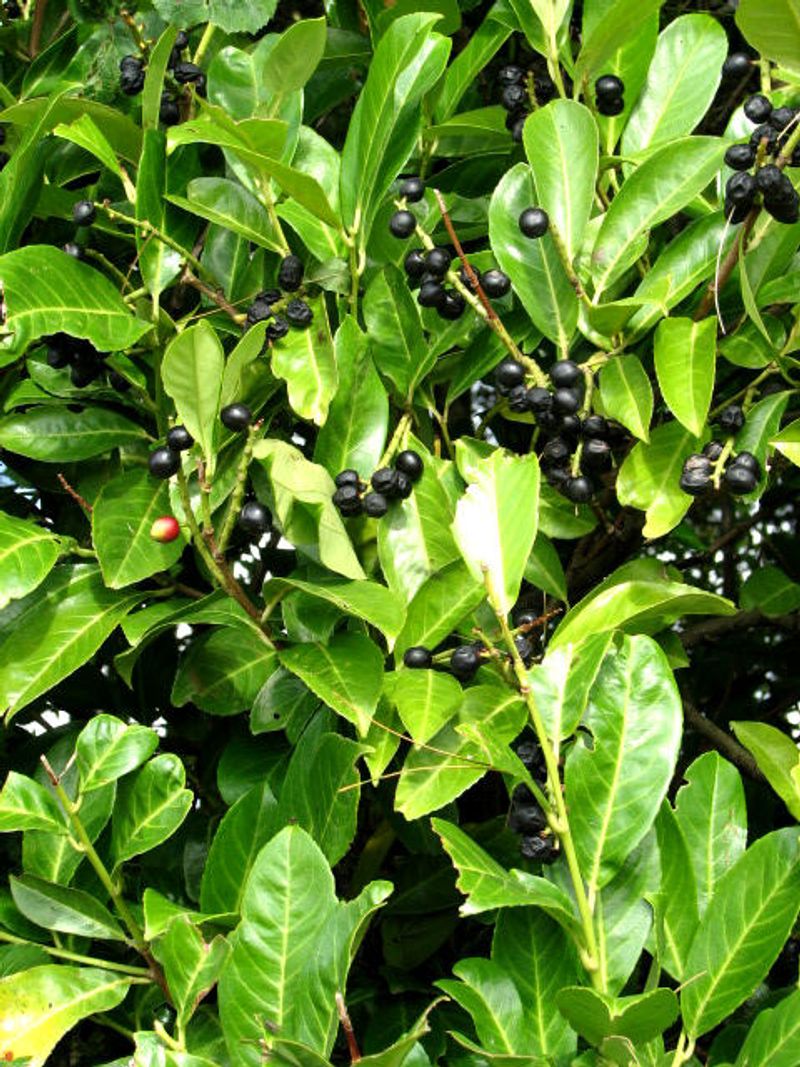
Evergreen shrubs are especially valuable in Ohio, where winter can leave a yard looking flat for months. This native holly keeps a soft rounded shape with dark glossy leaves, so you get year round fullness without the prickly feel of some other evergreens.
In a compact landscape, that steady presence helps every season look more deliberate.
Part sun to full sun works well, and it handles average moisture better than many broadleaf evergreens. I reach for compact forms when a homeowner wants something cleaner than a sprawling shrub but less formal than clipped boxwood.
It fits nicely near foundations, along short fences, or in corners that need visual weight without a giant plant taking over.
Because it is native to eastern North America, it settles into Ohio conditions quite comfortably once established. Give it mulch, water it well during the first year, and prune only lightly if you want to maintain a crisp outline.
If your yard feels bare in January or too open around the edges, this is one of those quiet workhorses that makes the whole space feel fuller, calmer, and easier on the eyes from indoors and out.
Catmint
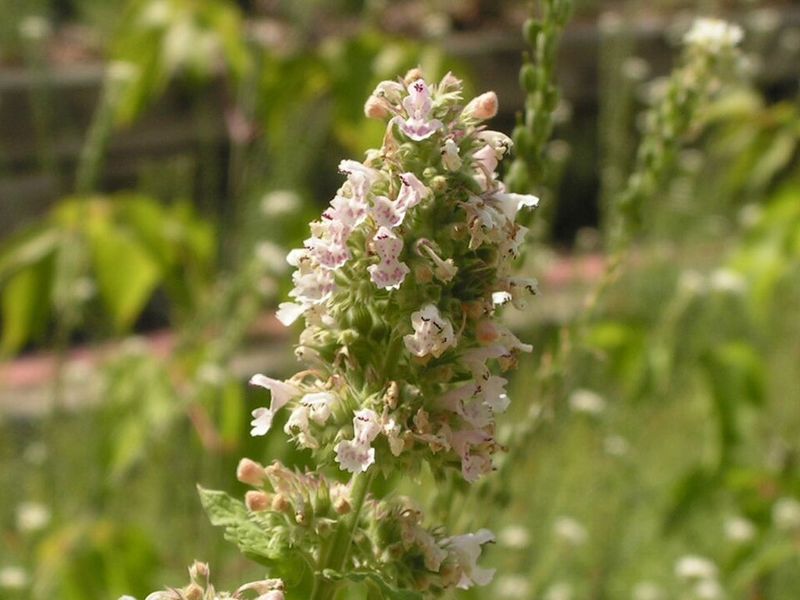
Soft mounds and cool toned flowers can make a tight sunny border feel relaxed instead of crammed. This perennial blooms with lavender blue spikes over aromatic gray green foliage, creating a long season of color that plays nicely with brick, stone, and black mulch.
For small Ohio yards that need movement, it adds that airy effect without becoming messy.
Full sun is best, and average well drained soil keeps it happiest. I like planting it near sidewalks, mailbox posts, or the edge of a patio because the billowy habit softens hard lines immediately.
Bees love it, yet deer and rabbits usually pass it by, which is a practical bonus if local wildlife treats your beds like a buffet.
After the first flush of bloom, shear it back lightly and you will often get a second round of flowers. It does not need rich soil or constant watering once established, making it an easy choice for people who want good looks without a high maintenance schedule.
When your yard needs a plant that connects shrubs, perennials, and hardscape into one cohesive picture, this one fills the gaps beautifully and keeps the whole space feeling comfortably planted.
Coneflower
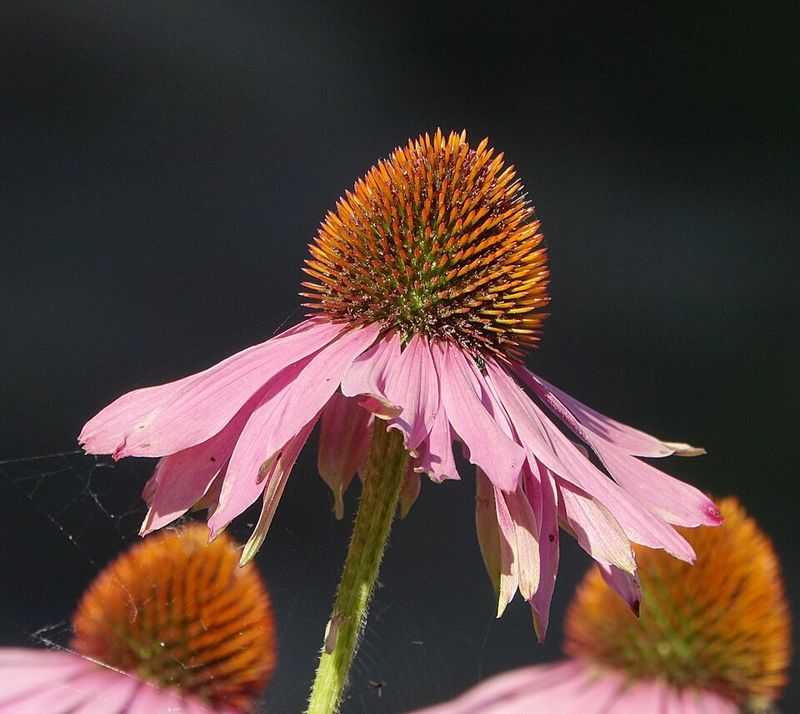
Summer color feels more generous when flowers keep coming without extra effort, and this native perennial is a dependable way to get there. Daisy like blooms in purple, white, orange, or pink stand above sturdy stems, adding height and brightness while still leaving room for neighboring plants.
In a smaller Ohio yard, that upright habit helps you create depth without a bulky footprint.
Full sun is ideal, and average soil is usually enough as long as drainage is not poor. I often suggest grouping three or five together rather than scattering singles, because repeated clumps look fuller and read better from the street or patio.
Goldfinches, bees, and butterflies all notice them, so your small yard starts feeling more alive in a very immediate way.
Once established, coneflowers handle dry spells fairly well and rarely ask for much beyond occasional deadheading. Leaving some seed heads in place adds late season interest and gives birds something to snack on, which is a nice bonus after blooms fade.
If your planting bed needs a reliable summer anchor that looks cheerful rather than stiff, this is one of the easiest ways to add color, wildlife value, and a stronger sense of abundance.
Little Bluestem
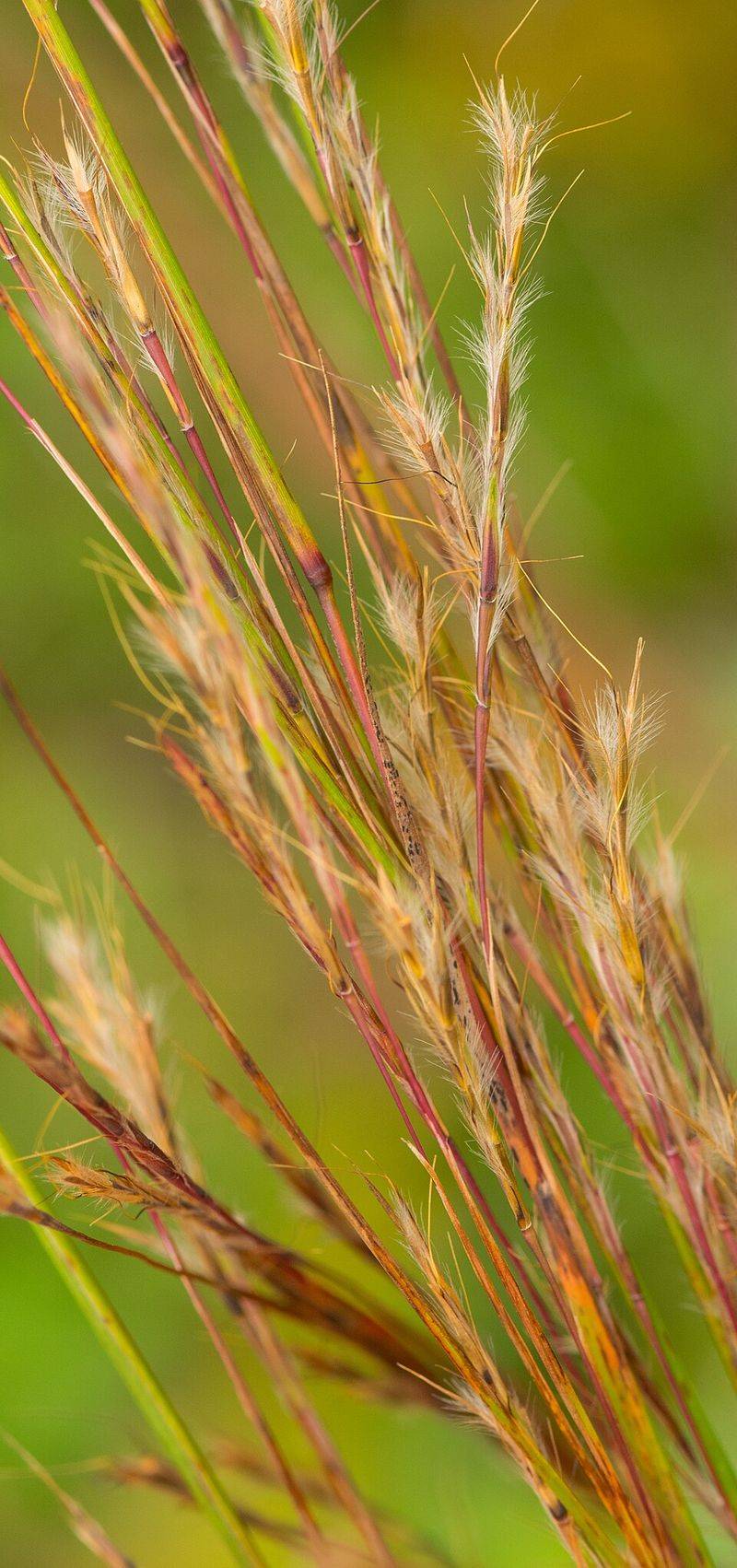
Texture often matters more than bloom count in a small yard, and an upright native grass can change the whole mood of a planting. Blue green blades stand neatly through summer, then shift to coppery orange tones in fall, giving you a second season of interest without adding another plant.
That vertical line is especially useful when beds need movement but not bulk.
Full sun and decent drainage are the main requirements, so it suits many Ohio front yards and hell strips surprisingly well. I like using it beside broad leaf plants such as hostas or hydrangeas because the contrast makes both look better.
Even one clump can break up a heavy planting and make a narrow border feel more layered.
Leave the stems standing through winter for texture, then cut them back in early spring before new growth starts. It tolerates lean soil and dry conditions once established, which makes it a smart choice for busy homeowners who still want a thoughtful looking landscape.
If your yard feels too static or shrub heavy, this grass adds life, seasonal color, and a light catching quality that gives the space more depth without making maintenance any harder.
Japanese Forest Grass
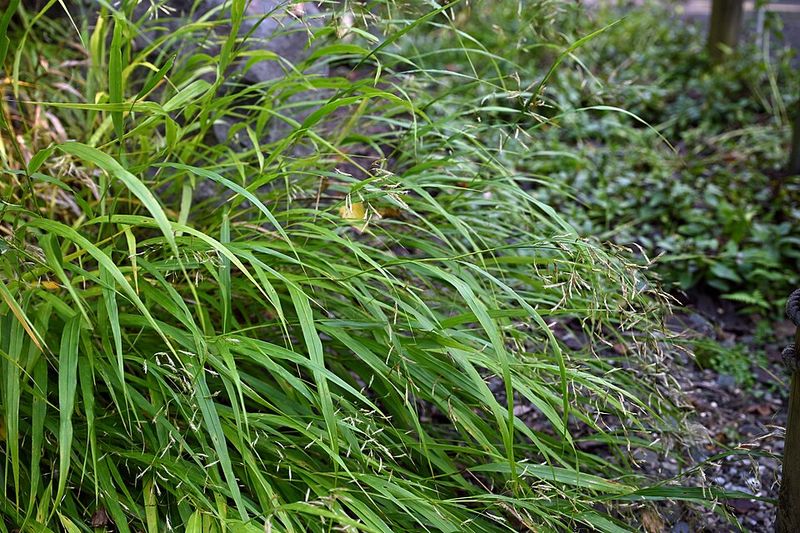
Not every yard needs another flowering plant to feel fuller, and this graceful grass proves the point beautifully. Arching blades spill outward in soft fountains, bringing motion and a gentle cascading shape that relaxes rigid bed lines.
In a compact Ohio space, that effect can make a narrow shady border feel far more generous than it actually is.
Part shade is ideal, especially with some protection from hot afternoon sun. I love using the gold leaved forms near dark mulch, brick, or evergreens because the color brightens the entire area without shouting for attention.
Planted beside steps, edging, or a small patio, it softens hard surfaces in a way that feels polished but still natural.
Consistent moisture helps it look its best, so add compost and mulch to keep the root zone cool. Growth is steady rather than explosive, which is good news when every square foot counts and you do not want a plant swallowing the walkway.
If your shaded yard looks flat or overly green, this is an easy way to add movement, contrast, and a richer sense of layering while keeping the maintenance list pleasantly short.
Virginia Sweetspire
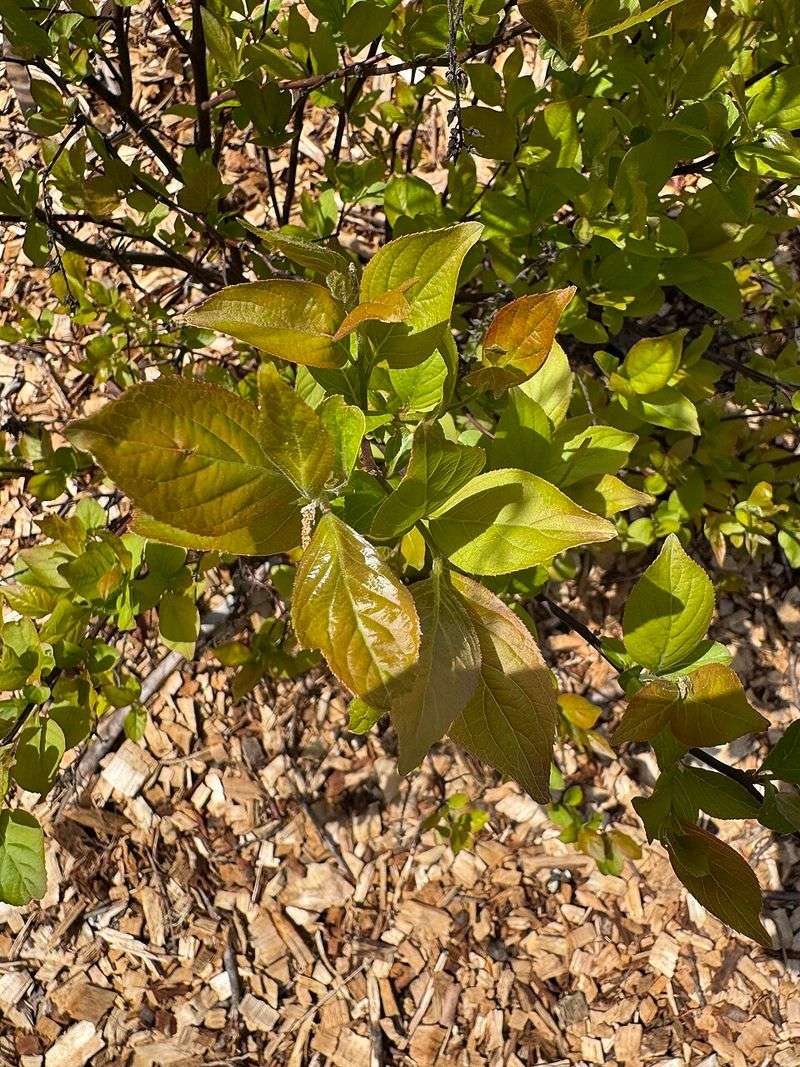
Seasonal interest matters more in a small yard because every plant has to earn its space, and this native shrub gives you several good reasons to keep it around. Fragrant white flower spikes appear in late spring, then attractive foliage carries the show until fall turns it red and orange.
That sequence helps a modest planting bed feel active for much longer.
Sun to part shade works well, and it tolerates more moisture than many shrubs, which is useful in spots that stay slightly damp after heavy Ohio rains. I like the compact varieties for foundations, fence lines, or the edge of a patio where the arching habit can soften the scene.
It looks relaxed rather than stiff, which can make a newer landscape feel more settled.
Pruning is rarely needed beyond removing stray stems or lightly shaping after flowering. Mulch the base, water through the first growing season, and it generally becomes quite easy to live with after that.
If your yard needs something that bridges formal shrubs and casual perennials, this is a smart middle ground that adds flowers, fall color, and a fuller overall look without taking over the limited room you have.
Sedum
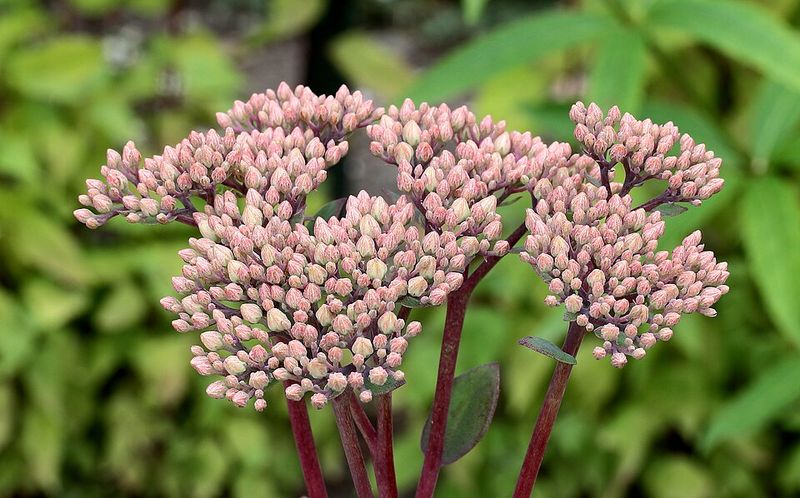
Hot sunny spots near driveways, sidewalks, and patios can be hard to fill, especially when you want something tidy. Sedums solve that problem with succulent leaves, clean forms, and excellent drought tolerance once established.
They bring a fresh, modern texture that keeps compact yards from looking too leafy or overly traditional.
For ground level coverage, low sedums weave nicely between stones or at the front of beds where they stay neat and compact. Upright varieties add late summer flower heads that start pink and deepen with age, giving you color exactly when some spring perennials are looking tired.
I often mix both types so the planting has a stronger layered effect without needing much square footage.
Full sun and sharp drainage are the big requirements, and heavy wet soil is the main thing to avoid. Beyond that, they are wonderfully unfussy and usually need little more than a spring cleanup and the occasional division after several years.
If your small Ohio yard includes a dry problem area that always seems sparse, sedum can make it feel intentionally planted and pleasantly full without signing you up for constant watering or deadheading all summer.
Dwarf Fountain Grass
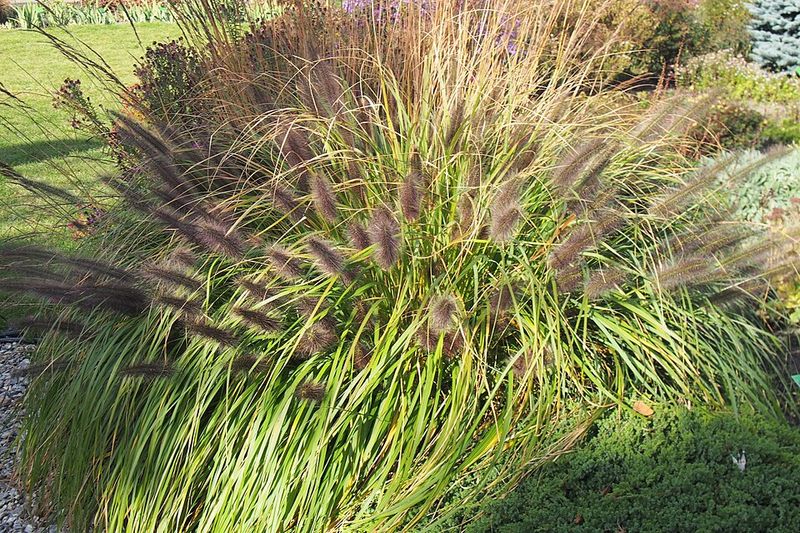
Sometimes a yard needs one plant with a little flair, and a compact fountain grass can do that without making the space feel overdone. Narrow arching leaves form a rounded clump, then soft plumes rise above the foliage and catch late season light beautifully.
That combination adds motion and softness, which is especially helpful around patios and straight suburban walkways.
Give it full sun and well drained soil, and it usually performs with very little drama through summer and fall. I like using one or two as focal points in smaller beds rather than planting a whole row, because the shape is strong enough to stand on its own.
Paired with coneflowers, sedum, or boxwood, it creates the kind of contrast that makes a planting look more thoughtful.
Leave the tawny blades standing through winter if you enjoy texture, then cut them back hard in early spring before new growth appears. In colder parts of Ohio, choose a hardy dwarf selection so you are not replanting every year.
If your yard feels flat and needs some movement near eye level, this is an easy way to make the planting read fuller while still keeping maintenance simple and predictable.