
12 Native Plants That Make Georgia Gardens Easier To Maintain
Follow us on Google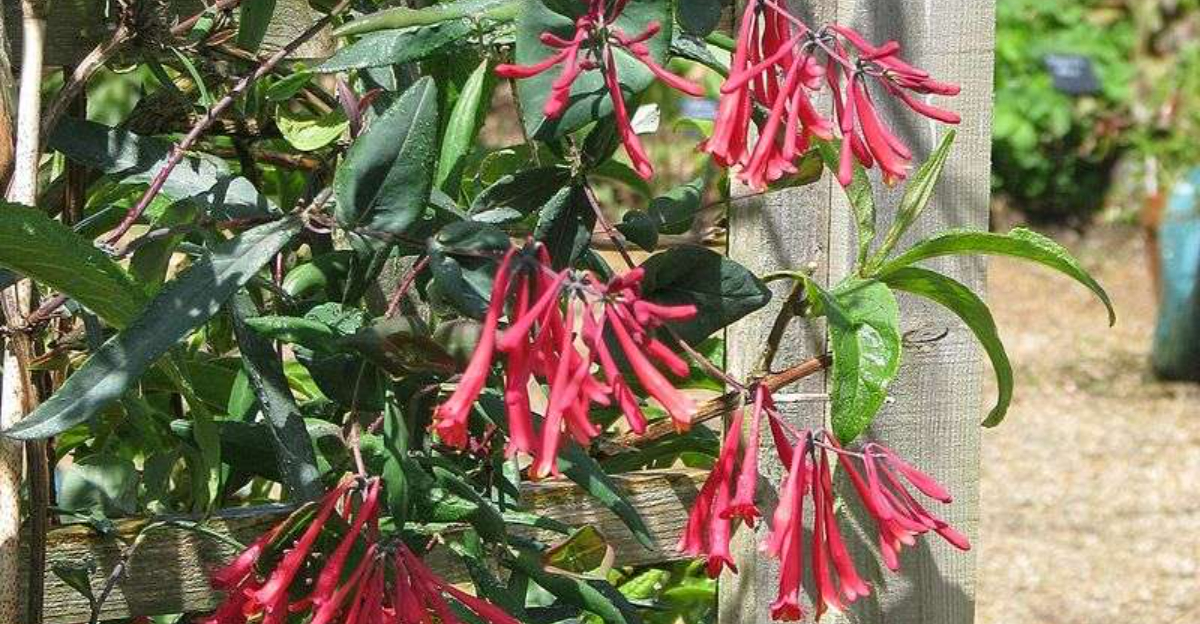
Georgia gardeners deal with hot summers, surprise cold snaps, clay soil, and stretches of dry weather that can make high-maintenance planting feel like a second job. The good news is that native plants already know how to handle these conditions, so they ask for less water, less fertilizer, and less fuss once established.
If you want a yard that looks good without constant weekend work, the right plant choices matter more than any fancy gardening trick. These native picks can help you build a garden that stays resilient, colorful, and far easier to manage.
Purple Coneflower
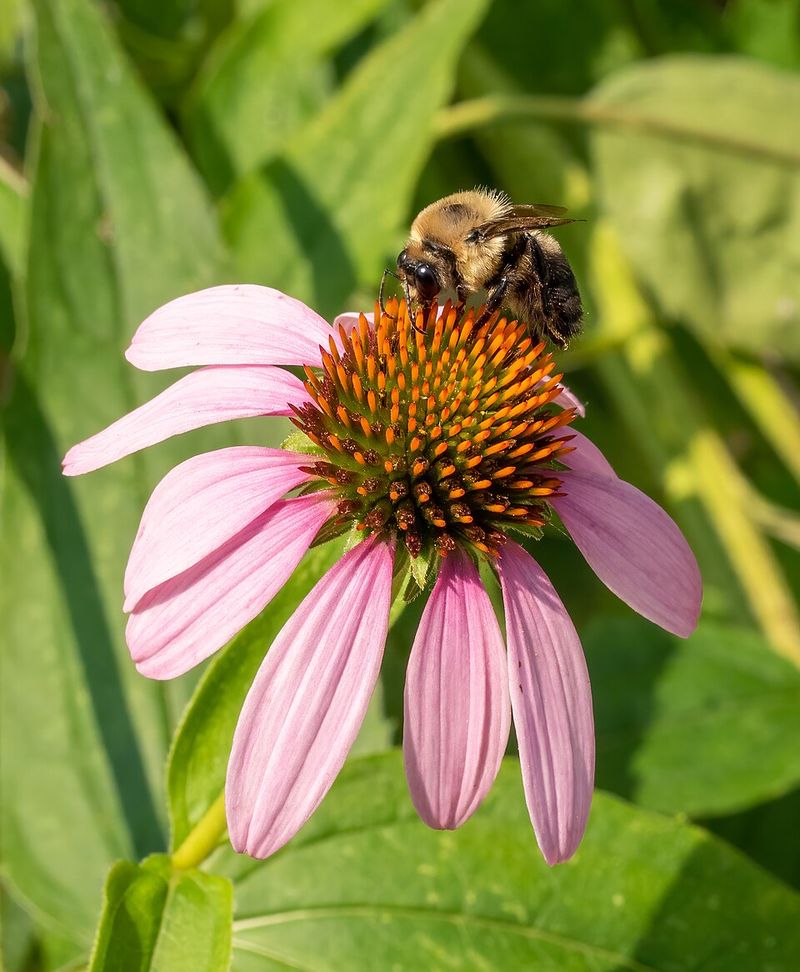
Hot Georgia summers can be rough on fussy flowers, but this sturdy perennial handles heat with impressive calm. Purple coneflower settles into ordinary garden soil, tolerates clay better than many ornamentals, and keeps blooming through stretches when other beds start looking tired.
You get cheerful color without needing constant watering or pampering.
Butterflies and bees visit often, which makes the garden feel active even on quiet afternoons. Seed heads also feed birds later in the season, so the plant keeps earning its space after the petals fade.
Leaving those seed heads in place saves cleanup time and adds winter interest.
For easiest care, plant it in full sun and avoid overly rich soil, which can make stems floppy. During the first season, regular watering helps roots establish, but after that, rainfall is often enough except during severe drought.
Deadheading can extend bloom time, yet it is optional rather than necessary.
It works beautifully in borders, pollinator patches, and mailbox beds where reliable performance matters most. Pair it with black-eyed Susan, native grasses, or bee balm for a low-effort look that still feels thoughtfully designed.
If you want one dependable flower to start with, this is an easy bet.
Black-Eyed Susan
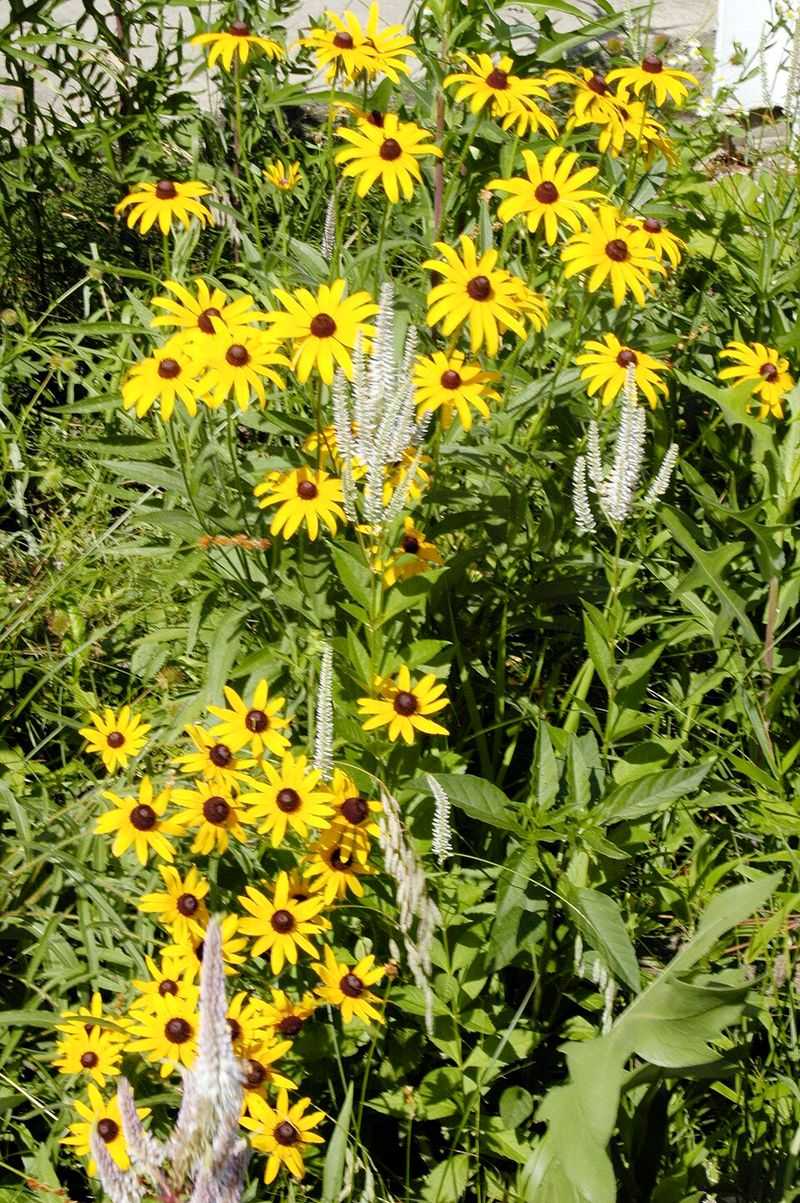
Few flowers bring as much easy color to a Georgia garden as this bright native favorite. Black-eyed Susan thrives in heat, handles average soil, and keeps blooming when many annuals need extra feeding and water.
That toughness makes it a smart choice if you want a cheerful bed without adding another chore.
Gold petals and dark centers create a classic summer look that reads clearly from the street. Pollinators show up quickly, and the flowers blend well with nearly every cottage, prairie, or naturalized planting style.
Even a small cluster can make a sparse corner feel intentional.
Full sun produces the best flowering, though the plant can manage light afternoon shade in hotter parts of the state. Once established, it needs surprisingly little irrigation, and it often reseeds just enough to keep the display going.
If seedlings appear where you do not want them, they are easy to thin.
Use it along fences, in island beds, or beside a driveway where reflected heat can stress fussier plants. Cutting back spent stems in late winter is usually all the cleanup needed.
For gardeners who want long bloom time with minimal attention, this one earns its place quickly.
Oakleaf Hydrangea
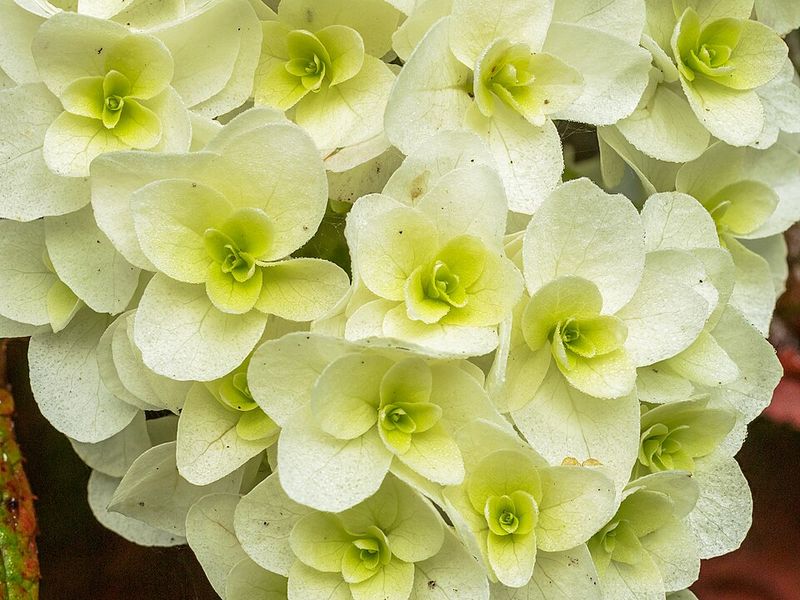
Shady Georgia yards often need a shrub that looks polished without demanding constant correction, and this native delivers. Oakleaf hydrangea handles the region’s humidity well, adapts to woodland conditions, and offers interest across multiple seasons.
You get flowers, bold leaves, attractive bark, and strong fall color from one dependable plant.
Those large white blooms brighten dark corners in late spring and early summer, especially under high tree canopies. As the season progresses, flower heads age softly and still look handsome instead of messy.
In autumn, leaves turn rich shades of burgundy and bronze, giving the shrub another moment to stand out.
Morning sun with afternoon shade works well in much of Georgia, though it can take more sun if soil stays evenly moist. A layer of mulch helps roots stay cool and reduces how often you need to water.
Because it grows with a naturally graceful shape, heavy pruning is rarely necessary.
Place it near a porch, woodland path, or foundation bed where you can appreciate its changing texture through the year. Pair it with ferns, foamflower, or native azaleas for a calm, low-maintenance planting.
If your shade garden feels flat, this shrub adds structure without creating extra work.
Beautyberry
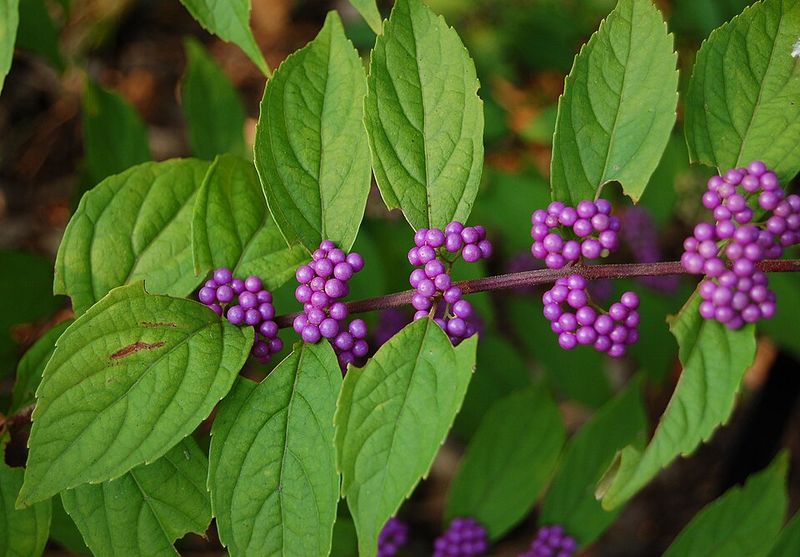
By late summer, many gardens begin to look a little worn, which is when this native shrub starts becoming memorable. Beautyberry grows easily in Georgia’s climate and asks for very little once its roots settle in.
The real show arrives in fall, when bright purple berries line the stems in eye-catching clusters.
That berry display looks almost unreal, especially against fading greens and early autumn tones. Birds appreciate the fruit, so the shrub supports local wildlife while adding color that does not depend on flowers alone.
It is especially useful in partly shaded areas where many blooming plants struggle to perform well.
Loose, arching growth gives it an informal look, making it perfect for naturalized borders and woodland edges. Pruning is simple because you can cut it back in late winter to encourage fresh growth and keep the plant neat.
It tolerates a range of soils, including the imperfect conditions found in many suburban yards.
Use it behind lower perennials or near a patio where the berries can be enjoyed up close. During the first year, water regularly, then back off as the plant establishes and becomes more self-sufficient.
If you want seasonal drama without a demanding care routine, this shrub makes that goal very realistic.
Coral Honeysuckle
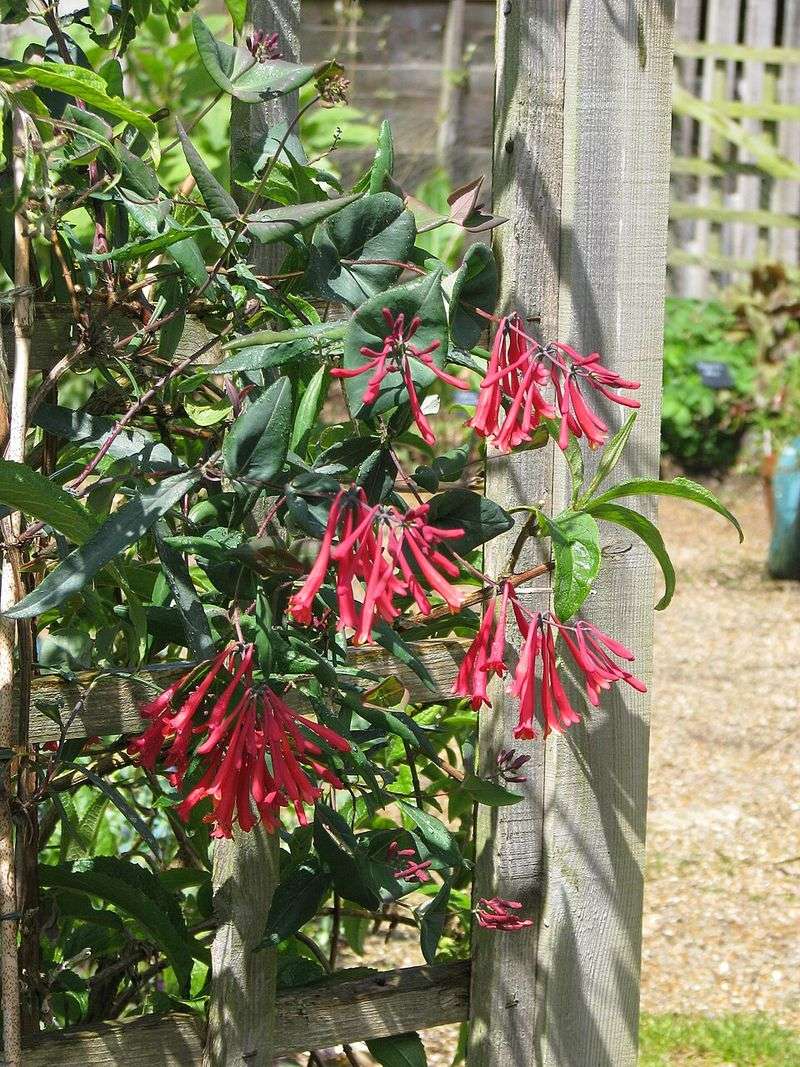
A vine can either become a maintenance headache or a useful garden solution, and this native leans firmly toward useful. Coral honeysuckle grows with enough energy to cover a trellis or fence, yet it is far better behaved than many invasive alternatives.
That means less time cutting back aggressive growth and more time enjoying the flowers.
Clusters of red to coral tubular blooms attract hummingbirds, adding motion and interest from spring into summer. Evergreen to semi-evergreen foliage helps the plant stay attractive through much of the year in Georgia.
Even when not in flower, it softens structures and makes vertical spaces feel more finished.
Plant it in sun or light shade and give it support from the beginning so it develops in the right direction. During establishment, regular watering matters, but mature plants are relatively forgiving and can handle normal dry spells.
Occasional thinning is usually enough to keep it tidy and encourage fresh flowering growth.
It works well on mailbox posts, arbors, porch railings, and awkward fences that need a softer look. Pairing it with native shrubs and perennials creates a habitat-friendly design without making the space look wild or unmanaged.
If you want a flowering vine that behaves itself, this one is an easy recommendation.
Muhly Grass
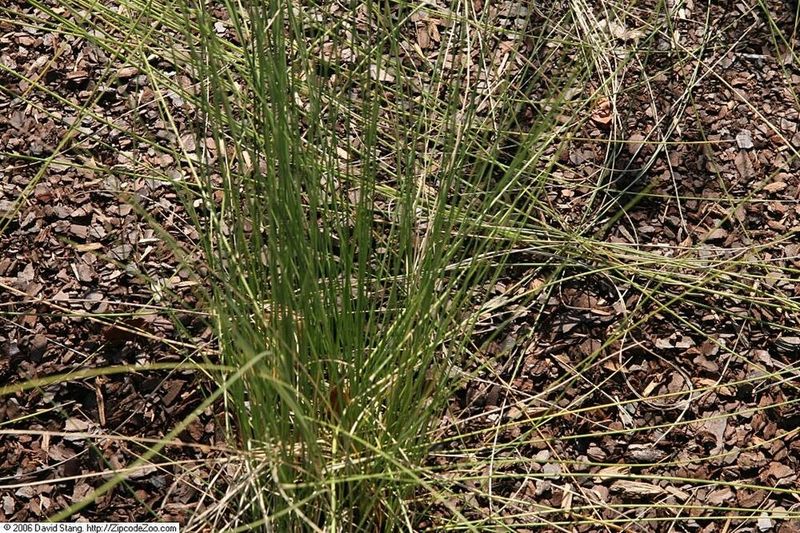
Texture can do a lot of heavy lifting in a low-maintenance garden, and this native grass proves it every fall. Muhly grass forms neat clumps for most of the year, then sends up airy pink plumes that glow in the light.
The effect is dramatic, yet the care routine stays refreshingly simple.
Heat, humidity, and occasional drought do not bother it much once established, which makes it a practical choice for Georgia landscapes. It rarely needs staking, constant dividing, or extra fertilizer to look good.
In a state where summer can punish delicate plants, that reliability matters.
Full sun is the key to the best color and strongest growth, so avoid tucking it into deep shade. Good drainage helps, but the plant is adaptable enough for many home landscapes if water does not stand too long.
Cutting it back in late winter is usually the main annual task.
Use several together for a soft border, line a walkway, or mix it with flowering perennials for contrast. The tidy shape works in modern gardens, cottage plantings, and more natural designs without feeling out of place.
If you want a plant that looks expensive but acts easy, this one fits beautifully.
Bee Balm
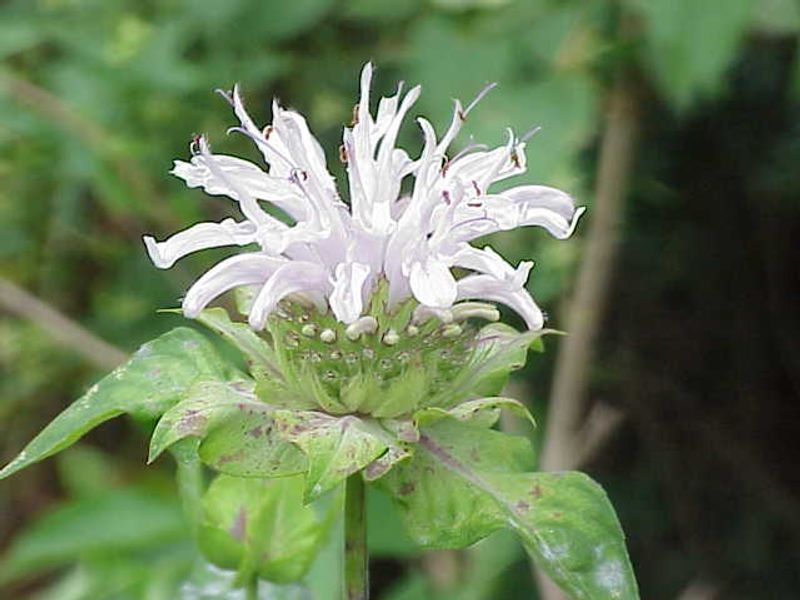
Pollinator gardens do not have to look loose or high maintenance when you choose the right native flowers. Bee balm brings bold color, attracts hummingbirds and bees, and establishes quickly in Georgia’s warm climate.
It gives you the lively feel of a wildlife-friendly bed without demanding delicate care.
Red blooms stand out strongly in summer, especially when planted in generous drifts rather than isolated clumps. The flowers have a slightly wild look, but they still read as intentional when paired with grasses or structured shrubs.
That balance is helpful if you want habitat value and a tidy appearance.
Consistent moisture helps it look best, particularly in its first year, though native selections are often tougher than older hybrids. Good air circulation reduces mildew issues, so spacing matters more than extra sprays or treatments.
Cutting back spent stems after flowering can improve appearance, but the plant usually stays manageable.
Try it near a patio, kitchen window, or path where you can watch pollinators at close range. In larger gardens, it works well in sunny borders with coneflower, black-eyed Susan, and switchgrass.
For anyone trying to support wildlife without creating a maintenance burden, this plant pulls more than its share.
Foamflower
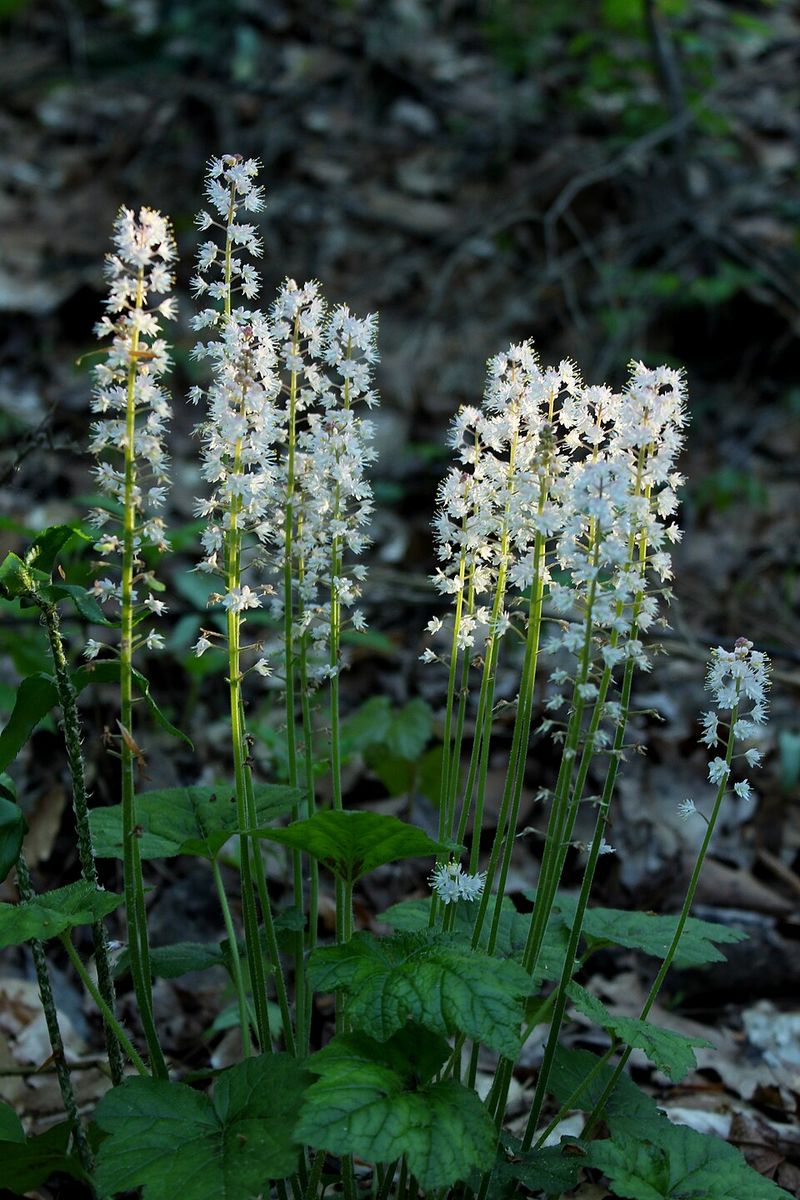
Dry shade and root-filled soil can make planting under trees feel like a losing battle, yet this woodland native handles that challenge gracefully. Foamflower spreads slowly into attractive colonies, covering bare ground without becoming a nuisance.
It helps reduce weeds in difficult shady spots, which immediately lowers the amount of routine maintenance.
In spring, airy white flower spikes rise above mounded foliage and brighten areas that rarely get much floral attention. The leaves stay appealing after bloom time and often show interesting markings that add subtle texture.
Instead of one brief show, you get a plant that contributes for much longer.
Rich organic soil is ideal, but it is surprisingly adaptable once established if the site does not become extremely dry. Mulching with shredded leaves suits it well and mimics the woodland conditions it naturally prefers.
Because it remains relatively low, there is very little pruning, staking, or cleanup involved.
Use it beneath deciduous trees, along shaded paths, or in front of shrubs where taller plants would feel crowded. It pairs naturally with ferns, oakleaf hydrangea, and native columbine for a layered but manageable shade garden.
If lawn struggles in your shade, this is a much easier and prettier alternative.
Switchgrass
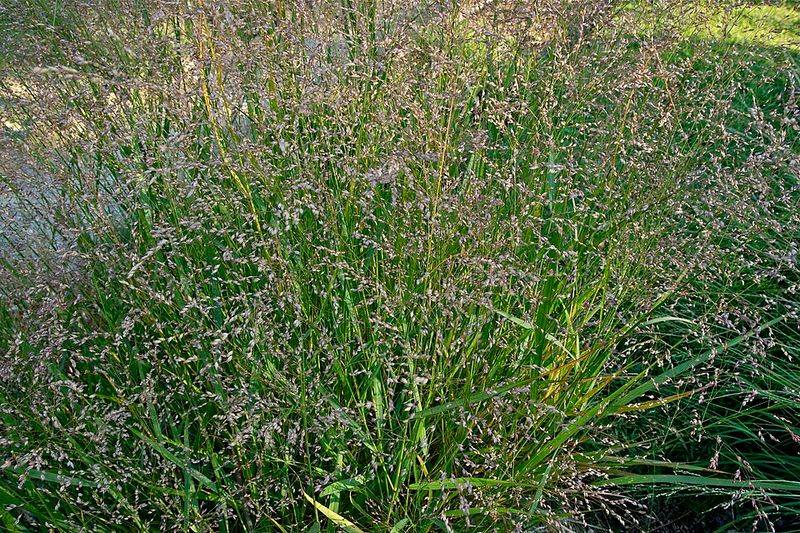
Structure matters when you want a garden to look organized without constant trimming, and this native grass provides exactly that. Switchgrass grows upright, fills space cleanly, and keeps its shape through summer heat better than many floppy perennials.
It is one of those plants that quietly makes nearby flowers look more intentional.
As the season moves along, airy seed heads add motion and catch the light in a subtle but beautiful way. Birds use the seeds, and the dense clumps offer habitat value without creating a messy appearance.
In winter, the tan stems still contribute texture, so the garden does not collapse visually after frost.
Most Georgia sites with full sun and average drainage suit it well, and established plants handle dry periods admirably. Fertilizer is usually unnecessary, which keeps growth sturdy and reduces maintenance even further.
A single cutback in late winter prepares it for the next season.
Plant it behind shorter blooms, use it as a screen, or repeat it throughout a border to unify the design. It mixes especially well with coneflowers, bee balm, and black-eyed Susan for a resilient native planting scheme.
If you want year-round presence from a low-effort plant, this grass deserves serious consideration.
Southern Wood Fern
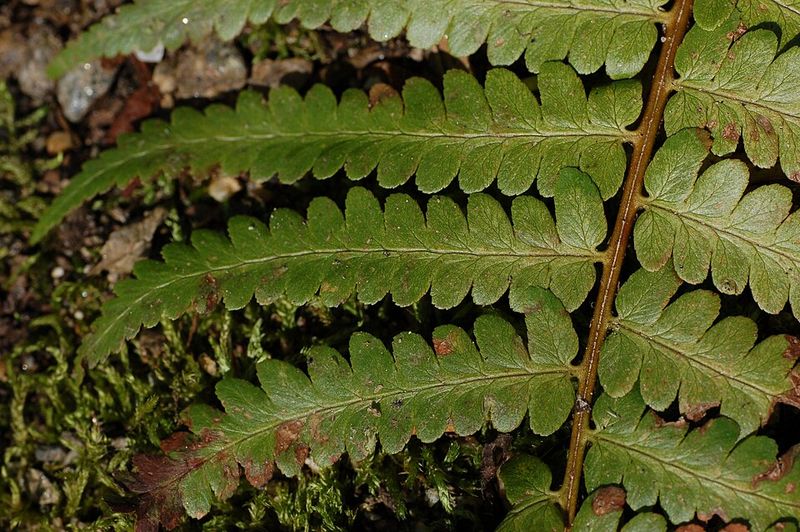
Some of the easiest plants for Georgia shade are the ones that look calm and dependable rather than flashy. Southern wood fern thrives in humid conditions, fills awkward gaps under trees, and stays handsome without repeated attention.
If you are tired of replanting annuals in shade, this is a much smarter long-term answer.
Soft green fronds create a cooling effect in the landscape and help heavier shrubs feel lighter. The texture also pairs beautifully with broad leaves from hostas or oakleaf hydrangeas, though this native can easily hold its own.
A planting starts modestly, then gradually becomes a stable part of the garden.
Moist, well-drained soil is ideal, but established plants are more adaptable than many gardeners expect. A yearly layer of leaf mulch usually provides enough organic matter to keep them happy and cuts down on watering needs.
Aside from removing worn fronds in late winter, maintenance stays minimal.
Use it around foundations on the shady side of the house, along woodland paths, or in rain-friendly areas beneath trees. Its natural look helps difficult spaces feel finished instead of neglected.
For gardeners who want a lower-care shade bed with lasting texture, this fern is a dependable place to start.
Eastern Red Columbine
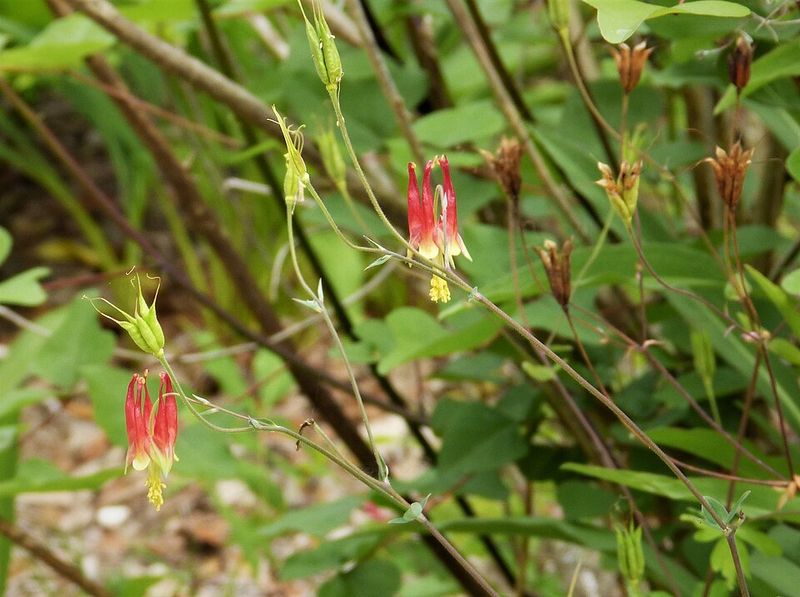
Spring gardens often need something light and lively before summer perennials hit their stride, and this native fills that gap beautifully. Eastern red columbine blooms early, tolerates partial shade, and fits comfortably into smaller spaces.
It looks delicate, yet it is much easier to manage than many imported woodland flowers.
Red and yellow nodding blooms bring a cheerful, airy quality to the garden just when you are ready for color again. Hummingbirds notice it quickly, which adds another reason to place it where you can enjoy the view from a window or porch.
The foliage stays neat enough to mix well with other shade plants.
Good drainage matters more than rich soil, and the plant often reseeds in a pleasant, informal way if conditions suit it. Those volunteer seedlings are easy to move or thin, letting you shape the display over time without buying more plants.
Regular watering during establishment helps, but mature clumps ask for little.
Tuck it into woodland borders, shaded rock gardens, or edges of paths where spring detail will not be missed. Pairing it with foamflower and ferns creates a layered look that feels natural without becoming unruly.
If your garden needs an easy native for early-season charm, this one is hard to top.
Yaupon Holly
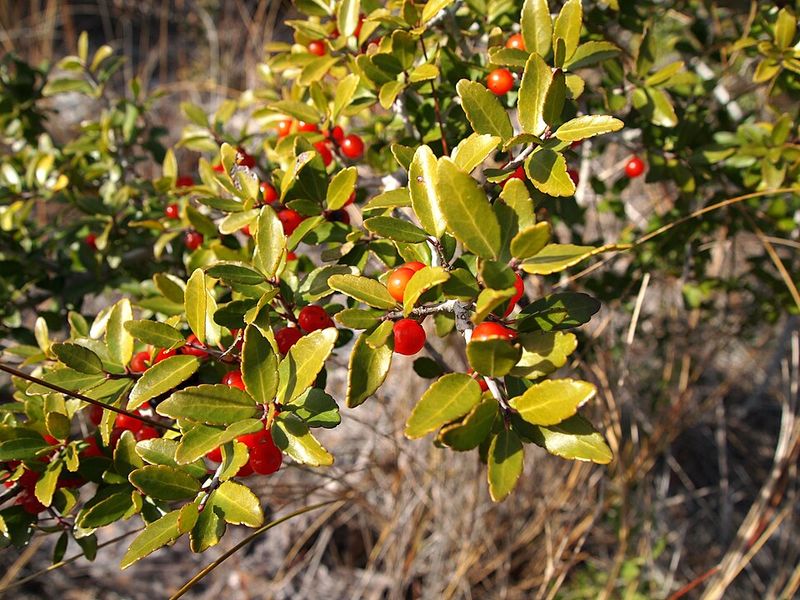
Evergreen structure makes a garden easier to manage visually, and this native shrub offers that benefit without high upkeep. Yaupon holly handles heat, humidity, pruning, and a range of soils common across Georgia.
It can be left natural or clipped lightly, giving you flexibility based on how formal you want the space to feel.
Small leaves create a fine texture that contrasts nicely with larger shrubs and flowering perennials. Female plants produce bright berries that persist into cooler months and attract birds, adding another season of interest.
Because the foliage stays present year-round, beds look anchored even when other plants go dormant.
Sun to part shade works well, and once established, drought tolerance is one of its strongest advantages. That resilience makes it especially useful near driveways, sidewalks, and other hot spots where irrigation is inconsistent.
Pruning, if needed, is straightforward and rarely turns into a major seasonal job.
Use it as a hedge, foundation shrub, or screen where you want dependable form without constant monitoring. Dwarf selections also fit smaller yards that need evergreen presence but cannot spare much room.
If you want a native substitute for more demanding ornamental hollies, this one makes maintenance noticeably easier.