
Why Georgia Homeowners Are Refreshing Pollinator Gardens Before Summer
Follow us on Google
By late spring, a pollinator garden in Georgia can look busy on the surface while quietly losing the plants and structure that make it work. Homeowners are noticing that hotter days, uneven rain, and longer bloom seasons demand a quick reset before summer arrives.
A smart refresh now can bring back bees, butterflies, and hummingbirds while cutting down on stress later. That is why so many yards across the state are getting a careful tune-up instead of a total redo.
Cleaning Out Winter Damage
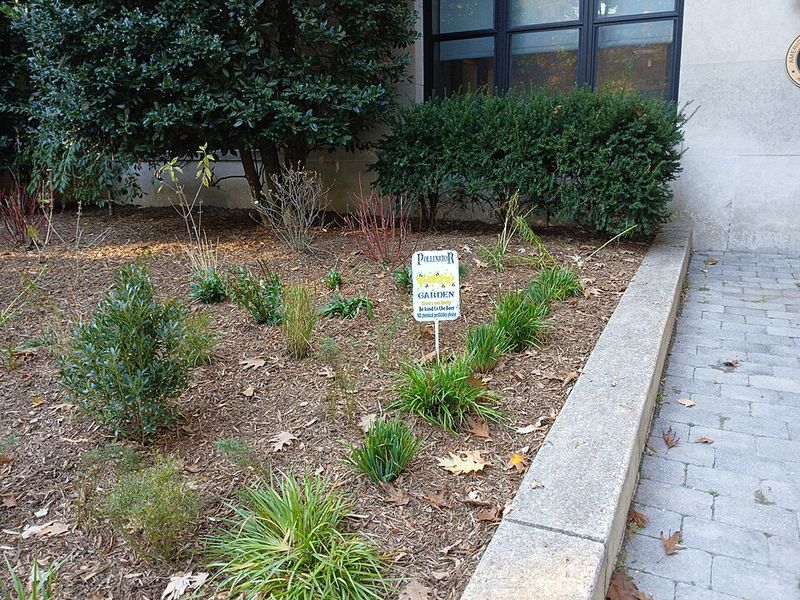
After a Georgia winter, pollinator beds often hold more clutter than habitat. Broken stems, soggy leaves, and plants that never bounced back can block airflow and hide fresh growth that pollinators need.
Clearing the mess before summer gives your garden a cleaner start and helps healthy plants use water and nutrients more efficiently.
A careful cleanup also keeps you from removing the good stuff by accident. Many homeowners now wait until daytime temperatures stay warm and beneficial insects are actively moving, then trim selectively instead of cutting everything to the ground.
That small shift protects overwintering insects while still making the space look intentional and cared for.
You can usually spot the biggest problem areas fast. Matted debris around crown growth, blackened stems, and collapsed annuals tend to invite mildew and pests once Georgia humidity sets in.
Pulling those materials early reduces disease pressure and opens space for stronger replacements.
The result feels practical, not fussy. Beds dry out more evenly after rain, fresh foliage gets the sunlight it needs, and blooms become easier for bees and butterflies to find.
A few hours of cleanup in May can save weeks of frustration when summer heat starts exposing every neglected corner.
Adding Heat-Tolerant Native Plants
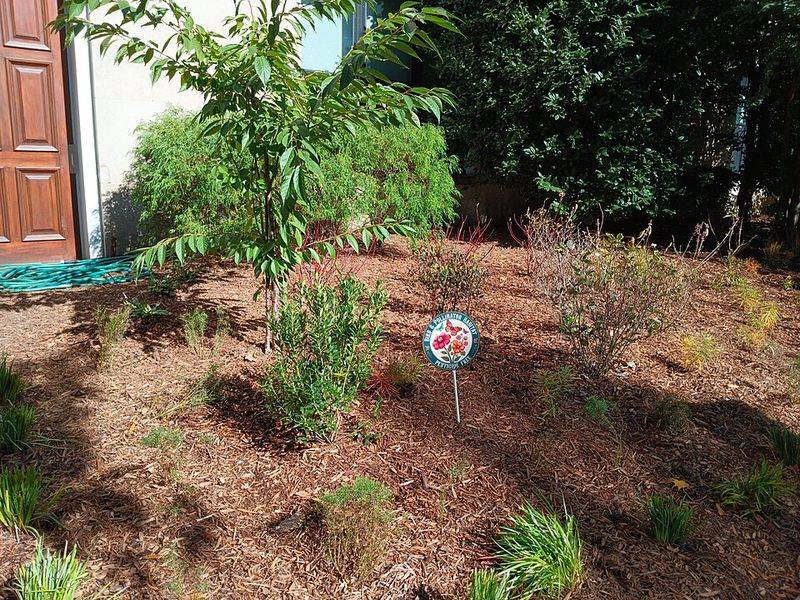
Georgia summers are not gentle, and homeowners know a pretty spring bed can fade fast by June. That is why many are swapping in native plants that handle heat, humidity, and brief dry spells without constant rescue watering.
A refreshed garden built around tougher regional favorites stays active for pollinators when weaker selections start struggling.
Plants like purple coneflower, bee balm, coreopsis, blazing star, and black-eyed Susan earn their space because they keep producing nectar through demanding weather. Native choices also tend to support local insects more effectively than decorative plants bred mainly for color or compact form.
If you want your yard buzzing in July, plant performance matters more than a perfect tag photo at the nursery.
This update is often about editing, not starting over. Homeowners keep what is thriving, remove what repeatedly wilts or mildews, then fill gaps with species proven in Georgia conditions.
That approach saves money and avoids the disappointment of repeating the same plant mistakes every year.
You also get a garden that looks calmer and more grounded. Fewer emergency replacements, less watering guilt, and steadier bloom cycles make the whole space easier to manage.
When the heat settles in, those hardy natives keep feeding bees and butterflies while the rest of the neighborhood starts looking tired.
Refreshing the Bloom Calendar
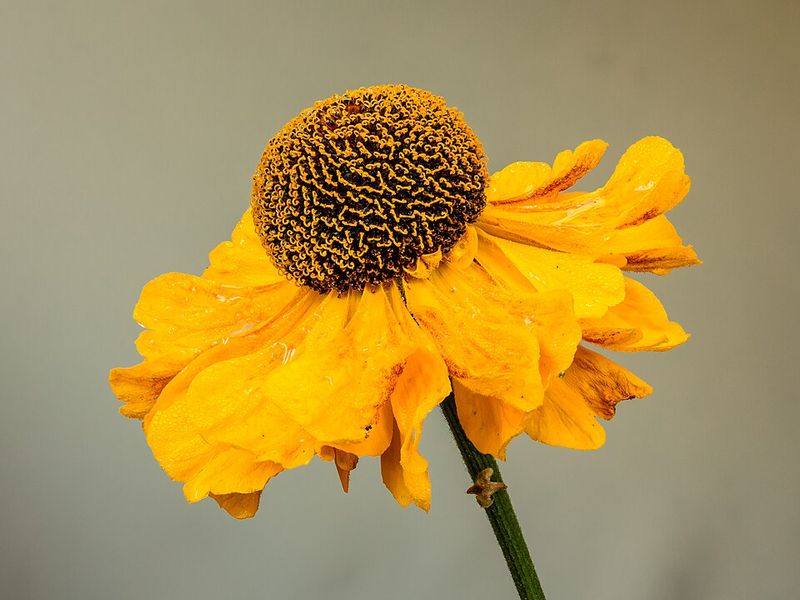
Many Georgia homeowners are refreshing pollinator gardens because bloom gaps become obvious right before summer. A bed can look colorful in April, then offer almost nothing by early June if too many plants flower at the same time.
Pollinators need a steady food source, so gardeners are reworking plant choices to stretch nectar and pollen across more weeks.
A quick walk through the yard usually reveals the problem. You may notice one big flush of color followed by lots of green leaves and very few active blooms, especially in full-sun spots that finish early.
Refreshing the bloom calendar means adding plants that take over when spring stars fade, keeping bees and butterflies supplied instead of stranded.
This is where simple planning pays off. Homeowners are grouping early, midseason, and late bloomers together, then filling empty periods with reliable Georgia performers such as mountain mint, native salvia, blanket flower, and ironweed.
That layered timing makes the garden feel more alive because something useful is always opening.
The payoff is bigger than looks. Pollinators learn where resources are, and they return when a yard consistently delivers.
By adjusting bloom timing before summer, you create a garden that works like a feeding schedule rather than a brief floral event, which is exactly what struggling urban wildlife needs most.
Replacing Thirsty Problem Plants
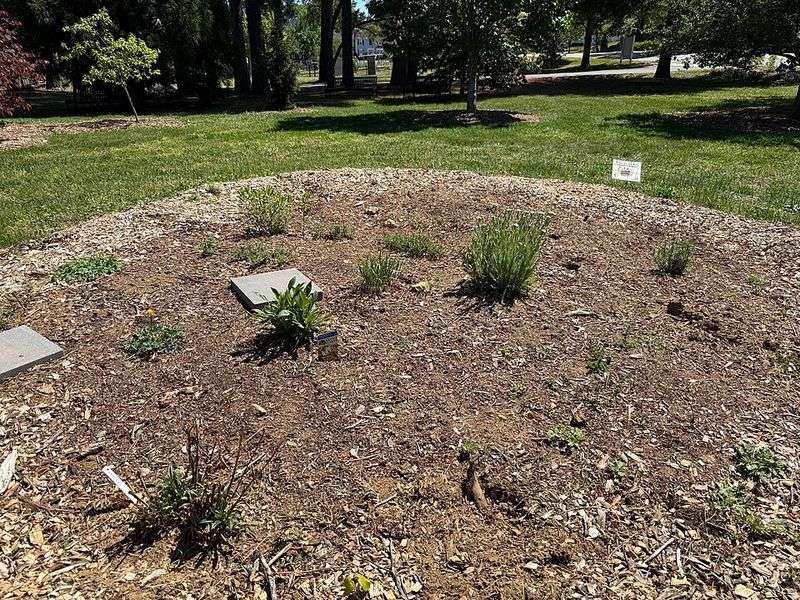
Some plants look fine in spring but become a daily chore once Georgia heat and uneven rainfall arrive. Homeowners are refreshing pollinator beds now because thirsty varieties can pull too much time, water, and attention from the rest of the yard.
Replacing those problem plants before summer starts is often the easiest way to make the garden more resilient.
The biggest warning signs are familiar. If a plant wilts by noon, needs constant deadheading to stay presentable, or turns crispy the moment you miss a watering, it may not deserve prime space in a pollinator border.
A beautiful garden should still function when life gets busy, not collapse because you skipped one evening hose session.
Many gardeners are moving away from flashy annuals that attract shoppers more than pollinators. In their place, they are using dependable natives and adapted perennials that hold up through hot afternoons and still offer nectar, pollen, or host value.
That switch usually lowers water use while improving habitat quality at the same time.
You can still keep a few high-maintenance favorites in containers near the porch where they are easy to monitor. The main garden, though, benefits from tougher choices that earn their spot.
By summer, that decision feels smart every time the forecast turns dry and the pollinators keep showing up anyway.
Rebuilding Mulch for Moisture Control
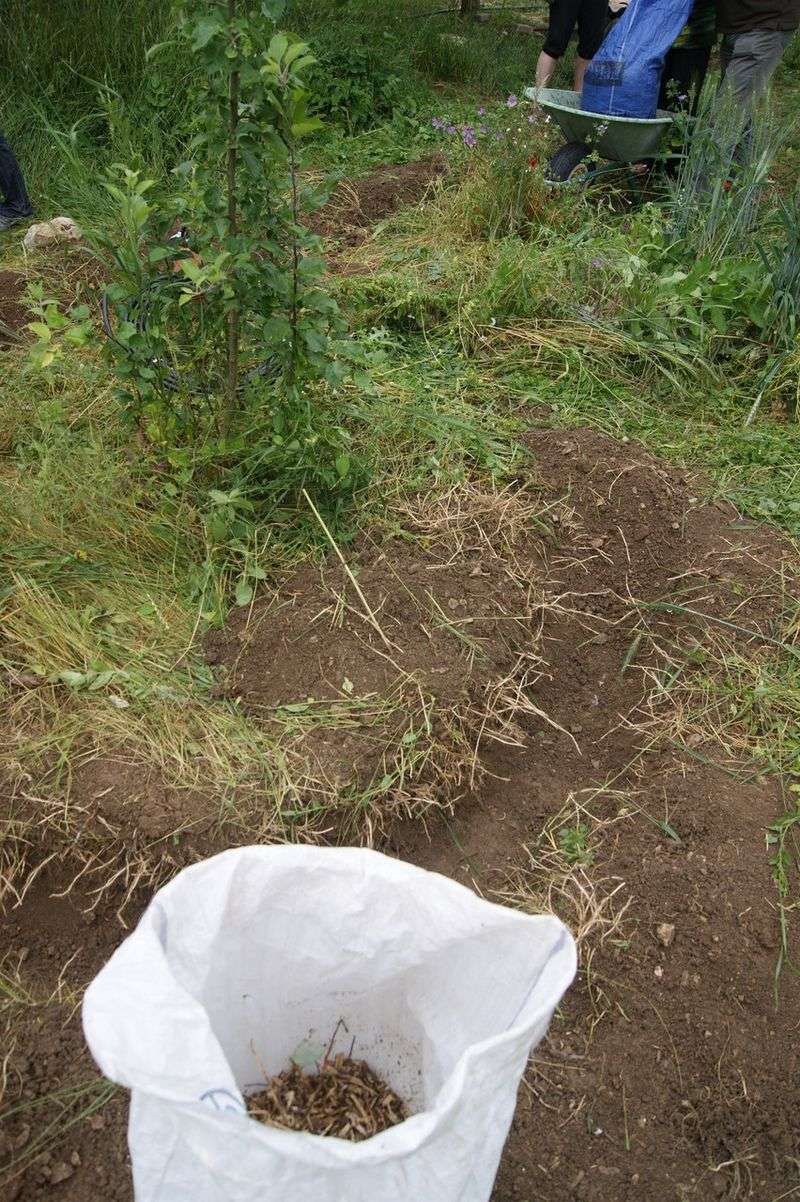
Mulch may not be the most exciting part of a pollinator garden refresh, but Georgia homeowners know it matters before summer. By late spring, old mulch is often thin, washed out, or packed down from winter weather and spring storms.
Rebuilding that layer helps soil stay cooler, slows evaporation, and gives roots a better shot at handling rising temperatures.
The trick is using mulch in a pollinator-friendly way. A light, even layer around plants works well, while deep piles against stems can trap moisture and encourage rot just as heat and humidity build.
Many gardeners in Georgia prefer natural materials such as pine straw or shredded bark because they blend into the landscape and break down gradually.
This update also cuts down on weed pressure at the worst possible time. Fewer weeds mean less competition for water and fewer rushed weeding sessions when mosquitoes are out and the air feels heavy.
That is a practical reason so many homeowners tackle mulch refreshes before summer vacation schedules get crowded.
There is also a visual payoff. Fresh mulch makes beds look intentional, frames flowering plants nicely, and helps new additions feel connected to older plantings.
When a garden looks tidy and holds moisture better, it becomes easier to maintain and more welcoming for the pollinators you are trying to support all season long.
Cutting Back on Harsh Chemicals
One major reason homeowners are refreshing pollinator gardens before summer is to break old chemical habits. Warm weather often brings aphids, caterpillars, fungal spots, and panic buying at the garden center, but harsh sprays can wipe out the very insects a pollinator bed is supposed to support.
A quick reset in late spring helps people move toward safer, more targeted care.
That usually starts with observation instead of reaction. Not every chewed leaf is a crisis, and some damage is a sign the garden is doing its job for caterpillars and other wildlife.
Many Georgia gardeners are choosing hand removal, strong water sprays, pruning, and better spacing before reaching for broad-spectrum products.
Timing also matters. Applying even organic treatments during the heat of the day or while bees are actively foraging can create unnecessary harm, especially when plants are in peak bloom.
Refreshing the garden now gives you time to improve airflow, reduce stress, and solve small problems before they become a summer routine.
You end up with a yard that feels more balanced and less reactive. Pollinators stay present, beneficial insects help with pest control, and you spend less money chasing every blemish on a leaf.
For many homeowners, that shift from constant intervention to smarter management is the most valuable upgrade of all.
Including More Host Plants
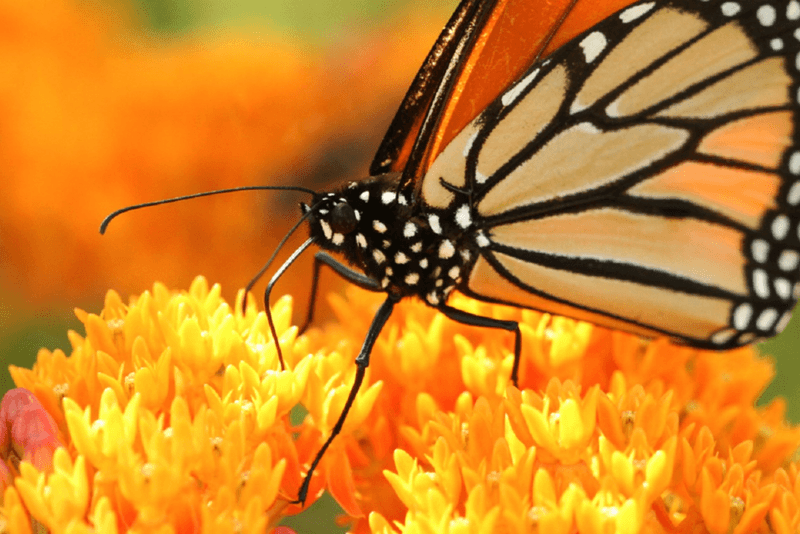
Flowers bring pollinators in, but host plants are what convince many species to stay. Georgia homeowners are refreshing gardens before summer because they want more than quick visits from adult butterflies and moths.
By adding the plants caterpillars actually need, they turn decorative beds into working habitat.
This is where expectations shift in a healthy way. Milkweed, passionflower, parsley, fennel, dill, and native grasses may show feeding damage, but that damage often means the garden is successful.
A leaf with holes can be more valuable than a perfect plant that offers nothing beyond a moment of color.
Many people discover they have plenty of nectar plants but almost no places for the next generation to develop. Refreshing now gives them time to tuck host plants into existing beds, containers, or side borders before peak butterfly activity begins.
It is a smart adjustment because summer is when that life cycle becomes easiest to notice and enjoy.
You also gain a more interesting yard. Instead of seeing pollinators as occasional visitors, you start noticing eggs, caterpillars, chrysalises, and repeat butterfly traffic around specific plants.
That deeper layer of activity is one reason so many Georgia gardeners are updating beds now – they want a space that supports life, not just something pleasant to photograph.
Thinning Overcrowded Garden Beds
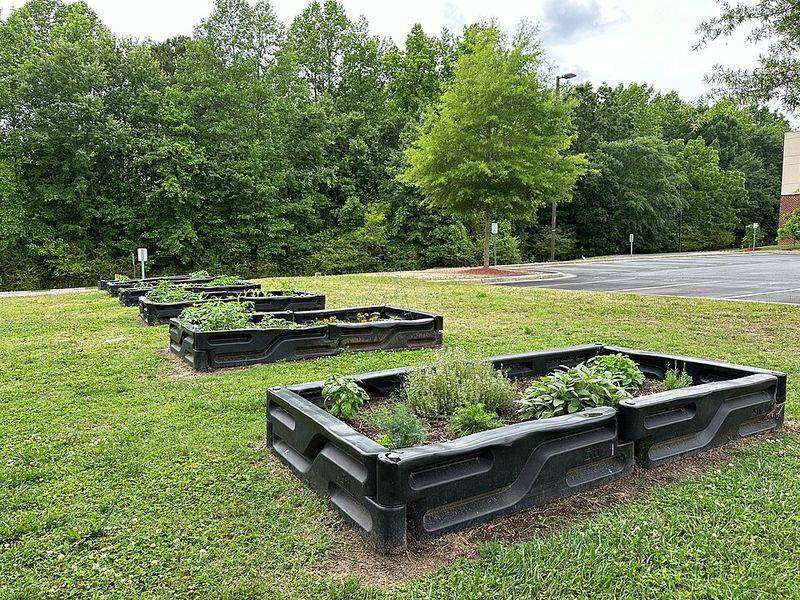
Spring growth can make a pollinator garden look full and healthy, but overcrowding becomes a real problem before summer. In Georgia, tightly packed plants trap humidity, reduce airflow, and create the exact conditions that mildew and rot enjoy.
Homeowners are refreshing beds now by thinning, dividing, and editing clumps before heat makes those issues harder to manage.
This kind of cleanup is not about making the garden sparse. It is about giving strong plants enough room to mature without shading out neighbors or creating damp pockets at the soil line.
A little extra space also makes it easier for bees and butterflies to move through the planting and find blooms quickly.
Overcrowded beds often hide declining plants until it is too late. Once you lift, divide, or relocate aggressive spreaders, you can see where sunlight is missing, where water collects, and which perennials deserve more room.
Many homeowners use this moment to share divisions with neighbors or fill empty spots elsewhere in the yard.
The refreshed result usually looks better within days. Plants stand up straighter, foliage dries faster after rain, and blooms become more visible from the street and the porch.
Before Georgia summer humidity settles in for good, thinning is one of the simplest ways to protect both the appearance and performance of a pollinator garden.
Updating Containers and Garden Edges
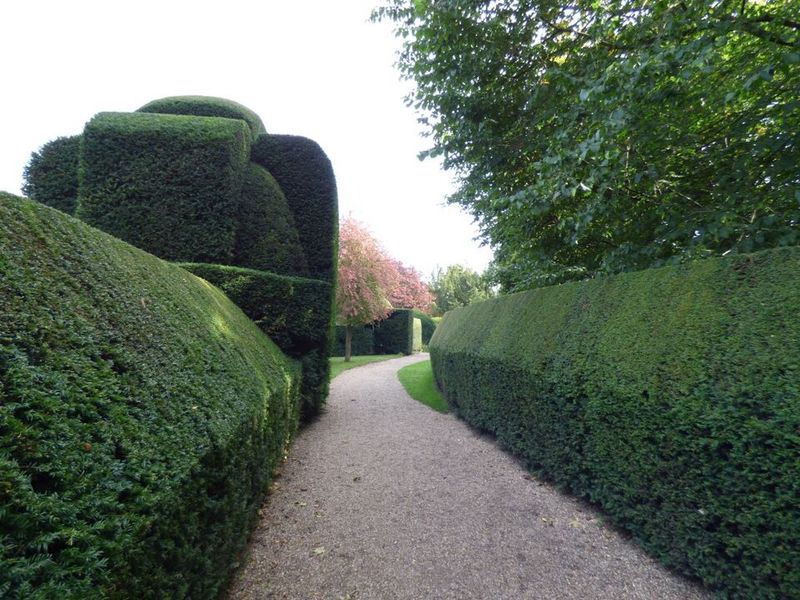
Not every pollinator garden refresh happens in the middle of a large backyard bed. Many Georgia homeowners are updating containers, porch pots, mailbox plantings, and front-walk edges because those areas set the tone for the whole landscape.
Before summer, small visible improvements can make the garden look more finished while still feeding pollinators.
Containers are especially useful where soil is poor or space is limited. They let you add nectar-rich plants near seating areas, tuck host plants into sunny corners, and replace underperformers without disturbing established beds.
In hot climates, they also help you monitor moisture more closely, which matters when temperatures jump quickly.
Edges deserve attention too. A crisp border keeps mulch in place, reduces lawn creep, and makes pollinator plantings feel intentional instead of messy, which can matter in neighborhoods with strict expectations.
Homeowners often refresh these lines before summer gatherings because it instantly improves curb appeal without requiring a major redesign.
You end up with a garden that works harder in the spaces people actually notice. A few refreshed pots near the front door and cleaner bed edges can attract bees, butterflies, and compliments at the same time.
For busy households, that balance of function and appearance makes this type of pre-summer update especially appealing.
Creating Bee-Friendly Nesting Areas
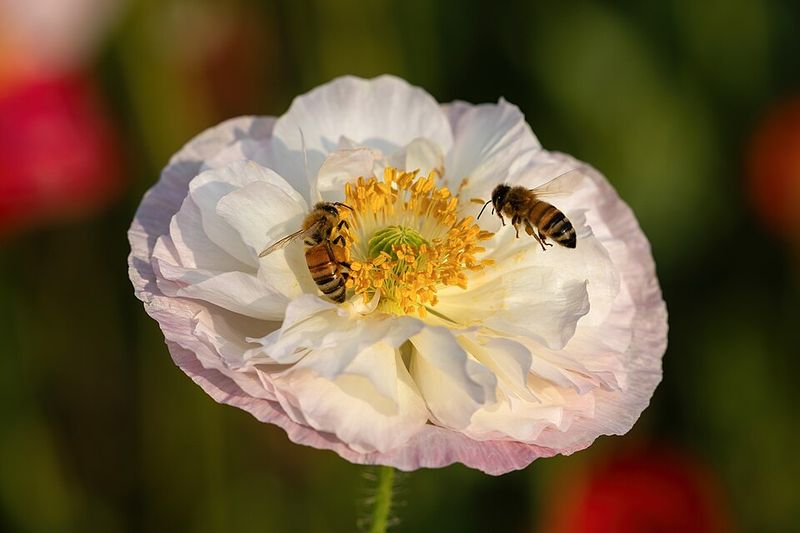
A lot of homeowners refresh pollinator gardens for flowers but forget that bees also need places to live. In Georgia, summer arrives with intense activity, and a garden that only offers nectar can still fall short.
Adding simple nesting features before the season peaks helps the space support pollinators beyond the feeding stage.
Many native bees do not live in hives, and they are not looking for a decorative bee hotel alone. Some nest in bare, well-drained soil, while others use hollow stems, old wood, or small cavities in natural materials.
Leaving a few thoughtful habitat zones can make a bigger difference than constantly adding more blooms.
This does not mean letting the yard turn wild in a way that feels unmanaged. Homeowners are creating subtle nesting spots by preserving a patch of open ground, delaying cleanup of some hollow stems, or tucking a small brushy area behind taller plants.
These details are easy to miss visually, but bees notice them quickly.
The payoff is a garden that feels more complete and more self-sustaining. When pollinators can feed, rest, and nest in the same space, activity becomes steadier through the season.
That is one reason so many Georgia gardeners are making these updates now instead of waiting until summer reveals what their beds are still missing.
Planning for Easy Summer Maintenance
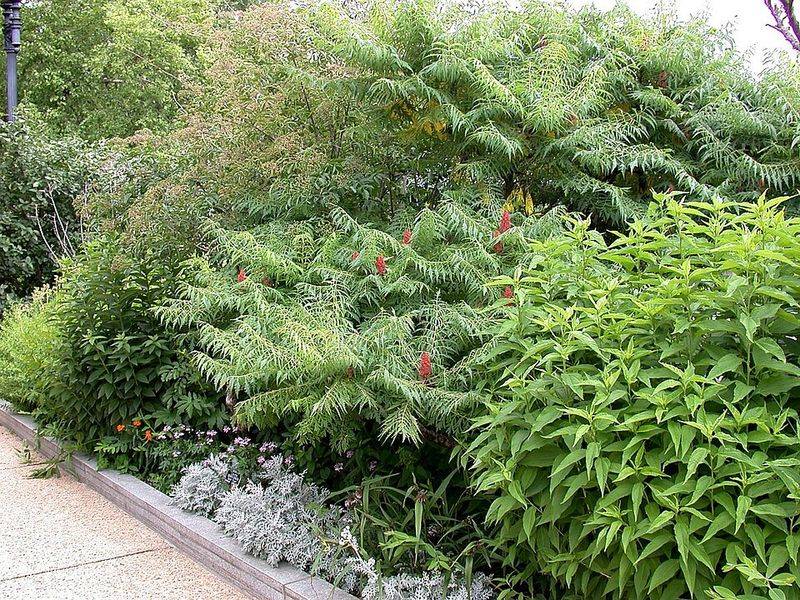
The smartest pollinator garden refresh often has less to do with plants and more to do with planning. Georgia homeowners know summer can get busy fast, and a garden that needs constant attention is easy to neglect during travel, storms, and long hot weeks.
Refreshing before summer is really about making care simpler when time and energy are limited.
That planning can be surprisingly practical. People are grouping plants by water needs, checking hose reach, setting up timers for containers, and identifying which flowers should be deadheaded, cut back, or left alone.
A few notes now can prevent a lot of guesswork when the garden starts growing faster than expected.
It also helps to accept that every plant does not need the same level of attention. Homeowners are focusing effort near patios, entryways, and windows while allowing tougher pollinator beds to look a little looser in exchange for better habitat value.
That mindset creates a garden that stays realistic for everyday life, not just ideal weekend conditions.
By the time summer fully arrives, the benefits are obvious. You spend less time reacting to drooping plants, fewer blooms are missed because of poor timing, and pollinators keep finding resources even when the schedule gets messy.
For many Georgia households, that manageable rhythm is the real reason a pre-summer refresh makes so much sense.