
The Raised Bed Gardening Trend Spreading Across North Carolina Neighborhoods
Follow us on Google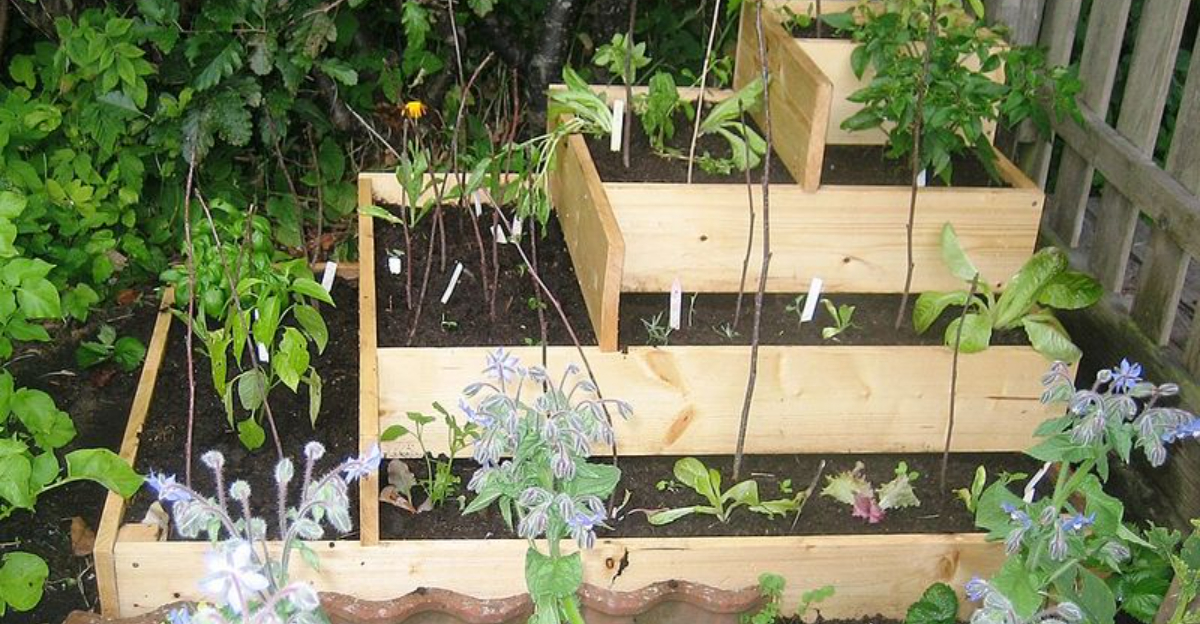
Across North Carolina, front yards, side lots, and suburban back patios are filling with neat wooden frames packed with tomatoes, herbs, and flowers. Raised bed gardening is catching on because it makes growing food feel more manageable, more attractive, and far less intimidating for busy households.
Neighbors are swapping lumber tips, comparing soil mixes, and turning small outdoor spaces into productive gathering spots. If you have noticed this trend popping up on your street, there is a good reason it keeps spreading.
Why Raised Beds Fit North Carolina Life
Across many North Carolina neighborhoods, gardening has started to look more organized, productive, and neighbor-friendly. Raised beds fit the pace of local life because they give you a defined space that feels easier to manage than a wide, in-ground plot.
That matters when summers are humid, spring weather changes fast, and weekends disappear into errands, sports, and family plans.
A framed bed also helps you deal with one of the state’s biggest challenges: unpredictable native soil. In one yard, you may hit red clay that stays sticky after rain, while a few miles away the soil drains too quickly and dries hard.
With raised beds, you control the mix from the start, so roots get a better chance and your harvest feels less like a gamble.
The appeal is not only practical. These beds look intentional, which makes them popular in neighborhoods where homeowners want beauty and function working together.
A clean rectangle of cedar filled with basil, peppers, and zinnias reads as cared-for landscaping rather than a messy experiment.
You can also start small without feeling behind. One or two beds beside a deck can supply salad greens, herbs, and a few summer staples, giving you enough success to keep going next season.
The Best Materials for Beds That Last
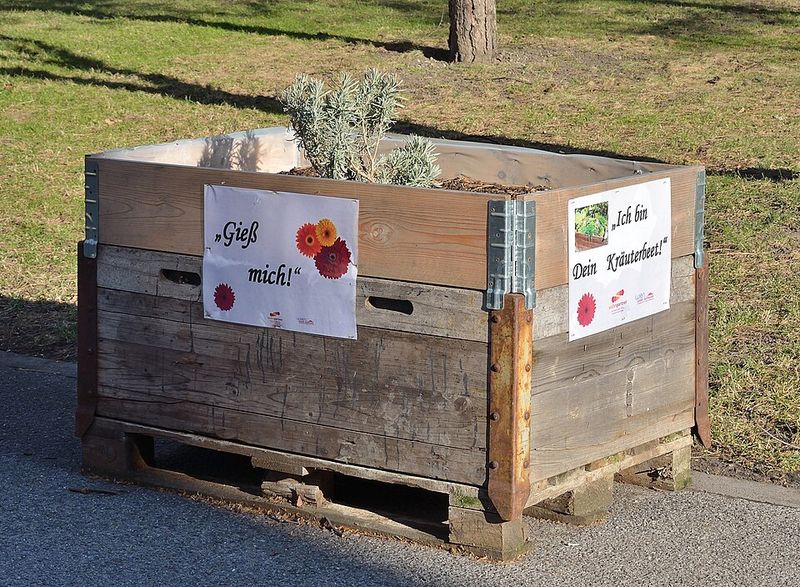
Material choices shape how your raised bed looks, how long it lasts, and how much maintenance you will deal with after the first season. In North Carolina, where heat, humidity, and regular rainfall can wear things down, durability matters more than a cheap first build.
That is why cedar remains a favorite in many neighborhoods.
Cedar naturally resists rot and insects, and it blends well with both traditional brick homes and newer suburban lots. It costs more up front than untreated pine, but many gardeners decide the cleaner appearance and longer lifespan are worth it.
If you prefer a modern look, corrugated metal sides paired with wood corners are also showing up more often.
Composite boards attract homeowners who want very little upkeep. They do not splinter easily, and they hold their appearance through wet summers, though the price can climb quickly for larger layouts.
Concrete blocks work too, especially for permanent kitchen gardens, but they look heavier and can trap heat in full sun.
Pressure-treated lumber still makes some people uneasy around food crops, so many skip it entirely. If you want the easiest safe choice, cedar about twelve to eighteen inches deep usually hits the sweet spot for looks, performance, and everyday practicality.
Soil Mixes That Actually Work in the State
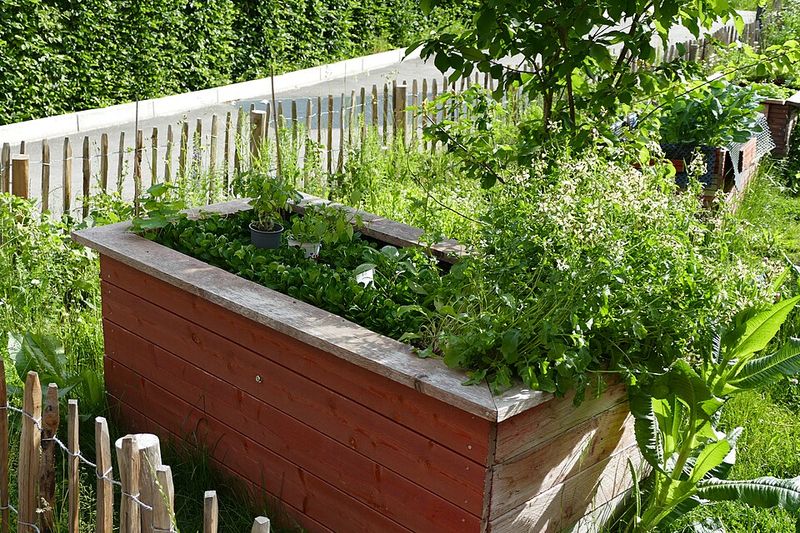
Good raised bed gardening starts with what goes inside the frame, and this is where many North Carolina gardeners quickly improve their results. Instead of battling compacted clay or nutrient-poor sand, you can create a growing mix that drains well and still holds enough moisture through hot stretches.
That balance is the real secret behind stronger roots and fewer disappointing plants.
A dependable mix often includes topsoil, compost, and a lightening ingredient such as pine fines or coarse material that keeps air moving. Many gardeners use a simple blend of about half quality topsoil and half compost, then adjust based on what they grow.
Tomatoes and peppers appreciate rich soil, while herbs usually prefer a slightly leaner, faster-draining setup.
It also helps to think beyond the initial fill. North Carolina rains can leach nutrients, and summer heat can break organic matter down faster than expected, so beds need refreshing every season.
Adding compost each spring is one of the easiest habits that keeps productivity steady without relying on constant fertilizer.
If you buy in bulk, ask local suppliers about screened soil made for raised beds rather than generic fill dirt. That small distinction can save you from weeds, compaction, and the frustration of seedlings struggling in a brand-new bed.
What North Carolina Gardeners Are Growing Most
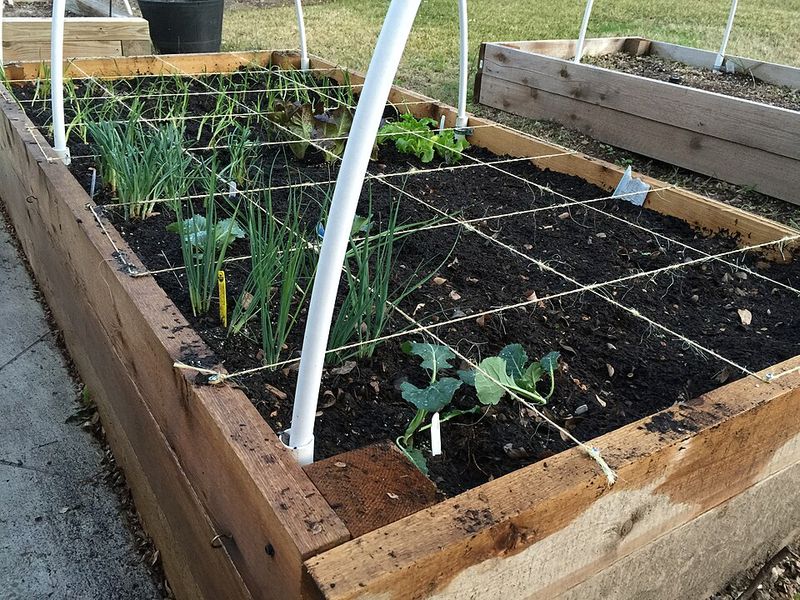
Walk through a North Carolina neighborhood in late spring, and you will notice the same crops appearing again and again for good reason. Raised beds are especially good for plants people actually cook with, share with neighbors, or grab on the way inside.
That practical payoff keeps the trend moving from one backyard to the next.
Tomatoes usually take the starring role, followed closely by peppers, cucumbers, basil, and green beans. In warmer parts of the state, okra and sweet potatoes also do well, especially when beds warm up quickly in early summer.
Leafy greens like lettuce, kale, and spinach often fill the cool-season gap before heat-loving crops take over.
Many households are also mixing in flowers instead of reserving every inch for vegetables. Marigolds, zinnias, and nasturtiums bring pollinators, soften the look of the bed, and make the whole setup feel more like landscaping than a utility project.
That matters in front yards and shared community spaces where appearance influences support.
The smartest growers plan for two or even three seasons instead of one long summer push. A bed that holds spring lettuce, summer peppers, and fall collards works harder for you, saves space, and makes gardening feel like part of everyday life rather than a short-lived hobby.
Small-Space Layouts That Make Sense
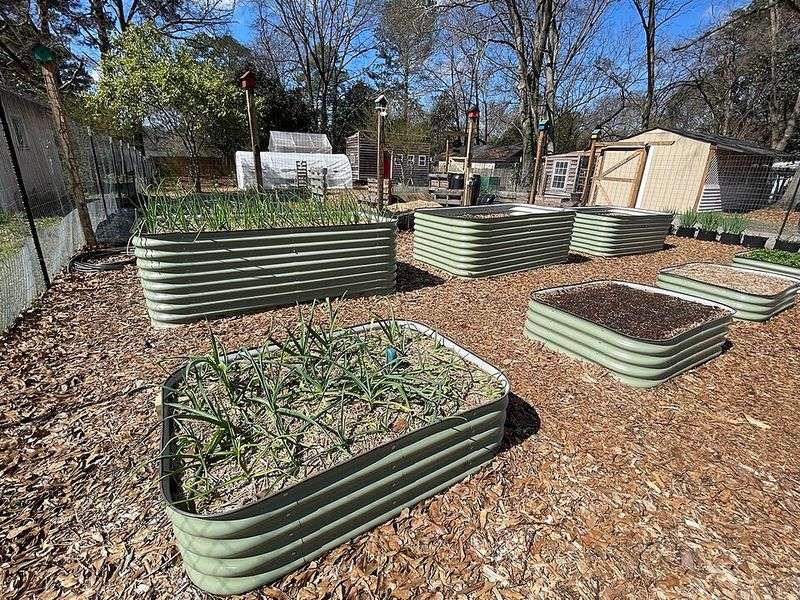
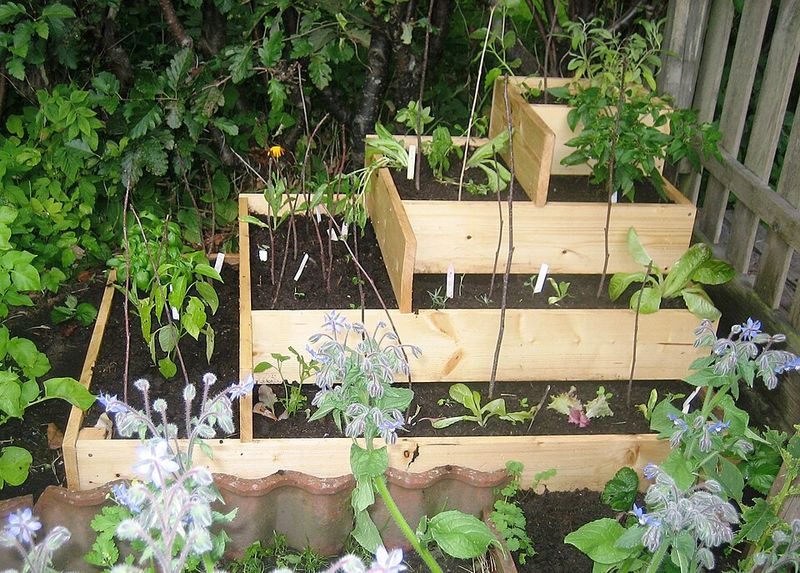
Not every yard in North Carolina has room for a sprawling vegetable patch, and that is exactly why raised beds keep winning people over. They help you organize tight areas so every square foot has a job, from producing herbs near the kitchen door to supporting vertical cucumbers along a fence.
A smart layout often matters more than raw space.
One common mistake is building beds that are too wide to reach across comfortably. Keeping them about four feet wide lets you harvest, weed, and replant without stepping on the soil and compacting it.
In a narrow side yard, long beds with gravel or mulch paths can turn an overlooked strip into one of the most productive areas on the property.
Height also changes usability. Taller beds are easier on your back and knees, which makes gardening more inviting for older adults or anyone squeezing in a few minutes after work.
Even a pair of waist-high beds on a sunny patio can produce plenty of salad greens, compact tomatoes, and cooking herbs.
Try grouping crops by habit instead of by category. Put climbers on trellises at the north side, compact herbs near the edge, and sprawling plants where they will not block access.
That kind of arrangement keeps maintenance simple and makes the whole garden look calm, not crowded.
How Neighborhoods Turn Beds Into Community
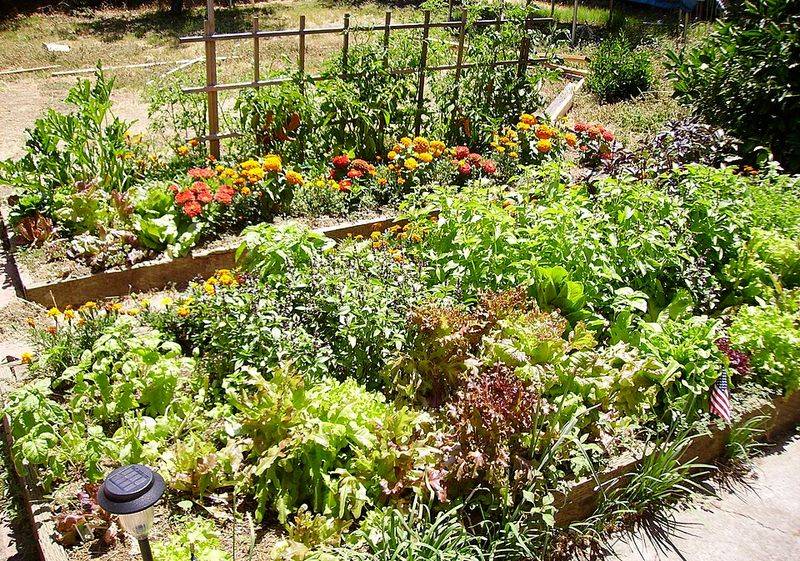
Part of this trend has very little to do with vegetables and a lot to do with connection. Raised beds create visible, approachable garden spaces that invite conversation in a way hidden backyard rows rarely do.
When someone sees peppers thriving over the fence, the next question is usually simple: what soil did you use?
That exchange often grows into seed swaps, extra seedling giveaways, and casual help between neighbors. One family may have the tools to build frames, while another knows exactly when to plant fall greens in the Piedmont.
Instead of gardening in isolation, people end up sharing local knowledge that fits the region better than generic advice online.
Community gardens across North Carolina are using raised beds for the same reason. They make individual plots easier to assign, maintain, and keep productive, especially for beginners.
Beds with clear borders also reduce confusion about pathways, watering, and whose tomatoes are spilling where.
There is also a visual ripple effect. A tidy, productive bed near the sidewalk can inspire the house next door to try one, then another home adds herbs, then someone starts a pollinator bed beside theirs.
Before long, a street begins to feel more personal, edible, and connected through everyday conversations around growing food.
Easy Maintenance Habits That Keep Beds Productive
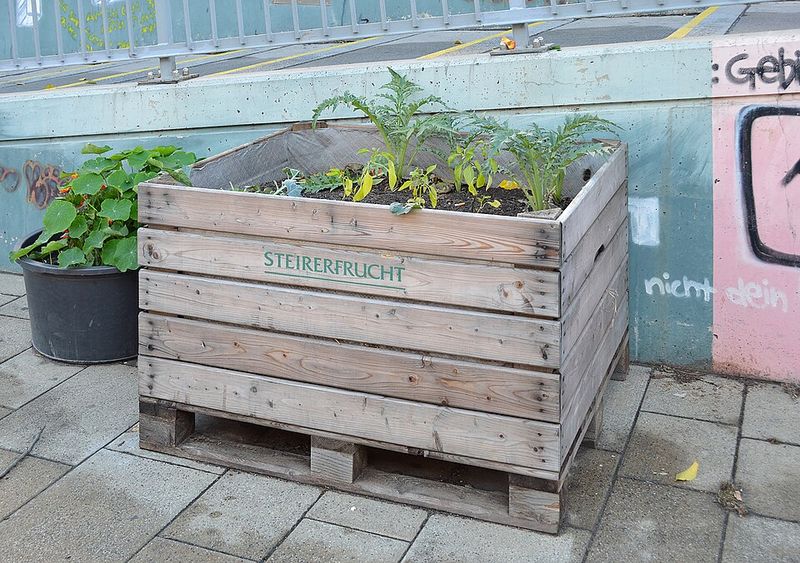
Raised beds are easier to maintain than traditional plots, but they are not entirely hands-off. The real advantage is that a few small habits can keep them productive without turning your week into a constant chore list.
That is especially helpful during North Carolina summers, when heat and humidity can push everything to grow fast, including weeds.
Mulch is one of the simplest upgrades you can make. A layer of straw, shredded leaves, or pine bark helps the soil stay cooler, reduces evaporation, and cuts down on splashing that spreads disease onto tomato leaves during storms.
Pair that with drip irrigation or a soaker hose, and you spend less time dragging a hose around while watering more consistently.
Regular harvesting matters too. Beans get tougher when ignored, basil bolts, cucumbers hide under leaves, and oversized squash seems to appear overnight after a rainy week.
Checking beds every day or two keeps plants producing and helps you spot pests before they turn into a bigger problem.
Seasonal cleanup should stay light but consistent. Pull spent crops, top off compost, and rotate plant families when possible so the bed starts fresh instead of carrying trouble into the next planting window.
A little rhythm goes further than occasional marathon workdays.
Why This Trend Is Likely Here to Stay
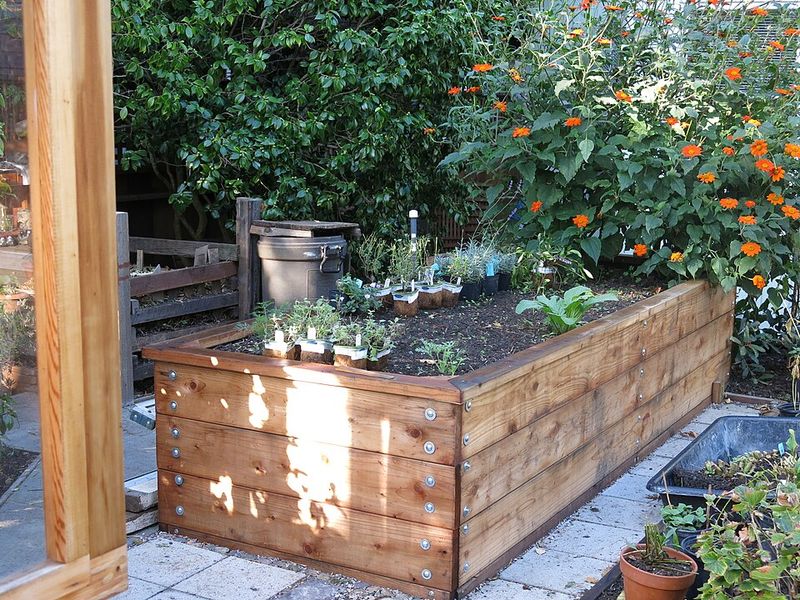
Some garden trends fade after a season, but raised beds have staying power because they solve real problems while fitting how people want to live. They make food gardening feel accessible, visually appealing, and realistic for families who may not have farm-sized lots or endless free time.
In North Carolina, that mix of function and style is proving hard to beat.
The flexibility is a big reason. You can start with one bed this spring, add another in fall, and keep adjusting as your confidence grows.
Renters use portable versions, homeowners build permanent kitchen gardens, and neighborhoods with strict appearance standards often accept raised beds more readily than sprawling plots.
They also support bigger conversations people are already having about fresh food, pollinators, local resilience, and how outdoor spaces should serve daily life. A raised bed can provide dinner ingredients, a weekend project with kids, and a reason to step outside after work, all inside a relatively small footprint.
That practical value makes the setup feel worth repeating year after year.
Once people see a neighbor harvesting lettuce in March or slicing homegrown tomatoes in July, the idea becomes easier to picture in their own yard. That visibility keeps momentum going, and it is why these framed gardens are becoming a familiar part of North Carolina streetscapes.