
14 Early Summer Garden Chores Massachusetts Homeowners Should Not Ignore
Follow us on Google
Early summer in Massachusetts can make a yard look settled even when the most important work is just beginning. A few timely chores now can prevent disease, drought stress, weak blooms, and disappointing vegetable harvests later.
The tricky part is that coastal fog, inland heat, and sudden downpours can all show up in the same week. If you want a garden that holds up through July and August, these are the jobs worth doing before problems get expensive and obvious.
Refresh mulch before the heat settles in
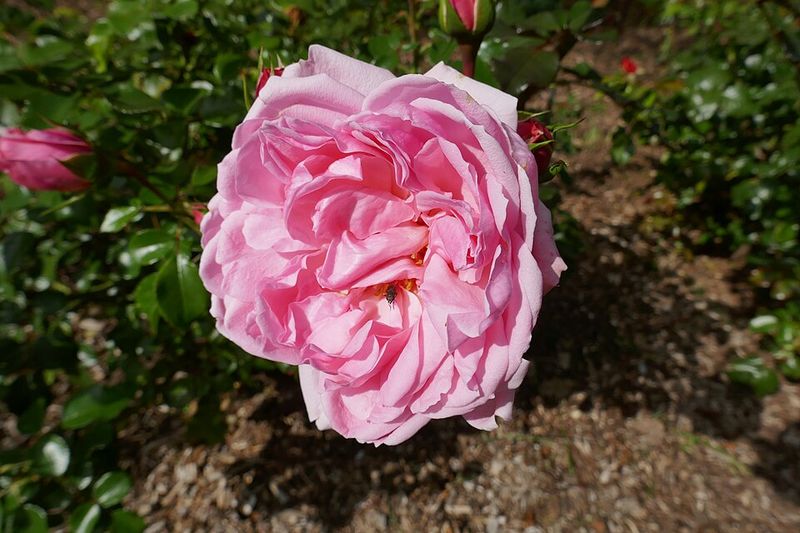
By early summer, spring mulch usually looks thinner than you remember, and that matters more than it seems. Bare soil dries quickly during a warm Massachusetts week, especially after a windy day or two.
Adding a fresh two to three inch layer now helps hold moisture, steadies soil temperature, and keeps weed seeds from getting the light they need.
Keep the material pulled a few inches away from stems and trunks so roots stay protected without inviting rot. Shredded bark works well around shrubs and foundation beds, while straw or chopped leaves are often better choices around vegetables.
If you had heavy rain recently, loosen any crusted surface first so water can still soak in instead of skating away.
You will also save yourself a lot of watering time in July by doing this job before real heat arrives. Beds with refreshed mulch simply stay more even, and plants look less stressed between storms.
It is one of those chores that feels cosmetic at first, yet it quietly supports nearly every other task on your list.
If you only have time for one practical improvement this week, this one earns it.
Pull weeds while the soil is still workable
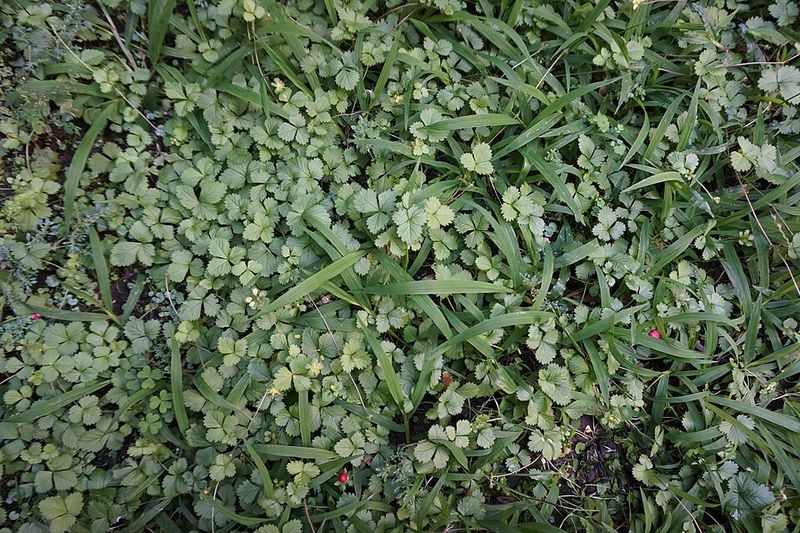
Right now, weeds are easier to remove than they will be a few weeks from now. Early summer soil in Massachusetts is often still soft enough to release roots cleanly, especially after a shower or a deep watering.
That means less snapping, fewer regrowth headaches, and much less frustration when you return to the bed later.
Focus first on anything setting seed, then move to aggressive spreaders like crabgrass, bindweed, and creeping charlie. A sharp hoe helps in open spaces, but hand pulling is usually better around young annuals and shallow rooted vegetables.
Try to get the whole crown on dandelions and plantain, because leaving pieces behind often creates a repeat chore.
You do not need a marathon session to make visible progress. Fifteen focused minutes every few days will usually beat one long, miserable afternoon after weeds have doubled in size.
If a patch is truly overwhelming, clear a narrow strip around your most important plants first so they stop competing for water and nutrients.
That small head start often changes how the whole garden performs through the hottest stretch of summer.
Check irrigation and watering habits
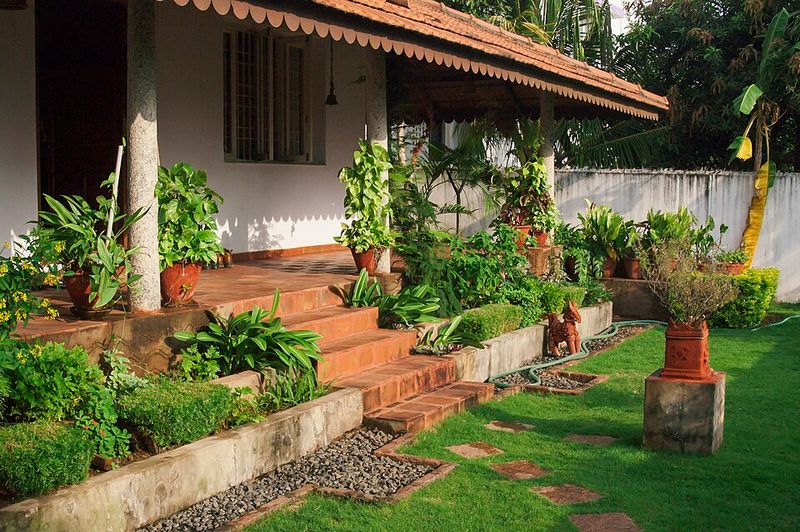
Warm weather exposes weak watering routines fast, and many Massachusetts gardens start showing it in June. Plants may look fine after a cool spell, then suddenly wilt when a bright windy day pulls moisture from leaves and soil at the same time.
Checking your irrigation now helps you catch uneven coverage before stress starts reducing flowers, growth, and harvests.
Run each zone long enough to see where water actually lands, not where you assume it goes. Sprinklers often miss corners, hit sidewalks, or get blocked by fuller foliage than they had in spring.
If you water by hand, aim for slow, deep soaking at the base of plants instead of quick daily splashes that encourage shallow roots.
Containers need special attention because they dry out faster than in-ground beds, especially near driveways, brick walls, or reflected heat. Stick a finger two inches into the mix before watering, since the top can look dry while the root zone is still damp.
Morning is usually best because leaves dry faster and less moisture is lost to evaporation.
A smarter schedule now usually means fewer crispy edges, fewer fungal problems, and less wasted water later.
Deadhead spring bloomers and early perennials
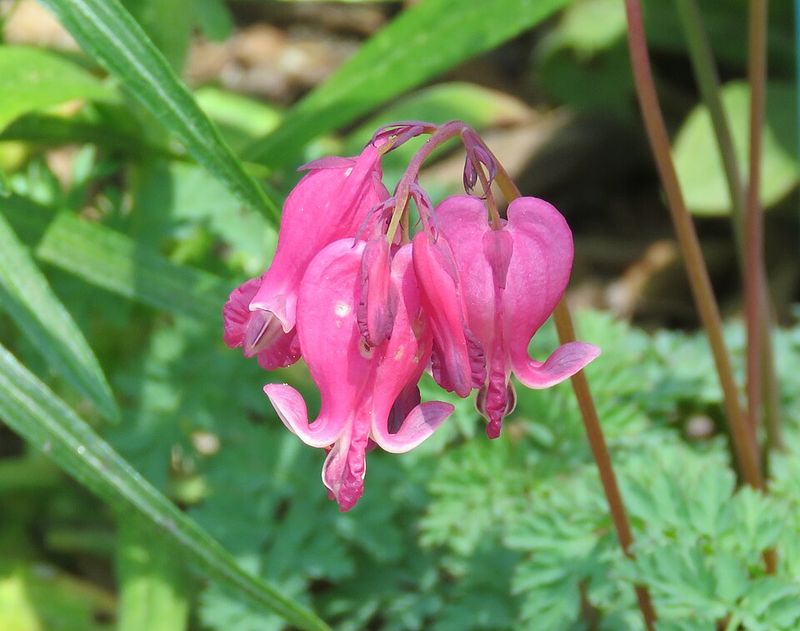
Spent flowers can make a healthy garden look tired long before summer really gets going. Snipping them off redirects energy away from seed production and back into roots, foliage, and in some cases a second round of bloom.
In Massachusetts beds, this matters for peonies, salvia, catmint, lady’s mantle, and many container annuals that otherwise fade early.
Use clean pruners and cut back to a strong set of leaves or a side shoot instead of just pinching the top. That small difference keeps plants looking intentional rather than chopped.
For perennials that flop after flowering, a modest trim can also improve air movement, which helps after muggy stretches and repeated rain.
You do not have to deadhead everything, though. Leave seedheads on plants you value for wildlife, structure, or self-sowing, and skip varieties that naturally rebloom without much help.
The goal is not perfection. It is keeping your beds from spending the rest of the season looking like spring ended abruptly and no one noticed.
A short pass with pruners once a week keeps color moving, reduces mess, and makes the whole yard feel cared for without demanding a full redesign.
Stake floppy plants before they collapse
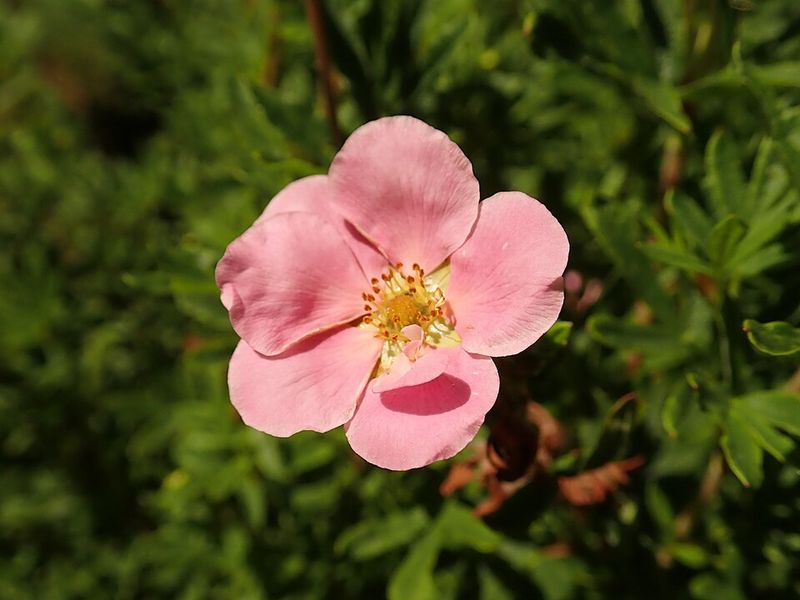
Tall stems often look sturdy until one thunderstorm proves otherwise. Early summer in Massachusetts brings heavy rain, humid growth spurts, and sudden wind, which is exactly when peonies, delphiniums, lilies, and even some daisies start leaning into their neighbors.
Supporting them before they flop is much easier than trying to lift a tangled, half-broken clump after the damage is done.
Install rings, stakes, or branch supports while plants are still upright enough to guide naturally. Soft ties are worth using because they hold stems without cutting into them as growth continues.
In vegetable beds, check tomatoes, cucumbers, and pole beans now too, since rapid growth can outpace cages or trellises in a single warm week.
If a plant already looks awkward, do not force it into a stiff upright shape that screams emergency repair. Add support low and wide so foliage can hide the structure as it fills in.
Sometimes thinning a few crowded stems improves strength more than another stake ever will, especially in rich soil where growth gets top heavy quickly.
This small chore keeps flowers cleaner, reduces slug hiding spots near the soil, and preserves the shape you worked so hard to build in spring.
Feed containers and heavy feeders
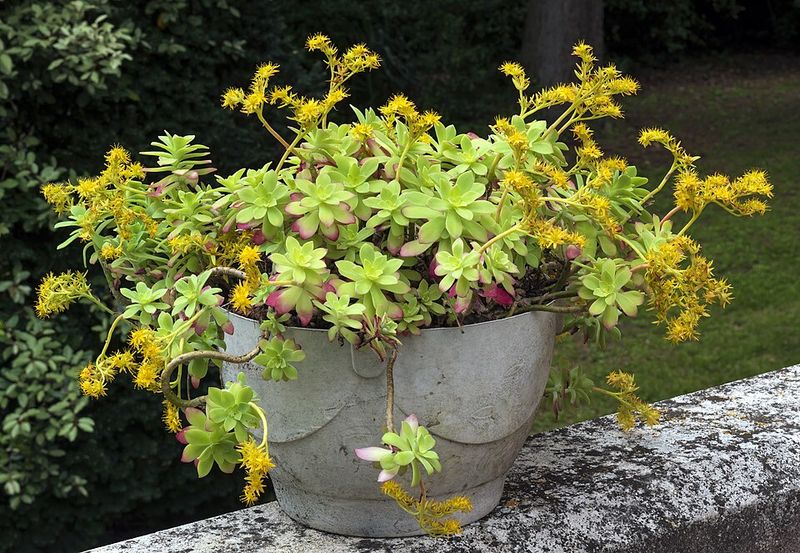
Container plants burn through nutrients faster than most people expect, especially once nights stay mild. Frequent watering flushes fertilizer out of pots, and vigorous growth in June can leave annuals, tomatoes, and herbs looking pale by the time you finally notice fewer blooms.
A simple feeding routine now keeps momentum going instead of asking stressed plants to recover later.
Liquid fertilizer works well for containers because it acts quickly and spreads evenly through the root ball. Follow label rates carefully, since more is not better and can scorch roots during hot weather.
In garden beds, heavy feeders like tomatoes, squash, and roses usually benefit from a measured side dressing or a slow release product scratched lightly into the soil.
Pay attention to plant color and growth rather than fertilizing everything on autopilot. Deep green leaves, steady new growth, and regular flowering are signs that your schedule is probably fine.
If leaves yellow between veins or lower foliage fades fast, you may be seeing nutrient issues, inconsistent watering, or roots that have simply filled the pot.
Combining feeding with a weekly inspection helps you catch those differences early and keeps your summer display from flattening out right when you want it looking strongest.
Thin crowded vegetables and direct-sown seedlings
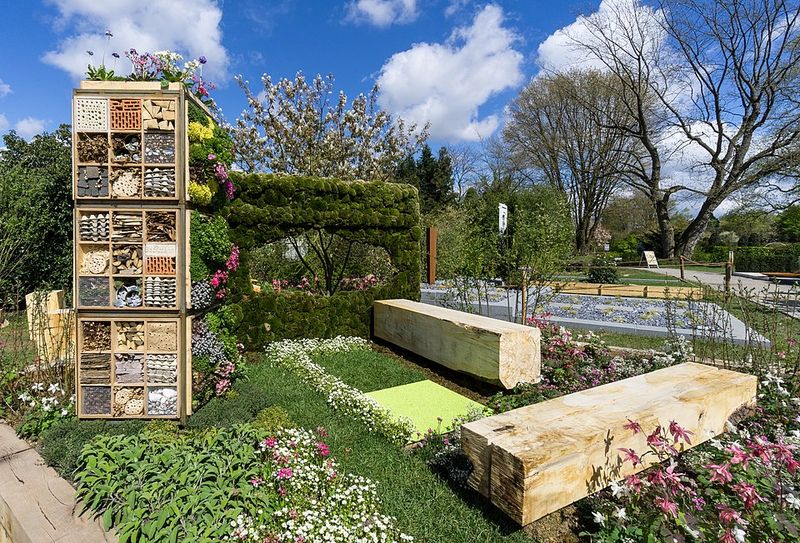
Seedlings that looked adorably full in spring can become a real problem by early summer. Crowded rows of carrots, beets, lettuce, and spinach compete for light, water, and airflow, which leads to stunted roots and more disease pressure once humidity climbs.
Thinning feels wasteful at first, but it is one of the fastest ways to improve harvest quality.
Use scissors or gentle fingers to remove the weakest plants so the strongest ones have room to mature. Check the spacing on the seed packet if you still have it, because guessing usually means leaving rows too dense.
For crops like lettuce and herbs, many thinnings are edible, so toss them into a salad instead of seeing the task as a loss.
This is also the right moment to review succession sowings. If spring greens are bolting, clear those patches and replant with beans, basil, bush cucumbers, or another crop that appreciates warming soil.
A tidy row with proper spacing dries faster after rain, grows more evenly, and is easier to weed and water without crushing stems.
When you give vegetables enough elbow room now, the rest of summer usually becomes much more rewarding and noticeably less crowded.
Inspect for pests before populations explode
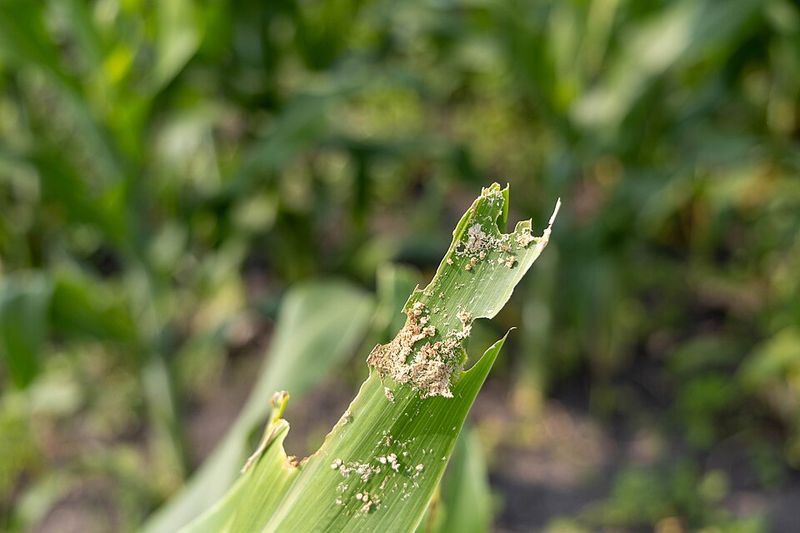
Small pest problems can become big ones in just a few warm days, so early summer is the time to look closely. Aphids gather on tender growth, slugs hide under mulch, flea beetles pepper leaves with tiny holes, and imported cabbage worms can shred brassicas before you realize they moved in.
A quick inspection routine is far easier than reacting after damage spreads across multiple beds.
Turn leaves over, check new growth, and pay attention to sticky residue, chewed edges, and distorted stems. Handpicking works surprisingly well for many pests when you catch them early.
A strong stream of water can knock aphids off sturdy plants, while row cover, collars, traps, or insecticidal soap may help when pressure is building.
Try not to spray first and identify later. Many insects in your garden are helping you by pollinating flowers or eating the pests you actually dislike.
If you notice lady beetle larvae, lacewings, or parasitized caterpillars, that is a sign your garden already has allies working quietly in the background.
Keeping a simple mental note of what appears each week helps you act at the right time, protect useful insects, and avoid turning a manageable issue into a midsummer battle.
Watch for fungal disease after humid spells
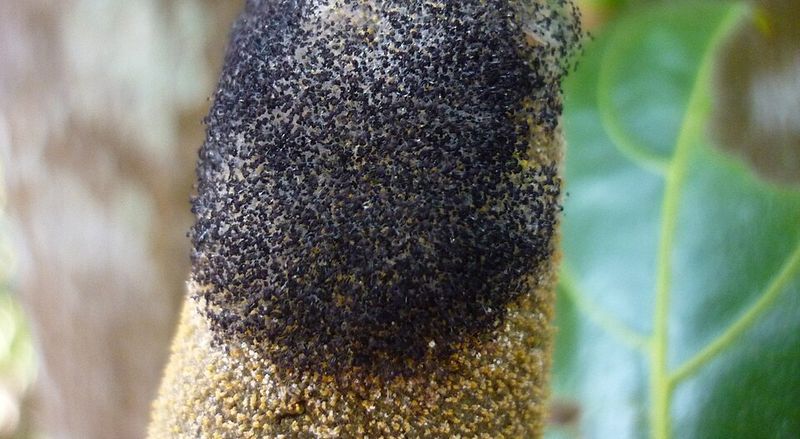
Humidity is where many Massachusetts gardens start getting complicated. Powdery mildew, black spot, leaf spot, and early tomato diseases often show up after a stretch of warm nights and damp mornings, especially when plants are crowded or watered overhead.
Catching symptoms early gives you options that are simple, instead of desperate cleanup after leaves are already collapsing.
Start by removing visibly infected foliage and disposing of it, not composting it unless your pile gets reliably hot. Water at the soil line whenever possible, and prune for airflow if neighboring plants have grown into a solid wall of leaves.
Tomatoes, bee balm, peonies, phlox, lilacs, and roses are all worth checking closely at least once a week.
It also helps to keep mulch in place so spores are less likely to splash up from the soil during storms. If a plant gets the same disease every year, make a note to relocate it, divide it, or choose a more resistant variety next season.
Fungicides are sometimes useful, but they work best when paired with better spacing, watering, and sanitation.
A few minutes of observation after muggy weather can save entire sections of the garden from looking exhausted by midsummer.
Prune spring-flowering shrubs at the right time
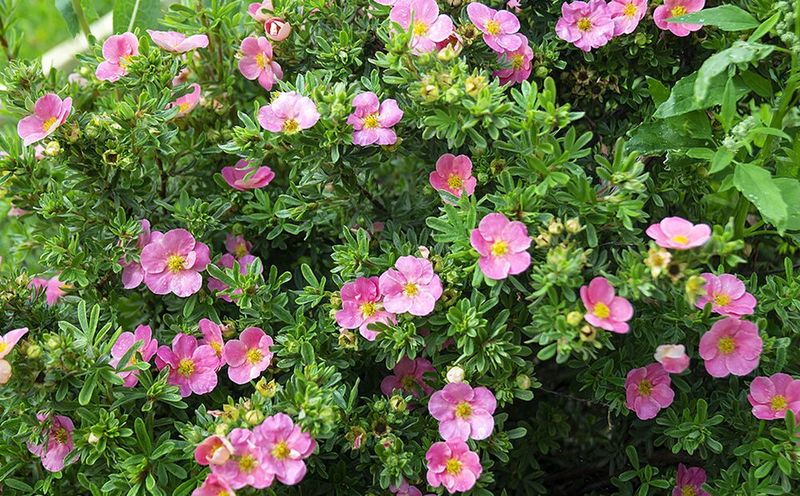
Once lilacs, forsythia, and other spring bloomers finish, the clock starts ticking on smart pruning. These shrubs set next year’s flower buds relatively soon, so waiting until late summer or fall often means cutting away the show you were hoping for.
Early summer is the safer window for shaping, thinning, and removing dead or awkward growth.
Instead of shearing the outside into a hard shell, take out a few older stems at the base and shorten selected branches back to a strong side shoot. That approach keeps the plant natural, lets light into the center, and prevents the outer layer from getting dense while the interior declines.
Clean cuts matter, especially after wet weather, because ragged damage invites stress and disease.
If a shrub has gotten too large for the space, resist the urge to solve everything in one harsh session. Spreading major renewal pruning over two or three years usually produces a healthier result and a less obvious haircut.
You will also preserve more privacy and structure around the house while the plant rebounds.
Done at the right moment, pruning makes next spring better, not smaller, and keeps mature shrubs from becoming the problem feature in an otherwise balanced yard.
Edge beds and refresh the garden outline
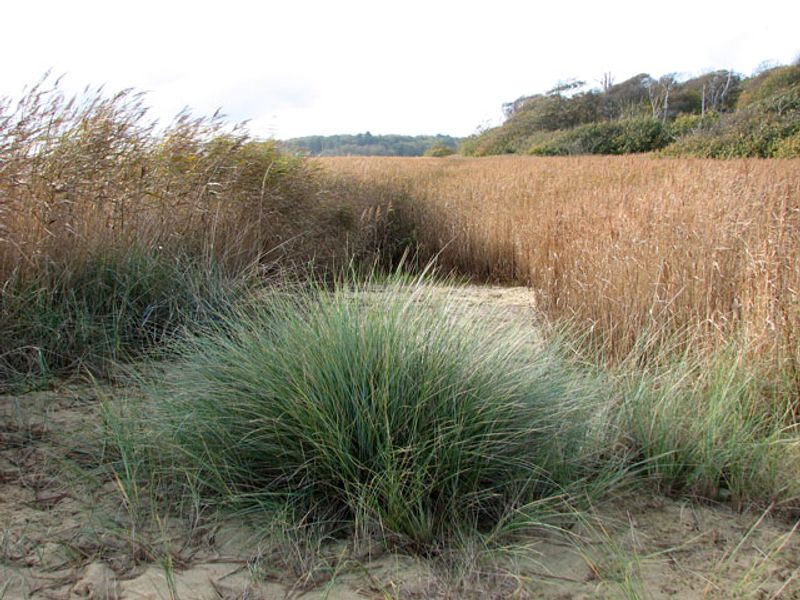
Clean bed lines change how the whole property reads, even if you never add a single new plant. By early summer, grass has usually started creeping into mulch, pathways look softer than intended, and the tidy shape you made in spring can blur at the edges.
Recutting borders now gives every planting area a clearer outline and makes routine maintenance noticeably easier.
A sharp half moon edger or flat spade can redefine curves in an afternoon without much cost. Pull out invading turf completely, roots and all, because simply chopping the top off usually buys you a short pause instead of a fix.
Once the edge is clean, top off mulch lightly so the contrast between lawn and bed is visible from the street.
This is especially useful around front walks, mailbox plantings, and foundation beds where first impressions happen fast. Crisp edges also help mowers stay out of your flowers and reduce the amount of trimming needed later in the week.
If you have a mixed bed with perennials spilling outward, edge first and then decide which stems truly belong outside the line.
The result feels orderly without looking stiff, and it gives even older plantings a fresher, more intentional presence.
Mow high and protect stressed lawn edges
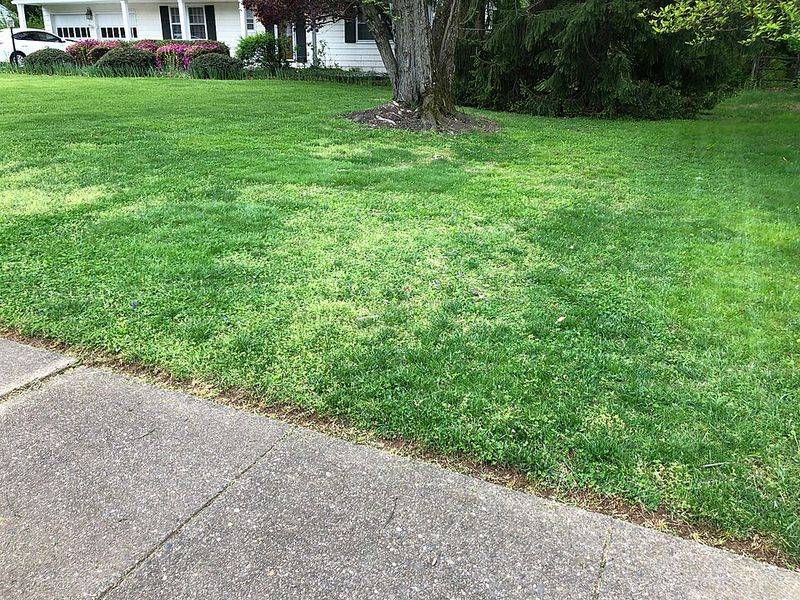
Lawns often start struggling at the edges of gardens first, especially where heat reflects off stone, asphalt, or foundations. Cutting too short in early summer makes that stress worse by exposing crowns, drying soil faster, and inviting weeds into thin spots.
Raising the mower height is one of the simplest ways to keep turf denser through the tougher weeks ahead.
Aim to remove only about a third of the blade at a time and leave clippings unless they are heavy enough to smother grass. Taller blades shade the soil, which helps retain moisture and reduces temperature swings during hot afternoons.
Along bed edges, avoid scalping turns with the mower, since repeated contact weakens the same narrow strip all season.
If certain spots always brown first, look beyond watering and consider tree roots, compacted soil, or reflected heat from hard surfaces. A light hand with foot traffic during dry spells also matters more than many homeowners realize.
Sometimes the difference between a tired looking border and a healthy one is simply mowing less aggressively for a few weeks.
That adjustment protects the lawn you have, buys time during erratic weather, and keeps your garden borders from looking sharper than the grass beside them.
Harvest herbs and vegetables regularly
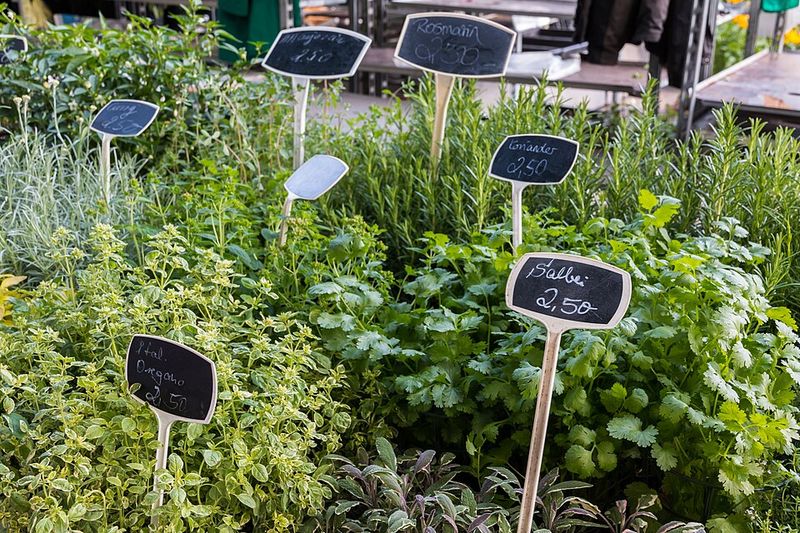
Produce left too long can slow the whole plant down, which is why regular harvesting matters more than many gardeners expect. Lettuce turns bitter, peas become starchy, zucchini suddenly grow to comic size, and herbs can shift from tender to woody fast in a warm week.
Picking often keeps plants productive and gives you a clearer sense of what needs replanting next.
Clip basil above a pair of leaves to encourage branching, and keep flower buds pinched if you want steady leaf production. Leaf lettuce responds well to cut and come again harvesting, while snap peas and beans usually yield better when pods are removed promptly.
If strawberries are fruiting, gather them often and clear spoiled berries so pests and mold do not get comfortable.
This chore also doubles as your best inspection walk. You notice yellowing leaves, insect damage, cracked fruit, and irrigation gaps far sooner when you are actually handling plants every couple of days.
Bring a basket and pruners so you are not tempted to postpone the task until the produce is already past its prime.
A garden that gets harvested consistently stays more balanced, looks better, and usually gives you more food than one that is only admired from the patio.
Plan for heat waves before they arrive
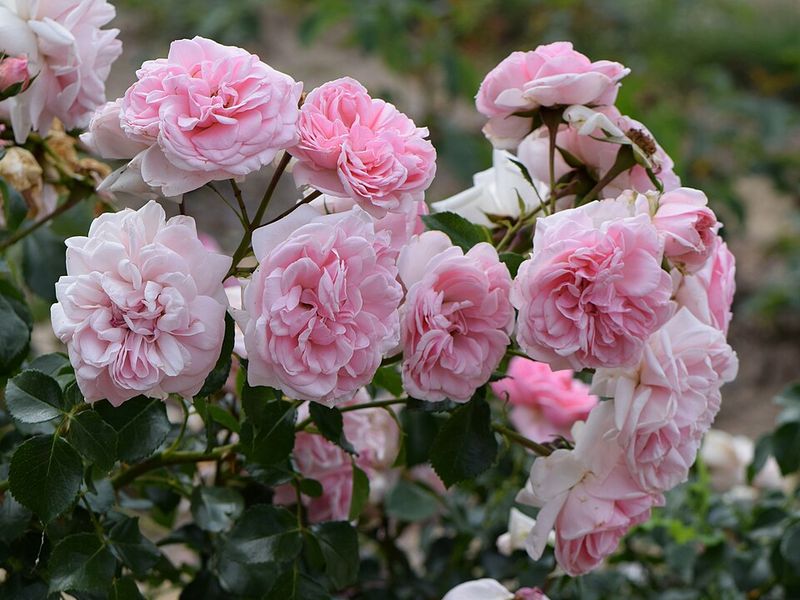
Massachusetts summers can still surprise you with sudden stretches of intense heat, even when June feels mild. Plants that handled spring beautifully may struggle once temperatures jump, especially if roots are shallow, containers are dark colored, or beds sit against reflective surfaces.
Preparing for that heat before it arrives is easier than trying to rescue wilted plants after two punishing afternoons.
Keep shade cloth, spare stakes, and watering tools ready so tender crops can be protected quickly. Leafy greens, new transplants, hydrangeas in hot sun, and patio pots are usually the first to show stress.
A deep soaking the day before a heat wave is far more effective than a frantic light spray during peak sun, when most of the water never helps the root zone.
It also pays to move containers together temporarily where they shade one another and lose moisture more slowly. If you travel on summer weekends, set up a backup watering plan now rather than trusting a kind forecast.
Heat damage often shows up after the event, so expect some delayed wilting and leaf scorch even if plants looked fine at first.
A little planning makes hot weather feel manageable instead of like a yearly ambush that resets half your garden.