
Why Garden Time So Easily Turns Into Three Hours Outside
Follow us on Google
You walked outside to check one tomato plant and somehow the sun has moved two hours across the sky.
Most gardeners have lived that exact afternoon, and there is nothing wrong with them.
A garden is unusually good at presenting one small, reasonable thing to do after another, and the clock rarely interrupts.
Understanding why that happens makes it easier to decide when to stay and when to head back inside.
Three Hours Is A Scenario, Not A Statistic
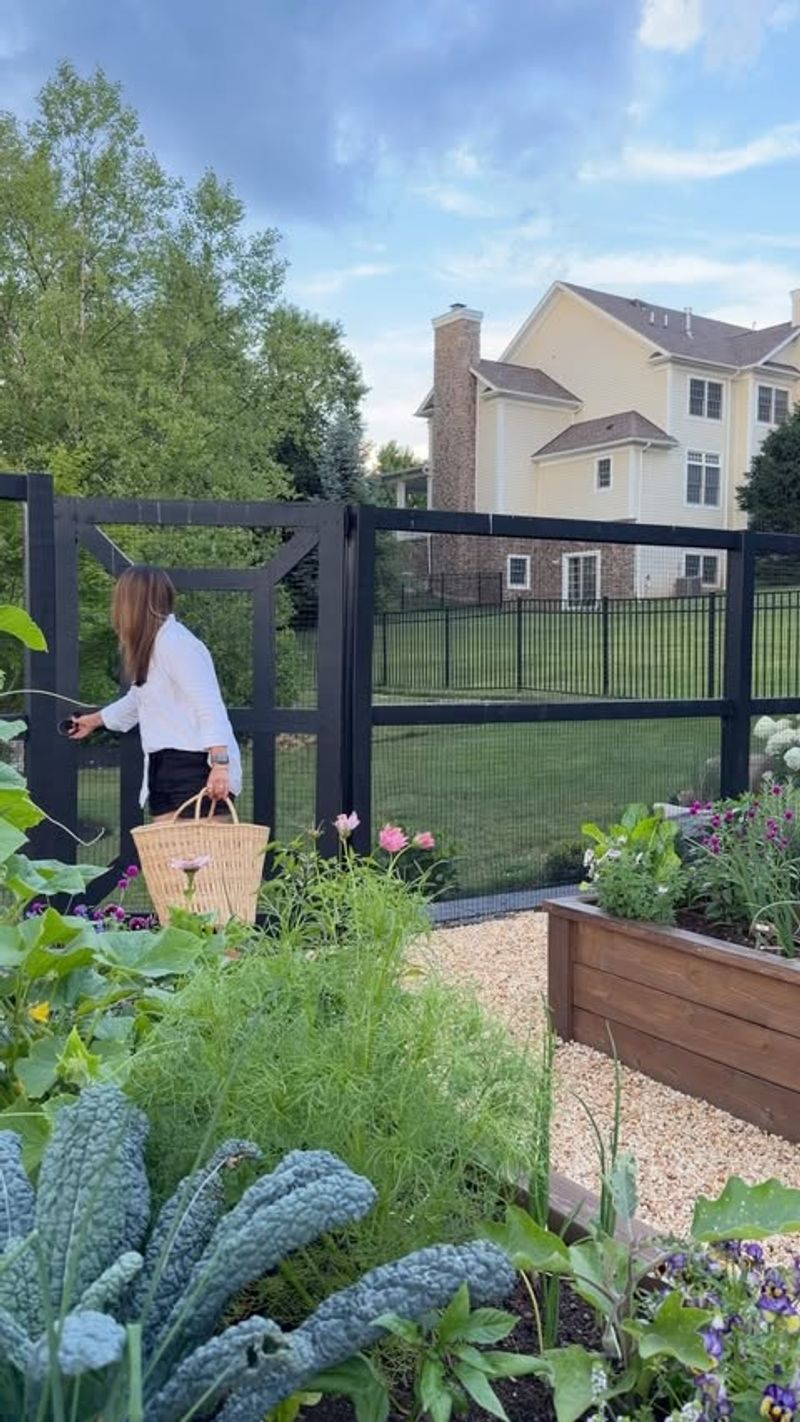
Nobody has run a study proving that gardeners routinely spend three hours outside on an ordinary afternoon.
The headline above describes a recognizable moment, not a measured average.
A large harvest day, a surprise weed outbreak, a first planting of the season, or a long watering round in dry weather could absolutely fill several hours, but those are specific situations rather than the predictable result of stepping outside.
The research that does exist tracks weekly gardening commitments rather than individual session lengths, and the range is striking.
A community-gardening study published in Scientific Reports reported a median of 90 minutes per week during the growing season, with individual participants ranging from zero to 840 minutes.
That is a fourteen-fold spread.
A Garden Research white paper on American gardening habits also found wide variation depending on garden type, region, and season.
Neither source tells us how often a single session stretches past an hour, let alone three.
What those numbers do confirm is that gardening time is highly individual.
A container garden on a sunny patio, a Midwest vegetable plot, and a dry Western landscape each make different demands on different days.
The three-hour figure belongs to the category of relatable experiences, like burning dinner while distracted, not to a category of documented gardening norms.
So the useful question is not whether three hours is typical.
The useful question is why a quick trip outside can quietly expand before a gardener even notices the time.
The next few sections work through the most plausible answers.
One Check Can Reveal The Next Job
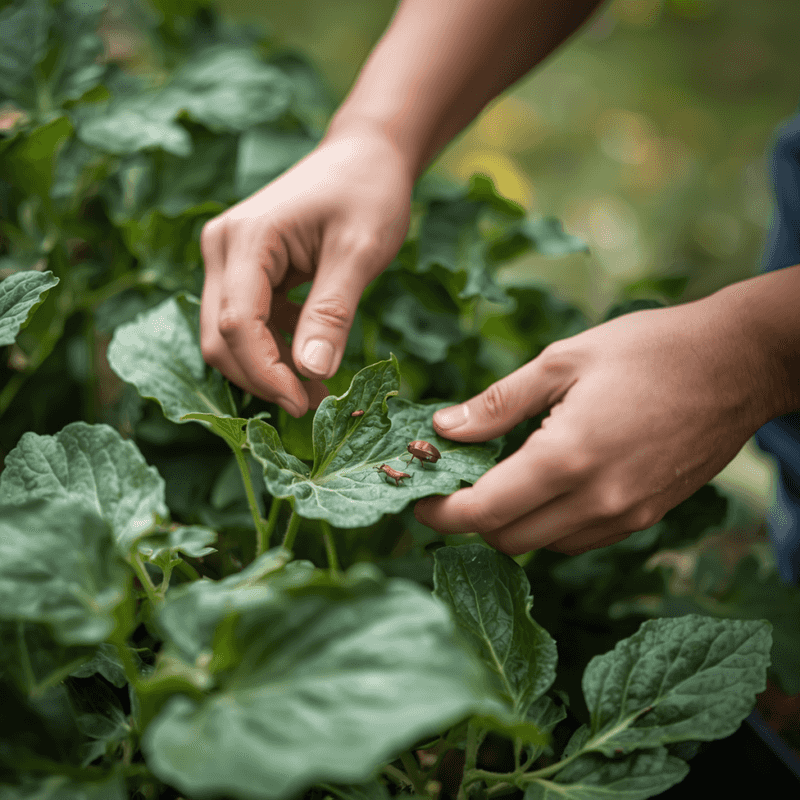
Garden maintenance is observational in a way that most household chores are not.
You go outside to water, but watering means looking at plants up close, and looking at plants up close means noticing things.
Dry soil on one side of a bed suggests the other side may need checking too.
A yellowing leaf raises a question.
A question sends you to a different corner of the yard.
Penn State Extension’s summer chore guidance describes regular watering, weeding, harvesting, deadheading, pest monitoring, and seasonal preparation as connected garden tasks rather than a menu of separate options.
That framing matches what most gardeners experience: finishing one thing tends to reveal the starting point for another.
A plausible sequence might go like this.
You check the soil moisture near your peppers and find it dry two inches down, so you water.
While watering you spot a cluster of aphids on a nearby stem.
Dealing with the aphids means examining neighboring plants, which turns up a weed that has gotten tall enough to shade your basil.
Pulling the weed exposes a runner you meant to stake last week.
Staking leads you past the cucumber trellis, where two cucumbers are ready to harvest.
Harvest means a trip to the kitchen and back.
University of Minnesota Extension recommends checking plants at least once a week during the growing season because diseases caught early are far easier to manage.
That advice is sound, but it also means that a weekly check is practically designed to surface new information.
Not every gardener or garden will follow this exact sequence, but the general shape, one visible condition leading to one reasonable response, is a reliable feature of outdoor plant care.
Focus Can Make The Clock Less Noticeable
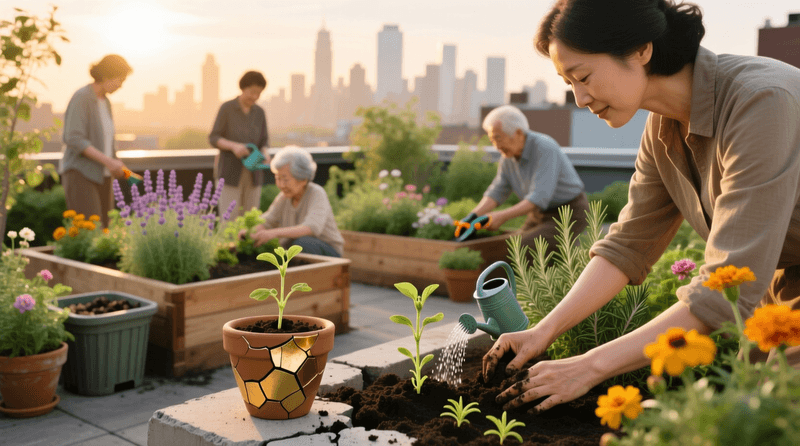
Psychologists use the word “flow” to describe a state of deep engagement where a person is fully absorbed in a task, aware of clear goals, receiving immediate feedback, and operating near the edge of their skill.
One notable feature of flow is that time awareness tends to fade.
The task fills attention so completely that checking the clock simply does not happen.
A 2019 meta-analysis of 63 studies on flow and time perception found moderate relationships between flow-related experiences and altered awareness of time passing.
The research covers work, creative activity, games, exercise, and other structured tasks.
Backyard gardening was not a primary subject of that literature, so it is reasonable to apply the mechanism as an informed explanation without claiming that researchers have proven gardening uniquely produces the state.
Gardening does share several features that researchers associate with flow conditions.
The goals are visible and immediate: that weed needs pulling, that branch needs cutting, that row needs water.
Feedback arrives quickly in the form of cleared soil, a tidier plant, or a filled watering can.
The work is physical enough to hold attention but varied enough to stay interesting.
None of that means every enjoyable gardening session produces flow, or that flow always makes time seem shorter.
Some gardeners find the work meditative and slow.
Others find it frustrating.
The point is that when a session does become absorbing, the brain has less spare capacity to monitor the clock, which makes it genuinely easy to look up and find that more time has passed than expected.
Flow is a possible explanation for that experience, not a guaranteed feature of every trip outside.
Perceived Time Is Not A Timesheet
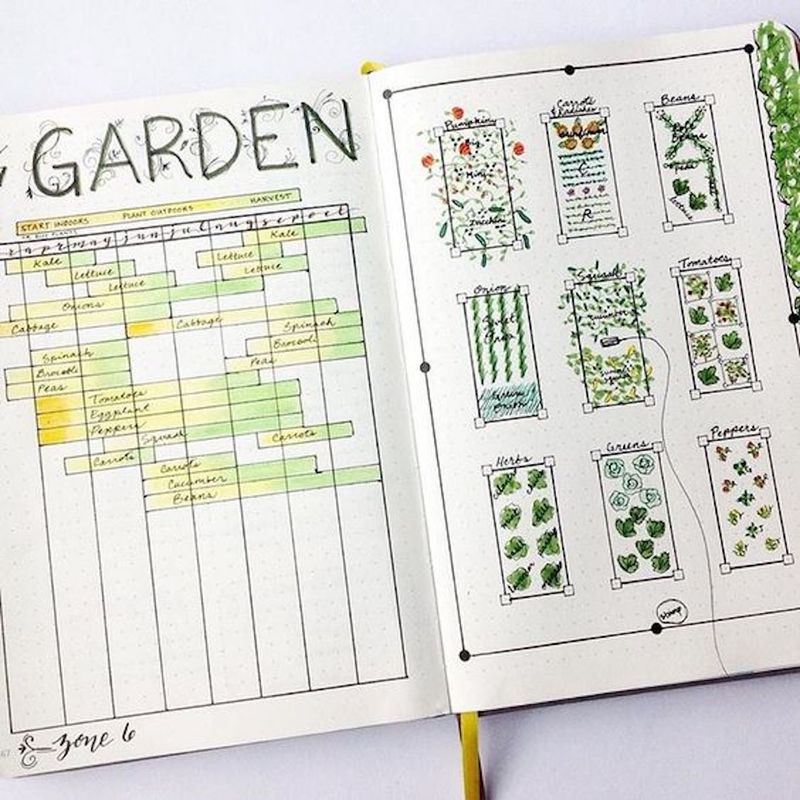
Feeling that time passed quickly while doing something is a different experience from estimating afterward how long that thing took.
Both can be wrong in different directions, and gardening seems to create conditions for both kinds of error at once.
Consider what researchers found in one home food garden study.
The authors suggested that planning, thinking about the garden, and mentally tracking problems may have contributed to the perceived total even though those activities were not recorded as hands-in-soil work.
That interpretation is plausible, but the study did not directly measure subjective effort or prove that mental activity caused the gap.
It is one possible reading of an interesting discrepancy.
A separate thread of research helps explain why the in-the-moment experience of time can differ from a later estimate.
A longitudinal study on time perception during the COVID-19 pandemic found that indoor nature exposure was associated with faster perceived time passage, while outdoor exposure showed only a marginal association.
That study was exploratory and focused on remote workers rather than gardeners specifically, so it does not establish that going outside makes time pass faster.
What it does illustrate is that time perception is sensitive to environment and attention in ways that are still being mapped.
The practical takeaway is straightforward.
When you finish a garden session and think you were out there for forty-five minutes, you may have been out there for ninety.
And when you think you were out there for ninety, you may have also spent twenty minutes in the kitchen beforehand mentally planning the visit.
Neither estimate is a timesheet, and treating them as one leads to either guilt about going over or confusion about why so little got done.
Water And Weather Can Stretch The Work
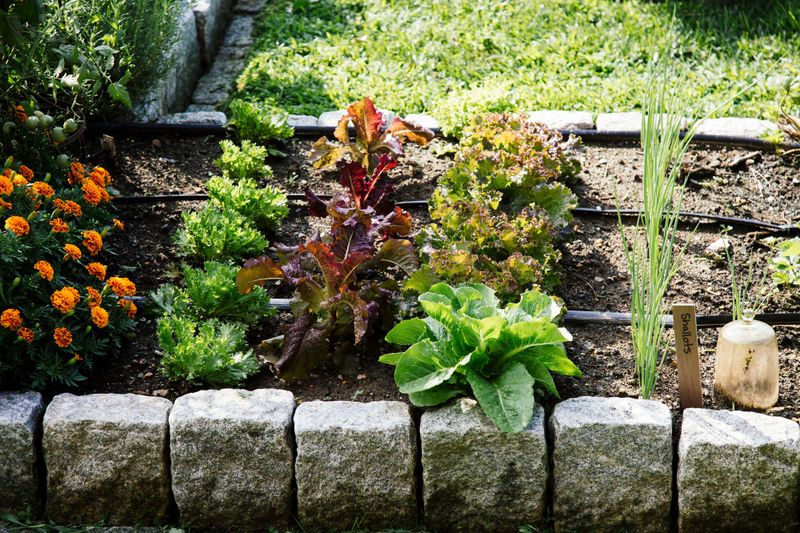
Watering sounds like a five-minute job until the garden is large, the weather is hot, or the irrigation system does not exist.
On a hot afternoon in July, a 200-square-foot vegetable garden can need a meaningful amount of water, and moving a hose or a watering can methodically through that space takes longer than most people budget.
University of Minnesota Extension gives one inch of water per week as a general vegetable-garden benchmark, which equals roughly 62 gallons per 100 square feet.
Sandy soils may need water twice a week because they drain faster, while heavier soils or those rich in organic matter may hold moisture longer and need it only once.
Sticking a finger or a probe two inches into the soil is a more reliable signal than the calendar: if the soil is dry at that depth, the plants likely need water.
That one-inch figure is not a universal rule.
During extremely hot weather, UMN Extension notes that vegetable gardens may need watering daily or every other day, while drought-tolerant plantings may need far less.
Container gardens dry out faster than in-ground beds.
Local water restrictions, recent rainfall, and individual plant needs all shift the answer.
Watering by the clock alone, without checking soil moisture, risks both underwatering and overwatering.
Oregon State University Extension reports that a 3- to 5-inch layer of mulch can reduce soil-water evaporation compared with bare soil, with finer materials often working well at 2 to 3 inches.
Mulch also suppresses many weeds, improves water infiltration, reduces runoff, and moderates soil temperature.
But it does not eliminate weeds entirely, especially perennial weeds that push through gaps, and piling mulch too deep can interfere with air and water movement.
Think of mulch as a way to reduce future work, not remove it.
Give The Session A Deliberate Boundary
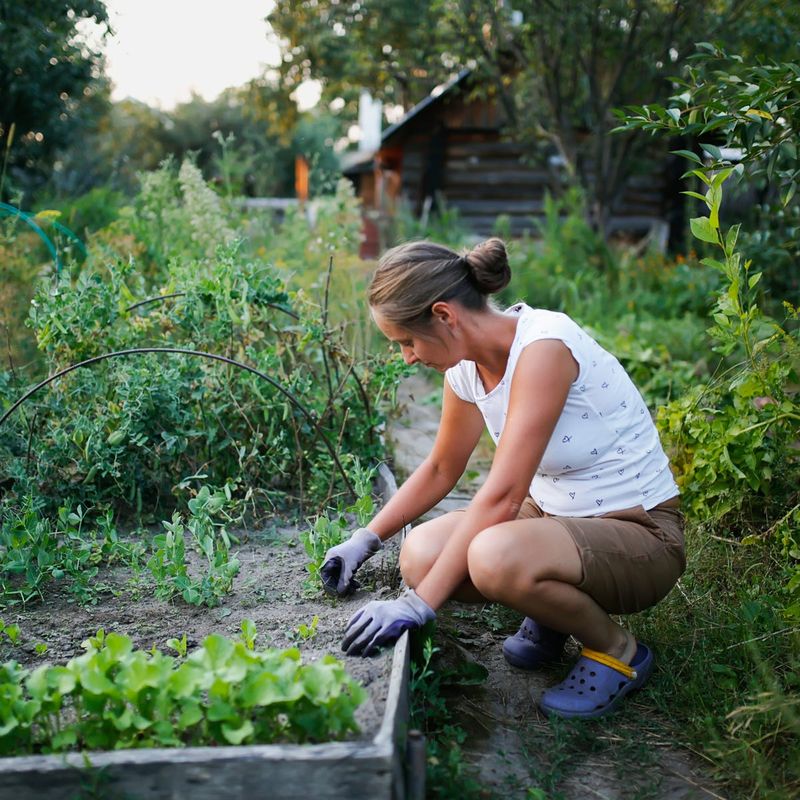
The task chain described earlier is not a trap, it is just how garden care works.
But knowing that one job leads to another means you can plan for it rather than be surprised by it.
A session with a deliberate boundary is easier to end than one that started without a plan.
Before going outside, pick one main task.
Not a list, one thing.
Deadhead the front bed, pull weeds from the path edge, check the tomatoes for hornworms.
Having a named task gives the session a natural finish line.
A 20- or 30-minute timer on your phone adds a second signal.
When it goes off, you can choose to keep going, but the choice is now conscious rather than accidental.
Carrying a small bucket or tray also helps.
Tools and pulled weeds that travel with you instead of sitting at the far end of the garden mean fewer extra trips, and fewer extra trips mean less time spent walking past things that need doing.
When you spot a new problem during the session, write it down instead of fixing it immediately.
A note on your phone or a small pad in your pocket turns a potential hour-long detour into a two-second record and a future task.
Penn State Extension recommends planning tasks, rotating activities, and using appropriate tools as part of a physically sustainable gardening routine.
Building a five-minute buffer at the end of the session for tool cleanup, hose storage, and any quick harvest keeps the close of the session tidy without requiring a second trip.
None of these steps are scientifically proven to save a precise number of minutes, but together they interrupt the automatic drift from one task to the next.
Know When The Long Session Becomes Unsafe
Gardening is physical work, and a long session in warm weather can move from pleasant to risky without much warning.
Digging, hauling mulch, kneeling on hard soil, and pulling stubborn roots are not gentle activities.
A session that started with deadheading and ended with moving a wheelbarrow of compost has covered a lot of physical ground, and the body keeps score even when the mind is engaged.
Penn State Extension recommends bending the knees, squatting or half-kneeling, switching legs, using the right tool for the task, and changing positions regularly to reduce strain during garden work.
Rotating between tasks that use different muscle groups, such as alternating kneeling work with standing work, helps avoid the kind of fatigue that turns into a three-day ache.
Heat adds a separate layer of risk.
Those factors combine.
A fit 35-year-old gardening in morning shade faces different conditions than a 65-year-old gardening in afternoon sun on a humid day while taking a diuretic.
NIOSH recommends about 8 ounces of water every 15 to 20 minutes during moderate outdoor work and advises against drinking more than roughly 6 cups per hour.
That is occupational guidance, not a personal prescription.
People with heart, kidney, or other medical conditions should follow their clinician’s advice on fluid intake.
Mild warning signs such as heavy sweating, light-headedness, or muscle cramps are the body’s signal to stop, move to shade, rest, and drink water.
Confusion, fainting, stopping sweating in extreme heat, or suspected heat stroke require immediate cooling and emergency or medical assistance, not just a glass of water and a few minutes on the porch.
For gardeners in regions where ticks are established, especially near grassy, brushy, or wooded areas, CDC recommends checking clothing and skin, examining pets and gear, and showering within two hours of coming indoors.
Not every backyard carries equal tick risk, so this step matters most during warmer months in areas where ticks are known to be active.
Choose A Sensible Place To Stop
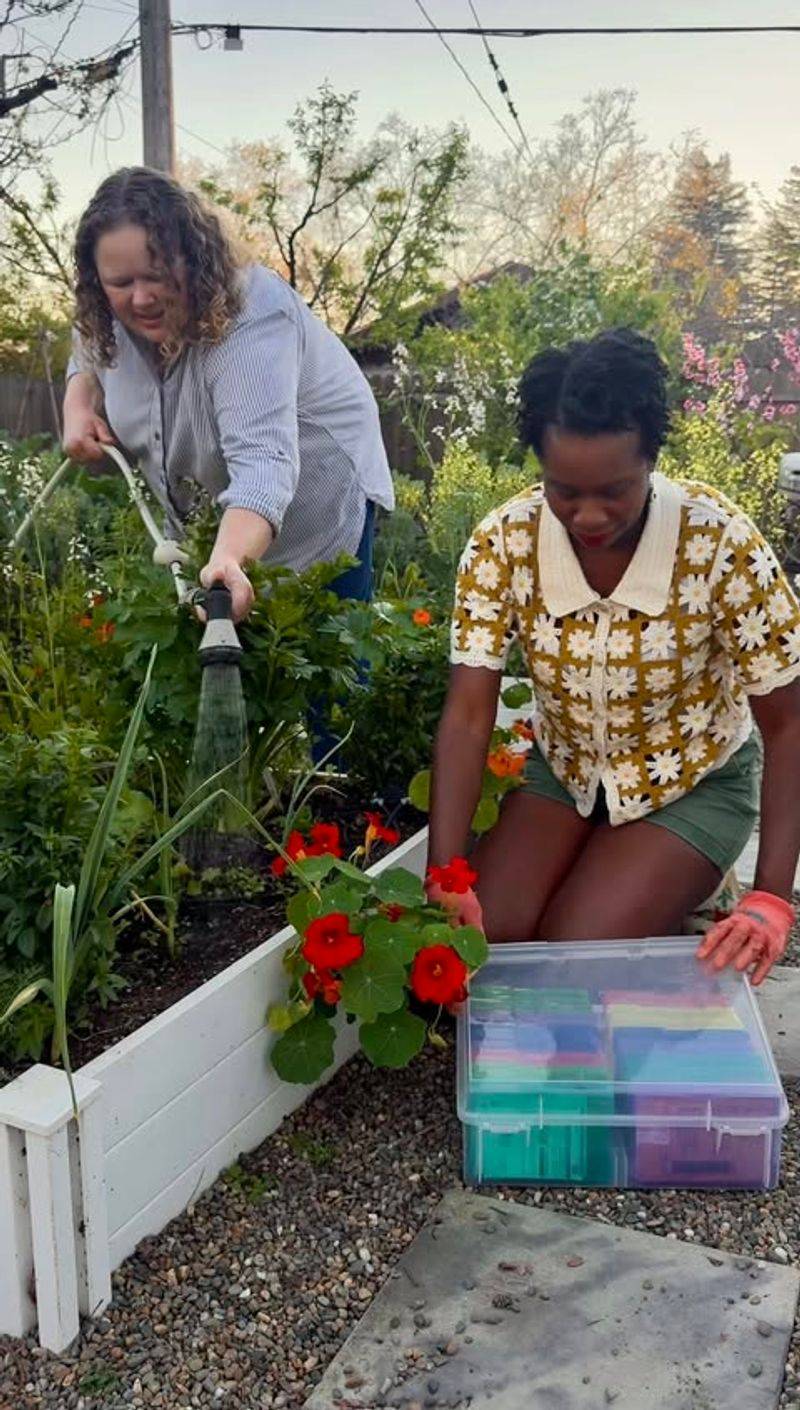
Every garden session ends one of two ways: you decide to stop, or the garden decides for you by running out of daylight or your knees.
The first option is more comfortable.
A practical stopping rule separates time-sensitive needs from everything else.
Wilting plants in afternoon heat, ripe fruit that will split or rot by tomorrow, and any physical symptom that signals strain belong in the act-now category.
Those get handled before you go in.
Penn State Extension notes that seed heads left on spent plants can provide food for insects, birds, and other wildlife, which means a garden that looks slightly unfinished may actually be doing useful habitat work.
Selective cleanup is a legitimate stopping point, not a sign of neglect.
Nonurgent weeds that have not yet set seed, cosmetic tidying, research questions about a disease you spotted, and any new task that surfaced in the last ten minutes of the session are all candidates for the notebook rather than the afternoon.
Writing them down respects the garden’s reality without surrendering the rest of your day to it.
Penn State Extension also recommends ending on a task that leaves the workspace organized, tools cleaned and stored, hoses coiled, harvest brought inside.
That five-minute close makes the next session easier to start and easier to keep short.
The garden will always have one more thing to show you.
That is genuinely part of its appeal.
But the next decision does not have to belong to today, and knowing the difference between a plant that needs you now and one that will wait until Thursday is the most useful skill a gardener can carry back inside.