
The North Carolina Groundcover That Stays Cooler Than Mulch When The Heat Turns Brutal
Follow us on Google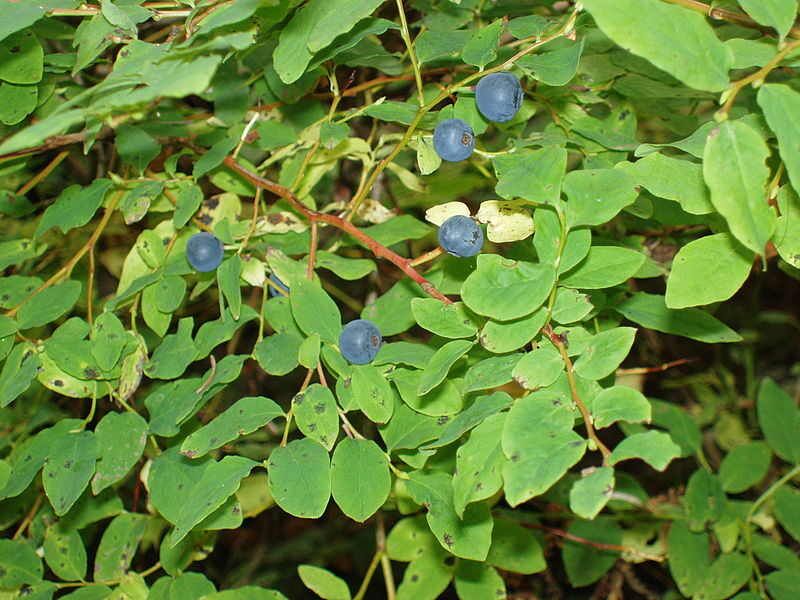
You drag your patio chair into the shade on a July afternoon in North Carolina, and the ground around you is radiating heat like a cast-iron skillet.
Bare mulch bakes, the lawn crisps, and the yard feels more like a parking lot than a place to spend an evening.
There is a native plant that may actually change how that planting zone feels, and it grows flat to the ground, stays green all year, and feeds birds and bees on the side.
The catch is that the full story is a little more nuanced than the headline suggests, and knowing the nuance is exactly what will help you decide whether to plant it.
Meet The Native Groundcover Worth Considering
Creeping blueberry, Vaccinium crassifolium, is a low-growing native shrub that hugs the ground like it was born to do exactly that job.
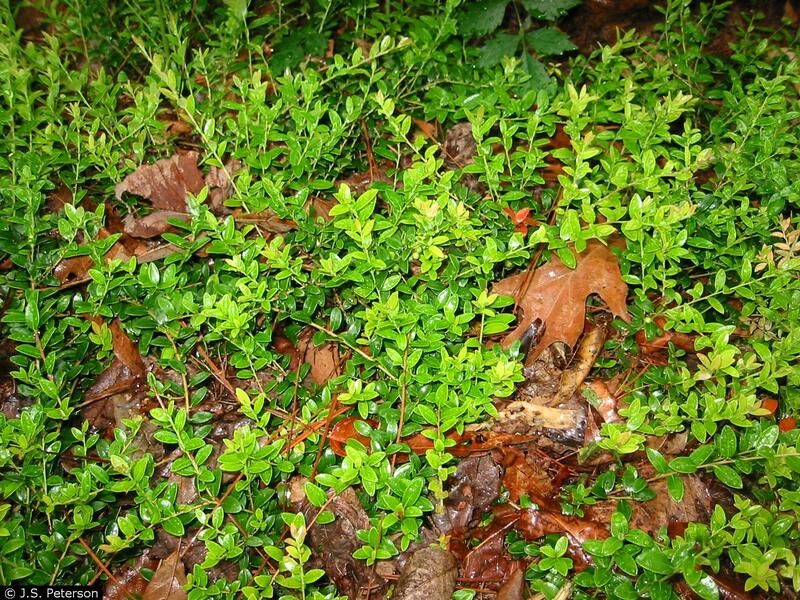
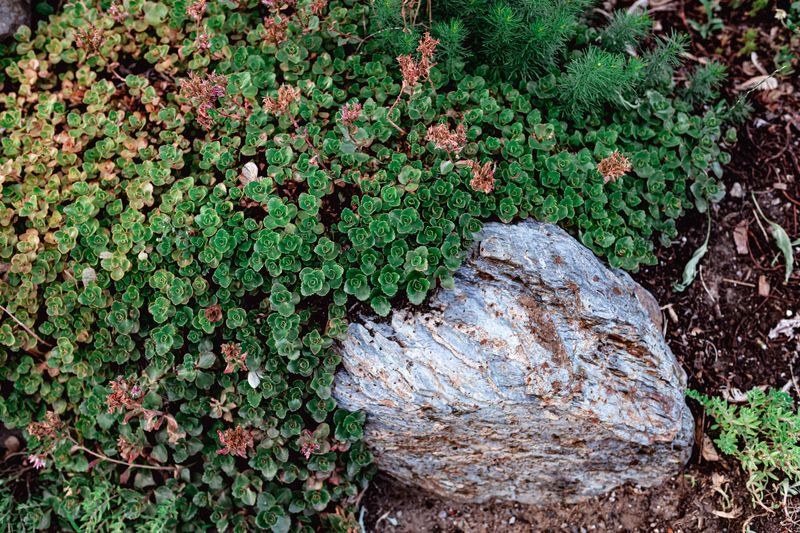
It spreads outward rather than upward, forming a dense, evergreen mat that stays green through North Carolina winters and greens up even faster once the heat returns in May.
Cultivars like ‘Well’s Delight’ and ‘Bloodstone’ can knit together into an almost solid living carpet, which is where the cooling promise actually begins.
Small pinkish bell-shaped flowers open in April or May, drawing early pollinators before most gardens have much else to offer.
By June and into July, the plant produces small purple-black berries that birds and mammals genuinely seek out.
NC State Extension lists creeping blueberry for mass plantings, slopes, edges near walkways and patios, pollinator gardens, and drought-tolerant landscapes across the Coastal Plain and Piedmont.
Now for the honest part, because this plant deserves a fair introduction rather than an oversold one.
No direct North Carolina test has measured creeping blueberry against landscape mulch in a side-by-side temperature comparison.
What the evidence does support is that a dense, well-hydrated living ground layer can cool the soil surface and the immediate planting zone compared with some mulch types under the right conditions.
That is a real and useful thing, just not a temperature guarantee printed on the plant tag.
How A Living Carpet Can Cool The Planting Zone
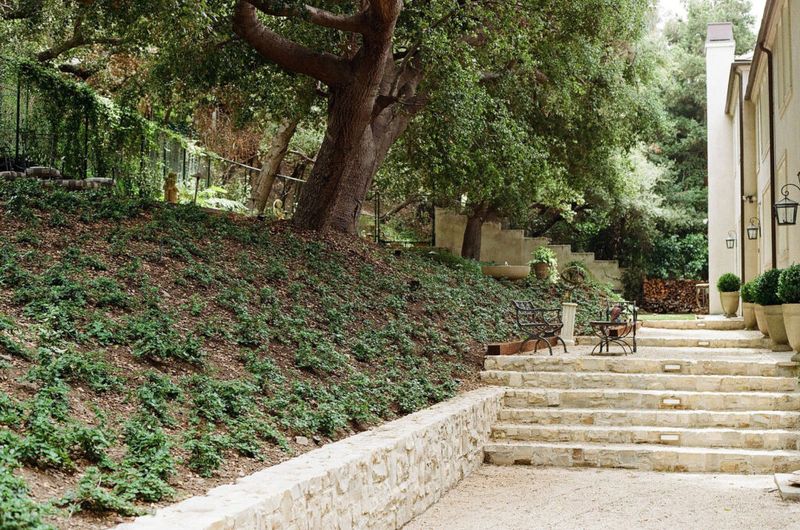
Two things happen when a dense plant canopy covers the ground, and both of them work against summer heat.
First, the leaves physically block sunlight from reaching the soil surface, so the ground underneath stays shaded through the hottest part of a July afternoon.
Second, the plant pulls water up from the roots and releases it as vapor through tiny pores in the leaves, a process called evapotranspiration.
The EPA identifies both shade and evapotranspiration as meaningful cooling mechanisms in planted landscapes.
Here is where it gets tricky.
Evaporative cooling requires water.
A groundcover that is actively growing and well-hydrated can move a surprising amount of moisture through its leaves, and that phase change from liquid to vapor draws heat away from the surrounding surface.
A dry, wilted plant may still cast shade, but it cannot deliver the same cooling effect.
North Carolina’s humid summers also mean the air is often already carrying a lot of moisture, which can limit how much additional vapor the atmosphere will accept on the muggiest days.
Soil temperature beneath the canopy, the temperature of the mulch or leaf surface itself, and the temperature a person actually feels while sitting near the planting bed are three genuinely different measurements.
EPA evapotranspiration modeling shows how plant water use interacts with local climate, but that does not translate directly into a number of degrees cooler you will feel on your porch.
The most defensible claim is that a dense, hydrated ground layer may cool the soil surface and immediate root zone under suitable conditions, and that is actually worth having in a North Carolina summer.
What The Mulch Evidence Actually Shows
Mulch is not one single thing, and the headline comparison only holds up when you are specific about which kind you mean.
Organic wood chips and bark mulch behave very differently from gravel or stone.
Colorado State Extension’s mulching guide explains that organic mulch conserves soil moisture, moderates temperature swings, and insulates the root zone, which are genuinely useful properties on a hot Piedmont afternoon.
Gravel and stone can absorb and transfer more heat to the soil beneath them, especially in direct sun with no canopy overhead.
A peer-reviewed study comparing residential land covers found that bark-mulched and gravel-mulched plots had warmer soil and surface temperatures than vegetated plots in that research.
That finding is directionally useful.
But the study did not test creeping blueberry, was not conducted in North Carolina, and did not examine every mulch type under every combination of sun, moisture, and season.
Converting that result into a precise temperature promise for a Sandhills yard would be overselling the data.
The most defensible comparison sits at the soil surface and the immediate root zone.
A dense, hydrated living canopy can shade and cool that layer more effectively than an exposed mulch surface baking in full afternoon sun.
University of Minnesota Extension notes that organic mulch supports soil health and moisture retention, which means mulch and living groundcover are not opposites.
They can work together, especially during the years when the groundcover is still filling in.
Test The Soil Before You Buy The Plants

Creeping blueberry is genuinely well-suited to many North Carolina sites, but it will tell you pretty quickly if yours is not one of them.
The plant prefers acidic, well-drained soil, ideally the sandy or loamy kind found across much of the Coastal Plain and Sandhills.
It does not tolerate lime-rich conditions, and that matters because many residential yards have had lime applied to lawns for years or have construction fill that skews alkaline.
NC State’s plant profile for creeping blueberry confirms its preference for acidic, well-drained soil and notes its heat tolerance across zones 6a through 9b, which covers nearly all of North Carolina.
That regional adaptability is real.
What it does not mean is that every yard from Asheville to Wilmington is automatically ready for it.
Piedmont red clay presents the steepest challenge.
Compacted clay drains slowly, holds more water in winter, and can bake into a hard crust in summer, none of which suits a plant that wants good drainage and moderate soil moisture.
NC State’s native plants handbook is direct about the fact that residential soils often differ sharply from natural habitats because of construction compaction, stripped topsoil, altered drainage, and reflected heat from pavement and walls.
A soil test through NC State Extension costs about $4 for a basic report and will tell you pH, drainage tendency, and what amendments the site actually needs before you spend money on plants.
Build The Carpet During The Establishment Years
Timing the planting right is one of the most useful things you can do for a groundcover that will eventually handle summer heat on its own.
Plant in early spring or fall, when soil temperatures are moderate and the air is not already trying to cook everything in the ground.
Peak summer planting puts new roots under stress before they have had any chance to establish, and that is a fight most young plants lose.
Clear competing grass and weeds from the bed before the first plant goes in.
NC State’s lawn and groundcover handbook recommends planting groundcovers roughly 1 foot apart as a general guide, though you should follow the spacing recommendation on the cultivar tag or from your nursery for creeping blueberry specifically, since some selections spread more aggressively than others.
Water deeply right after planting, then continue supplemental watering through any dry stretch for the first full growing season.
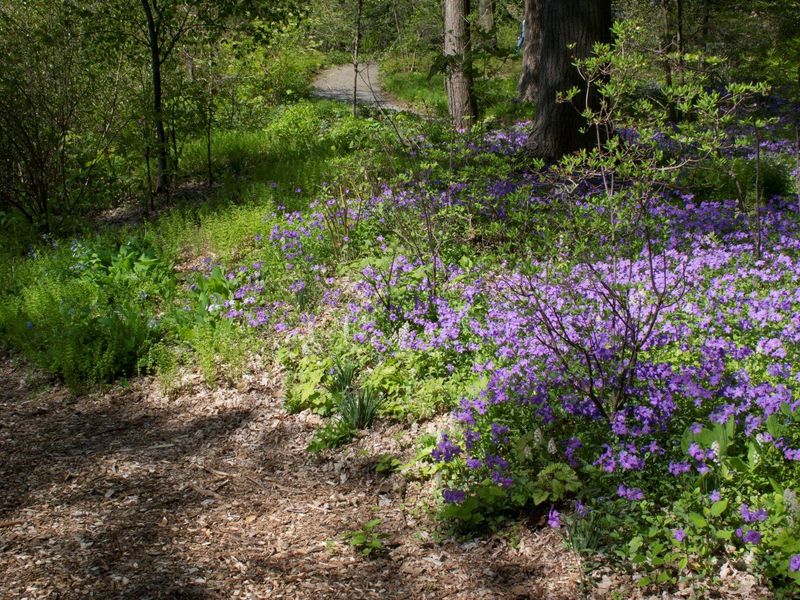
A temporary 2- to 3-inch layer of pine straw, fallen leaves, or wood chips between the young plants will suppress weeds and moderate soil temperature while the groundcover is still filling in.
NC State’s ornamentals handbook recommends that depth for organic mulch and specifically warns against piling it against plant stems, which can trap moisture and invite rot.
The native plants handbook also cautions that seeing mulch between young groundcover plants is not a sign of failure, it is part of the plan.
The living carpet comes in the second and third year, and creeping blueberry’s eventual spread of 2 to 3 feet per plant means a patient planting fills in more solidly than most homeowners expect.
Heat Tolerance Does Not Mean Neglect Tolerance
Many Piedmont gardeners have planted a native species, read the words “heat tolerant,” and then walked away expecting the plant to manage itself through August.
Heat tolerance means the plant can survive high temperatures when its basic needs are met, not that it thrives without water or care.
A creeping blueberry that goes into drought stress in its first summer may survive, but it will not be doing much cooling of anything.
A wilted or sparse groundcover can still cast some shade on the soil beneath it.
What it cannot do is maintain the transpiration-based cooling that comes from an actively growing, hydrated canopy.
The EPA’s vegetation cooling guidance makes clear that the evaporative component of plant cooling depends on available water moving through the plant system.
Shut that down with drought stress and you lose the mechanism.
Residential yards also throw conditions at plants that the native range never prepared them for.
NC State’s native plants handbook lists compacted soil, removed topsoil, altered drainage, runoff from impervious surfaces, and reflected heat from pavement and walls as real factors that can push even a well-matched native plant past its comfort zone.
If your creeping blueberry is struggling beside a south-facing concrete wall in compacted red clay, that is a site mismatch, not a plant failure.
Move the diagnosis to the site first, then decide whether the plant or the location needs to change.
Design Around The Plant’s Limits And Wildlife Value
Creeping blueberry tops out at about 10 to 20 inches tall and spreads 2 to 3 feet wide per plant, which makes it a strong candidate for massed beds, gentle slopes, edges along fences or paths, and planted areas beside patios where you want something living rather than bare mulch.
What it is not, despite appearing on NC State’s list of landscape locations that includes walkways and patios, is a plant you can walk across regularly without causing damage.
Those listings describe where to place it near those features, not that it handles foot traffic like a lawn.
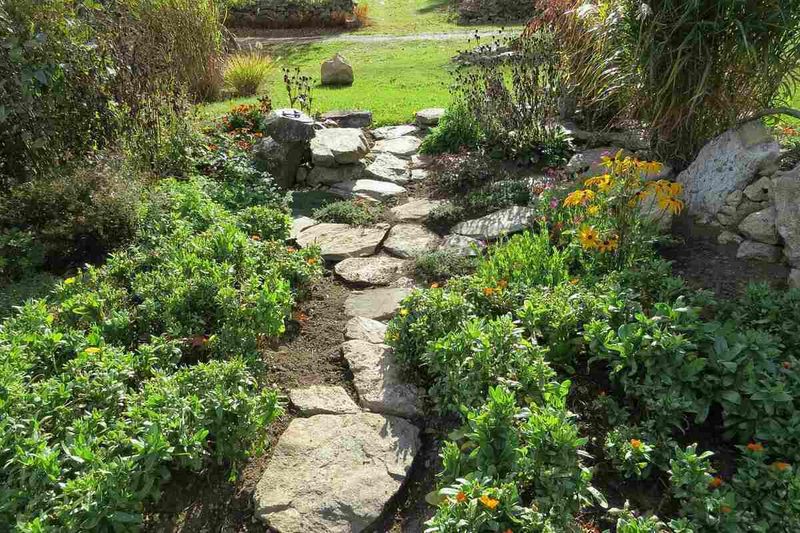
Install stepping stones or a mulched access strip through any area you plant with creeping blueberry.
That keeps the planting intact and gives you a way to move through the bed for maintenance without compacting or crushing the mat.
NC State’s plant profile notes its pollinator value, including support for specialist bee species associated with the Vaccinium genus, and lists its berries as wildlife food for birds and mammals.
Those are genuine ecological benefits worth having in a North Carolina yard.
They are not pest-control guarantees.
More pollinators visiting the planting bed does not automatically reduce mosquitoes or ticks, and more birds foraging on berries does not mean your yard becomes a tick-free zone.
NC State’s native plants guidance supports retaining selected habitat areas farther from patios and play equipment, where the wildlife value can accumulate without putting people in regular contact with dense vegetation.
Place the wildlife benefit where it actually benefits the yard, not where it creates a conflict with how the family uses the space.
Layer Groundcover, Mulch, Paths, And Tick Practices
A yard that works well in a North Carolina summer is usually a layered system, not a single solution.
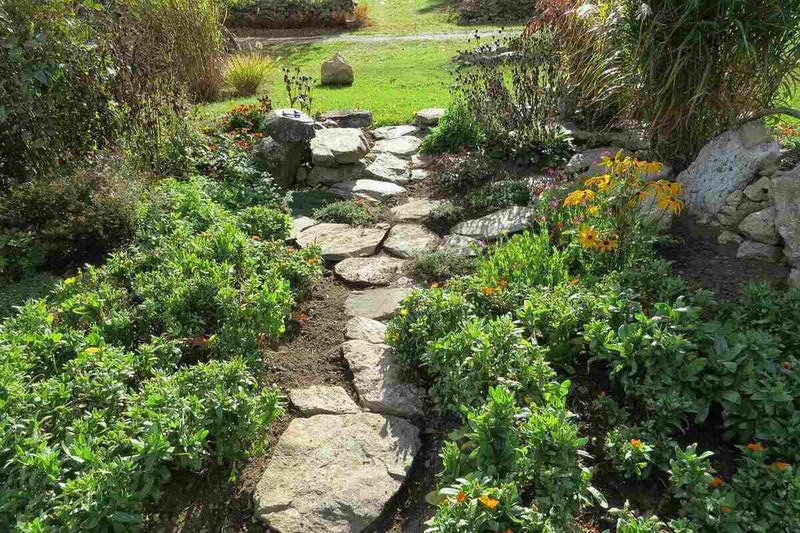
Creeping blueberry can anchor a living ground layer in the right site, but mulch still belongs in the design.
Organic mulch conserves moisture, feeds soil organisms, and moderates temperature swings in ways that complement a living planting rather than compete with it.
Keep it under trees, along access paths, in high-traffic areas, and between young groundcover plants during establishment.
Tick management deserves its own honest conversation.
CDC guidance on tick prevention recommends mowing frequently, clearing tall grass and brush near the home, removing leaf litter from high-use areas, and placing a 3-foot-wide wood-chip or gravel barrier between lawn and wooded edges.
A living native groundcover should not replace that barrier.
Keep a tidier, more open zone around the patio, play equipment, and the paths your family uses every day, then let selected habitat areas develop farther from household activity, where the firefly larvae, foraging birds, and native bees can do their work without putting people in dense vegetation.
For homeowners who need something more mowable or occasionally foot-tolerant, lyreleaf sage, Salvia lyrata, is a North Carolina native worth considering as an alternative.
It is more herbaceous than creeping blueberry and handles an occasional pass from a mower better than most low groundcovers.
The decision rule across all of this is straightforward: test the site, match the plant to the actual use, water it through establishment, and combine living cover with mulch, paths, and sound NC State-recommended practices for the whole yard.
A yard that feels cooler and more alive in August is built in layers, and creeping blueberry is one very good layer to start with.