
Why Florida’s Favorite Landscaping Plants Are Getting Replaced By Natives
Follow us on Google
The Florida yard many people grew up admiring is changing fast, and not just because tastes are shifting. Rising water bills, tougher weather, invasive plant warnings, and constant maintenance are pushing homeowners to rethink what belongs outside the front door.
Native plants are stepping in because they handle Florida like they were made for it, because they were. If you have ever wondered why old favorites suddenly look like expensive trouble, the reasons are surprisingly practical.
Lower Water Use
After another stretch of dry weather, a lot of Florida homeowners are noticing that the prettiest imported landscapes are also the thirstiest. Lawns and tropical ornamentals that looked fine in a brochure often need frequent irrigation just to stay presentable through heat, wind, and sandy soil.
Native plants change that equation because they are already adapted to Florida’s rainfall patterns, humidity, and seasonal dry spells.
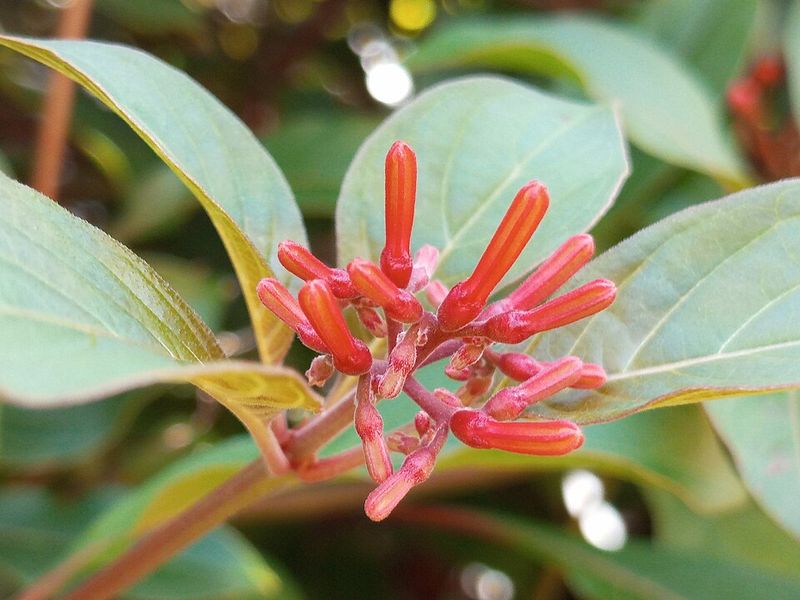
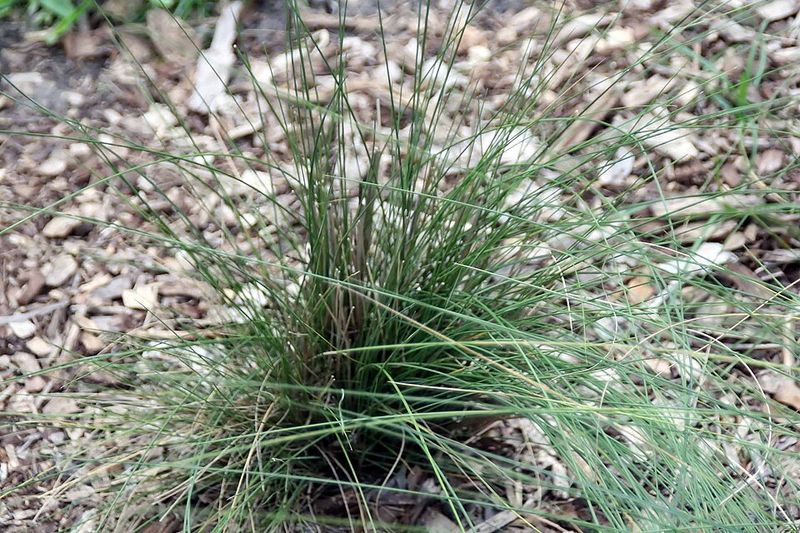
You can see the difference quickly in both workload and utility costs. Once established, plants like coontie, dune sunflower, firebush, and muhly grass generally need far less supplemental water than common exotics, especially in neighborhoods with strict watering schedules.
That matters when irrigation restrictions tighten and every brown patch starts a debate with the sprinkler timer.
There is also a practical side people appreciate after the first summer. Less watering means fewer disease problems, less runoff, and less money poured into keeping fragile plants alive in the wrong place.
If your yard always seems one missed watering away from looking stressed, natives feel less like a compromise and more like a smart correction that finally fits the climate you actually live in.
Better Storm Resilience
Anyone who has cleaned up a yard after a tropical storm knows how quickly fragile landscaping can turn into debris. Shallow-rooted ornamentals, top-heavy palms, and fast-growing exotic shrubs often snap, lean, or uproot when saturated soil and strong winds arrive together.
Native plants are not storm-proof, but many are far better suited to Florida’s cycles of rain, heat, wind, and salt.
That advantage shows up in both structure and recovery. Species such as saw palmetto, yaupon holly, Simpson’s stopper, and sea oats evolved with coastal exposure, heavy downpours, and periodic weather extremes, so they usually bounce back with less fuss.
You are not just planting for a pretty week in April, you are planting for the ugly afternoon in September.
Homeowners are replacing vulnerable favorites because cleanup costs and repeated replanting get old fast. A yard built with resilient natives often sheds fewer branches, holds soil better, and returns to shape more naturally after rough weather.
When hurricane season feels longer and stronger than it used to, choosing plants that can take a hit starts to feel less like a gardening preference and more like sensible home planning.
Less Fertilizer And Fewer Chemicals
Many classic Florida landscapes come with a hidden routine of fertilizer, fungicide, pest spray, and regular troubleshooting. Imported plants often struggle with local insects, humidity-driven disease, and nutrient issues in sandy or alkaline soils, so they become recurring maintenance projects instead of reliable garden features.
Native plants usually break that cycle because they already know how to live here without constant chemical coaching.
That does not mean a native yard is completely hands-off, but it does mean fewer emergencies. Firebush, beautyberry, sunshine mimosa, and native salvias generally need less pampering than exotic shrubs that yellow, mildew, or get chewed up every season.
For homeowners trying to reduce costs and avoid spraying near kids, pets, ponds, or patios, that difference feels immediate and personal.
There is also growing awareness that chemical-heavy landscaping creates problems beyond one yard. Excess fertilizer can wash into canals and estuaries, while broad pesticide use knocks back beneficial insects you actually want around.
When natives replace needy ornamentals, the yard often becomes easier to manage and less dependent on products sold as must-haves. People are not just choosing different plants, they are stepping off a maintenance treadmill that never really delivered peace of mind.
Support For Pollinators
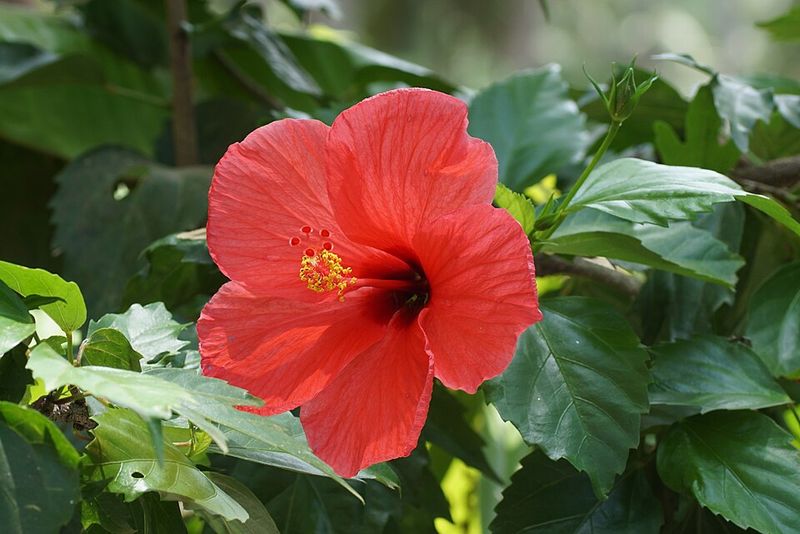
A yard can look polished and still feel strangely empty when almost nothing visits it. Many old landscaping staples offer little nectar, little host habitat, and almost no ecological value, so butterflies, native bees, and hummingbirds pass by or never show up at all.
Florida natives are replacing those plants because people increasingly want gardens that do more than sit there.
The payoff is easy to notice once flowering natives go in. Milkweed supports monarch caterpillars, firebush draws hummingbirds, goldenrod and coreopsis feed pollinators, and native wildflowers create a longer, more useful bloom season than many decorative imports.
If you have ever added one small patch of natives and suddenly seen bees working it by midmorning, you know how quickly the yard can feel alive again.
This shift is not only about conservation in an abstract sense. Homeowners like the movement, the color, and the fact that a front bed can become a conversation piece instead of just a trimmed border.
Schools, community gardens, and local extension programs have also helped people connect plant choices with insect decline. Once that link becomes visible, replacing sterile ornamentals with native bloomers feels less like a trend and more like basic common sense.
Lower Maintenance Costs
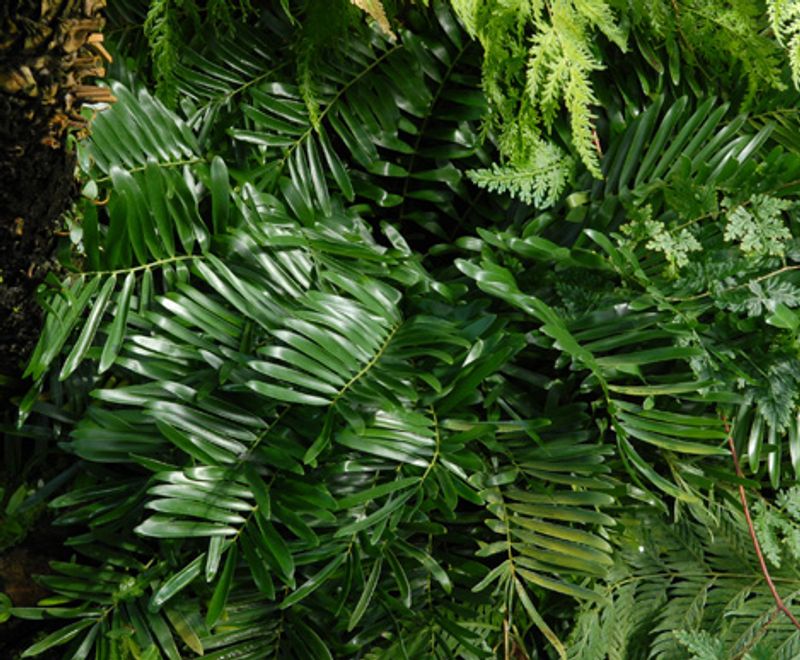
Landscaping decisions often change the moment somebody prices out professional maintenance for a full year. Plants that need repeated trimming, replacement, irrigation checks, and pest treatment may look manageable at first, but the monthly bill tells a different story.
Native plants are winning ground because they can keep a yard attractive with fewer inputs, fewer failures, and fewer labor hours.
That matters for busy homeowners, retirees, landlords, and anyone juggling a rising cost of living. Slower-growing natives such as coontie, wild coffee, and dwarf yaupon usually do not demand the relentless shearing that many formal hedges and exotic foundation plants seem to invite.
You get structure and color without signing up for a schedule that makes the whole property feel like another subscription.
There is a design lesson here too. A lot of people are moving away from landscapes that only look good when they are constantly corrected by crews with blowers and trimmers.
Native plantings can be arranged to look intentional while still allowing natural form, which reduces labor without making the yard feel neglected. When homeowners realize they can spend less, mow less, replace less, and still have curb appeal, the old plant palette starts losing its grip very quickly.
Salt And Sandy Soil Tolerance
Florida can be rough on plants long before a storm ever shows up. In many parts of the state, sandy soil drains fast, nutrients disappear quickly, and coastal neighborhoods deal with salt spray that quietly burns leaves and weakens sensitive ornamentals.
Native plants are replacing familiar favorites because they are better prepared for those conditions from day one.
Coastal species such as sea grape, cocoplum, railroad vine, and sea oats do not treat salt and sand like an ongoing insult. Inland natives also tend to handle lean soils without demanding constant amendments, which saves time and lowers the risk of chasing yellow leaves with products that only partly help.
If you have watched expensive shrubs decline beside a driveway or near the beach, this reason lands hard.
The appeal is especially strong in new developments where builders leave compacted fill, poor topsoil, and harsh reflected heat. Homeowners may start with traditional tropical choices, then swap them out after one or two disappointing seasons.
Natives make that learning curve shorter because they align with the site instead of fighting it. In a state where soil quality changes block by block, choosing plants that tolerate real Florida conditions is less romantic than practical, and that practicality is driving the replacement trend.
Invasive Plant Pressure
Some beloved landscape plants are being pushed out for a reason that has nothing to do with looks. Across Florida, invasive ornamentals have escaped yards, spread into preserves and waterways, and created expensive ecological damage that taxpayers and land managers keep trying to undo.
As awareness grows, homeowners are rethinking the plants they inherited or once bought simply because every nursery had them.
This issue has become much more visible through extension offices, county programs, and state invasive species lists. Plants that seemed harmless in a backyard can seed into nearby natural areas, crowd out native vegetation, and alter habitat for birds, insects, and reptiles.
Once you understand that connection, keeping an invasive favorite starts to feel less like a personal style choice and more like contributing to a regional mess.
That is why replacements are increasingly framed as responsible upgrades instead of sacrifices. Native alternatives can offer similar screening, flowering, or texture without the ecological baggage, and nurseries are getting better at helping customers make those swaps.
A homeowner removing old problem plants is no longer an unusual sight in many communities. The bigger story is that Florida landscaping is being judged not only by curb appeal now, but also by how safely it behaves beyond the property line.
HOA And City Standards Are Shifting
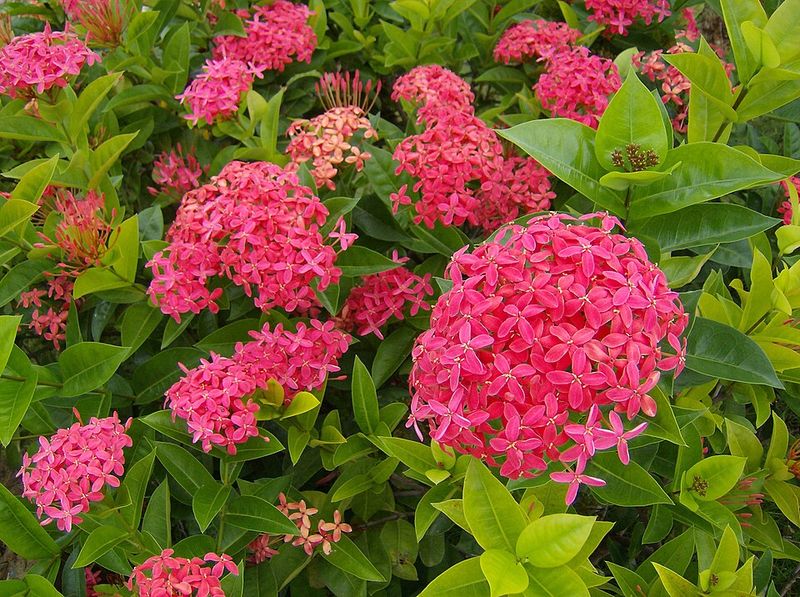
For years, many Florida homeowners assumed native landscapes would be dismissed as too messy, too wild, or not polished enough for neighborhood rules. That perception is changing as HOAs, municipalities, and water management agencies respond to drought concerns, maintenance costs, and public demand for more sustainable yards.
Native plants are getting replaced into the mainstream partly because the gatekeepers are changing their standards.
You can see it in updated landscape guidelines, demonstration gardens, and new developments that advertise Florida-friendly plant palettes as a selling point. Cities are promoting rain gardens and low-input planting zones, while some HOA boards are learning that formal rows of thirsty exotics create long-term headaches for residents and common areas alike.
Once natives are arranged with clear edges, mulch, and intentional spacing, they often read as tidy rather than unruly.
This matters because policy quietly shapes what people feel allowed to plant. Homeowners who were once nervous about complaints now have more examples to point to and better language for explaining their choices.
Contractors and designers are adapting as demand follows those rule changes. The result is a landscape culture shift where native plantings no longer look like a personal experiment on the odd lot, but a normal, approved, and increasingly desirable way to build a Florida yard.
More Wildlife-Friendly Yards
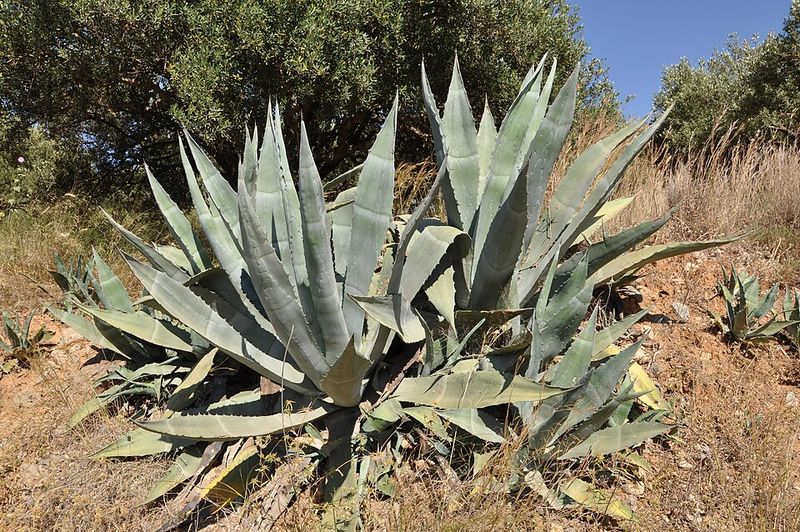
A surprising number of homeowners are discovering that a quiet yard is not always a healthy one. Traditional landscapes filled with clipped hedges and decorative imports may look controlled, but they often provide poor food, shelter, and nesting support for birds and other small wildlife.
Native plants are replacing those standbys because people want outdoor spaces that feel active, local, and connected to the environment around them.
Layered native plantings offer more than nectar. Berry-producing shrubs such as beautyberry and Simpson’s stopper feed birds, dense grasses create cover, and host plants support the insect life that nestlings depend on during breeding season.
Even small suburban lots can become useful habitat when the plant choices stop working against local wildlife and start cooperating with it.
This shift tends to build slowly, then become obvious. Someone adds a few natives, notices more birds at the feeder, then realizes the yard itself is doing more of the work than the seed ever did.
Families with kids often love that change because the garden becomes something to watch, not just maintain. A yard that supports butterflies, songbirds, and beneficial insects feels more memorable than one packed with generic ornamentals, and that emotional payoff is helping push native landscaping from niche preference into everyday practice.