
8 Florida Entry Path Plants That Look Pricey But Don’t Ask For Much Water
Follow us on Google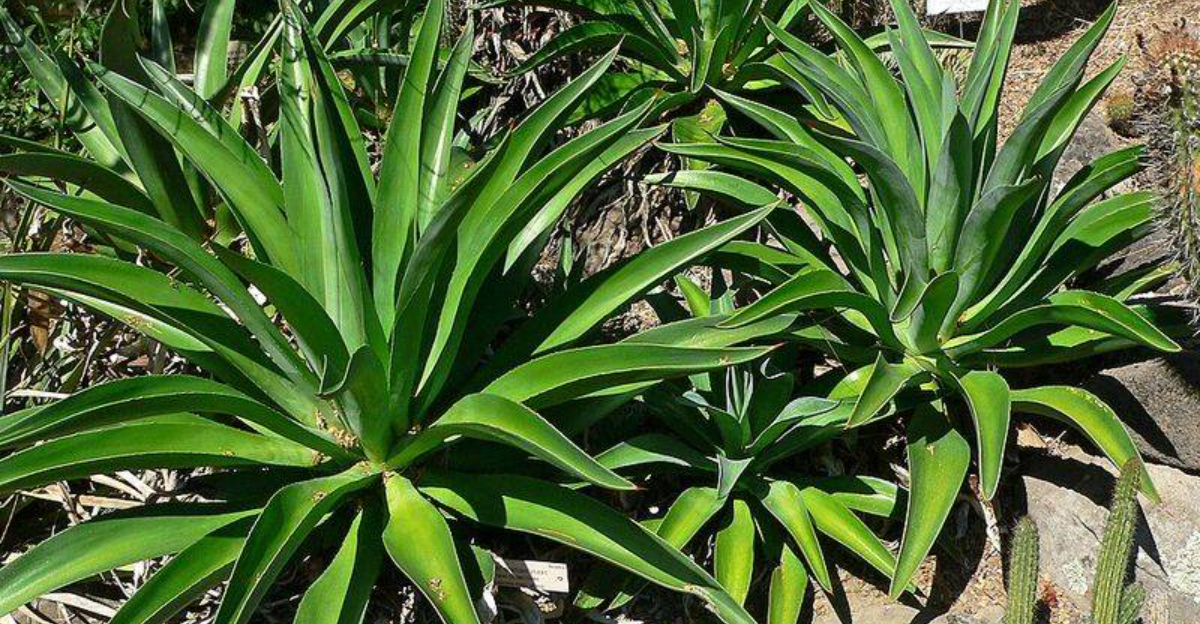
A front path can look polished and expensive without turning into a thirsty, high-maintenance project. In Florida, the smartest choices are plants that handle heat, sandy soil, and skipped watering without looking sparse or tired.
The trick is picking varieties with strong shape, clean color, and a naturally tailored presence. These eight plants give your entry a refined look while asking for surprisingly little in return.
Coontie
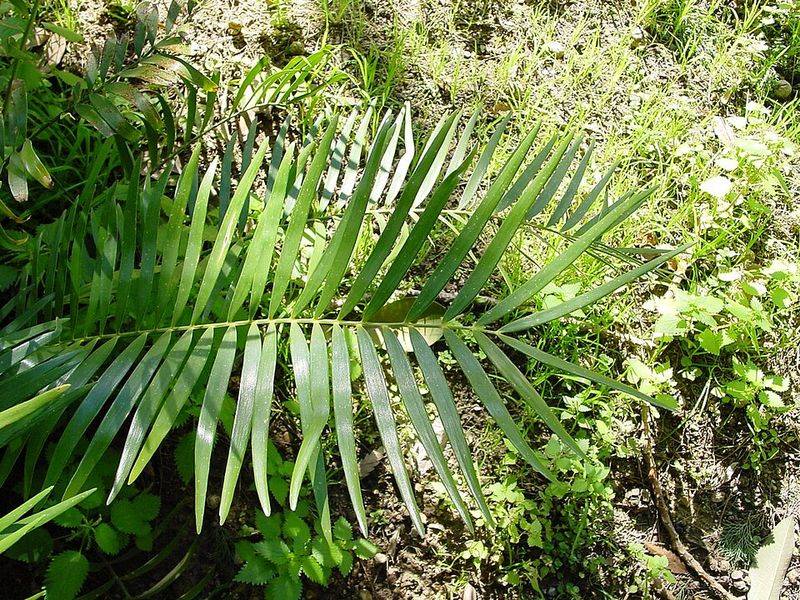
If you want a plant that makes an entry path feel designed instead of merely planted, this one earns its spot fast. Coontie has tidy, feathered foliage that reads like a small, curated cycad, so the whole walkway feels more architectural.
It gives you that resort-style calm without the fussy watering schedule many tropical-looking plants demand.
Once established in Florida, it handles drought far better than its polished appearance suggests. I like it along paths because it stays compact, rarely flops, and keeps its shape through heat, humidity, and reflected pavement warmth.
Use it in repeating clumps on both sides of the walkway, and suddenly basic concrete or shellstone looks intentional and expensive.
Drainage matters more than constant moisture, so avoid spots that stay soggy after summer storms. A light trim to remove older fronds is usually enough, which is ideal if you want a clean entrance without weekly chores.
Pair it with dark mulch, pale gravel, or simple uplighting, and you get a front path that looks like it belongs to a custom home, even if your water bill stays comfortably low.
Silver Buttonwood
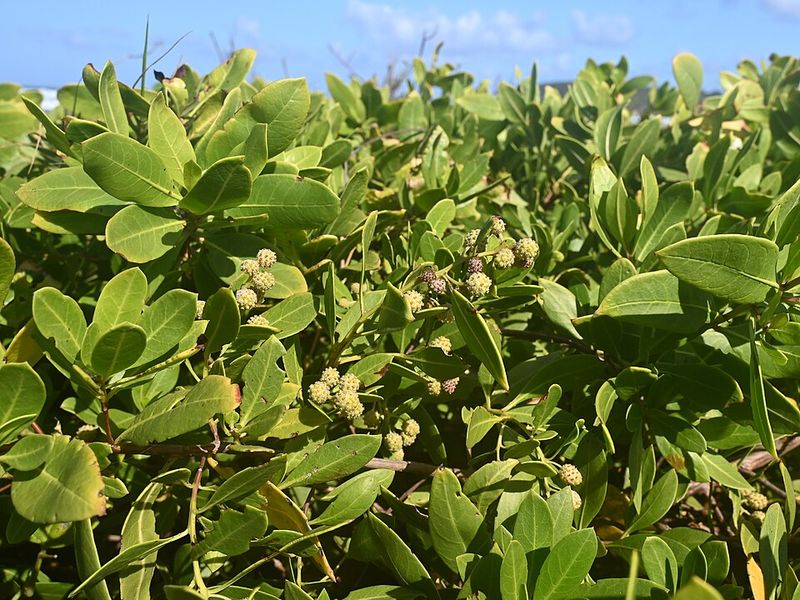
Soft silver foliage can make almost any front path look more polished, and that is exactly why this shrub stands out. Silver buttonwood has a cool, refined color that contrasts beautifully with warm stucco, brick, or shell paths, giving the entrance a designer feel.
It looks expensive because the leaf color is unusual, clean, and striking from the street.
In Florida, it is especially useful where heat bounces off driveways and front walks all afternoon. Once settled in, it tolerates dry conditions and coastal exposure well, which means you get style without babysitting a thirsty plant through every hot spell.
I find it works best when clipped lightly into loose mounds, keeping the look tailored but not stiff.
Give it sun and decent drainage, and it will reward you with dependable structure year-round. Use one on each side of the entry or repeat smaller groupings down a longer path for that upscale rhythm landscapers charge good money to create.
The silvery leaves also pair beautifully with charcoal pots, white stone, or black metal lighting, so your path ends up looking thoughtfully layered instead of overplanted, and you still avoid constant watering.
Society Garlic
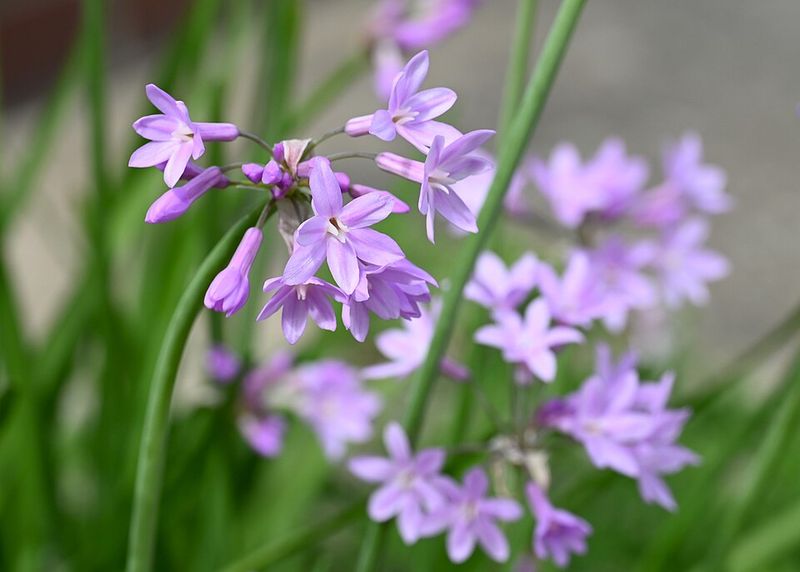
Color along a walkway does not need to be loud to look luxurious, and this plant proves it. Society garlic sends up slim leaves and airy purple flowers that soften hard edges without turning the entry into a maintenance project.
The effect feels collected and graceful, especially when repeated in neat drifts beside pavers or stepping stones.
Florida heat does not bother it much once roots are established, and that is a big win near sunny paths where irrigation can be inconsistent. I like how the upright foliage stays ordered, so even when it is not blooming, the plant still contributes a deliberate, tidy line.
That kind of structure is what makes a small front walk feel professionally planned rather than randomly filled.
Plant it where you can brush past the leaves occasionally, because the mild garlicky scent can also discourage some pests. It performs best in full sun and well-drained soil, and it usually needs only occasional cleanup of older foliage or spent stems.
Tuck it near white gravel, dark mulch, or pale concrete, and those purple blooms suddenly look far more expensive than they are, all while keeping your watering needs pleasantly low.
Blue Daze
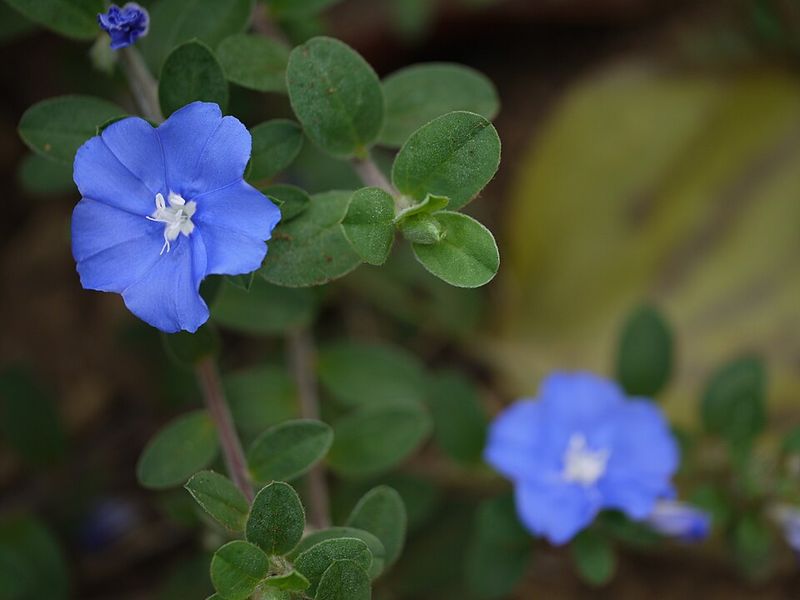
A little spill of blue at the edge of a path can make a home feel instantly more curated. Blue daze forms a low, trailing carpet with small silvery-green leaves and bright sky-blue flowers that catch the eye without looking messy.
That combination gives plain walkways a softer, more finished border, almost like a custom detail added after the hardscape was built.
In Florida, it shines in hot, sunny spots where some flowering plants burn out or beg for constant moisture. Once established, it handles dry periods well, and I appreciate how it stays low enough that it never crowds the path or trips anyone walking in with groceries.
You get color and texture without the overgrown look that can make an entry feel neglected instead of elegant.
Good drainage is important, so this one is happiest where water moves through the soil rather than sitting around roots. Use it to trail along the front edge of beds, weave between stepping stones, or soften a mailbox-side path near the entry.
When paired with boulders, gravel, or simple tropical foliage, those blue flowers read as a thoughtful design move, giving you a high-end look that does not come with high water demands.
Muhly Grass
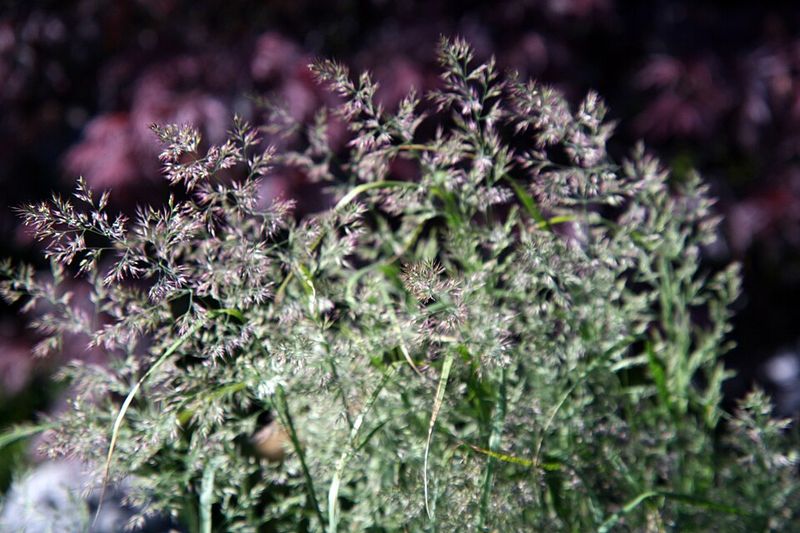
Texture can do as much for curb appeal as flowers, and this grass is proof. Muhly grass forms a clean green fountain most of the year, then sends up airy pink plumes that make the entire entry path look styled for a magazine shoot.
It adds movement, softness, and that slightly upscale feel people usually associate with professionally designed landscapes.
Florida gardeners love it for good reason: once established, it is impressively drought tolerant and comfortable in heat. I like using it where a path needs height without heaviness, because the clumps stay defined and let light pass through instead of creating a bulky wall of foliage.
Plant it in repeating groups, and even a short builder-grade walkway suddenly gets rhythm and visual depth.
Full sun brings the best shape and strongest flowering, while occasional trimming keeps the plant looking fresh instead of shaggy. Give each clump enough room so the fountain form can show off, especially near bends or widened path sections where it can frame the approach.
Paired with crisp edging, gravel, or simple evergreen shrubs, it creates an expensive-looking contrast of structure and softness, all while staying refreshingly undemanding on the watering front.
Dwarf Yaupon Holly
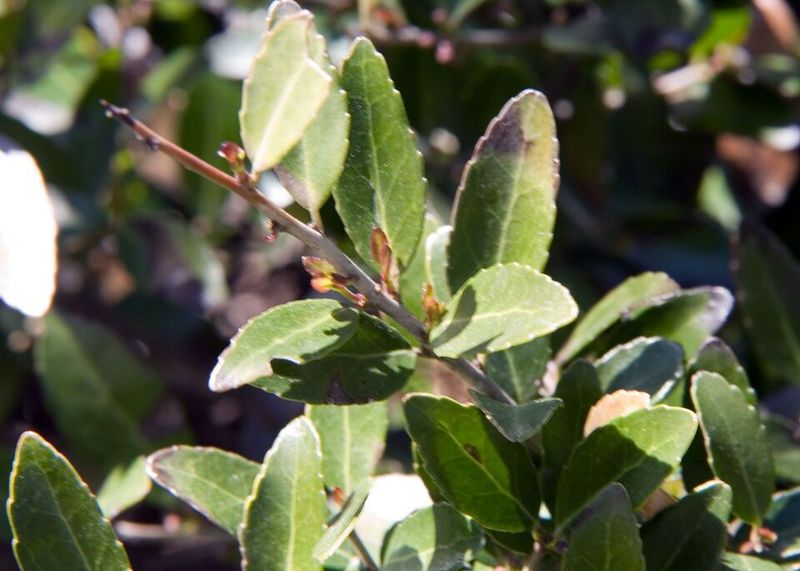
Sometimes the most expensive-looking path plant is the one that stays neat all year and never looks like it is trying too hard. Dwarf yaupon holly forms dense, compact mounds that give an entry route structure and balance, much like clipped boxwood but with better toughness for Florida conditions.
That reliable shape instantly makes a walkway feel more formal and intentionally designed.
After establishment, it tolerates dry spells well, which matters if your front yard gets heat, reflected glare, and irregular irrigation. I recommend it for homeowners who want the polished look of evergreen geometry without constant trimming, because it naturally holds a rounded form better than many fussier alternatives.
Along a path, those green mounds create repetition and calm, helping the whole approach feel more expensive.
Use it as a low border, as paired anchors near the front steps, or in staggered groups beside wider entry walks. It handles sun to partial shade, and a simple shaping once in a while is often all it needs to stay crisp.
Add white stone, brick edging, or a pair of understated planters nearby, and the effect is quietly refined rather than flashy, which is often exactly what makes a Florida entrance feel elegant and timeless.
Foxtail Fern
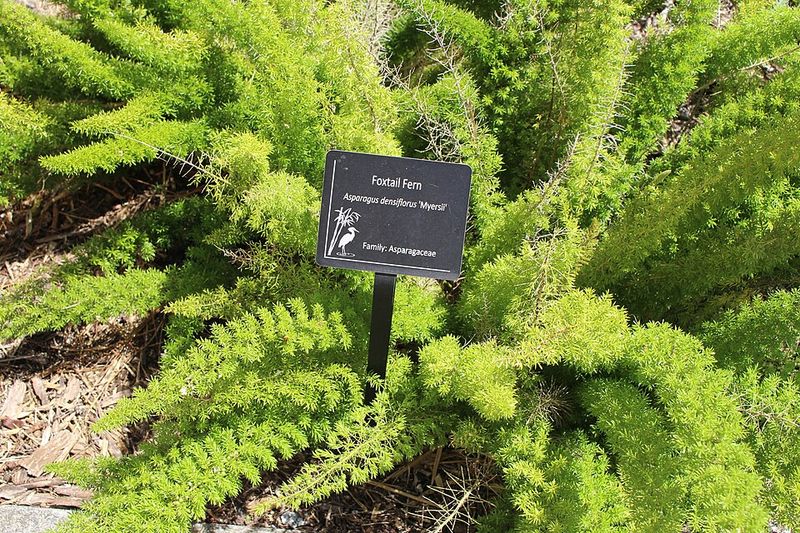
A shaded or partly shaded path still deserves a polished planting plan, and this plant brings exactly that. Foxtail fern has dense, upright plumes that look soft from a distance but read as sculptural when repeated along a walkway.
The shape feels tailored and a bit unexpected, which is often the secret behind landscapes that seem more expensive than they really are.
Florida homes with covered entries, side approaches, or filtered light can use it to add tropical character without chasing constant moisture. Once established, it handles dry conditions better than its fresh, plush look suggests, and I like how each clump keeps a naturally rounded form.
That means you get visual order with less clipping, less fuss, and less water than many broadleaf tropical choices.
Plant it where the soil drains well and where heavy foot traffic will not crush the plumes. It pairs beautifully with coontie, cast stone, dark mulch, and understated lighting, especially if you want a path that feels serene instead of overly busy.
Use several in rhythm rather than one lonely specimen, and the entry instantly gains a layered, boutique-hotel quality that looks carefully designed, even though the maintenance list stays pleasantly short.
Agave desmettiana
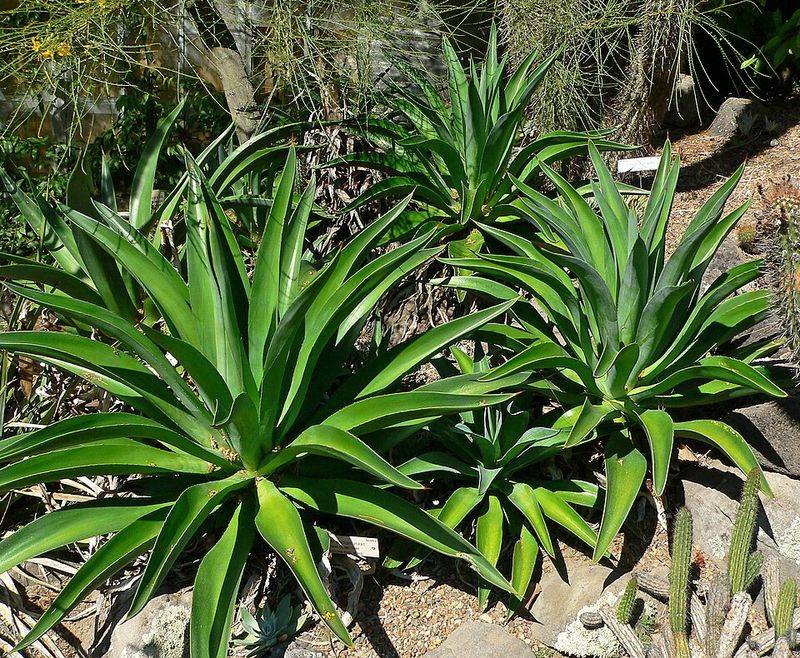
For a front path that feels sleek and expensive, strong plant form matters as much as color. Agave desmettiana offers smooth, arching leaves in a sculptural rosette that gives the entrance a modern, architectural edge.
It looks like something chosen by a designer because each plant acts almost like living sculpture beside pavers, gravel, or clean-lined steps.
In many parts of Florida, it performs well in sunny, well-drained spots and asks for very little water once established. I would use it as an accent instead of a massed border, especially near path turns, entry corners, or focal points where its shape can really stand out.
That restraint is part of what makes it feel upscale, since a few well-placed rosettes often look better than a crowded bed.
Be mindful of placement so leaves do not jut into walking space, and give it room to show its natural symmetry. It pairs especially well with silver foliage, crushed shell, and simple evergreen mounds that soften the stronger lines.
If your goal is a front path that feels current, clean, and surprisingly low effort, this agave delivers a premium look while staying far less thirsty than many plants people assume are necessary for drama.