
How To Bring More Eastern Bluebirds To Your Florida Yard This Spring
Follow us on Google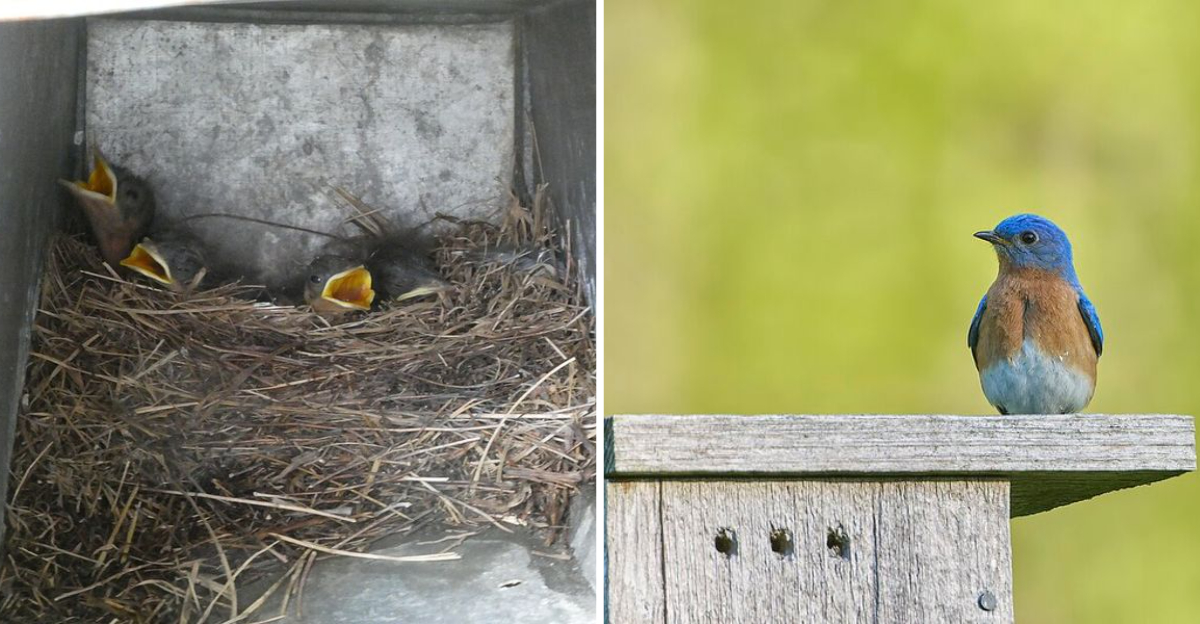
A Florida yard can become a bluebird hotspot in spring if you give these birds exactly what they want. Small changes in placement, food, and mowing habits often make a bigger difference than expensive upgrades.
If you have ever watched a bright blue male scan the lawn and wished he would stay, this guide will show you how to make your space hard to resist. The best part is that most of these steps are simple, affordable, and easy to start this week.
Choose An Open Hunting Area
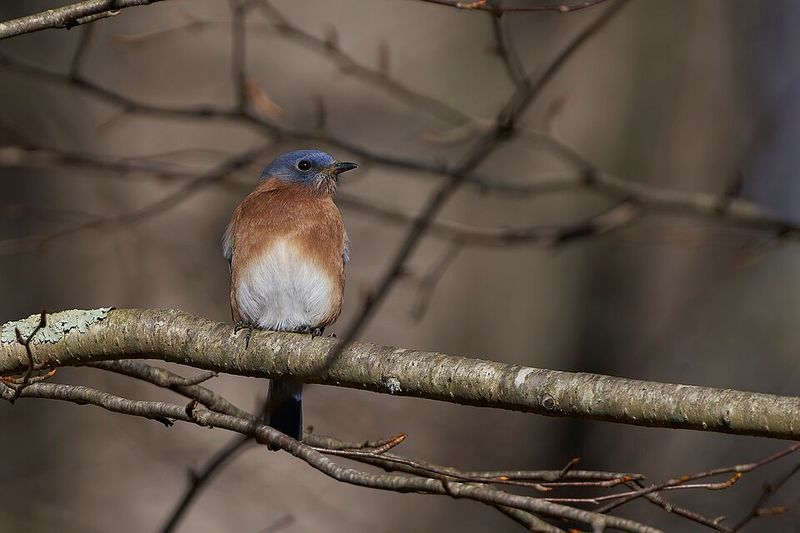
Bluebirds are visual hunters, so the first thing I focus on is creating open space where they can spot insects from a perch. In many Florida yards, that means resisting the urge to fill every corner with dense shrubs, tall ornamental grasses, or cluttered patio decor.
A wide view of the ground helps these birds drop quickly onto beetles, caterpillars, crickets, and other spring food.
You do not need a huge property to make this work. A modest patch of shorter grass, a lightly managed side yard, or even an open strip near a fence can become useful feeding territory if the sightlines stay clear.
I would keep a few shady trees nearby, but leave enough sunny ground between them for active hunting.
Freshly mulched beds are pretty, yet too much mulch can reduce insect-rich foraging spots. A better balance is mixing lawn, bare soil patches, and native plant edges where bugs are plentiful.
If your yard currently feels packed, thinning it a little may do more for bluebirds than adding anything new.
That open look often signals safety, food, and easy access, which is exactly what a nesting pair wants in spring.
Install The Right Nest Box
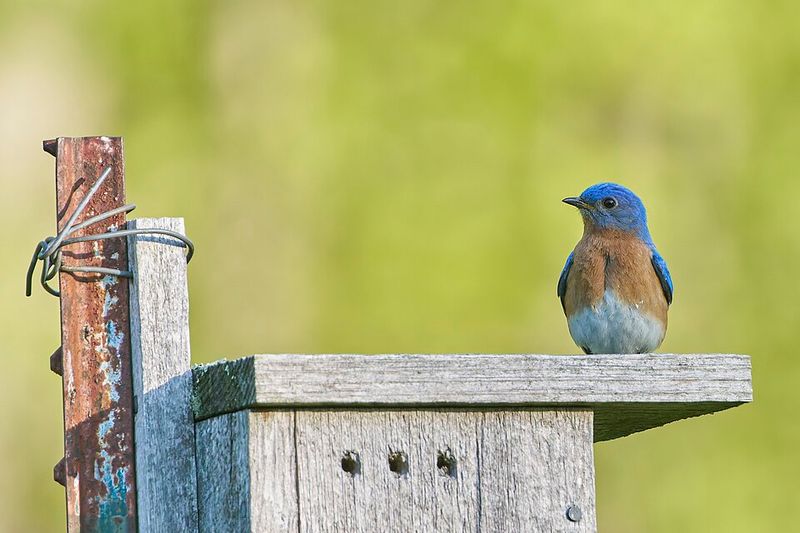
A well-designed nest box is often the deciding factor that turns a passing pair into regular visitors. Eastern bluebirds prefer cavities, and in many neighborhoods natural holes are limited because old trees get removed or trimmed before they can decay.
Giving them a safe, properly sized box can fill that gap beautifully.
For Florida yards, I look for a box with a 1.5-inch entrance hole, good ventilation, drainage, and untreated wood construction. The interior should be simple rather than fancy, because flashy add-ons do not help birds and can even create hazards.
Easy front or side access matters too, since you will want to monitor and clean it without disturbing the structure.
Placement matters almost as much as the box itself. Mount it about four to six feet high, facing an open area, and keep it away from busy walkways where constant human movement can stress a nesting pair.
A metal pole usually works better than a tree trunk because it is easier to protect from predators.
If the box is sturdy, sized correctly, and placed thoughtfully, you give bluebirds a practical invitation instead of a decorative gesture.
Add Safe Perches Around The Yard
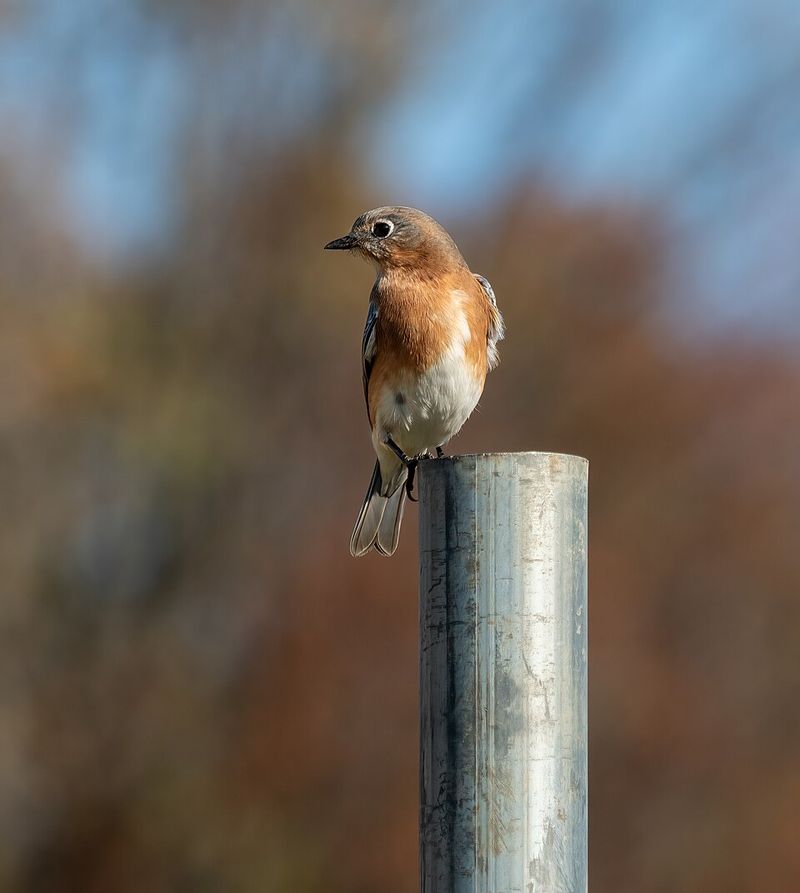
Perches make a yard far more useful to bluebirds because these birds love to watch the ground before making a quick drop onto prey. In a polished landscape, there are often fewer natural lookout points than you might expect.
Adding a few simple options can quietly increase their hunting success.
I like to think in terms of practical stations rather than decorations. Fence posts, clothesline poles, trellis tops, and bare branches placed near open grass all give bluebirds a place to pause, scan, and feed.
You do not need dozens of them, just enough to create a comfortable route across the yard.
Height matters, but extreme height is not necessary. Perches roughly three to six feet above the ground are often ideal because they give a clear view without forcing the bird too far from its target.
If your yard has only dense hedges and smooth walls, adding a few vertical elements can make the whole space more bluebird-friendly.
Natural-looking materials tend to blend in best and support the relaxed feel these birds seem to prefer. A yard that offers good visibility plus easy landing spots feels efficient, safe, and worth returning to every day.
Keep Mealworms As A Supplemental Treat
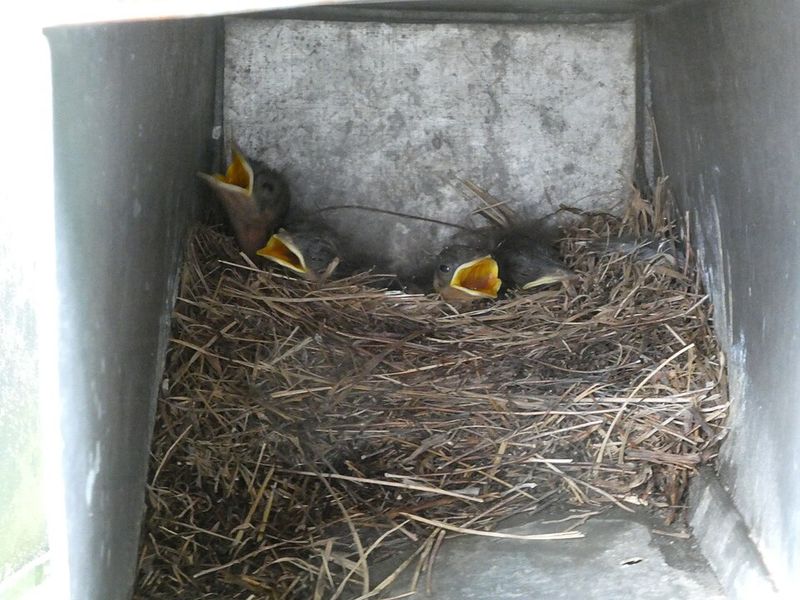
Supplemental food can help bluebirds notice your yard faster, especially early in spring when natural insect supplies may fluctuate. Mealworms are the classic choice because bluebirds recognize them quickly and often return once they learn the feeder is reliable.
This is not about replacing wild food, but about giving them one more reason to stay nearby.
A shallow dish or a feeder designed specifically for bluebirds usually works best. I would place it in a quiet, visible spot near open ground and away from heavy squirrel traffic.
Offering only a modest amount keeps the setup tidy and encourages birds to continue hunting naturally across the yard.
Consistency matters more than volume. If you put mealworms out randomly once every two weeks, bluebirds may never build the habit of checking your yard.
A small daily offering during active nesting and courtship periods is usually more effective than occasional overfeeding.
Cleanliness is essential because damp food, droppings, and old debris can spread disease. Fresh mealworms, washed feeders, and sensible portions make the routine easy to maintain.
Once a pair connects your yard with dependable food and safe nesting space, their visits often become much more regular.
Plant Native Berry And Insect-Friendly Species
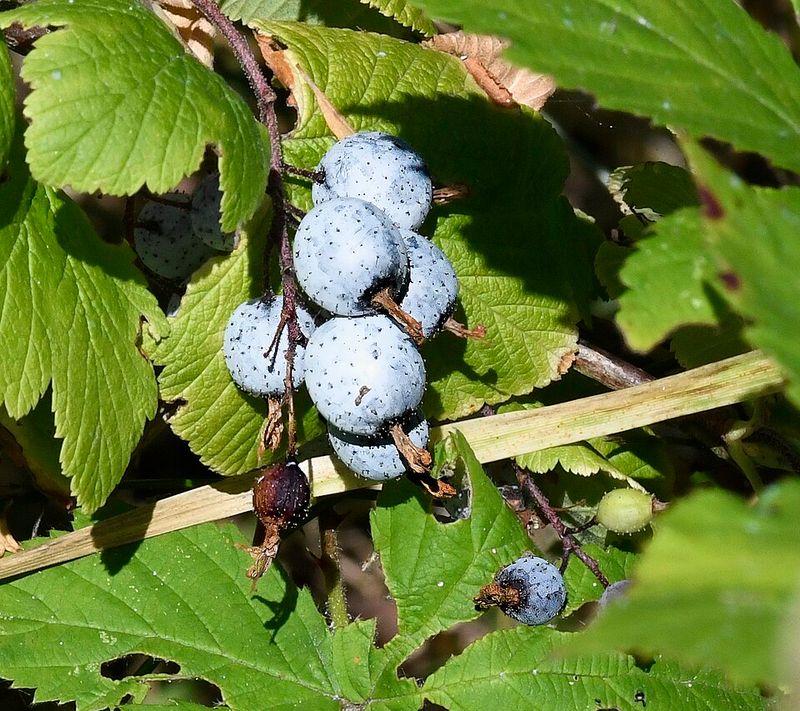
Plants shape the entire food web, so bluebirds benefit most when a yard supports insects first and berries second. In Florida, native choices tend to host more caterpillars, beetles, and other prey than many imported ornamentals.
That means your landscape can feed bluebirds indirectly long before fruit even appears.
I would build around a mix of open lawn and wildlife-friendly plantings instead of turning the whole space into one dense thicket. Beautyberry, wax myrtle, elderberry, and firebush can add shelter and seasonal food without blocking every hunting lane.
Native oaks and pines nearby also help by supporting insects that adult birds gather for hungry nestlings.
Spacing is part of the strategy. Bluebirds like edges, meaning the transition zones where open ground meets shrubs, fence lines, or lightly wooded areas.
Those boundary spaces often hold abundant prey while still letting birds watch for danger.
If your yard currently relies on tidy exotic hedges, swapping even a portion of them for native species can shift the habitat dramatically. You are not just planting for looks.
You are creating a working landscape where insects thrive, berries appear at the right times, and bluebirds find reasons to keep coming back.
Avoid Pesticides And Broad Lawn Chemicals
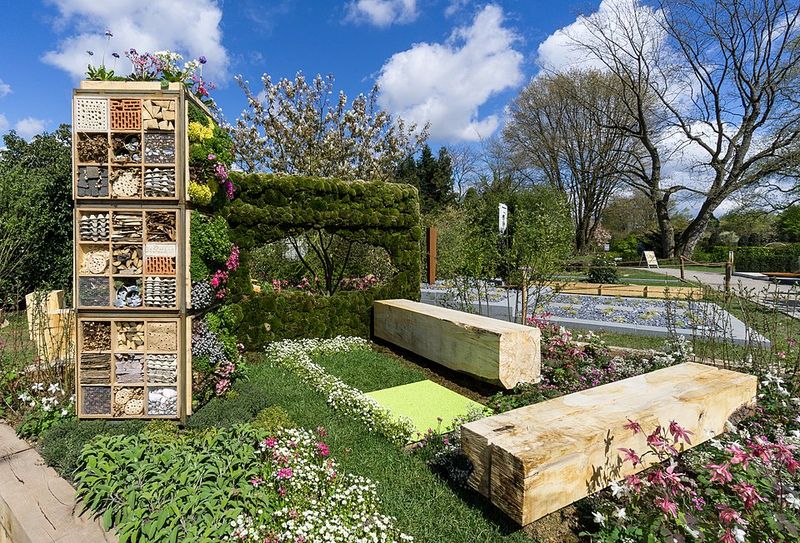
Chemicals used to create a spotless yard often remove the exact food bluebirds are searching for in spring. Insecticides reduce beetles, grasshoppers, and caterpillars, while some lawn treatments can disrupt the tiny ecosystem that keeps prey available over time.
A yard can look perfect to us and still feel empty to a bluebird.
That is why I lean toward tolerating a little mess and a few harmless bugs. Minor leaf damage, a less uniform lawn, and occasional weeds are small tradeoffs if the result is a healthier habitat.
Bluebirds feed heavily on insects during nesting season, and that demand rises quickly once chicks hatch.
If you do need intervention, targeted methods are far better than blanket spraying. Hand-pulling invasive weeds, spot treating only severe issues, and choosing the least toxic options can reduce collateral damage.
It also helps to avoid applying any chemicals near nest boxes, feeders, or favorite foraging areas.
One of the easiest mindset shifts is to stop treating every insect as a problem. Many are part of the menu that makes your yard valuable.
When prey stays plentiful, adult birds spend less time searching elsewhere and more time defending territory, feeding young, and returning to your property day after day.
Use Predator Guards On Nest Boxes
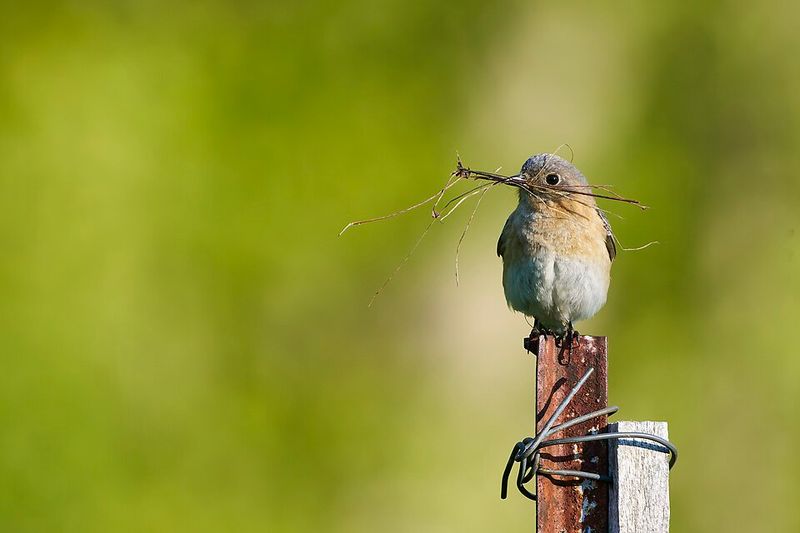
Predator protection is one of those details that feels optional until a nest fails. Snakes, raccoons, cats, and other opportunistic hunters can raid boxes quickly, especially in suburban Florida where wildlife and pets overlap.
A safe-looking box without a guard may attract bluebirds but still leave them vulnerable.
I strongly prefer mounting boxes on smooth metal poles fitted with a proper baffle. That setup is much harder for predators to climb than wood posts, trees, or fence lines.
Keeping the area beneath the box clear of stacked pots, tall weeds, or decorative items also removes convenient launch points.
Cats deserve special attention because even well-fed pets will stalk birds. If your neighborhood has roaming cats, box placement away from dense ambush cover becomes even more important.
It helps to talk with neighbors too, since a shared understanding about outdoor cats can improve nesting success across the block.
Bluebirds choose sites that feel secure, and repeated failure can cause them to abandon an area. A predator guard does more than protect eggs and nestlings.
It increases the odds that a pair will settle, raise young successfully, and remember your yard as a place worth claiming again next spring.
Offer Clean Water For Drinking And Bathing
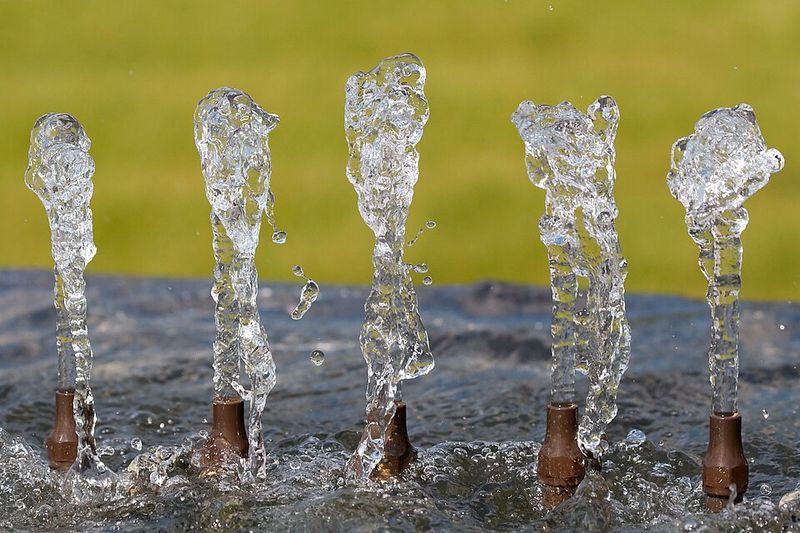
Water draws birds in fast, and bluebirds are no exception when the source is clean, shallow, and easy to approach. In Florida spring weather, a dependable bath can become part of a bird’s daily route through the neighborhood.
It does not need to be elaborate to be effective.
A simple birdbath with one to two inches of water is usually enough. I would place it where birds have a clear view of the surroundings, with a perch or shrub nearby for quick retreat if they feel exposed.
Gentle movement from a dripper or bubbler can make the bath even more noticeable.
Clean water matters more than fancy design. Dumping and refilling every day or two helps prevent algae, mosquito breeding, and disease buildup, especially during warm spells.
If the basin is deeper than ideal, adding a few flat stones can create safer footing for smaller birds.
Location makes a big difference. A bath tucked into heavy foliage may stay hidden or invite predators, while one set near open lawn complements bluebird feeding habits.
Once birds connect your yard with safe water, they often linger longer, check nearby perches, and pay closer attention to nest boxes and food sources.
Mow Less Often During Peak Nesting Season
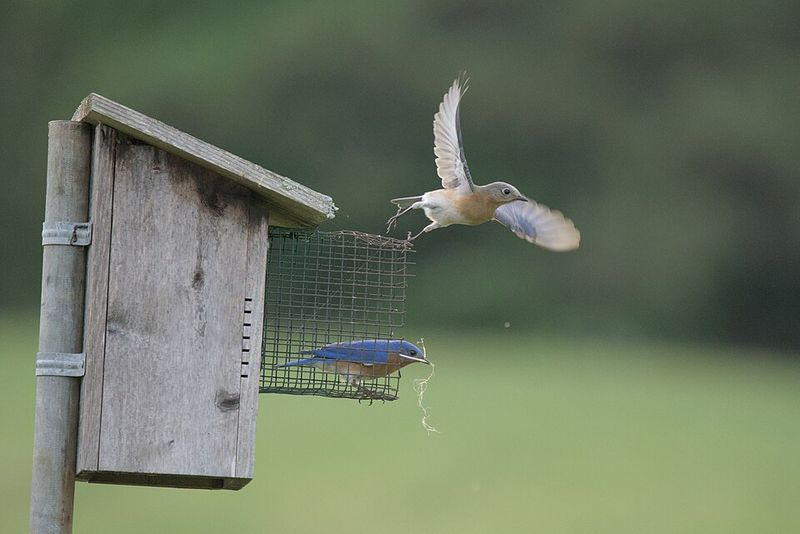
Short grass can help bluebirds hunt, but nonstop mowing can work against you if it strips away insect activity. The goal is not neglect.
It is a smarter rhythm that preserves visibility while still allowing enough life in the lawn to keep birds interested. Many Florida homeowners cut too often without realizing they are reducing forage.
I aim for a middle ground. Letting grass grow slightly between mowings encourages insects and creates a more active feeding area, especially along edges where lawn meets beds or fence lines.
You can still keep key sections shorter while allowing less formal corners to remain a bit taller and richer in prey.
Timing also matters. Avoiding noisy mowing near active nest boxes can reduce stress for breeding pairs, particularly during egg laying and early chick stages.
If you know bluebirds are using your yard heavily, a quick check before yard work is worth the extra minute.
This approach often looks more natural and supports more than just bluebirds. Butterflies, native bees, and other beneficial insects benefit too, which strengthens the whole backyard food chain.
A slightly less manicured lawn may be exactly what convinces bluebirds that your property offers better spring feeding than the one next door.
Monitor Boxes And Reduce Competition
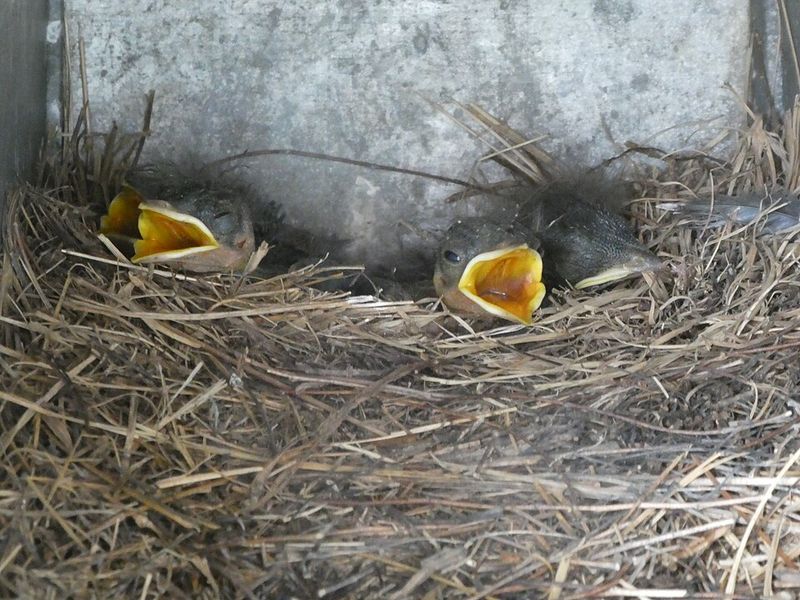
Regular monitoring helps you protect bluebirds without becoming intrusive. In many Florida neighborhoods, the biggest challenge is not attracting them once, but helping them hold onto a nesting site against aggressive competitors.
House sparrows and sometimes wrens can complicate things quickly, so paying attention matters.
I check boxes briefly and calmly about once a week, choosing times when adult birds are less stressed. The goal is to confirm that the box remains dry, secure, and used by the right species rather than opening it constantly.
Knowing the difference between bluebird nests and invasive house sparrow nests is especially helpful because early action can prevent a takeover.
Good spacing reduces conflict too. If you put boxes too close together in a small yard, territorial disputes may push birds away.
One well-placed box is usually better than several poorly positioned ones that invite confusion or competition.
Monitoring also lets you clean boxes between broods and remove old nesting material at the right time. That simple maintenance can improve hygiene and encourage another attempt in the same season.
When you stay observant without hovering, you give bluebirds a safer, calmer place to raise young successfully.