
Why Every Texas Porch Needs Rosemary Growing Right Beside The Door This Fall
Follow us on Google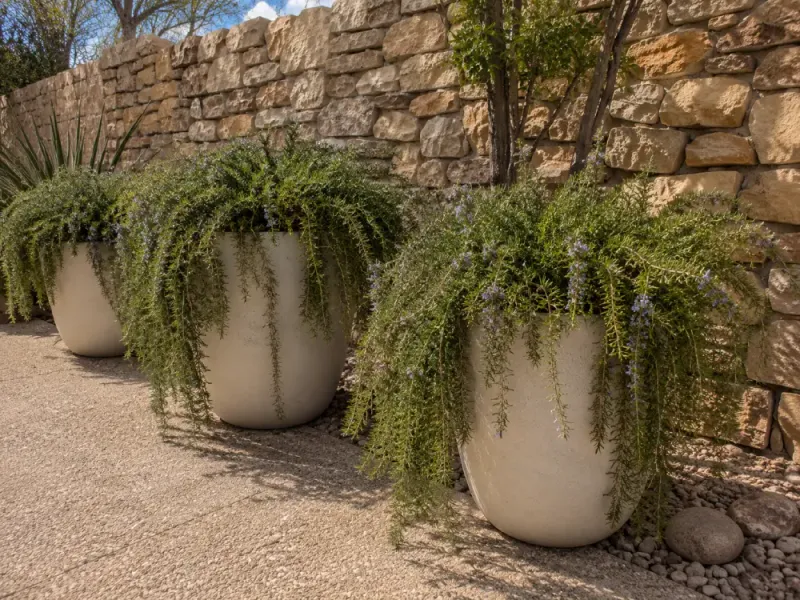
Step outside on a cool October morning, brush your hand along a sprig of rosemary beside the door, and the whole porch smells like a Hill Country kitchen.
That one moment is why so many Texas gardeners keep reaching for this plant every fall.
Rosemary, Salvia rosmarinus, can genuinely transform a sunny, well-drained entryway into something more fragrant, more useful, and more alive.
But it is not the right fit for every porch, and getting the most out of it means matching the plant to your specific conditions rather than assuming it thrives anywhere.
Why Rosemary Fits Many Texas Porches
Rosemary, known botanically as Salvia rosmarinus and formerly listed as Rosmarinus officinalis, earns its place on many Texas porches through a combination of traits that few other herbs can match.
Its foliage stays green year-round in suitable locations, its leaves are edible and aromatic, and once it settles in, it handles the kind of heat and dry stretches that send less-adapted plants into distress.
Texas A&M AgriLife Extension describes rosemary as a hardy herb that thrives in hot, dry climates, which lines up well with the long summers most of the state delivers.
The plant performs best in full sun, meaning at least 6 hours of direct sunlight each day, and in soil or a growing medium that drains quickly after rain or watering.
A covered north-facing porch that stays shaded most of the day is not a good match.
But a south- or west-facing entry that gets strong afternoon light?
That is where rosemary genuinely feels at home.
Placing it right beside the door is not just a design choice.
The NC State Extension plant profile for Salvia rosmarinus notes its aromatic, fragrant foliage as a landscape feature, and the fragrance becomes most noticeable when someone brushes against the leaves or handles a stem in passing.
A porch entry is exactly the kind of spot where that contact happens naturally, every single day.
The honest version of this recommendation is conditional: rosemary can be a strong fall porch plant for many Texas homes when the site offers sun, drainage, and realistic winter planning.
Missouri Botanical Garden’s plant profile lists it as suited to dry to medium moisture with good drainage, reinforcing that the fit depends on conditions, not just geography.
Let the Entryway Carry the Fragrance
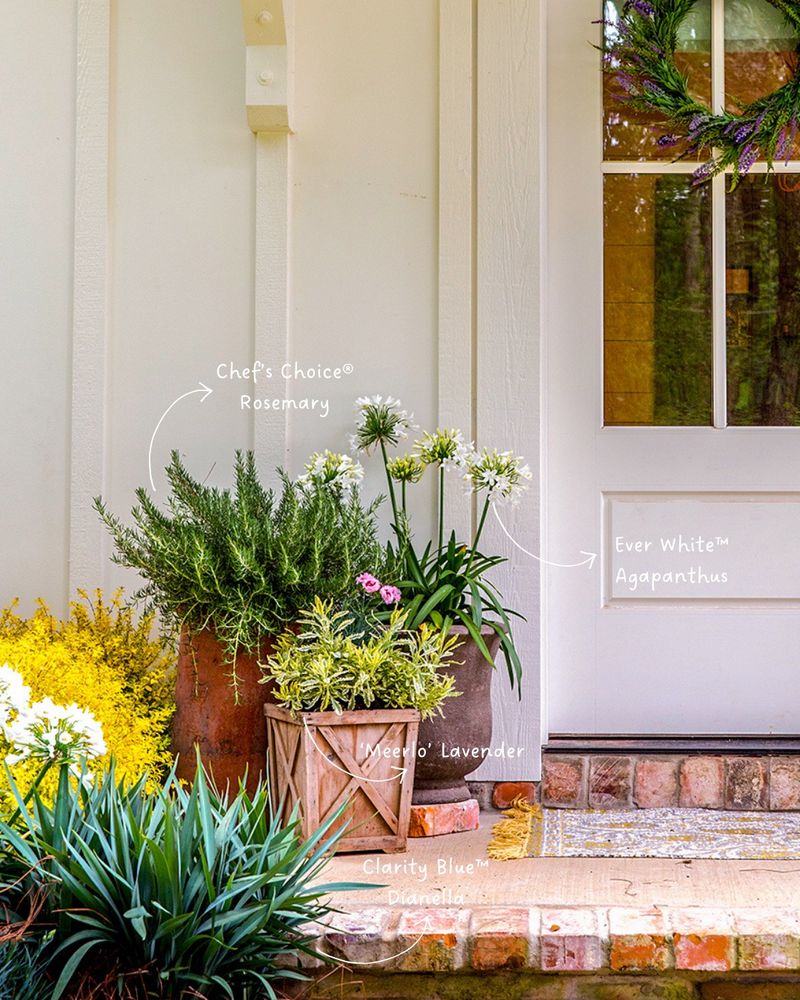
The heat tolerance gets most of the attention, but the fragrance is what actually changes how it feels to step outside.
Run your fingers through the foliage on the way to your car and the scent follows you.
Come home in the evening, brush the stems while unlocking the door, and there it is again, that sharp, resinous smell that is almost impossible to ignore.
It is one of the more effortless sensory upgrades a porch can get.
Missouri Botanical Garden’s fragrant plants guide includes rosemary among plants valued specifically for their aromatic foliage, and the scent is most noticeable when you actually touch the plant.
Pruning, harvesting, or simply brushing past a well-placed container near the entry releases it reliably.
You do not need to do anything special to enjoy it, you just need to walk by.
Here is where it gets tricky, though.
Some articles promise that growing rosemary beside the door will keep mosquitoes and other pests away.
That claim goes further than the plant can actually deliver.
Research on herbal essential oils as repellents has examined rosemary oil in controlled laboratory settings, but a living potted plant outside your front door does not release a measured concentration of oil around the people standing near it.
The fragrance of a rosemary plant and the concentrated extract used in lab assays are two very different things.
EPA guidance on insect repellents is clear that products intended to repel pests require registration and approved labeling.
A potted rosemary plant is not a registered repellent.
Enjoy the scent for what it genuinely is: a sensory benefit that makes your entryway more pleasant, not a barrier against outdoor insects.
Give Rosemary Sun Without Saturating Its Roots
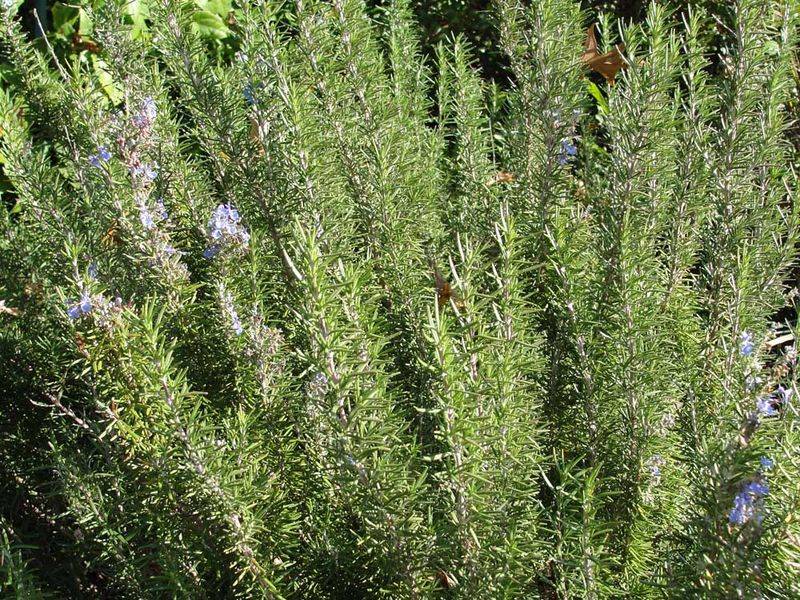
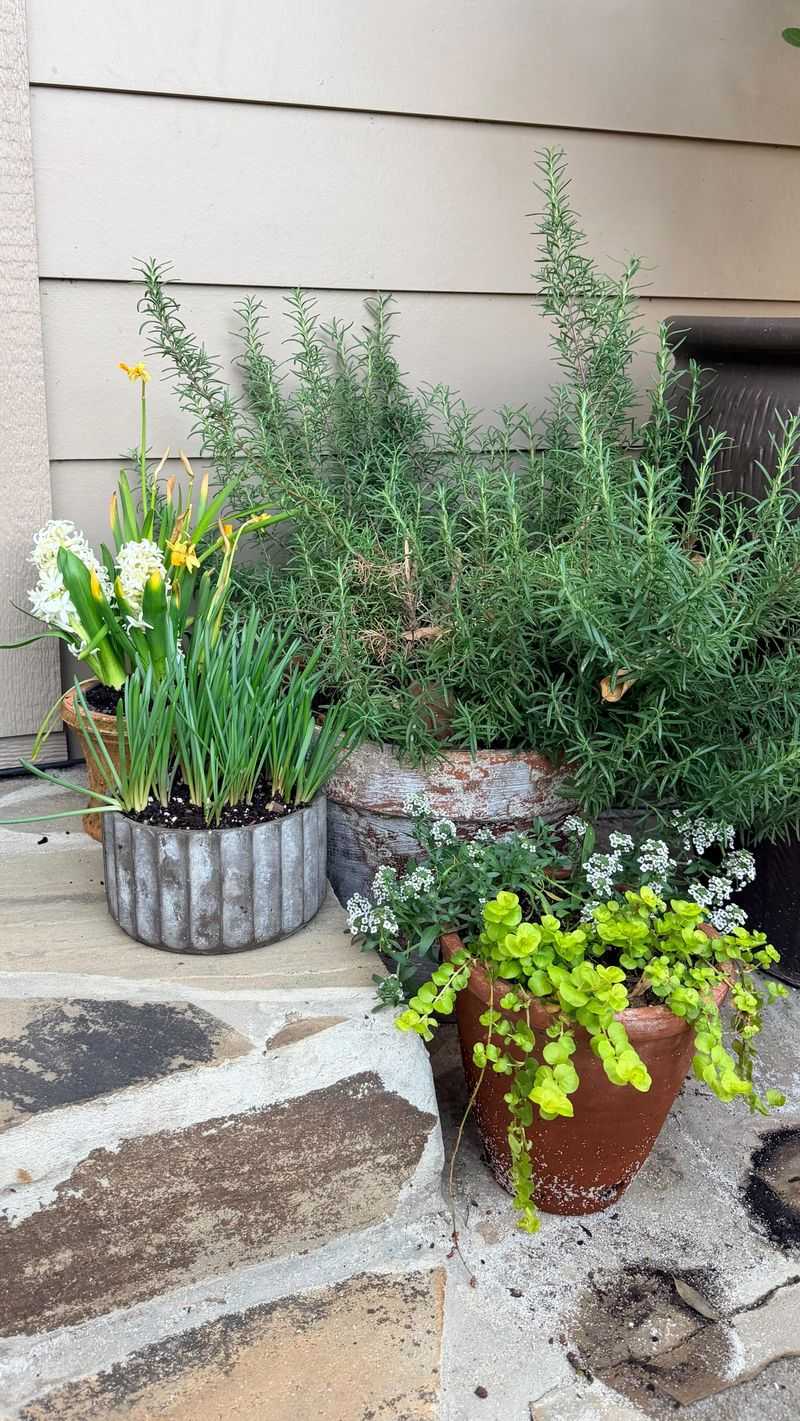
Sunlight and drainage are not negotiable for rosemary.
The plant wants at least 6 hours of direct sun daily, with full sun preferred.
Anything less and it grows slowly, loses its density, and becomes more vulnerable to the root problems that follow when the soil does not dry out properly between waterings.
A shaded or heavily covered porch is simply the wrong site unless you can move the container into stronger light for most of the day.
NC State’s Salvia rosmarinus profile lists dry to medium moisture and well-drained soil as key requirements, and Missouri Botanical Garden’s entry flags poor drainage as a primary cause of failure.
That matters a lot in Central Texas blackland clay, Gulf Coast soils that stay wet after heavy rain, and containers without adequate drainage holes.
Saturated roots will kill a rosemary plant faster than any Texas summer.
The drought tolerance people talk about is real, but it applies to established plants, not newly planted ones.
A rosemary you put in the ground or into a container this fall needs consistent attention while its roots spread.
Texas A&M AgriLife’s rosemary guide emphasizes avoiding overwatering and allowing the site to drain thoroughly.
General herb guidance from extension resources suggests roughly 1 inch of water per week during dry periods, but that is a starting point, not a fixed rule for rosemary specifically.
The more reliable approach is to water deeply when the root zone has begun to dry, then wait before watering again.
Texas A&M’s vegetable and herb watering guidance supports this kind of responsive watering over a rigid daily schedule.
Feel the soil a few inches down.
If it is still damp, wait.
If it is dry and the leaves look slightly dull, water thoroughly and let it drain completely.
Match Fall Planting to Your Texas Winter
Fall planting makes good sense for rosemary in many parts of Texas because the cooler temperatures give roots time to settle in before the heat of next summer arrives.
But fall in Texas is not the same experience from one end of the state to the other, and a single planting date does not work statewide.
The Gulf Coast and Lower Rio Grande Valley can often plant well into November without freeze worry.
The Panhandle and colder parts of North Texas need a more careful eye on the calendar and the forecast.
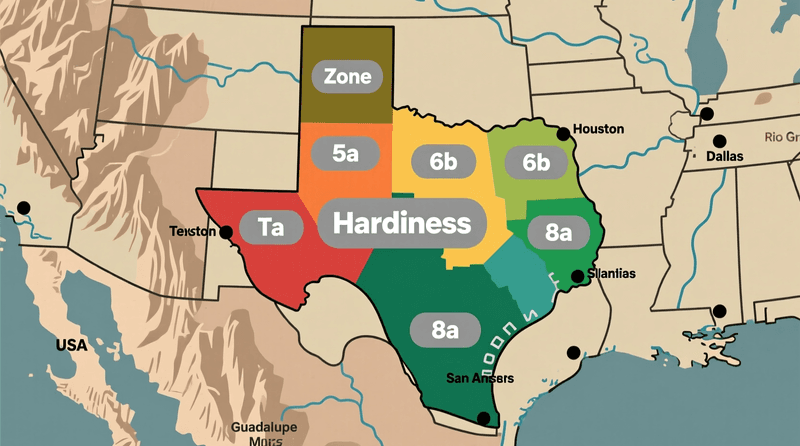
The USDA explains that its plant hardiness zone map reflects average annual extreme minimum temperatures, not a promise about any specific winter.
Texas ranges from roughly Zone 6b in the northwest to Zone 10b near the southern tip, as shown on the national hardiness zone map.
Rosemary is generally rated for Zones 8 through 10, which means gardeners in colder zones are working outside the plant’s reliable range and should plan accordingly.
What that looks like in practice: a gardener in Corpus Christi can plant a rosemary in the ground in October with reasonable confidence.
A gardener in Amarillo, sitting in Zone 7a or colder, should seriously consider a container that can come inside or onto a sheltered porch during hard freezes.
Texas A&M AgriLife’s fall gardening guide supports timing planting around local frost risk rather than a statewide date.
Missouri Botanical Garden notes that even in suitable zones, a hard freeze can damage or kill rosemary that is not in a protected microclimate.
Temporary frost cloth during an unexpected cold snap can buy a plant time, but a movable container is the safer long-term answer for exposed or colder locations.
Use a Container When Texas Soil Fights Back
Texas soil is not one thing.
East Texas brings acidic sandy loam that drains fast but can dry out quickly.
The Hill Country and West Texas often sit on shallow alkaline soil over caliche that sheds water in some spots and traps it in others.
North and Central Texas blackland clay is notoriously slow to drain, and compacted builder’s soil around newer homes can hold standing water for hours after a rain.
In any of those situations, digging a planting hole and expecting rosemary to thrive is a gamble.
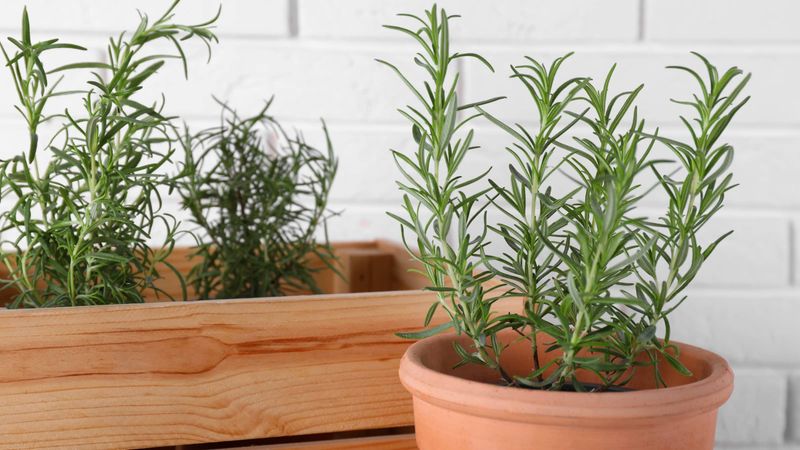
A container with drainage holes changes the equation.
Texas A&M AgriLife’s rosemary guide supports container culture as a practical option, and Texas A&M’s raised bed gardening guide explains how building above native soil gives roots the well-drained environment they need.
A raised bed works similarly, lifting roots above heavy or waterlogged ground and giving you control over the growing medium.
Texas A&M’s soil preparation guidance reinforces that amending native soil, especially clay, is a necessary step before planting anything that requires good drainage.
For a porch container, choose a pot large enough to hold at least 12 to 15 inches of growing medium and confirm that water drains freely from the bottom before you plant.
Elevating the pot slightly on feet or a stand helps too.
Place it in full sun, not tucked under an overhang where light is blocked for most of the day.
The mobility is a genuine advantage.
Missouri Botanical Garden’s profile notes that container plants can be moved to protected locations during hard freezes, which is exactly the kind of flexibility that makes rosemary viable farther north in Texas than it would be in the ground.
Choose the Form and Maintain It Carefully
Walking into a Texas nursery in fall, you will likely find at least two very different-looking rosemary plants on the same bench.
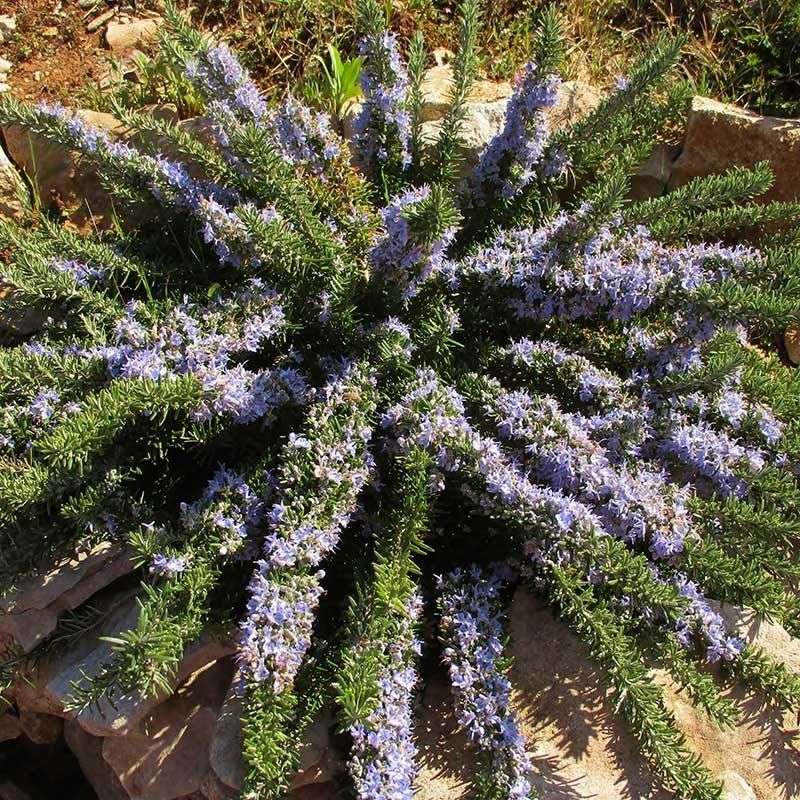
Upright forms grow tall and columnar, sometimes reaching 4 to 6 feet in good conditions, and they work well flanking a doorway or anchoring a container.
Creeping forms spread low and wide, sometimes several feet across, and suit a raised bed edge or a wide planter where horizontal spread is welcome.
The mature size on the label is worth reading before you buy.
Missouri Botanical Garden’s rosemary profile recommends allowing approximately 3 to 4 feet of space for a large upright plant, but that is guidance for a typical specimen, not a universal rule.
Some compact cultivars stay much smaller.
Follow the plant label for the specific variety you choose.
Texas A&M’s Growing Herbs in Texas guide recommends starting from a nursery transplant or a cutting rather than seed, because rosemary is slow to germinate and establishment from seed takes considerably longer.
Maintenance is straightforward but requires a little restraint.
Texas A&M AgriLife recommends clipping rosemary tops when the plant is in full bloom for the best harvest, and pruning lightly after bloom can encourage denser, bushier growth.
The part to avoid is cutting deeply into old, bare woody stems, what gardeners call old wood.
Rosemary does not reliably push new growth from bare wood the way some shrubs do, so aggressive cuts into the woody base can leave permanent bare patches.
The fragrance you notice when you brush past a stem or snip a sprig for the kitchen is a natural result of handling the foliage.
Texas A&M’s plant list notes rosemary’s aromatic quality as a landscape asset.
You do not need a regular clipping routine to release it, contact with the foliage through normal daily use is enough.
Do Not Confuse Fragrance With Pest Control
A lot of people plant rosemary beside the door hoping it will hold off mosquitoes, scorpions, or other Texas porch visitors.
The smell is strong, the logic feels reasonable, and the idea of a natural barrier is genuinely appealing on a warm September evening.
But a living rosemary plant beside your door has not been shown to provide reliable control of mosquitoes, scorpions, roaches, rats, or fire ants in outdoor conditions.
Laboratory studies have looked at rosemary essential oil as a potential repellent.
One study examining herbal essential oils as single and combined repellents found some activity in controlled settings, and a systematic review of essential oils as mosquito bio-repellents noted that results vary considerably by species, concentration, and method.
Those are laboratory findings involving extracted, concentrated oil, not the diffuse scent of a plant growing in a pot.
A study evaluating traditional homemade repellent preparations, including rosemary-based ones, found that they performed poorly or provided only brief protection compared to registered repellents.
A potted plant in open air, exposed to Texas wind, summer heat, and changing mosquito populations, does not deliver a consistent concentration of anything around the people standing near it.
When actual bite protection matters, especially in areas with mosquito-borne illness risk, EPA guidance on insect repellents directs people toward registered products used according to their labels.
The EPA requires that products claiming to repel pests be registered before they are sold or recommended for that purpose.
Concentrated rosemary essential oil also carries its own risks: it can irritate skin and trigger allergic reactions in some people, and research on essential oil repellency notes that formulation and concentration matter considerably.
Grow rosemary for the fragrance, the cooking, and the look.
Reach for a registered repellent when you need real protection.
Make the Porch Decision by Conditions
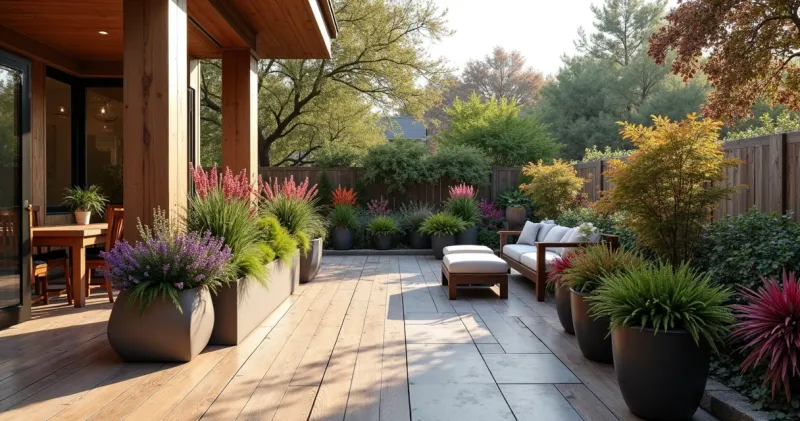
The decision really comes down to what your porch actually offers.
Full sun for at least 6 hours a day, a container or bed that drains quickly, a realistic plan for watering during the first several weeks after planting, and some thought about your local winter, those are the conditions that make rosemary a strong choice.
When all of those line up, the plant can genuinely reward you with fragrant, evergreen foliage you can also cook with, from fall through the following summer and beyond.
When they do not line up, a container gives you options.
A pot with drainage holes placed in the sunniest spot on the porch works in heavy clay country, in wetter East Texas conditions, and in colder North Texas winters where you can move the plant inside during a hard freeze.
Texas A&M AgriLife’s rosemary guide supports this approach, and the NC State Salvia rosmarinus profile reinforces that drainage is the non-negotiable factor regardless of how the plant is grown.
A shaded porch, a consistently wet bed, or a site fully exposed to Panhandle winds with no winter shelter is not the right place to force the plant.
Missouri Botanical Garden’s profile and USDA hardiness zone guidance both point to the same conclusion: match the plant to the site, not the other way around.
Rosemary will not fix every porch, and it will not keep every pest away.
But on the right Texas entryway, with sun and drainage working in your favor, it can make stepping outside smell like something worth doing.
That is a better reason to grow it than any promise about pest control, and it is a reason that holds up every single time you reach for the door.