
These Pennsylvania Flowers Fill A Shady Corner With Bloom Without Any Real Sun
Follow us on Google
You step into your Pennsylvania yard on a humid July afternoon, and there it is again, that dead patch along the north side of the garage where nothing ever blooms.
The sun skips it every single day, so you have written it off as a lost cause.
But that shady corner is not a problem, it is a chance for a quiet, cool retreat full of color.
This article walks you through nine flowers that genuinely love the dark and will fill that spot without any real sun.
1. Foamflower Brings Whispers Of The Woodland Floor To Your Yard
You figure a corner that dark is too grim for anything delicate.
Then you meet foamflower, and the whole idea flips.
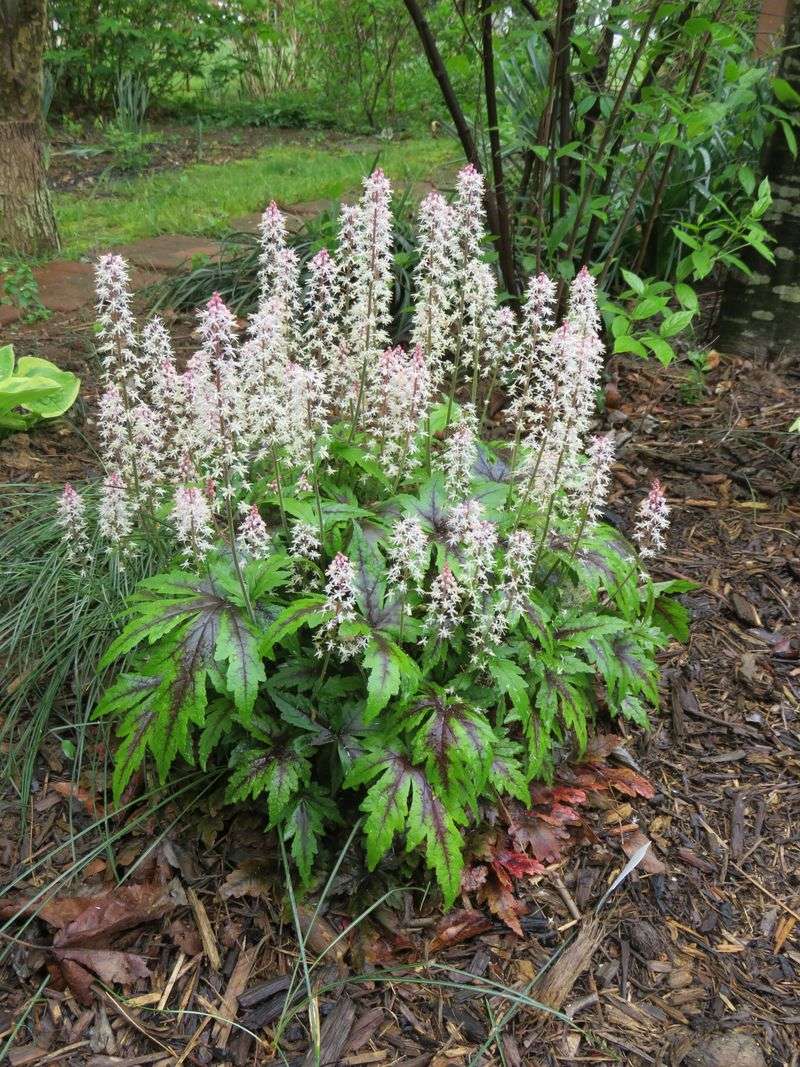
Tiny white and pale pink wands rise like fairy dust over a carpet of heart-shaped leaves.
This native, Tiarella cordifolia, actually thrives where most plants sulk.
It grows wild across our Appalachian woodlands, from the Laurel Highlands down to the Delaware Valley, so your shady spot feels like home to it.
Here is the turn.
Foamflower does not fight the shade, it leans into it.
Give it moist, rich soil with a layer of decomposed leaves worked in, and it settles right down.
It spreads by gentle runners, slowly knitting bare ground together instead of bullying its neighbors.
Plant these about 18 inches apart and they will weave into a living tapestry within a season or two.
Blooms arrive late spring into early summer, a soft cascade of white that lifts the darkest nook.
It handles full shade, though a splash of morning sun will not hurt it.
Water deeply during those dry stretches that sneak in between our summer thunderstorms, aiming for soil damp about 6 inches down.
And that dead corner?
It genuinely starts to feel like a slice of forest you can visit from the back porch.
2. Barrenwort Creates A Low-Maintenance Carpet Of Delicate Blooms
Dry shade under a mature maple is the toughest hand a gardener gets dealt.
Tree roots hog the water, the ground stays parched, and digging feels like chipping concrete.
Barrenwort, or Epimedium, is the quiet hero for exactly that spot.
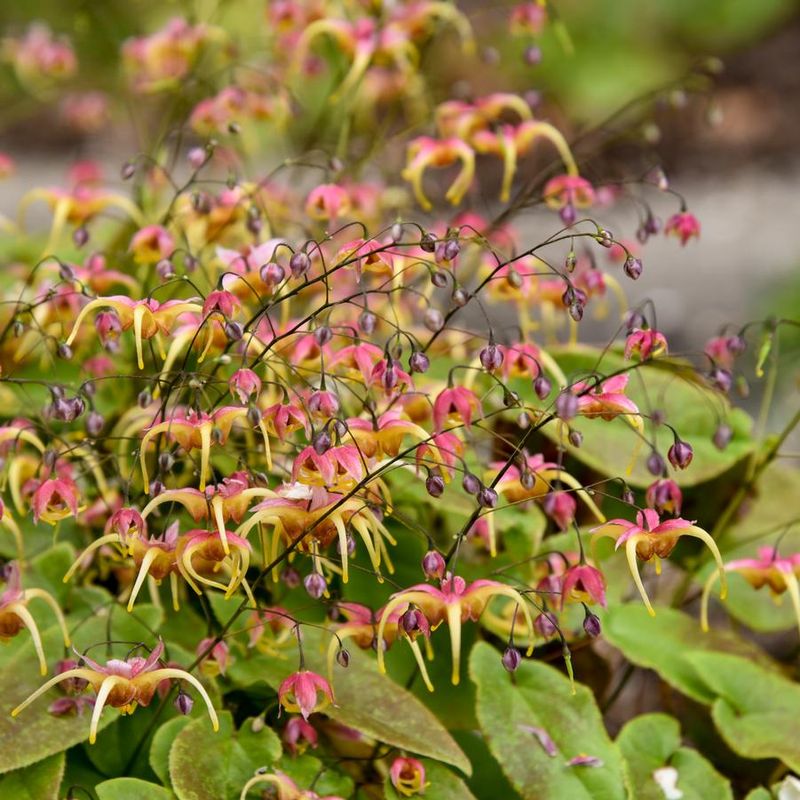
Its nicknames, Bishop’s Hat and Fairy Wings, hint at the little spur-shaped flowers that hover above the foliage in spring.
Many varieties push out new leaves flushed with bronze, so you get color even before the blooms open.
What makes it stand out from the others on this list is its tolerance for dry shade once established.
That is a genuine win where thirsty tree roots drink everything.
Give it humus-rich, well-drained soil to start, then let it settle in and fend for itself.
Space plants 12 to 18 inches apart.
They creep along slowly by rhizomes, forming a tidy groundcover up to 3 feet wide without ever turning invasive.
Deer tend to walk right past barrenwort, a relief in counties where they treat your beds like a salad bar.
Shear off the old foliage in late winter, before new growth appears, and it looks fresh all over again.
Almost no effort, and the corner fills itself in.
3. Spotted Dead Nettle Lights Up Dark Corners With Silver And Blooms
Most shade plants ask you to accept a duller, greener version of a garden.
Spotted dead nettle refuses that deal.
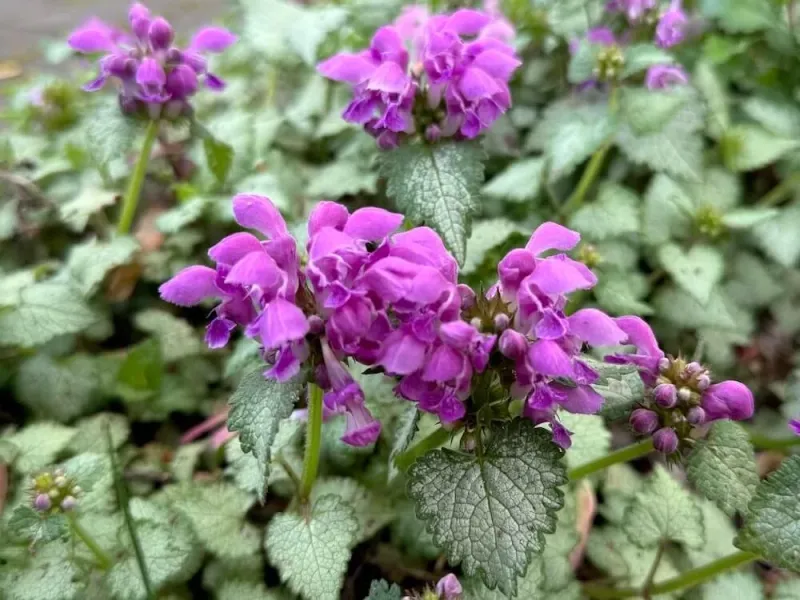
Lamium maculatum carries variegated leaves splashed with silver that seem to glow in dim light.
Formerly drab spots suddenly look brighter and on purpose.
It stays low, rarely topping a foot, yet it spreads generously into a dense, weed-smothering carpet.
Now the practical part.
Lamium is not fussy about soil once its roots take hold, which makes it a smart pick for the heavier clay across the central valleys of Pennsylvania.
It only needs about two to four hours of daylight to flourish, so full to partial shade suits it fine.
It likes moist, well-drained soil at planting, but it shrugs off dry spells surprisingly well after that first year.
Set individual plants 10 to 14 inches apart to give them room to run.
Spikes of small pink, purple, or white flowers appear through spring and into summer, a bonus on top of that striking foliage.
Tuck it under dense shrubs where nothing else will grow.
The silver leaves do the heavy lifting, and the corner reads as designed rather than neglected.
That is a quiet kind of pride.
4. Black Cohosh Stands Tall And Proud In The Deepest Shade
Shade gardens have a reputation for being flat and low to the ground.
Black cohosh blows that idea apart.
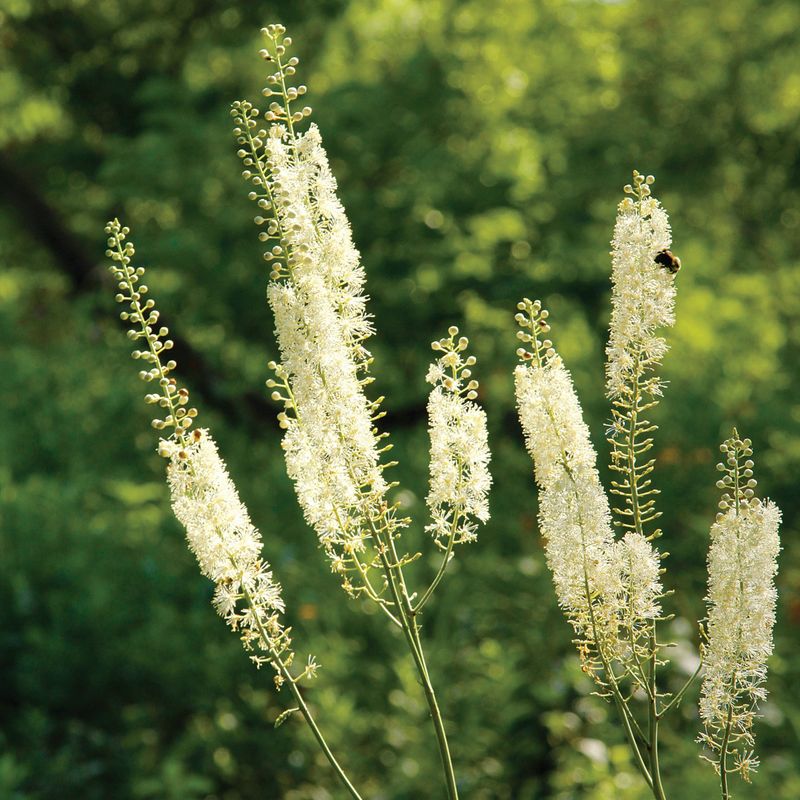
Actaea racemosa is a stately native perennial that throws up tall white flower spikes often called fairy candles.
In ideal conditions it can reach 8 feet, towering over the hostas and giving a shaded back corner real structure.
Those architectural blooms open in summer, glowing against dark, fern-like foliage.
It grows wild through much of Pennsylvania, from the Allegheny Plateau to the southeast, tucked into rich, moist woods and along forest edges.
So it genuinely wants your shade.
An hour or two of gentle morning sun is plenty, since too much direct light scorches the leaves brown.
Give it rich, humusy soil that holds moisture but still drains, mimicking the woodland floor it came from.
Here is where patience matters.
Black cohosh can take up to five years to reach full size and really put on a show.
Plant it, then let it settle in the background while faster plants fill in around it.
Native bees and bumblebees find their way to its unusual, faintly pungent flowers all summer.
When it finally blooms tall, that corner feels like something you grew on purpose.
5. Astilbe Brings Feathery Plumes Of Color To Damp, Shady Spots
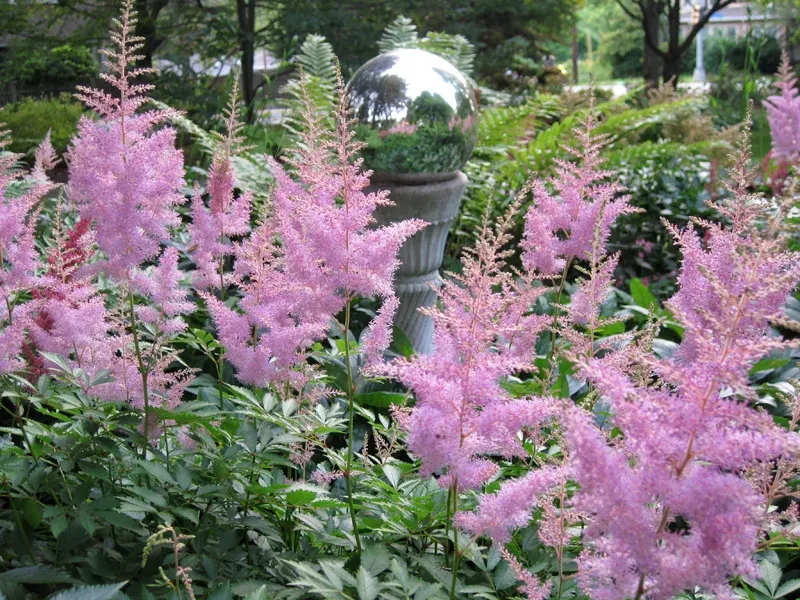
Picture feathery fireworks in pink, red, or white against rich green leaves.
That is astilbe, sometimes called false spirea, and it earns its keep in the shadiest, dampest spots you have.
The finely cut foliage looks fern-like on its own, then the plumes rise and steal the show.
Most varieties are hybrids with Asian roots, but they have become fixtures in Pennsylvania gardens for good reason.
They are hardy across USDA zones 3 through 8, which covers nearly the whole state, from the colder northern tier to the warmer city pockets around Philadelphia and Pittsburgh.
Astilbe has one non-negotiable demand, and honesty helps here.
It wants soil that stays consistently moist and rich in organic matter, so work a generous scoop of compost in at planting.
During dry stretches in our humid summers, water deeply about once a week, or the leaf edges brown and crisp.
Space plants 12 to 18 inches apart depending on the variety.
Blooms hold for several weeks from late spring into early summer, adding motion and color when little else fires in deep shade.
It is not a drought plant, so pair it with a spot that stays cool and damp.
Do that, and it rewards you every single year.
6. Common Bleeding Heart Offers Timeless Charm And Early Spring Joy
There is a specific joy in spotting the first real bloom after a long Pennsylvania winter.
Common bleeding heart delivers it early and delivers it well.
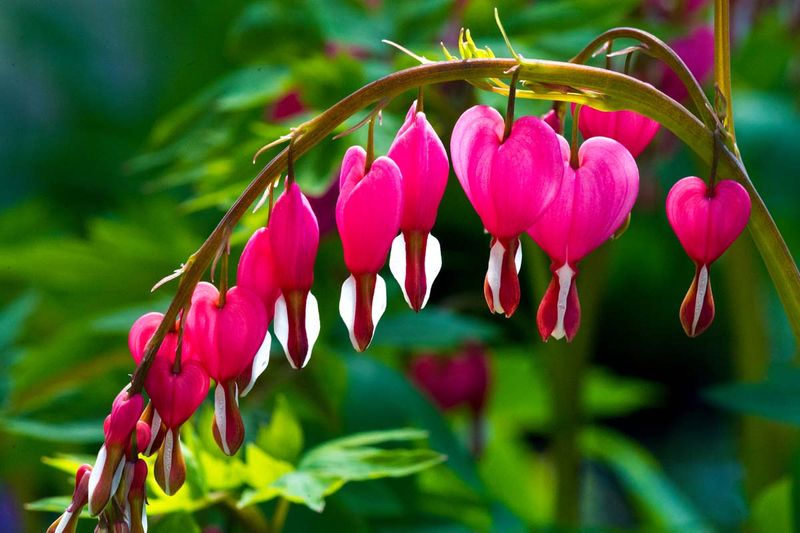
Lamprocapnos spectabilis sends up arching stems strung with little heart-shaped flowers in pink or white, opening from late spring into early summer.
The ferny, blue-green foliage looks refined even before the show starts.
It is not native, but this well-behaved perennial has charmed shade gardeners for generations.
It thrives in partial to full shade, though a bit of morning sun followed by afternoon shade brings the best flowering.
Give it loose, rich soil that stays evenly moist yet drains, so amend heavy clay with plenty of compost or peat.
In the Susquehanna Valley, where a late spring frost can still surprise you into May, tuck it on the east or north side of a building for a little shelter.
Plants reach about 3 feet tall and wide, so space them roughly 30 inches apart.
Here is the one catch worth knowing.
Bleeding heart often goes dormant by midsummer when things turn hot and dry, and the foliage simply melts away.
That is normal, not a death.
Plant it beside hostas that fill in as it fades, and the corner never looks empty.
7. Jewelweed Brings Bright, Popping Color To Your Wettest Shade
You have that boggy low spot that never dries out, maybe along a stream in the Poconos or a soggy corner in western Pennsylvania after a thunderstorm.
Jewelweed turns that headache into a burst of orange.
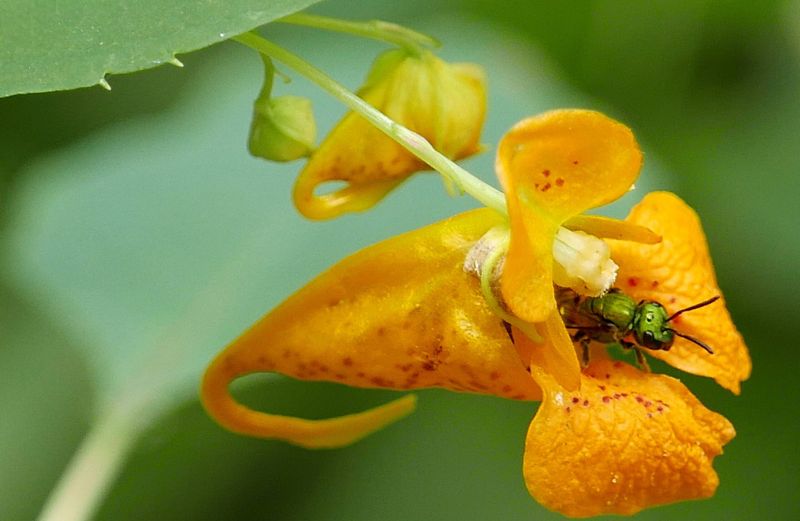
Impatiens capensis is a native annual that loves heavy, wet shade where other flowers rot.
Funnel-shaped orange-yellow blooms speckled with reddish-brown open from midsummer through fall, pulling in hummingbirds and native bees.
The name comes from the way rain beads up and sparkles on its blue-green leaves.
It adapts to wet, humus-rich soils and even tolerates heavy clay, so it fits much of the state.
Though it is an annual growing 2 to 5 feet tall, it is a champion self-seeder.
Its ripe seed pods fling seeds up to 2 meters away, so it plants next year’s patch for you with almost no work.
One honest note.
Some sources call it deer resistant, but many southeastern Pennsylvania gardeners watch deer browse it anyway, so it is not a magic fix where deer pressure runs high.
It genuinely wants those consistently wet conditions, perfect for the persistently soggy spots where fussier plants just get wet feet.
Let it colonize that damp corner, and it comes back free every year.
8. Wild Ginger Spreads A Glossy Green Carpet In Deep Shade
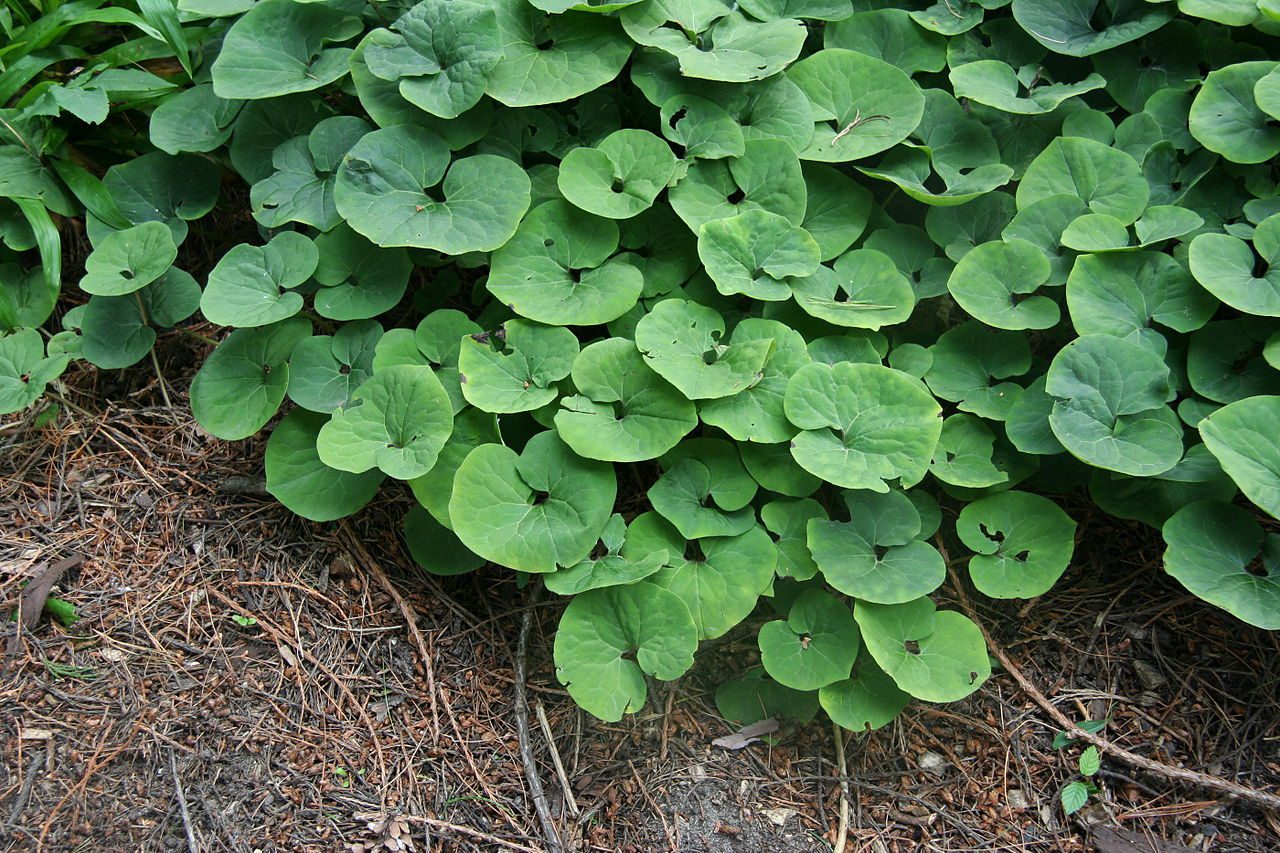
Most people never spot wild ginger’s flower, and that is half the fun.
The bloom hides right at soil level, a small maroon cup tucked beneath the leaves where beetles and ants find it.
Asarum canadense is a Pennsylvania native that spreads a low carpet of glossy, heart-shaped leaves across deep shade.
It is grown for that lush groundcover more than the shy blossom, and it does the job where grass and most flowers give up entirely.
It belongs in rich, moist woodland soil, the kind you get by working leaf mold into your bed.
It handles the full shade under dense trees, staying about 6 inches tall while it slowly knits together by creeping rhizomes.
Space plants 8 to 12 inches apart and let them close the gaps over a couple of seasons.
Here is a small bit of history.
Early settlers used its root as a substitute for culinary ginger, though it is not related to the grocery-store kind and should not be eaten today.
What you get instead is a weed-smothering, deer-resistant blanket that keeps a shady corner tidy and green from spring through frost.
Genuinely low fuss, and it quietly holds the ground so you do not have to weed it.
9. Wild Columbine Dangles Red Lanterns Where Little Else Blooms
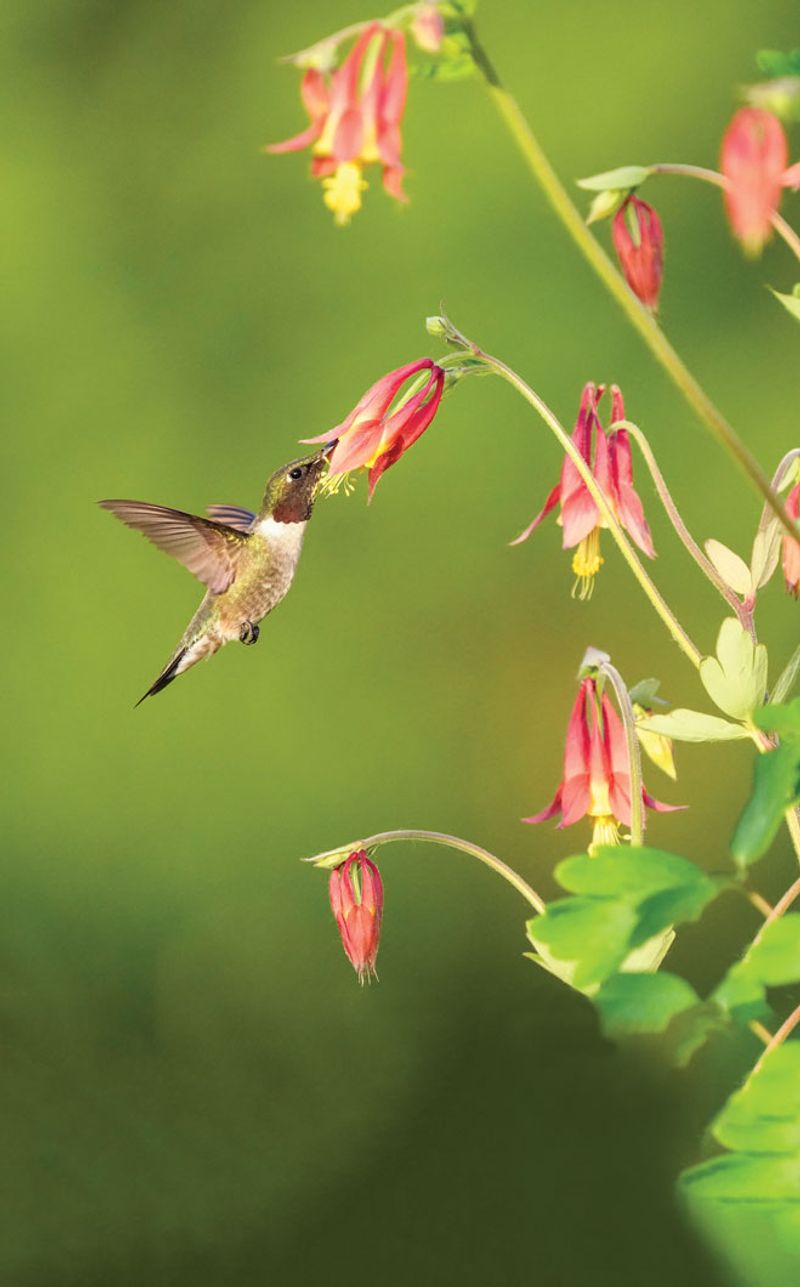
A hummingbird zipping through a shady corner in May usually means one plant is nearby.
Wild columbine calls them in with dangling red-and-yellow lanterns that seem lit from inside.
Aquilenta canadensis, more correctly Aquilegia canadensis, is a native perennial built for the tricky in-between spots.
It handles part shade and even fairly dim woodland edges, tolerating the rocky, shale-heavy soils common across central and western Pennsylvania.
Where richer plants would starve, this one finds a foothold.
It is not picky, which is its whole charm.
Give it decent drainage, and it accepts thin, gravelly ground that discourages fussier flowers.
Blooms nod on wiry stems from mid-spring into early summer, roughly 1 to 2 feet tall, right when spring migration brings ruby-throated hummingbirds back through the state.
Set plants about 12 inches apart.
It self-seeds gently, so a few starter plants become a loose, natural drift over a few years, filling the corner for free.
Deer usually leave it alone, another quiet win.
According to Penn State Extension, native plants like this support local pollinators far better than many imports.
So you get color, motion, and a corner that hums with life, all from a plant that mostly takes care of itself and comes back on its own each spring.