
Why Creeping Charlie Returns: Rooted Runner Nodes Are One Hidden Culprit
Follow us on Google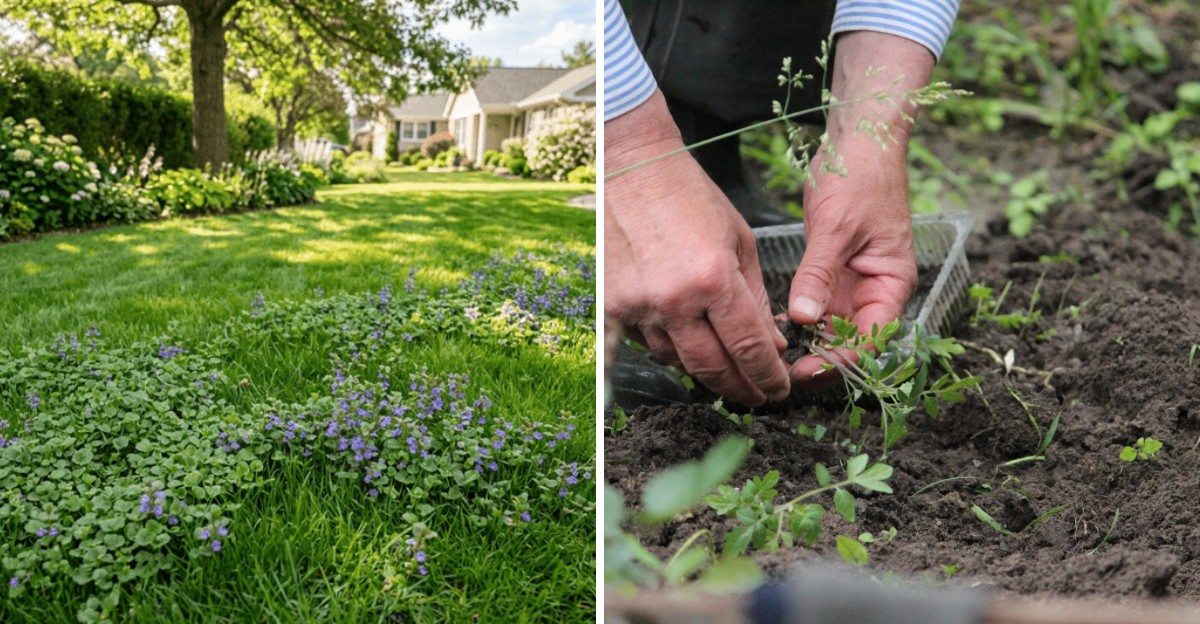
You pulled a big green mat of creeping Charlie last Saturday, bagged it, and felt great. Now small round leaves are poking up again, right where you cleaned.
It’s not your imagination, and it’s not always your fault. Here is what is really going on under those leaves, and how to win more often without chemicals.
A Rooted Runner Node Can Restart

Walk a shady garden bed in early evening, and you may see it. Thin green stems stretching across the soil, with round, scalloped leaves marching along like a slow parade.
Those stems are called stolons, which is just a fancy word for runners. They creep along the top of the ground, not through the soil, and that is how creeping Charlie got its name.
Here is the part that matters. Along each runner are nodes, the little joints where leaves attach.
Penn State Extension describes how ground ivy spreads by these stolons, and roots and new shoots can form at the nodes.
So a piece of runner that includes a viable node can restart growth. A node that has already rooted into the soil has a head start, like a tent stake already hammered into the ground.
Notice the careful wording, though. A viable node is not the same as any random bit of stem.
A USDA Forest Service species review also describes regrowth from stolons and stolon fragments, but the key is the part that can actually form roots or shoots.
That gives you a clear target. Instead of fretting over every speck, focus on the runners, especially the rooted joints, because those are the pieces most ready to make a new plant.
Runner Fragments Are Not The Whole Story
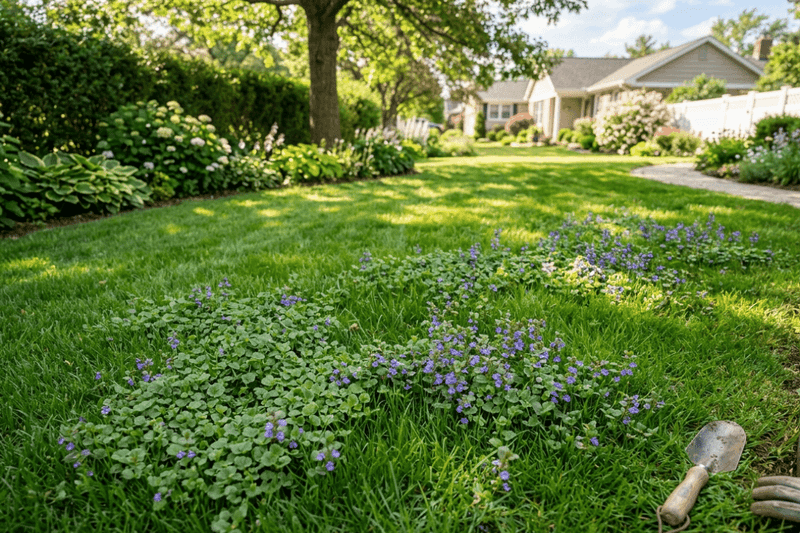
Many gardeners notice the same thing. You clear a patch, wait a few weeks, and the plant is back, so it feels obvious that you left something behind.
Sometimes you did. A runner piece with a viable node can regrow, and that is worth taking seriously.
But a returning patch does not prove a forgotten fragment caused it.
Ground ivy is a perennial, meaning it lives for many years. Both Penn State and the USDA Forest Service note that it can persist from surviving crown tissue, the base of the plant where stems and roots meet.
Leave a bit of crown, and the plant simply carries on.
It can also grow from seed. That means a patch may reappear even when your cleanup was careful, because new seedlings can show up on their own.
Think of it like a three-door house. Runner nodes, crown tissue, and seeds are all ways back in, and closing one door does not lock the others.
This is good news in a way. If a patch returns, you do not have to blame yourself.
You just have to check for regrowth and keep removing it, which is a far more realistic plan than hunting for one magic missed scrap.
Moist Soil Helps You Lift The Runners
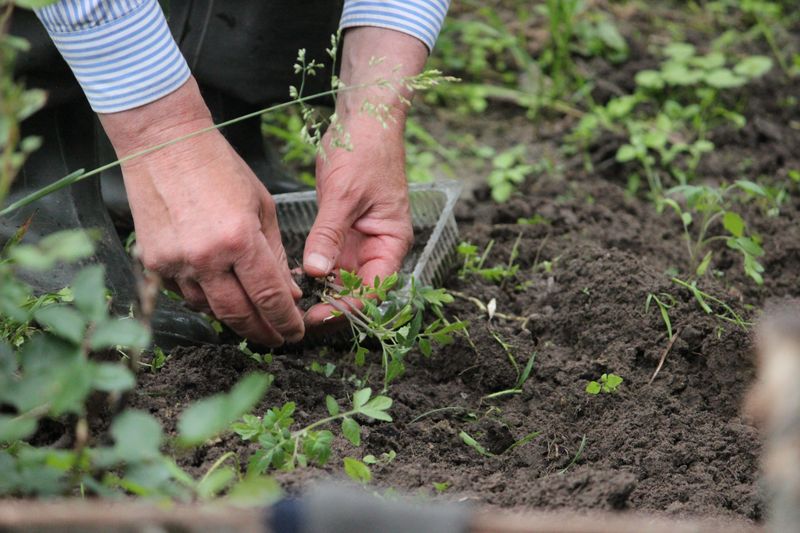
Here is a blunt truth. Yanking dry creeping Charlie out of hard soil mostly just snaps the stems and leaves the rooted parts behind.
For a small patch in a garden bed, hand removal is a reasonable chemical-free approach. Try it after rain or a good watering, when the soil is moist and loose enough to let go.
Start at the edge of the patch and lift the runners rather than snapping them off. Follow each one back and try to bring up the rooted nodes along with it.
University of Maryland Extension notes that some stems will break, and those need to be removed by hand or with a tool.
A hand trowel or small fork helps with stubborn spots. Go after the remaining stems and roots, then bag the pile instead of tossing it on the compost heap or the edge of the bed.
Minnesota Extension and Illinois Extension both advise removing plant parts and repeating the removal as needed.
So go in expecting a series of visits, not a single triumph. Pulling is not effortless, and it will not always be enough by itself, but on a small patch it is a solid first layer of your plan.
Chopping Runners Can Create More Work
It is tempting to fire up the tiller and chop everything under. Out of sight, out of mind, right?
Not with this plant. Tilling or chopping runners can cut stolons into pieces, and any piece with a viable node has regrowth potential.
You may end up spreading the problem across the bed instead of clearing it.
That is why garden beds and lawns call for different thinking. In a bed, you can get down on your knees and lift runners by hand.
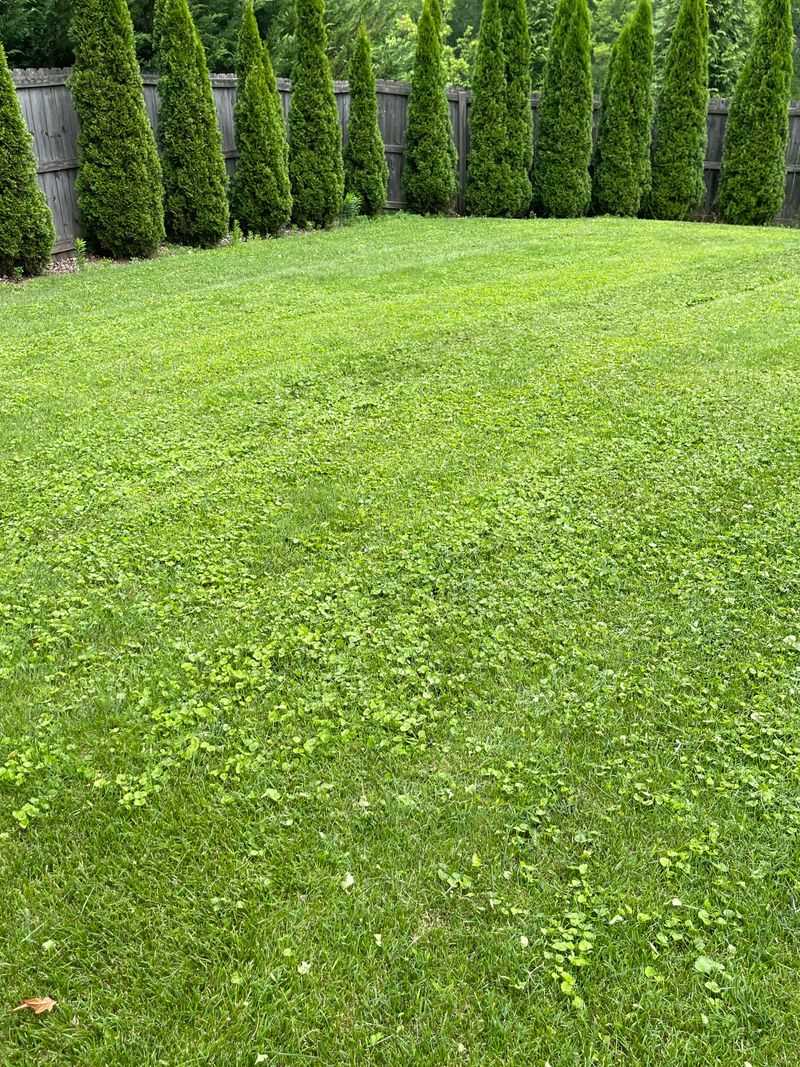
In a lawn, the weed is knitted into the turf, so the job is more about managing the whole space.
Illinois Extension offers lawn guidance, and Penn State cautions that dense, site-appropriate turf can slow encroachment but may not suppress an established infestation.
Think of thick grass as a crowd at a doorway. It makes it harder for newcomers to push in, but it will not clear out people already inside.
If part of your lawn is heavily shaded, ask whether grass is the right fit there at all. A shade-tolerant turf or a suitable groundcover might work better, depending on your site and what you want that space to do.
Either way, skip the chopping. Slow and careful beats fast and fragmented.
Mulch Can Suppress But Not Erase Ground Ivy
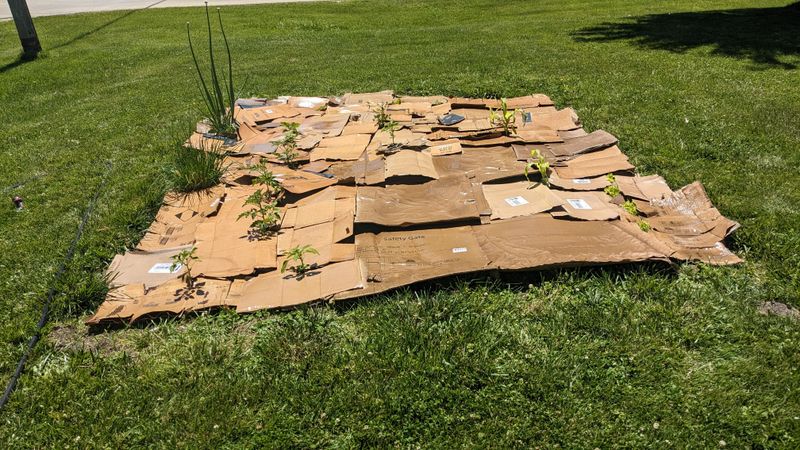
Picture a bed you are tired of fighting. Covering it with cardboard and wood chips sounds like a clean way to start over.
It can help. Illinois Extension describes wood chips and cardboard as ways to smother existing vegetation, so this is a real chemical-free tool.
But it is a suppression tool, not a proven cure. University of Maryland Extension cautions that perennial weeds may push back through mulch if their root structures are not controlled first.
That fits what we know about creeping Charlie. It is a perennial, and rooted runners or crown tissue left under a cover can keep trying to come up.
So do the groundwork first. Lift out the accessible rooted runners by hand, then lay the cardboard and chips as follow-up.
The cover works like a lid on a pot, helpful, but weaker if the pot is still boiling underneath.
After that, keep an eye on the edges and any gaps. Shoots often sneak in where the cover thins or ends.
Treat the mulch as one layer of your approach, and you will be far less surprised if a few stragglers appear.
Repeat Checks Make Removal More Reliable
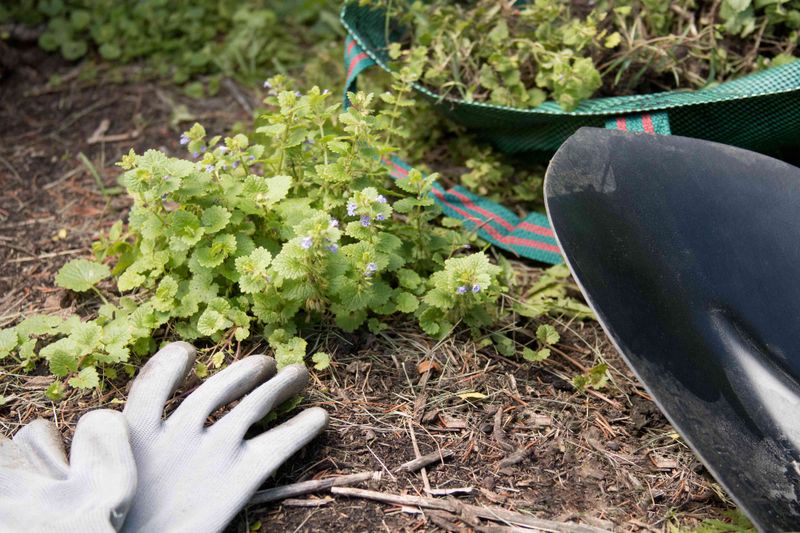
The real secret is boring. You come back.
Walk the patch every so often and look for fresh growth. Pull new shoots, lift any rooted runners, and bag what you remove.
Minnesota Extension and Illinois Extension both point to repeated removal, since established patches are labor-intensive.
Pair that work with suppression that suits the spot. In a bed, that may be cardboard or wood chips after you clear what you can.
In a lawn, it may be keeping turf thick, or choosing a better-fitting plant for deep shade.
You may have heard that borax is an easy shortcut. Skip it.
Iowa State Extension says results are inconsistent, and too much boron can damage plants and turf, including the ones you want to keep.
No single move wins here, and no one weekend settles it. But each pass leaves less behind, and the plant slowly loses energy and ground.
Keep a trowel by the back door. A five-minute check beats a five-hour rescue.
