
Roadrunners Eat Scorpions, But a Visit Does Not Prove Fewer Near Your Back Door
Follow us on Google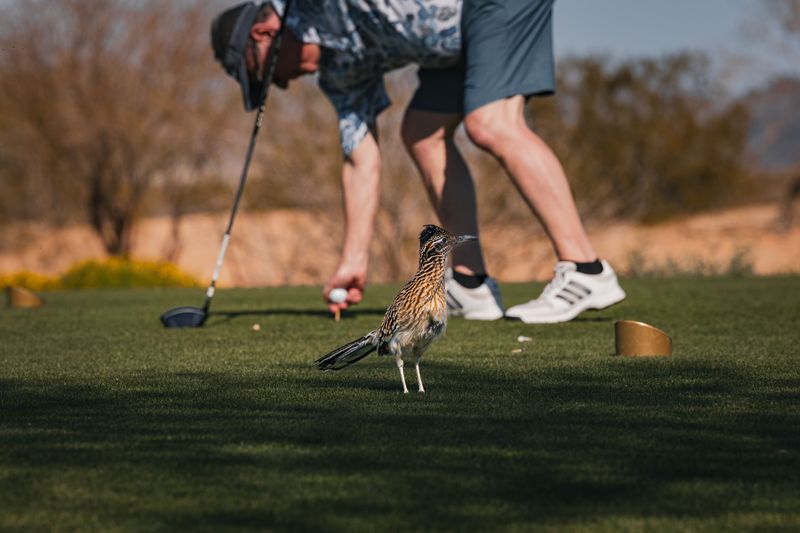
You step onto the patio on a warm Texas morning and spot a roadrunner sprinting across the grass with something dangling from its beak. It might be a lizard.
It might be a scorpion. Roadrunners really do eat scorpions, but that is not the same as a bird guarding your back door.
Here is what the research shows, what you can do for wildlife, and what actually keeps scorpions out of your house.
Roadrunners Eat Scorpions
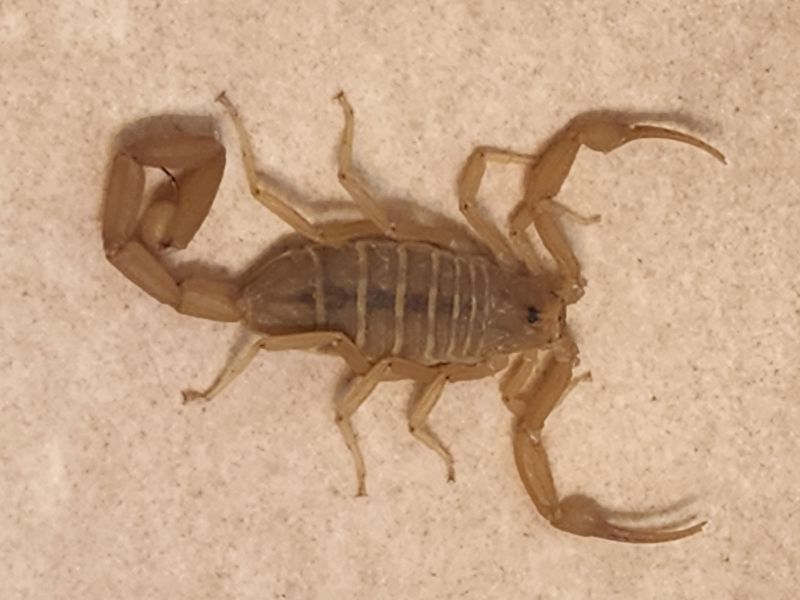
Picture the scene again. A roadrunner trots across a dry patch of ground, head low, eyes sharp.
Yes, this bird eats scorpions, and that is a genuine fact worth enjoying.
The Cornell Lab of Ornithology lists scorpions among the foods of the Greater Roadrunner. You can read the bird’s full menu in Cornell’s life history account.
It is a wide menu that includes insects, lizards, snakes, small mammals, and more. Scorpions are one item on a long list.
Texas research backs this up. Scientists looked at the stomach contents of roadrunners and found scorpion remains mixed in with many other kinds of prey.
You can see the details in a Texas Parks and Wildlife diet publication. The birds in that work were sampled from a wildlife-management area, not from backyards.
So here is what the evidence tells you. Scorpions can be prey for roadrunners, and the diet is varied.
Here is what it does not tell you. It does not say how often roadrunners eat scorpions in a neighborhood, or how many they remove from any one yard.
That gap matters when you are standing at your back door at night with a flashlight. The bird is a real scorpion eater.
It is just not a proven scorpion solution.
A Yard Visit Does Not Prove Fewer Scorpions

Here is where it gets tricky. Eating scorpions and reducing scorpions are two different things.
A bird can eat a few and your door can still see plenty.
The diet research looked at what was inside sampled birds. It did not count scorpions in residential yards or at doorways.
So nobody can honestly say a visiting roadrunner leaves your entryway with fewer scorpions.
Then there is the matter of space. A roadrunner does not treat your lot as its whole world.
In West Texas, a study by Montalvo and colleagues tracked birds with home ranges averaging 43 hectares. That is roughly 106 acres.
A separate study in north-central Texas, listed by the U.S. Geological Survey, reported median ranges of about 80 to 90 hectares.
Those are two different studies with two different estimates, and neither one describes your particular bird.
A typical yard is a tiny slice of that territory. A roadrunner may pass through, hunt for a few minutes, and move on to the next block or pasture.
Enjoy the visit, but do not count on it as scorpion control.
Texas Yards Can Offer Suitable Habitat
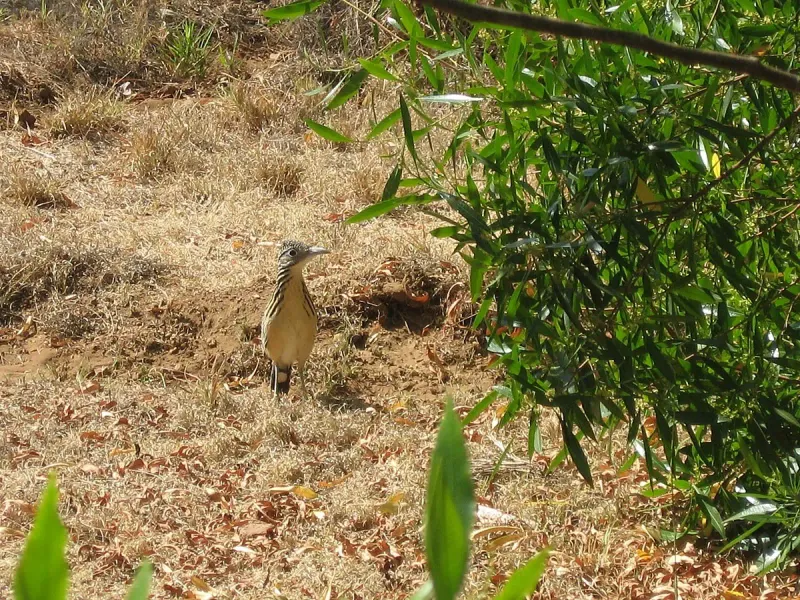
Some yards simply suit a roadrunner better than others. The bird likes open ground for running and hunting, with scattered shrubs or trees nearby for cover.
Texas accounts describe roadrunners across very different country. They turn up in East Texas woods, Hill Country brush, and West Texas mesquite land.
Texas Parks and Wildlife’s roadrunner guide gives a feel for that range.
The Texas Breeding Bird Atlas adds that roadrunners use some yards and other urban or suburban spaces. Dense urban areas, packed with pavement and buildings, are less suitable.
So a larger lot at the edge of town, with open ground and some native brush, may look inviting. A tight lot in a crowded neighborhood may not.
Notice the careful wording there. Suitable habitat means a bird could use the space.
It does not mean one will show up, and it does not mean one will stay.
Water and Cover Support Wildlife
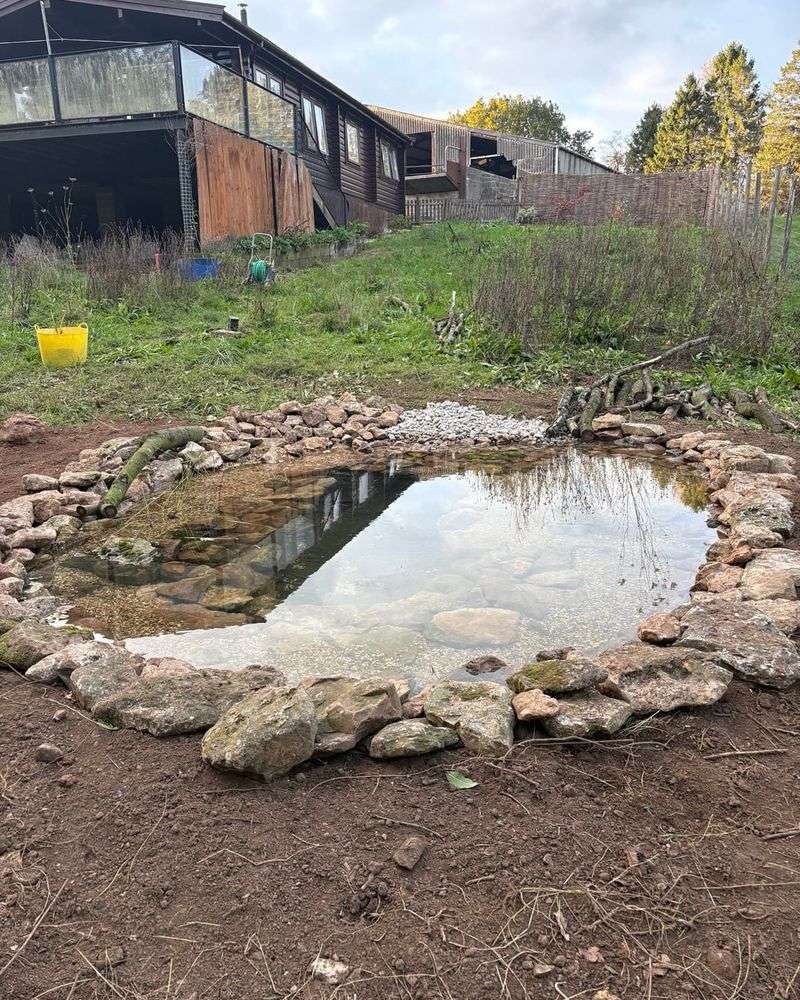
You can make a yard friendlier to wildlife without chasing any one species. Think of it as setting a table and leaving the guest list to nature.
Keep some suitable native cover, like scattered shrubs and grasses. Leave open space where ground-foraging birds can move around.
Then add clean, shallow water.
Texas Parks and Wildlife advises that bird water should be no more than 3 inches deep. You will find that tip in their wildlife help page.
It should also be changed and cleaned regularly so it stays fresh.
More ideas for native plantings and wildlife-friendly design are in the Texas Wildscapes tips. A summer scrub of the dish every few days is a simple habit.
Now the honest part. These steps are not a proven roadrunner formula.
No plant, water dish, or yard design can guarantee a visit or a resident bird. You are supporting wildlife in general, and that is a fine reward on its own.
Keep Scorpion Hiding Places Away From the Door
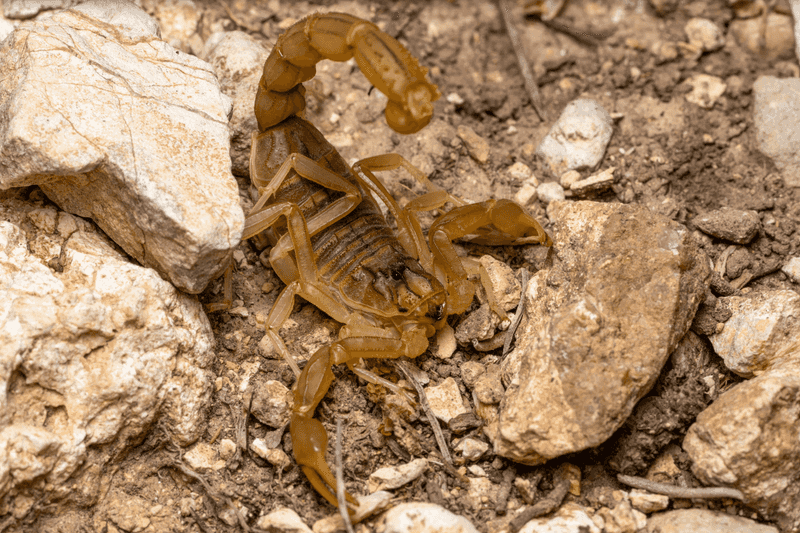
Here is the tension. The cozy cover a wildlife yard wants can be the same cover a scorpion loves.
The fix is about where you put things.
Scattered native cover out in the yard is one thing. Boards, rocks, piles of debris, dense plants, or branches pressed against the house are another.
Scorpions hide under clutter, and vegetation can give them a route toward a building, as described by Texas A&M AgriLife Extension.
The Texas Breeding Bird Atlas, in its roadrunner account, describes the bird’s taste for open ground with scattered cover. Nothing there asks for brush at your foundation.
Keep the wild corners farther out and the doorway plain.
One more tradeoff. Roadrunners are predators, and Cornell notes they may take birds from feeders or nest boxes, as its life history page explains.
Small songbirds could pay the price.
Please do not feed, capture, or handle a roadrunner. Texas Parks and Wildlife’s wildlife watcher ethics encourage watching from a distance and letting animals forage naturally.
Remove Hiding Places and Seal Entry Points
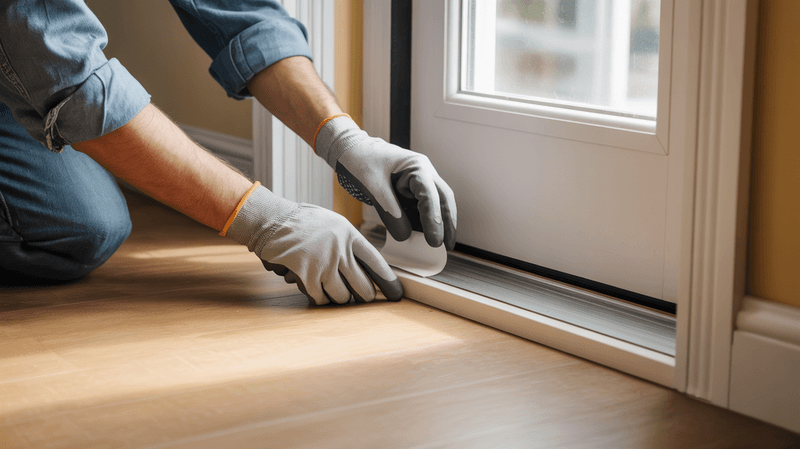
Now for the part that actually works on your side of the door. It is plain work, and it pays off in peace of mind.
Texas A&M AgriLife Extension recommends clearing trash, boards, logs, rocks, and other hiding places near the structure. It also suggests keeping grass close to the house trimmed, and sealing likely entry points.
All of that is in their scorpion guide.
Sealing is where a flashlight helps. Walk the outside at dusk and look for light leaking around doors, pipes, and window frames.
Gaps of 1/8 inch or larger are worth closing, according to the Texas A&M school IPM plan for bark scorpions.
That plan recommends tight door sweeps, weather stripping, screens, and sealants. A door sweep that touches the threshold all the way across is a good place to start.
These are prevention measures, not a guarantee. A scorpion-free house is never promised, but each gap you close is one less doorway for a small night wanderer.
A Roadrunner Is Not Pest Control
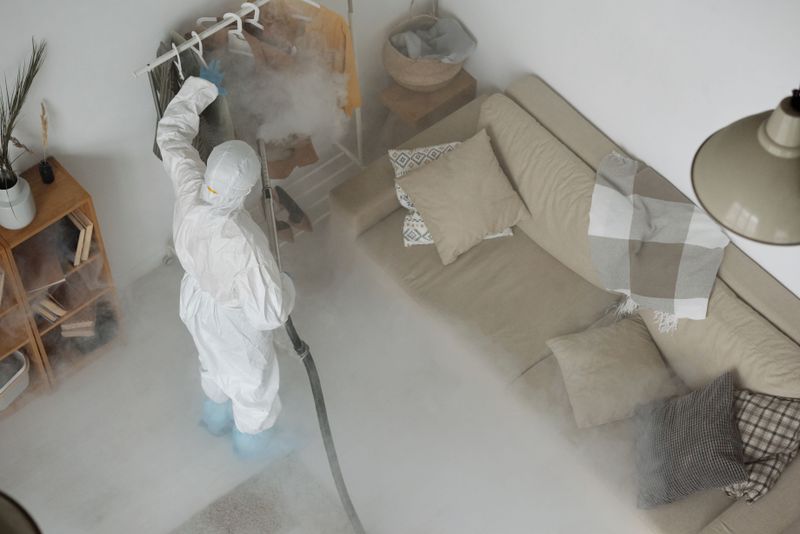
Some neighbors hope a spray can or a lucky bird will settle the whole thing. Neither is a shortcut.
Texas A&M AgriLife Extension says scorpions are difficult to control with insecticides alone, as noted in its scorpion control guidance. Spray may be one layer, but it should not be the whole plan.
If you do consider a pesticide, follow the product label closely. For a persistent problem, think about calling a pest-management professional.
They can look at your house and your yard together.
A roadrunner is not a replacement for any of this. Treat it as a bonus.
Prevention around the house does the daily work, and the bird is a reward for the open, welcoming space you keep farther out.
Not every sting is harmless either. Most cause local pain and swelling, but trouble breathing or body-wide symptoms mean getting medical help, and Poison Control can advise on a specific case.
So watch the bird, seal the door, and sleep a little easier.
