
Why Borage Is A Smart Addition To North Carolina Front Yards
Follow us on Google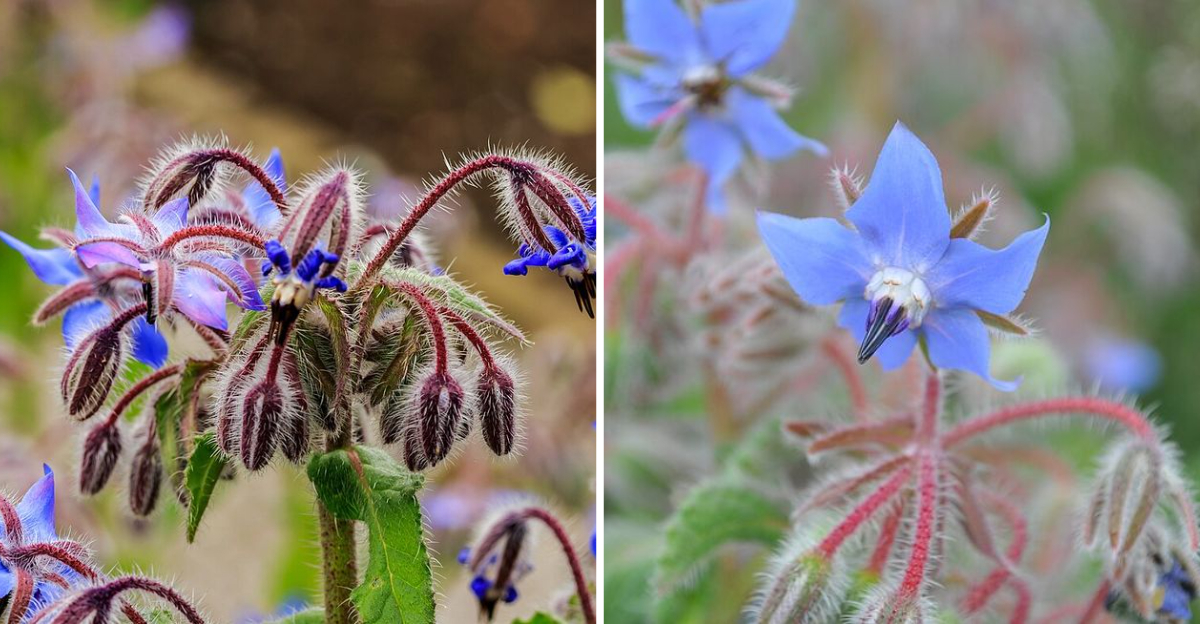
A North Carolina front yard has to do more than look nice for a week in spring. It needs plants that handle heat, sudden rain, curious neighbors, and the everyday reality of local soil.
Borage earns its spot by being useful, striking, and surprisingly easy to live with. If you want a front yard that feels welcoming without becoming a constant weekend chore, this plant deserves a closer look.
Handles North Carolina Weather Swings
North Carolina weather rarely stays predictable for long, and that matters when you choose front yard plants. One week can feel mild and breezy, while the next brings sticky heat, hard rain, or a dry stretch that leaves weaker flowers struggling.
Borage adapts well to these shifts, which makes it a practical choice when you want something attractive without constant intervention.
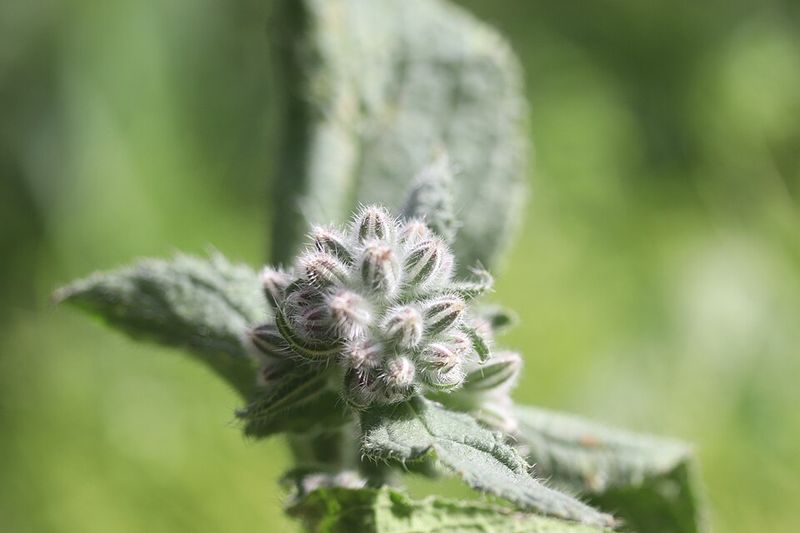
Its fuzzy leaves help reduce moisture loss, and its sturdy growth keeps it from looking fragile after a storm rolls through. In many yards, you will notice it rebounds quickly after rough weather, especially if the soil drains reasonably well.
That kind of resilience is helpful near walkways and porches, where tired, flattened plants stand out fast.
I like that you do not need to treat it like a delicate annual that falls apart after every weather surprise. A simple watering routine during dry spells is usually enough to keep it moving along.
For busy homeowners, that steady performance makes the front yard feel intentional instead of constantly under repair.
Brings Pollinators Right To The Entry
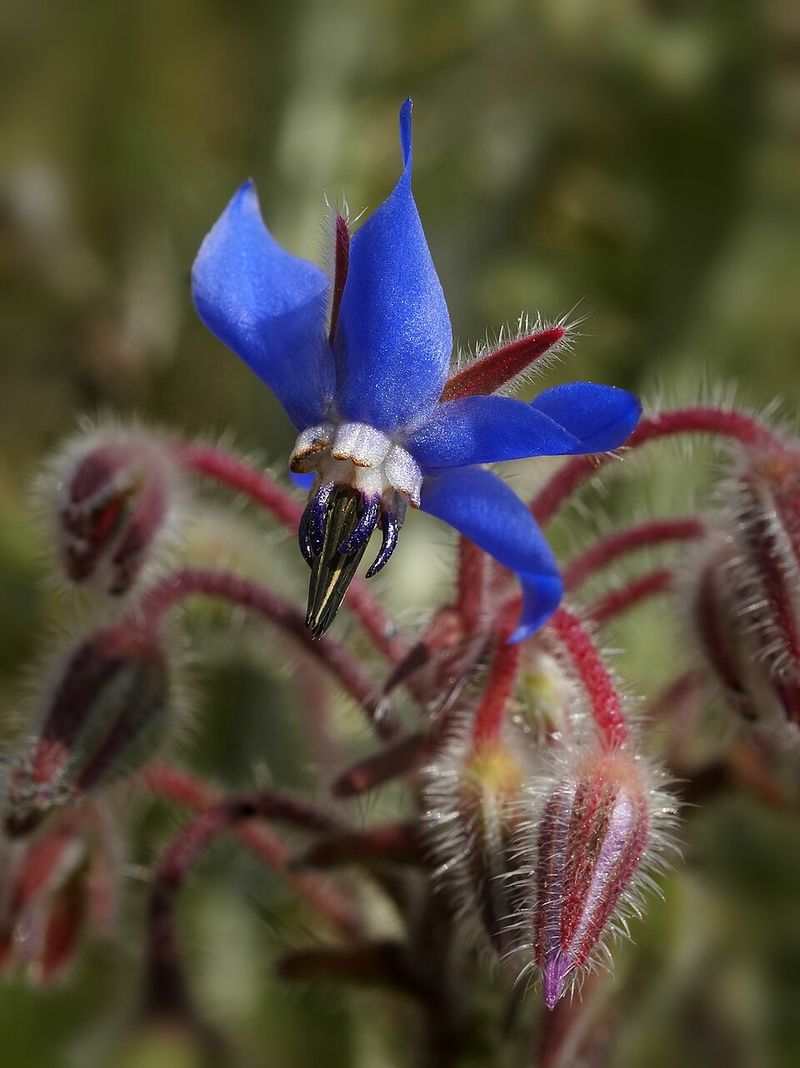
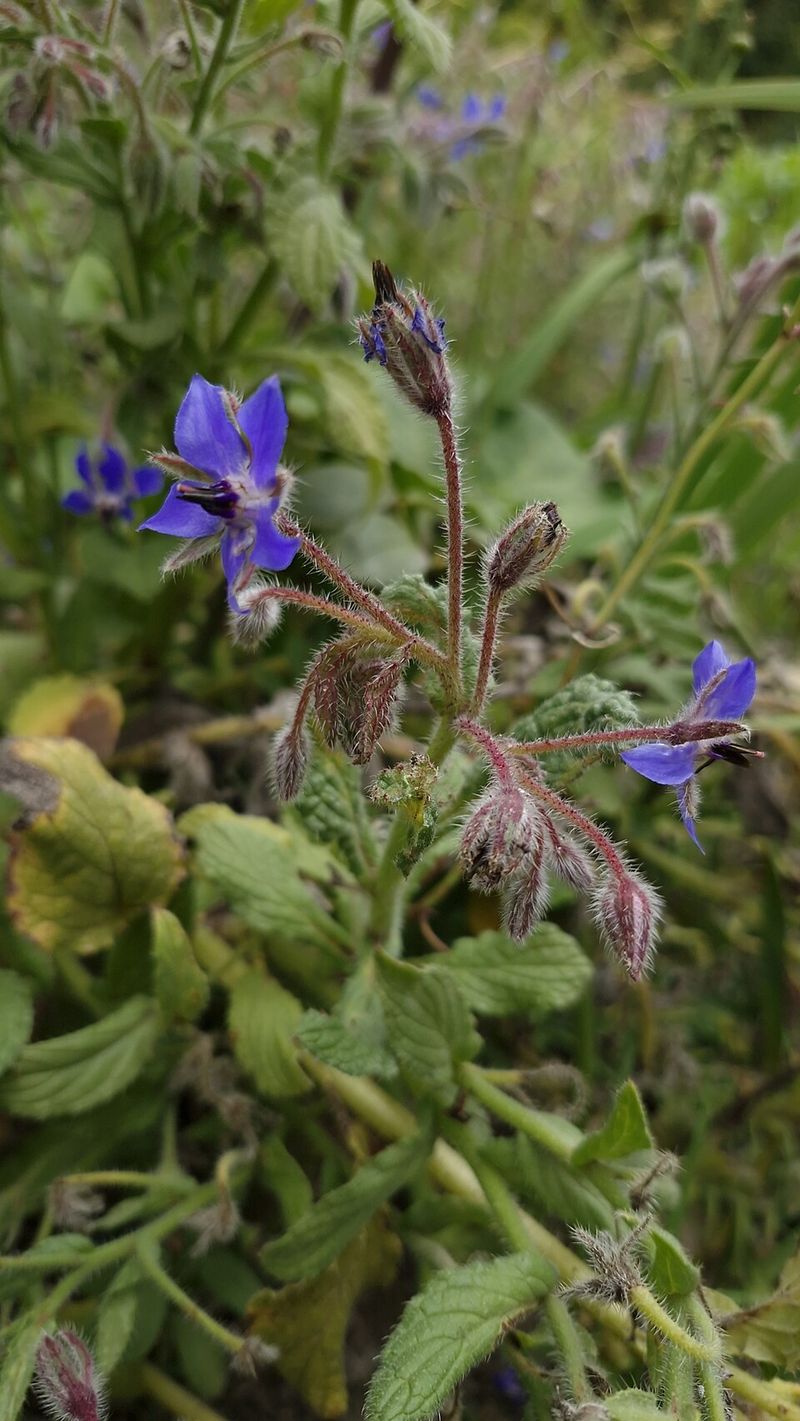
Few things make a front yard feel more alive than steady pollinator activity around the entrance. Borage produces nectar-rich blue flowers that bees seem to find almost immediately, and butterflies often stop by as well.
If you want your yard to feel active and healthy rather than static, this plant creates that effect with very little effort.
Because the blooms keep coming over a long season, you get more than a short burst of interest. That steady flower production helps support beneficial insects when other plants pause between blooming cycles.
In a neighborhood setting, even a small patch near the walkway can make the space feel more connected to the wider environment.
You also get a practical benefit beyond the beauty. More pollinators in the yard can help nearby herbs, vegetables, and flowering shrubs perform better, especially if you tuck edible beds along the side of the house.
It is one of those choices that looks ornamental from the street while quietly improving the whole garden around it.
Adds Long Lasting Color
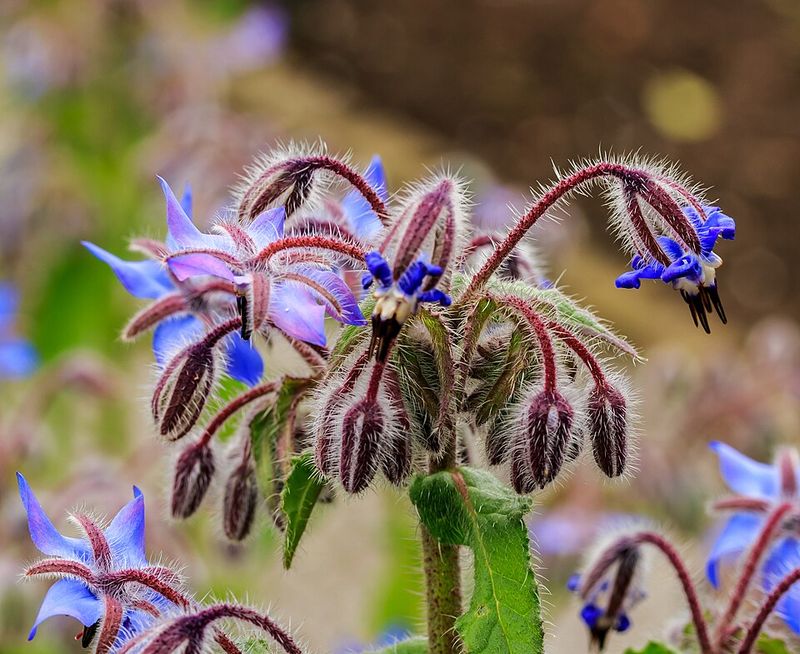
Color matters in a front yard because it shapes the first impression your home gives. Borage offers clear blue flowers that stand out against green foliage, brick facades, pale siding, and natural mulch in a way many common annuals simply do not.
That color feels fresh and slightly unexpected, which is useful when you want personality without looking overly formal.
Another advantage is how steadily the blooms appear once the plant gets going. Instead of giving you one brief show and fading, borage keeps producing flowers across a long stretch of the season.
That makes your planting bed feel consistent, even when nearby ornamentals are between peak moments.
I think this is especially valuable in North Carolina neighborhoods where curb appeal often depends on maintaining interest through changing weather. Blue flowers can cool down a hot-looking summer palette dominated by reds, yellows, and dark mulch.
When you pair borage with white flowers, silver foliage, or warm-toned stone edging, the result looks thoughtful without requiring expensive landscaping changes.
Fits Casual Cottage Style Beautifully
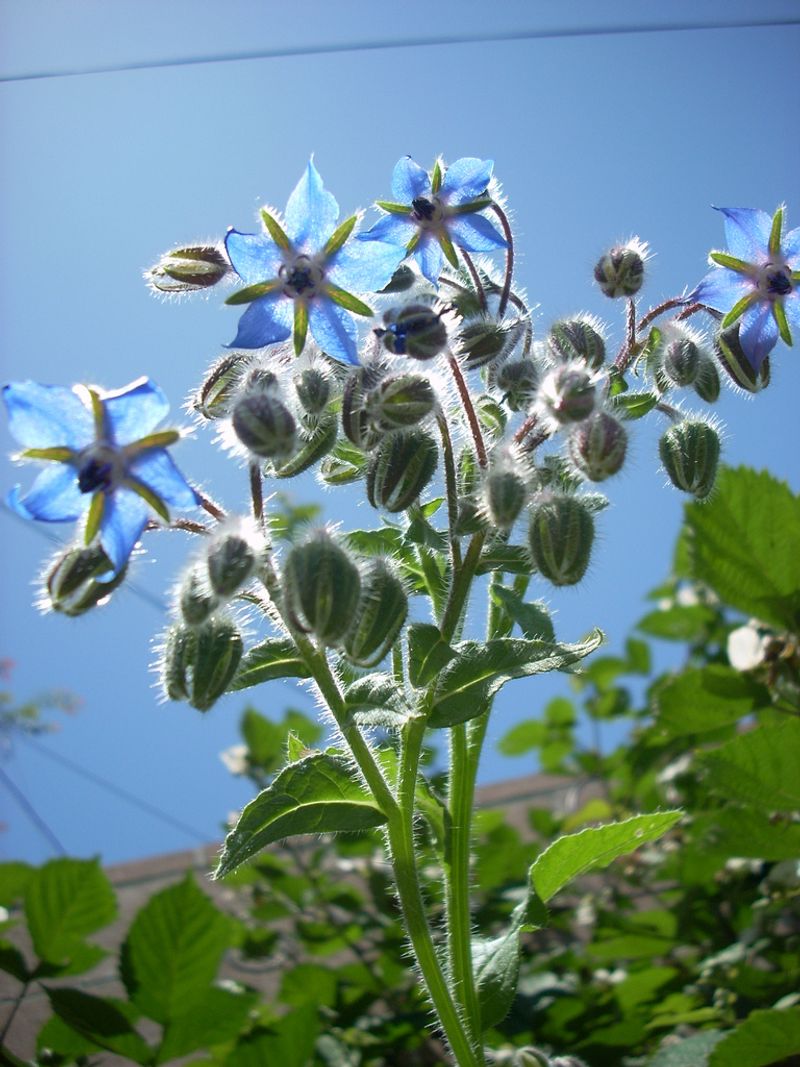
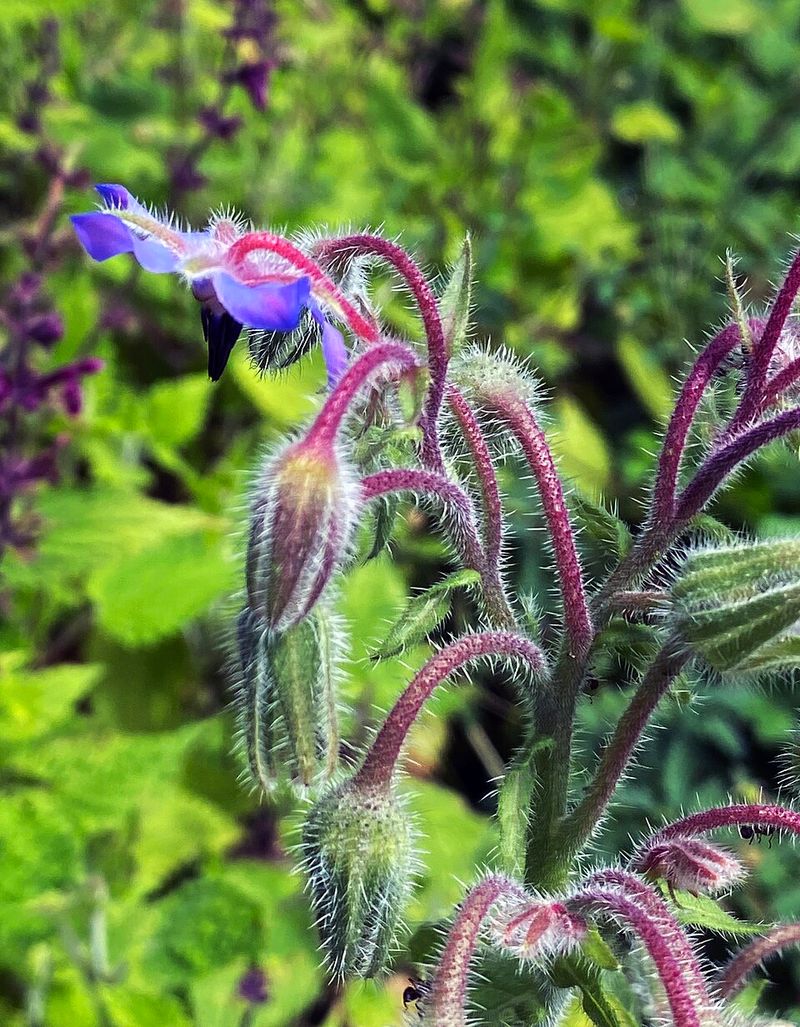
Some front yards look best when every shrub is clipped into strict shapes, but many homes benefit from a softer style. Borage works beautifully in relaxed plantings where flowers, herbs, and pollinator favorites mingle together near the porch or front walk.
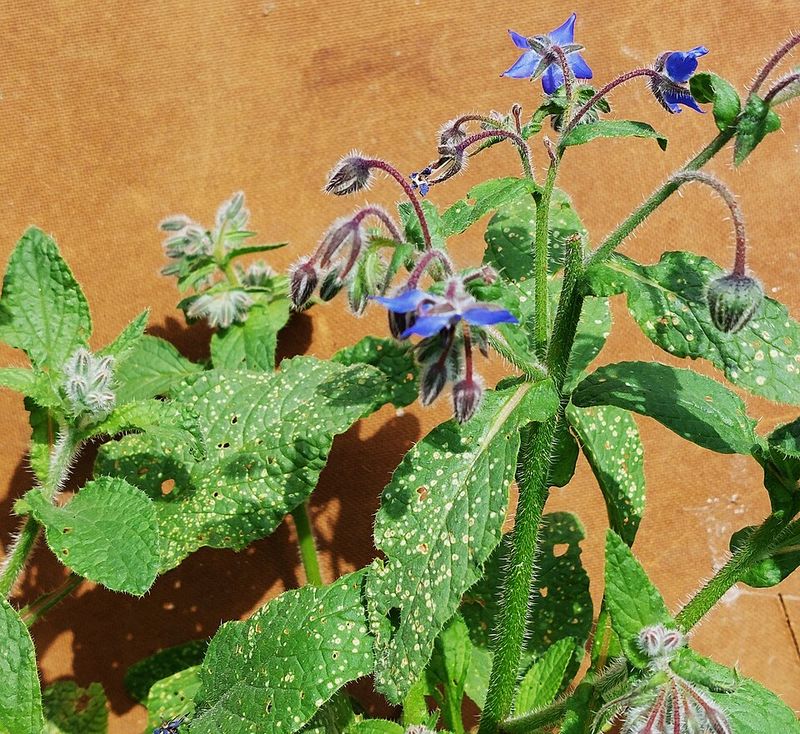
Its airy stems and starry blooms help a bed feel inviting rather than stiff.
That matters if you want charm without creating visual clutter. The plant has enough presence to catch attention, yet it usually blends well with classics like salvia, coneflower, yarrow, and coreopsis.
In North Carolina, where cottage-inspired front yards often balance native plants with practical ornamentals, borage adds an easygoing note that feels natural.
You do not have to redesign everything to make it work. Tuck it near lower shrubs, around mailbox beds, or at the edge of a mixed border where it can soften hard lines.
I find that it helps newer landscapes look established faster, especially when the rest of the yard still feels a little young and structured.
Grows Well From Seed
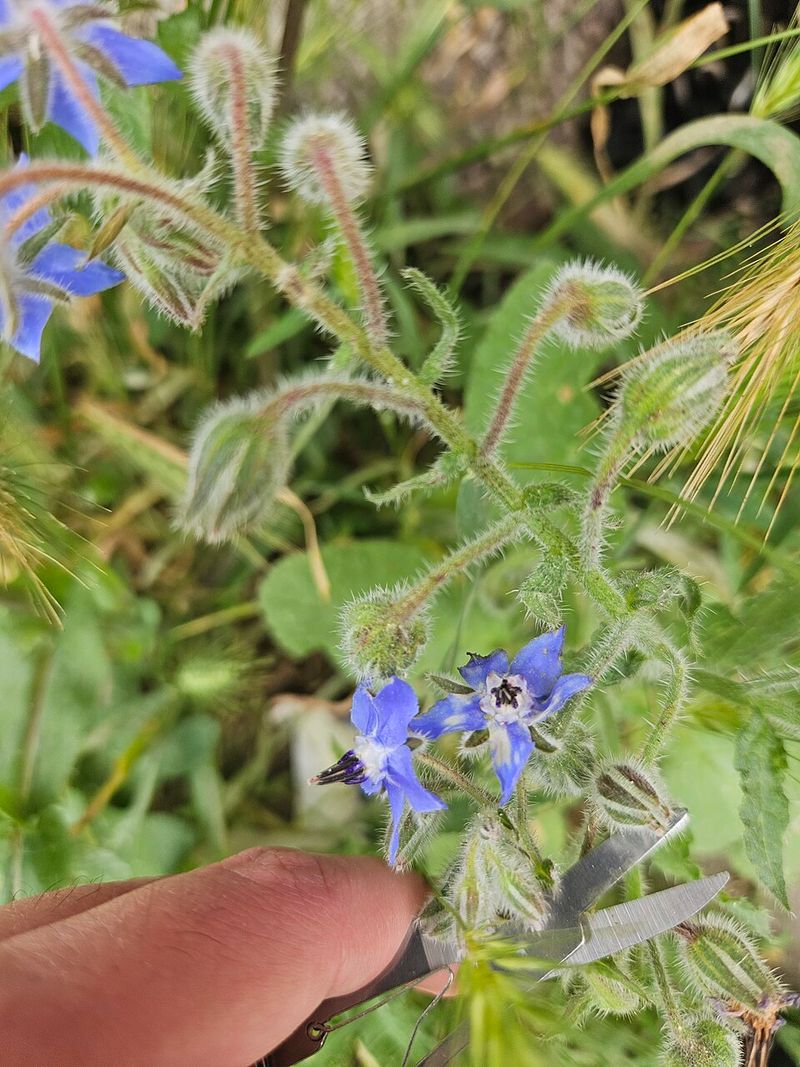
Not every homeowner wants to spend heavily on starter plants each season, especially for a front yard bed that covers real square footage. Borage is appealing because it grows readily from seed, giving you an affordable way to fill space with something useful and attractive.
That low entry cost makes experimenting feel much less risky.
In many North Carolina gardens, direct sowing works well once the soil has warmed and the threat of frost has passed. The seedlings establish quickly, and before long you have sturdy plants that do not seem fussy about being pampered.
For people easing into gardening, that early success builds confidence fast.
I also like how straightforward it is to repeat from year to year. You can collect seed, let a few plants self-sow, or simply start fresh where you want a new pocket of bloom.
If a section near the sidewalk needs filling after another plant underperforms, borage gives you a flexible, budget-friendly backup that still looks intentional from the street.
Supports Healthier Garden Soil
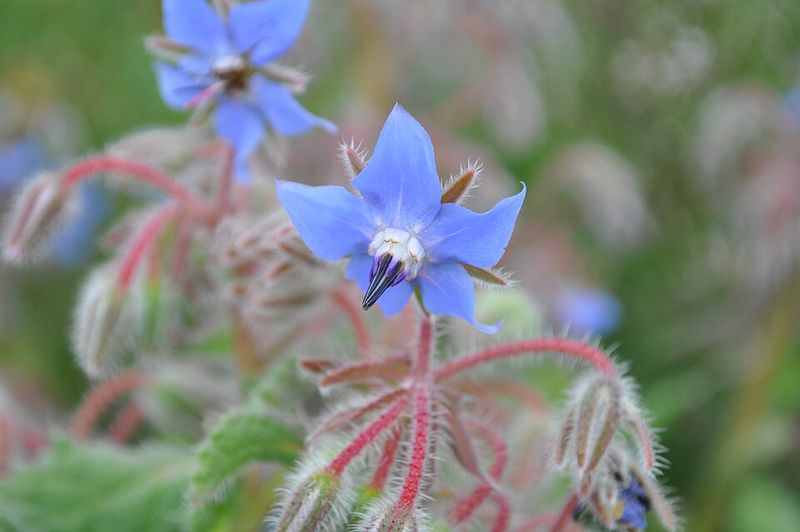
A smart front yard plant should offer more than surface beauty, and borage does exactly that. Its root system helps loosen soil as it grows, which can be useful in parts of North Carolina where clay-heavy ground compacts easily.
Better soil structure means water moves more sensibly and neighboring plants often have an easier time establishing themselves.
When leaves age out or plants are cut back, that organic material can also return to the bed as a mild soil-building resource. Many gardeners chop and drop trimmings or add them to compost, then reuse that richness around ornamental beds.
It is a simple cycle that helps front yard plantings improve over time instead of staying dependent on constant purchased amendments.
You may not notice this benefit from the street right away, but you will notice it in how the bed performs. Plants nearby can look less stressed, mulch can stay more stable, and the area often becomes easier to work season after season.
For a practical gardener, that quiet soil support is one of borage’s best hidden strengths.
Offers Edible And Herbal Value
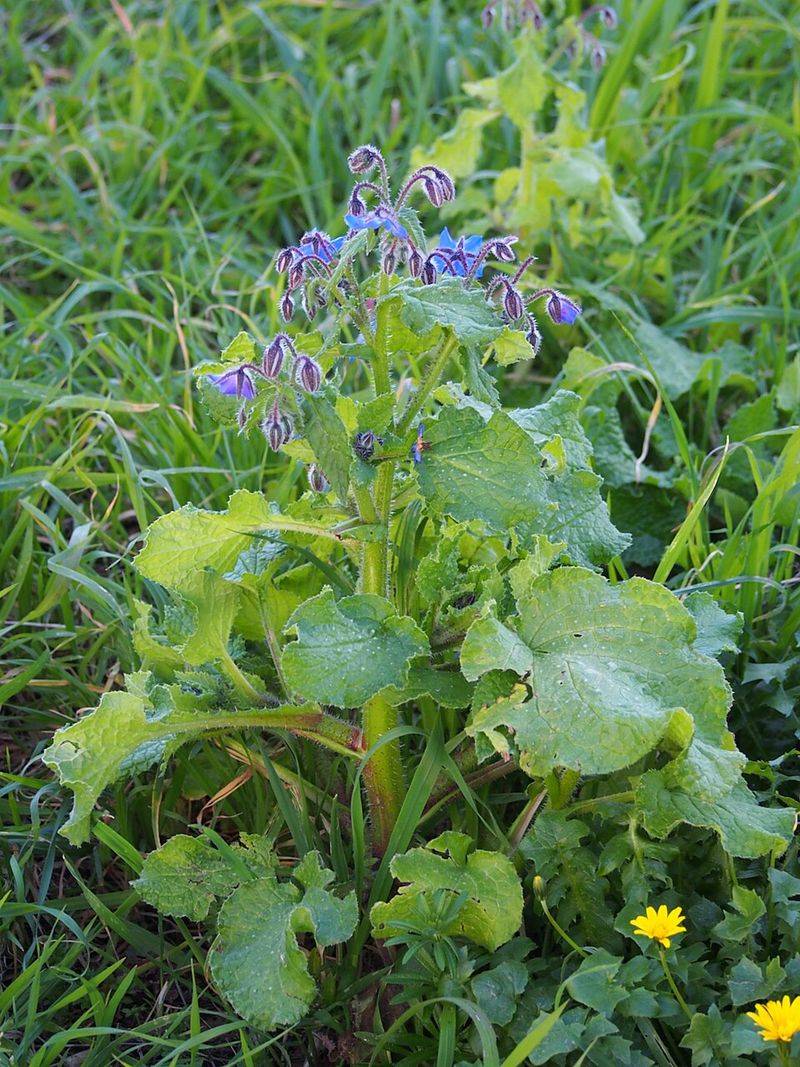
Front yard plants feel even smarter when they do more than decorate, and borage brings that extra layer of usefulness. The flowers are edible and often used to garnish drinks, salads, and desserts, giving your landscape a culinary angle that surprises people.
If you enjoy growing plants with a purpose, this one earns its keep in more than one way.
The young leaves have traditional herbal uses too, though most home gardeners appreciate the flowers first because they are visually striking and easy to recognize. Seeing an ornamental bed provide something for the table changes how you relate to the space.
It stops feeling like a display only for passersby and starts feeling like part of everyday life.
I think that is especially appealing for homes where the backyard is small or shaded. A sunny front yard patch can carry more value when you choose plants that contribute beauty, pollinator support, and edible interest at once.
Just be sure you harvest from plants grown without questionable sprays, and you get a landscape feature that is both welcoming and genuinely useful.
Works With Many Companion Plants
Good front yard design often comes down to choosing plants that cooperate rather than compete. Borage plays nicely with a wide range of companions, from flowering perennials to herbs and even edible crops tucked into decorative borders.
That flexibility makes planning easier when your front yard serves multiple purposes at once.
In North Carolina landscapes, you might pair it with black-eyed Susans, salvias, basil, dill, or dwarf shrubs that need softer seasonal color around them. The blue blooms thread through warmer tones beautifully, and the overall effect feels layered without becoming chaotic.
Because pollinators visit borage so heavily, neighboring plants can benefit from that increased insect traffic too.
This is helpful if your front yard is not purely ornamental. Many homeowners now mix flowers with herbs or small raised beds near the sunniest side of the house, and borage fits naturally into that approach.
I like plants that give you design freedom, and this one does exactly that while still looking charming enough to belong in a visible, public-facing space.
Requires Modest Maintenance
A front yard plant has to justify the attention it asks for, especially in busy households. Borage stays appealing because it generally needs only basic care: sunlight, decent drainage, and occasional watering during dry periods.
If you are trying to cut back on weekend maintenance, that simplicity is hard to ignore.
Deadheading is optional unless you want tighter control over self-seeding or a cleaner appearance. The plants usually keep blooming without much fuss, and pests are not often severe enough to make them feel like a burden.
Compared with fussier bedding flowers that need constant grooming, borage can feel refreshingly cooperative.
You will still want to place it thoughtfully, since some varieties can get a little loose in habit as the season progresses. A ring of neighboring plants, a simple edge, or a spot slightly behind the front line of a bed helps it look intentional.
For homeowners who want a welcoming landscape that does not demand nonstop correction, that moderate-care profile makes a real difference.
Creates Friendly Neighborhood Curb Appeal
Some plants make a yard look polished, but others make it feel genuinely welcoming. Borage does both by adding movement, flowers, and pollinator activity to the parts of the landscape people notice first, like the walkway, porch border, or mailbox bed.
That lived-in beauty can make your home feel approachable instead of overly staged.
Neighbors often respond to plants that seem vibrant and useful rather than formal for formality’s sake. Blue flowers catch the eye, bees signal ecological value, and the slightly informal shape suggests a gardener who wants beauty with purpose.
In many North Carolina neighborhoods, that balance fits comfortably between tidy expectations and personal style.
I think this matters more than people admit. A front yard sets the tone before anyone rings the bell, and borage sends a message that the space is cared for, active, and connected to the season.
If you want curb appeal that starts conversations instead of just checking a box, this is the kind of plant that quietly helps your home stand out.