
If You See This Strange Bug In California Gardens Do Not Pick It Up
Follow us on Google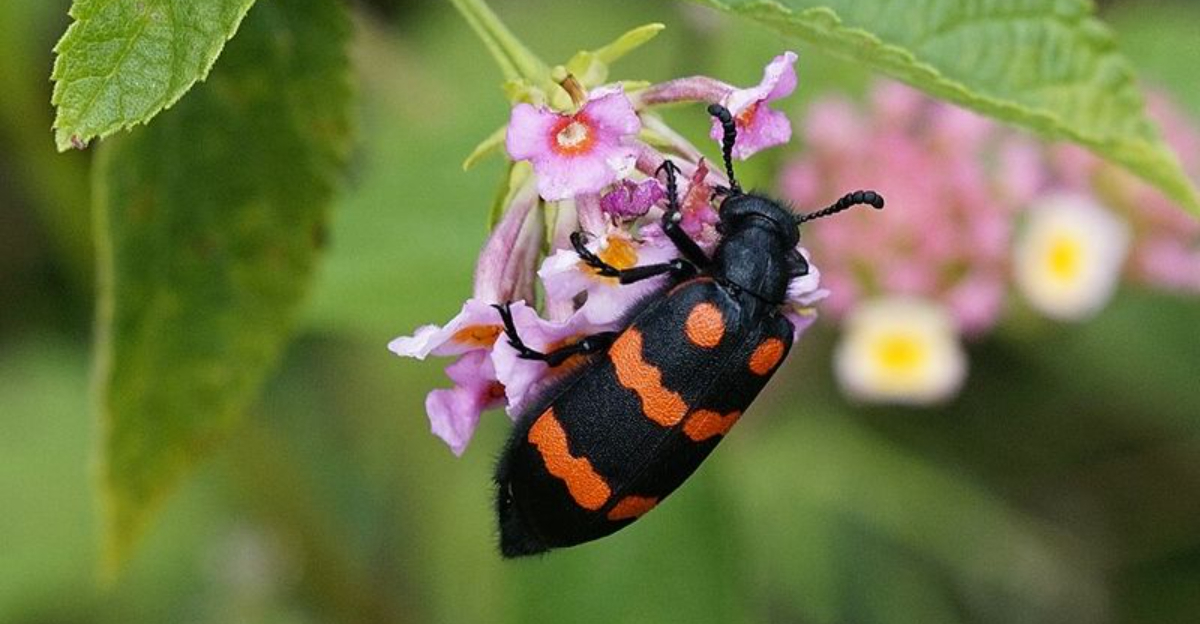
A weird striped or dark beetle crawling over your flowers might look harmless, but your bare hand can pay for that mistake fast. In California gardens, blister beetles can release a chemical that irritates skin and leaves painful welts.
The trouble is that many people mistake them for ordinary garden insects and try to flick them away. Knowing what you are looking at can save your skin, protect pets, and keep your garden routine from turning into an urgent care visit.
How To Identify A Blister Beetle
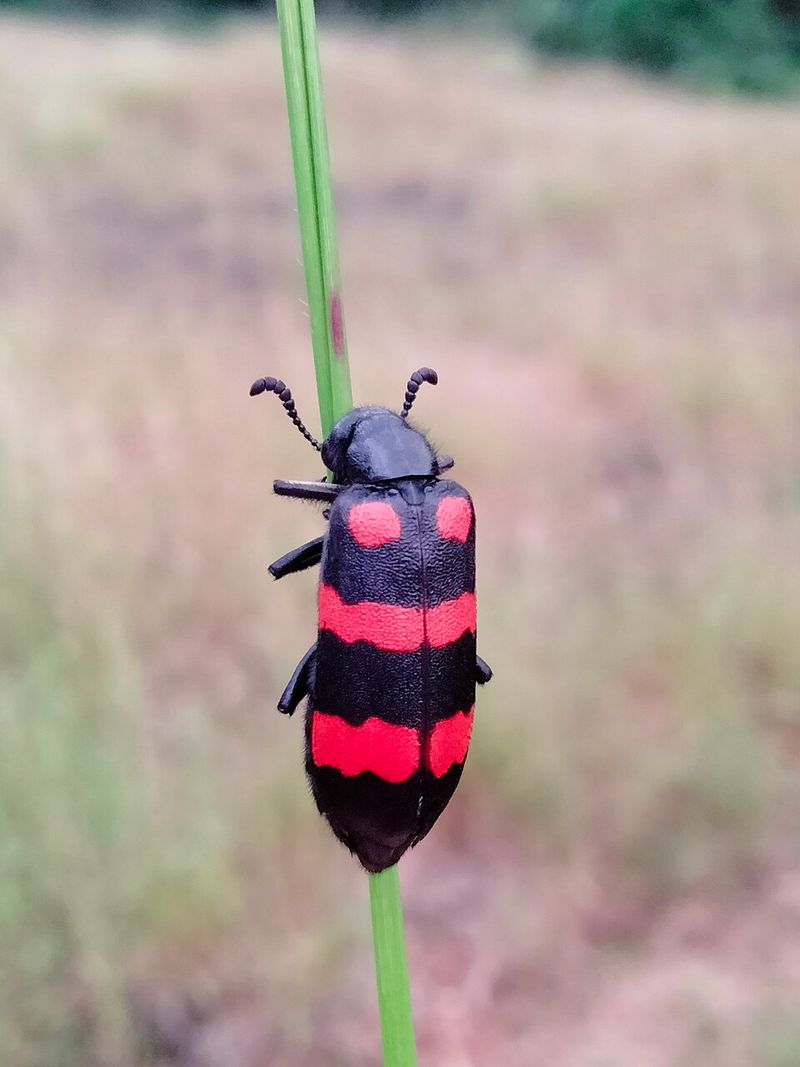
At first glance, this insect can seem like just another odd beetle wandering across a tomato cage or flower bed. The body is usually long and narrow, with a soft look rather than a hard, rounded shell like a ladybug or typical beetle.
Many species in California appear black, gray, or striped, and the head often looks wider than the thin section behind it.
That pinched area is one of the easiest clues to notice when you are leaning in for a closer look. Adults also have relatively long legs and antennae, which give them a slightly awkward, stretched appearance on leaves and blossoms.
If one seems unusually lanky compared with common beetles in your yard, pause before touching it.
You will often spot blister beetles on flowers, vegetables, and ornamental plants where they feed in groups. They can cluster on petals, bean leaves, tomatoes, potatoes, and weeds, which makes them easier to miss during quick garden work.
A gardener pulling dead blooms by hand can run into one without realizing it.
Photos help, but behavior matters too. If a strange beetle looks soft-bodied, elongated, and out of place on your plants, treat it with caution and keep your fingers off until you confirm the species.
Why Picking It Up Is A Bad Idea
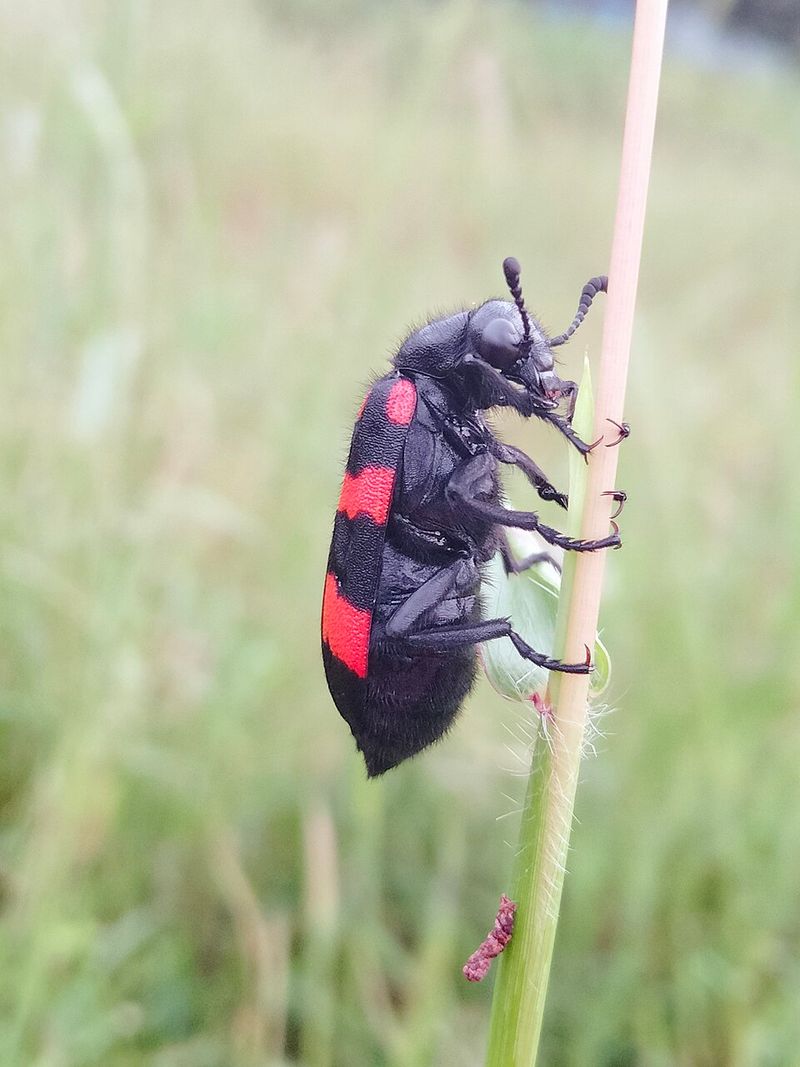
The real problem is not a bite or sting. Blister beetles defend themselves by releasing cantharidin, a toxic chemical that can irritate human skin and cause painful blisters after contact.
Even a quick grab can leave redness, burning, or raised patches that feel far worse than a simple bug encounter.
That reaction does not always happen instantly, which is why people sometimes underestimate what happened. You may brush one off, go back to pruning roses, and only later notice a hot, itchy spot on your hand or wrist.
In more serious cases, the area can swell and become tender enough to interfere with daily tasks.
Crushing the insect makes matters worse because more of the chemical can spread onto skin, gloves, tools, or fabric. A gardener who swats one against a shirt sleeve can unknowingly smear the irritant across a larger area.
The same risk applies when pets mouth insects or when children handle bugs out of curiosity.
That is why the safest move is distance, not reflex. If you find one, resist the urge to pinch, flick, or inspect it with bare fingers, and switch immediately to a hands-off way of removing it.
Where Californians Commonly Find Them
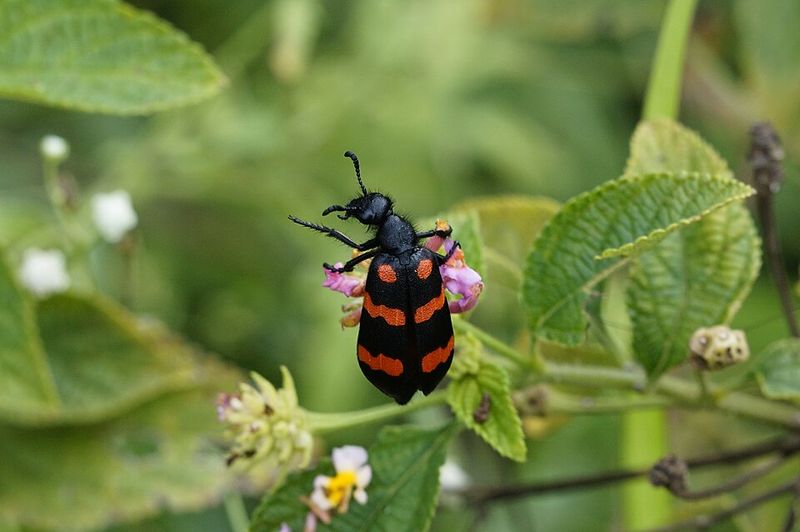
These beetles turn up most often where flowers and edible plants are already getting regular attention. In California, gardeners may notice them on tomatoes, potatoes, beans, peppers, alfalfa nearby, and ornamentals with open blooms.
Dry, warm conditions can support the kinds of habitats where adults become more visible.
Backyard beds are not the only place they appear. Community gardens, suburban pollinator patches, and weedy edges near fences can all host them, especially when blooming plants are concentrated in one area.
If your yard has a mix of vegetables and flowering natives, you have more places to watch carefully.
Timing matters too because adults are easier to spot during active growing months. A person deadheading daisies in late spring or harvesting beans in summer is more likely to brush against one than someone only glancing across the yard from a patio.
Their colors can blend surprisingly well with stems, petals, and dried foliage.
One practical habit helps a lot here. Before reaching deep into dense growth, scan the plant slowly from bloom to stem tip, especially on sunny days when insects are actively feeding and resting in plain sight.
What To Do If You Spot One
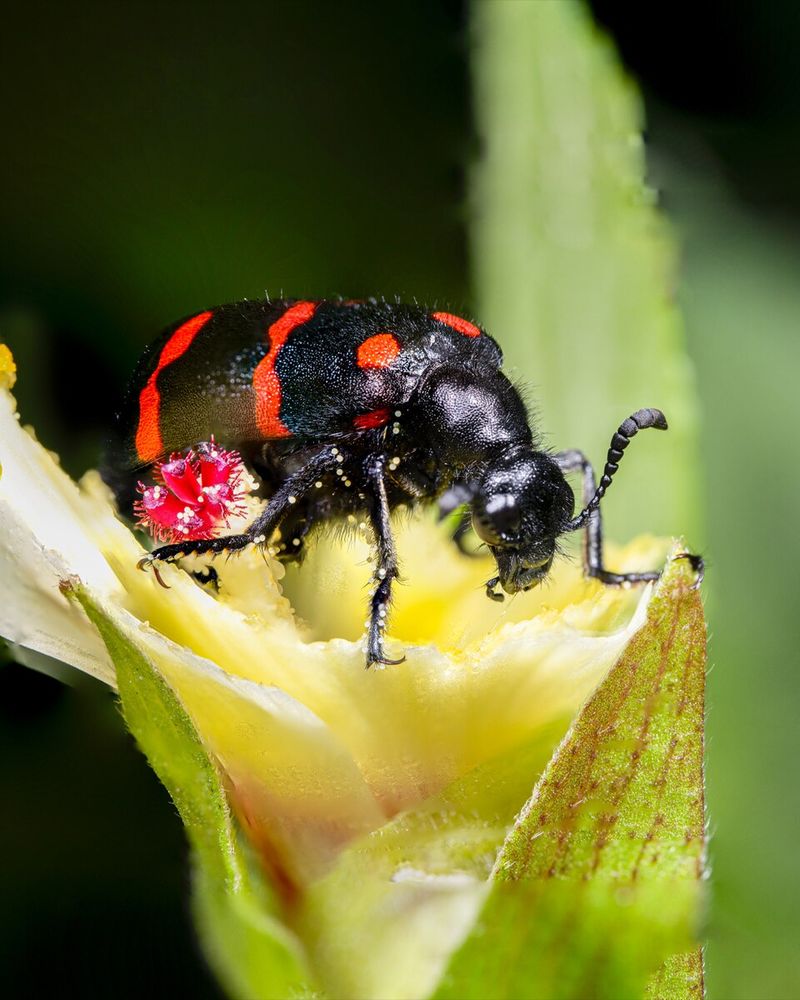
Staying calm is the smartest first step because quick reactions usually create the problem. If you notice one on a stem, glove, or watering can, stop what you are doing and avoid brushing it with bare skin.
A few careful seconds can prevent a painful rash and a lot of unnecessary cleanup.
Start by putting on sturdy gloves if you are not already wearing them. Then use a container, trowel, or a folded piece of cardboard to move the insect away from areas where people or pets might touch it.
Some gardeners gently knock beetles into a jar of soapy water, while others contact local extension services for guidance.
Do not crush it against the plant, patio, or your clothing. That spreads the irritant and can contaminate surfaces you touch later, including door handles, pruners, and hose nozzles.
If several are feeding together, hold off on harvesting nearby produce until you can remove them safely.
Afterward, wash your gloves, tools, and hands even if you think no direct contact occurred. That extra step feels small in the moment, but it is exactly the kind of routine that keeps one strange bug from ruining your week.
First Aid After Skin Contact
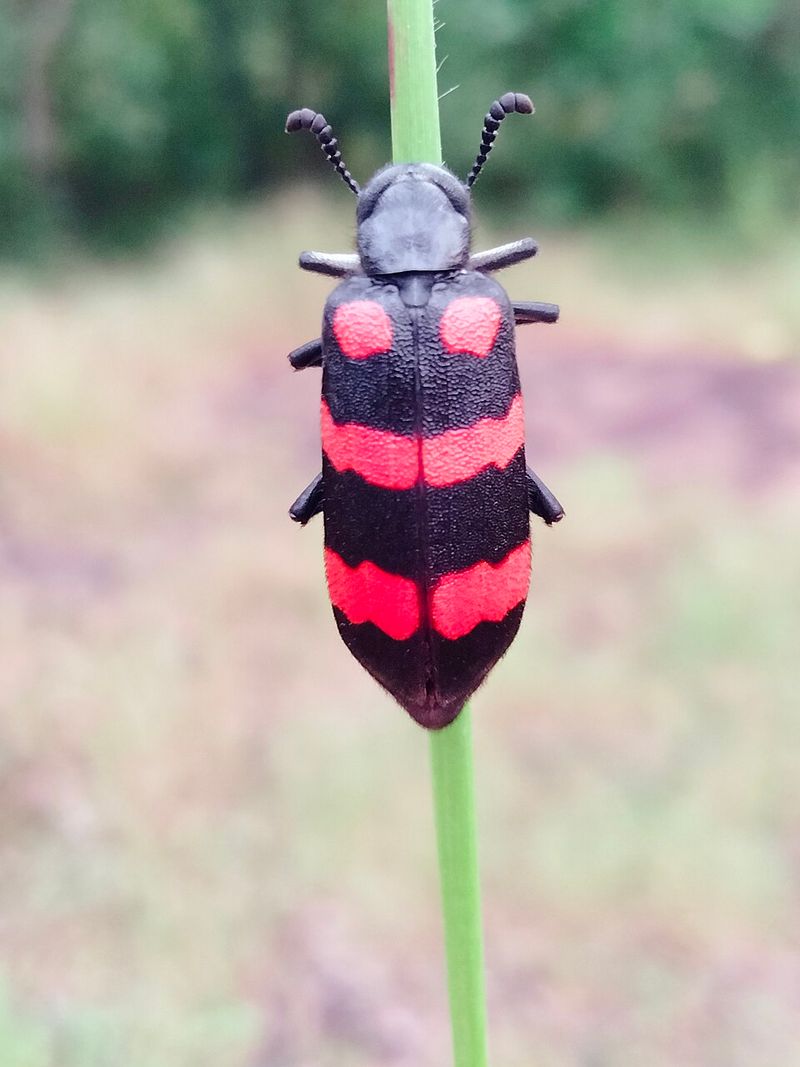
If skin touches a blister beetle or a crushed residue, act quickly and keep the response simple. Wash the area with soap and cool water as soon as possible, and avoid rubbing hard because that can push the irritant across more skin.
Removing contaminated clothing or gloves right away also helps limit further exposure.
Once the area is clean, a cool compress can reduce the burning sensation and calm redness. Many mild cases improve with basic care, but the spot may still become sore, itchy, or blistered over the next several hours.
Try not to scratch, even if the irritation feels similar to poison ivy or a bad mosquito bite.
Pay closer attention if the affected area is large, very painful, or near your eyes. Medical care is a smart move if blisters worsen, signs of infection develop, or a child or pet has been exposed.
The same goes for anyone with sensitive skin or a history of stronger reactions.
Most people do best when they respond early instead of waiting to see if it fades. A quick wash, clean clothing, and a watchful eye can turn a nasty encounter into a manageable one before it escalates.
How To Protect Kids, Pets, And Your Harvest
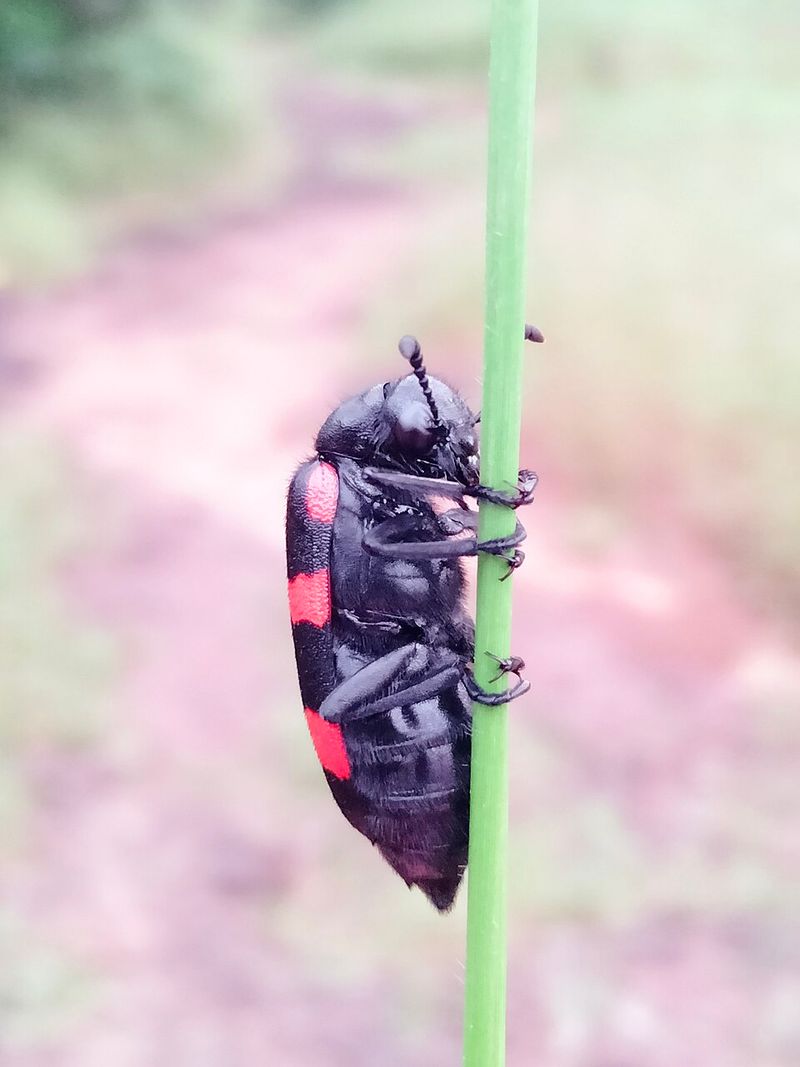
The biggest risk in many home gardens is not the insect itself but the moment someone reaches for it without thinking. Children are naturally curious about strange bugs, and pets may sniff, paw, or mouth insects hiding in low foliage.
A little planning makes those everyday moments much safer.
Start by teaching a simple house rule: look, do not touch. That phrase is easy for kids to remember when they spot an unusual beetle on marigolds, bean plants, or a garden path.
For pets, supervision matters most during active gardening sessions when insects may be disturbed and easier to notice.
Harvesting produce deserves extra care too. Wear gloves when picking vegetables in areas where blister beetles have been seen, and inspect leaves, blossoms, and the undersides of stems before dropping anything into a basket.
Rinse produce well, clean pruners and harvest bins, and do not let picked items sit mixed with insects or plant debris.
It also helps to keep weeds managed around beds where beetles may gather. A tidy harvest routine, quick visual checks, and a no-touch rule for unusual bugs can protect your skin, your produce, and everyone sharing the yard with you.
When To Call Local Experts
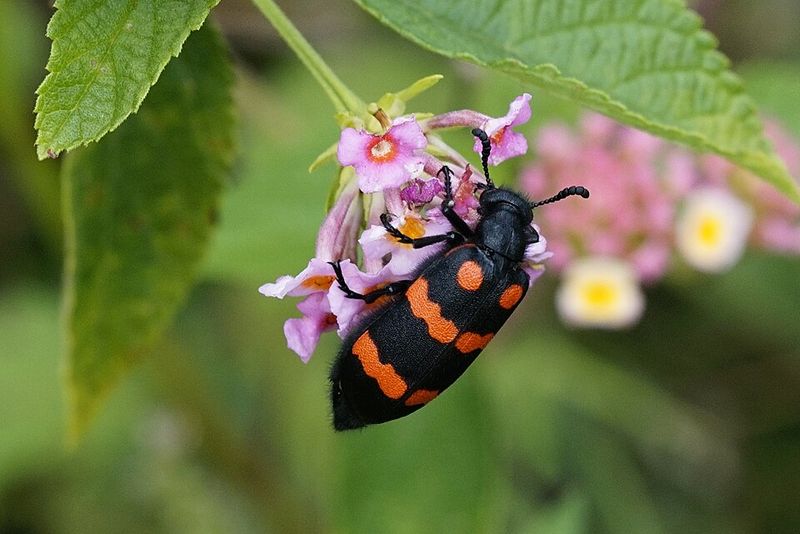
Sometimes one odd insect is just that, but clusters are a different story. If you are seeing repeated blister beetle activity on vegetables, flowers, or forage plants near your property, it is worth asking for local guidance instead of guessing.
California conditions vary a lot by region, and pest advice should match your area.
County cooperative extension offices and master gardener programs are often the best first stop. A clear phone photo, the plant involved, and the date you saw the beetles can help experts confirm identification and suggest safe next steps.
That is far more useful than relying on random social posts or blurry image matches.
Professional input matters even more if livestock feed is involved. Blister beetles can be dangerous when they contaminate hay, especially for horses, so gardeners near rural properties should take sightings seriously.
The same applies if a child had contact, a pet chewed one, or you are dealing with widespread plant damage.
Reaching out early is not overreacting. It is the practical move that turns a confusing garden sighting into a clear plan, which is exactly what you want when a strange bug shows up where your hands usually go first.