
9 Hardy Shrubs That Bring More Color Than Hydrangeas In Ohio
Follow us on Google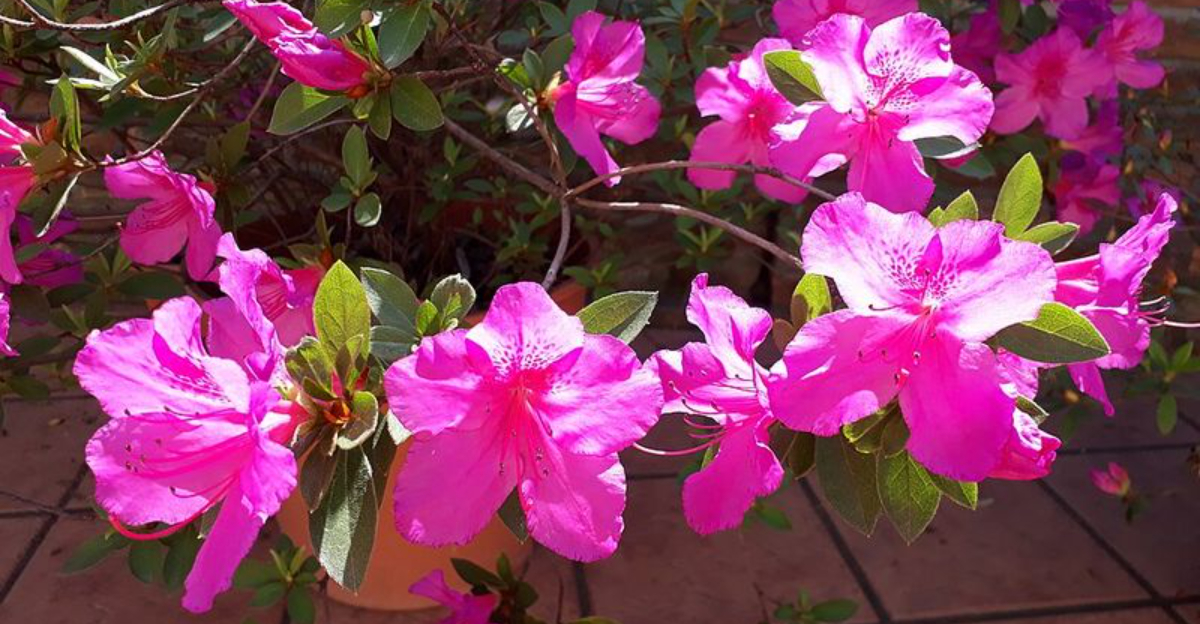
Hydrangeas get plenty of attention in Ohio, but they are far from your only option if you want a yard that stays colorful for more of the year. Some shrubs bloom longer, carry brighter foliage, or put on a second show in fall and winter when hydrangeas fade into the background.
If you want dependable plants that can handle Ohio weather and still look exciting, these picks earn their space fast. You might end up saving your hydrangeas for backup duty.
Weigela
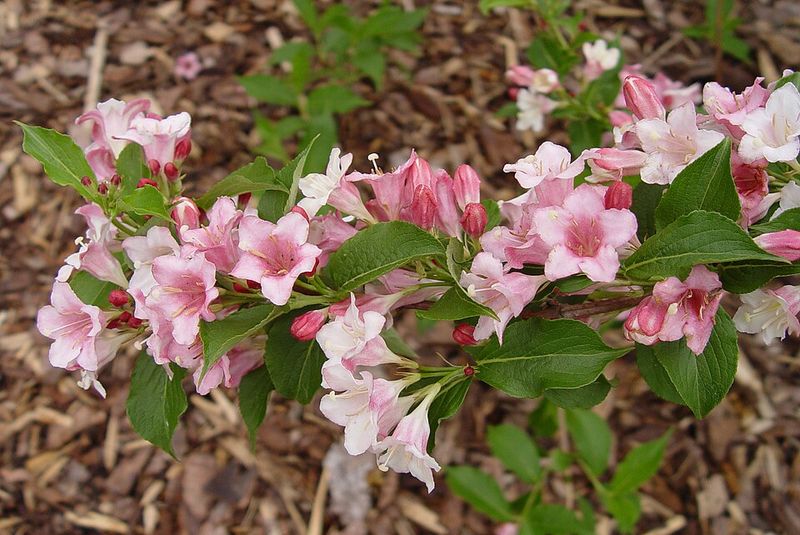
If you want a shrub that starts the season with energy, this one rarely disappoints. Weigela handles Ohio winters well, and once late spring arrives, the branches fill with trumpet-shaped blooms in pink, red, or white that seem to glow against the leaves.
Hummingbirds notice it fast, which makes the show feel even livelier from a patio or front walk.
Many newer varieties keep the color story going after flowering ends. You can choose burgundy, chartreuse, or variegated foliage, so the plant still pulls its weight through summer instead of fading into the background.
In my experience, that combination makes hydrangeas look a little one-note when their bloom cycle is over.
Full sun gives you the heaviest bloom, though a little afternoon shade is fine in hotter parts of Ohio. Prune right after flowering if you want to shape it, because next year’s buds form on old wood.
Set one near evergreens or pale siding, and the flower color stands out even more. For an easy, high-impact shrub that feels cheerful instead of fussy, this is hard to beat.
Diablo Ninebark
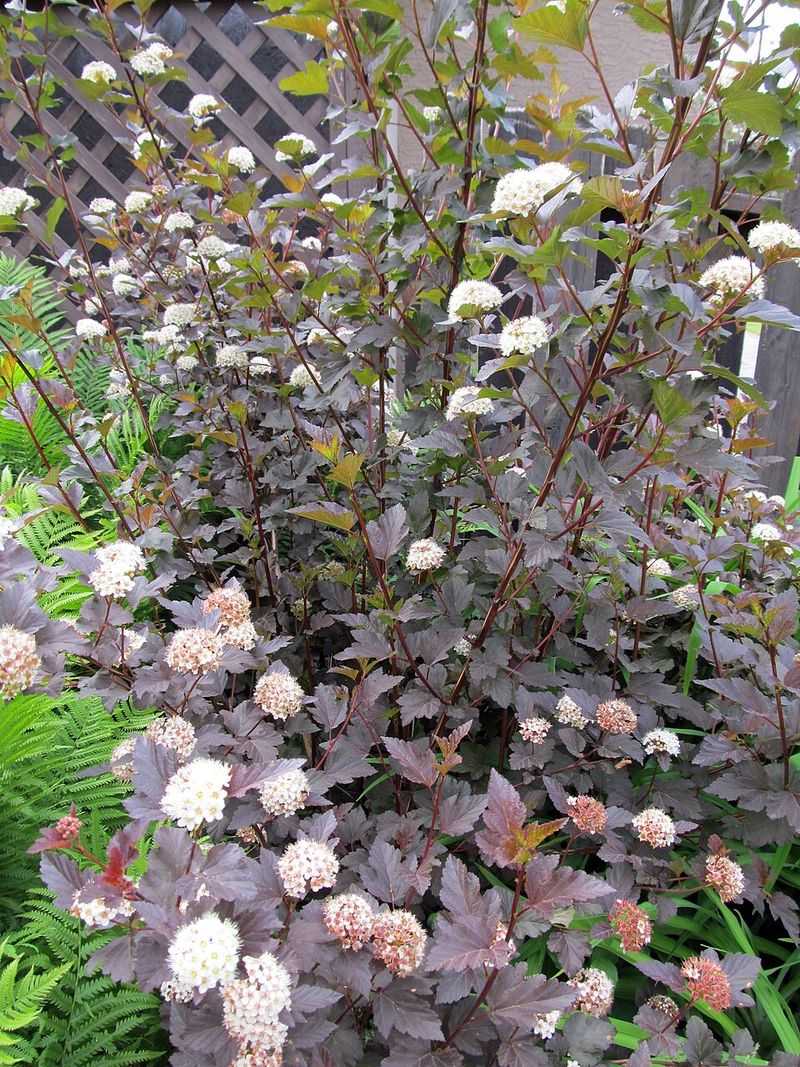
Deep burgundy foliage changes the whole mood of a planting bed, and that is exactly why ninebark earns attention. Diablo and similar cultivars bring rich purple leaves from spring through fall, then add clusters of soft pinkish white flowers in late spring for a strong contrast.
That layered color lasts far longer than a typical hydrangea flush, especially in sunny Ohio yards.
Winter interest is another reason this shrub keeps paying rent. As the plant matures, the bark exfoliates in attractive strips, giving you texture and visual movement after the leaves drop.
If your landscape feels flat in February, this feature matters more than people expect when everything else looks tired.
Ohio gardeners usually appreciate how adaptable ninebark is once established. It tolerates clay better than many flowering shrubs, handles cold winters without drama, and responds well to occasional renewal pruning.
Give it room, because some forms get large, and use that size to anchor the back of a border or create privacy. Pairing the dark foliage with gold spirea or pale coneflowers makes the color even sharper.
For long-lasting drama with very little pampering, ninebark makes an easy argument for itself.
Goldmound Spirea
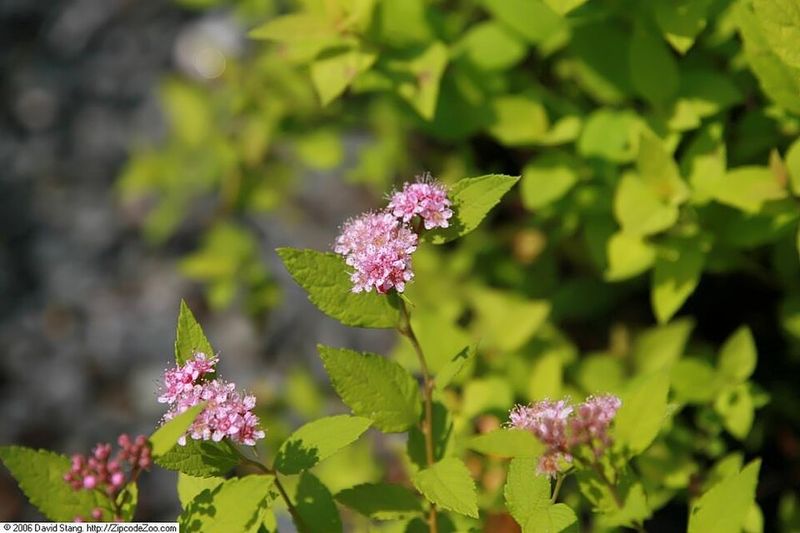
Bright golden foliage can wake up a planting bed faster than almost any flower, and spirea does it for months. Goldmound and related varieties leaf out in glowing yellow to chartreuse tones, then layer on rosy pink flower clusters that repeat lightly if you trim spent blooms.
In Ohio landscapes that need reliable color without constant work, that is a smart trade.
The compact shape also makes this shrub easy to fit where larger blooming plants would crowd windows or sidewalks. You can use it along a foundation, edge a walkway, or tuck several into a mixed border where the foliage keeps everything from feeling too green.
During summer, the leaves stay bright enough to catch your eye even on cloudy days.
Full sun is the secret to the strongest leaf color and best flowering. A light shear after the first bloom cycle keeps it tidy and often encourages another round, which is a nice bonus if you like a garden that looks awake into late summer.
Ohio winters usually are no problem, and deer tend to leave it alone more often than tender favorites. If hydrangeas feel a bit oversized or heavy for your space, spirea offers a smaller, brighter, and easier option that still looks polished from spring through frost.
Potentilla
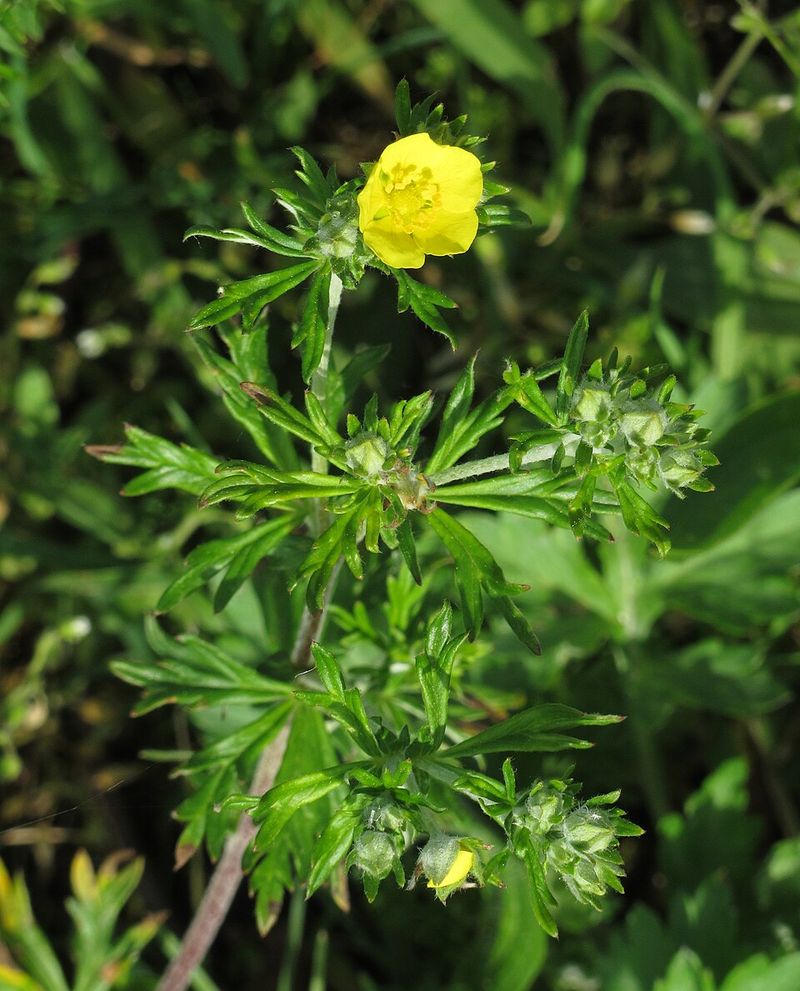
Long bloom time is where potentilla quietly outperforms many showier shrubs. Starting in late spring and often continuing into fall, it covers itself in cheerful flowers in yellow, white, orange, or soft pink, depending on the cultivar.
That steady display feels especially valuable in Ohio, where you want every planted square foot to justify itself across an unpredictable season.
This is also one of the easiest shrubs to place if your site is sunny and not overly rich. Potentilla likes well-drained soil, tolerates drought once established, and stays compact enough for foundation beds, mailbox plantings, or the front of a mixed border.
The texture is neat and understated, so brighter companion plants never look crowded beside it.
If you have struggled with fussy bloomers, this shrub can feel refreshingly uncomplicated. A simple cleanup in early spring is usually enough, and older plants can be thinned lightly to keep them vigorous.
In colder parts of Ohio, that durability matters because winter damage is rarely a serious issue. I especially like using yellow forms near blue catmint or purple salvia, where the color contrast makes both plants look stronger.
For gardeners who care more about months of color than oversized flower heads, potentilla deserves a much bigger reputation.
Rose of Sharon
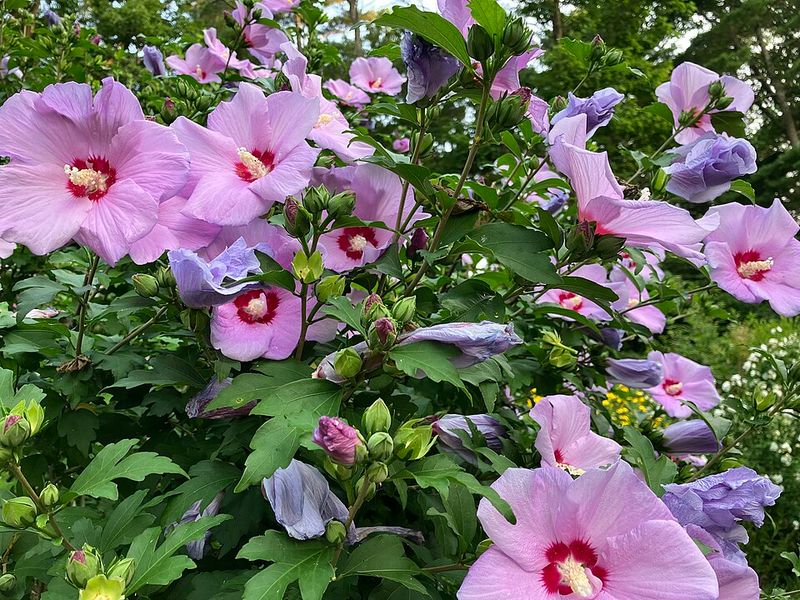
Late summer can be the dullest moment in an Ohio yard, which is exactly when Rose of Sharon starts showing off. Large hibiscus-like flowers open in pink, lavender, blue, or white when many spring shrubs are already coasting, and that timing makes the color feel even more dramatic.
If you want a shrub that rescues August from looking tired, this one earns a serious look.
The upright habit also helps when you need height without the density of a big hedge. You can place it near a fence, use it as a loose seasonal screen, or let it anchor the back of a sunny border where the blooms rise above perennials.
Pollinators love it, and the flowers give the garden a fresh burst right when heat has worn everything else down.
Good sun is important, and patience helps because leaf-out is often late in spring. Once warm weather settles in, growth speeds up, and regular watering during dry spells keeps flowering strong.
Some varieties self-seed, so if you prefer a tidier garden, choose improved cultivars with fewer volunteer seedlings. In return, you get weeks of bloom when hydrangeas may already be aging.
For anyone wanting bold color at the exact moment the landscape starts losing momentum, Rose of Sharon fills that gap better than most shrubs can.
Red Twig Dogwood
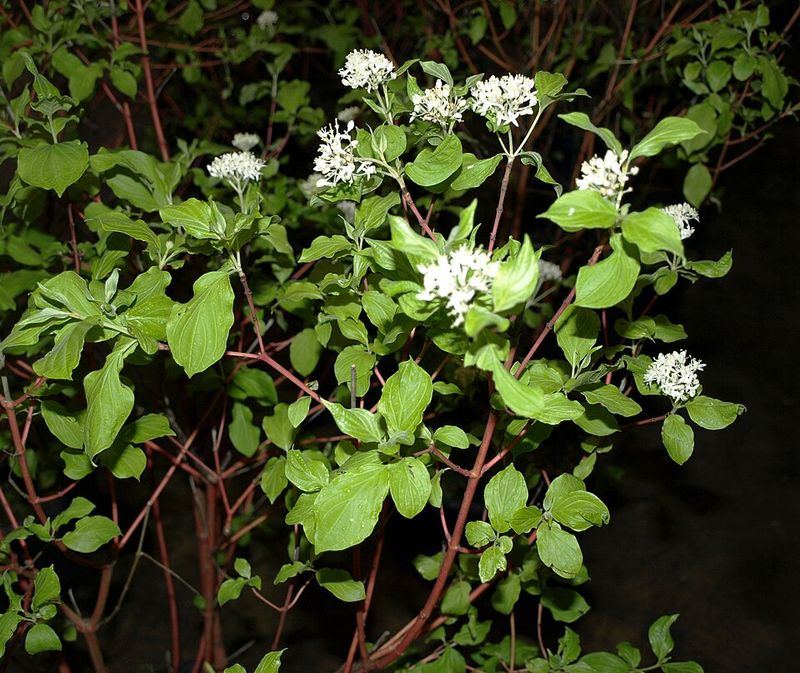
Flower power is not the only way a shrub can outshine hydrangeas, and red twig dogwood proves that beautifully. Spring brings white flower clusters, summer adds fresh green foliage, and fall often delivers reddish or purple tones, but winter is the real headline.
Once leaves drop, the stems turn brilliant red and light up the landscape against snow, mulch, or evergreens.
That kind of cold-season color matters in Ohio more than many people admit. From January through March, most yards look muted, so a shrub with glowing stems can make the entire bed feel intentional instead of abandoned.
If you plant several together, the effect is even better, especially where low sun catches the bark in the afternoon.
Moist soil suits this plant well, which makes it useful near downspouts, rain gardens, or naturally damp areas where fussier shrubs complain. To keep stem color brightest, remove some of the oldest canes every year or two, since younger growth is usually the most vivid.
Pair it with dark evergreens or golden winter grasses for strong contrast. While the blooms are modest compared with hydrangeas, the total four-season performance is hard to ignore.
For gardeners who want a shrub that keeps contributing after frost, red twig dogwood easily justifies its spot.
Azalea
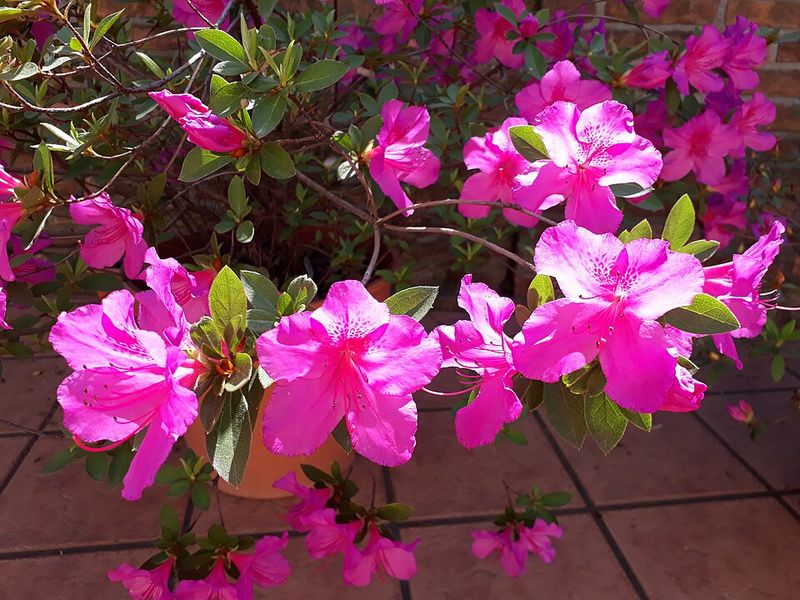
Spring feels different when an azalea is in bloom, because the entire shrub can disappear under a mass of color. Hardy selections for Ohio open in shades like coral, pink, red, orange, white, and lavender, often creating a stronger visual punch than hydrangeas ever manage in a single week.
If you catch them against dark mulch or a shady evergreen backdrop, the flowers seem almost electric.
Placement matters more here than with some tougher shrubs, but the payoff is worth the planning. Morning sun with afternoon shade usually works well, especially in hotter Ohio locations, and soil that drains well while staying evenly moist helps roots settle in.
Acidic conditions are best, so a little preparation before planting can save you frustration later.
Because the bloom period is concentrated, I like pairing azaleas with plants that carry the color story after flowers fade. Ferns, hostas, heuchera, or dark-needled evergreens keep the bed from feeling empty, and some evergreen azalea types hold enough foliage to remain useful year-round.
Prune only right after flowering if shaping is needed, since next year’s buds form early. For anyone craving a true spring showpiece that turns heads from the street, a well-sited azalea delivers pure color in a way few shrubs can match.
Smokebush
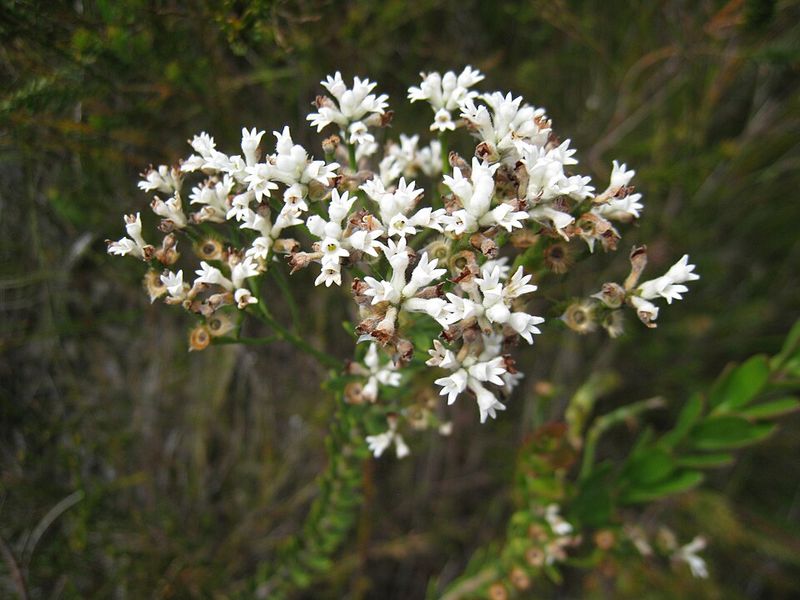
Few shrubs create drama as effortlessly as smokebush. Rich purple or blue-green foliage appears in spring, then airy plume-like flower clusters develop in early summer and give the plant its smoky, almost clouded look.
By fall, many varieties shift into fiery orange, red, or scarlet tones that make a single specimen feel like three different plants across one year.
That seasonal progression is why it often reads as more colorful than hydrangeas overall. Instead of offering one main bloom window, smokebush keeps changing, which gives the eye something fresh each month.
In a sunny Ohio yard, the saturated foliage alone can anchor an entire design, especially if nearby flowers are softer in tone.
Space is important because this shrub can become large, though hard pruning in early spring can keep it more compact and encourage oversized leaves on some cultivars. Good drainage helps, but once established it is fairly tolerant and not especially demanding.
I like it best where backlighting catches the plumes in evening sun, since that is when the effect looks almost unreal. Use it near ornamental grasses, coneflowers, or chartreuse shrubs for contrast that feels intentional instead of busy.
If your landscape needs a bold focal point rather than another round ball of blooms, smokebush is a strong answer.
Virginia Sweetspire
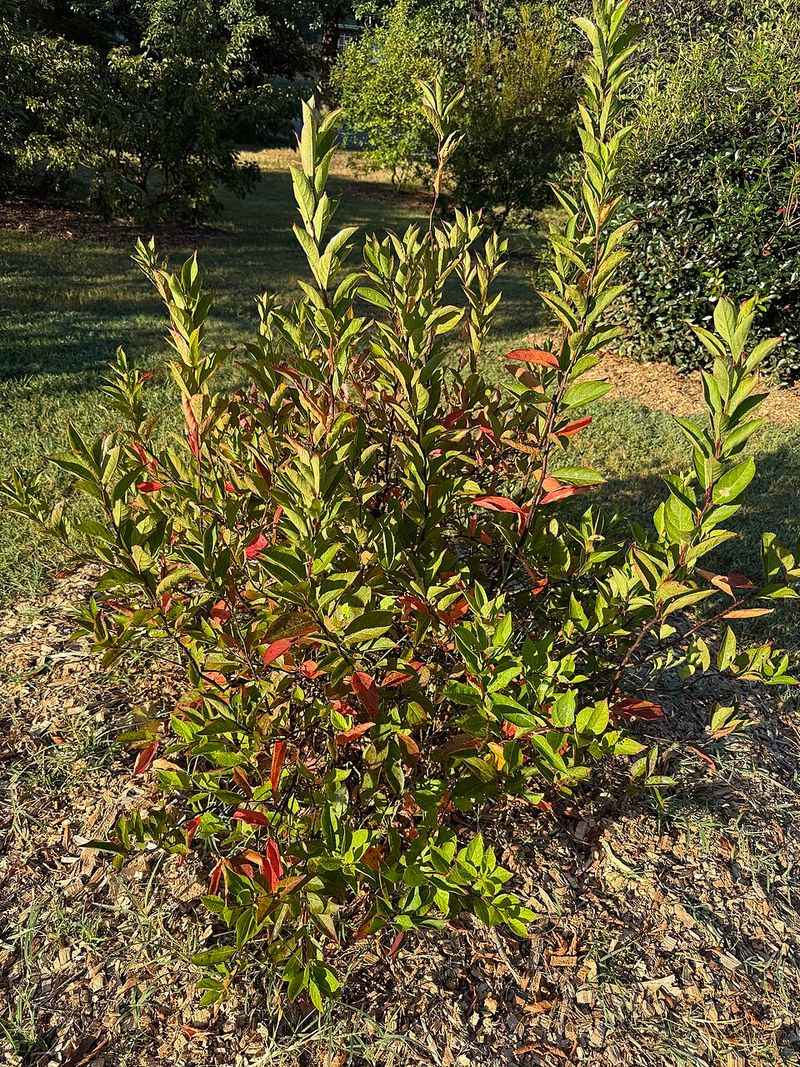
Graceful shape and reliable fall color give Virginia sweetspire a much longer season of interest than people expect. In late spring to early summer, arching branches carry fragrant white flower spikes that soften the whole planting bed with a bright, airy look.
Once cooler weather arrives, the foliage turns shades of red, orange, and burgundy that can hold impressively well into autumn.
This shrub is especially useful in Ohio because it handles conditions that frustrate many flowering plants. It tolerates wetter soils better than most, works beautifully along streams or low spots, and still performs in average garden beds with decent light.
That flexibility makes it easier to use than fussier shrubs that demand perfect drainage and constant attention.
For the best flower and fall display, give it sun to part shade and enough room for its naturally mounded habit. It looks great in groups, where the layered branches create a relaxed, almost naturalized effect, but one plant can also brighten a smaller foundation bed.
Minimal pruning is usually enough, which is a relief if you prefer shrubs that behave without constant shaping. I like how it bridges seasons, offering fragrance when spring is winding down and rich leaf color when summer annuals start fading.
For dependable beauty that does not feel overused, Virginia sweetspire is an excellent Ohio choice.