
Where Yellowjackets Tuck Their Queens Away in North Carolina Yards Once the Nests Die Off
Follow us on Google
You’re raking the first oak leaves off the patio on a cool November morning, and the yard is finally quiet. No buzzing at the trash can, no wasps diving into your sweet tea.
But the yellowjackets are not truly gone from your North Carolina yard, and their future queens are already hiding somewhere close by. Here is exactly where they tuck themselves away, and what you can calmly do about it before spring.
1. The First Hard Freeze Ends the Whole Colony
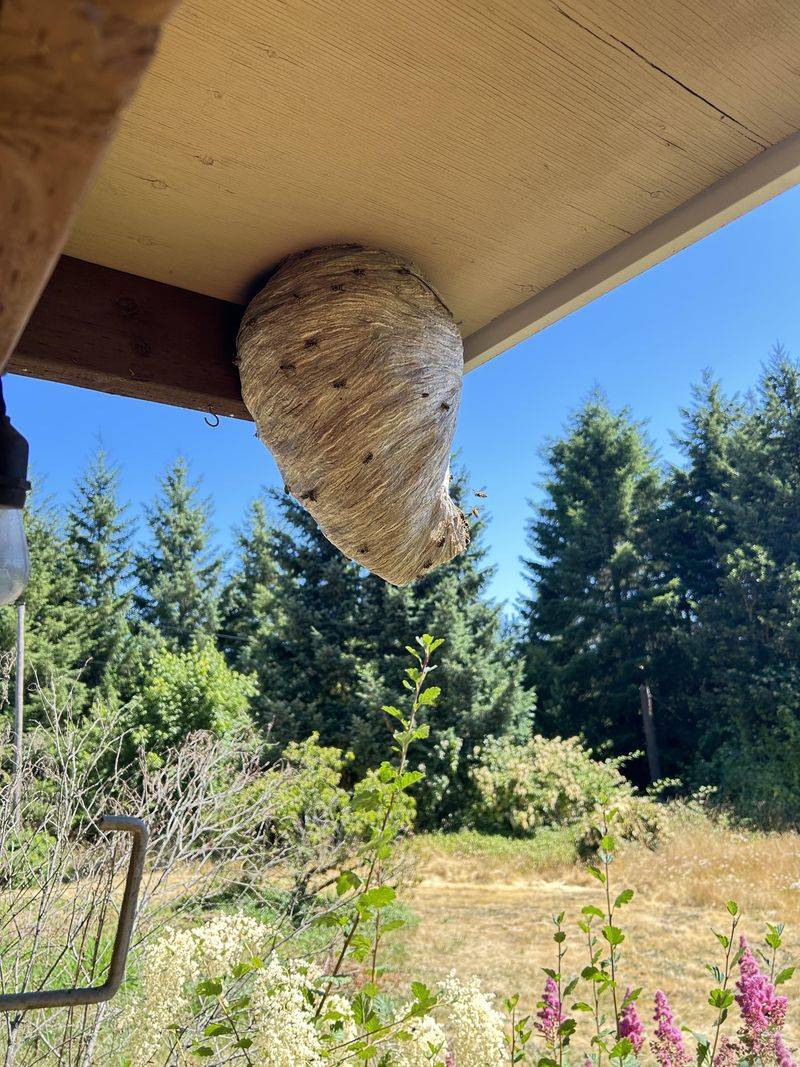
Late summer cookouts in North Carolina have a familiar villain. Yellowjackets (Vespula species) crash the burgers and the soda cans, bolder every week.
That pushy energy is actually a sign their colony is running out of time.
Once the first hard freeze arrives, often in late October or early November across much of the Piedmont, the workers die. The old queen dies too.
A nest that held thousands of wasps in August becomes an empty paper shell within days.
And here is the part many homeowners never hear. Yellowjackets do not reuse old nests, so that hole by the mailbox will not wake up next spring.
You can leave it alone or fill it once the cold has settled in.
The only survivors are the new, mated queens. Each one carries next year’s colony inside her, like a seed waiting for warm soil.
Where she spends the winter is the real story.
2. New Queens Leave Home Before the Cold Hits
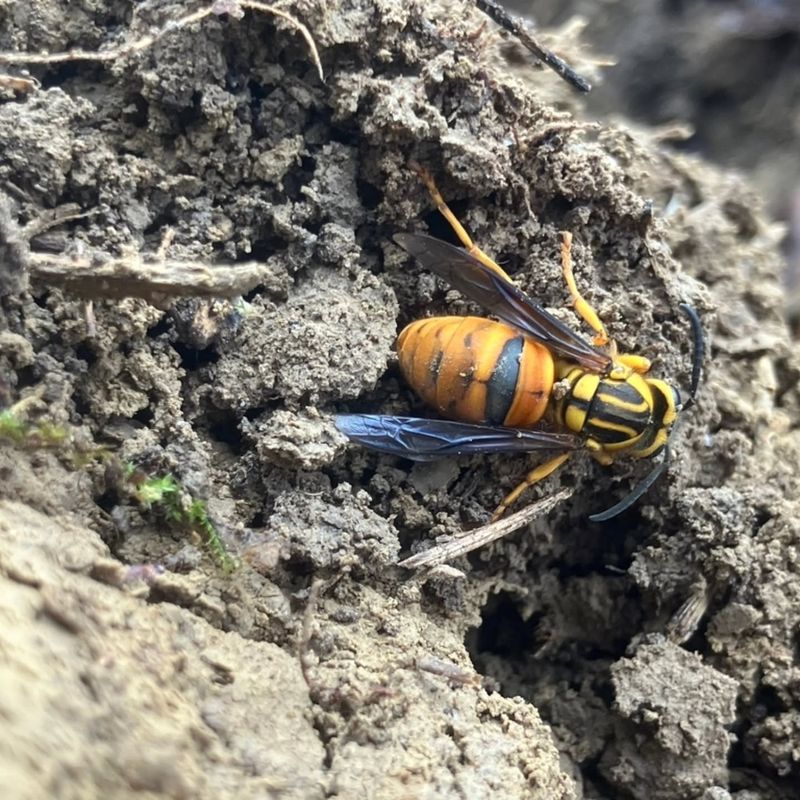
A queen yellowjacket is noticeably bigger than the workers you swatted at all summer. In early fall, colonies raise these future founders, and they mate on warm afternoons before scattering across the neighborhood.
They do not linger at the old nest. Each queen flies off alone, searching for a spot that is dry, dark, and out of the wind.
She is not looking for comfort, just a place where frost and rain cannot reach her.
So the wasp you spot crawling slowly on a porch rail in October may be one of them. She is sluggish because cool weather slows her down, not because she is sick.
It is a quiet glimpse of the next season already in motion.
3. Loose Soil and Old Burrows Become Winter Bedrooms

The ground under your feet holds more secrets than you would guess. Many overwintering queens crawl into loose soil, abandoned rodent tunnels, or gaps under landscape timbers.
A few inches down, the soil stays steadier than the air above. On a Coastal Plain night when the thermometer dips to 25 degrees, that buried pocket may barely drop below freezing.
Sandy soil is easy to slip into, while Piedmont red clay tends to offer cracks and old root channels instead.
You do not need to dig up your yard hunting for them. Honestly, you would rarely find one.
Just know that soft, undisturbed corners near your foundation are prime real estate, and that matters later when you plan your spring cleanup.
4. Rotting Logs and Firewood Stacks Shelter Sleeping Queens
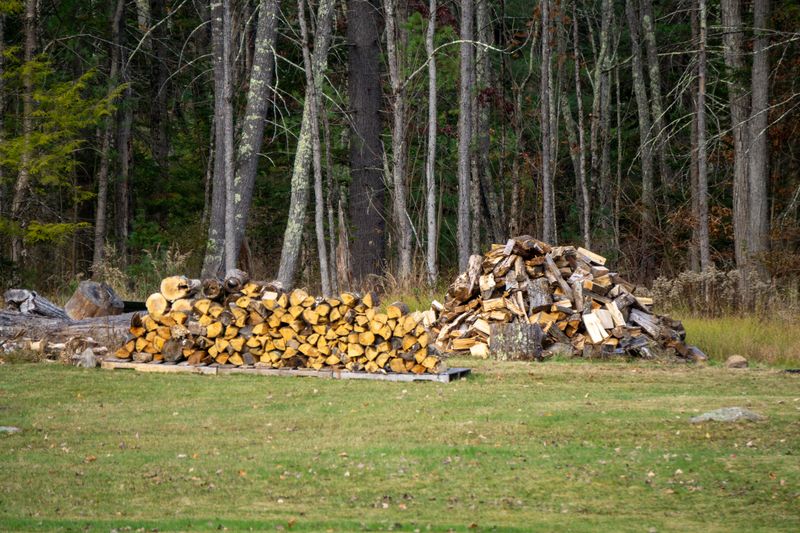
That firewood pile against the back fence is doing double duty. Besides warming your fire pit, it is a gated community for overwintering insects, yellowjacket queens included.
Loose bark, split logs, and soft rotting stumps hold countless narrow gaps. A queen squeezes in, folds her wings, and waits out the season.
NC State Extension notes that queens overwinter in protected spots like these, under bark and inside hollow wood.
The fix is simple and does not mean clearing every log. Keep firewood at least 20 feet from the house and a few inches off the ground.
A stump at the far edge of the yard can stay for box turtles and beetles, it just should not sit next to your patio.
Wildlife keeps its home. You keep your porch.
5. Your House Offers Gaps Queens Cannot Resist
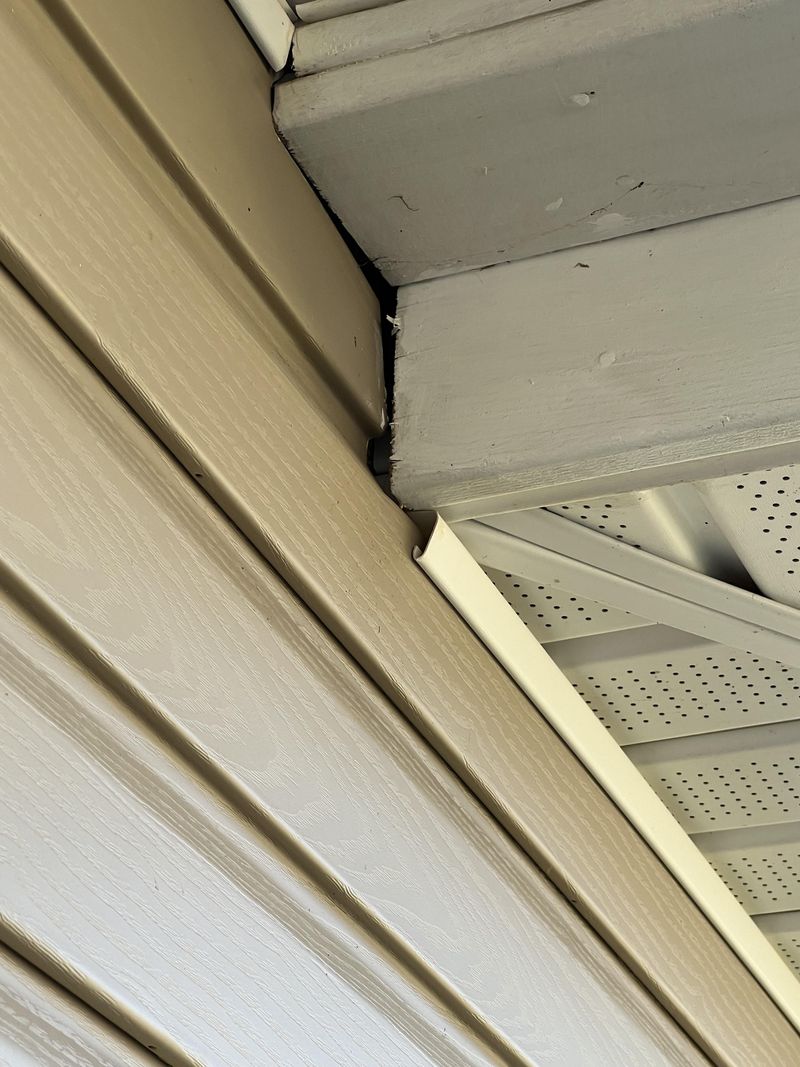
Here is where it gets tricky. Queens are opportunists, and your home is full of dry little cavities they would happily borrow.
Gaps in siding, loose soffits, openings around utility pipes, and attic vents all lead somewhere sheltered. A queen that wanders inside a wall void in November may find the perfect winter bunk.
Some wake early on a warm January day and stumble into a bedroom, puzzling a whole household.
Walk the outside of your house on a dry fall weekend. Look for cracks wider than about 1/8 inch, roughly the thickness of two credit cards.
Seal them with caulk, and add fine screen to vents.
It is not a magic solution, but it is genuinely one of the most useful layers you can add. And it also keeps out stink bugs looking for the same warm walls.
6. Leaf Litter and Mulch Make Cozy Hideouts
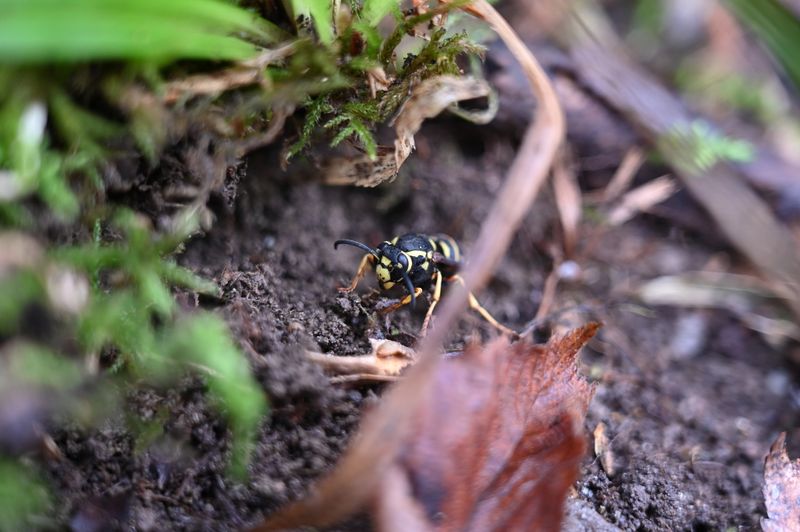
Fallen leaves are a blanket for half the insect world. Fireflies, butterfly pupae, and beneficial beetles all ride out winter in leaf litter, and a yellowjacket queen may tuck in there too.
That does not mean you should bag every leaf. Leaves under trees at the back of the property help the wildlife you actually want on summer evenings.
The trouble spot is a deep drift piled against the foundation or under the deck stairs.
So split the difference. Rake leaves away from the house, the porch steps, and the kids’ play area, then let them settle beneath shrubs farther out.
Keep mulch beside the foundation about 2 to 3 inches deep rather than heaped higher.
Your azaleas stay protected, and your fireflies still get a home.
7. Spring Warmth Sends Queens Out to Build Fresh
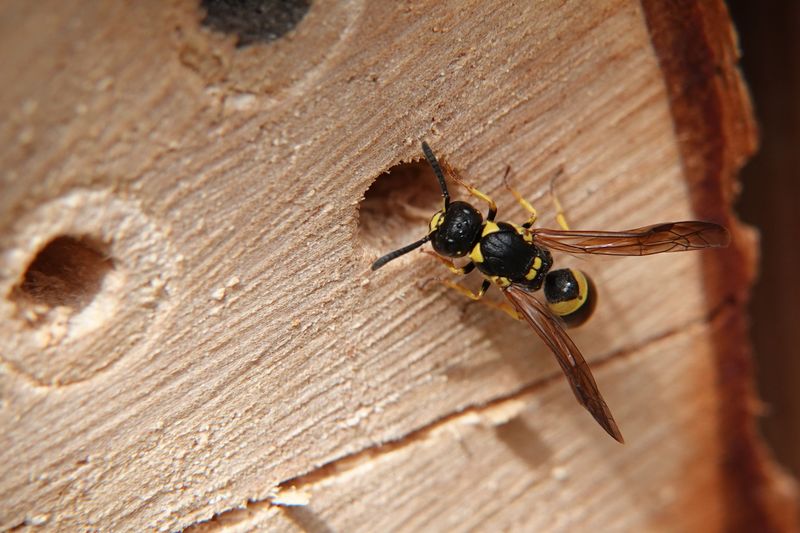
Dogwoods bloom, the air turns soft, and the queens wake up. In the North Carolina Piedmont, that usually happens as daytime temperatures settle into the 60s, often in late March or April.
The mountains run a few weeks later.
Each queen works alone at first. She chews wood into paper, builds a nest about the size of a golf ball, and raises her first small batch of workers.
Those daughters take over the heavy lifting, and the colony grows fast through summer.
This early stage is your quiet window. A queen hovering low over the lawn or poking at a timber edge is scouting a nest site.
Note where she lingers, and you will know which spots to watch in May.
Small problems in April beat big ones at the Fourth of July cookout.
8. A Calm Winter Walkaround Can Reduce Next Year’s Nests
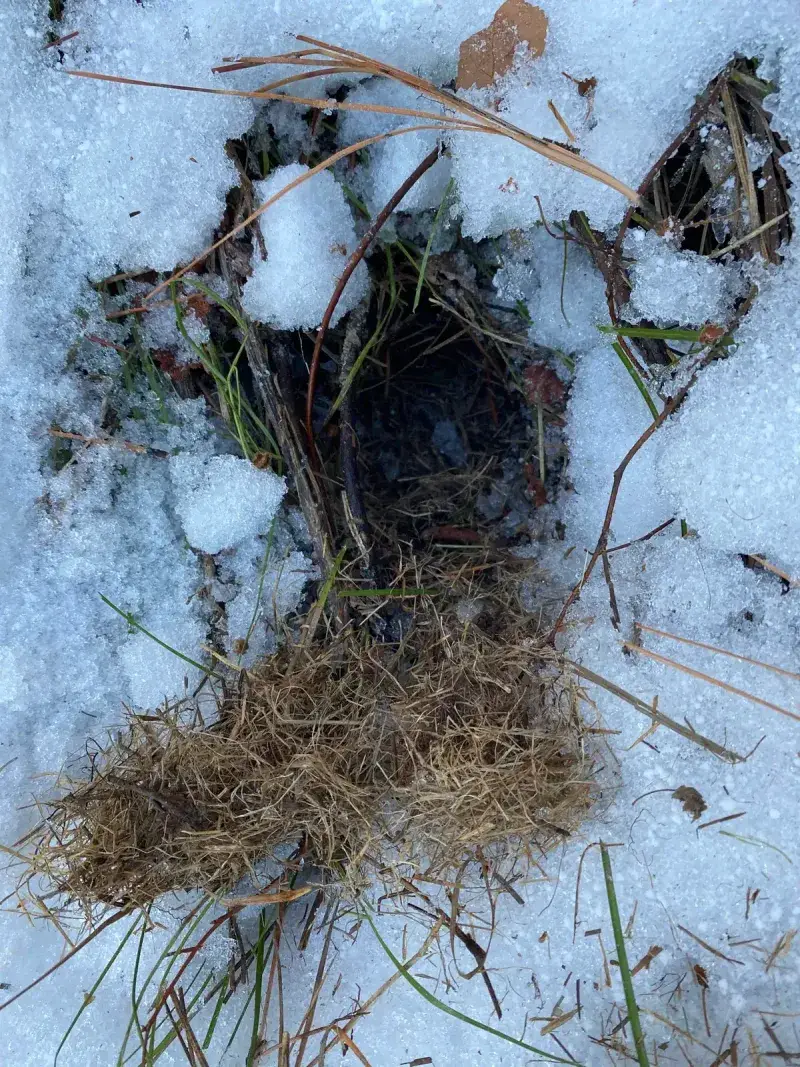
Knowing where queens sleep gives you a genuine head start. You cannot remove every hiding place, and you should not try.
But a few small habits may help reduce how many colonies start near your doors.
Pick a mild day in February. Check siding and vents for new gaps, move firewood farther out, and pull leaves away from the foundation.
Fill old rodent holes near patios and walkways with soil.
Skip the sprays. Winter queens are scattered and hidden, so chemicals mostly hit the beneficial insects nearby.
Yellowjackets themselves eat plenty of caterpillars and flies, so a colony at the far edge of the woods can stay.
By summer, your porch feels a little safer and your yard still feels alive. That is a good trade, and you made it happen.
