
Soggy Winter Roots Kill As Many Fig Trees As A Hard Freeze, And These 11 Steps Stop Both
Follow us on Google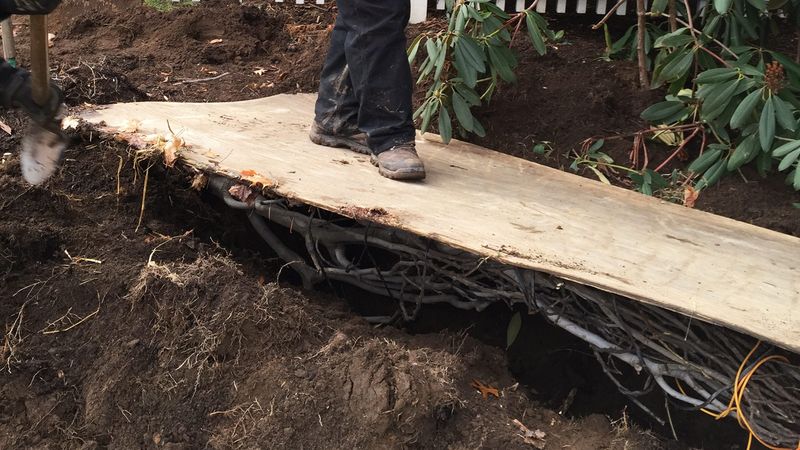
It’s a gray February morning, and you press a thumb into your fig’s trunk. The bark slides, soft and sour-smelling, like wet cardboard.
The freeze didn’t do that. Cold, waterlogged soil did, quietly, for weeks.
The fix is simpler than you’d think: keep the roots dry enough to breathe and warm enough to sleep, and your fig tree can wake up ready for a summer of sweet fruit.
1. Fix The Soil Before Water Can Drown The Roots
Roots breathe. Most people forget that, but a fig root sitting in cold, airless clay slowly suffocates, and rot fungi move in behind it.
Common fig (Ficus carica) likes loose soil with a pH between 6.0 and 7.0. In heavy clay, work 3 to 4 inches of compost into a wide planting area, not just a small hole.
A small hole in clay acts like a bathtub that collects water.
For containers, skip plain potting soil. It breaks down and packs tight by midwinter.
Use a bark-based mix with about 25 percent perlite instead.
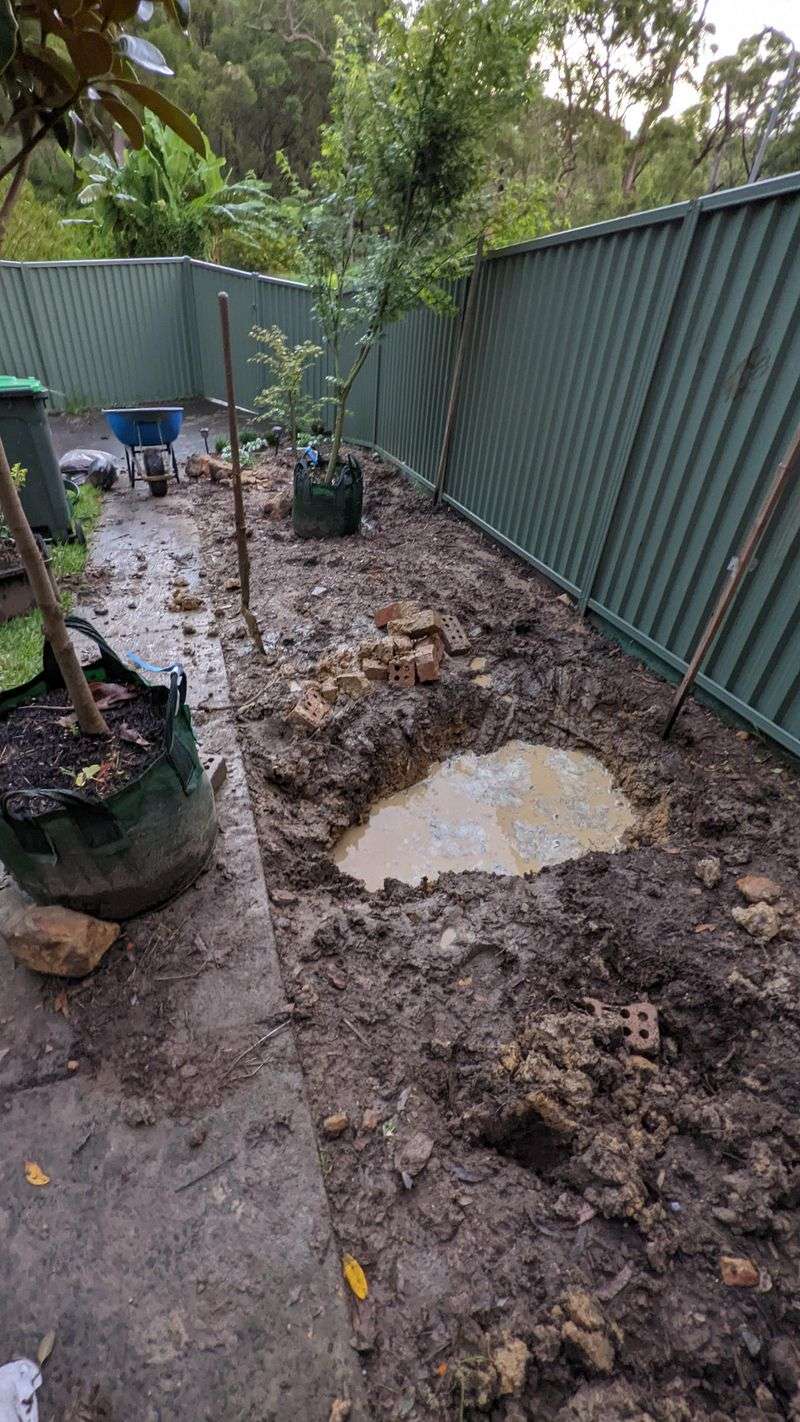
Do a quick test. Dig a 12-inch hole, fill it with water, and time it.
If water still stands after 4 hours, plant your fig on a raised mound 8 to 12 inches high. That one change can save a fig no blanket ever could.
2. A South Wall Works Like A Winter Heater
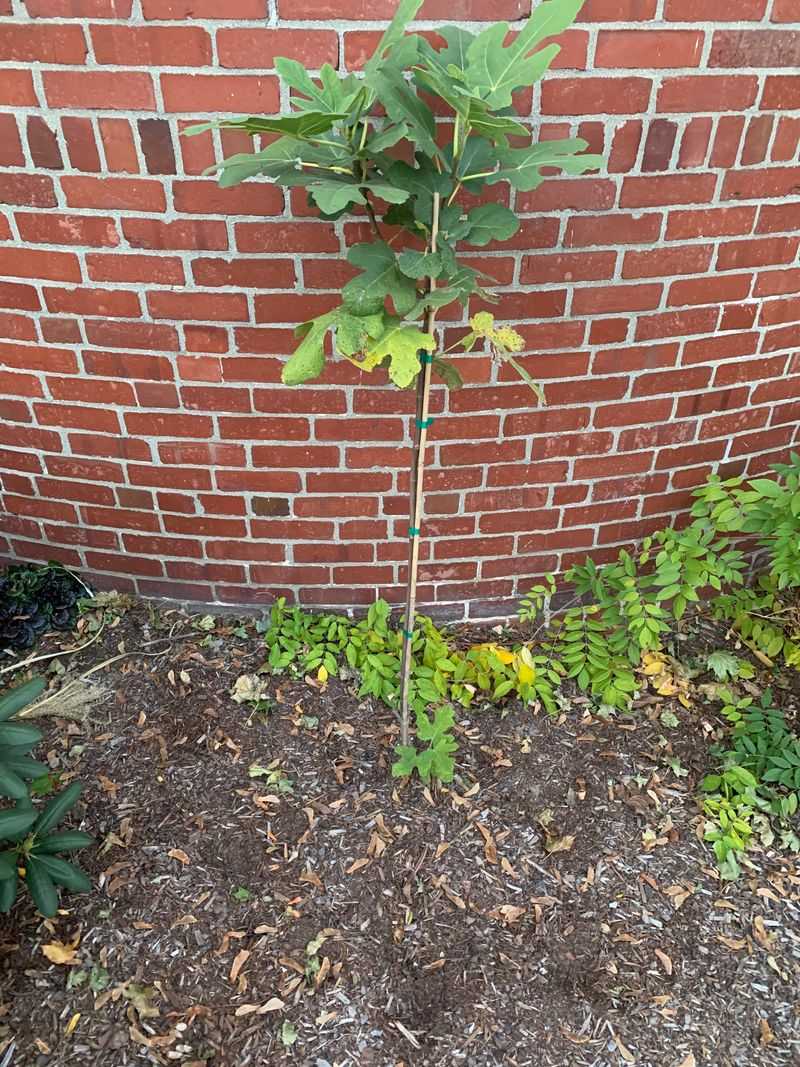
Picture a brick wall at 4 p.m. in January, still warm under your palm. That stored heat is free protection for a fig.
Figs want at least 8 hours of sun in summer. In USDA zones 6 and 7, a south or southwest wall can raise nearby night temperatures by several degrees.
It also blocks drying winter wind, which pulls moisture from bare stems.
Avoid low corners where cold air pools like water in a bowl. Those frost pockets also tend to stay soggy, so they hit your fig twice.
Pick a spot that is high, sunny, and sheltered, and you have handled two enemies with one shovel.
3. Cold-Hardy Varieties Buy You Extra Degrees
Here is the surprising part. Many common figs show stem damage near 20°F, and serious injury often starts below 15°F.
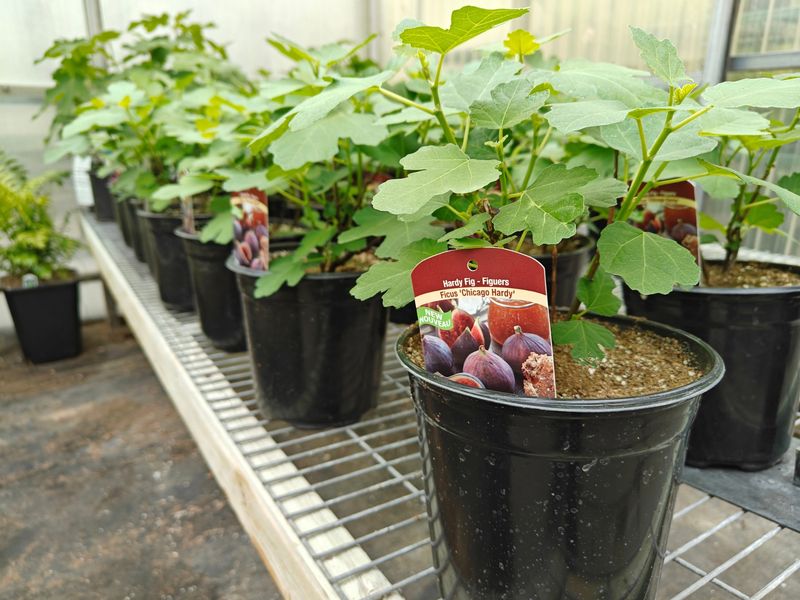
Variety matters more than effort in cold regions. Chicago Hardy stems often survive around 10°F, and its roots can come back after much colder winters.
Celeste and Brown Turkey are also known for regrowing after dieback, so they suit much of the Mid-Atlantic and upper South.
No fig is freeze-proof, though. A hardy variety is one layer, not a guarantee.
But starting with a tough fig means every other step on this list works harder for you.
4. Water Deeply Before The Freeze, Then Back Off
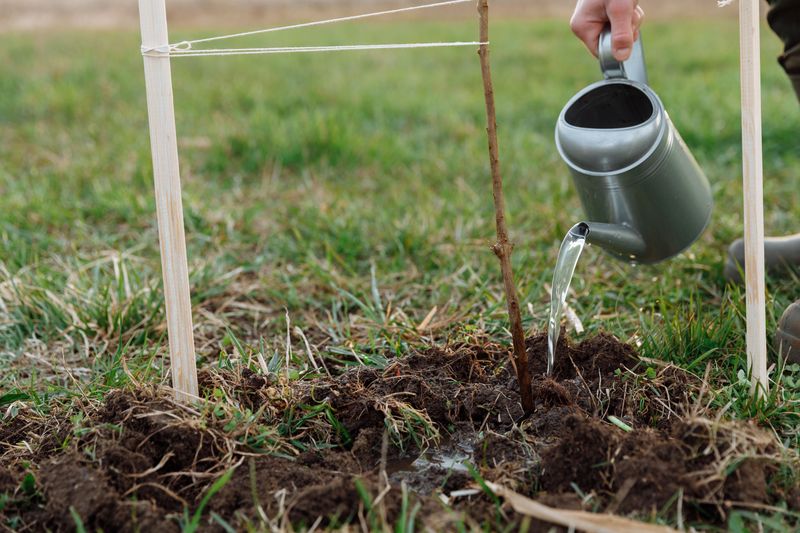
Watering a tree before winter sounds backward. Yet a thirsty fig handles cold worse than a well-watered one, because dry tissue freezes and cracks more easily.
If fall has been dry, give an in-ground fig one deep soak a few days before the first hard freeze. Let a hose trickle for about 30 minutes so water reaches 12 inches down.
Then stop.
Soggy is the danger, not moist. For dormant potted figs, check soil monthly and water only when the top 2 inches feel dry.
A cup or two is plenty. Think of it as keeping the roots from going thirsty, not keeping them wet.
5. Late Fertilizer Builds Soft Wood That Freezes First
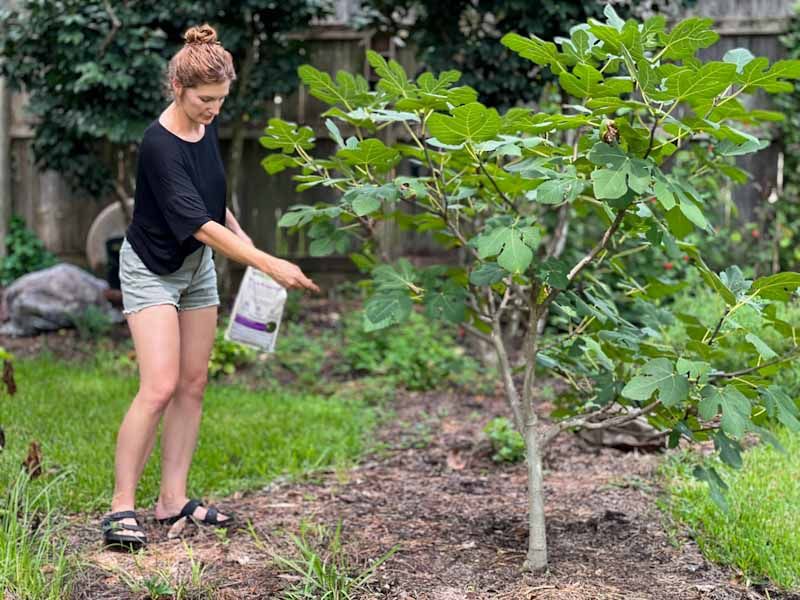
Myth: feeding a fig in fall makes it stronger for winter. The opposite is true.
Nitrogen tells the tree to keep growing. Those soft new shoots have no time to harden, which means toughen into wood, before frost.
Many Midwest gardeners notice that late flushes of growth turn black after the first cold snap.
Stop feeding by midsummer, around early July in most of the country. Potted figs can stop even earlier.
The tree then slows down, stores sugar in its roots, and heads into dormancy on its own schedule. You are not starving it.
You are letting it get ready for bed.
6. Clearing Fallen Leaves Removes Hiding Places For Rot

Once the leaves drop, the ground under your fig turns into a damp, matted rug. Fungal spores and overwintering pests love that rug.
Rake away leaves and pick off any small, unripe figs that will never mature. Fig leaves hold rust and other diseases, so bag them rather than using them as mulch around the same tree.
Wet debris against the trunk also keeps bark damp all winter. Clearing it lets the base dry between rains.
It takes 15 minutes, and it sets up a clean surface for the mulch coming next.
7. Dry Mulch Protects Roots, Wet Mulch Rots Them

Roots are your safety net. Even if every branch dies in a brutal freeze, living roots can push out new shoots by June.
After the ground cools, pile dry straw or shredded leaves 6 to 12 inches deep in a ring about 3 feet wide. Penn State Extension notes that fig roots are hardier than stems, which is exactly why this blanket pays off.
But keep it dry and fluffy. Leave a 2-inch gap around the trunk, and avoid packing on soggy material.
Straw traps air, and air is what insulates, a wet mat just holds cold water against the roots.
8. Pruning For Winter Makes Protection Possible
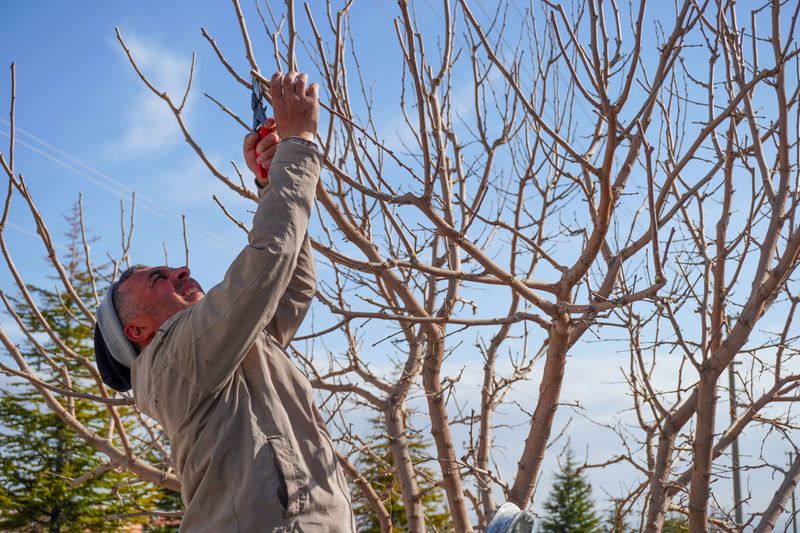
A sprawling 10-foot fig is nearly impossible to wrap. A tidy one is easy.
Wait until the tree is fully dormant and leafless. Remove dead, damaged, and crossing branches first.
If you plan to wrap or bury the tree, cut it back to a manageable 5 to 6 feet.
Keep cuts clean with sharp pruners, since ragged wounds dry slowly and invite rot. Hold off on heavy shaping until late winter in mild regions.
Think of fall pruning as packing a suitcase, you only keep what fits.
9. Breathable Wraps Beat Plastic Every Time
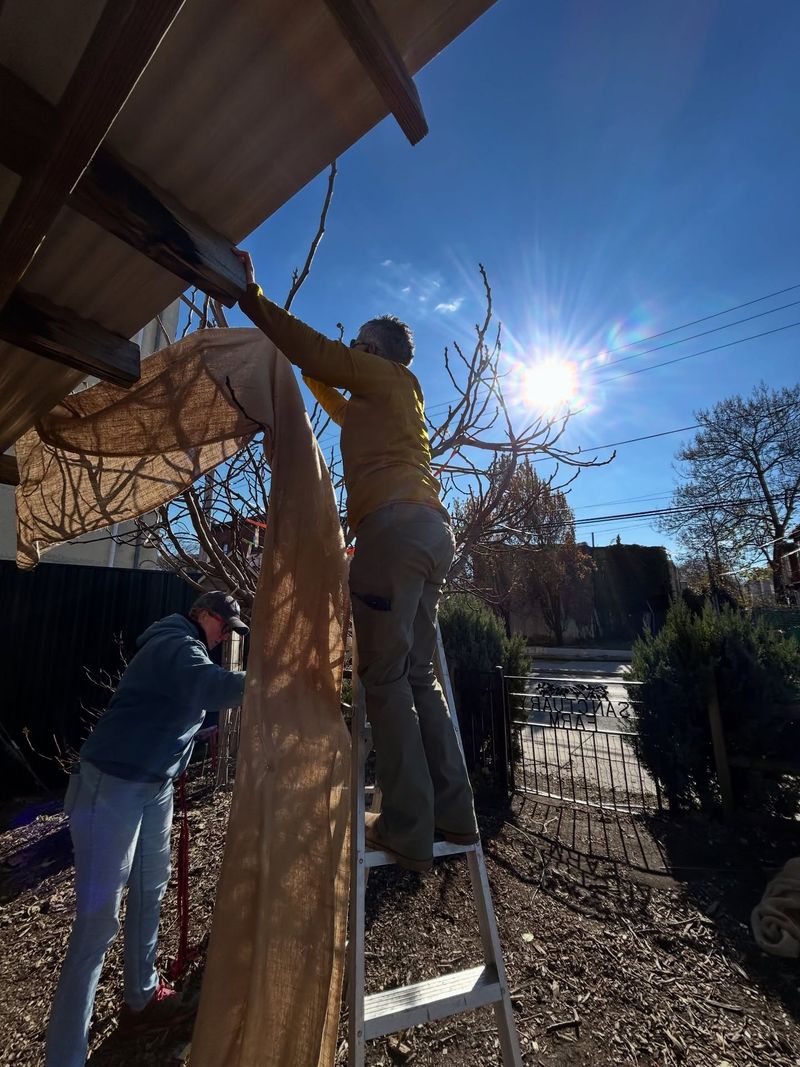
In zones 6 and 7, plastic wrapped straight onto a fig can do more harm than the cold. It traps moisture, and bark sweats under it like a person in a raincoat.
Tie the branches into an upright bundle with jute twine. Wrap it in burlap or row cover.
Then set a wire cylinder around it and fill loosely with dry straw or leaves.
Top it with an upturned bucket or tarp cap to shed rain and snow. Leave the bottom few inches open so air moves and water escapes.
Remove the wrap gradually in spring once nights stay above about 25°F.
10. Burying A Fig Is An Old Trick That Works
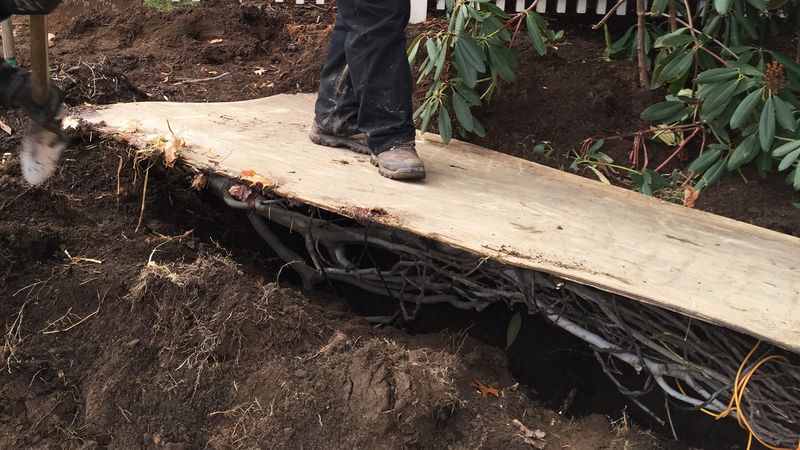
Drive through older neighborhoods in New York or Philadelphia in December and you may spot figs wrapped or bent to the ground. Families brought the practice over from Italy generations ago.
Bind the pruned branches, then dig a trench beside the tree about 18 to 20 inches deep. Loosen roots on the opposite side so the tree can tip.
Ease it into the trench and cover with plywood to slow rodents.
Pick the driest side of the yard for the trench. A buried fig in standing water will rot, so this method only works in soil that drains.
Then backfill with about a foot of soil and straw. Lift the tree once hard freezes end in spring.
11. Potted Figs Sleep Best Somewhere Cool And Dim
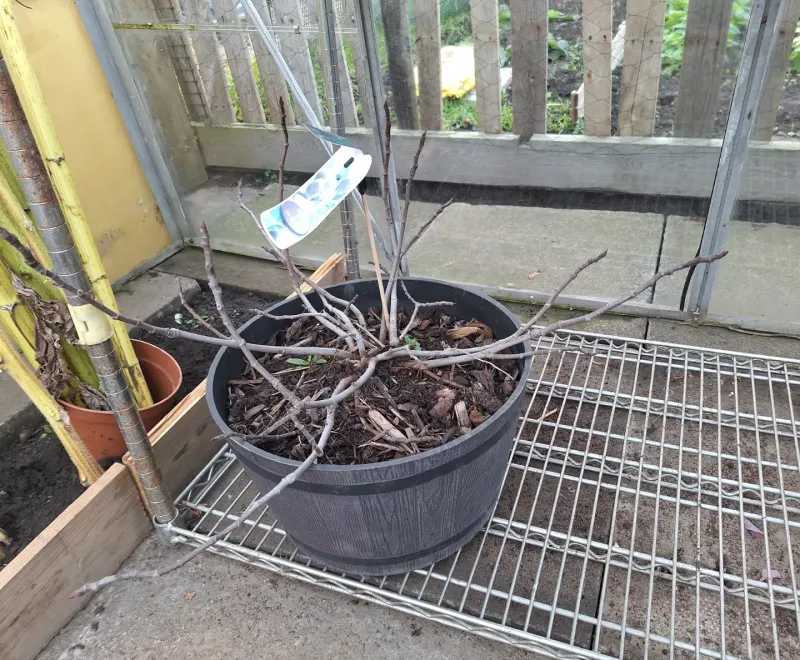
Containers make winter easier, as long as you resist the urge to bring the fig into your warm living room. Heat wakes it up too early.
After frost drops the leaves, move the pot to an unheated garage or basement that stays roughly 20 to 45°F. Raise it on bricks so the drainage hole never sits in a puddle.
Water about once a month, lightly.
In spring, after your local last frost date, bring it outside for a few hours a day over 7 to 10 days. Your fig steps back into the sun rested, dry-rooted, and ready to fill a bowl on the porch table by late summer.
