
Where Texas Gardeners Track Down Rare Natives The Big Box Stores Never Stock
Follow us on Google
You step outside before breakfast and a hummingbird whizzes past, a blur of ruby headed straight for your Turk’s cap.
You love that flash of life, but when you want something rare, a plant that truly belongs to Texas, the big box stores let you down.
They stock the same tired rows, plants that gulp water and feed nothing.
Here is where Texas gardeners actually find the good stuff, the natives grown with care and sold by people who love this land.
1. Native Plant Society Sales Hide Real Treasures
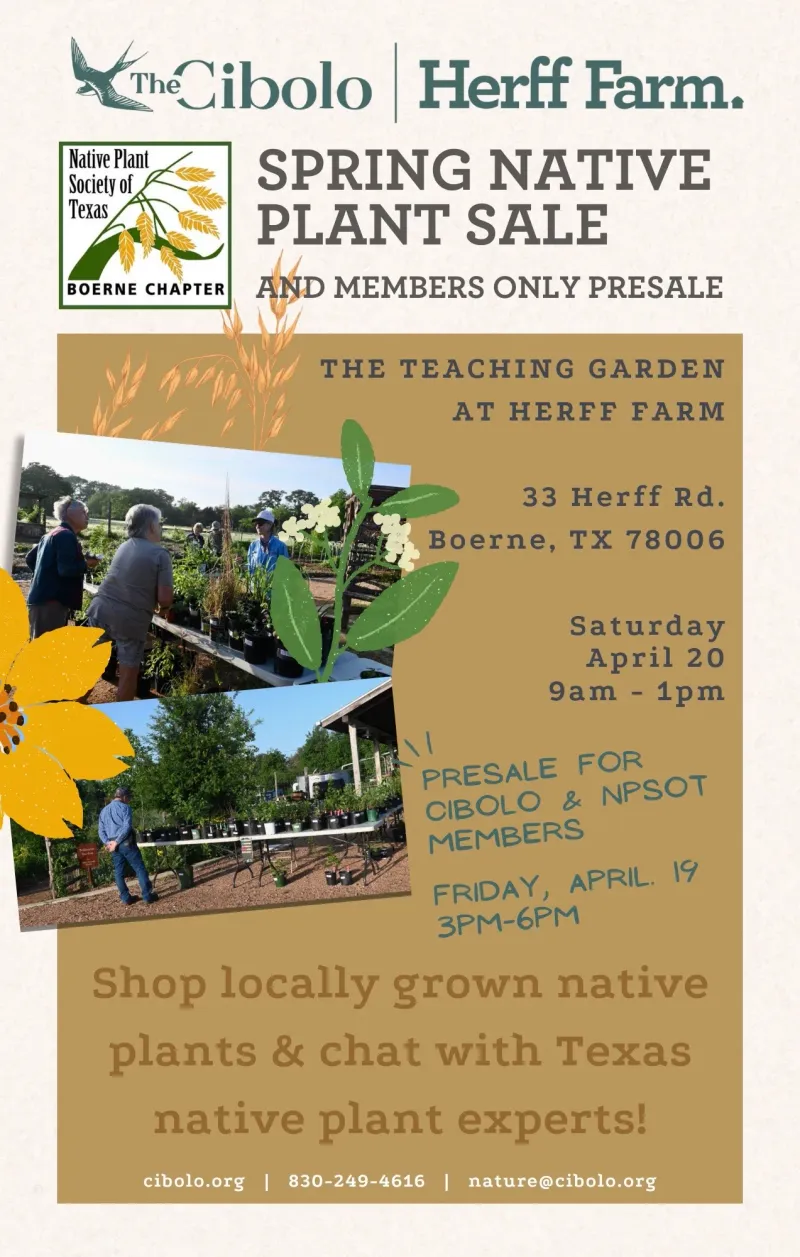
Picture a Saturday morning in April, wagons squeaking across a gravel lot, and rows of plants you will not find anywhere else.
Chapter sales run by the Native Plant Society of Texas (NPSOT) draw growers who genuinely know Texas ecosystems.
Here is where it gets good.
Many plants are grown by chapter members from locally collected seed, so they are already suited to your climate.
The Boerne chapter hosts a spring sale most Aprils with flowers, shrubs, grasses, and trees tuned to the Hill Country.
Expect between 1,200 and 1,800 plants at a single sale, and the rare species vanish fast.
So bring a wagon and show up early.
The Austin chapter has sold plants priced from $4 to $35, with a 10 percent discount for members.
You walk out with a rare beauty and a little pride, knowing you helped restore something wild.
2. Specialty Native Nurseries Curate The Uncommon
Big chains buy whatever ships cheap.
Dedicated native nurseries do the opposite, curating stock to skip invasive plants and feed local wildlife instead.
In North Texas, Nativo Gardens in Fort Worth lets you shop by your eco-region, turning ordinary yards into buzzing habitats.
Cross Timbers Nursery, also up north, focuses on rare Texas natives and drought-tolerant options that cut your maintenance and your water bill.
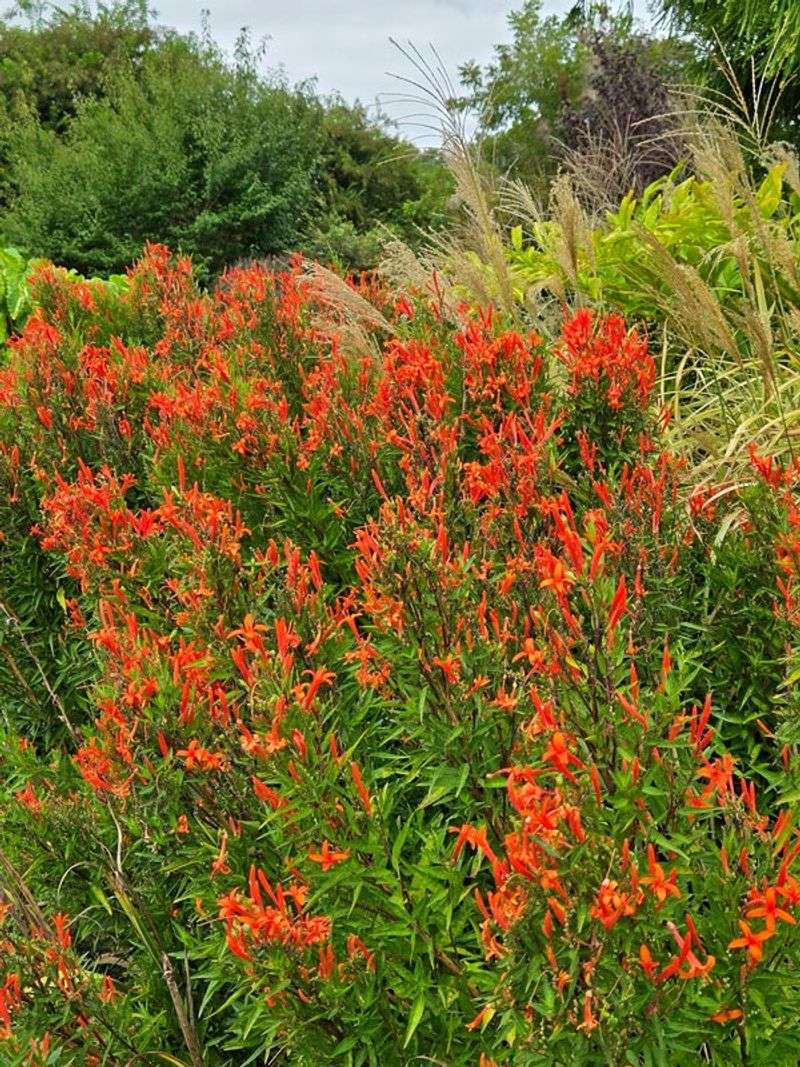
Ask about flame acanthus (Anisacanthus quadrifidus var. wrightii), a hummingbird magnet, or Gregg’s mistflower (Conoclinium greggii), which monarchs mob during their spring and fall migrations.
These are the plants that make a garden feel alive.
You leave with something your neighbor cannot buy, and that is genuinely satisfying.
3. Houston Nurseries Understand Gulf Coast Grit
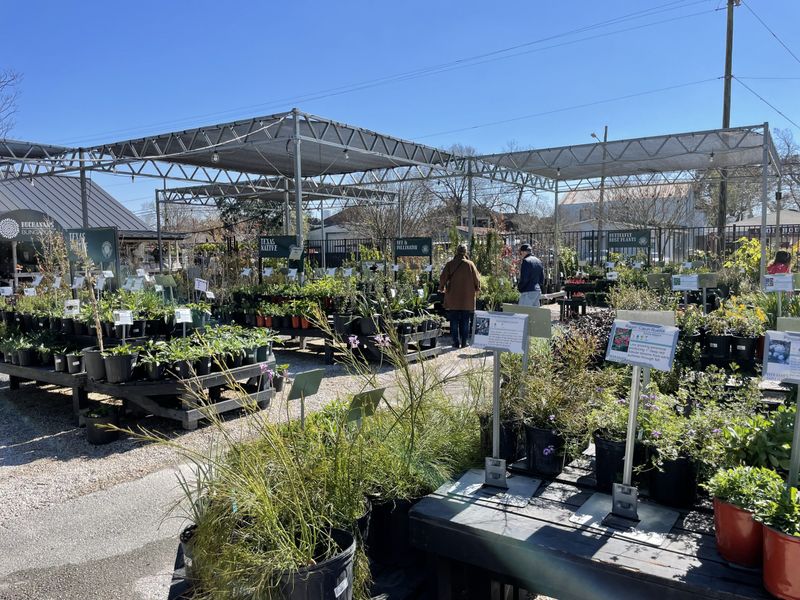
The Gulf Coast throws everything at a plant, mixed clay and sandy soils, sudden downpours, and hurricanes rolling in from June through November.
Houston nurseries have learned to stock plants that shrug it off.
Buchanan’s Native Plants on East 11th Street is a longtime favorite for finding species the chains never carry.
Out in Kingwood, Friendly Native Gardens grows plants chosen to pull in butterflies, birds, and other pollinators.
What sets these spots apart is regional honesty.
They will steer you toward plants that can take standing water after a storm, then bounce back through weeks of triple-digit heat.
You picture your porch evening filled with butterfly wings, and it feels within reach.
4. Central Texas Grows Plants For Thin Rocky Soil
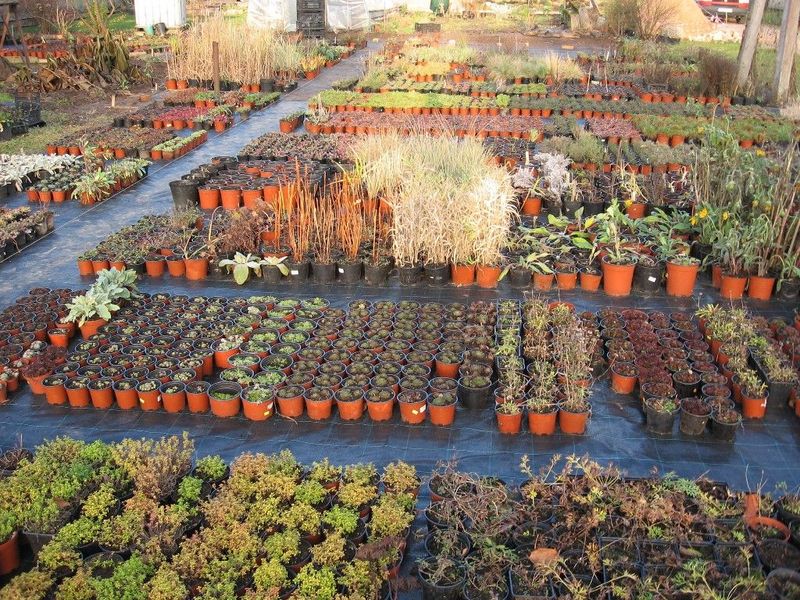
The Austin to San Antonio corridor sits on shallow soil over solid rock, which breaks the heart of many pretty imports.
Central Texas nurseries know this and stock survivors.
Vivero Growers, with spots in Austin and Dripping Springs, carries native flowers, shrubs, succulents, and trees built for the Hill Country.
Look for Texas persimmon (Diospyros texana) and agarita (Mahonia trifoliolata), both happy to root into that thin, alkaline caliche.
Down in the San Antonio area, Pollinatives in Converse focuses on Central Texas natives for pollinator gardens, with seasonal hours, so call before you drive out.
The Nectar Bar was the city’s first all-native nursery, run by a local butterfly expert.
Here is the reward.
You might snag big red sage, once thought extinct, now quietly climbing back into gardens like yours.
5. Small Growers Sell Wisdom Along With Plants
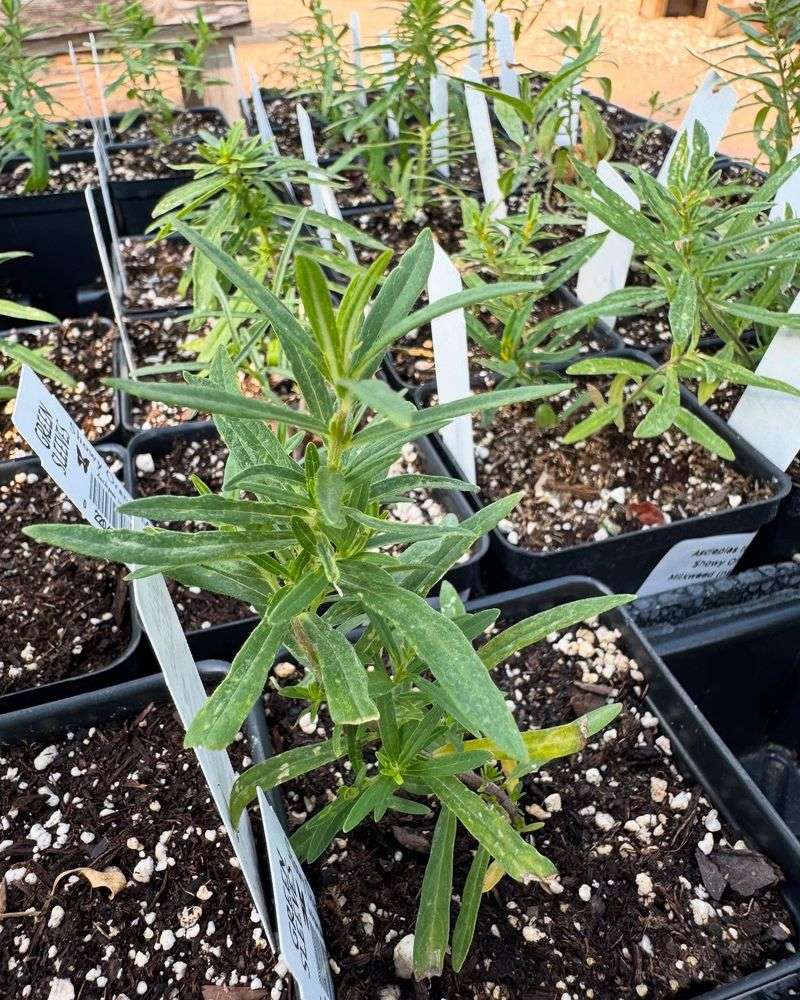
Some of the best natives come from folks who grow them one tray at a time.
Greensleeves Nursery in Pflugerville is that kind of place, where owner William Glenn raises many Texas natives from locally collected seed.
Seed-grown local plants tend to be tougher and cheaper, with a better shot at thriving in Central Texas.
He preaches slow gardening and building healthy soil, using grasses as a foundation for long-term success.
Do not be shy about asking questions.
Growers like this will tell you to space smaller plants 12 to 18 inches apart so they fill in, while larger shrubs need 5 to 10 feet of room.
They will remind you to water new plantings deep, around 6 to 8 inches down, until roots take hold.
You walk away with a plant and a plan, and that combination actually wins.
6. Texas A&M AgriLife Lists Guide Your Choices
Texas is not one climate, it is a dozen crammed into one state.
Zones run from 6b up in the Panhandle to 10b in the Lower Rio Grande Valley, and the soils shift with every county line.
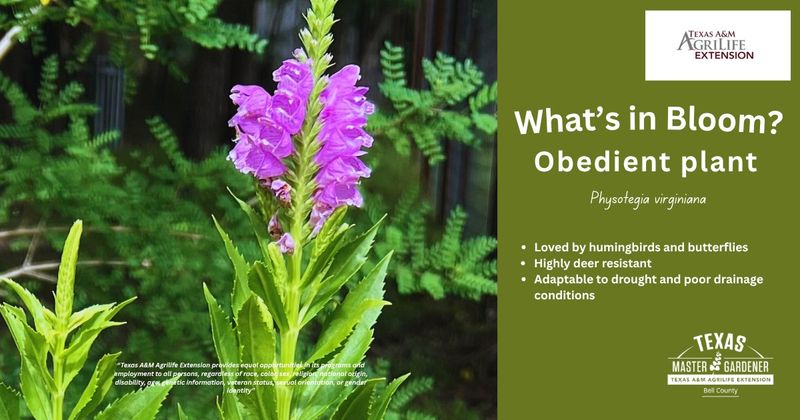
Before you spend a dime, lean on Texas A&M AgriLife Extension.
Their published lists of recommended native and adapted plants are sorted by region, so you can match a plant to your actual dirt.
A live oak (Quercus virginiana) adapts almost anywhere, but many species are pickier.
Blackland clay in North and Central Texas holds water, while East Texas leans acidic and sandy.
What thrives in one starves in the other.
Check the list first, and you skip the heartbreak of a dead plant and a wasted Saturday.
7. East Texas Sand Calls For Acid-Loving Natives
Drive east and the ground changes underfoot, turning to soft acidic sand shaded by pines.
Plants that love the Hill Country’s chalky soil sulk out here, so the natives you hunt for are different.
Nurseries in the Piney Woods stock species that genuinely crave that low pH and extra moisture.
Ask about understory plants that shrug off filtered shade and the region’s heavier rainfall.
Here is the tricky part.
A plant labeled Texas native at a chain store may still hate your specific soil, since statewide often means nothing local.
A regional grower has already sorted that out for you.
Get the match right and your shady corner turns lush without a fight.
8. West Texas And The Panhandle Demand Tough Roots
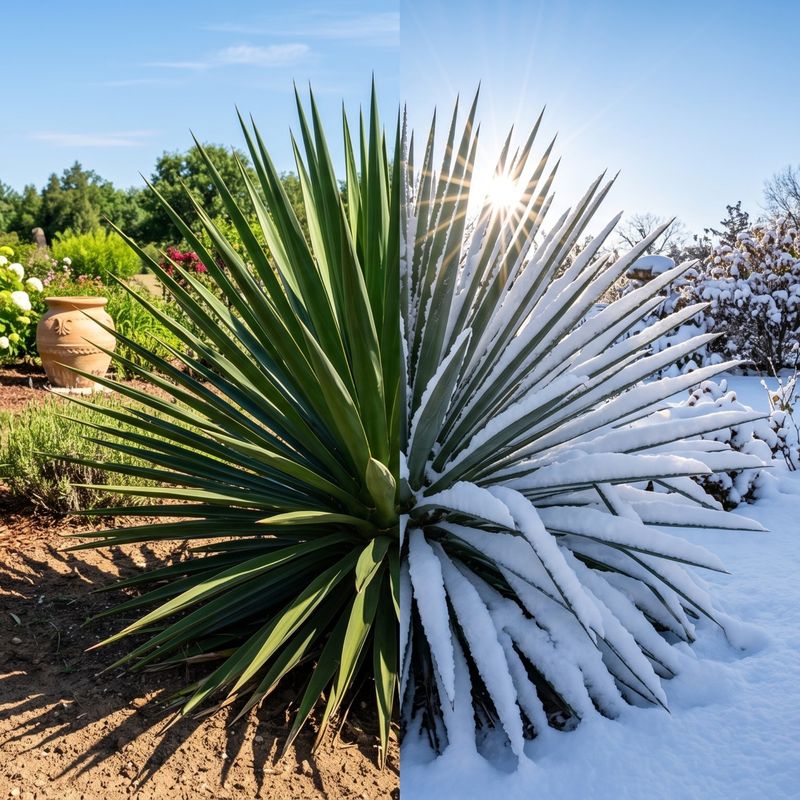
Out west, the wind never quits and winter can drop a hard freeze that would shock a Gulf Coast gardener.
The Panhandle sits in Zone 6b, a world away from the Valley’s mild 10b.
Alkaline soil, caliche, and long dry stretches rule here, so the natives worth chasing are the true survivors.
Regional nurseries source plants that hold on through triple-digit summers and bounce back after a freeze.
Autumn sage (Salvia greggii) earns its keep in these conditions, blooming tough and asking little.
Local growers can point you to grasses and shrubs that hold soil against the wind instead of blowing away with it.
You end up with a yard that looks alive even when the sky stays stingy, and that feels like a small victory.
9. Native Choices Reward The Whole Garden
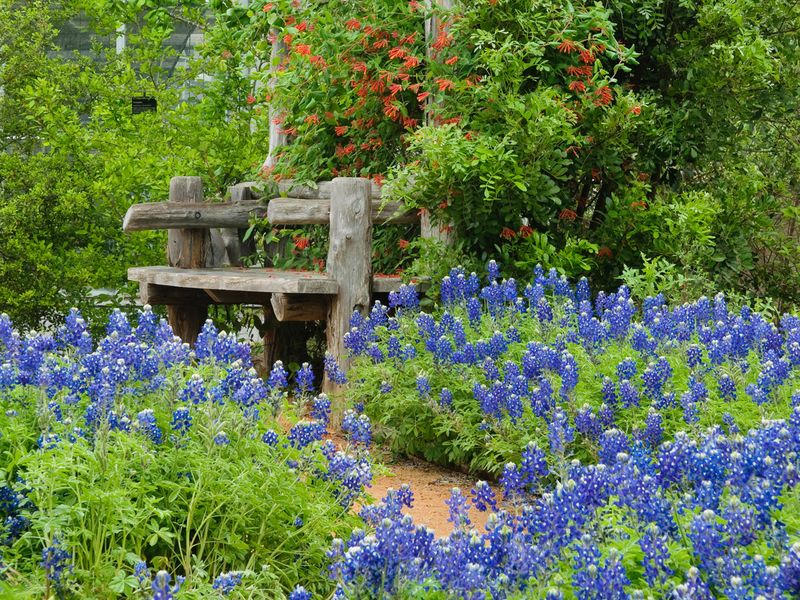
Every plant on this hunt does more than fill a pot.
A native bluebonnet (Lupinus texensis) gives you that famous spring show, then feeds bees long after the photos are taken.
Choosing natives is one layer of a bigger, calmer way to garden.
It is not a magic fix, but it stacks the odds in your favor, less water, fewer losses, and a yard that hums with pollinators.
You feed the monarchs passing through each spring and fall, and you build something that belongs here.
The big box store never offered that.
So next weekend, skip the tired rows and go find the real thing.
Your yard, and every wing that lands in it, will thank you.