
Cut Your Texas Salvia Back Now And Get A Second Wave Of Fall Blooms
Follow us on Google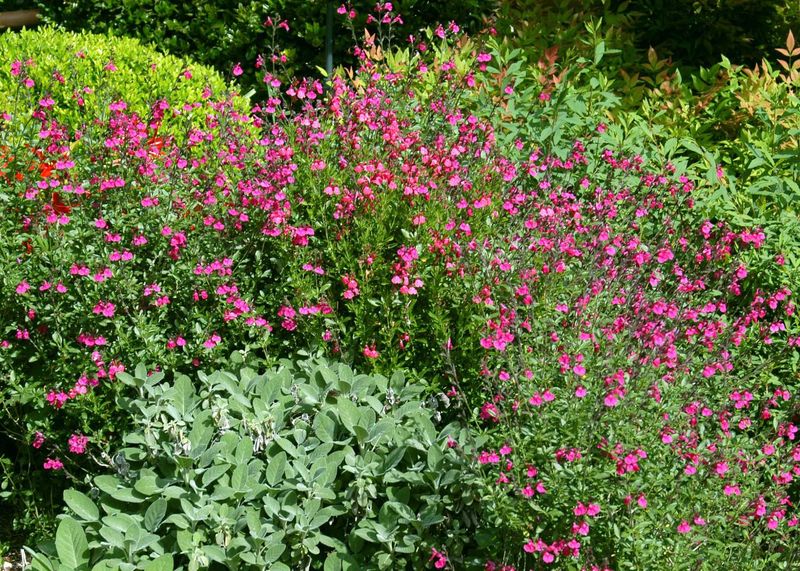
Autumn sage has been putting on a show in Texas yards all summer, and right now, before the heat finally breaks, is exactly when a smart trim can set the stage for another round of fall color.
The plant most people call Texas salvia in this context is actually Salvia greggii, known as autumn sage or cherry sage, and it genuinely does respond well to late-summer pruning when the conditions are right.
But the headline promise deserves a honest look: a careful cut may encourage renewed flowering, not guarantee it.
Your plant’s health, your local weather, and how much warm time remains before a freeze all shape the outcome.
Identify The Salvia Before You Cut
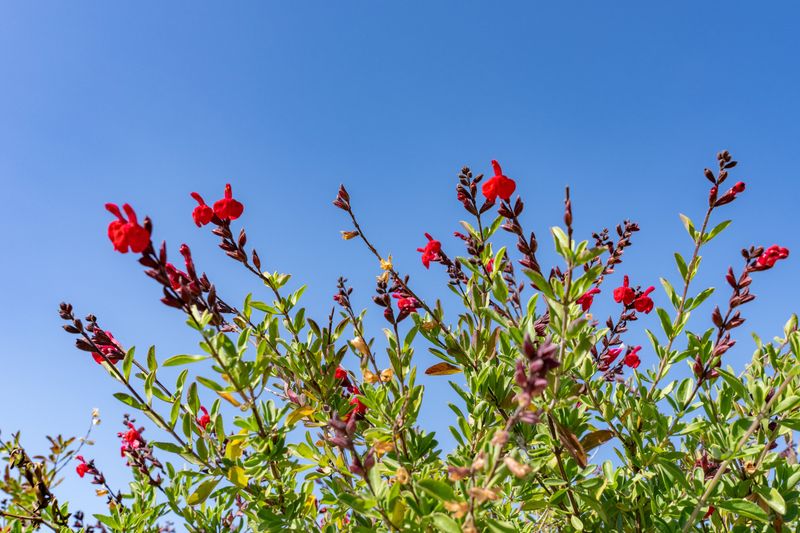
Autumn sage, botanically known as Salvia greggii and also called cherry sage, is the plant at the center of this conversation.
It is a semi-woody perennial subshrub native to Texas and northern Mexico, and North Carolina Extension’s plant profile for Salvia greggii describes it as a low-maintenance, pollinator-friendly plant with a spring-through-fall bloom window that makes it a standout in residential beds and containers across the state.
At maturity, autumn sage typically reaches about 2 to 3 feet tall and roughly as wide.
It wants full sun and well-drained soil above almost everything else, though it can tolerate some afternoon shade during the most punishing Texas heat.
Put it in soggy ground or heavy clay without amendment, and the roots will struggle long before the pruners ever come out.
Before reaching for the shears, make sure you actually have autumn sage in front of you.
Ceniza, sometimes called Texas sage, is a completely different plant belonging to the genus Leucophyllum.
Its pruning habits, bloom triggers, and drought response are not interchangeable with Salvia greggii, so transferring this advice to the wrong shrub is an easy and frustrating mistake.
The tubular, two-lipped flowers on autumn sage are the giveaway, typically red, pink, coral, or white, and hummingbirds find them almost immediately.
Texas A&M AgriLife’s Central Texas bee-friendly plant guide lists Salvia greggii as a spring-to-fall flowering resource for hummingbirds, butterflies, and bees.
The title’s promise of a second wave of fall blooms is reasonable for a healthy, established plant in the right Texas region, but it should be understood as a real possibility rather than a certainty.
Cultivar, vigor, soil, sunlight, and remaining warm weather all shape whether renewed flowers actually appear.
Let The Calendar Set The Window
Timing a late-summer cutback on autumn sage is not as simple as picking a date off the wall.
What matters is whether the plant is actively growing, whether it has finished a major bloom flush, and how many warm weeks remain before cold weather arrives in your part of Texas.
Texas A&M’s archived guidance on reblooming salvias recommends completing summer pruning before September 1, because plants like Salvia greggii begin setting flower buds around that time.
For a gardener in Central or South Texas working in mid-to-late August, that window is still open, and the plant has a realistic chance to push new growth and flowers before the season closes.
North Texas gardeners are working with a tighter margin.
The National Weather Service lists an average first freeze date of November 22 for the Dallas-Fort Worth area, which sounds generous, but an unusually early cold snap can arrive well ahead of that average.
NWS Fort Worth climate data shows that freeze timing varies year to year, so treat that date as useful context, not a promise.
West Texas and the Panhandle face an even shorter window.
NWS San Angelo freeze records show an average first freeze around November 10, and NWS Lubbock climate data puts the average closer to October 31.
A plant in Lubbock trimmed hard in late August may not have enough warm days to push meaningful new growth before cold arrives.
A lighter touch, removing spent blooms and a few inches of stem, is safer when the calendar is working against you.
Check your local forecast before you cut, not just the regional average.
The plant and the thermometer together set the real window.
Check The Plant Before Reaching For Pruners
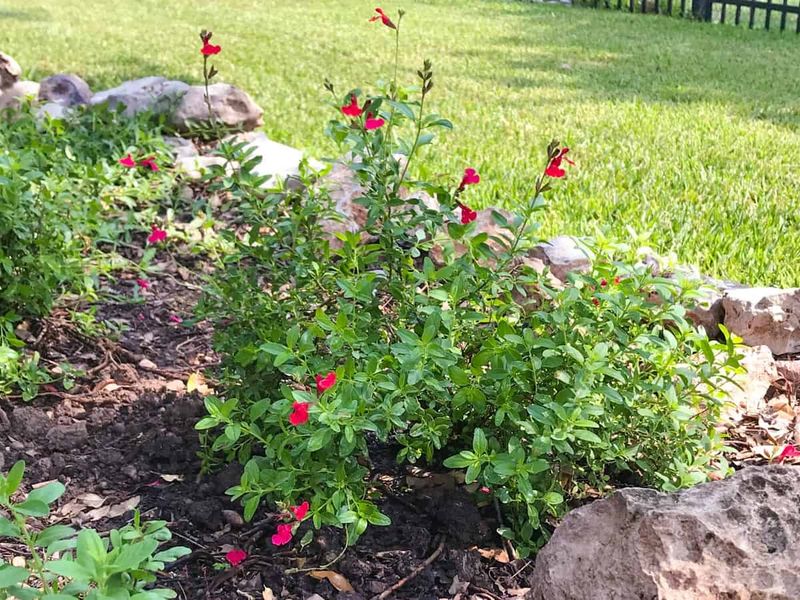
A quick look at the plant before you cut can save you from turning a stressed shrub into a genuinely struggling one.
Autumn sage responds well to a late-summer trim when it is established, actively pushing new growth, and coming off a major bloom flush.
When those conditions are not in place, pruning adds stress rather than solving anything.
Run through a short mental checklist.
Has the plant been in the ground at least one full growing season?
Are the stems firm and the leaves a healthy green?
Is the plant showing signs of active growth, new tips, fresh foliage, rather than sitting still or looking exhausted?
If the answers are yes, a trim is reasonable.
Texas A&M Bexar County’s guidance on autumn sage specifically targets established plants for this kind of late-summer cutback.
Newly planted autumn sage is a different story.
A plant still building its root system needs consistent establishment watering and only minimal shaping.
Cutting it back hard before the roots can support regrowth puts the whole plant at risk.
The same caution applies to any plant showing yellowing leaves, severe wilt, or signs of root damage from waterlogged soil or pest injury.
Drought tolerance is one of autumn sage’s best qualities, but it does not make severe pruning safe when the root zone is bone dry.
Salvia greggii’s plant profile confirms that while the species handles dry conditions well once established, heat, wind, and depleted soil moisture all reduce the plant’s ability to replace removed growth quickly.
Poor drainage creates the opposite problem, roots sitting in waterlogged clay cannot support the flush of new stems you are hoping for after a cutback.
Stabilize a struggling plant first.
A healthy one is ready to work with you.
Choose A Light Or Moderate Cut
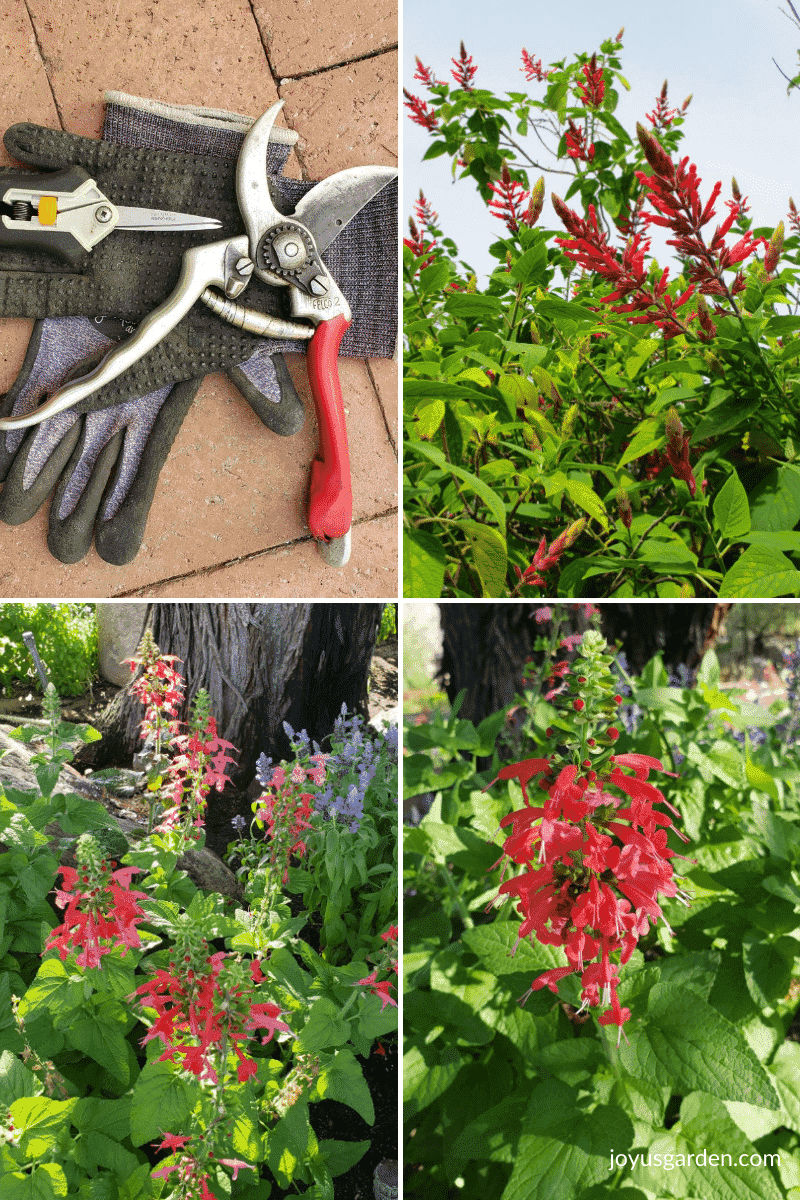
Here is where gardeners sometimes overdo it.
The goal of a late-summer trim on autumn sage is to encourage branching and remove tired growth, not to reset the plant to bare wood.
Two approaches fit most situations, and the right one depends on your specific plant and conditions.
The lightest option is deadheading combined with a selective trim.
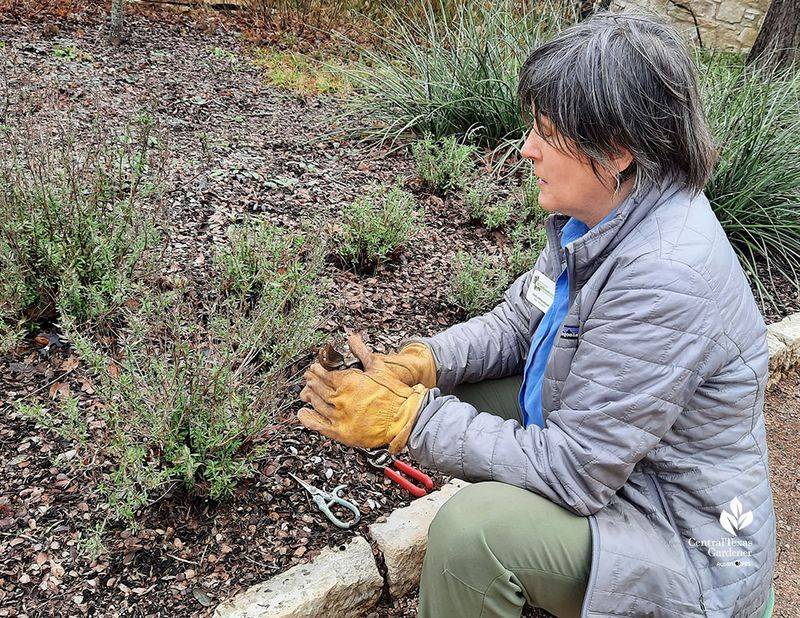
Remove spent flower stems and cut back each stem a few inches, stopping just above a leaf node or a pair of healthy leaves.
This is the approach Texas A&M’s archived salvia guidance describes for routine summer maintenance of reblooming salvias.
It tidies the plant, removes the energy drain of old seed heads, and nudges the stems toward new growth without exposing significant amounts of old wood.
For a healthy, established plant that has finished a major bloom flush and still has several weeks of warm weather ahead, a moderate cutback of roughly one-third of the overall growth is a reasonable option.
Texas A&M Bexar County’s autumn sage article recommends this one-third reduction specifically for situations where summer pruning was missed and a fall display is still the goal.
Make each cut just above a leafy node, keep the plant’s natural mounded shape, and avoid shearing every stem to the same hard height, which is what gardeners call creating a flat-top haircut that can expose old wood and reduce the plant’s ability to bounce back.
Sharp, clean pruners matter more than most people expect.
Texas A&M AgriLife’s pruning techniques guide emphasizes that clean cuts reduce the risk of tearing stems or introducing disease, so wipe the blades with rubbing alcohol between plants.
The Native Plant Society of Texas’s Salvia greggii profile and the Pineywoods Master Gardeners’ salvia pruning guide both support selective trimming over aggressive shearing for maintaining plant health and natural form.
Avoid cutting autumn sage to 3 or 4 inches, to the ground, or by half its size as a statewide default.
Those approaches can work in specific situations but are not safe across all Texas regions, plant ages, or summer conditions.
Support Regrowth At The Root Zone
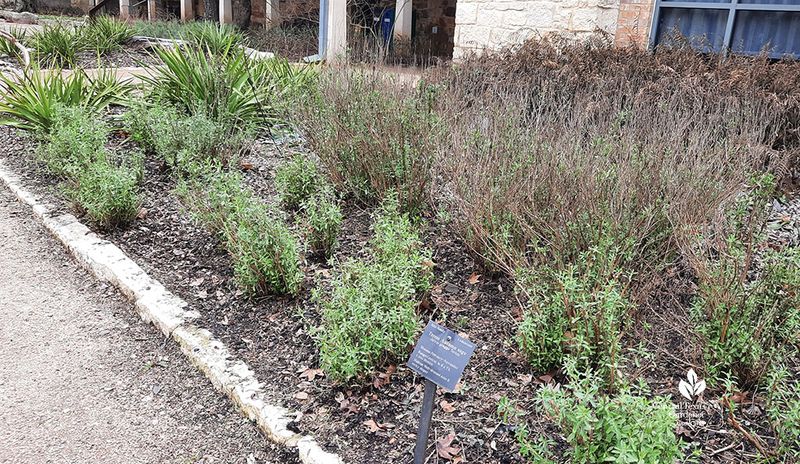
After the pruners go back in the shed, the root zone takes over.
What happens underground in the next few weeks shapes whether that trim leads to fresh growth and flowers or just a shorter, stressed plant sitting in the heat.
Water deeply when the soil is dry, and do not skip this step because autumn sage is drought-tolerant.
Texas A&M AgriLife’s efficient watering guidance recommends wetting the soil to a depth of roughly 5 to 6 inches rather than applying shallow daily sprinkles that barely reach the surface roots.
A slow, thorough soak every few days during dry stretches gives the plant what it needs to push new stems.
Constantly soggy soil is the opposite problem, especially in blackland clay common across North and Central Texas, where water can sit around roots long enough to cause rot.
A 2 to 3 inch layer of mulch spread around the plant helps moderate soil temperature and slow evaporation during the remaining weeks of summer heat.
Keep the mulch pulled a few inches back from the stems so moisture does not collect against the crown.
Organic mulch, shredded bark or wood chips, works well in most Texas beds.
In the Hill Country or West Texas, where soil drainage is already good and moisture retention is less of a concern, Texas A&M’s regional planting guidance notes that gravel or mineral mulch can be more appropriate than moisture-holding organic material in poorly drained spots.
Mulch cannot correct a drainage problem on its own.
If water pools around the plant after rain, a slightly raised or crowned planting bed matters more than any mulch choice.
Texas A&M’s raised bed guide explains how even a modest elevation can improve drainage in heavy clay soils, which is worth considering before the next planting season if your current bed stays wet.
Back Off When Weather Turns Against You
Weather in Texas does not follow the plan, and sometimes the smartest pruning decision is to put the shears down and wait.
When conditions shift against you, a lighter approach protects the plant better than sticking to the original cutback schedule.
A nearby freeze is the clearest reason to hold back.
Hard pruning in late summer or early fall stimulates a flush of tender new growth, and that soft tissue is exactly what suffers most when an early cold snap arrives.
Central Texas Gardener’s guidance on winter pruning for autumn sage draws a clear line between summer rebloom pruning and the late-winter shaping that removes winter damage and prepares the plant for spring.
Those are two separate jobs, and mixing them up by cutting hard in November can leave fresh growth exposed to cold.
Drought, dry wind, and triple-digit heat are also reasons to scale back the cut.
A plant under heat stress is already working hard just to stay alive, and removing a third of its growth on top of that can push it past what the root system can support.
In those conditions, stick to deadheading spent blooms and removing a few inches of stem, nothing more.
Regional averages give useful context, but your local forecast matters more.
NWS San Angelo freeze data and NWS Lubbock records confirm that West Texas and Panhandle gardeners face earlier and less predictable cold than gardeners further south.
Even in Dallas-Fort Worth, where NWS Fort Worth data shows an average first freeze around November 22, an early cold front can arrive weeks ahead of schedule.
Check your 10-day forecast before committing to a major cut, and if cold is approaching, a light tidy is always the safer move.
University of Minnesota Extension’s pruning guide reinforces that late-season hard cuts can encourage growth that does not have time to harden before cold arrives, a risk that applies across climates.
Keep Pruning In Its Proper Place
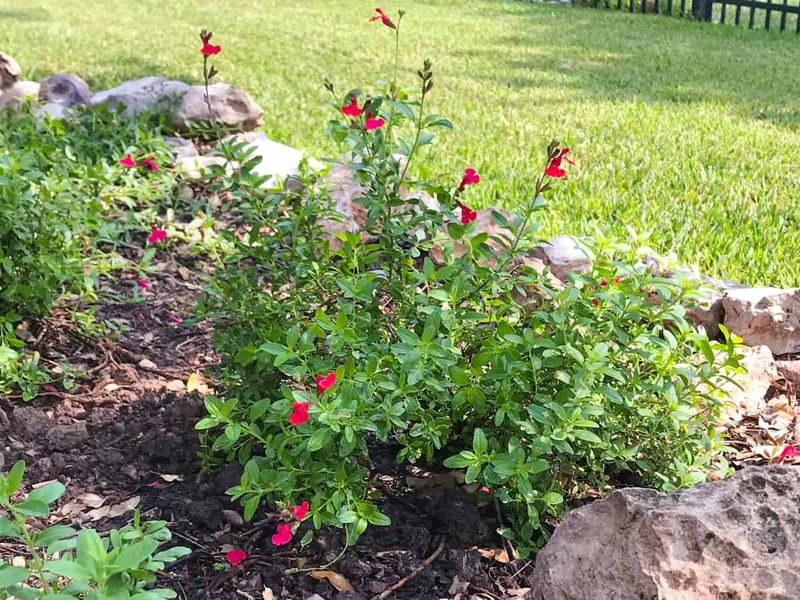
Pruning autumn sage in late summer is one useful tool, not a complete solution.
Getting the cut right improves the chance of renewed fall flowering, but it cannot override poor drainage, inadequate sunlight, severe drought, or a plant that was struggling before the pruners came out.
Some gardeners reach for fertilizer right after a cutback, hoping to speed things along.
Older recommendations for specific fertilizer rates after pruning should not be applied without knowing your product, your soil, and your current conditions.
Texas A&M AgriLife’s soil and fertilizer guidance warns that nitrogen and soluble salts applied during hot, dry conditions can damage roots rather than support growth.
If the soil is dry and the temperature is still in the 90s, hold off on fertilizer until conditions moderate.
Pruning also cannot guarantee larger flowers, extend bloom indefinitely, lower your water bill by itself, or solve pest problems.
Spider mites and aphids that were present before the cut will still be there after it.
Root rot from waterlogged soil does not improve because the top of the plant is shorter.
Each of those issues needs its own response.
Cultivars and hybrids matter too.
Many plants sold at Texas nurseries as autumn sage are hybrids involving Salvia greggii, Salvia microphylla, or related species, and they may respond differently than the straight species.
Salvia greggii’s plant profile notes cultivar variation, and Bexar County Master Gardeners’ autumn sage overview acknowledges that the many named selections behave somewhat differently from one another.
Check the plant tag before assuming the standard guidance applies exactly.
The practical rule is straightforward: prune only a healthy, established Salvia greggii, cut lightly enough that the plant can regrow before cold arrives, then let moisture, drainage, sunlight, and local weather carry the rest.
A well-placed, well-tended autumn sage does not need much convincing to bloom again, it just needs the right conditions and a gardener who knows when to step back and let the plant do its work.