
The 8 Texas Patio Plants That Shrug Off Full Sun And Reflected Concrete Heat
Follow us on Google
You step outside before breakfast and the patio already feels warm, the concrete throwing heat back up at you before the sun even clears the fence.
You know that little worry in the back of your mind, whether anything you plant out there will survive another Texas summer.
The good news is that a handful of tough plants genuinely thrive in those bright, brutal spots, shrugging off both the sun and the oven-like reflected heat.
You can have a colorful patio all season long, and these eight Texas heroes are ready for the fight.
1. Lantana Laughs At The Sun’s Toughest Glare
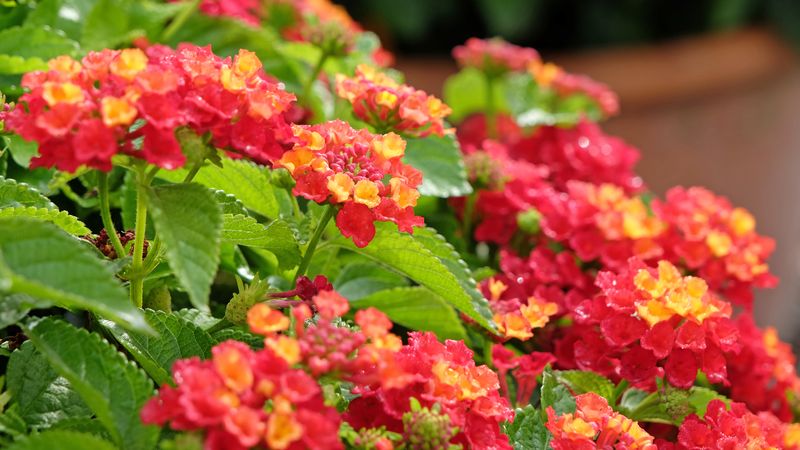
Many a Central Texas gardener has tried to coax a delicate bloom onto a sun-baked patio, only to watch it crisp by July.
Then there is lantana, the quiet hero of the heat.
The turn here is that Lantana camara evolved right alongside our relentless sun and dry spells.
Its small, slightly rough leaves reduce water loss, and its dense growth shades its own roots.
You will see vivid orange and red tubular flowers from April straight through October.
Plant lantana in a container at least 12 inches across with good drainage.
Water new plants deeply every few days until settled, then stretch to once a week, even in peak summer.
Once established, a deep drink every ten days or so might be all it asks.
A quick trim of spent blooms, what gardeners call deadheading, keeps more flowers coming.
Watching butterflies flock to your blooms on a triple-digit day brings a real sense of accomplishment.
2. Autumn Sage Brings Cool Hues To Hot Spots
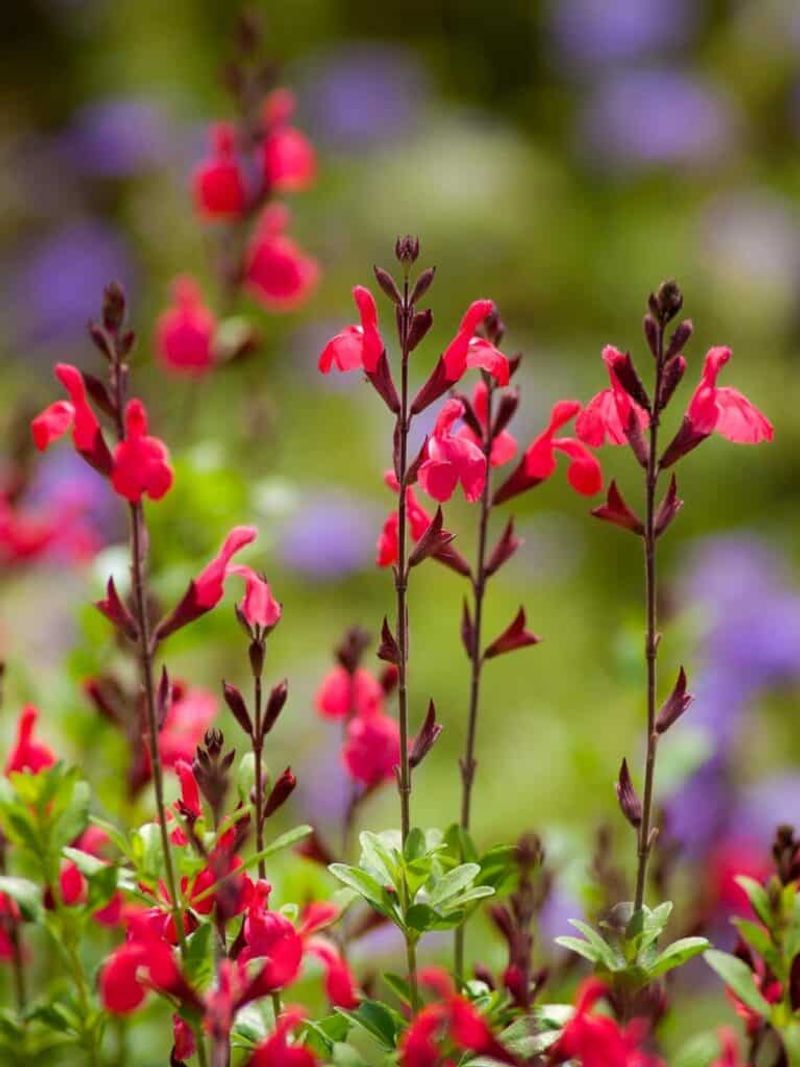
You might think sage means muted colors, but Salvia greggii, our Texas native autumn sage, bursts with pinks, reds, purples, and crisp whites from spring until the first frost.
It is a superstar in Central and West Texas, holding its own against sun that bounces off limestone and concrete alike.
Autumn sage shrugs off that heat because it naturally grows on rocky, well-drained slopes in the wild.
It wants soil that drains fast.
If you garden the notorious blackland clay in North or Central Texas, work in plenty of compost and expanded shale to lighten a container mix.
Place it where it gets at least six hours of direct sun.
Aim for a plant that grows about 2 to 3 feet tall and wide.
Water deeply when the top few inches of soil feel dry, then let it dry out completely between waterings.
Overwatering is genuinely one of the few ways to harm this tough beauty.
Pinch back stem tips in early spring to keep it bushy.
When hummingbirds stop by, you will feel like you created a little oasis.
3. Zinnias Deliver Nonstop Color Power
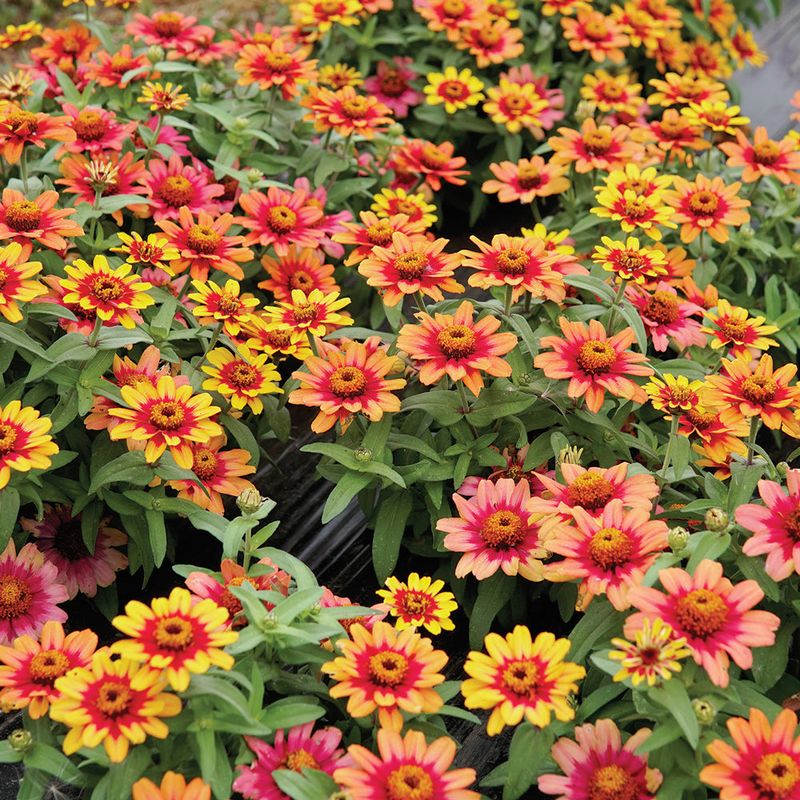
Sometimes you just need a big splash of cheerful color, and in the Texas heat that can feel like a tall order.
Many annuals give up when hit with full sun plus reflected slab heat, but not zinnias.
Look for the Zahara or Profusion series of Zinnia elegans, bred for exactly these conditions.
These particular zinnias are heat-loving powerhouses, blooming continuously even when the thermometer hits 100 degrees.
They turn intense sunlight into a constant parade of flowers, which is a neat trick.
Sow seed directly into patio pots in late April or early May, after the soil warms to at least 70 degrees.
Or grab transplants for an instant boost.
Give them a container at least 8 inches deep and wide.
Water consistently, aiming for about 1 inch per week during dry spells.
They love moisture but demand good drainage.
Regular deadheading keeps new flowers coming all season.
Having a pot exploding with color while your neighbor’s petunias wilt is a small, satisfying victory.
4. Pentas Attract Pollinators While Enduring Extremes
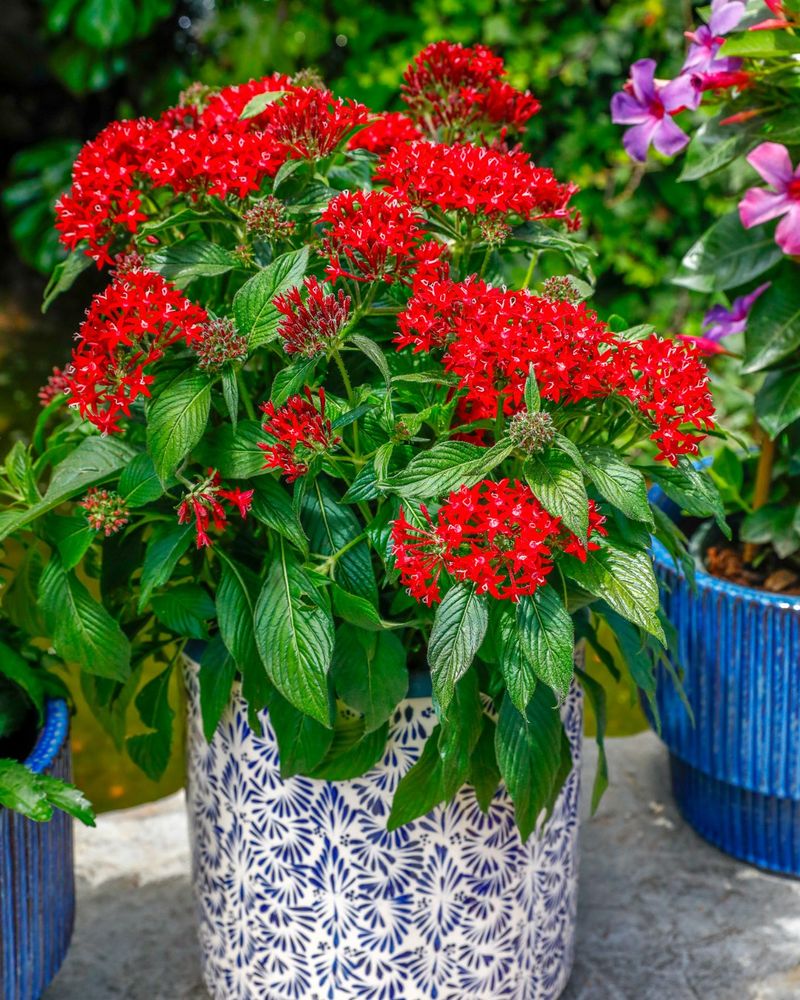
Ever notice how some plants look delicate but turn out surprisingly tough?
Pentas, or Pentas lanceolata, are exactly like that.
Their clusters of star-shaped flowers look sheltered-garden fussy, yet they flourish in full Texas sun and shrug off the heat and humidity that make many plants miserable.
Native to tropical East Africa, pentas find our summers right in their comfort zone.
You can grow them as annuals across most of Texas.
Along the Gulf Coast and Lower Rio Grande Valley, roughly USDA Zones 9 to 11, they often return as perennials.
Plant them in containers with good drainage, aiming for a size of 12 to 24 inches tall and wide.
Water regularly, but let the soil dry a bit between drinks.
Texas A&M AgriLife Extension notes they take full sun well, though a little afternoon shade during the brutal peak may stretch the bloom.
When your patio becomes a buzzing hub for butterflies and hummingbirds, the space genuinely feels alive.
5. Bougainvillea Brings Tropical Drama To The Patio
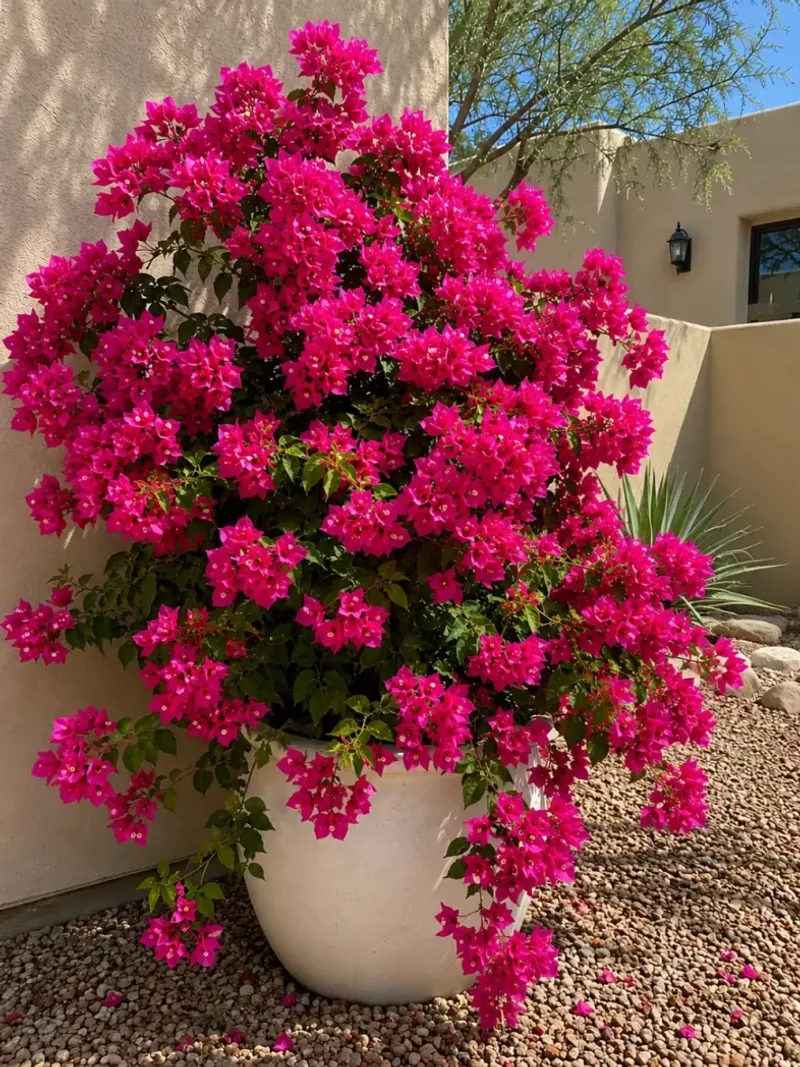
Want your sweltering Texas patio to feel like a permanent vacation?
Bougainvillea is your plant.
The riot of hot pink, red, or purple color comes from modified leaves called bracts, and it thrives on the relentless sun and heat that wilt lesser plants.
Most folks picture a sprawling vine, which makes finding the right spot tricky.
But here is the secret.
Bougainvillea genuinely blooms best when its roots are confined, which makes containers perfect.
It craves full sun, at least five hours a day, and actually prefers hot and dry.
Put it in a clay pot 12 to 16 inches deep for good root restriction and drainage.
Water deeply only when the top 2 inches of soil are dry, or when the plant shows a slight wilt.
Overwatering gives you lush green growth but few of those showy bracts.
Feed every other watering with a soluble fertilizer.
Prune new shoot tips by about an inch every two weeks in the growing season for more branching.
Those colors against the Texas sky feel like tamed tropics.
6. Esperanza Shines Brightly Through The Summer
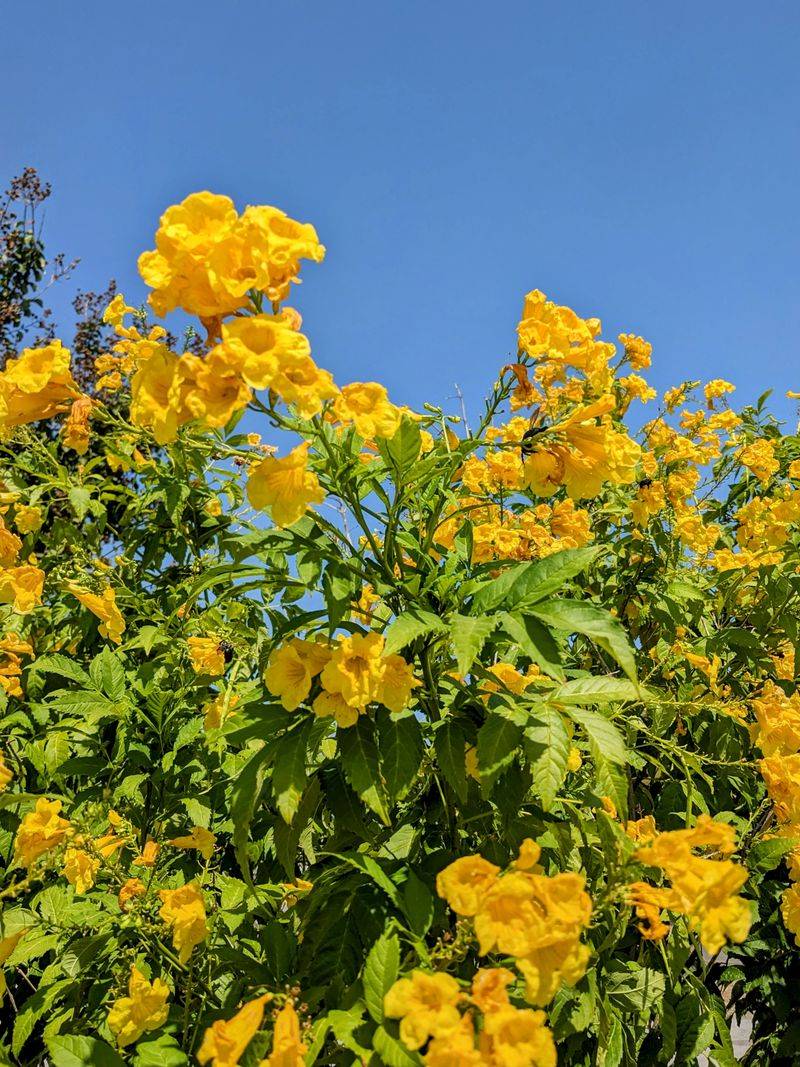
When you hear yellow bells, you are likely picturing Tecoma stans, or esperanza, a plant that lives up to its name, meaning hope, with cascades of golden trumpet flowers all summer.
It is a champion for brutal heat and drought, especially in Central and South Texas where it earned a Texas Superstar selection.
The surprise for many is just how resilient it actually is.
Esperanza’s toughness comes from native roots across the Americas, where it learned to handle intense sun and dry spells.
It thrives in full sun and well-drained soil, ideal for tough patio spots.
For containers, pick a compact cultivar like Gold Star or Bells of Fire and a pot at least 14 to 18 inches deep with excellent drainage.
Drought-tolerant once established, it performs best with a deep soak every one to two weeks, maybe weekly in the hottest months.
Trim off the bean-like seed pods after blooming to keep flowers coming.
Watching hummingbirds dart among the yellow blossoms brings a special joy.
7. Cora XDR Vinca Offers Bulletproof Blooms
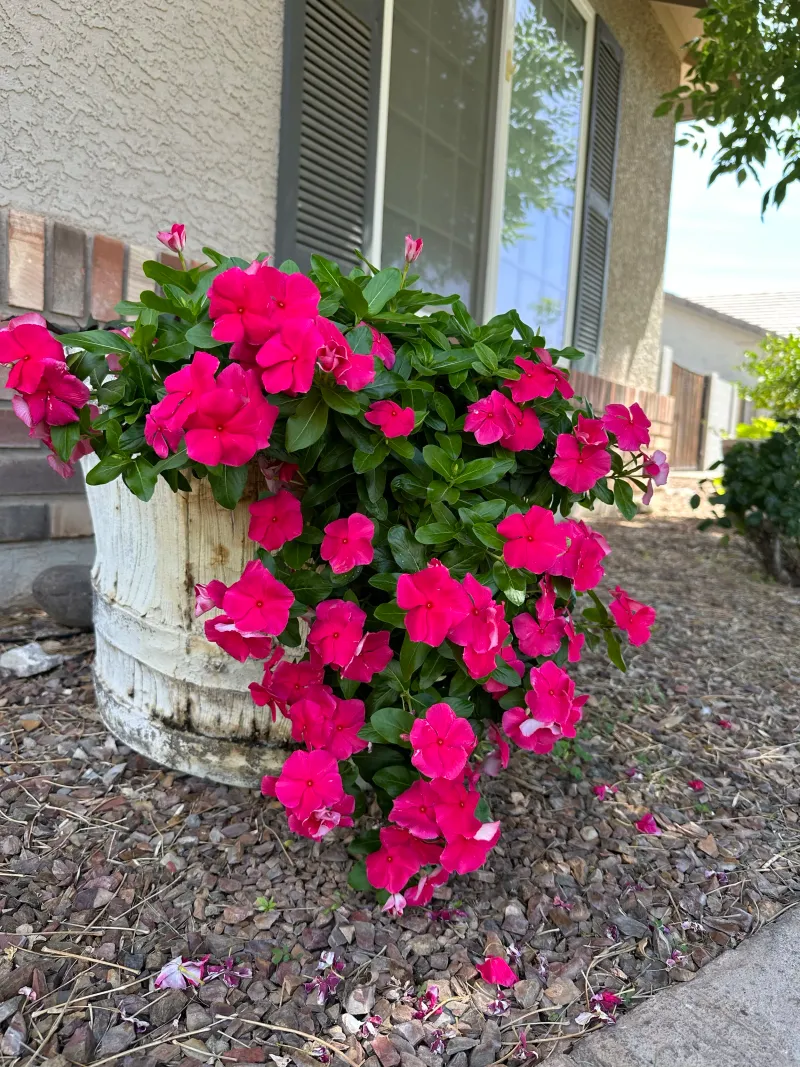
Plant regular vinca on a Texas patio and you may have watched fungal disease flatten it in our humid summers.
Then along came Cora XDR Vinca, which redefined what vinca could do here.
It genuinely resists the dreaded aerial Phytophthora fungus, a huge relief for gardeners.
This series of Catharanthus roseus was bred for extreme disease resistance, that is what XDR means, along with heat and humidity tolerance.
It makes a nearly bulletproof choice for full sun.
The plants form a tidy mound about 14 to 18 inches tall and 18 to 24 inches wide, perfect for containers or hanging baskets.
Plant after the soil warms in late spring or early summer, since they do best in real heat.
Water every four to seven days once established, letting the top 1 to 2 inches dry between drinks.
Good drainage is paramount, but beyond that they ask little.
Glossy foliage and continuous pink, red, white, and lavender flowers hold color in the meanest corner.
Seeing them thrive through the dog days, you will feel like you outsmarted the summer.
8. Blackfoot Daisy Is A Tough Hill Country Gem
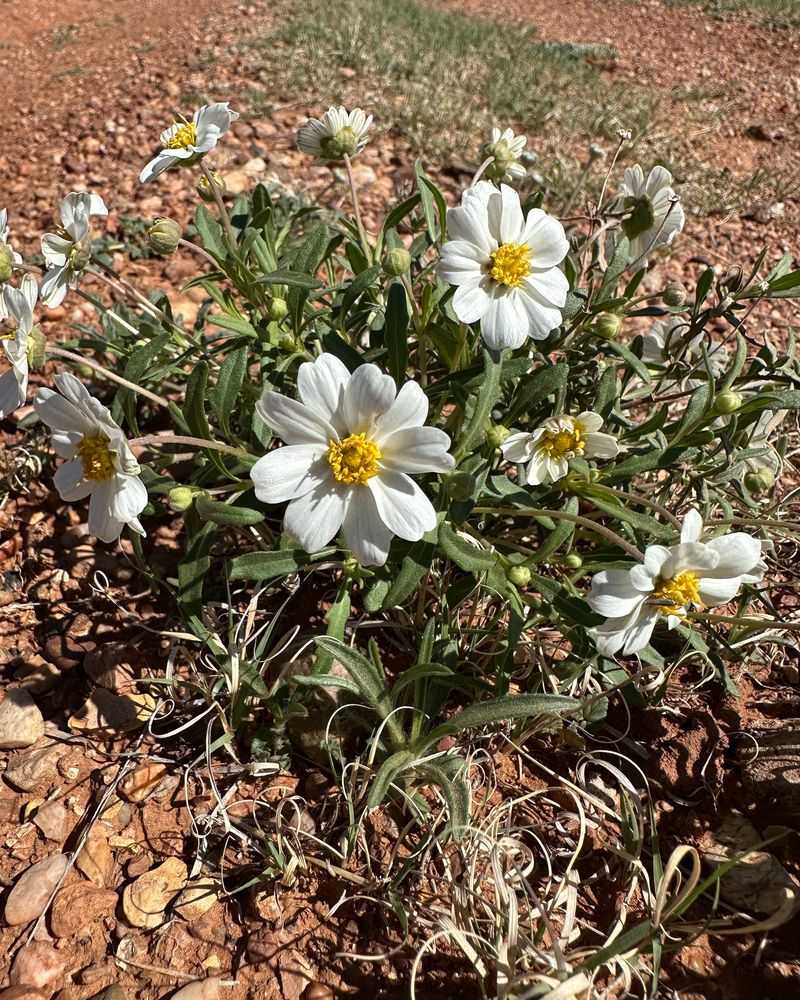
Picture a cheerful white daisy that not only endures the blasting sun and reflected heat of a West Texas or Hill Country patio, it actually thrives on it.
Meet the Blackfoot Daisy, Melampodium leucanthum, a native hero that blankets rocky, dry ground where other plants simply quit.
The surprising part is how much it dislikes being pampered.
Its native home is alkaline, rocky soil and arid country, so it handles minimal water and performs worse with rich soil or fertilizer.
Plant it in a container with excellent drainage, like a terra cotta pot filled with a gritty mix.
Make the pot at least 8 inches deep and wide.
It reaches about 12 to 18 inches tall and 1 to 2 feet across.
Once established, it is genuinely one of the most drought-tough plants you can grow, needing water only a few times a month, maybe monthly in summer without rain.
The biggest mistake is overwatering, which ends it fast.
It rewards you with fragrant white and yellow blooms from early spring into late fall, drawing bees and butterflies, and it smiles at the sun while everything else struggles.