
When Hydrangeas Collapse In Afternoon Heat, These Moves Help And These 3 Make It Worse
Follow us on Google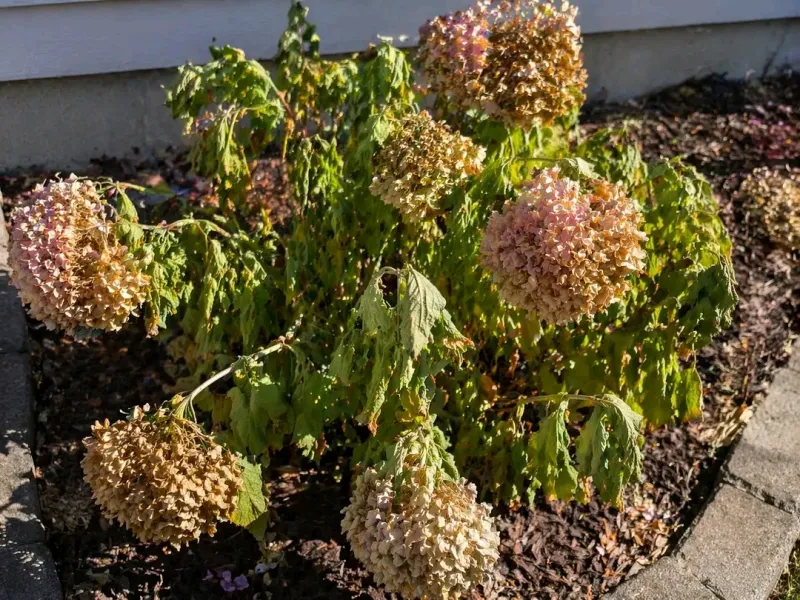
By 3 p.m., the porch is hot, the grill lid burns your hand, and your hydrangea suddenly looks like it gave up. That droop can be scary, but it does not always mean the plant is dying.
Sometimes you can help a lot with a few smart moves, and sometimes the most common rescue attempts make things worse. Here is how to tell the difference and what to do before your water bill climbs and your blooms fade.
1. Afternoon Wilt Is Not Always A Crisis
At 3 or 4 p.m., many hydrangeas can look like they folded in half, especially bigleaf hydrangea, Hydrangea macrophylla. Large leaves lose water fast through tiny pores called stomata, and when air temperatures climb past 85 to 90 degrees, the plant may droop even if the soil still holds moisture.
Gardeners often call that false wilt. It is a temporary slump, like a runner slowing down in the worst stretch of heat.
If the plant perks back up by evening or early morning, you are usually looking at heat stress rather than a root disaster.
That first check matters because the wrong fix can pile stress on top of stress. Press a finger 2 to 3 inches into the soil near the root zone.
If it feels cool and lightly moist, wait and watch until sunset. If leaves recover overnight, your next move is more about shade, mulch, and timing than emergency soaking.
North Carolina State Extension and many university guides note that bigleaf types are especially prone to this midday collapse, while panicle hydrangeas often hold up better in sun.
2. Morning Watering Buys The Plant Time
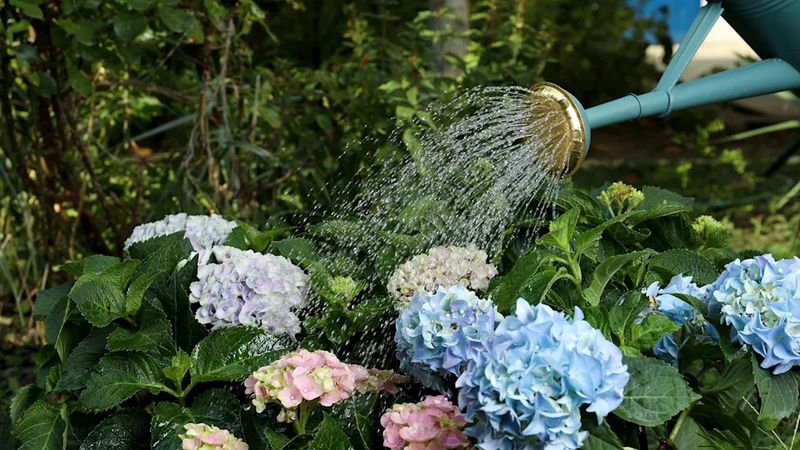
Before breakfast is when the real rescue work happens. Hydrangeas handle heat better when roots are charged with water early, not when you rush out at the hottest hour with a hose and hope for the best.
Aim for about 1 inch of water per week in mild weather, then increase during stretches of 90 degree heat, drying wind, or sandy soil. Established shrubs often need a deep soak every 2 to 3 days during a heat wave.
Containers can need water daily, sometimes twice if temperatures push near 100 degrees and the pot sits in sun.
Send water to the base, not over the leaves. A slow hose, drip line, or soaker hose works best because it wets the root zone 6 to 8 inches deep instead of wasting moisture to evaporation.
Give the plant 20 to 40 minutes of slow soaking, depending on soil and hose flow, then check moisture again the next morning.
Late-night watering sounds kind, but leaves that stay wet for hours can invite fungal problems. Morning watering gives roots a head start, and your hydrangea gets through the afternoon with a fuller tank.
It is not magic, just timing that works with the plant instead of against it.
3. Afternoon Shade Cuts The Worst Stress
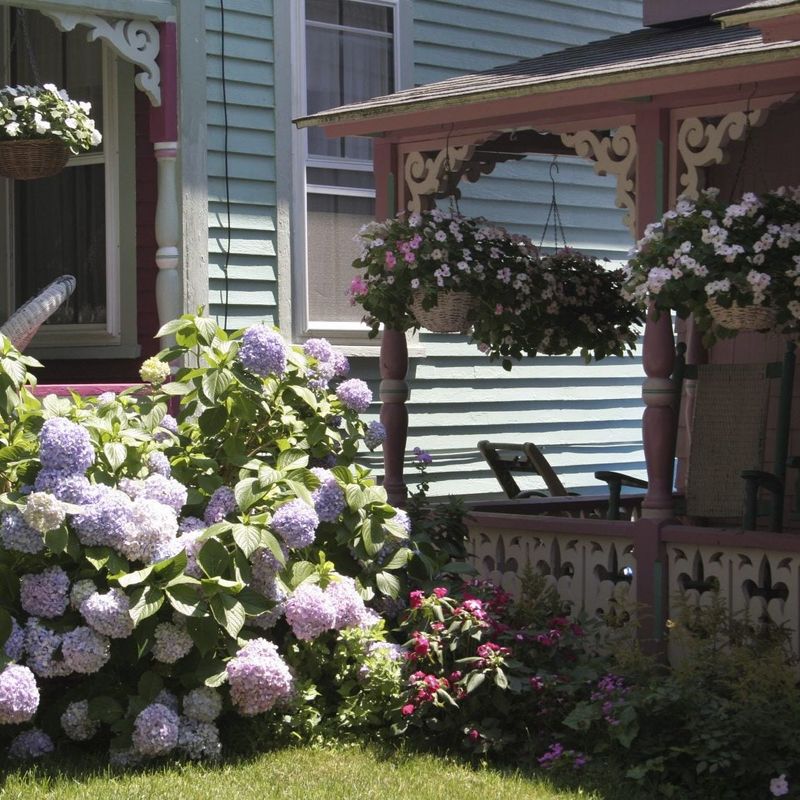
Harsh western sun is often the real bully in the yard. Many homeowners think a wilted hydrangea needs more water first, but placement is often the deeper problem, especially in the South, lower Midwest, and other humid regions where summer afternoons stay hot well past 5 p.m.
Most bigleaf and mountain hydrangeas do best with morning sun and afternoon shade. That usually means 3 to 5 hours of direct sun before noon, then filtered light or open shade later.
East-facing beds are often easier than west-facing ones because the plant avoids the fiercest rays.
If the shrub is already planted in a hot spot, you still have options. Use a temporary shade cloth that blocks about 30 to 40 percent of light, or set up a patio umbrella during a short heat wave.
Potted hydrangeas can simply be moved a few feet into brighter shade. Even that small shift can drop leaf temperature enough to slow water loss.
Panicle hydrangea, Hydrangea paniculata, tolerates more sun than Hydrangea macrophylla, especially in cooler northern states. But in USDA Zones 7 and warmer, even panicles often look better with some afternoon relief.
Shade will not fix dry soil on its own, yet it can turn a daily collapse into a brief midday sigh.
4. Mulch Keeps Roots Cooler And Wetter
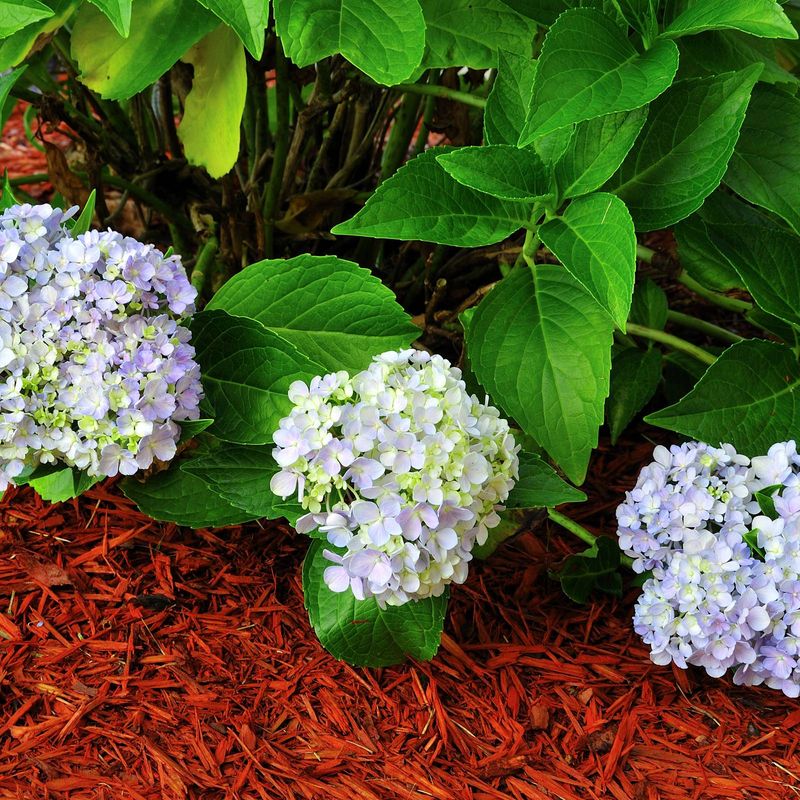
A bare soil ring around hydrangeas heats up fast, then dries like toast. Mulch slows that swing, and the difference shows up most on those long July afternoons when the driveway shimmers.
Spread 2 to 3 inches of organic mulch over the root area. Shredded bark, pine needles, wood chips, or leaf mold all work well.
Keep the mulch 2 to 3 inches away from the stems so you do not trap moisture against the crown, where rot and pests like to sneak in.
The benefit is bigger than neat looks. Mulch reduces evaporation, softens soil temperature swings, and helps shallow fibrous roots stay active near the surface.
In sandy soil, that extra buffer can mean the difference between watering every day and every 2 days. In heavier clay, mulch still helps, but you want it loose and airy, not packed like a lid.
Refresh the layer once a year, usually in spring or early summer, and loosen old compacted mulch before adding more. Think of mulch as the plant’s sun hat.
It does not solve every problem, but it protects the part of the shrub doing the hardest work when the air hits 95 degrees and the porch is too hot for bare feet.
5. Better Soil Holds Water Without Suffocating Roots
Surprising as it sounds, wilted hydrangeas can come from soil that dries too fast or soil that stays wet too long. Both create the same droopy look, which is why digging into the root zone matters more than guessing from the leaves.
Hydrangeas prefer rich, loamy soil that holds moisture but still drains. If your bed is sandy, water may race through in minutes.
If it is heavy clay, roots can sit in stale water and lose oxygen. In both cases, the plant struggles to keep stems firm during heat.
Work 2 to 4 inches of compost into the top 8 to 12 inches of soil when planting or renovating the bed. That single step improves moisture storage in sandy ground and opens pore space in dense clay.
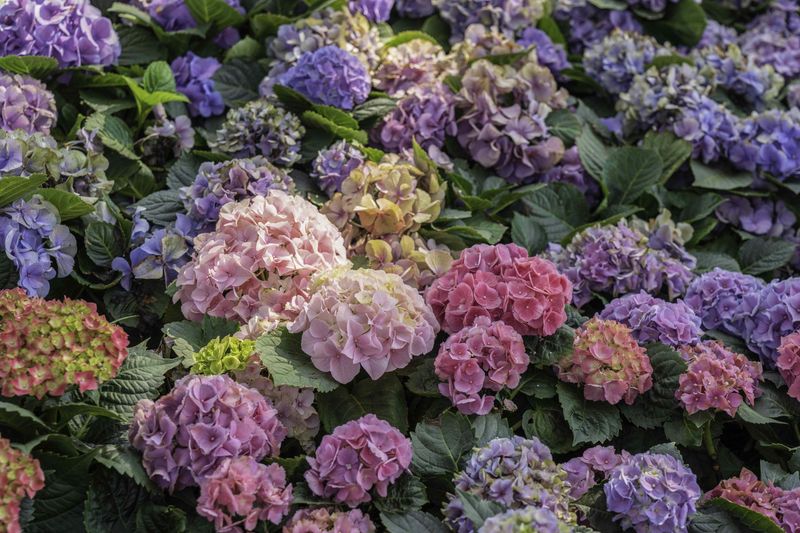
A soil test is also useful, especially if blooms have been weak or leaf color looks off. Many hydrangeas grow well around pH 5.5 to 7.0, and bigleaf flower color can shift with pH, though bloom color is a side note when the plant is trying to survive August.
University extension offices in many states offer low-cost soil tests, and that is smarter than throwing random amendments at the problem. Good soil works like a sponge, not a swamp.
Once that balance is right, every other fix you make becomes more effective.
6. Heat Waves Demand Faster Checks For Pots And New Shrubs
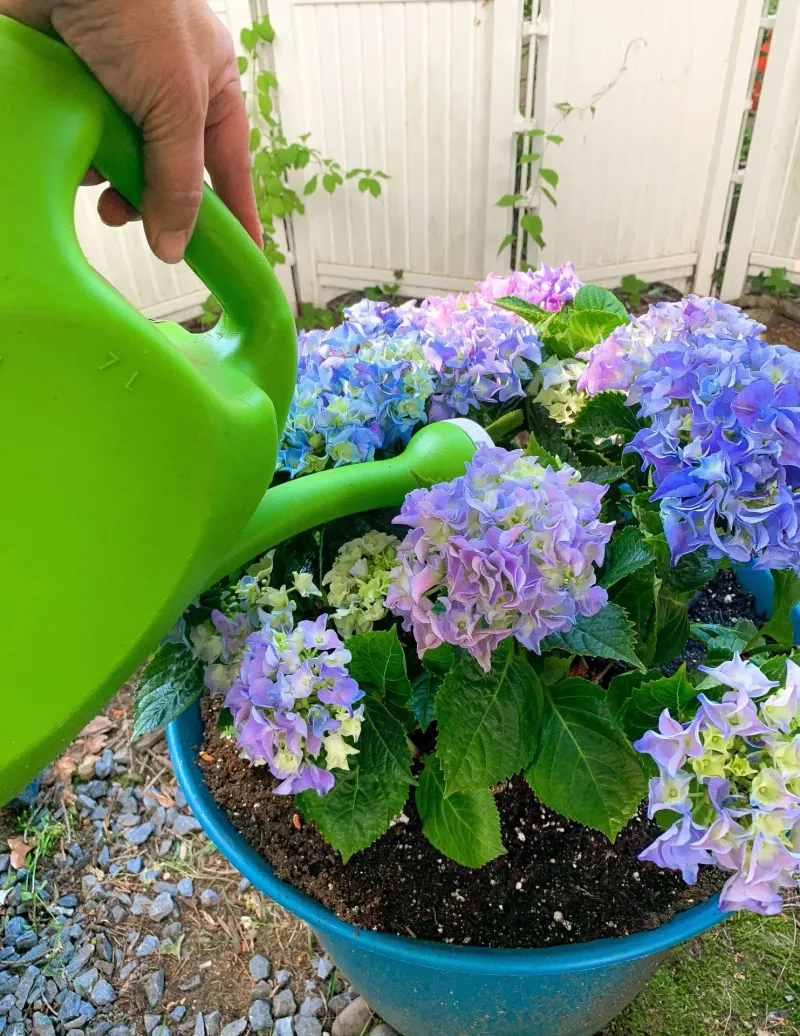
Here is where many healthy shrubs suddenly lose ground. A hydrangea planted this spring or sitting in a dark nursery pot can go from fine at noon to badly wilted by dinner because its root zone is small, exposed, and quick to overheat.
Newly planted hydrangeas need closer watching for the first 6 to 12 months while roots spread into surrounding soil. During a hot spell, check them daily, not weekly.
A young shrub often needs water when the top 2 inches are dry, even if a nearby older plant is still fine. Potted hydrangeas are even touchier because containers shed moisture from all sides.
Move containers into bright shade during extreme heat, especially when forecasts push above 95 to 100 degrees for several days. Light-colored pots stay cooler than black plastic, and larger pots dry more slowly than cramped ones.
If you repot, increase diameter by 2 to 4 inches, not 10, so the mix does not stay soggy around a small root ball.
Pre-watering before a heat wave can genuinely help. Give the root zone a deep soak the morning before the hottest day arrives, then add shade and mulch as backup layers.
A new hydrangea is like a kid at the beach without sunscreen. It may be willing, but it needs you to plan ahead.
7. More Water Can Turn Wilt Into Root Trouble
The easiest mistake is also the most expensive one. You see drooping leaves at 4 p.m., assume the plant is thirsty, and keep pouring on water until the bed stays wet day after day.
Hydrangeas like steady moisture, not soggy ground. Roots need oxygen as much as they need water.
When soil stays saturated, roots begin to fail, and then the shrub wilts because damaged roots cannot absorb what surrounds them. It is a cruel little loop, the plant looks dry while sitting in mud.
Watch for clues that point away from simple thirst. Yellowing leaves, heavy limp foliage, little new growth, mold on the soil surface, or a sour smell near the root zone can all signal overwatering or poor drainage.
If the soil is wet 3 inches down, do not water again just because leaves droop in heat.
Back off, let the upper layer breathe, and improve drainage if needed. In some beds that means widening the mulch ring and reducing sprinkler overlap from the lawn.
In others it means reworking compacted clay with compost when cooler weather returns. If afternoon wilt disappears by evening, adding more water than the soil can handle is not rescue.
It is the problem growing legs.
8. Fertilizer In Heat Adds Stress, Not Strength
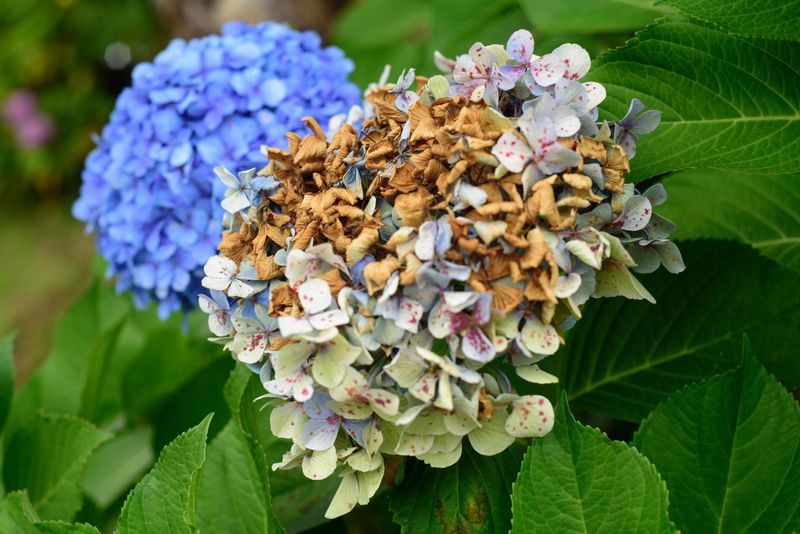
Many gardeners reach for fertilizer when blooms shrink or leaves droop, but summer heat is the wrong moment for a feeding spree. A stressed plant is trying to conserve water, not push tender new growth.
Fast-release fertilizers can burn roots when soil is hot and moisture is uneven. Even gentle products can nudge the shrub to make fresh leaves when it should be focusing on survival.
That new growth acts like extra sailcloth in dry wind, asking the plant to support more surface area just when it can least afford it.
If your hydrangea has been in the ground for years and growth seems weak, save feeding for early spring as new leaves emerge, or late spring to early summer in areas where summers are not already brutal by June. Many gardeners stop fertilizing by late July, and in colder climates or on reblooming types there can be some variation, but feeding during a heat wave is rarely the answer.
Compost used as a light topdressing is safer than a heavy dose of synthetic fertilizer, though even compost will not revive a plant that simply needs water management and shade. Think of fertilizer as a workout plan.
You do not hand it to someone who is already overheated and wobbling in the driveway.
9. Heavy Summer Pruning Removes The Plant’s Shield
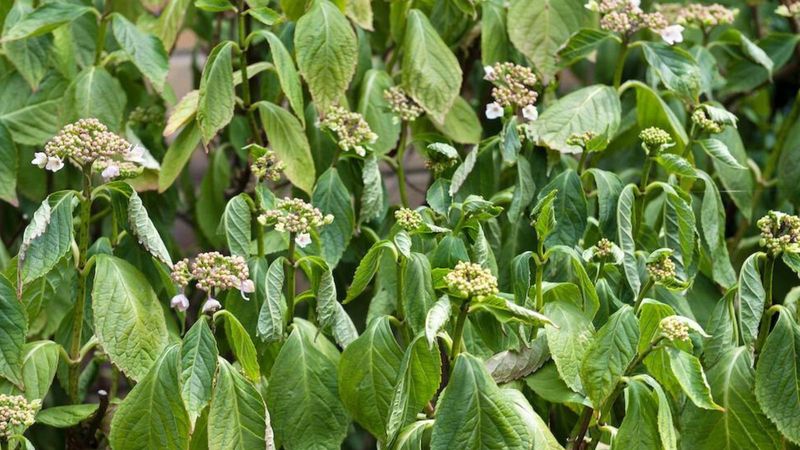
Cutting back a wilted hydrangea can feel tidy and helpful, but hard pruning in summer usually strips away the very leaves the plant needs to cope. Those leaves are its cooling system, its food factory, and part of its shade all at once.
When you remove lots of foliage during hot weather, the shrub must spend energy sealing wounds and replacing lost tissue. That extra stress can deepen wilting.
On bigleaf hydrangeas, heavy pruning after bloom can also remove next year’s flower buds, which often begin forming by late summer. A common safe line is to avoid major pruning after July 31 on many old-wood bloomers, though exact timing shifts by climate and cultivar.
What can you do instead. Light deadheading of spent flowers is usually fine, and removing a few diseased or badly damaged leaves can make sense.
Just do not shear the whole plant because it looks messy on a 92 degree afternoon.
Wait for cooler weather to shape the shrub properly, and use the hotter weeks to solve the real issue with water, shade, mulch, and soil. By then you will know whether the wilt was temporary or a true warning sign.
That calmer approach leaves you with a plant that has a better shot at recovery, and a porch view that starts looking steady again.