
What To Do In The First Minutes After A Cottonmouth Bite Near Your Florida Pond
Follow us on Google
Move away from the snake, call 911 right away, and keep the bitten person still. That is the whole plan for the first minutes after a possible cottonmouth bite, and it matters most when you are raking leaves beside a Florida pond.
You do not need to know what kind of snake it was, and you do not need to wait and see how the bite looks. Here is how to handle each step calmly while help is on the way.
A suspected bite needs 911 now

The rake is halfway through a pile of damp oak leaves when something strikes your ankle, or your neighbor cries out and steps back fast. Maybe you saw a dark snake near the water, maybe you saw nothing at all.
Either way, the next few minutes matter.
First, move away from the snake. Take a few calm steps back so no one is bitten twice, and do not walk toward it to get a better look.
Second, call 911 immediately. Treat any suspected venomous snakebite as an emergency.
Florida Poison Control advises getting medical care right away, and current American Heart Association first aid guidance says to activate emergency services for any bite from a venomous or possibly venomous snake.
Do not wait for swelling, pain, or other symptoms to show up. Waiting only uses up time that medical teams could be using.
Put the phone on speaker so your hands stay free to help.
Do not let the bitten person drive to the hospital. Even someone who feels fine can change quickly, and a crash on the way helps nobody.
Paramedics can begin care on the spot and choose the right hospital.
Give the dispatcher your address, a nearby landmark such as the pond or a dock, and a clear description of what happened. If you can, send someone to the road to flag down the ambulance.
Stay on the line until the dispatcher says you can hang up.
Keep the bitten person still
Fear makes people want to run, pace, or hurry to the house. Resist that urge, and help the person do the same.
Moving around can make a hard moment feel worse.
Help the person sit or lie down somewhere safe and away from the water, with the bitten area resting. Speak slowly and keep your voice steady.
Tell them help is coming and that you are staying right there.
Keep the bitten arm or leg still and supported. Rest it at or below heart level, and do not prop it up above the heart.
Florida Poison Control says below the heart, while newer Wilderness Medical Society guidance describes loosely immobilizing the limb at heart level. The two ideas are close, so keep it simple: still, supported, and not raised.
A folded jacket or a chair arm can hold a leg or arm in a comfortable spot. Nothing needs to be tied tight.
The goal is to keep the limb from moving, not to squeeze it.
Above all, follow what the 911 dispatcher and the paramedics tell you. They may adjust how the person lies or how the limb rests, and their instructions come first.
Many families find that having one calm person in charge of the phone and another beside the patient makes the wait feel shorter.
Do not chase the snake for an answer
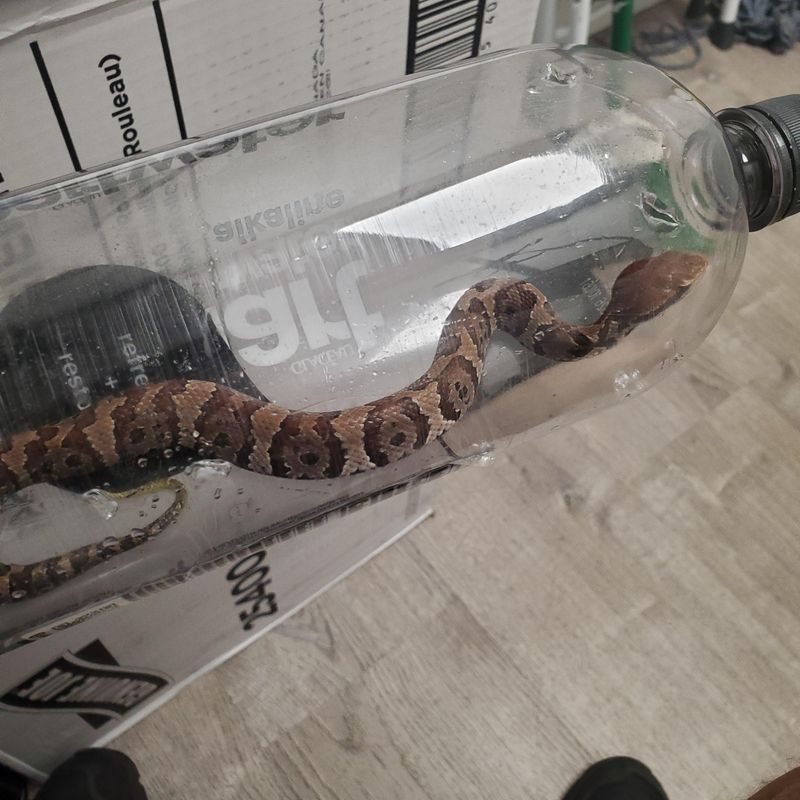
Here is the one wrong move to avoid. Do not delay the 911 call to catch, kill, or identify the snake.
It is the instinct that feels most natural, and it is the one that costs the most time.
Doctors do not need the snake in order to treat a bite. Care does not depend on knowing the species, and a guess at the pond is not a safe reason to wait.
Approaching or handling the snake is also unsafe. CDC guidance for outdoor workers warns against trying to trap or kill a snake, and that includes one that looks dead.
A second bite would only double the emergency.
If you are not the one who was bitten, and the snake is still in view from a safe distance, a quick photo may help the medical team. That is strictly optional.
If taking it means leaving the patient, taking extra steps toward the snake, or holding up the call, skip it.
A short description works just as well when it is easy to give. Mention the color, rough size, and where it was near the water.
Then put the phone down and go back to the person who needs you.
UF/IFAS Extension’s Emergency Snakebite Action Plan makes the same point: call for help first and do not waste time on the snake. The snake has already moved on.
Your attention belongs with your neighbor.
Use simple first aid while help comes
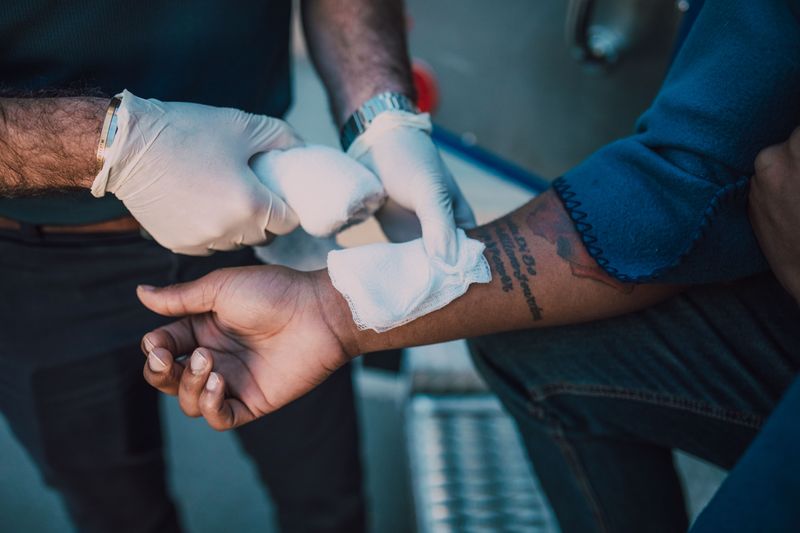
While the ambulance is on its way, a few small steps can help. None of them should slow the 911 call or the response.
Start with jewelry. Take off rings, watches, bracelets, and anything tight near the bite before swelling begins.
American Heart Association first aid guidance includes removing constricting items for this reason. A ring that slides off now may need to be cut off later.
Next, if it will not delay care, gently wash the area with soap and water. Use a light touch, no scrubbing.
Then cover the spot with a clean, dry dressing. If the ambulance is close or the person is hard to settle, skip washing and keep them calm instead.
Remind everyone that the bitten person should not drive. If anyone suggests a quick ride to the clinic, the answer is still no. Emergency crews can start treatment sooner than a car can reach the door.
CDC outdoor worker guidance also points to simple wound care and quick transport as the priorities.
Once 911 has been called, you can also call Florida Poison Control at 1-800-222-1222 for extra expert guidance. Think of it as a second helper, not a replacement for the ambulance.
Keep your phone on speaker and the first call open if you can.
Avoid remedies that can cause harm
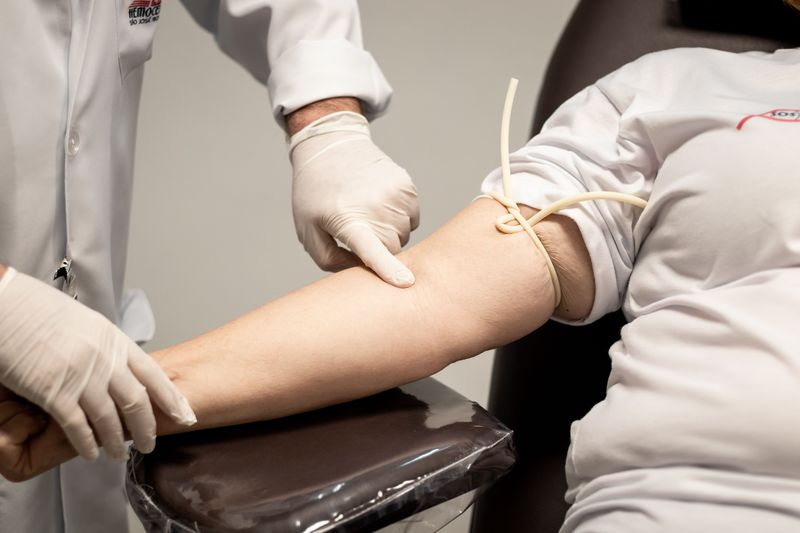
Old movies have taught many of us some terrible habits. When a snakebite happens, a lot of well-meant advice from the past can actually make things worse.
Do not tie a tourniquet. Do not wrap the limb tightly with a pressure bandage.
Do not pack the bite in ice. Do not cut the wound.
Do not use a suction device or venom extractor, and do not apply electric shock.
The 2024 American Heart Association and Red Cross guidelines say these methods have no established benefit for North American snakebites and can cause harm. A 2026 Wilderness Medical Society update on pit viper bites reaches the same conclusion.
You may still see extractor kits sold at hardware stores or mentioned in older handouts. Skip them.
Newer guidance is clear that suction does not work and may injure the skin and tissue around the bite.
Cutting is even worse. It adds a second wound, raises the chance of infection, and can damage nerves and blood vessels.
It can feel wrong to do nothing, but in this case less really is more. Calling 911, keeping the person still, and letting trained crews take over is the right kind of action.
Looks alone cannot rule out danger
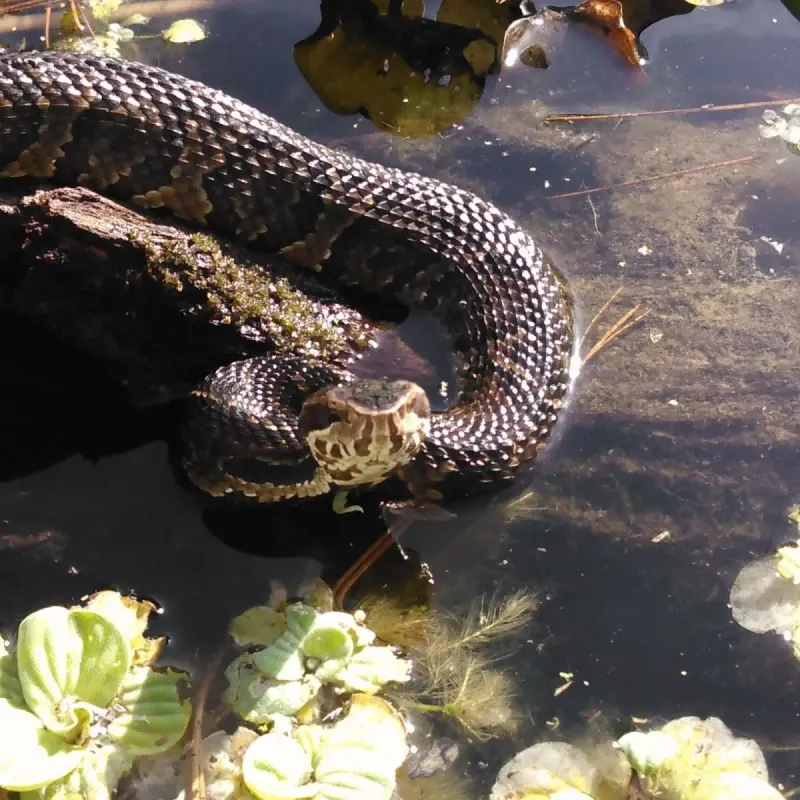
Some people want to check the bite before they call. They look for two neat fang marks, wait for swelling, and decide from there.
That plan is unreliable.
Missing marks do not rule out a venomous bite. CDC and NIOSH warn that a bite can be venomous even when no clear marks are visible.
Symptoms can also take time to appear, so a calm-looking arm does not mean the danger has passed.
The snake itself is no easier to judge. Cottonmouths live statewide and around ponds, streams, and other waterways, according to the Florida Fish and Wildlife Conservation Commission.
But many Florida watersnakes are harmless and can look quite similar.
The Florida Museum notes the resemblance too, and describes cottonmouths as generally avoiding contact with people and pets. So not every snake at your pond is a cottonmouth, and a bite is not a sign of an aggressive animal.
It is simply a risk worth taking seriously.
Because a quick glance cannot settle the question, let medical professionals do the assessing. They can examine the person, watch for changes, and consult poison control experts if needed.
Your job is simpler. If you suspect a venomous bite, call 911 and leave the guesswork to the people with the training.
Make leaf cleanup safer around the pond
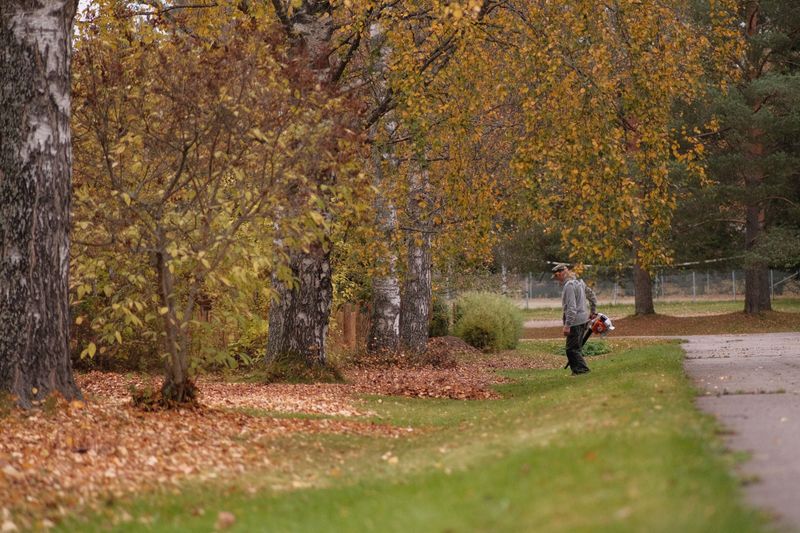
Raking leaves by the water is an ordinary fall chore, and most days nothing happens. A little preparation simply lowers the odds of a surprise.
Start with a small habit. Avoid leaf piles when you can, since piles give animals shady places to rest.
If a pile must be moved, use a long-handled rake and pull it toward you instead of reaching in with your hands.
Dress for the job. CDC and NIOSH advice for outdoor workers recommends boots, long pants, and leather gloves when handling brush or debris.
Clothing can reduce risk, but it will not stop every encounter, so stay alert anyway.
Look before you step or grab. Give brush, logs, and tall grass near the waterline a quick check with the rake first.
Keep your phone in a pocket you can reach, charged and ready.
Pondside cleanup does not make a bite likely. It just rewards a bit of care, the same way a seatbelt does.
Before your next cleanup, tell everyone who is helping the plan: step back, call 911, keep the person still. Saving the number in your head now makes the real moment far easier.
