
What It Means When A Chipmunk Suddenly Vanishes From Your Pennsylvania Garden
Follow us on Google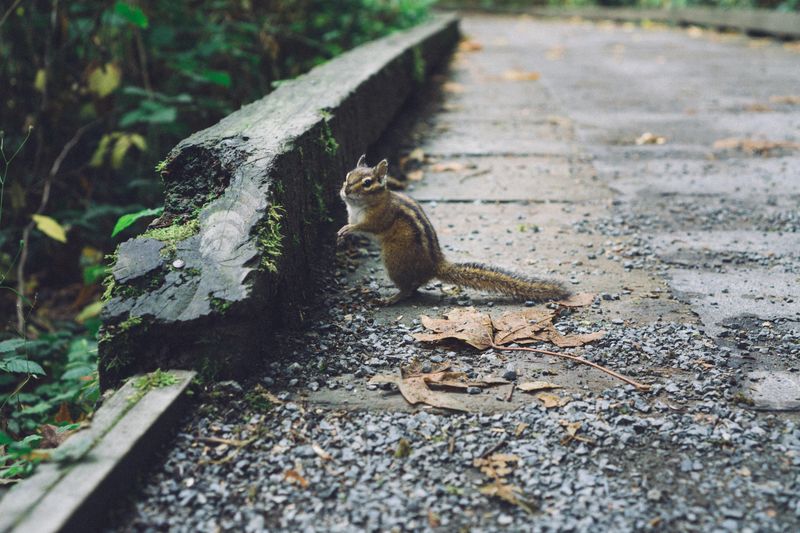
You walk out to the garden on a Tuesday morning, coffee in hand, and the flat rock where a chipmunk spent most of last week is empty.
No rustling near the woodpile.
No cheek-puffed dash across the path.
If you’ve been watching the same eastern chipmunk work your Pennsylvania yard all season, that sudden silence feels like something went wrong, and you deserve a straight answer about what it might mean.
The Chipmunk May Still Be Nearby
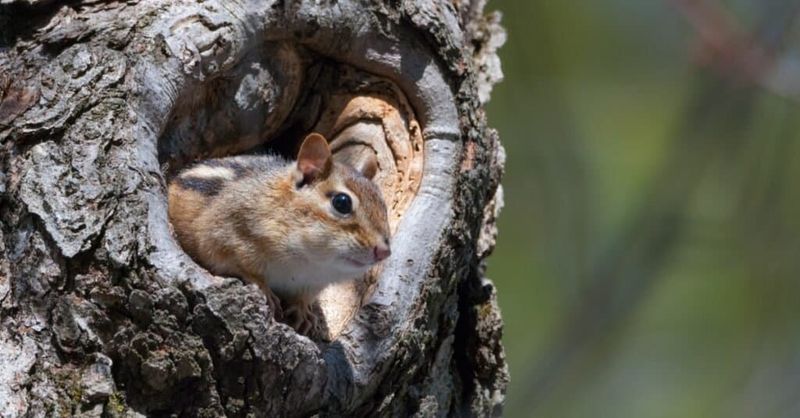
Losing sight of a chipmunk and losing the chipmunk are two very different things.
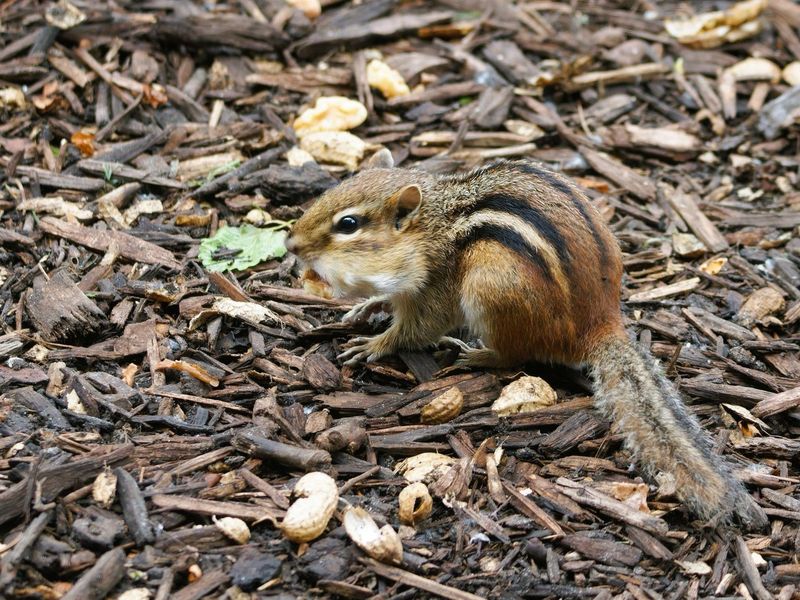
The animal you have been watching is almost certainly Tamias striatus, the eastern chipmunk, the only chipmunk species you would reasonably expect in a Pennsylvania yard.
Adults are territorial in a small way, defending roughly 50 feet around a burrow entrance, but their broader home range can stretch up to half an acre, according to Penn State Extension’s chipmunk guidance.
That means a familiar animal can stop appearing at one garden corner while still living comfortably under your shed or along the far fence line.
A single missing sighting does not confirm death, and it does not confirm that the animal left the property.
Chipmunks shift foraging routes, rest underground during the warmest part of the day, and change habits when food or cover changes nearby.
The flat rock, the feeder base, or the garden bed you associate with this animal was a convenient stop, not a permanent address.
Before reaching any conclusion, the timing of the disappearance matters more than the disappearance itself.
A quiet garden in January points toward a very different explanation than a quiet garden in late May.
The surrounding clues, what season it is, what you have seen in the yard lately, whether plants have been disturbed, tell a more reliable story than one empty morning.
Start there, and the rest of this article will help you read those clues accurately.
Winter Can Turn a Regular Into a Ghost
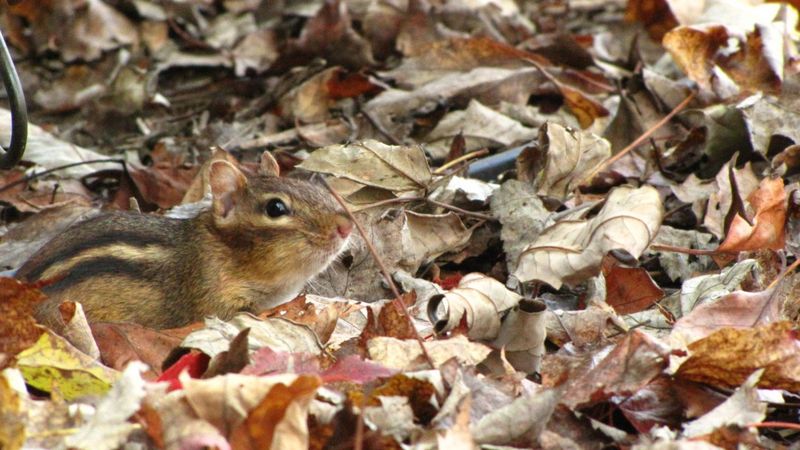
Around late October or early November, a chipmunk that has been busy all summer starts spending more and more time underground.
Eastern chipmunks do not migrate south, and they do not enter a deep, continuous sleep the way a woodchuck does.
What they do is spend winter in underground torpor, waking periodically to eat from a stored food cache and occasionally poking above ground during mild stretches.
Penn State Extension notes that Pennsylvania chipmunks generally reappear above ground from late April to early May, though local conditions, elevation, and available food can shift that window.
A bird feeder stocked with sunflower seeds can complicate things.
Some chipmunks emerge on warm winter days specifically to take advantage of easy calories beneath a feeder, so a brief January sighting does not mean the animal is fully active.
It means the temperature climbed enough to make a quick trip worthwhile.
When cold returns, the animal goes back underground.
Gardeners near lower elevations in the Susquehanna Valley or southeastern Pennsylvania may see this more often than those in the colder northern tier or at higher Pocono elevations, where winters run longer and harder.
If your chipmunk vanished in December or January, the seasonal explanation is genuinely strong.
The animal is almost certainly underground, relying on the acorns, seeds, and nuts it packed into food chambers over the summer and fall.
Calling that hibernation is not quite right because chipmunks arouse repeatedly and do not reach the same metabolic depths as true hibernators.
Torpor with stored food and occasional activity is the more accurate picture, and it is a normal, healthy winter for a Pennsylvania chipmunk.
Summer Quiet Has More Than One Cause
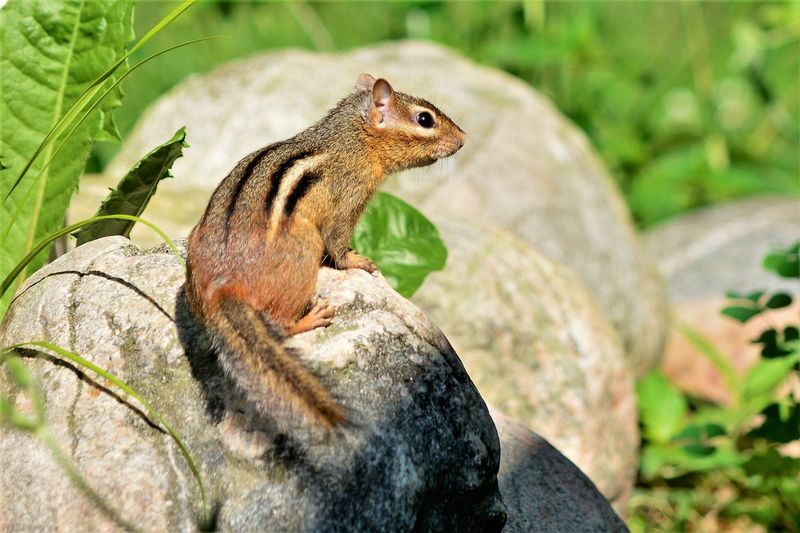
July and August can produce their own version of the vanishing act, and it catches a lot of Pennsylvania gardeners off guard.
Activity that was lively in May and June seems to drop off without explanation.
Food availability, warm temperatures, the demands of raising a second litter, and the presence of parasites can all contribute to reduced surface time during midsummer, though none of those factors can be confirmed as the cause of any single disappearance.
Botfly parasitism is one factor worth understanding without overstating.
Research on botfly infestation in eastern chipmunks, including a study accessible through Library and Archives Canada, found that environmental and individual factors were associated with infestation patterns.
A separately published study in PubMed research on botfly prevalence in chipmunks linked precipitation, temperature, and population size to variation in infestation rates.
That does not mean the quiet chipmunk in your garden has botflies.
It means parasites are a documented part of the summer picture, not a reliable diagnosis for one missing animal.
The practical move in midsummer is to compare observations across several days rather than treating one quiet morning as a data point.
Watch during the cooler hours, roughly the first two hours after sunrise and the last two before sunset, when chipmunks are most reliably active.
If the garden stays quiet for a week or more during a period when food should be plentiful and weather is mild, then other explanations, including predator pressure, deserve a closer look.
Predators Can Change the Route
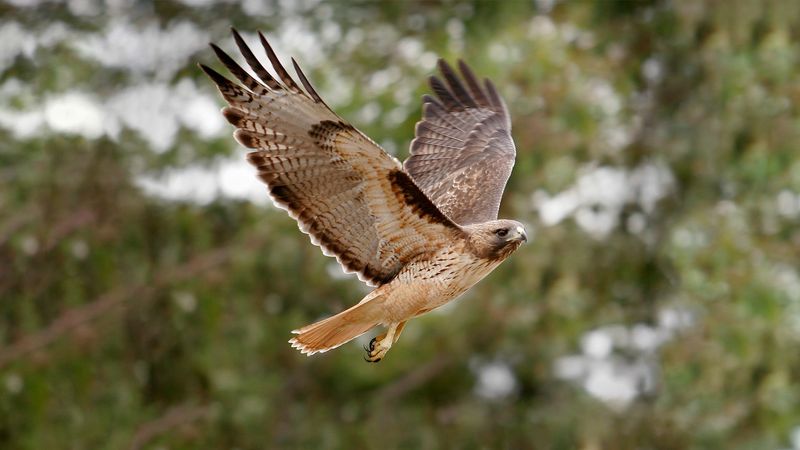
Here is where it gets genuinely interesting.
A predator does not have to catch a chipmunk to make one disappear from your sightline.
Eastern chipmunks give sharp alarm calls when they detect danger, delay leaving the burrow after hearing warning signals, and run shorter, more direct routes when a threat is nearby, according to behavioral accounts in the Animal Diversity Web profile for Tamias striatus.
A chipmunk that hears a red-tailed hawk circle the yard three mornings in a row may simply stop using the open garden path where you used to watch it.
The predator list for eastern chipmunks in Pennsylvania is long and familiar: raptors, great horned owls, red foxes, weasels, bobcats, coyotes, raccoons, fishers, rat snakes, and the neighbor’s cat or dog.
None of these animals are pests or villains.
They are part of the same food web that includes chipmunks, and Penn State Extension notes that birds of prey play a meaningful role in managing rodent populations around homes and gardens, as described in Penn State’s guidance on inviting birds to your garden.
The distinction that matters for a gardener is between circumstantial evidence and a confirmed attack.
A hawk that started hunting your yard two weeks ago, combined with a chipmunk that stopped appearing around the same time, is a reasonable clue.
It is not proof.
The animal may have shifted its route by 30 feet and be foraging in a spot you never watch.
Predator pressure is a plausible explanation, not a diagnosis you can make from an empty rock.
A Burrow Can Hide in Plain Sight
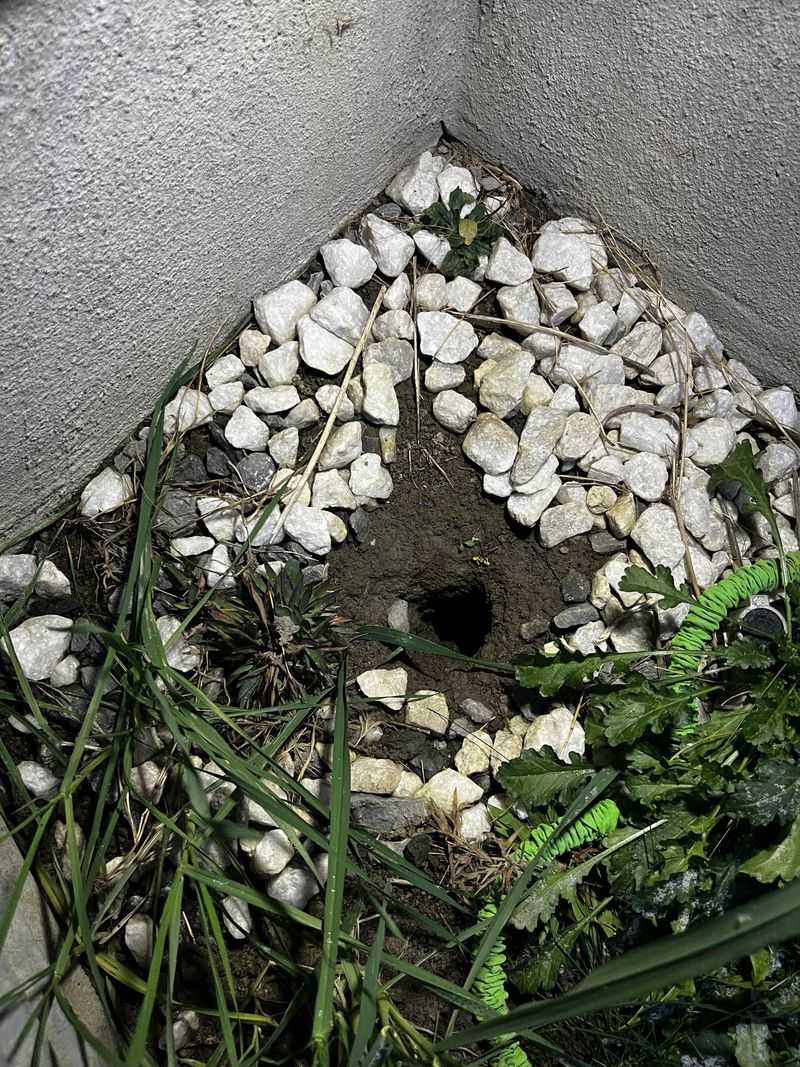
Most people who have watched a chipmunk for weeks have no idea where it actually lives.
Burrow entrances are easy to miss.
A typical opening is roughly 2 inches wide, about the diameter of a garden hose, and it usually lacks the telltale mound of excavated dirt you might expect.
Eastern chipmunks carry soil away in their cheek pouches, leaving a clean, inconspicuous hole that blends into leaf litter or the base of a stone wall without announcing itself.
The tunnel behind that entrance can run 20 to 30 feet, branching into food storage chambers, a nesting area, and one or more escape routes.
According to Penn State Extension’s chipmunk resource, burrows are commonly placed near walls, stumps, woodpiles, sheds, patios, or foundations, wherever the soil offers both cover and drainage.
If you have any of those features in your yard, the burrow entrance is probably within 50 feet of where you last saw the animal.
Walk the perimeter of your garden slowly and look low, at ground level, along the base of structures and dense plantings.
You may find the entrance without any trouble once you know what size to look for.
One important caution: filling or blocking a single entrance does not remove the animal.
A chipmunk with escape tunnels can simply reroute.
Exclusion around vulnerable areas, rather than blocking the burrow itself, is the more reliable approach, and the next sections cover that in practical terms.
Your Camera Can Miss the Story
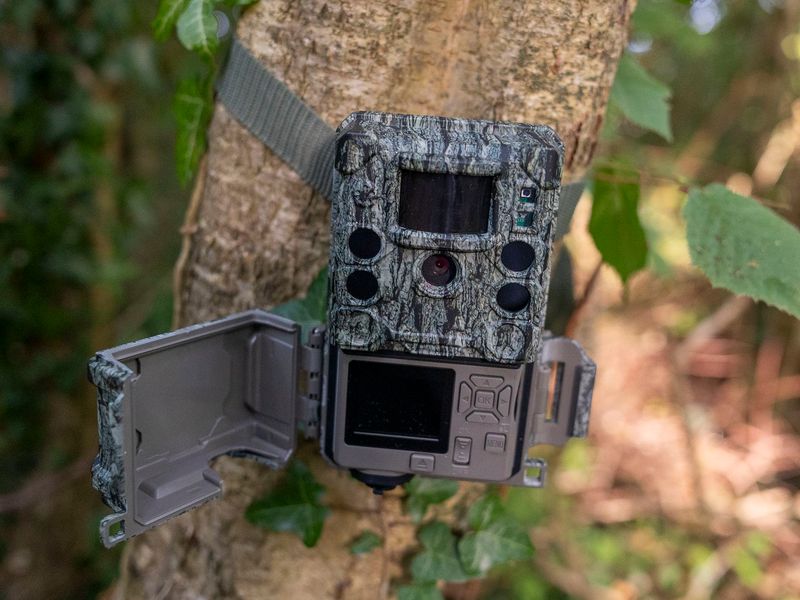
A motion-triggered camera feels like a definitive answer machine, but it is more like a very patient witness with a limited field of view.
Eastern chipmunks are most active during daylight, particularly in the first couple of hours after sunrise and again in the late afternoon before dusk.
If your camera is placed along a route the animal has already abandoned, or if the angle misses a 10-foot section of the path where the animal now cuts through dense cover, the footage will stay empty regardless of whether the chipmunk is alive and well 20 feet away.
Research from the U.S.
Geological Survey on wildlife detection, including work on estimating site occupancy and detection probability for mammals, makes clear that non-detection is not the same as absence.
That work addresses larger mammals, but the underlying principle applies broadly: detection depends on placement, route, cover, weather, and the animal’s current activity level.
A few empty camera checks across two or three days do not prove a chipmunk left the property.
The most reliable observation method is still your own eyes, used consistently.
Spend 15 minutes watching the garden during those two peak windows, early morning and late afternoon, for at least four or five days before drawing any conclusion.
Note whether the seed beneath your feeder is disappearing overnight or in the morning.
Look for fresh digging near beds or containers.
Actual garden evidence, disturbed soil, moved mulch, a relocated acorn, tells a more complete story than an empty camera frame.
Use the camera as one layer of information, not the final word.
Protect the Garden Without Escalating
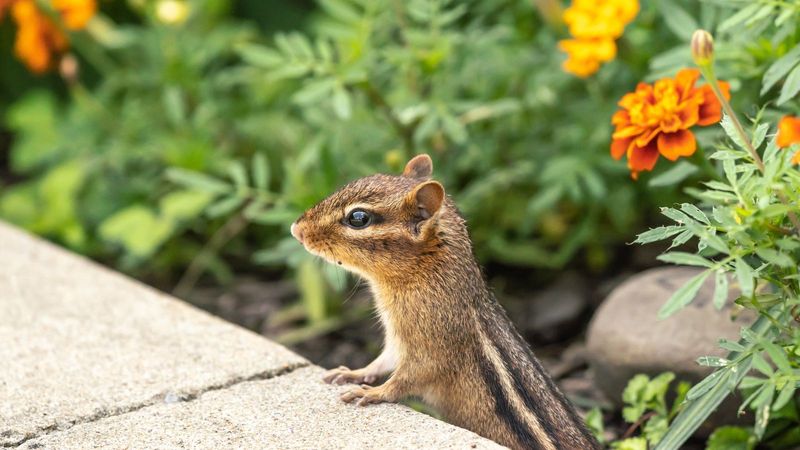
If the chipmunk has returned or you have confirmed it is still around, and you want to protect specific plants, the first and most dependable layer of defense is physical exclusion.
Quarter-inch hardware cloth laid over garden beds, extending at least 1 foot beyond the edge of the planting on all sides, blocks access to bulbs and seedlings without harming anything.
Penn State Extension recommends covering the cloth with a thin layer of soil where appropriate so it does not interfere with plant growth or look out of place.
For openings in a shed wall or foundation, cut hardware cloth to fit and secure it with staples or screws.
Food management matters almost as much as physical barriers.
Spilled birdseed beneath a feeder is one of the most reliable chipmunk attractants in a Pennsylvania yard, and Penn State Extension recommends placing feeders 15 to 30 feet from buildings to reduce the chance that animals follow the seed trail back to a foundation or patio.
Store bagged seed and pet food in metal or heavy plastic containers with tight lids, and sweep or rake beneath feeders every few days.
Repellents sold for chipmunk control are worth a brief mention, and an honest one.
Products with capsaicin or predator scents may discourage foraging in treated areas, but Penn State notes they typically require repeated applications, can be expensive over a season, and usually do not provide complete damage reduction.
They are one option in a broader approach, not a solution on their own.
Physical exclusion and reduced food sources are actually more dependable starting points for most Pennsylvania gardeners dealing with garden bed damage.
Watch Before You Remove Anything
A single missing sighting calls for observation, not intervention.
If the only symptom is that a familiar chipmunk has not appeared for a few days, the proportionate response is to watch the garden carefully at peak activity times, check for fresh digging or disturbed mulch, and give it at least a week before assuming anything significant has changed.
Many Pennsylvania gardeners who do this find the animal reappears on its own schedule, sometimes from a direction they never expected.
Action becomes more reasonable when you see repeated plant damage, fresh digging in a specific bed across multiple days, or evidence that an animal has entered a building.
Even then, the response should be proportionate.
Poison and fumigants are not appropriate tools here.
Penn State Extension’s guidance does not list any registered toxic baits or fumigants for chipmunk control, and the EPA’s rodenticide safety review is clear that rodenticides can directly harm pets and nontarget wildlife, including the raptors and foxes that help keep rodent populations in check.
Trapping is a legal gray area that deserves care.
Pennsylvania has specific rules about trapping, transporting, and releasing wildlife, and those rules can change.
Before setting any trap, check the current Pennsylvania Game Commission trapping and furbearer regulations and contact the appropriate wildlife authority if you have an active conflict.
Destroying a burrow without knowing whether it is occupied can also create problems, since chipmunks with escape tunnels can simply relocate inside the same structure.
A quiet garden is more often a hidden animal than a solved problem, and that is actually a reasonable place to leave things.