
What Every Texas Gardener Should Plant In December Before The Hard Freezes Arrive
Follow us on Google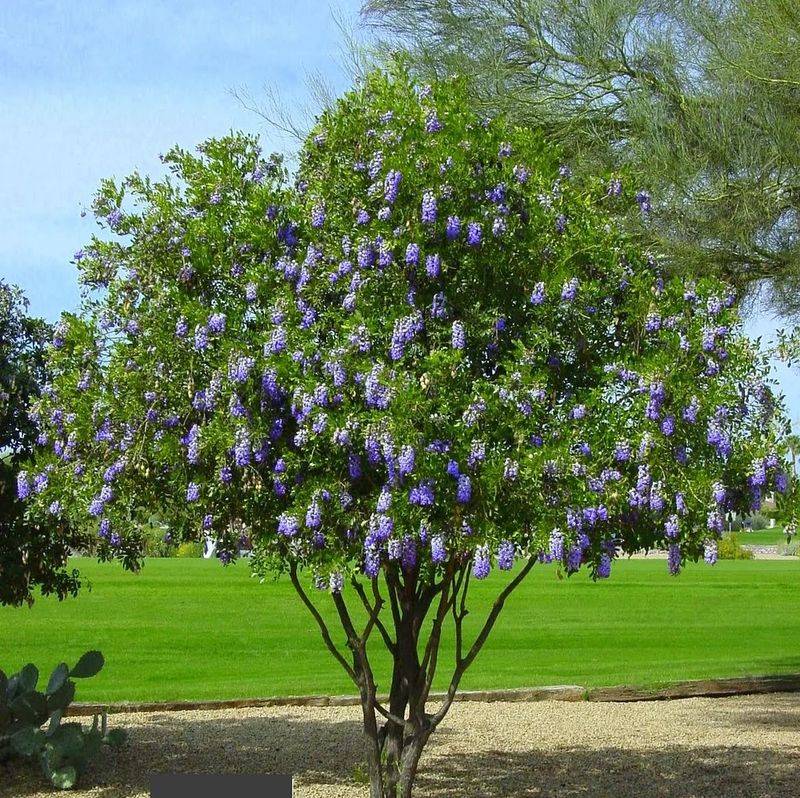
You step outside before breakfast, coffee in hand, and the grass crunches a little under your boots. That crisp morning is your signal, because December is one of the best planting windows Texas gardeners get all year.
The soil is still warm enough for roots to grow, even while the air turns cold, so what you plant now quietly gets stronger all winter. Here are eight plants and plant groups worth getting in the ground before the hard freezes settle in, matched to where you live in the state.
1. Native Shade Trees Like Cedar Elm Build Roots All Winter
Most people plant trees in spring. In Texas, that timing actually works against you, because a spring tree has only a few weeks before triple-digit heat starts cooking it.
Here is the trick. Soil in most of the state stays warm enough in December for roots to keep growing, even when the branches look asleep.
A tree planted now gets roughly 90 to 120 days of underground work before summer arrives.
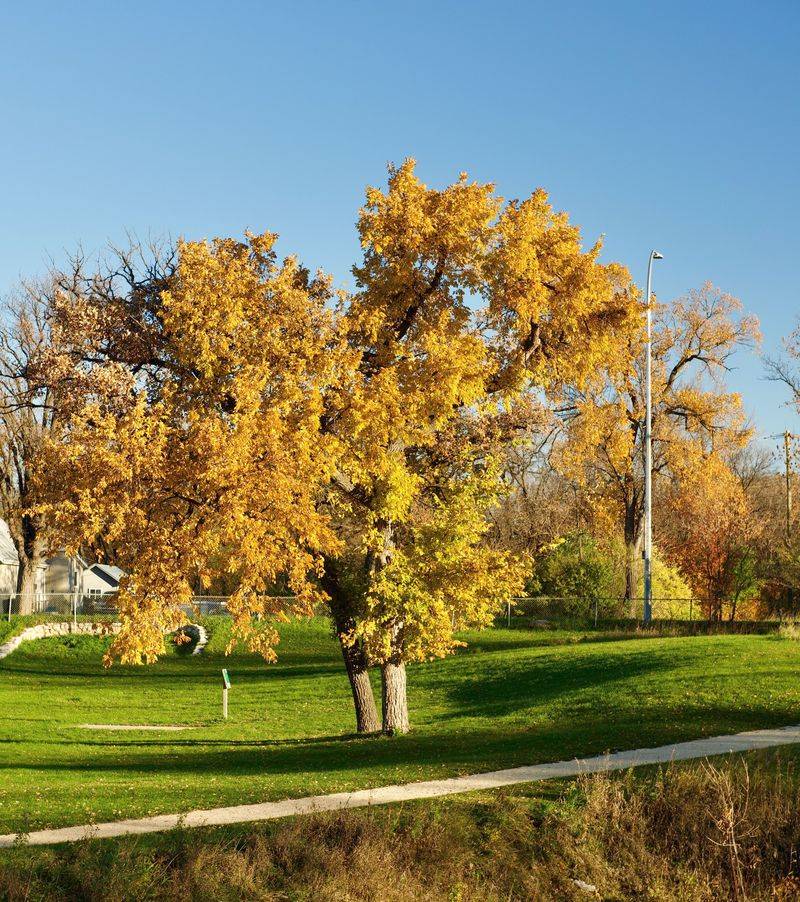
Cedar elm (Ulmus crassifolia) is a quiet hero for North and Central Texas. It shrugs off blackland clay, drought, and wind, and it grows into a solid shade tree for your porch.
Dig the hole two to three times wider than the root ball but no deeper. In heavy clay, set the root flare 2 to 3 inches above the soil line so water does not pool around it like a bathtub.
Water deeply right after planting, then about once a week if winter stays dry. Texas A&M AgriLife Extension recommends fall through late winter as the best time to plant trees in most of the state, and December sits right in that window.
Picture a summer cookout five years from now, under shade you planted on a cold morning.
2. Yaupon Holly Gives You An Evergreen Screen By Spring
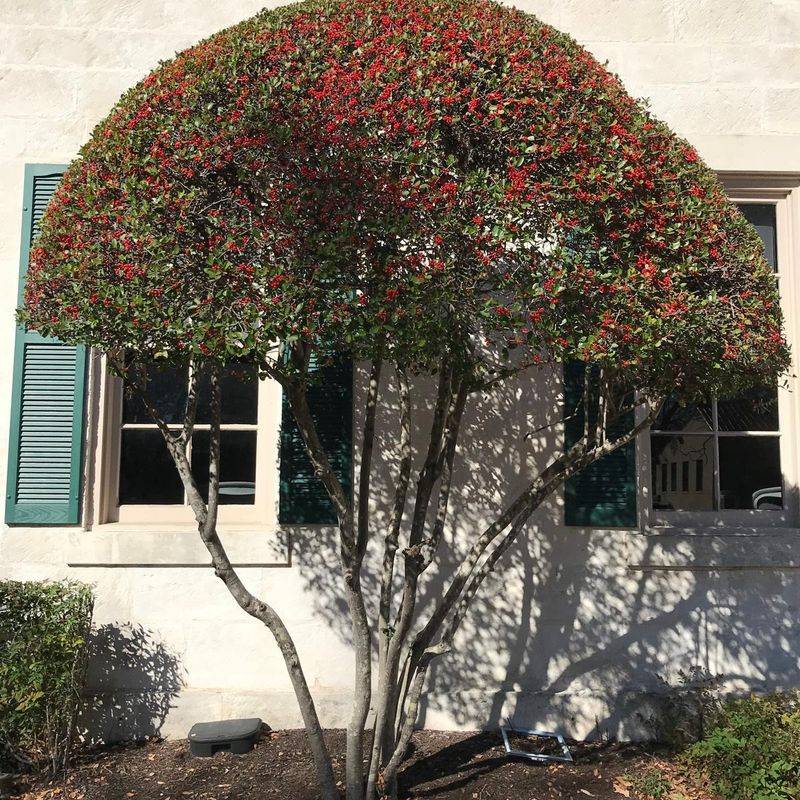
Your neighbor’s back windows look straight into your patio. Yaupon holly (Ilex vomitoria) is the polite fix.
Native from East Texas to the Hill Country, this shrub stays green all year and handles acidic sand or alkaline clay without much complaint. Female plants carry bright red berries through winter, which brighten a gray December yard nicely.
Plant it now and the roots settle in before summer drought tests them. Space shrubs about 3 to 4 feet apart for a hedge, or 6 feet for a looser, natural screen.
Water each new plant with roughly 2 gallons twice a week for the first month if rain is scarce, then ease back.
Be honest with yourself about size. Standard yaupon reaches 15 feet or more, so dwarf types work better under windows.
It is not a magic wall overnight, but by the second spring you will notice the view has quietly closed.
That porch evening feels a lot more private.
3. Texas Mountain Laurel Rewards December Planting With Spring Perfume
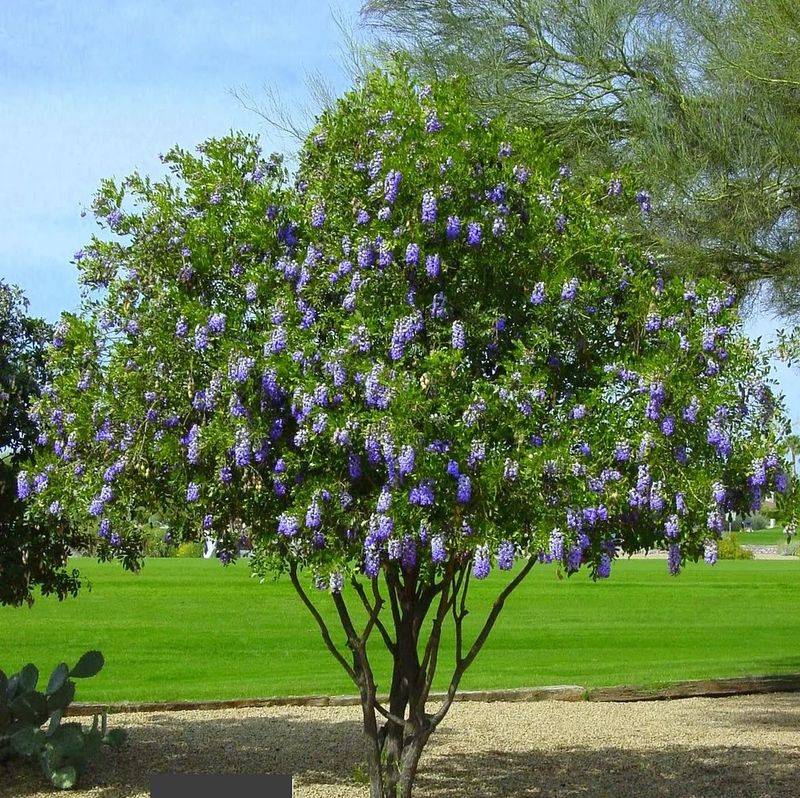
A myth floats around that you should never plant evergreens near winter. Texas mountain laurel (Sophora secundiflora) quietly proves that wrong every year.
Native to the Hill Country and West Texas, this tough little tree actually loves shallow, rocky, alkaline soil, even caliche. It grows slowly, which is exactly why a December start helps.
Those extra winter months of root growth give it a real edge.
Pick the sunniest, best-drained spot you have. Plant it level with the surrounding ground, water deeply once, and then let it dry between waterings.
Soggy clay is the one thing that genuinely kills it, so in North Texas, raise the bed 6 to 8 inches.
In March or April, it rewards you with purple flower clusters that smell like grape soda. The seeds are toxic, so keep that in mind around kids and dogs.
A plant that smells like childhood candy and asks for almost nothing. That is a good trade.
4. Pansies And Violas Keep Blooming Through Cold Snaps
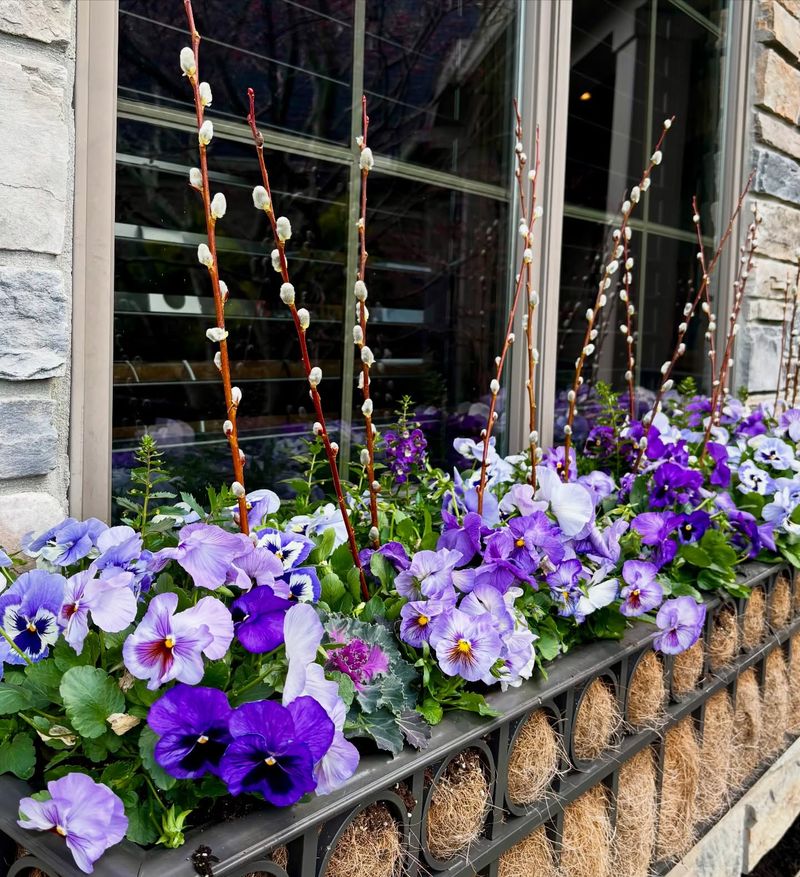
Frost on the windshield, and the pansies by the front steps still look cheerful. That stubborn bloom is why they belong on this list.
Pansies (Viola x wittrockiana) and their smaller cousins, violas (Viola cornuta), handle temperatures into the low 20s once established. They give your entry color from now until roughly April, when Texas heat finally sends them packing.
Plant them 8 to 10 inches apart in beds or tuck several into a container. Mix a slow-release fertilizer into the soil at planting, then feed lightly every 3 to 4 weeks.
Violas are a bit tougher in wind, which matters in the Panhandle and West Texas.
Here is where it gets tricky. When a hard freeze dips into the teens, cover them overnight.
Otherwise, leave them be, they bounce back fast.
Every time you pull into the driveway this winter, something is blooming. That small win adds up.
5. Snapdragons Planted Now Become Spring Showstoppers
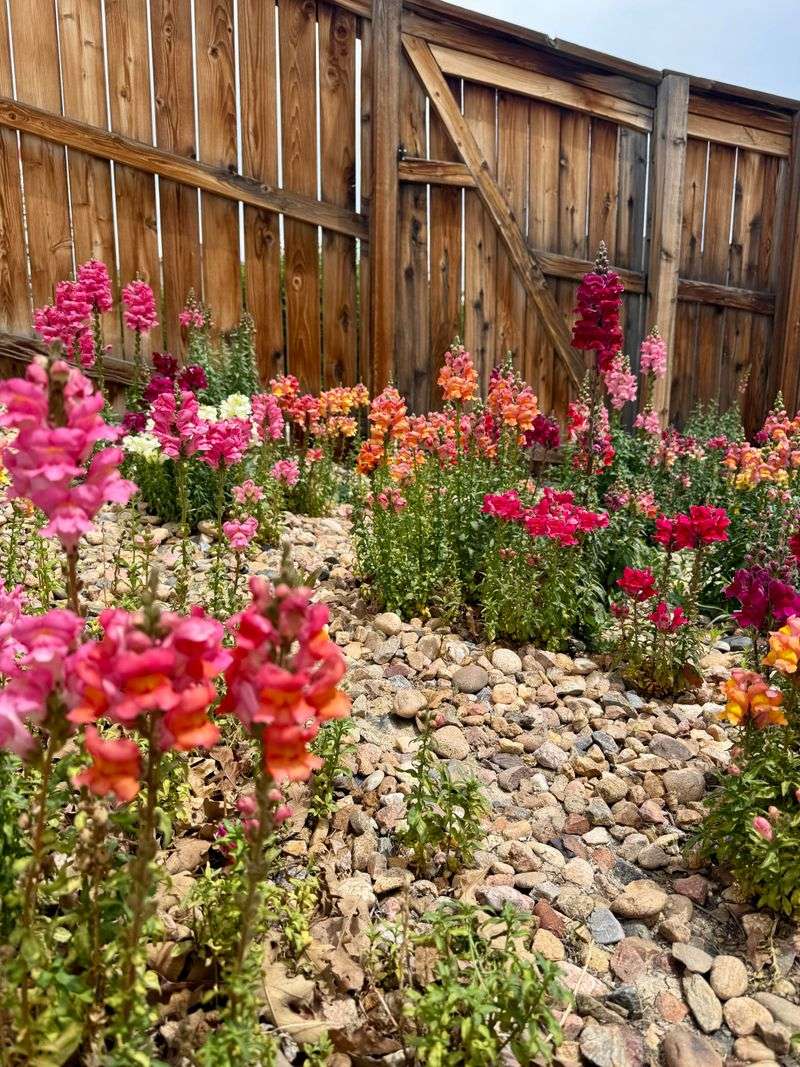
Snapdragons look delicate. Gardeners in Central and South Texas know better.
Snapdragons (Antirrhinum majus) can handle light freezes once rooted, and a December planting lets them bulk up over winter. By March, you get tall spikes of pink, red, yellow, and orange that most spring-planted snaps never match.
Set transplants about 10 inches apart in full sun. Pinch the top inch of each young plant to encourage more side stems and more blooms.
Add a 2-inch layer of mulch around them, keeping it a hand’s width from the stems.
On the Gulf Coast, where winter feels like a second spring, they may bloom almost straight through. Farther north, protect them when temperatures drop below about 25 degrees.
Kids love squeezing the flowers to make the little dragon mouths open. Plant a few by the path for exactly that reason.
6. Kale And Collards Turn Sweeter After A Frost
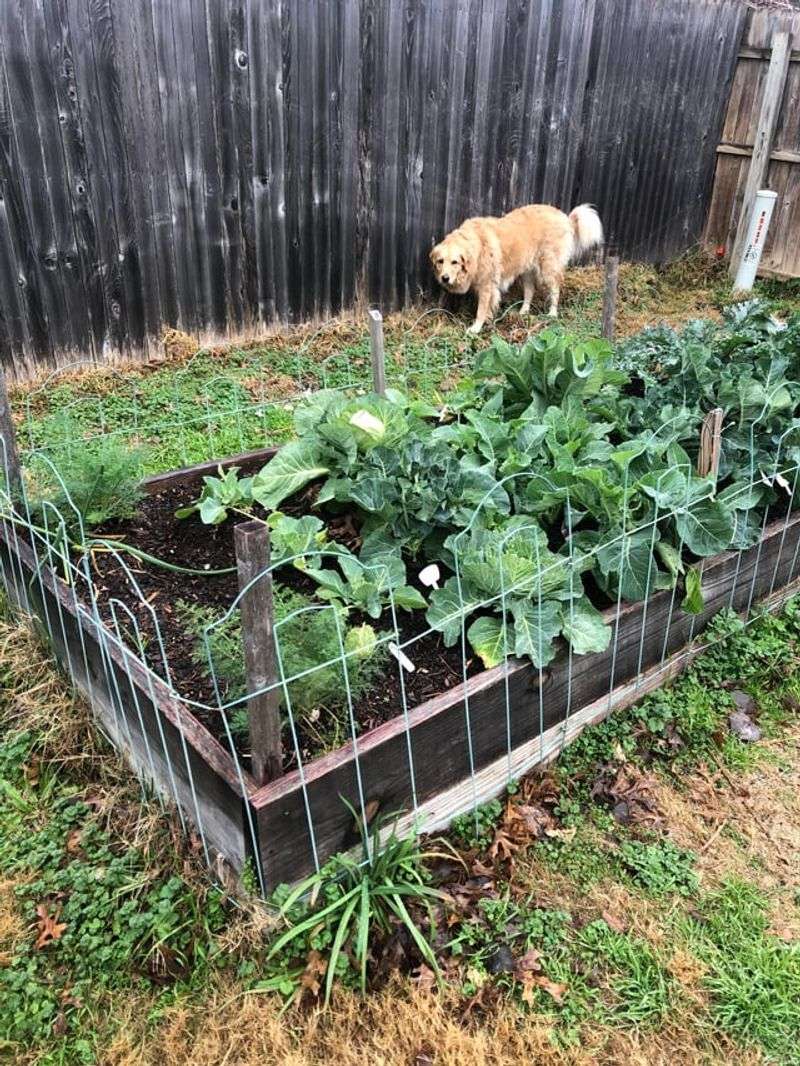
Cold weather actually improves the flavor of some greens. When temperatures dip, kale and collards turn starch into sugar, almost like a built-in antifreeze.
That is good news for your winter table. Kale and collards (both Brassica oleracea) are among the most freeze-tolerant vegetables you can grow in Texas, surviving nights in the low 20s.
In Central and South Texas, transplants set out now will keep producing until spring.
Space plants 12 to 18 inches apart in rich, well-drained soil. Water about 1 inch per week, counting rain.
Harvest the outer leaves and let the center keep growing, so one plant feeds you for months.
North Texas and Panhandle gardeners can still try it, but use a frost cloth or low tunnel on nights below 20 degrees. Watch for aphids on the undersides of leaves, a hard spray of water usually handles them.
Fresh greens for a January soup, picked in your slippers. Hard to beat.
7. Garlic And Carrots Quietly Grow Under Winter Soil
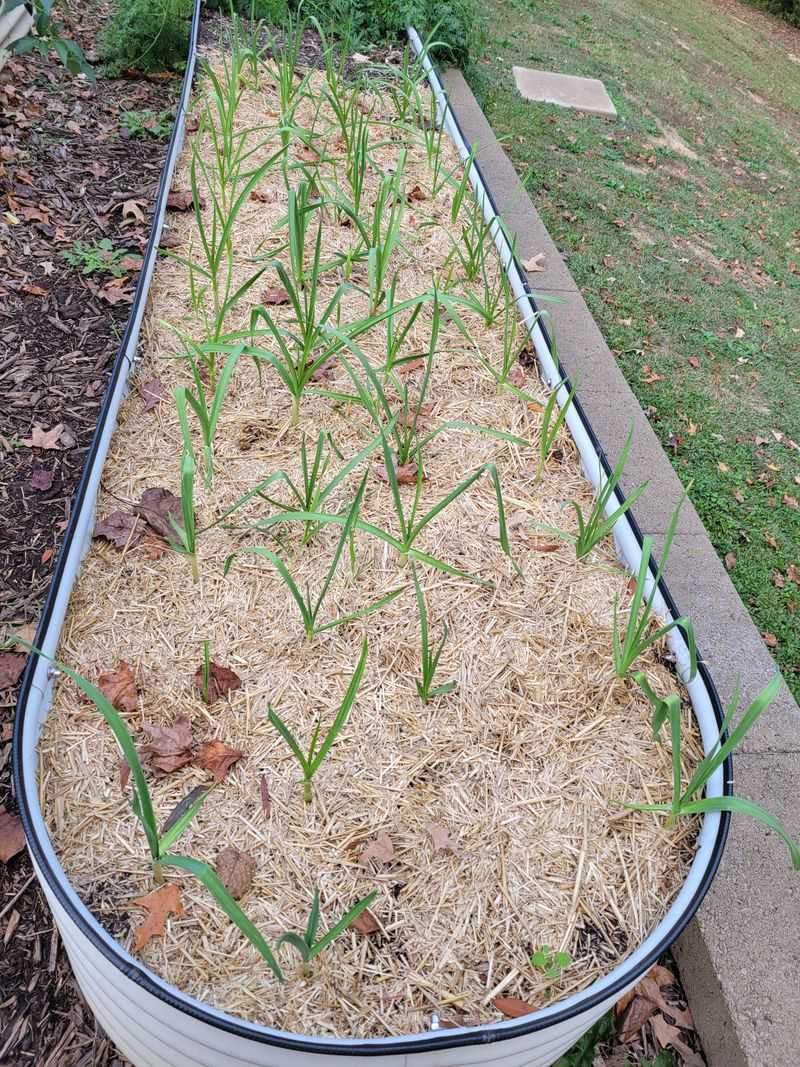
Picture a bed that looks totally empty in January. Underground, it is busy.
Garlic is a strong choice in South Texas and the Lower Rio Grande Valley, where December is still within the planting window. Push cloves pointed side up about 2 inches deep and 4 to 6 inches apart.
Garlic needs that long cool stretch to form bulbs, and you will harvest in late spring.
Carrots belong in the same bed. Sow seed directly, since carrots dislike transplanting, about a quarter inch deep.
Thin seedlings to 2 inches apart once they sprout. Loose, sandy soil helps, so East Texas and Gulf Coast gardeners have an easy time.
In blackland clay, grow shorter varieties in a raised bed.
Neither crop is fast. They genuinely test your patience, which is part of the charm.
Pulling your first homegrown carrot is a small thrill you will want to tell somebody about.
8. Turk’s Cap And Salvias Settle In Before Spring Wakes
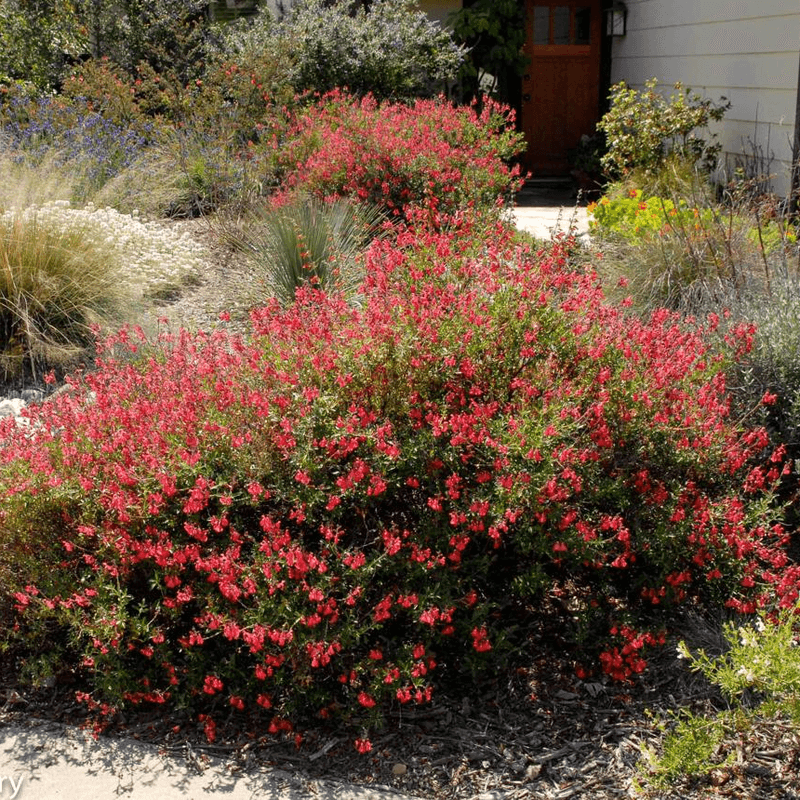
Perennials planted in December look underwhelming at first. A few stems, some mulch, not much else.
But Turk’s cap (Malvaviscus arboreus var. drummondii) and autumn sage (Salvia greggii) are Texas natives built for this exact rhythm. They may freeze back to the ground in North or Central Texas, yet their roots stay alive and keep spreading.
Come spring, they return bigger and tougher, ready for summer heat and drought.
Plant Turk’s cap about 3 feet apart in shade or part sun, and autumn sage 2 to 3 feet apart in full sun with good drainage. Water them in well, then cover the soil with 2 to 3 inches of mulch, keeping it a few inches off the crowns.
Texas A&M AgriLife Extension lists both as tough, low-water choices for home landscapes.
Hold off on cutting back frozen stems until late February, since that old growth shields the crown.
Next fall, hummingbirds and migrating butterflies will find your yard. You set that up on a cold December afternoon, and that is something to feel proud of.
