
The Pennsylvania Native Groundcover That Spreads Aggressively In The Best Way Under Your Shady Trees
Follow us on Google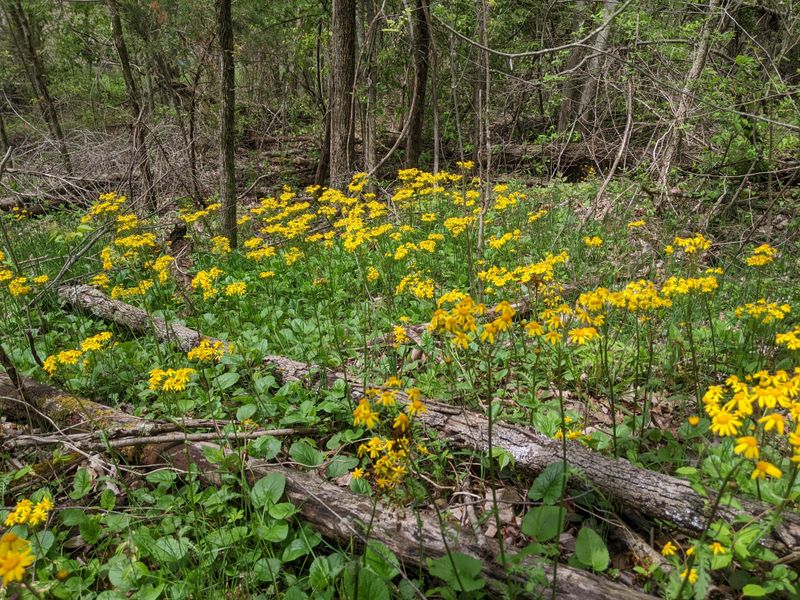
Golden ragwort is the Pennsylvania native groundcover that spreads aggressively in the best way, filling bare shady ground under your trees with low green leaves and bright yellow spring flowers. You step out on an April morning, and the thin, patchy soil under the maple has a golden haze where nothing grew last year.
The plant is Packera aurea, also called golden groundsel. It can form dense colonies in the right spot, so it is worth knowing where it shines and where it struggles.
Golden Ragwort Can Cover Shady Ground
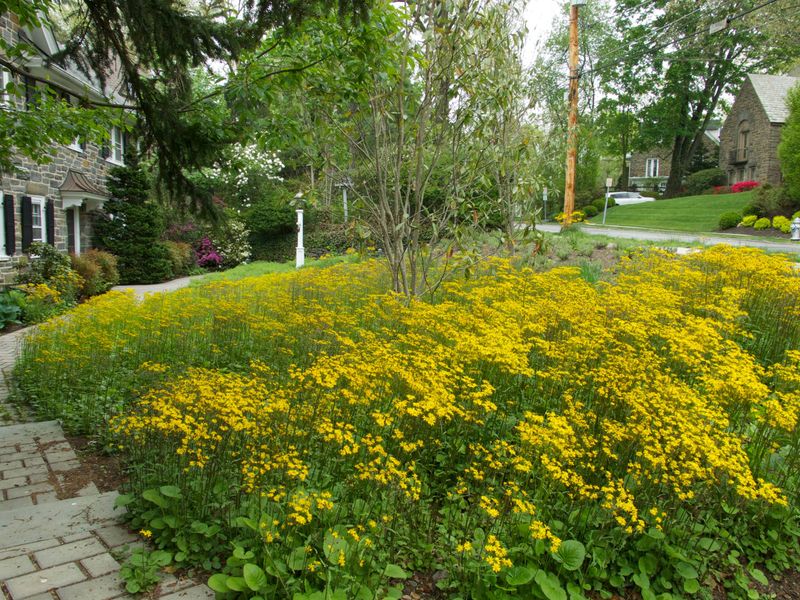
Picture the bare patch under your oak, the one you reseeded twice. Golden ragwort (Packera aurea) is a Pennsylvania native that can spread quickly and form dense colonies beneath mature trees, according to a USDA plant fact sheet.
Some gardeners know it as golden groundsel.
The plant works in two layers. Low, rounded green leaves hug the soil and make the groundcover.
In spring, taller stems rise with clusters of small yellow daisy-like flowers.
Heights are best treated as approximate. Penn State Extension lists the plant at about 12 inches, with bloom in April to May.
University of Maryland Extension reports foliage around 6 inches and flowering stems up to 2.5 feet. Sun, moisture, and soil all change how tall it grows, and bloom timing shifts with them.
Here is the honest part. Fast spread is a promise for the right ground, not for every yard.
Think of it as a hardworking neighbor who thrives where conditions suit it, and the next sections show how to tell if your spot qualifies.
Why Grass Can Thin Beneath Trees
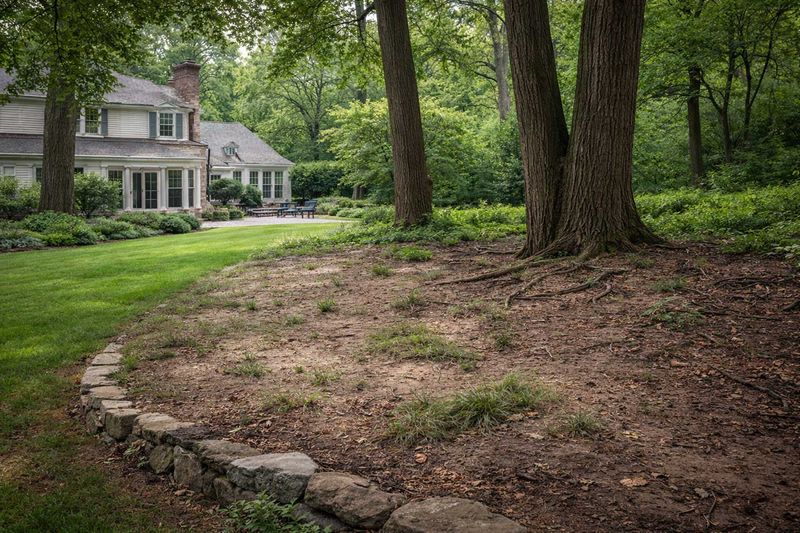
Many central Pennsylvania homeowners know the routine. You scatter seed every fall, and by midsummer the patch under the tree looks tired again.
Shade is a big reason. Penn State Extension explains that shade can weaken turf, and it recommends non-grass groundcovers where conditions make adequate turf difficult.
Grass does not always fail under trees, and some lawns do fine with the right species and care. But when yours keeps thinning, another plan is reasonable.
That is where a native groundcover can earn its place. Penn State’s groundcover guidance points to such plants as options for tough landscape spots, and golden ragwort fits the idea well.
One clear limit is worth stating. Golden ragwort is a garden groundcover, not a lawn.
It will not handle regular foot traffic, so it is no replacement for the play area or the cookout zone.
Let it hold the quiet corners where nobody walks, and keep grass where the family actually plays.
Rhizomes Help the Colony Spread
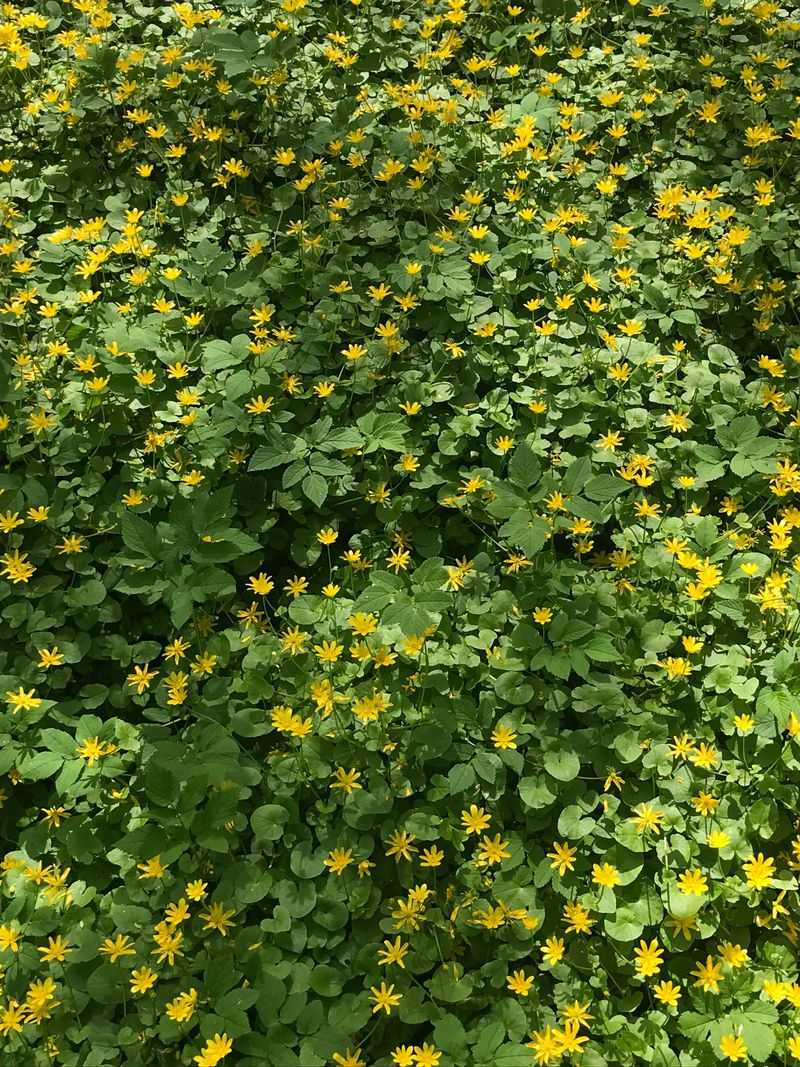
Most of the action happens where you cannot see it. Golden ragwort sends out rhizomes, which are spreading underground stems, and each one can pop up a new plant a little farther out.
That is how a few plugs turn into a colony. USDA notes that the plant produces rhizomes, can naturalize rapidly, and forms dense colonies under mature trees.
Seeds add to the effort, and Penn State describes its quick reseeding and spreading.
A thick mat of leaves also shades the soil, so fewer weed seedlings get light. University of Maryland Extension says it can outcompete many weeds in moist, shady ground.
Many, not all. You will still pull a few intruders, especially the first year while the colony fills in.
Speed depends on the site. Moist soil in the Susquehanna Valley may fill in faster than a dry slope, and no one can promise a timeline for your yard.
Think of the rhizomes as patient little builders. They work steadily where conditions are kind.
Will Your Tree’s Shade Suit It?
Before you buy a single plant, spend a week reading your shade. Golden ragwort suits part sun to full shade and moist or wet ground, according to University of Maryland Extension.
A low corner where water lingers after a thunderstorm is a good sign.
Dry shade is the tricky one. USDA says moist-to-wet soils favor rapid naturalizing, though it also reports effective groundcover use in dry shade.
So it can work there, but spread may be slower.
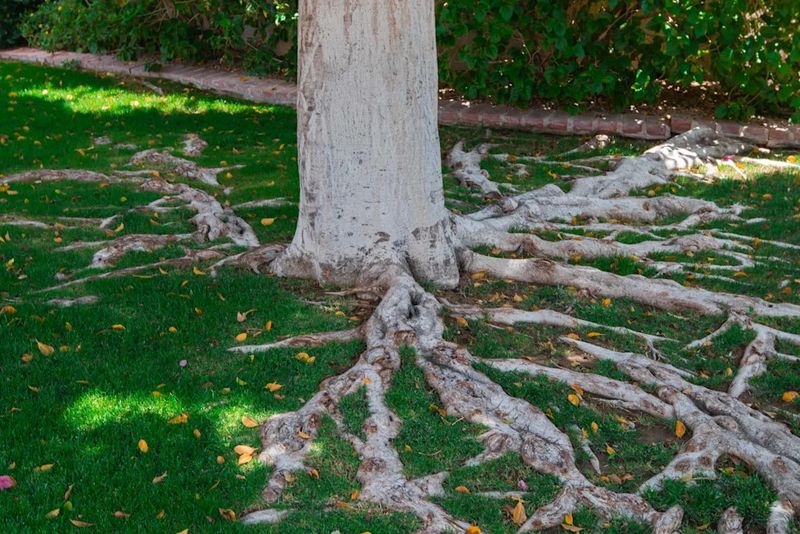
Tree roots add another test. Penn State Extension stresses that planting beneath trees is difficult, and roots compete for water.
A shallow-rooted maple can leave very little moisture for newcomers.
Try a simple check. Push a trowel into the soil a day or two after rain.
If it is damp a few inches down, that is encouraging. If it is dusty, expect slower going and plan on extra watering.
Do not count on reliable coverage in deep, dry shade. Start with a small trial patch, and let the plant tell you the answer.
Plant Carefully Around Tree Roots
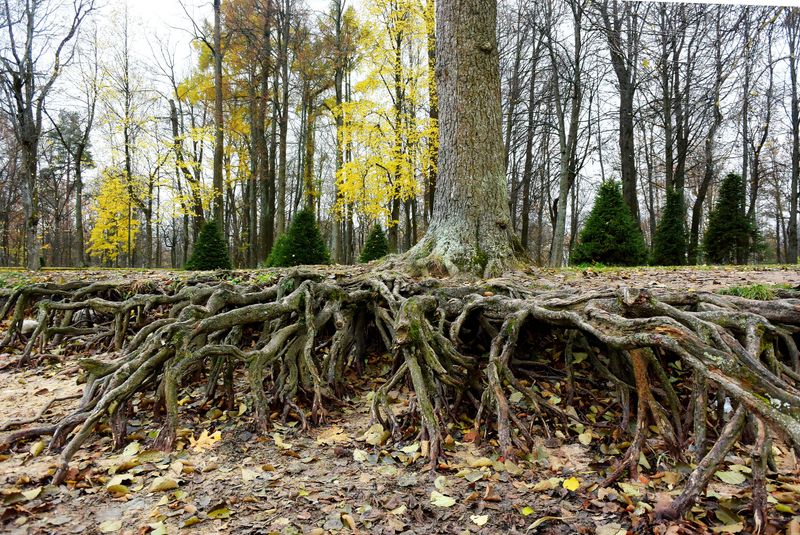
Tree roots do not forgive a heavy hand. Skip the rototiller and the big shovel, and think small instead.
Start at least 1 foot from the trunk, as Penn State Extension advises. Leave exposed roots uncovered, and never pile soil near the trunk.
If you want to improve the bed, add no more than 2 inches of soil or compost across the planting area.
Choose small plugs or divisions, and dig small planting holes. Each one should be just big enough for the roots, so you are not slicing through the tree’s feeding roots.
As for spacing, there is no single number for golden ragwort. Penn State’s groundcover guidance says spacing should reflect a plant’s growth habit and spread.
For a spreader like this one, that means you can plant on the thrifty side and let it fill in.
Water deeply about once a week while the plants settle in, adjusting for rainfall and soil moisture. Skip a week after a soaking storm.
Establishment may take 1 to 2 years, so be patient.
Slow and gentle now is how you get a colony later.
Yellow Spring Flowers Add Wildlife Value
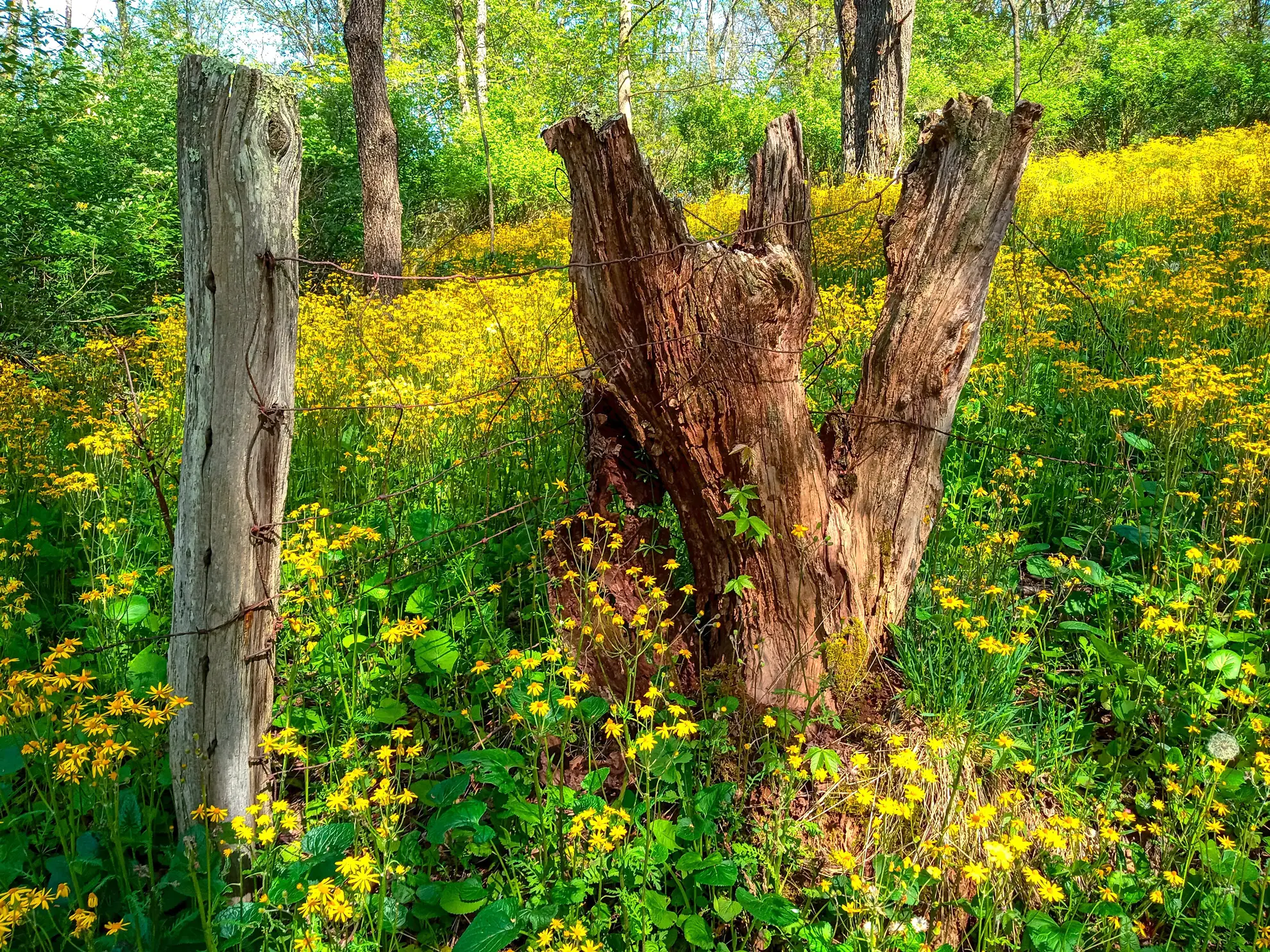
On the first warm afternoon, stand near the patch and listen. Golden ragwort blooms in April to May, when little else is open in a shady yard, and the yellow clusters catch the light under bare branches.
The visitors are documented. University of Maryland Extension notes that spring pollinators use the flowers, including bees, flies, and small butterflies.
None of them are showy guests, but they are hungry ones in a lean season.
Birds come later. Penn State Extension says the seeds attract birds, so a few spent flower stems left standing may bring some activity.
Keep the claims honest. One groundcover is not a complete habitat.
Pair it with other native plants, such as serviceberry, spicebush, or later bloomers like native asters and goldenrod, and you build a more useful yard in layers.
Still, a small early meal for the pollinators is a genuinely nice thing to get from a patch you might otherwise have mulched.
Manage Its Spread Without Expecting Total Control
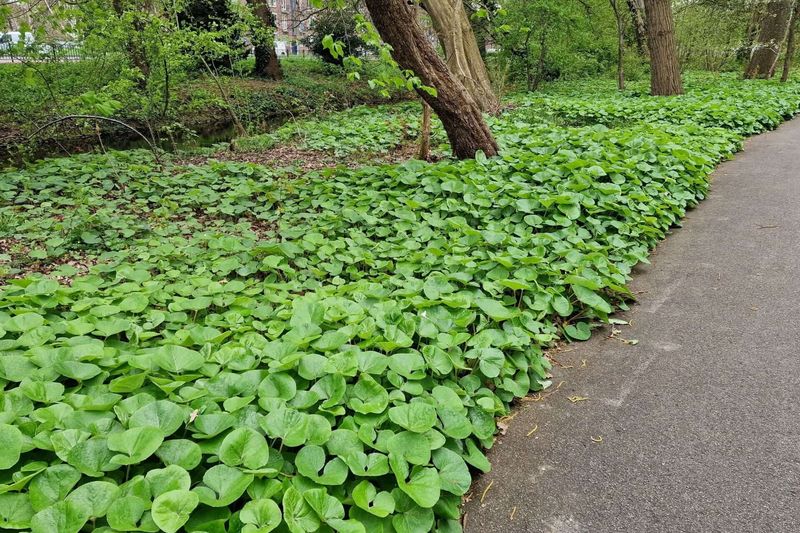
Here is the catch with a plant that spreads well. It keeps spreading.
Removing flowering stems after bloom can limit seed spread and tidy the look, as noted by University of Maryland Extension and Penn State Extension. But it will not stop the rhizomes, which keep creeping underground.
So draw an edge. Work along the border each spring and pull or dig runners that wander into the lawn or the perennial bed.
Vigorous is not the same as invasive. Penn State explains in its native species guidance that some aggressive native plants are not technically invasive.
Under Pennsylvania DCNR’s definition, an invasive plant must be nonnative, spread quickly, and cause harm. Golden ragwort is native.
Choose a site where spread is welcome, like a woodland edge or damp shady corner. Then watch it each season.
It is not maintenance-free, but the upkeep is a short walk with pruners, not a battle.
Confirm Its Identity and Consider Grazing Safety
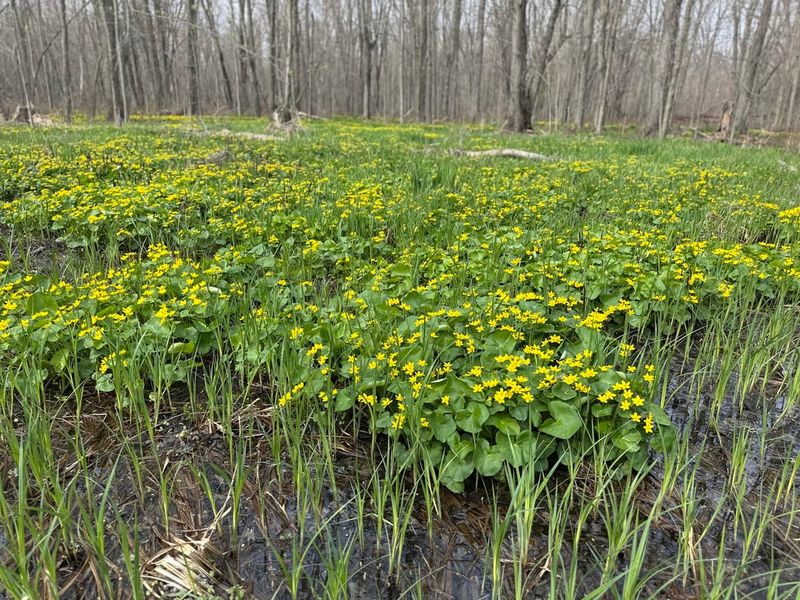
Yellow flowers in early spring are not a name tag. Plenty of plants bloom gold in April, and not all of them are friends.
Lesser celandine is the one to know. Penn State Extension describes it as an invasive noxious weed and warns it can be mistaken for other spring plants.
So confirm identification before you plant, dig, or pull anything. A local extension office or a good field guide can help settle it.
Handling matters too. USDA reports pyrrolizidine alkaloids in golden ragwort leaves and says most mammalian herbivores avoid the foliage.
Do not use it as food or forage. If livestock can graze nearby, take care to keep it out of their reach.
The sources reviewed do not give a specific pet-risk assessment, so this article makes no claim either way. If you have questions about animals in your yard, ask your veterinarian.
Know the plant before you trust it, and a shady corner stays a source of pride.
