
11 Tough Perennials That Handle Ohio Heat Better Than You’d Expect
Follow us on Google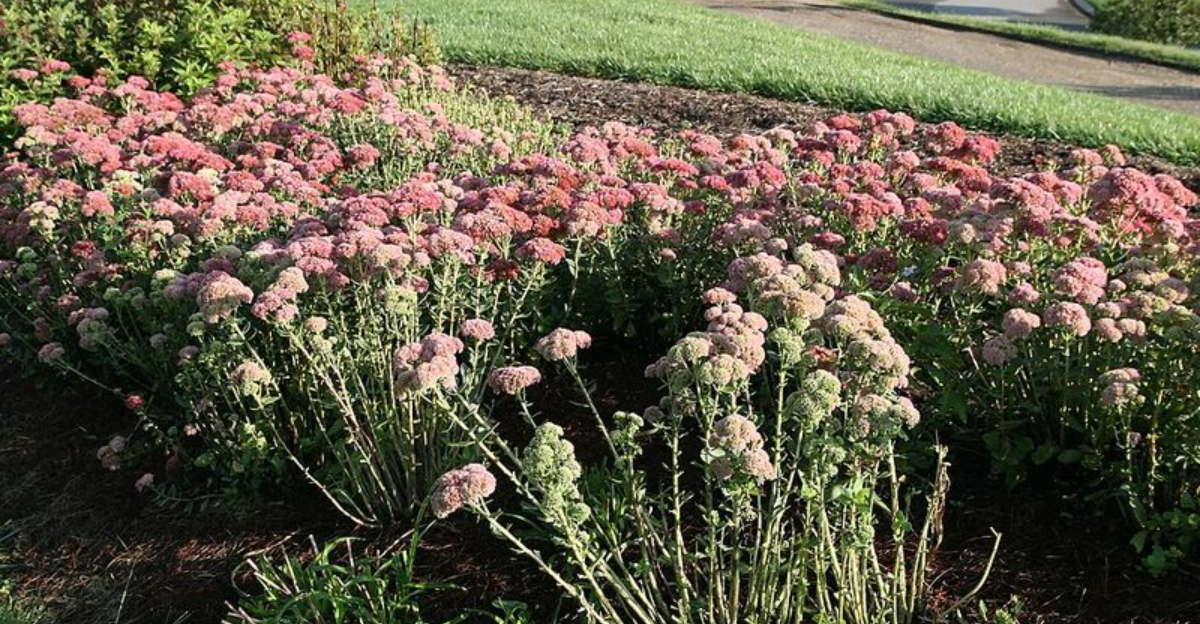
Ohio summers can turn surprisingly harsh, especially when rain disappears and the afternoon sun starts baking your beds. If you are tired of babying plants that wilt by July, this list will save you time, money, and plenty of frustration.
These perennials stand up to heat far better than many gardeners expect, and they still bring strong color, texture, and pollinator appeal. A few smart plant choices can make your yard look good even when the forecast is working against you.
Purple Coneflower
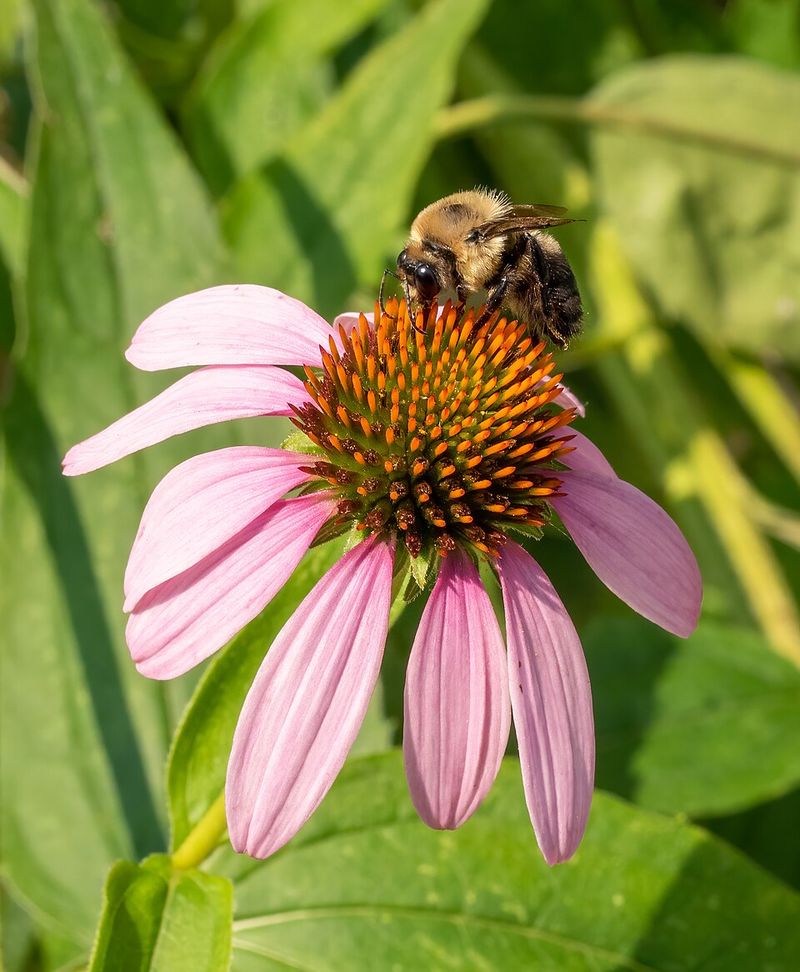
By mid July, plenty of garden favorites start looking tired, but this native keeps standing tall. Purple coneflower handles Ohio heat with the kind of reliability you appreciate after a week of ninety degree afternoons.
Deep roots help it push through dry spells, and the blooms keep coming when fussier plants give up.
You will get the best performance in full sun and soil that drains well. Rich, overly damp ground can make stems floppy, so a leaner spot often works better than a pampered bed.
Once established, it asks for very little beyond occasional watering during an extended drought.
Pollinators treat these flowers like a neighborhood favorite, and that adds life to the yard when summer feels still. Goldfinches also love the seed heads later in the season, so resist cutting everything back too quickly.
Leaving some spent blooms in place extends the show and supports wildlife at the same time.
If you want a planting that looks full without constant maintenance, group several together rather than scattering singles. Pair it with black-eyed Susan, little bluestem, or yarrow for a heat-ready bed.
You end up with color, movement, and a planting that does not panic every time the temperature climbs.
Black-Eyed Susan
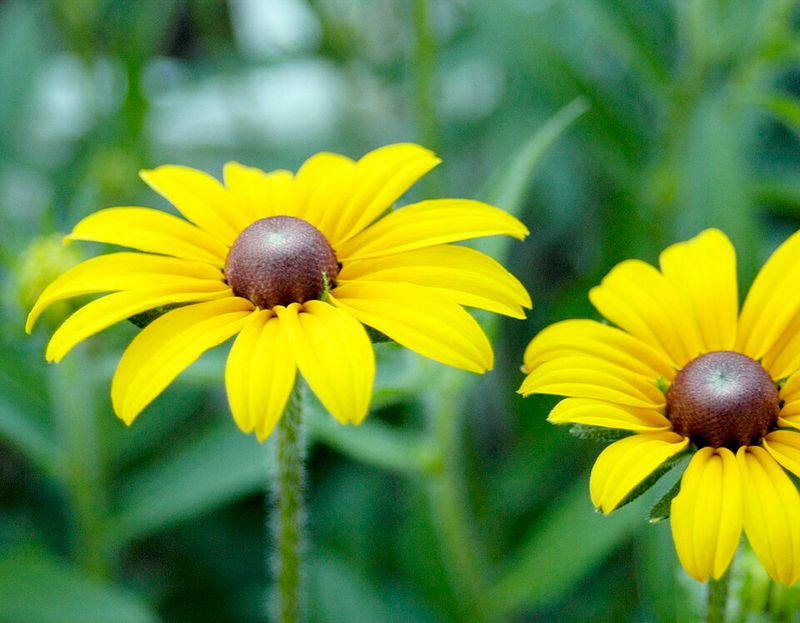
Some plants earn their place by blooming hard when everything else is sulking, and this one absolutely does. Black-eyed Susan handles hot Ohio summers with cheerful color that refuses to fade into the background.
The golden petals and dark centers read clearly from a distance, which makes a border feel lively even in the dog days of August.
Full sun is where it really proves itself, and average soil is usually enough. You do not need to spoil it with extra fertilizer, because too much feeding often creates weaker, floppier growth.
Water it regularly the first season, then let it settle into a tougher routine after roots establish.
Deadheading can stretch the bloom window, but the plant still performs well if you miss a week or two. It also mixes easily with ornamental grasses, coneflowers, and salvia, giving you a low stress combination that still looks intentional.
If deer pressure is part of your Ohio reality, that added resilience is another point in its favor.
A drift of these flowers can make a plain side yard feel planned instead of neglected. Use them where reflected heat bounces off pavement or along a mailbox bed that gets ignored.
That is often where this perennial quietly outperforms your expectations and keeps the garden looking awake.
Russian Sage
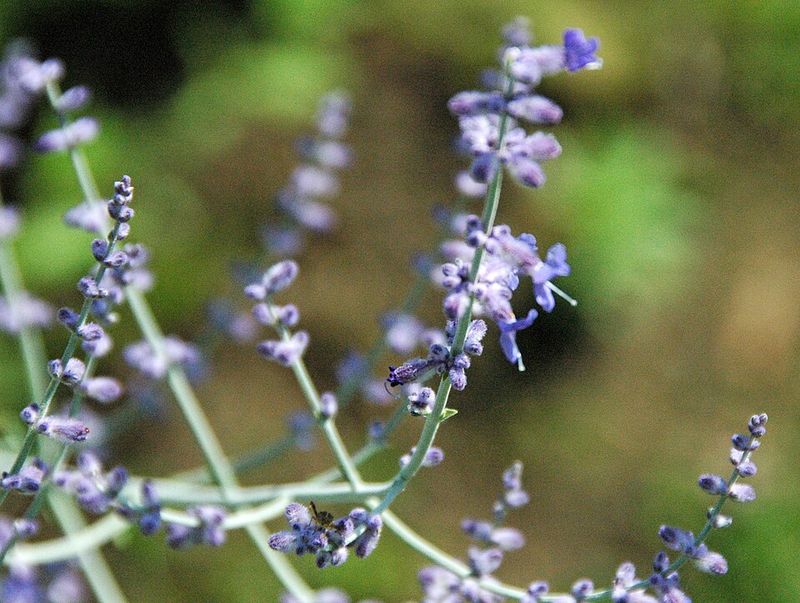
Few perennials look this airy while acting this tough, which is part of the appeal. Russian sage shrugs off heat, reflected sun, and dry conditions that would flatten softer cottage garden plants.
Its silvery foliage also helps the plant look fresh even when Ohio lawns start turning a little crispy.
You will want to give it full sun and plenty of drainage, because soggy soil is the real problem here. A gravelly bed, hellstrip, or raised planting area can suit it beautifully.
Once it settles in, watering becomes occasional rather than constant, which is great if you want a strong display without babysitting.
The lavender blue flower spikes bring long season color and pair especially well with yellow bloomers. That contrast looks sharp in late summer, and the loose habit softens rigid edges near driveways or walkways.
Bees are frequent visitors, so it helps a hot garden feel active instead of flat.
Prune it back in early spring rather than fall, since the woody stems offer winter structure. Give it space too, because crowding reduces airflow and makes the plant look messy faster.
In the right spot, you get a cloud of color that reads elegant but behaves like one of the toughest workers in the bed.
Daylily
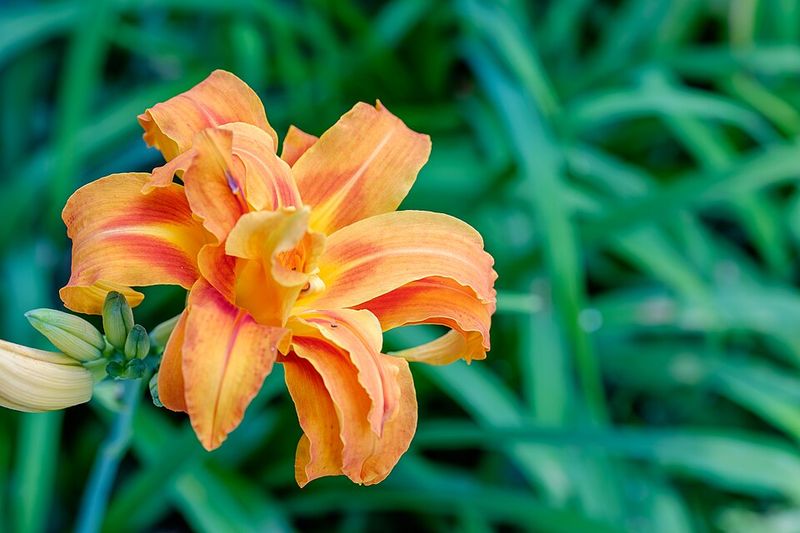
If you have ever driven past an old farmhouse and noticed flowers still blooming through a brutal heat wave, there is a good chance daylilies were part of the picture. These plants handle Ohio heat with a durability that makes them especially useful for busy gardeners.
Even when the weather turns sticky and relentless, the foliage usually keeps a solid presence.
Full sun gives the best flowering, though many varieties tolerate a bit of afternoon shade without complaint. They prefer average soil, and they are much less dramatic about dry spells than many popular perennials.
A thick layer of mulch helps keep roots cooler and reduces the need for frequent watering.
Each bloom is short lived, but the plant produces enough buds that the display keeps rolling. Reblooming varieties can stretch the show even longer, which is worth seeking out if you want more color from the same space.
Dividing crowded clumps every few years also keeps flowering strong and gives you free plants.
Use them along fences, around mailboxes, or in wide foundation beds where dependable summer color matters. They are also excellent for spots that get full afternoon sun and a little neglect.
When you want something that looks generous without turning into a maintenance project, daylilies are hard to beat.
Autumn Joy Sedum
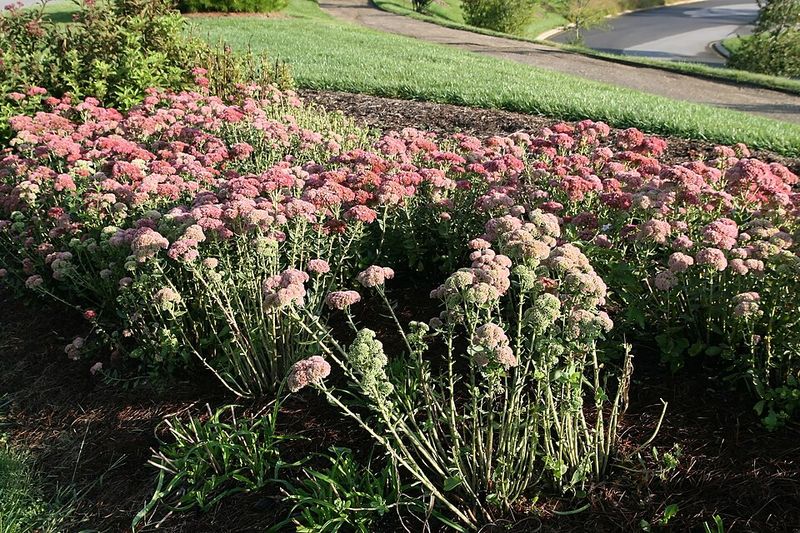
Hot weather does not intimidate a plant built with succulent leaves, and that advantage shows quickly in summer. Autumn Joy sedum stays composed through dry Ohio stretches when thinner leaved perennials start waving for help.
The fleshy foliage stores moisture, so the plant keeps its shape and color without needing constant rescue watering.
Give it full sun and well drained soil, and it will reward you with sturdy growth and reliable late season interest. Too much shade can make stems lean, while overly rich soil often encourages flop.
A simple, sunny location is usually all it needs to perform well year after year.
The flower heads start soft pink, then deepen as the season moves toward fall. That changing color gives you a longer visual payoff than many summer bloomers, and pollinators appreciate it too.
Even after frost, the dried seed heads add structure, so the plant keeps contributing when flowers are gone.
This is an easy choice for curbside beds, rock gardens, and hot spots near patios where reflected heat builds up. Pair it with ornamental grasses, yarrow, or catmint for a planting that still looks intentional in August.
If your goal is a garden that survives neglect without looking neglected, this perennial earns its keep.
Yarrow
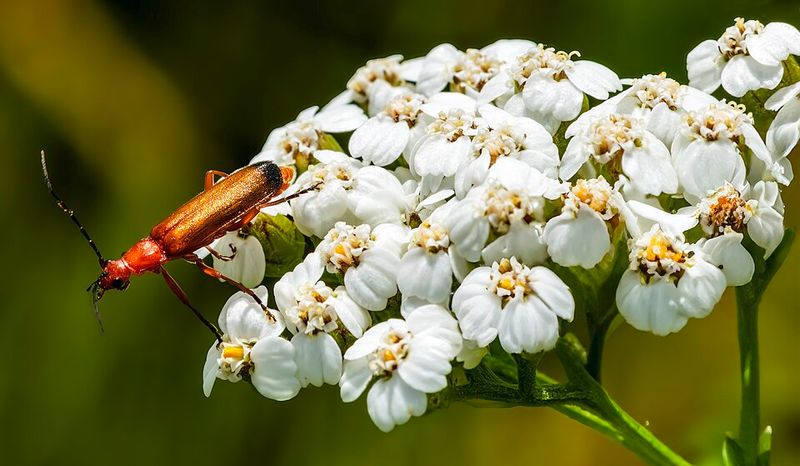
There is something satisfying about a perennial that looks delicate but performs like a workhorse. Yarrow handles Ohio heat with very little drama, and its ferny foliage gives the garden texture even before the flowers open.
Once summer settles in, those flat clusters bring steady color that reads clean and bright in full sun.
Drainage matters more than pampering, so skip the heavy watering routine once the plant is established. In fact, overly rich or soggy conditions can make stems weaker and shorten its lifespan.
A sunnier, leaner location often produces the strongest growth and the least amount of trouble.
You can deadhead spent blooms to encourage another round, especially if the plant gets a quick trim after the first flush. Pollinators visit regularly, which makes it a useful bridge plant in mixed borders.
If rabbits or deer are a recurring frustration in your yard, yarrow often holds up better than softer favorites.
Try it along a sidewalk, in a gravel bed, or mixed with coneflower and salvia for a planting that laughs at hot afternoons. It also works well in cutting gardens, since the blooms dry nicely for indoor use.
For gardeners who want color without coddling, this one is a practical and attractive answer.
Catmint
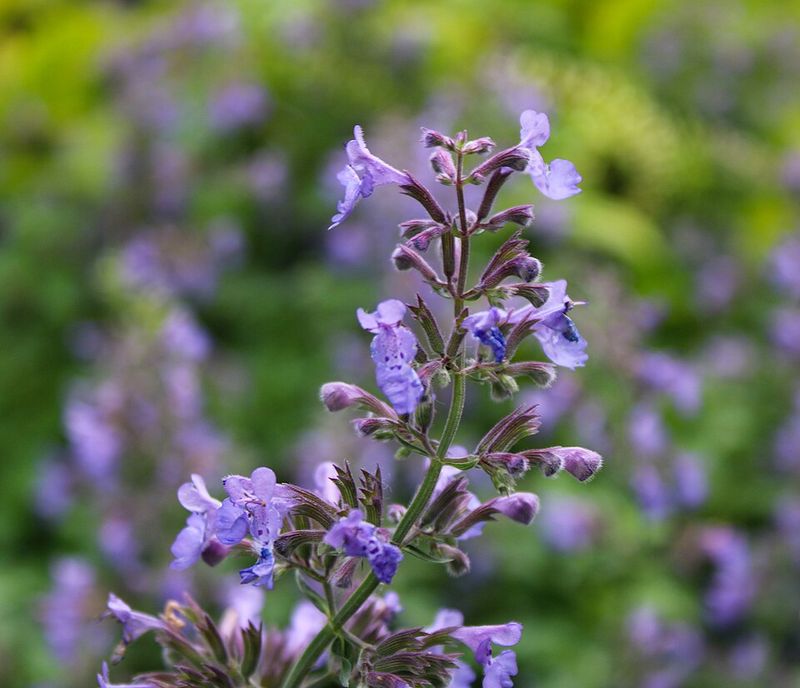
Long bloom time can make a garden feel cared for, even when you have not been out there much. Catmint is especially good at this, handling Ohio heat while continuing to throw out soft blue purple flowers for weeks.
The gray green foliage also looks fresh in hot weather, which helps keep the border from feeling tired.
Plant it in full sun with decent drainage and avoid the urge to overwater. This perennial actually performs better when conditions are a bit on the lean side, and heavy, wet soil can shorten its life.
Once it is established, a deep soak during prolonged drought is usually enough.
After the first heavy bloom, shear it back by about a third and you will often get a neat rebloom. That quick haircut also prevents the plant from looking sprawled and worn by midsummer.
Bees absolutely love it, so it is a smart choice if you want steady activity around patios and paths.
Use catmint to soften hard edges near walkways, stones, or retaining walls where heat builds up. It pairs beautifully with roses, coreopsis, and salvia, especially if you want a relaxed look that still holds together.
In a tough Ohio summer, that easygoing dependability becomes much more valuable than flashy fussiness.
Blazing Star
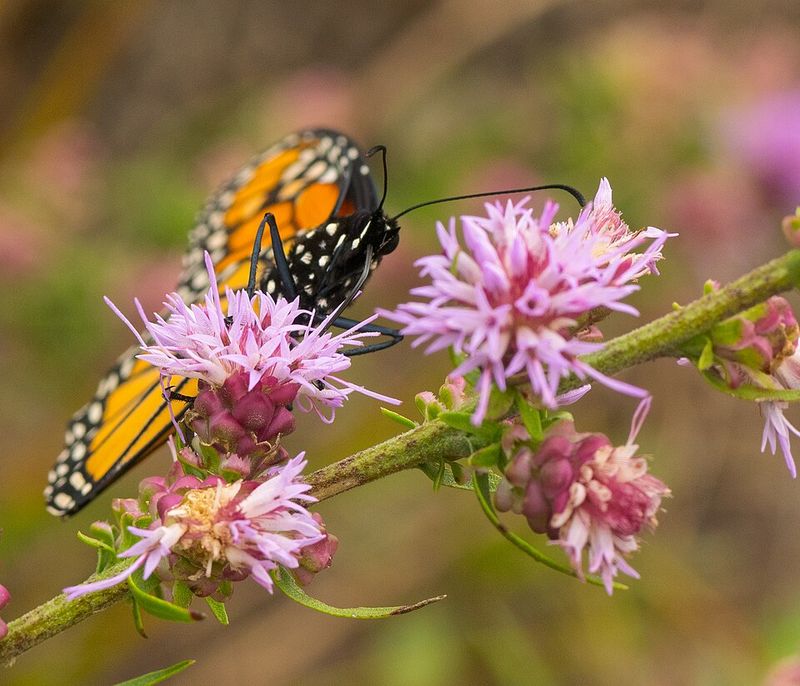
Vertical flowers can rescue a planting that looks too flat in midsummer, and this native does it with style. Blazing star handles Ohio heat surprisingly well once established, sending up tall spikes that stay eye catching during the hottest stretch of the season.
Its upright form also brings a different rhythm to mixed beds filled with mounded plants.
Full sun is important, and good drainage matters more than rich soil. This is a prairie plant at heart, so it is comfortable in conditions that feel a little tough.
If your garden has a spot that bakes all afternoon, that can actually be an advantage here.
Butterflies love the blooms, and the flowers open gradually from the top down or bottom up depending on species and cultivar. That staggered effect makes the plant interesting for longer than you might expect.
It also combines well with black-eyed Susan, coneflower, and native grasses for a strong late summer display.
Avoid crowding it with floppy neighbors that hide the stems or block airflow. Planting in groups creates more impact and helps the spikes read clearly from across the yard.
If you want a perennial that looks a bit dramatic but survives like a practical native, blazing star is an excellent bet for Ohio gardens.
Coreopsis
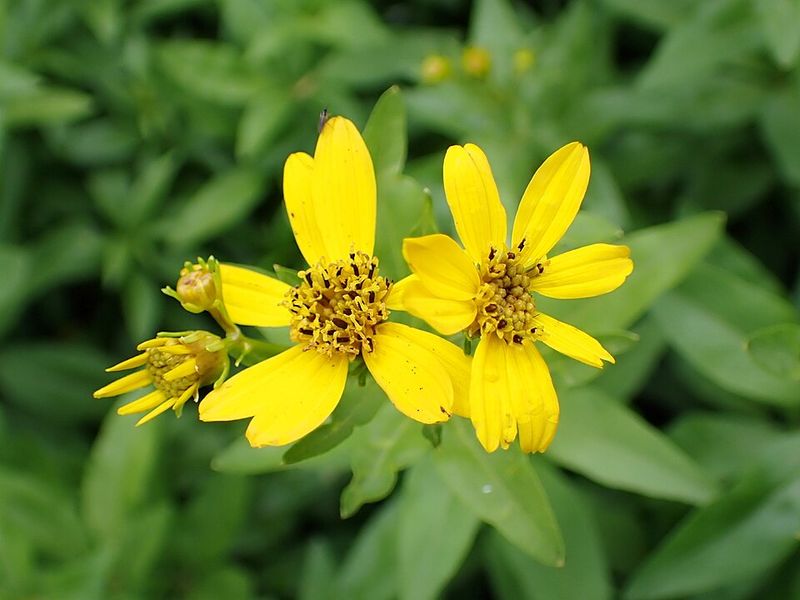
Some of the happiest looking flowers are also the least demanding, and coreopsis proves that point well. It takes Ohio heat better than its light, airy appearance suggests, keeping color in the garden when summer feels harsh and dry.
That cheerful yellow glow can brighten a border that might otherwise start looking flat by late July.
Most varieties want full sun and soil that drains reasonably well. You do not need to pamper it with heavy feeding, because overly rich soil often leads to weak growth instead of better flowering.
Regular water during establishment helps, but mature plants usually manage ordinary dry periods with little complaint.
Deadheading boosts repeat bloom on many types, though newer cultivars often stay productive with minimal cleanup. If a clump starts looking tired after the first flush, a light trim can encourage a fresher round of growth.
That simple maintenance makes it a good choice for gardeners who want lots of color without a weekend long chore list.
Coreopsis fits easily into cottage gardens, native inspired beds, and sunny foundation plantings. It pairs especially well with purple coneflower, catmint, and ornamental grasses, creating a balanced summer palette.
When you need something bright, durable, and forgiving, this perennial usually delivers more than you expect from such a delicate looking plant.
Salvia
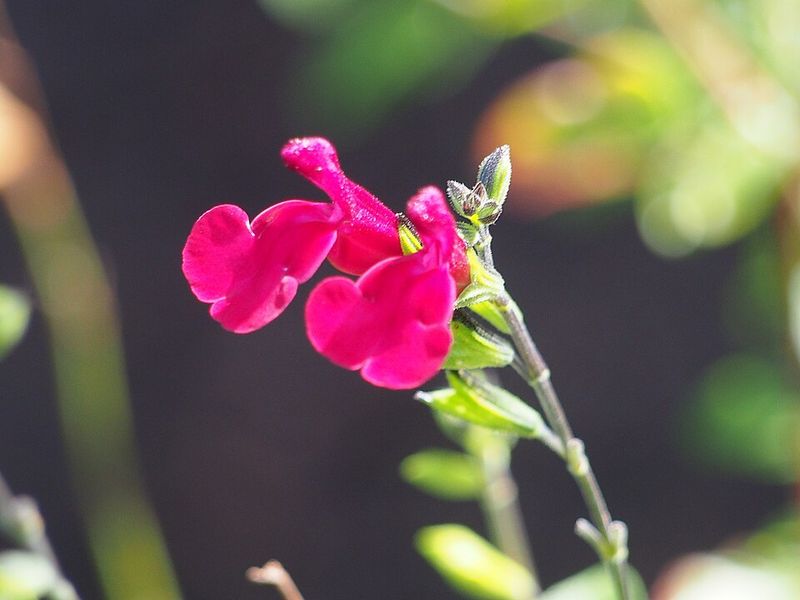
When a border needs color that does not wilt under pressure, perennial salvia is an easy answer. It stands up to Ohio heat with sturdy flower spikes and aromatic foliage that often discourages deer and rabbits.
That combination of beauty and resilience makes it one of the smartest repeat performers for sunny beds.
Give it full sun and soil that drains well, and do not overdo the fertilizer. Too much richness can cause floppy stems and fewer flowers, which defeats the point of planting something so reliable.
Once established, it tolerates dry stretches well and usually bounces back quickly after a deep watering.
The first bloom flush is often strong enough to carry the garden in early summer, but a quick shear after flowering can bring on another show. Bees and other pollinators visit constantly, so the planting feels active even on still, humid afternoons.
That steady movement can make a small yard feel more vibrant without adding extra work.
Use salvia near walkways, patios, or mailbox beds where heat reflects off hard surfaces. Pair it with yarrow, coneflower, or daylilies for a mix that keeps going when temperatures climb.
If you want a perennial that looks polished but is not needy, salvia has a way of earning permanent space in the garden.
Garden Phlox
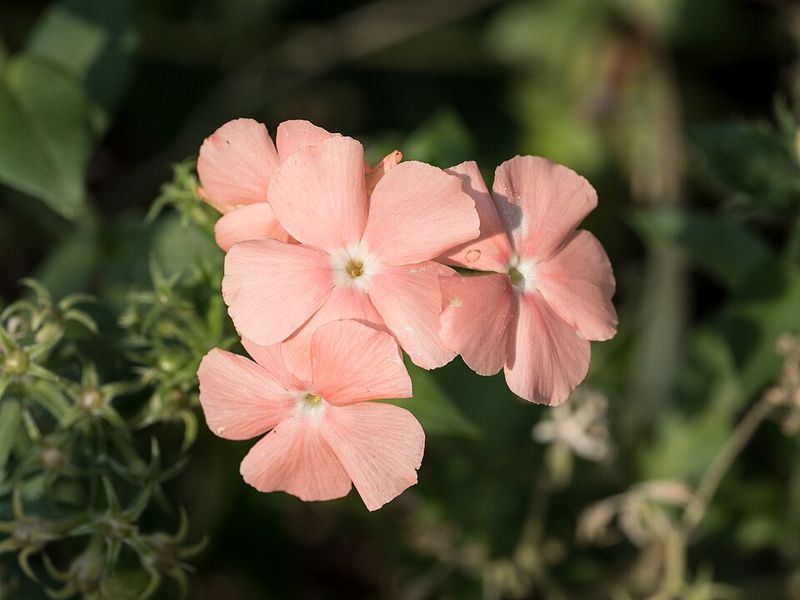
It might surprise you to see garden phlox on a heat tolerant list, but newer mildew resistant varieties can perform very well in Ohio summers. When given the right conditions, these tall flower clusters hold up through heat and bring color right when many spring stars are long gone.
The scent is a bonus, especially near a porch or path where you actually pass by it.
The trick is not coddling it in the wrong place. Full sun, decent airflow, and soil that stays evenly moist but never swampy will make a major difference in performance.
If you have struggled with powdery mildew before, spacing plants properly is just as important as choosing resistant cultivars.
Deep watering at the base helps during dry, hot spells and keeps foliage healthier than overhead watering does. A layer of mulch can moderate soil temperature and reduce stress when Ohio weather swings from rain to scorch mode.
Deadheading spent blooms also keeps the display cleaner and can encourage more flowers.
Use it in the middle or back of a sunny border with coneflower, black-eyed Susan, or ornamental grasses. The height helps anchor a planting, and the bloom clusters read beautifully from a distance.
For gardeners willing to match the plant to the site, garden phlox can be tougher in summer heat than many people assume.