
12 Raised Bed Gardening Mistakes Florida Beginners Make During Hot Summers
Follow us on Google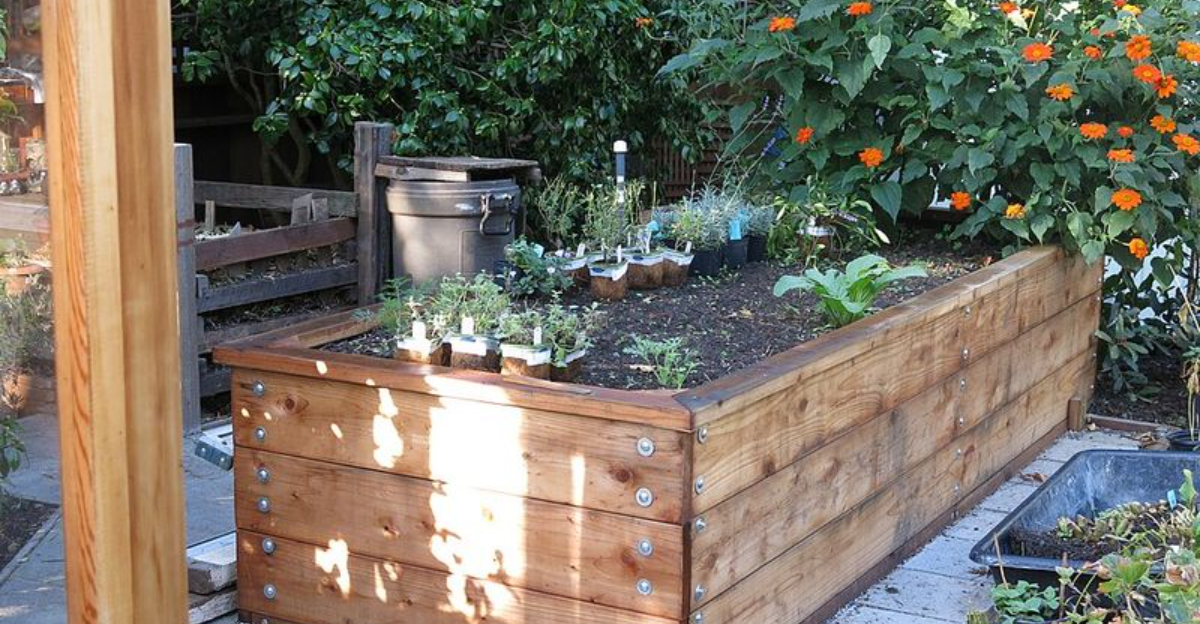
Florida summer can make a raised bed look fine in the morning and completely stressed by dinner. New gardeners often blame themselves, but the real problem is usually a handful of heat-related mistakes that quietly stack up.
If your soil dries fast, leaves droop by noon, or harvests stall, you are probably closer to success than you think. These common missteps are fixable, and once you spot them, your beds get much easier to manage.
Using shallow raised beds
At first glance, a shallow bed seems easier to build, cheaper to fill, and simpler to reach across. In Florida summer, though, that limited soil depth heats up fast and dries out even faster, leaving roots cramped and stressed by midday.
You may water in the morning and still find drooping lettuce, peppers, or basil before lunch because the root zone never stayed cool enough.
Deeper beds hold moisture longer, buffer temperature swings, and give plants room to develop stronger root systems. A depth of at least 12 inches works better for many vegetables, while 16 to 18 inches gives you more forgiveness during long hot stretches.
If your current bed is shallow, you can still improve it by topping it up with compost-rich soil and mulching heavily.
I also like to think about the crop before building the frame. Tomatoes, peppers, eggplant, and okra all appreciate extra rooting space when the weather turns punishing.
Shallow beds can still support herbs or leafy greens during milder months, but summer vegetables usually need more volume than beginners expect in Florida.
When the bed holds more soil, you gain time between waterings and fewer dramatic wilt cycles. That alone can save a lot of frustration.
A deeper setup does not remove every summer challenge, but it gives your plants a sturdier foundation when heat and humidity start pressing hard.
Choosing the wrong bed location
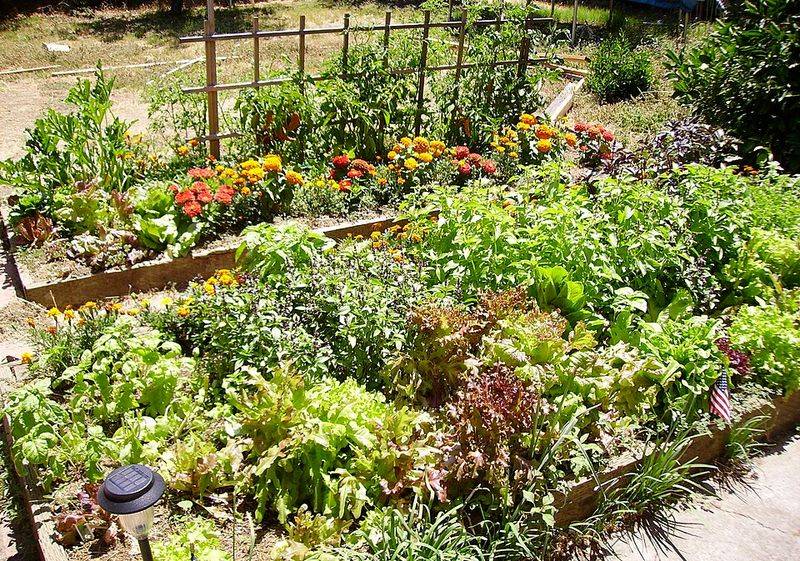
Placing a raised bed wherever there is open space can cause trouble once Florida summer settles in. A spot beside a bright wall, concrete driveway, or reflective fence may look sunny and convenient, but it can bake plants with extra afternoon heat.
You end up fighting stress from above, below, and all around the bed without realizing the location is part of the problem.
Most vegetables still need strong light, yet full brutal exposure from late morning through evening is not always ideal in the hottest months. Morning sun with some relief during the harshest afternoon hours often produces healthier growth and less scorching.
If you cannot move the bed, adding shade cloth on the west side can make a noticeable difference.
Airflow matters too, especially in humid weather when fungal issues spread quickly. Tucking a bed into a still, crowded corner may trap heat and moisture around leaves.
I look for a place that gets early sun, decent breezes, and enough distance from heat-reflecting surfaces that turn the bed into an oven.
Good placement reduces watering demands, lowers stress, and helps plants stay productive longer. It also makes pest and disease pressure easier to manage.
A raised bed should work with Florida summer, not against it from the minute the sun gets intense.
Filling beds with poor soil
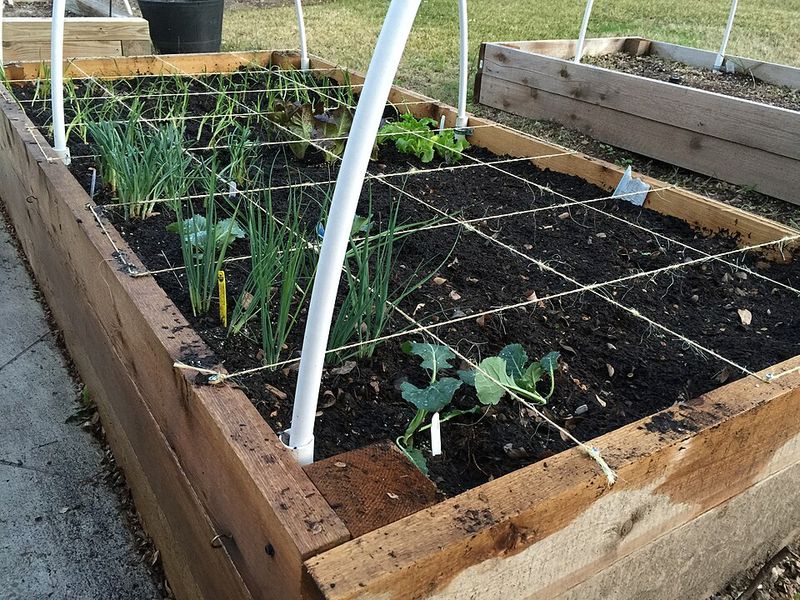
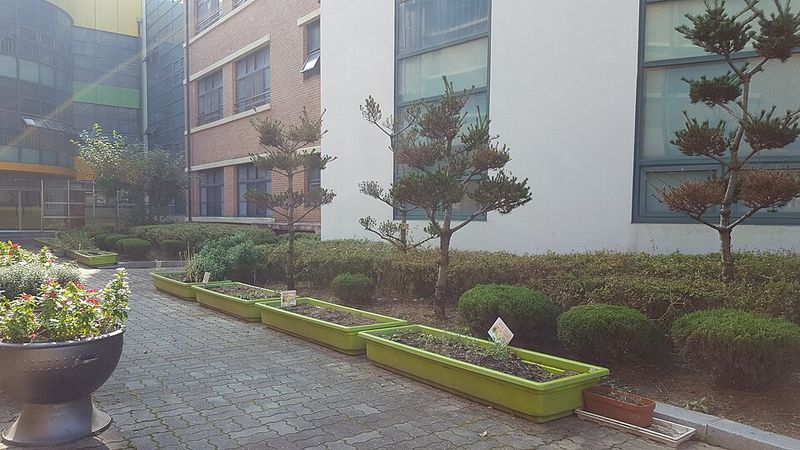
It is easy to assume a raised bed will automatically perform better than in-ground gardening. In reality, the frame only holds whatever soil you put into it, and poor fill causes a long list of summer problems in Florida.
If the mix is heavy, sandy, or low in organic matter, water drains too fast or roots sit in hot compacted dirt with very little resilience.
Bagged topsoil alone usually is not enough for vegetables facing extreme heat. A better blend includes compost, high-quality garden soil, and materials that improve both drainage and moisture retention.
I want a mix that stays loose after repeated watering, because summer rains and frequent irrigation can quickly flatten low-grade soil into a dense mess.
Nutrient content matters just as much as texture. Fast-growing crops burn through available fertility, and weak soil leaves them pale, slow, and vulnerable to pests.
If you keep adding fertilizer without improving the underlying mix, you may see short bursts of growth followed by more stress once the next heat wave arrives.
Good raised bed soil should feel alive, crumbly, and balanced instead of dusty or sticky. Compost is usually the easiest upgrade.
Once the bed starts with a strong growing medium, your watering, mulching, and feeding efforts actually pay off instead of disappearing into a poor foundation.
Watering on a weak schedule
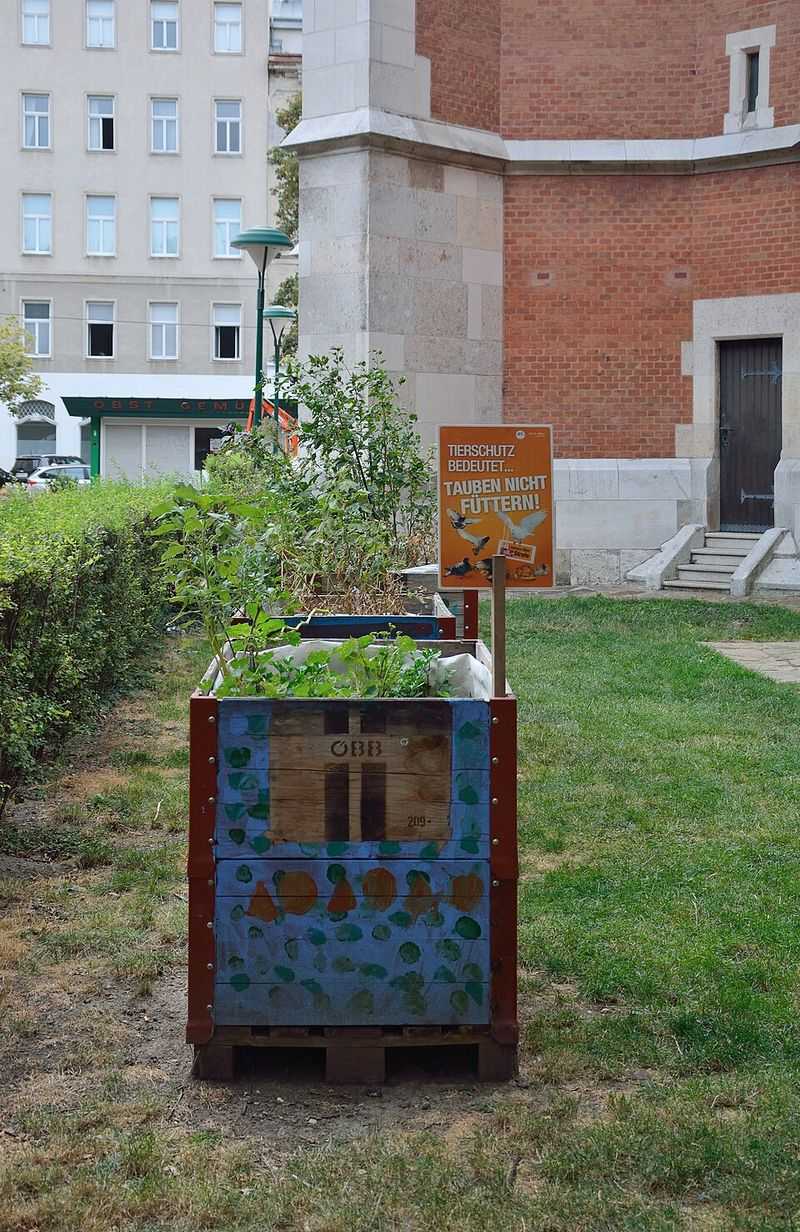
A fixed watering routine sounds responsible, but Florida summer rarely follows a neat schedule. Heat, wind, plant size, bed depth, and recent rain all change how fast moisture disappears, so watering every day for a few minutes can still leave roots thirsty.
Many beginners wet the top inch and assume the whole bed is fine while deeper soil stays dry and hot.
Plants do better with deeper, more thorough watering that reaches the root zone instead of frequent shallow splashes. Sticking a finger into the soil or using a moisture meter tells you more than the calendar ever will.
I also pay attention to the bed late in the afternoon, because that is when hidden watering mistakes usually reveal themselves.
Overwatering is just as common, especially after a storm when the surface looks dry again by the next day. Saturated soil in hot weather can invite root problems, nutrient loss, and fungal disease.
The goal is steady moisture, not constant sogginess or dramatic swings from bone dry to drenched.
Drip irrigation makes this easier because it waters slowly and consistently where roots need it most. Soaker hoses can work too if the bed layout is simple.
Once you stop watering by habit and start watering by conditions, raised beds become far more predictable in Florida heat.
Skipping mulch in extreme heat
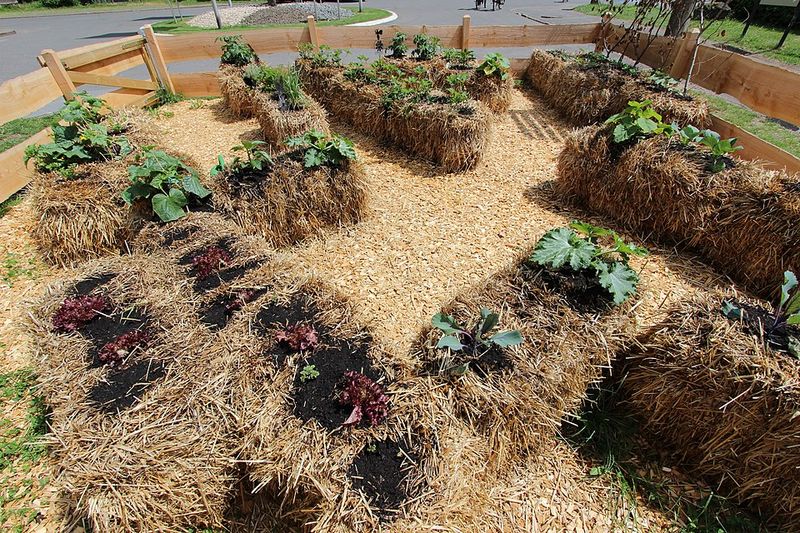
Bare soil in a Florida raised bed loses moisture fast and overheats before you realize what is happening. Sun beats directly onto the surface, roots cook near the top, and each watering evaporates quicker than it should.
If plants keep wilting even when you feel like you are watering enough, missing mulch is often the quiet reason.
A two to three inch layer of straw, shredded leaves, pine bark, or clean untreated mulch helps hold moisture and moderate soil temperature. It also reduces splashback during storms, which matters when fungal spores are waiting for wet leaves.
I like mulch because it cuts down on both daily maintenance and stress signals that confuse new gardeners.
Some beginners avoid mulch because they worry it will attract pests or keep the soil too wet. In summer, the bigger risk is usually exposed soil drying out and forcing plants into repeated recovery mode.
As long as you leave a little breathing room around stems and watch drainage, mulch usually improves the bed quickly.
Think of it as a protective lid that slows the harshest effects of heat and heavy rain. It is not decorative fluff.
In Florida summers, mulch is one of the simplest upgrades that can make a struggling raised bed look noticeably steadier within days.
Planting cool-season crops too late
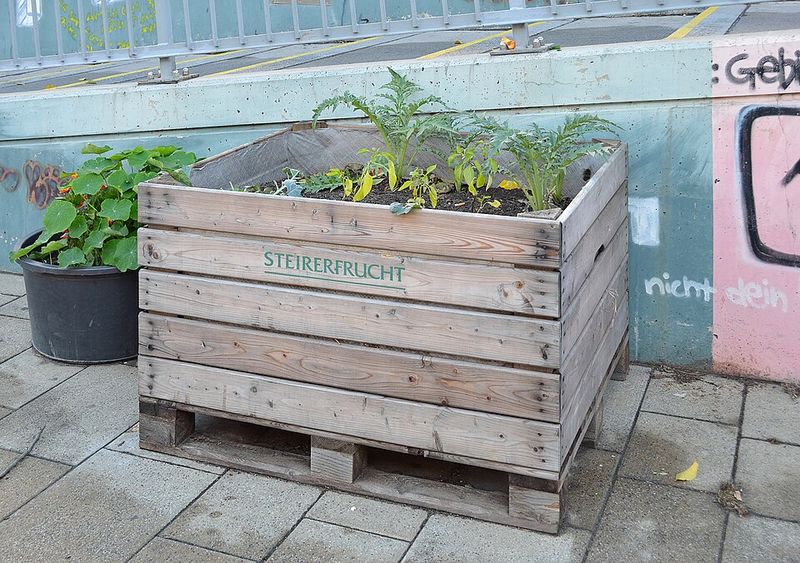
Many beginners plant the vegetables they love eating instead of the vegetables that actually want Florida summer weather. That is how lettuce, spinach, cilantro, and other cool-season crops end up bolting, scorching, or turning bitter almost overnight.
The raised bed is not failing in those cases, because the timing and crop choice are simply mismatched to the season.
Florida gardening rewards paying attention to heat tolerance more than traditional spring garden advice from cooler states. Malabar spinach, sweet potatoes, southern peas, okra, peppers, and certain basil varieties usually handle hot conditions much better.
I find that switching crops is often more effective than trying to rescue unhappy cool-season plants with extra water and shade.
Seed packets can be misleading if they are written for a national audience. Local extension guides and Florida-specific planting calendars give much better direction on what can survive the hottest stretch.
If you already planted cool-season crops, harvest what you can and free that space for something adapted to high temperatures.
Success gets easier when your plants are naturally equipped for the climate they are facing. You spend less time troubleshooting and more time harvesting.
A raised bed in summer should be filled with crops that can keep growing when the air feels like a warm wet blanket.
Crowding plants too closely
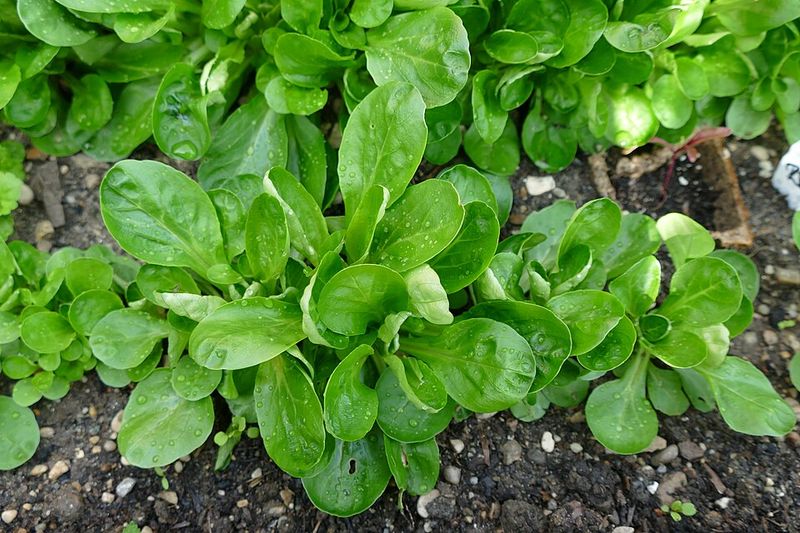
Small seedlings make spacing recommendations seem overly cautious, so beginners often tuck in extra plants to maximize every inch. A few weeks later, Florida heat and humidity turn that dense growth into a sticky wall of leaves with weak airflow and intense competition for water.
What looked efficient in May can become a disease-prone, thirsty mess by midsummer.
Crowded roots also drain a raised bed faster than expected. Plants fight for the same moisture, nutrients, and cooling space, which means stress shows up sooner during hot afternoons.
I would rather grow fewer healthy peppers or tomatoes than pack the bed so tightly that none of them perform well.
Good spacing helps leaves dry faster after rain and irrigation, reducing fungal pressure in humid conditions. It also makes pruning, harvesting, and pest checks much easier, which matters when summer problems develop quickly.
If your bed is already overplanted, removing a few weaker plants can improve the whole planting more than adding extra fertilizer.
Raised beds are productive because the soil is rich and organized, not because every inch must be filled nonstop. Give plants enough room for mature size, not seedling size.
In Florida summer, breathing space is not wasted space, because airflow and root access often decide whether a bed keeps producing or stalls out early.
Ignoring afternoon shade options
Florida vegetables often love sunlight, but that does not mean they enjoy endless punishment during the hottest part of the day. Beginners sometimes assume any sign of wilt means they need more water, when the real issue is excessive afternoon exposure.
Even heat-tolerant crops can slow down when the combination of sun, humidity, and radiant heat becomes relentless.
Temporary shade solutions can keep plants productive longer without turning the bed into a dark corner. Shade cloth in the 30 to 40 percent range is often enough to soften the harshest hours while still allowing strong growth.
I especially like using it over leafy greens, young transplants, and beds positioned near reflective patios or walls.
Afternoon shade can also reduce blossom drop on tomatoes and peppers when temperatures stay high for extended stretches. Plants conserve moisture better, leaves scorch less, and the bed becomes easier to manage overall.
If building a frame feels intimidating, simple hoops and clipped fabric work surprisingly well for small raised beds.
This is not about depriving plants of sun. It is about recognizing when Florida summer delivers more intensity than productivity.
A little shade at the right time can protect the progress you already made and keep a raised bed from slipping into survival mode every single afternoon.
Fertilizing too heavily in heat
When plants look pale or stalled, adding more fertilizer feels like a fast fix. In Florida summer, though, heavy feeding can push tender growth that struggles under heat, or it can burn roots in already stressed soil.
Raised beds respond quickly to amendments, which means mistakes with fertilizer often show up faster than beginners expect.
Excess nitrogen is a common problem. It can produce lots of leafy growth while fruiting slows, pests gather, and the plant becomes softer and more vulnerable to disease.
I prefer lighter, steadier feeding with compost, balanced fertilizers, or diluted liquid options rather than dumping a strong dose into a hot bed.
It helps to read what the plant is actually doing before feeding again. Yellow leaves might come from water stress, root damage, poor soil pH, or nutrient leaching after storms, not simply hunger.
If you fertilize every symptom without diagnosing the cause, the bed can become chemically rich but biologically weak.
Morning applications with watered soil are usually safer than feeding dry ground in peak heat. Following label rates really matters here.
Raised beds can be highly productive in Florida, but they rarely reward the idea that more fertilizer automatically means faster recovery or bigger harvests during the hardest part of summer.
Forgetting summer pest pressure
Hot weather does not just stress vegetables, because it also speeds up many pest problems. Beginners often check the bed only when plants already look ragged, by which point caterpillars, aphids, mites, or whiteflies have had plenty of time to multiply.
A raised bed can go from healthy to chewed and sticky within a surprisingly short stretch of Florida summer.
Frequent inspection works better than occasional panic treatments. Looking under leaves, checking new growth, and catching issues early usually saves more plants than waiting for obvious damage.
I keep it simple by walking the bed every day or two, because tiny problems are easier to manage than established infestations during humid weather.
Healthy plants still get attacked, but stressed plants are often hit harder. Irregular watering, overcrowding, and excess nitrogen can all make pests more difficult to control.
Hand-picking, insecticidal soap, neem used carefully, row covers for young plants, and encouraging beneficial insects all help when matched to the specific pest.
The biggest mistake is assuming pests will sort themselves out if the bed is watered and fertilized. They usually will not.
In Florida summers, raised bed gardening rewards close observation, fast response, and realistic expectations that bugs are part of the season, not a rare surprise.
Using heat-absorbing bed materials unwisely
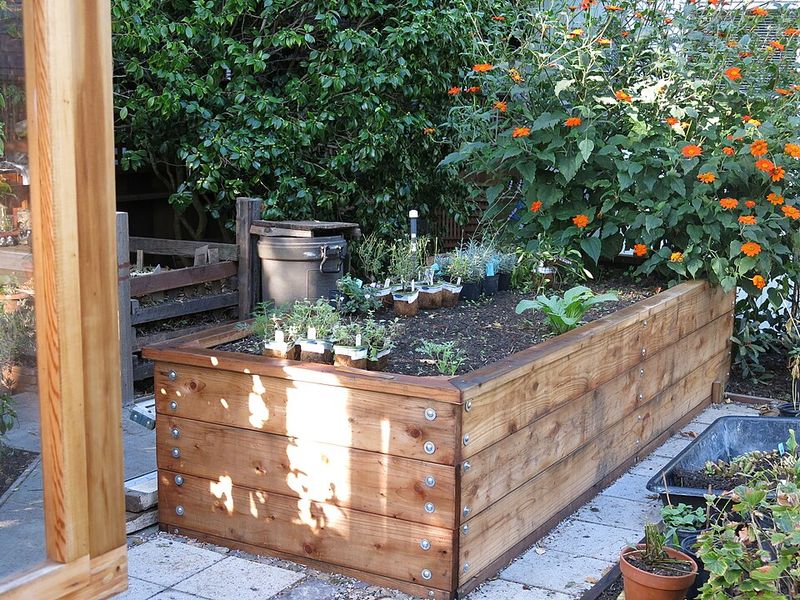
The material around your soil affects temperature more than many beginners realize. Dark metal or thin-sided beds sitting in direct Florida sun can heat the root zone quickly, especially when they are small and fully exposed.
Plants then deal with hot air above ground and warming soil at the edges, which can intensify wilt and stunt growth.
This does not mean metal beds never work. It means they need smarter placement, more soil volume, mulch, and sometimes seasonal shading so roots are not stressed by radiant heat.
I have seen beautiful beds struggle simply because the structure looked durable but acted like a solar collector through the worst months.
Wood tends to insulate better, though it still benefits from mulch and good irrigation. If you already have metal beds, painting exteriors a lighter color, placing taller plants to shield sensitive crops, and keeping beds deeply filled can help reduce temperature swings.
Drip irrigation also helps by maintaining more even moisture in zones that might otherwise dry at the edges first.
Raised bed success is not just about what goes in the frame. The frame itself influences the growing environment.
In Florida summer, thoughtful design choices can prevent a subtle heat buildup that leaves plants struggling even when your watering and fertilizer habits seem perfectly reasonable.
Giving up after midday wilting
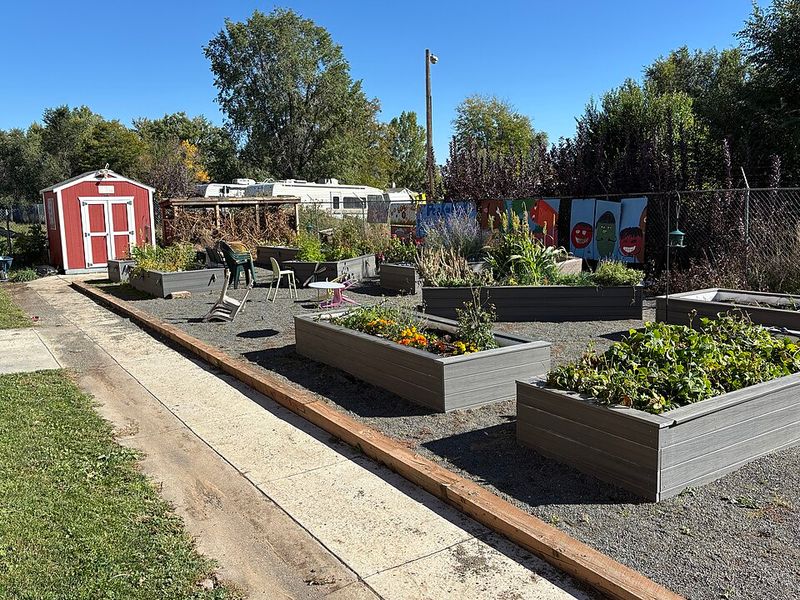
Seeing leaves flop in the middle of a Florida afternoon can make any beginner feel like the whole bed is failing. Sometimes that wilt is a true water emergency, but sometimes it is temporary heat response and the plants recover once temperatures ease.
If you react by constantly flooding the bed without checking the soil, you can create new problems while trying to solve the wrong one.
Context matters here. If the soil is still moist several inches down and the plants perk back up by evening, they may simply be responding to intense heat and transpiration.
I like to check root-zone moisture before reaching for the hose, because visual stress alone does not always tell the full story during summer.
On the other hand, repeated severe wilting can signal shallow roots, poor soil, overcrowding, or a bed that overheats too easily. That is why observation over several days beats one emotional reaction in the hottest hour.
Watching recovery patterns teaches you whether the bed needs shade, mulch, deeper watering, or a completely different crop choice.
Florida gardening gets easier when you stop treating every midday droop like disaster. Some stress signs are warnings, and some are normal responses to harsh conditions.
Learning the difference keeps you from overcorrecting and gives your raised bed a better chance to stay balanced through summer.