
13 Native Florida Trees That Add Instant Curb Appeal Without Extra Work
Follow us on Google
The best curb appeal trees in Florida do more than look pretty for one season. They handle heat, humidity, sandy soil, sudden storms, and the kind of watering schedule real people actually keep.
If you want a front yard that feels polished without turning weekends into maintenance duty, these native picks make that goal much easier. Each one brings strong visual impact while staying well suited to Florida’s climate.
Live Oak
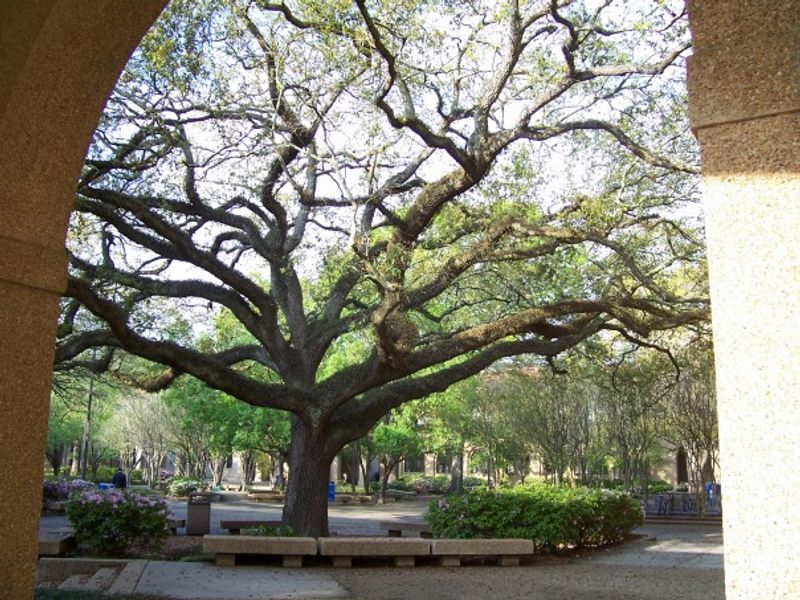
Nothing makes a Florida home feel established faster than a live oak with a broad, sheltering canopy. Its branching habit creates instant character, and even a younger tree gives a property that rooted, settled look buyers and neighbors notice right away.
You get structure, shade, and a strong silhouette without needing constant pruning to keep it attractive.
Because it is native, this tree handles Florida heat, wind, and variable soil better than many popular imports. Once established, it usually needs only occasional deep watering during long dry stretches, and it is far less fussy than trees that drop leaves, scorch easily, or struggle in storms.
Give it space away from driveways and foundations, and it rewards you with decades of dependable performance.
For curb appeal, placement matters more than decoration. Set one where the canopy can frame the house rather than block it, then keep the base simple with mulch and low native groundcovers so the branching stays visible.
If you want a front yard that looks expensive, timeless, and surprisingly low effort, this is one of the smartest trees you can plant in Florida.
Southern Magnolia
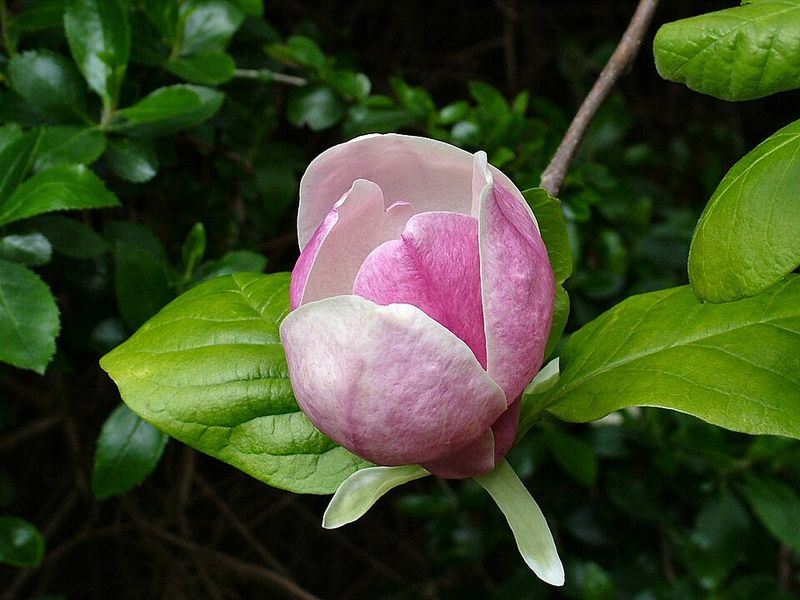
Glossy leaves and oversized white blooms give southern magnolia a polished look that reads upscale from the street. Even when it is not flowering, the dense evergreen canopy keeps the yard from looking bare, which matters in neighborhoods where curb appeal depends on year round presence.
That steady visual weight can make a modest home look more finished and intentional.
This native tree works best for homeowners who want drama without a complicated care routine. Once roots are established, it manages Florida conditions well, and its thick leaves stand up nicely to heat and humidity.
You may sweep a few fallen leaves and seed cones now and then, but you avoid the constant shaping, spraying, and babying that many ornamental trees demand.
Use it as a focal point near an entry, or place one slightly off center to balance a wide facade. Choose a cultivar that fits the mature space so you are not fighting size later, then let the natural form do most of the design work.
When you want flowers, evergreen coverage, and a rich texture with relatively little input, southern magnolia is hard to beat.
Red Maple
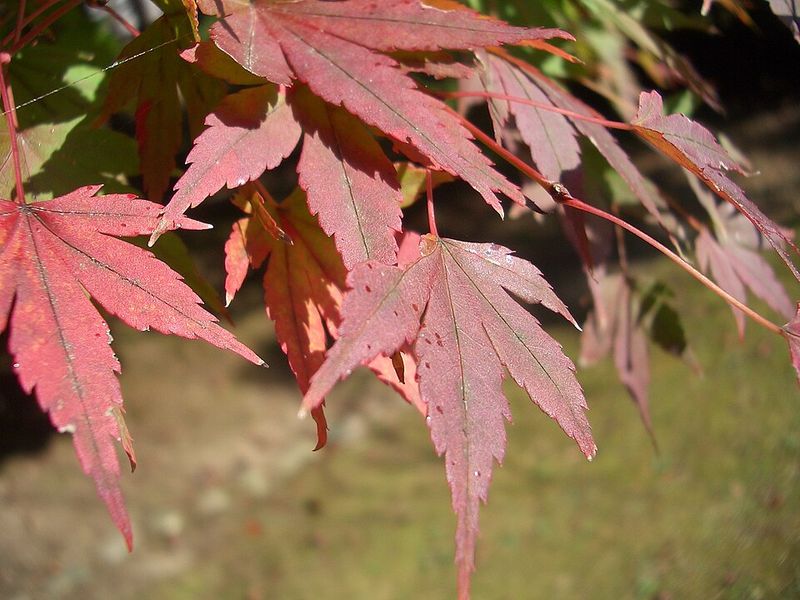
Color is not always easy to find in Florida landscapes, which is why red maple earns attention fast. Depending on the season, you can get red flowers, red twigs, and warm fall tones that break up the usual green on green look many front yards settle into.
That extra contrast helps the whole property feel more lively without adding more maintenance tasks.
In the right spot, this native tree grows with a clean, upright shape that suits both traditional and newer homes. It prefers moisture more than some drought loving species, so planting it where irrigation reaches naturally or where the soil stays slightly damp gives you the best results with the least trouble.
Once it settles in, regular mulching and occasional shaping are usually enough to keep it handsome.
Try using red maple where the morning sun catches the canopy, since changing leaf color looks best with backlighting. Pair it with simple foundation plants so the tree remains the star, rather than burying it in busy landscaping.
If your yard needs movement, seasonal interest, and a softer look than rigid evergreens provide, red maple brings all three in a very approachable way.
Dahoon Holly
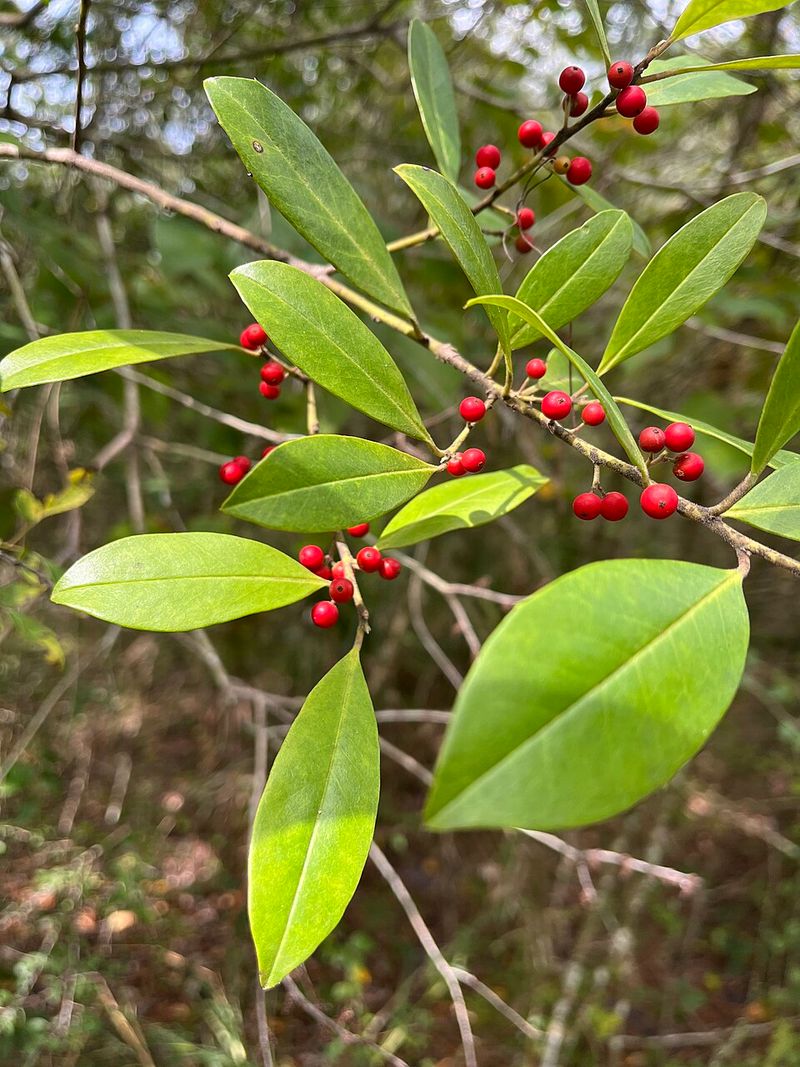
For smaller front yards, dahoon holly offers a neat, refined look without feeling stiff or overdesigned. Its evergreen leaves keep the landscape tidy through every season, and female trees produce bright red berries that add just enough color to catch the eye from the sidewalk.
That combination gives you curb appeal that feels calm, not cluttered.
This tree is especially useful in Florida because it handles moisture well and adapts to many landscape situations. It can work near low spots, along property edges, or beside a driveway where a giant shade tree would be overwhelming.
Once established, it asks for little beyond watering during severe drought and light pruning only if you want a more tailored shape.
When placing it near the front entry, think of it as vertical punctuation for the house. A single specimen can soften a blank corner, while a pair can frame a walkway in a way that looks elegant without becoming formal or high maintenance.
If your goal is a native tree that stays attractive, manageable, and useful in tighter spaces, dahoon holly is a very dependable choice.
Yaupon Holly
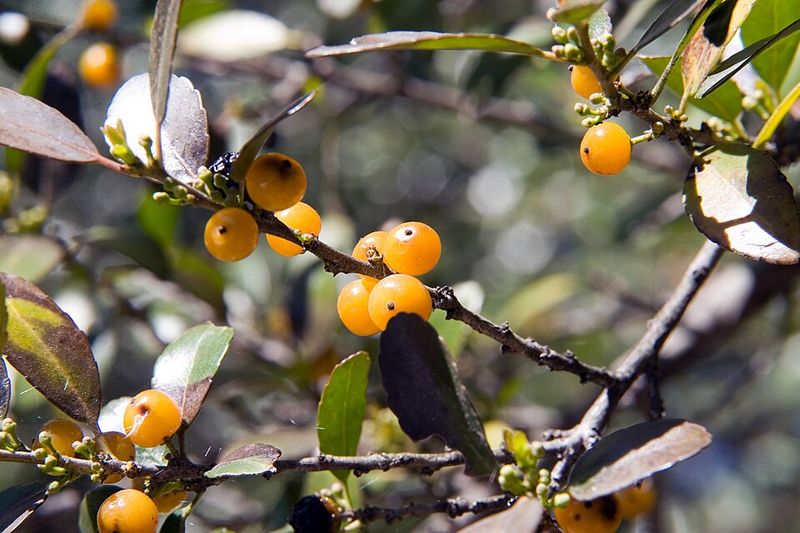
Yaupon holly is one of those rare trees that looks tailored even when you do very little to it. The fine textured evergreen foliage stays neat, the branching can be airy and sculptural, and the red berries on female plants add welcome contrast during cooler months.
It gives a front yard a finished look without asking you to constantly correct its shape.
Because it is highly adaptable, this native works in coastal settings, suburban lots, and drier inland sites with equal confidence. It tolerates pruning if you want a cleaner outline, but it also looks great left a bit natural, which means less work over time.
Once established, it handles Florida heat well and usually avoids the drama that comes with fussier ornamental trees.
Use yaupon holly when you need something smaller than a canopy tree but more substantial than a shrub. Multi trunk forms are especially effective near entries, mailboxes, or corners where the landscape needs height and softness without blocking windows.
If you want year round greenery, strong storm tolerance, and a tree that fits modern or classic homes, this one checks a lot of boxes with very little effort.
Sweetbay Magnolia
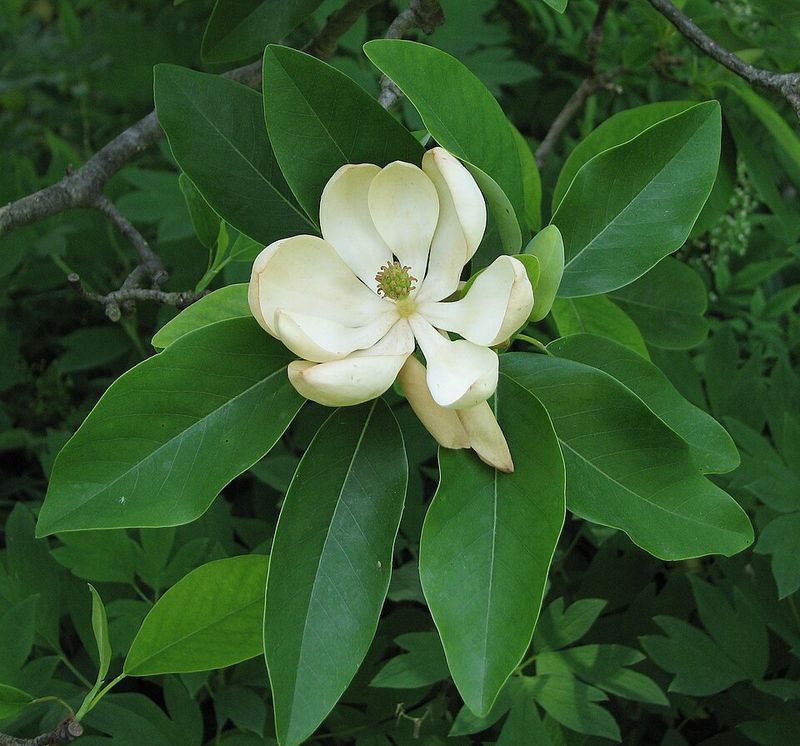
Sweetbay magnolia brings a softer, lighter feel than the heavier look of southern magnolia, which can be perfect for smaller homes. The leaves shimmer nicely in a breeze, the flowers are creamy and fragrant, and the overall habit feels relaxed without looking messy.
That gentle movement gives the yard personality while keeping maintenance pleasantly simple.
This native tree does especially well in spots with decent moisture, making it a smart pick for areas where other ornamentals might sulk. In warmer parts of Florida it often stays semi evergreen to evergreen, so you still get visual presence through much of the year.
It usually needs only modest pruning, mostly to remove crossing branches or shape a young tree early on.
From a curb appeal standpoint, sweetbay magnolia works beautifully near porches, bedroom windows, or front walkways where the fragrance can actually be enjoyed. It also pairs well with ferns, coontie, or native grasses if you want a layered look that still feels clean and manageable.
When your goal is a native tree with flowers, elegant texture, and a less bulky footprint, sweetbay magnolia is a thoughtful choice.
Bald Cypress
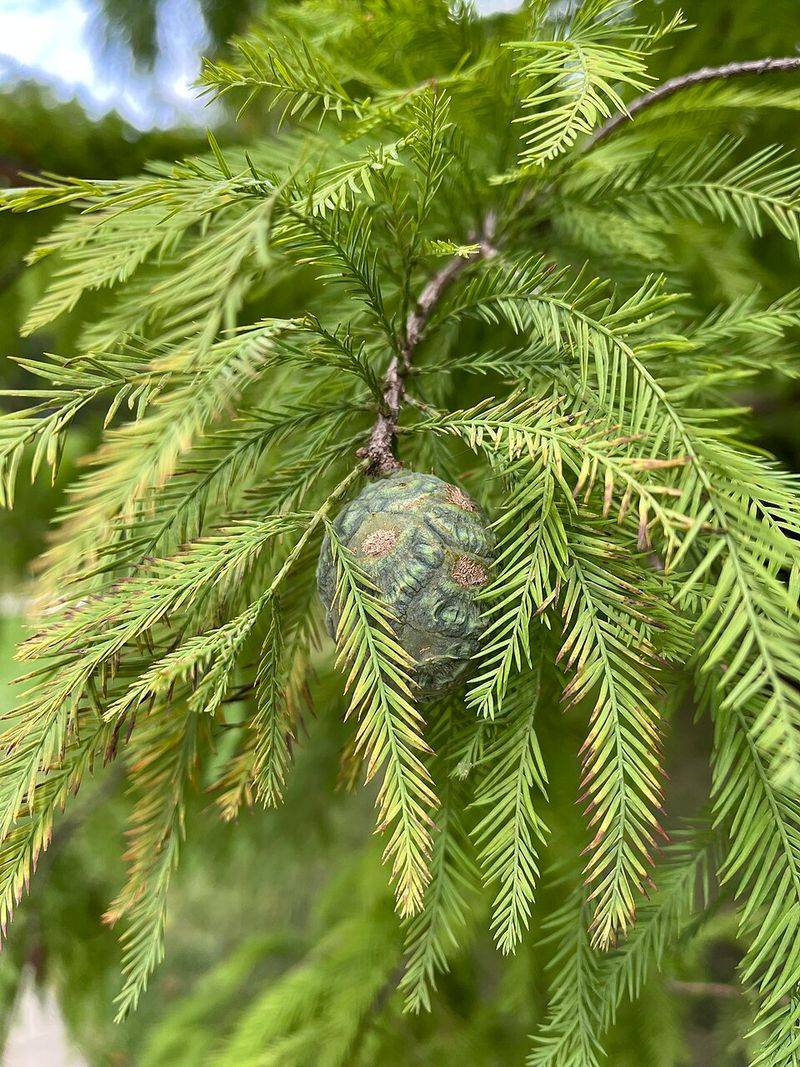
Feathery foliage and a strong upright form make bald cypress stand out in a way that feels architectural but still natural. It has a clean silhouette from the street, and the soft texture adds movement that heavier broadleaf trees cannot match.
In fall, the warm coppery color gives you a noticeable seasonal shift without requiring a lot of hands on care.
Many people think of swamps first, but this native is surprisingly useful in residential landscapes, especially where drainage is inconsistent. It handles wet conditions better than most front yard trees, yet it can also adapt to ordinary landscape soils once established.
That flexibility makes it a smart answer for tricky spots where other trees struggle, lean, or decline after every rainy season.
For the strongest curb appeal, give it room to show off its natural tapering shape and avoid crowding it with oversized shrubs. One well placed specimen can anchor a corner lot, frame a long driveway, or add height beside a one story home that needs more presence.
If your yard has periodic standing water or you simply want a distinctive native tree with very manageable needs, bald cypress deserves serious consideration.
Slash Pine
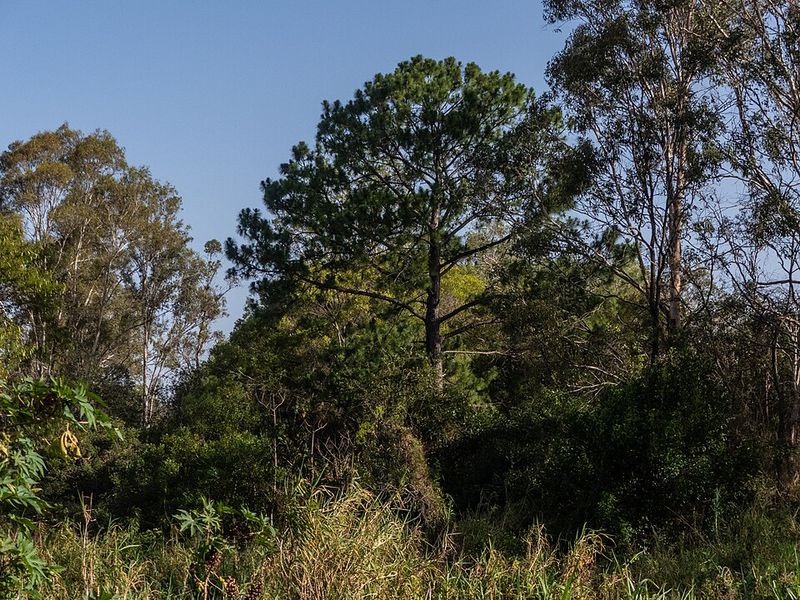
Slash pine gives a property an unmistakably Floridian identity without making the yard feel wild or neglected. The tall trunk and open canopy create a clean, airy look that lets your house stay visible while still adding vertical drama.
That balance is useful when you want shade and character but do not want a heavy tree swallowing the entire front elevation.
As a native species, it is well adapted to local conditions and generally asks for less pampering than many imported evergreens. Once established, it tolerates heat, sandy soil, and seasonal dry periods better than homeowners often expect.
The maintenance is mostly about smart placement, occasional cleanup of fallen needles, and keeping lower trunks protected from mower damage.
Design wise, slash pine shines when used with restraint. One or two thoughtfully placed trees can make a front yard feel taller, calmer, and more natural, especially when paired with simple understory plants and generous mulch rings.
If you are aiming for a landscape that looks rooted in Florida rather than copied from somewhere else, slash pine delivers authenticity, strong curb appeal, and a surprisingly easy care routine.
Simpson’s Stopper
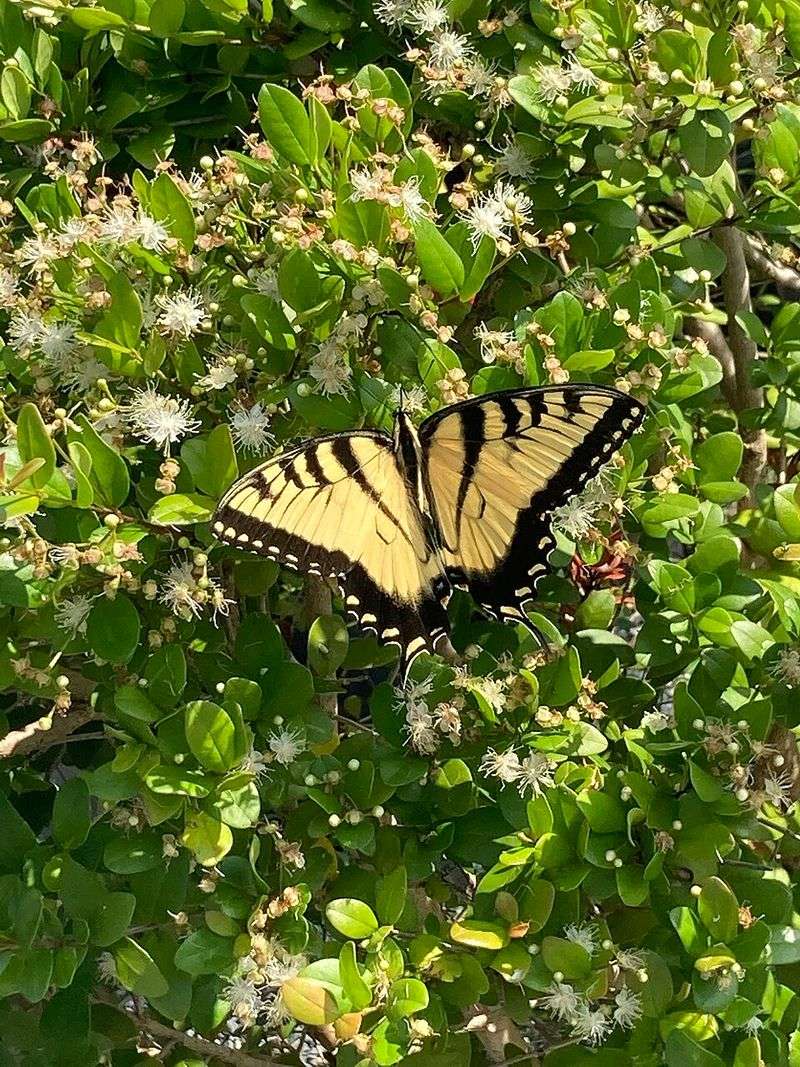
Simpson’s stopper is one of the best native choices when you want a smaller tree that still feels special from the street. Smooth mottled bark, glossy evergreen leaves, and orange red berries give it year round interest without looking flashy or forced.
It fits beautifully into Florida landscapes that need charm and structure in a compact space.
This tree is especially valuable in South and Central Florida because it handles heat, humidity, and regular landscape conditions with very little fuss once established. It can be grown as a multi trunk specimen or trained with a more defined shape, depending on how formal you want the front yard to feel.
Either way, it rarely demands the constant clipping and correction that many small ornamentals seem to invite.
Place it near an entry path, under taller palms, or beside a window where the bark and berries can be appreciated up close. A simple mulch ring and a few low native companions are usually enough to make it look thoughtfully designed.
If your curb appeal needs an evergreen focal point with subtle tropical character, manageable size, and strong local adaptability, Simpson’s stopper is an excellent answer.
Gumbo Limbo
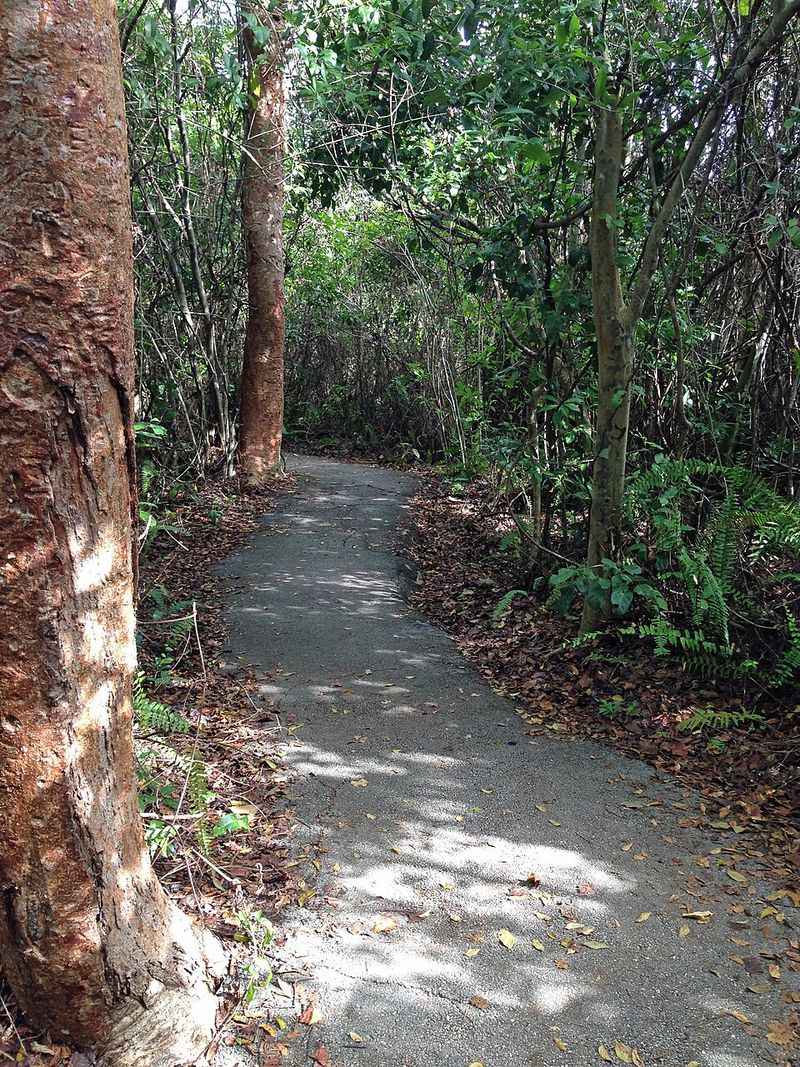
Few trees create instant conversation like gumbo limbo, and the appeal starts with its peeling coppery bark. Even before the canopy fully fills out, the trunk adds color and texture that make a front yard feel memorable from the curb.
It is an especially smart pick if you want something distinctly Florida that still reads polished and intentional.
This native is best suited to warmer parts of the state, where it handles heat, wind, salt, and sandy conditions with impressive ease. Once established, it is notably resilient, which means less time dealing with stress related leaf drop, constant fertilizer adjustments, or replacement after tough weather.
The growth can be fairly quick too, so you get a substantial landscape effect sooner than with slower maturing options.
Because the canopy can spread generously, placement should be deliberate. Give it enough room to become a feature tree, not a maintenance problem, and keep surrounding plantings simple so the bark stays visible.
In the right yard, especially one with tropical or coastal styling, gumbo limbo offers shade, personality, and a relaxed elegance that feels authentic rather than overly designed.
Chickasaw Plum
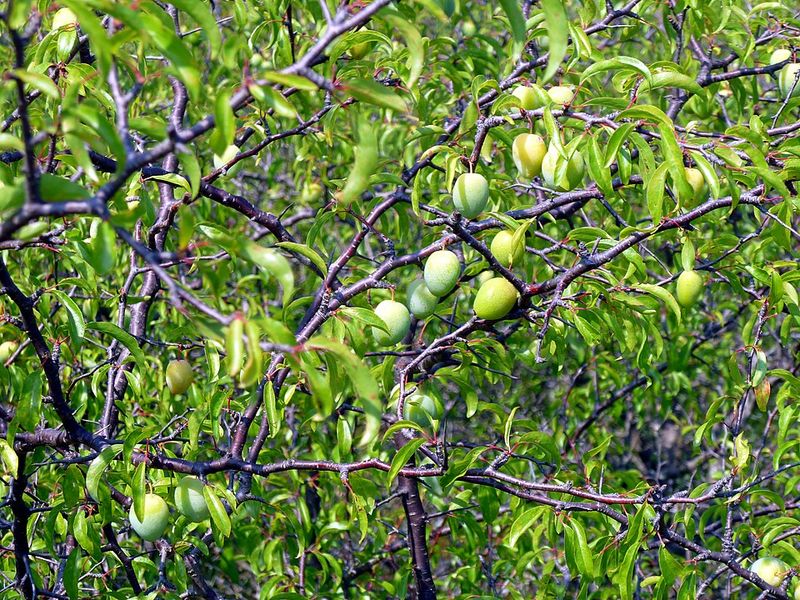
Spring flowers can completely change how a house feels from the street, and Chickasaw plum delivers that effect with a light, natural touch. Covered in small white blooms before leaf out, it brings a bright, welcoming look that stands out in neighborhoods dominated by plain green foundation plants.
The rest of the year, its fine branching and modest size keep it useful without becoming demanding.
This native tree is a strong option for homeowners who want seasonal beauty but prefer something tougher than many ornamental flowering imports. It tolerates Florida conditions well, supports wildlife, and generally asks for less intervention once roots are established.
Suckering can happen, so a quick annual cleanup around the base keeps it looking deliberate rather than overly casual.
Use it where the blossoms can be enjoyed from a window or front walk, and give it enough open space so the shape reads clearly. It fits nicely in cottage style, coastal, or relaxed native plant designs where perfection is not the point and character matters more.
If you want spring interest, wildlife value, and a smaller scale tree that does not turn into a chore, Chickasaw plum is a practical favorite.
Loblolly Bay
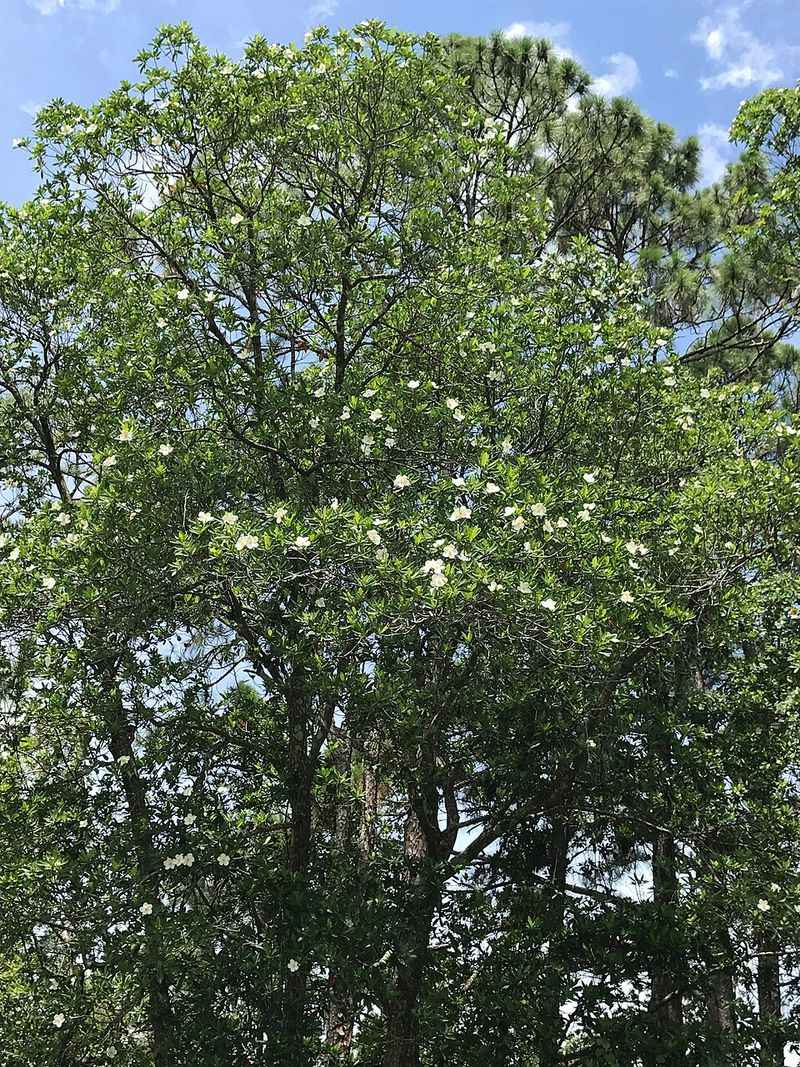
Loblolly bay is not as widely planted as some other natives, which is exactly why it can make a front yard feel distinctive. The evergreen foliage stays handsome through the year, and the white flowers have a refined, camellia like look that adds quiet elegance rather than loud color.
It gives you something unusual without pushing the landscape into high maintenance territory.
This tree prefers acidic soil and consistent moisture, so it performs best when you match it to the right site instead of forcing it into a hot, dry corner. In those suitable locations, it can be surprisingly easygoing and far less needy than exotic flowering trees that always seem one step away from decline.
A mulch layer and smart placement do much of the ongoing work for you.
Try using loblolly bay where a front yard needs evergreen structure but also a softer, more garden focused feel. It pairs beautifully with native shrubs and moisture tolerant perennials, especially near downspouts or low areas that stay a bit damp.
If your landscape has the right conditions, this tree offers polished curb appeal, gentle flowering, and a sense of rarity that feels earned, not showy.
Fringe Tree
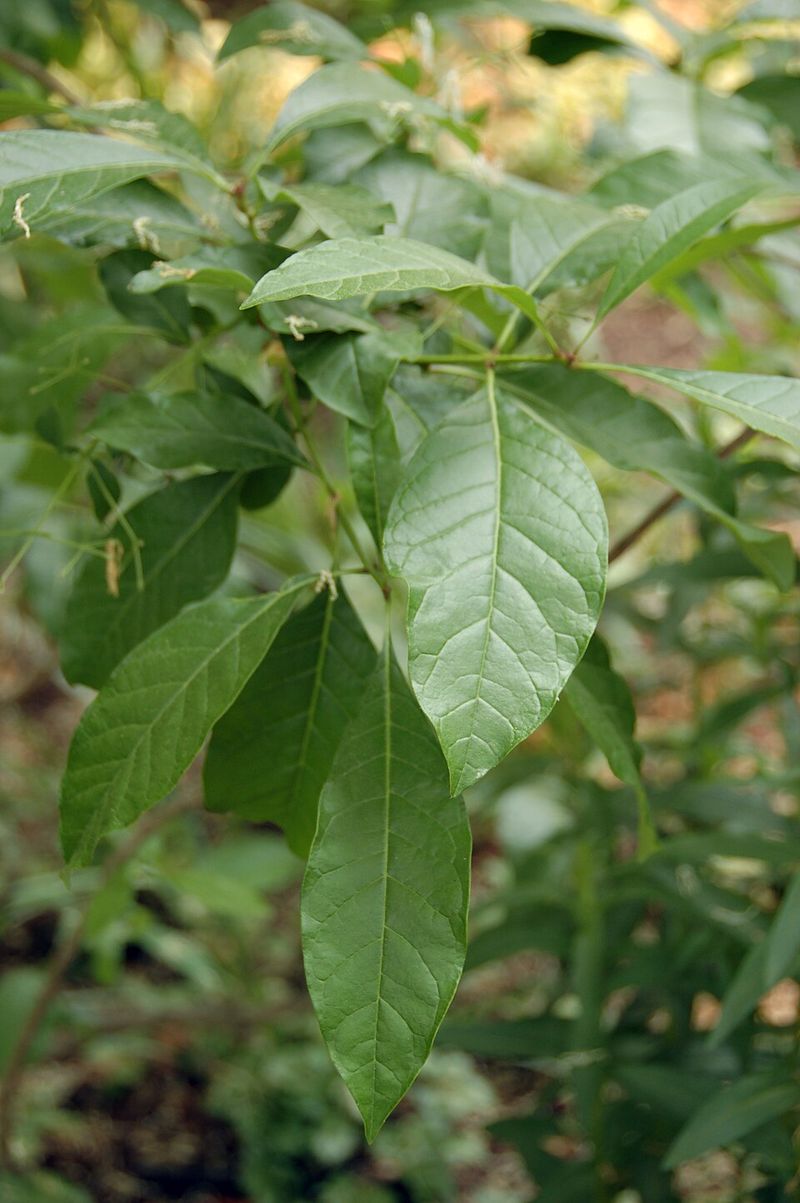
When fringe tree blooms, it has a cloudlike effect that can make an ordinary front yard look carefully designed. The white flowers hang in soft clusters that catch light beautifully, giving you a strong seasonal moment without the stiff or overbred look some ornamentals have.
Even after flowering, the tree keeps a pleasant small scale shape that suits many home styles.
This native works well for homeowners who want an ornamental tree that stays manageable and does not dominate the entire yard. It is generally happiest in sun to partial shade with decent drainage, and once established it needs far less fuss than many flowering imports sold for quick visual impact.
A little formative pruning when young usually goes further than frequent trimming later.
Place it where spring flowers can be seen from the street and from inside the house, because that double payoff makes the planting feel worthwhile. It works especially well near a front walk, at the edge of a lawn, or as a soft accent near a porch.
If you are after a native tree with memorable blooms, modest size, and an easygoing maintenance profile, fringe tree is a very appealing choice.