
Those Strong Smells Squirrels And Chipmunks Refuse To Cross Keep Your Bulbs Safe Overnight
Follow us on Google
The crisp fall air rolls across your yard, carrying damp leaves and distant woodsmoke as you finish tucking dozens of tulip bulbs into fresh soil.
Then a squirrel freezes near your work, nose twitching, eyes fixed on the loose dirt.
You know that look, and it means trouble by morning.
But you can turn a critter’s greatest strength, its powerful nose, into your best defense.
These are the strong smells squirrels and chipmunks refuse to cross, so your buried treasures survive the night.
1. Unleashing The Power Of Capsaicin From Your Spice Rack
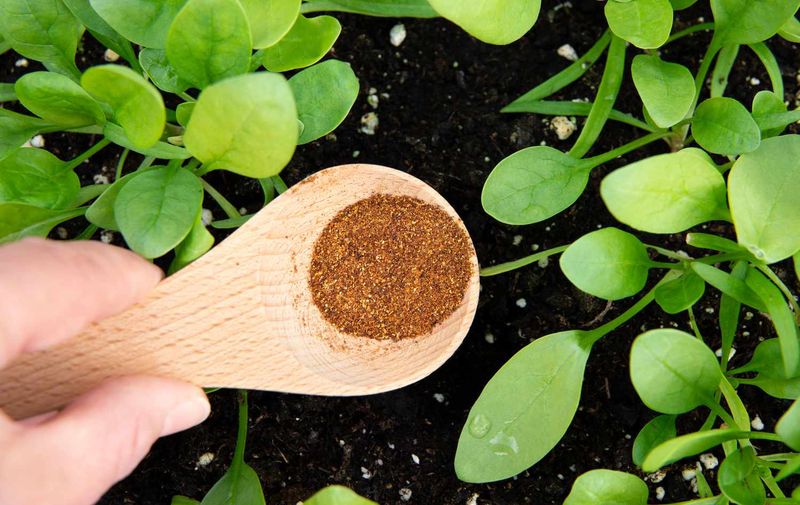
Many Midwest gardeners notice squirrels scratching at loose soil within hours of planting, and tulips (Tulipa) and crocus take the worst of it.
You smoothed that dirt, and a determined critter tore it right back open.
The fix hides in your spice rack.
Capsaicin, the compound that makes peppers hot, feels genuinely miserable on a rodent’s nose and paws.
Sprinkle cayenne pepper or crushed red pepper flakes generously over the disturbed soil after planting.
Think of it as an invisible do not disturb sign only they can read.
One dig, one burning paw, and most learn to dine elsewhere.
It does not harm them, it just teaches a quick lesson.
The catch is rain.
Capsaicin washes away, so reapply every few days to once a week depending on how wet your fall runs.
Keep it off your own eyes and hands while spreading it.
Used as one layer among several, it buys your bulbs real time to settle in.
2. The Pungent Punch Of Garlic Keeps Them Guessing
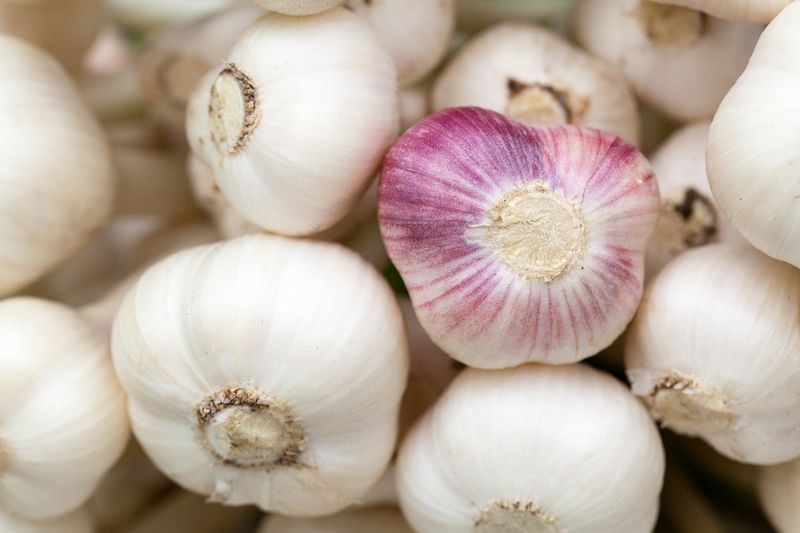
Your fresh bulbs give off a faint earthy scent, and to a passing chipmunk that faint smell rings like a dinner bell.
The goal is to drown that invitation under something they cannot stand.
Garlic does the job.
Its sharp, pungent odor offends most digging rodents and works like an olfactory smokescreen, hiding the bulbs underneath.
Sprinkle granulated garlic or garlic powder right into the planting hole, then dust more across the surface.
For longer protection, plant a few garlic cloves (Allium sativum) among your bulbs.
As they grow, they keep releasing that scent for weeks.
So you get a living guard that costs almost nothing.
Prefer a spray?
Mince several cloves, steep them in water, and mist the bed edges and soil.
Reapply after heavy rain to keep the barrier strong.
It will not stop a truly desperate squirrel, but paired with deeper planting it tells most of them this patch is not worth the effort.
3. A Refreshing Wave Of Peppermint Sends Them Packing
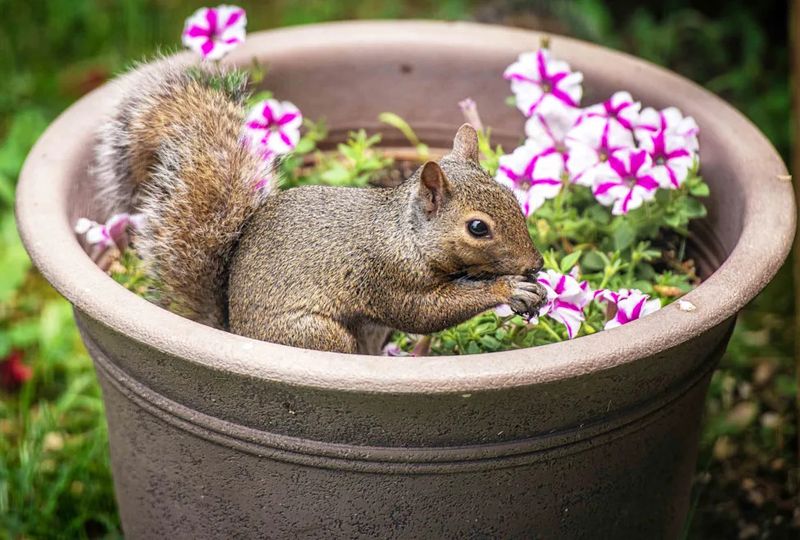
Picture a quiet porch evening, and a chipmunk keeps returning to your container plantings like it owns them.
Soft potting mix in pots tempts diggers even more than packed ground, and these nimble climbers reach elevated pots with ease.
Peppermint oil is the answer many gardeners reach for.
Its overwhelming minty punch irritates sensitive rodent noses while smelling pleasant to you.
Soak cotton balls in peppermint oil and tuck them around the base of potted bulbs or along a new bed.
For wider coverage, mix 15 to 20 drops of peppermint oil into a spray bottle of water and mist the soil surface.
Refresh the cotton balls and spray every couple of weeks, and sooner after heavy rain, since the scent fades fast.
It is a gentle layer rather than a fortress, but for containers near your seating area it can quietly protect your investment.
4. Brewing Up A Barrier With Used Coffee Grounds
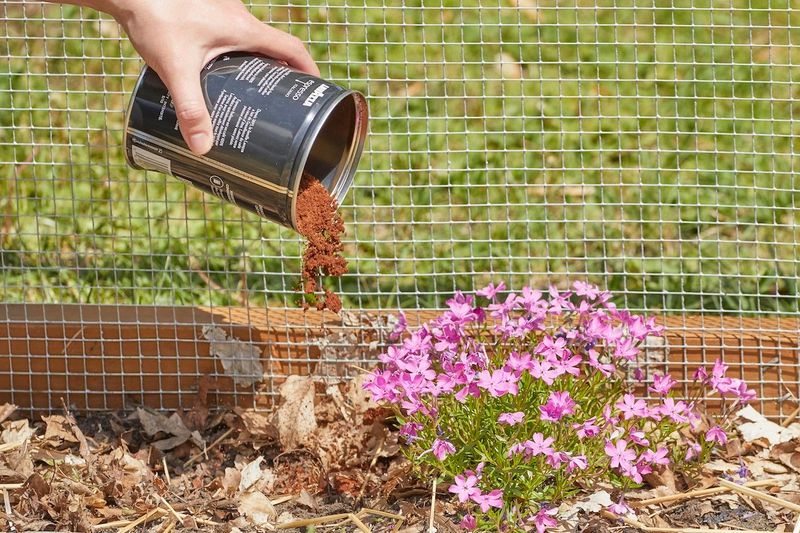
You step out one cool morning and spot fresh digging around your crocus (Crocus vernus) bulbs.
Squirrels read disturbed soil like a menu, and freshly turned dirt shouts food to them.
Used coffee grounds can turn that morning frustration around.
The strong roasted smell puts squirrels and chipmunks off, and it masks the bulb scent underneath.
There is a bonus too.
As the grounds break down, they add a little nitrogen to your soil, so your waste becomes a quiet helper for the plants.
After planting and leveling the bed, spread a generous layer over the whole area.
Reapply weekly or after heavy rain, because the aroma weakens as the grounds dry and wash out.
It is cheap, it is friendly to the yard, and it stacks well with other scents to keep your spring display on track.
5. The Ancient Signal Of Danger Predator Scents
Squirrels and chipmunks live wired for survival, always scanning for something that wants to eat them.
You can borrow that fear and put it to work.
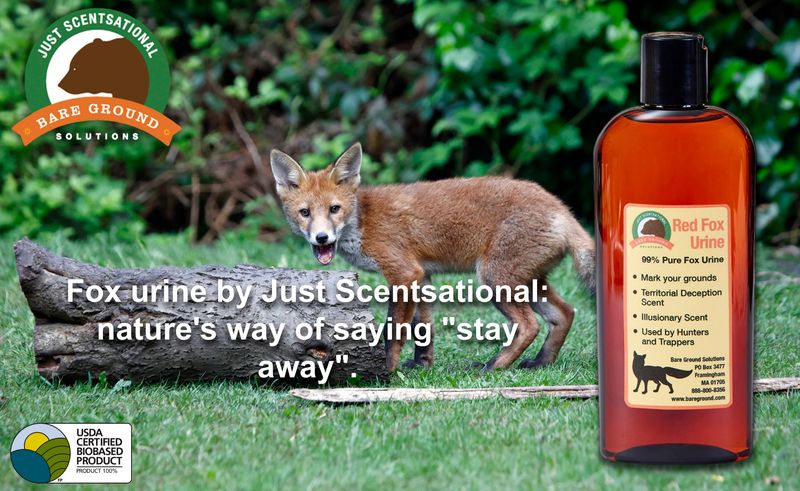
Predator urine, from foxes or bobcats, sends one blunt message to a small rodent.
A hunter is near.
Chipmunks stay especially jumpy because they live low to the ground, so a fresh application near their runs can push them out of your yard entirely.
Commercial predator scents come as liquids or granules.
Spray or scatter them along bed borders and near known burrow entrances and tunnel openings.
Another trick is soaking cotton balls and placing them in flowerpots or at garden corners.
The scent trips their alarm instinct, and they steer wide.
Reapply every few weeks or after heavy rain to keep it convincing.
It is safe for your plants, though the smell can be strong up close, so place it a bit away from your porch.
6. A Sweet Spice With A Surprising Deterrent Kick
You have just finished nestling delicate snowdrop (Galanthus nivalis) and winter aconite (Eranthis hyemalis) bulbs into place.
They are small promises of spring, and you would hate to lose them to idle rodent curiosity.
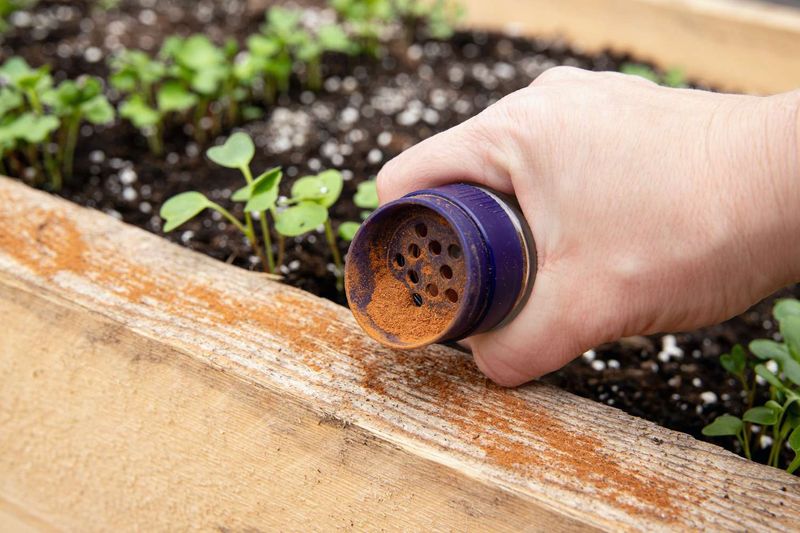
Cinnamon offers a surprisingly firm no. Its strong scent and taste overwhelm a squirrel’s nose and mouth, so treated ground loses its appeal.
Dust ground cinnamon in a ring around your bulb plantings.
A light sprinkle across the soil also discourages squirrels from burying their own acorns there, which is often how bulbs get wrecked by accident.
Planting seeds alongside?
A pinch mixed into the potting soil can shield tender sprouts.
Rain and heavy watering wear it down, so plan to reapply.
For better grip, mist the bed lightly before dusting, especially on windy days.
It is humane, it smells nice to you, and it adds one more polite wall between critters and your buried spring.
7. Physical Barriers Beat Even Stubborn Diggers
Scent tricks work on most casual foragers, but every neighborhood has that one squirrel that treats your bed like a buffet no matter what.
For that stubborn regular, you need something they cannot smell their way past.
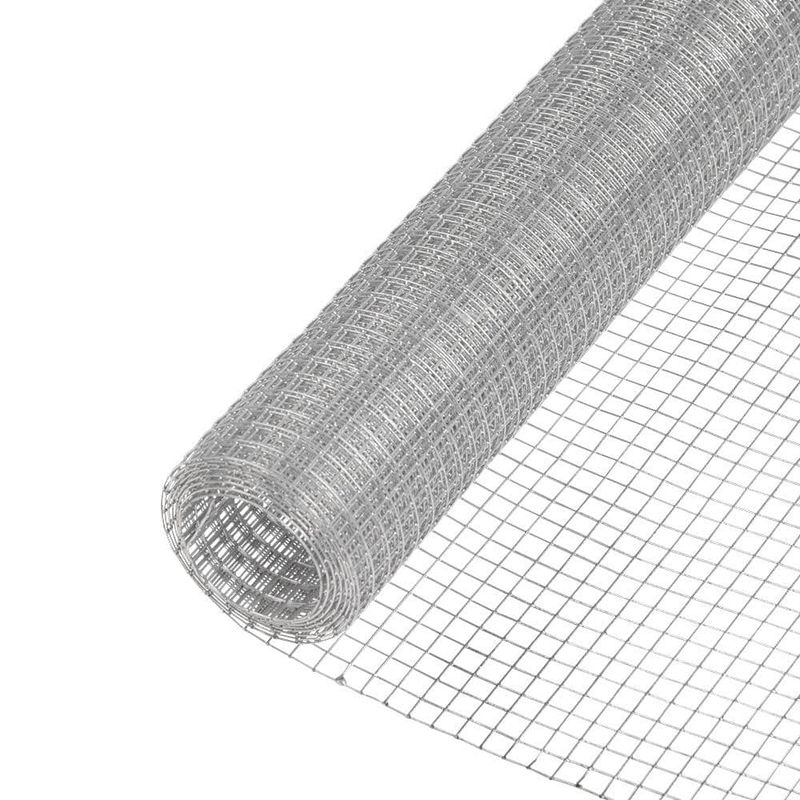
Lay a sheet of chicken wire or hardware cloth over the planted area right after you finish.
Pin the edges with garden staples or weigh them with heavy stones, then hide the wire under a thin layer of mulch.
The mesh lets your shoots push up in spring but blocks paws from digging down.
It is the closest thing to a guarantee on this list.
Depth helps too.
Most squirrels dig only near the surface, so setting tulip bulbs 6 to 8 inches deep tucks them below the usual foraging zone.
Combine wire and depth and you have handed even the boldest digger a genuinely locked door.
Just remember to leave gaps for the greenery to emerge.
8. Choose Bulbs Critters Simply Will Not Eat

Some bulbs come with their own built-in bodyguard, and planting them is the laziest, most reliable win of all.
Daffodils (Narcissus) carry toxic compounds that squirrels and chipmunks avoid, so they rarely get touched.
Alliums, cousins of onions and garlic, wear a pungent scent rodents dislike.
Interplant these among your tastier tulips and you build a natural fence into the bed itself.
The list of critter-resistant options runs long.
Hyacinths (Hyacinthus orientalis), fritillaria (Fritillaria imperialis), scilla (Scilla siberica), muscari (Muscari armeniacum), camassia (Camassia quamash), and leucojum (Leucojum aestivum) all tend to go ignored.
Scatter these unloved bulbs around and between your favorites.
A ring of daffodils around a tulip cluster can quietly guard the whole group.
No spraying, no reapplying, no washouts after rain.
It is protection you plant once and forget, which for a busy fall weekend is worth a lot.
9. What Else Actually Helps Keep Your Buried Treasures Safe
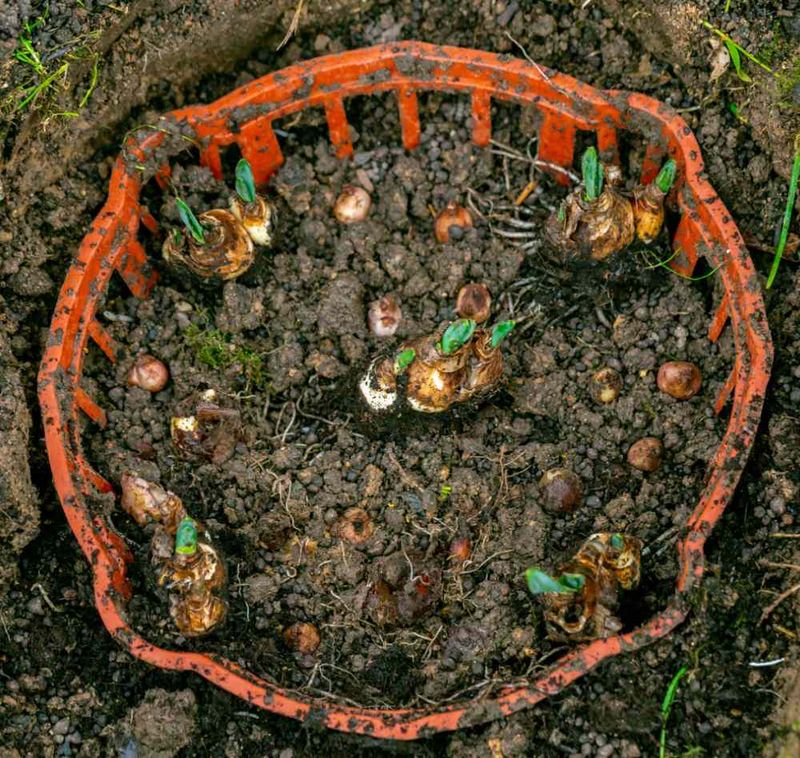
No single smell wins this fight alone, and the gardeners who succeed usually stack a few layers together.
Think of it as several small walls rather than one tall gate.
Beyond scents and wire, a couple of odd tricks earn their place.
Some folks scatter Irish Spring soap shavings around beds, and others mix a castor oil spray, roughly 1 to 2 tablespoons with water and a drop of dish soap, along the edges.
Blood meal can deter rodents too, though it may draw raccoons, so use it with care.
For regional timing, check your local Cooperative Extension office, since fall planting windows differ widely across the country.
Rotate your methods so critters never fully adjust, and reapply after rain, because that is when most defenses quietly fail.
Combine deep planting, resistant bulbs like daffodils, a scent or two, and hidden wire, and you tilt the odds far in your favor.
Come spring, you get to watch color rise from soil you defended, and that first bloom feels earned.