
The North Carolina Native Wildflowers That Beat Annuals In Summer Heat And Come Back Free Every Year
Follow us on Google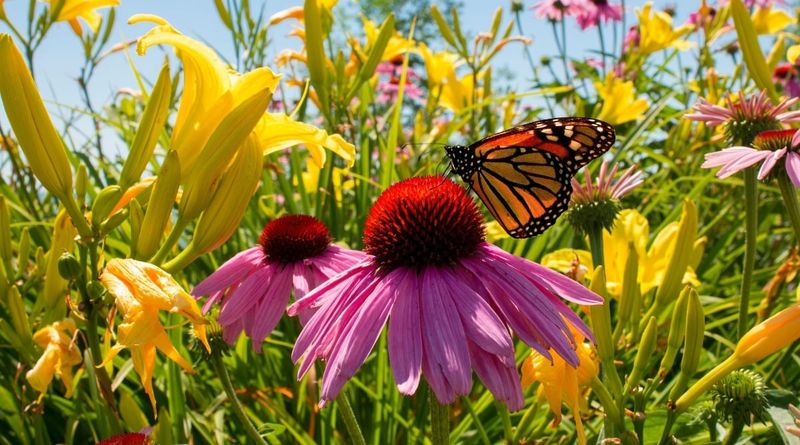
You drag your patio chair into the shade in late July, and the annuals you planted in spring look tired and crispy. The petunias have gone leggy, the impatiens quit, and you are already dreading the next water bill.
Here in North Carolina, chasing summer color with plants that hate our muggy heat is a losing game. But a handful of native wildflowers laugh at 90-degree days, feed the pollinators, and come back free every single year.
1. Purple Coneflower Is A Summer Garden Mainstay
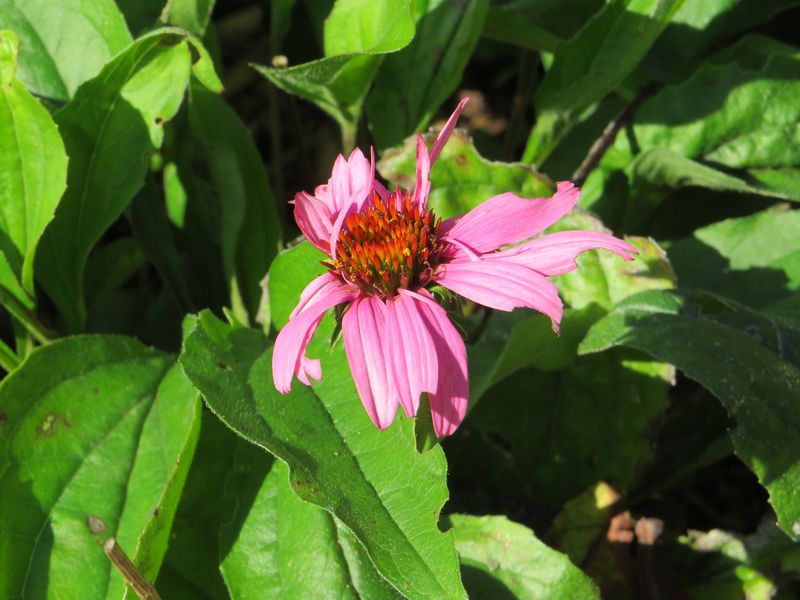
You have driven past purple coneflowers (Echinacea purpurea) standing tall in fields all over the Piedmont, holding their bloom while everything around them wilts. What most folks miss is how well this roadside beauty behaves in a home bed.
Here is the turn. Those daisy-like flowers look delicate, but the roots run deep, which makes the plant genuinely drought tough once it settles in.
After the first season you can back way off the hose.
Plant them 18 to 24 inches apart in full sun. They climb to 3 or 4 feet tall and bloom from early summer clear through mid-fall, a magnet for bees, butterflies, and even hummingbirds.
Japanese beetles may nibble, and powdery mildew can show up in our humidity, but good spacing and watering at the base help a lot. Leave the spent seed heads standing and goldfinches will work them all winter.
You get a second show for zero effort.
2. Black-Eyed Susans Offer Cheerful, Dependable Color
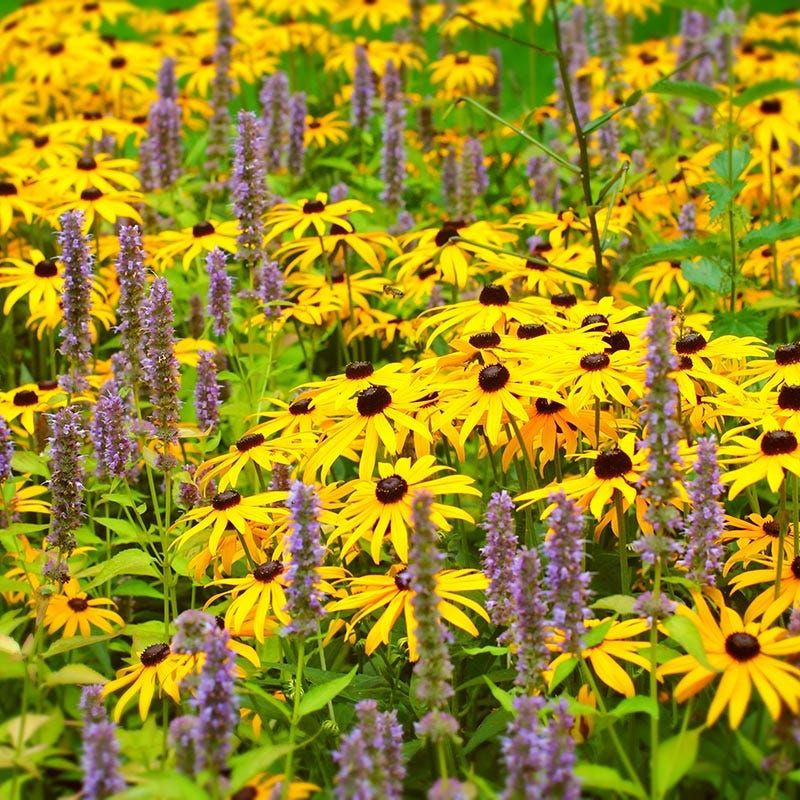
Those sunny golden faces you see along every open field and roadside in North Carolina are black-eyed Susans (Rudbeckia hirta), and they are far more than pretty.
The surprise is how little they ask. While annuals beg for daily pampering, these shrug off heat and humidity from the Sandhills to the mountains without blinking.
They may act like a short-lived perennial, but they self-seed freely, so new plants keep showing up on their own.
Set them 12 to 18 inches apart in full sun and well-drained soil, whether that is red clay or sandy coastal loam. Expect blooms 2 to 3 inches wide from early summer into fall, on plants 1 to 4 feet tall.
Bees and butterflies feast first, then birds work the seeds later. Snip spent blooms if you want to slow the spread.
Otherwise, let them run wild and enjoy the free abundance year after year.
3. Dense Blazing Star Brings Striking Vertical Interest
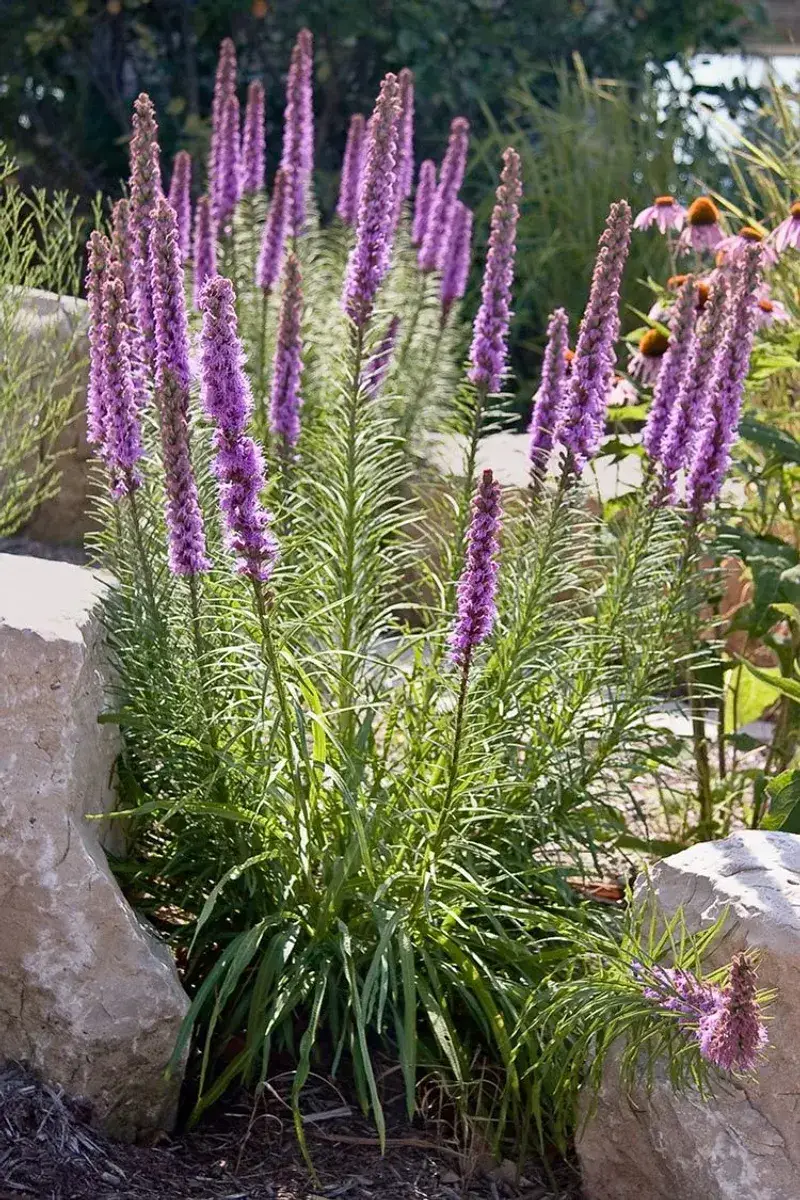
Walk past a patch of grassy-looking foliage in spring and you would never guess the fireworks it is planning. That is dense blazing star (Liatris spicata), a native that only truly wakes up when the summer heat rolls in.
Instead of sprawling, it sends up rigid spikes that add drama no annual can match. Come midsummer, bottle-brush blooms in pinkish-purple open from the top down along stalks that reach 3 to 6 feet tall.
What makes it a keeper in our climate is its patience with intense heat and humidity, plus real drought resistance once established. Plant them 12 to 15 inches apart in full sun and average, well-drained soil, common across the Coastal Plain and Piedmont.
Monarchs, other butterflies, and native bees swarm it. Leave the hollow stems standing through winter and you hand some native bees a nesting spot, while goldfinches clean out the seed heads.
Genuinely, it earns its keep twice over.
4. Butterfly Milkweed Feeds The Fall Monarchs
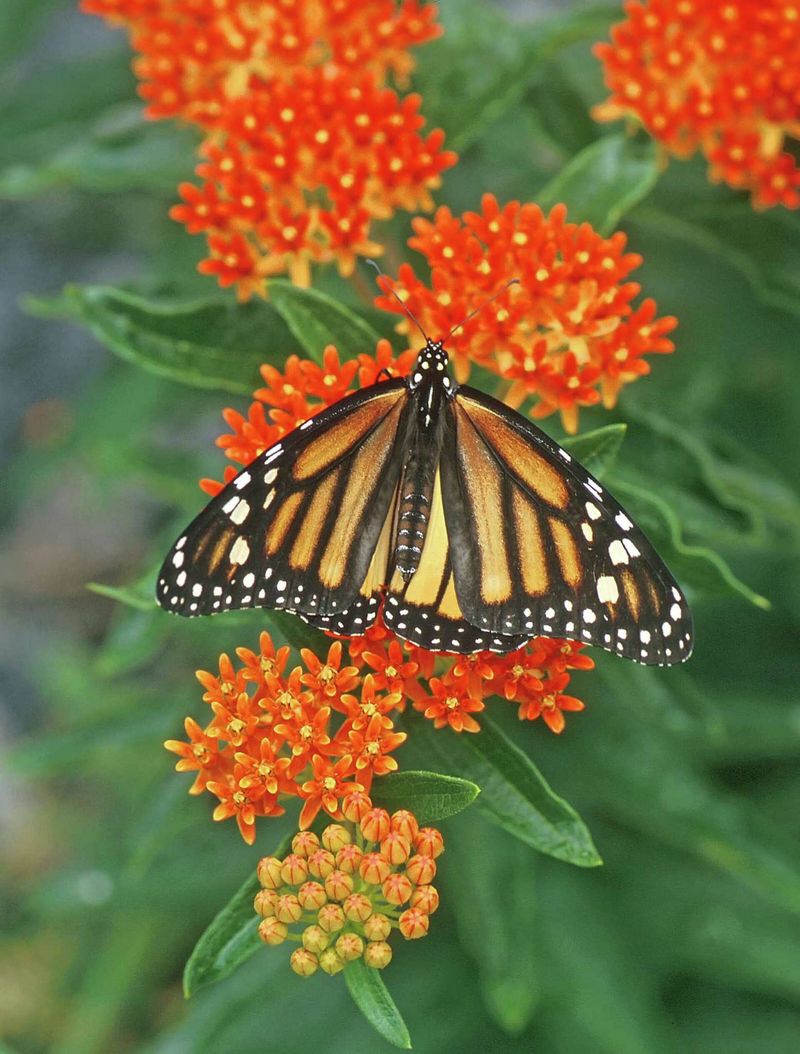
Blazing orange, almost neon against the July green, butterfly milkweed (Asclepias tuberosa) stops people mid-stroll. It is the native every North Carolina yard wanting monarchs should own.
The catch that trips folks up is soil. This milkweed hates wet feet and thrives in lean, sandy, fast-draining ground, which makes it a natural fit for the Coastal Plain and Sandhills.
Heavy red clay needs a scoop of compost or grit to loosen it up first.
Give each plant about 18 inches of space in full sun. It stays modest at 1 to 3 feet tall and blooms from early to late summer.
Do not fuss over it. A deep taproot means it resents being moved, so pick the spot once.
Monarch caterpillars eat milkweed leaves and nothing else, so this plant may help support the fall monarch migration that passes through our state. The flowers also draw a crowd of bees and butterflies all season.
You plant one hero and the whole yard comes alive.
5. Joe Pye Weed Handles The Wet Low Spots
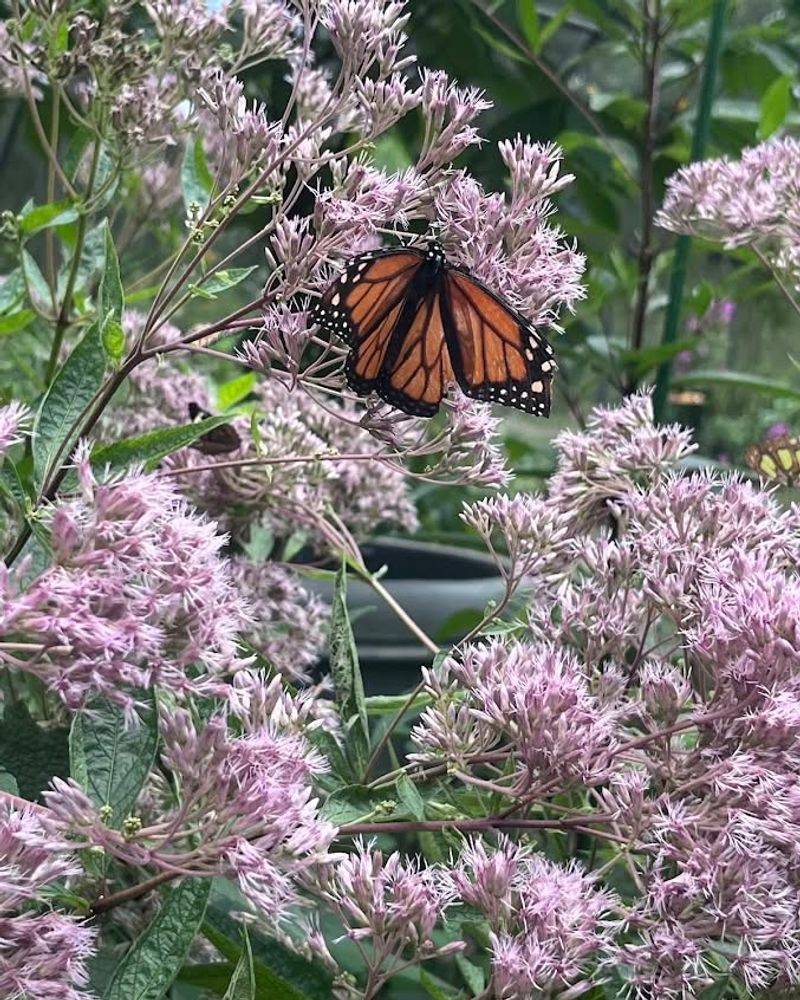
You know that soggy corner of the yard where nothing seems happy, the one that stays damp after every afternoon storm. Joe Pye weed (Eutrochium purpureum) treats that spot like a five-star resort.
Most heat-tough natives want dry ground, so this one flips the script. It actually prefers moist soil, making it the answer for low spots and rain garden edges across the Piedmont and mountains.
Do not plant it up front. This giant reaches 5 to 7 feet tall, so set it at the back of a border with 24 to 36 inches of elbow room.
Big mauve-pink flower domes open in late summer and hum with activity.
Swallowtails, monarchs, and native bees pile on. Leave the stalks up through winter for structure and bird food.
One plant fixes an eyesore and turns it into the busiest butterfly stop on the block.
6. Goldenrod Lights Up The Late Season
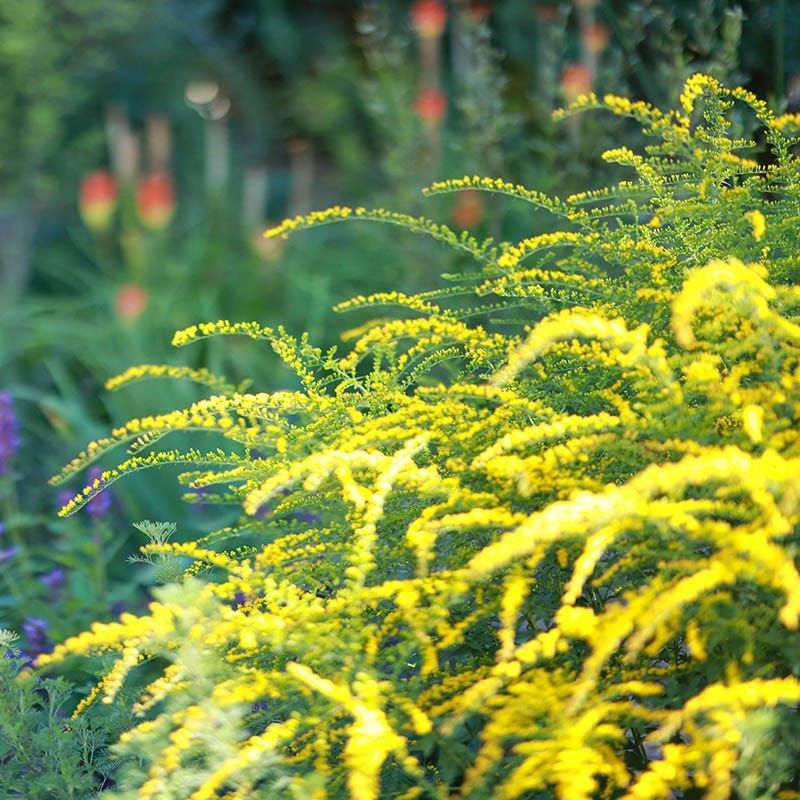
Goldenrod (Solidago rugosa) gets blamed for fall allergies it does not cause. That honor belongs to ragweed.
Meanwhile this native quietly becomes the last great buffet before winter.
When your summer bloomers start to fade in September, goldenrod erupts in golden plumes just as pollinators are desperate for one more meal. The timing is the whole point.
Choose a clumping variety like Solidago rugosa Fireworks to keep it from wandering, and give it 18 to 24 inches of space in full sun. It handles red clay, sandy soil, and drought once rooted, growing 3 to 4 feet tall.
Bees, butterflies, and countless tiny beneficial insects mob the blooms, and it may help support fall monarchs fueling up for their long trip south. NC State Extension notes goldenrod as one of the most valuable late-season pollinator plants.
Let the seed heads stand and songbirds finish the job.
7. Wild Bergamot Perfumes The Hummingbird Garden
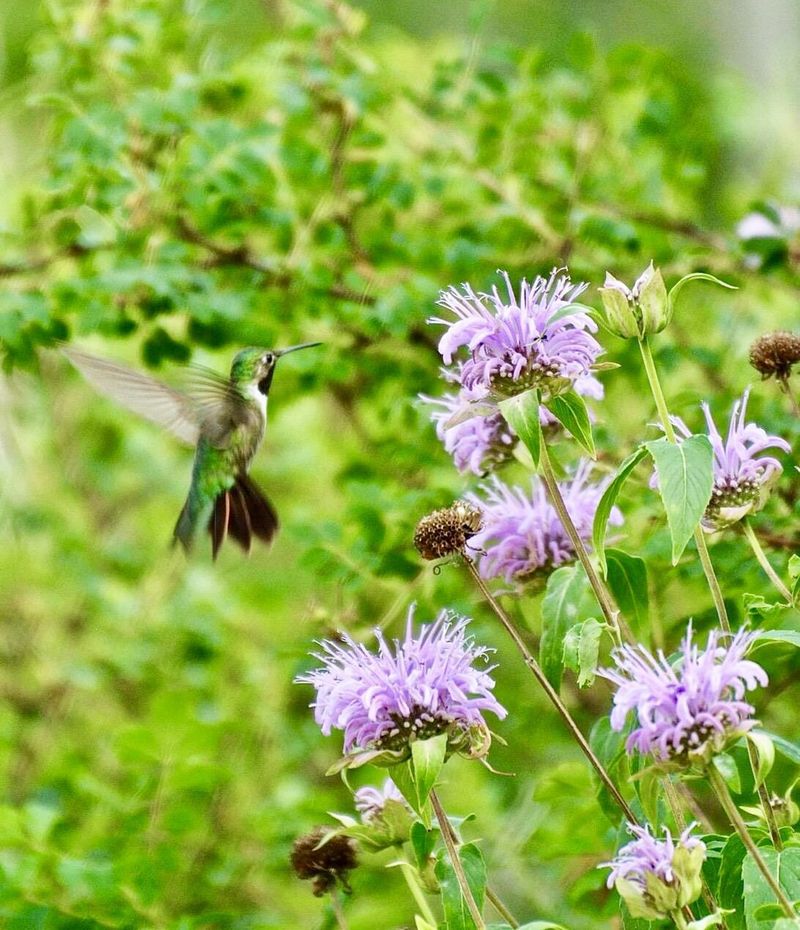
Crush a leaf of wild bergamot (Monarda fistulosa) between your fingers and you get a whiff of oregano and mint, which is why old-timers called it bee balm. The scent is a bonus.
The show is the reason to grow it.
Shaggy lavender-pink blooms crown 2 to 4 foot stems all through midsummer, and hummingbirds treat those tubular flowers like a fueling station. Bees and butterflies work the same patch nonstop.
Here is where it gets tricky. Bergamot can get powdery mildew in our sticky humidity, so give it room to breathe, about 18 to 24 inches apart, in full sun with morning airflow.
It is adaptable across the Piedmont and mountains, tolerating clay and short droughts once settled. Every spring it spreads a bit by runners, so you can dig and share clumps with a neighbor.
Free plants and a fragrant, buzzing corner, all from one purchase.
8. Coreopsis Blooms Nonstop On Almost Nothing
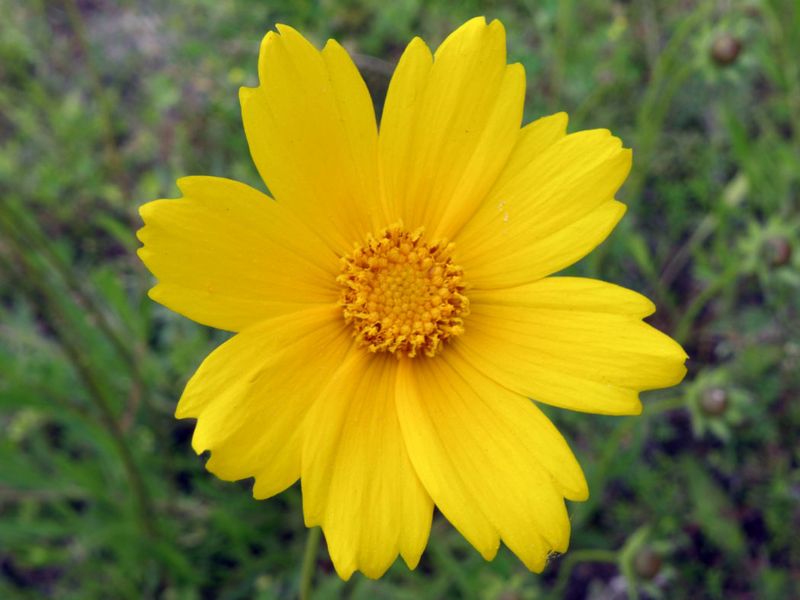
Some plants sulk in poor soil. Coreopsis (Coreopsis lanceolata) practically thrives on neglect, throwing golden daisies across ground where fussier flowers would give up.
Also called tickseed, this native is the plant for that hot, dry strip by the driveway or the sandy Coastal Plain bed nothing else likes. Rich soil actually makes it floppy, so lean and mean is the goal.
Space plants 12 to 18 inches apart in full sun. Expect a low, cheerful mound 1 to 2 feet tall covered in blooms from late spring into fall, especially if you shear off spent flowers to trigger a fresh round.
Small native bees and butterflies feed steadily, and finches raid the seeds later. It self-sows gently, filling gaps for free.
For the lowest-effort color on this whole list, tickseed genuinely wins.
9. Cardinal Flower Glows In The Shady Damp
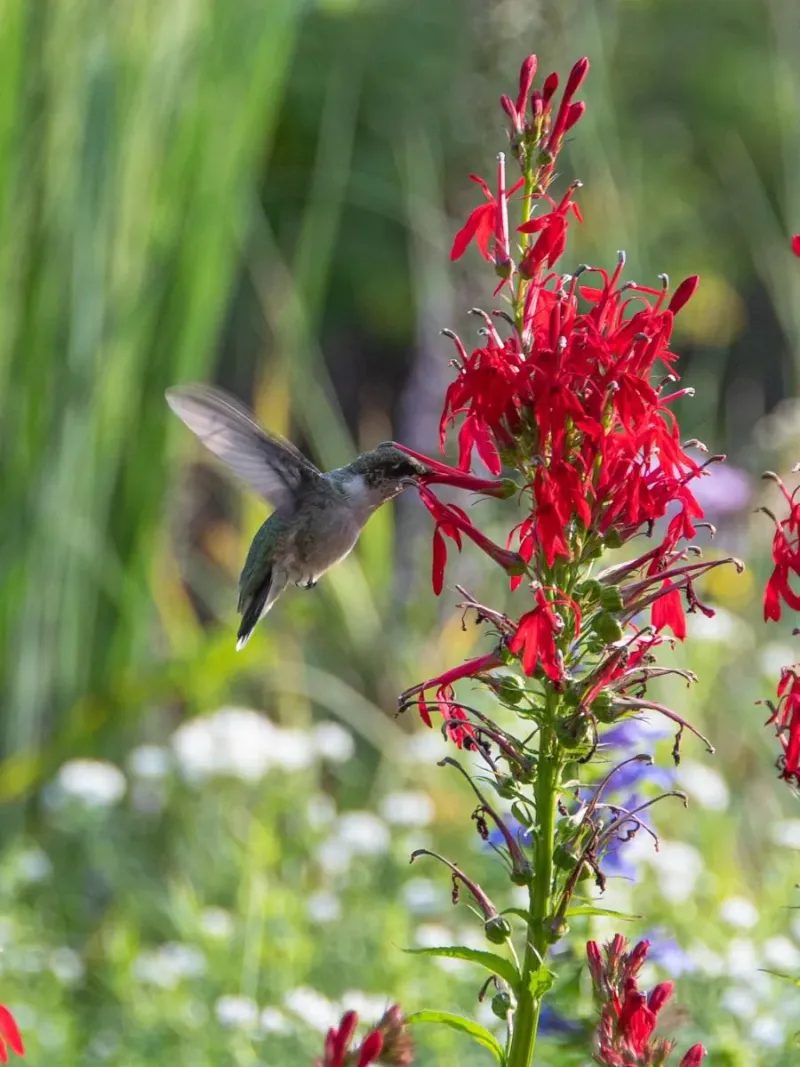
Nothing else in the native palette hits the pure fire-engine red of cardinal flower (Lobelia cardinalis). Set it against green shade and it practically glows.
Most sun-loving natives cannot help you in a shady, wet corner. This one solves exactly that problem.
It wants moist soil and part shade, thriving along stream edges and damp mountain and Piedmont spots where the ground stays cool.
Plant it 12 to 18 inches apart and keep the soil from drying out, especially through our hot August stretches. Scarlet spikes rise 2 to 4 feet tall from mid to late summer, timed right when hummingbirds are bulking up.
Those tubular red flowers are built for hummingbird beaks, and the birds defend them fiercely. It can be short-lived, but it self-seeds if you leave the ground undisturbed.
One damp shady spot becomes the best hummingbird theater in the yard.
10. What Else Actually Helps Your Garden Beat The Heat
Picking these tough natives is most of the battle, but a few small moves make your North Carolina beds even more storm-proof. Think of the garden as a stack of layers, each one holding up the next.
Start underground. Our soils range from heavy red clay to loose Coastal Plain sand, and both improve with a generous helping of compost.
It opens up clay for drainage and helps sand hang onto moisture longer.
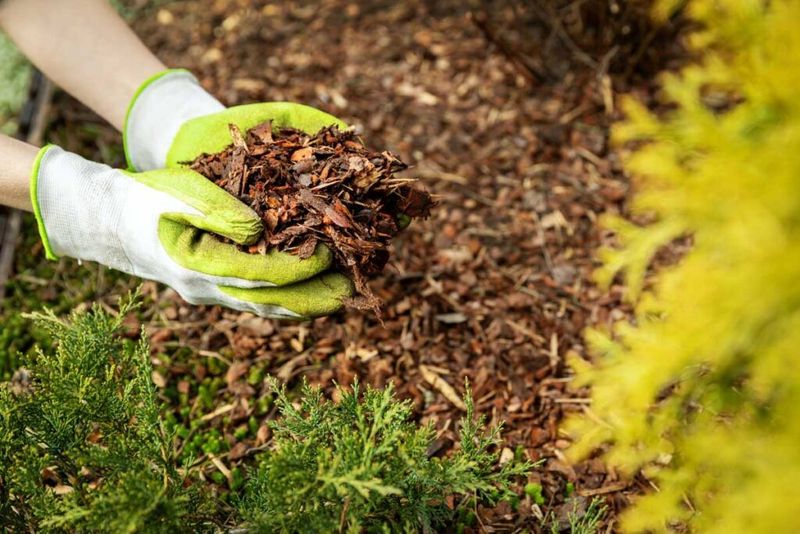
Lay 2 to 3 inches of pine bark, shredded leaves, or straw around plants. That blanket keeps roots cooler, cuts evaporation, and smothers weeds, so you water less and worry less.
Our afternoon thunderstorms look generous but often run right off compacted ground. A slow, deep soak a couple times a week during dry spells beats a daily sprinkle every time.
Group plants by water need so nobody drowns or starves.
Watch where the sun lands hardest and where shade falls, then match each native to the spot that mimics its wild home. Do that, and you will spend late July admiring your beds from that shady patio chair, water bill low, yard humming, feeling genuinely proud.