
This Is Why Fireflies Still Skip Some North Carolina Yards After Dark
Follow us on Google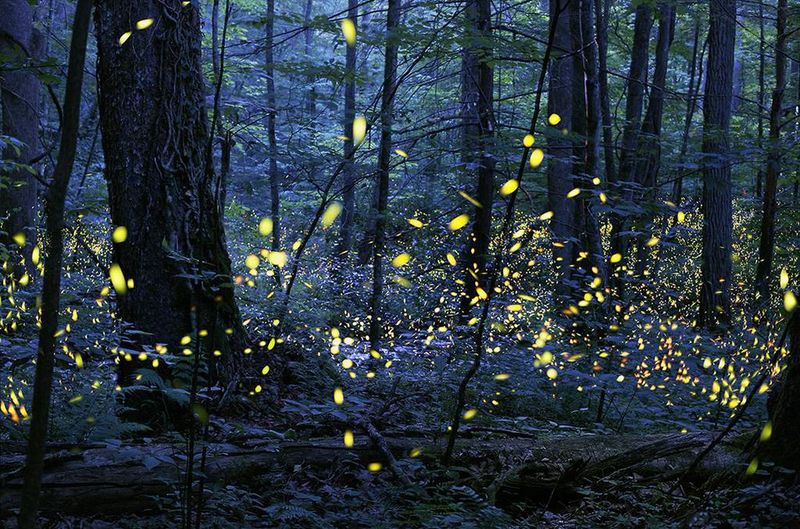
Walk out to your back porch on a warm June evening in North Carolina, and you might notice something missing: the slow green pulses drifting up from the grass that used to make summer feel like summer.
Some yards along the same street light up every night, while others stay dark.
The difference usually comes down to a handful of fixable conditions, and the first one worth checking is closer than you think.
Start With the Lights You Can Change
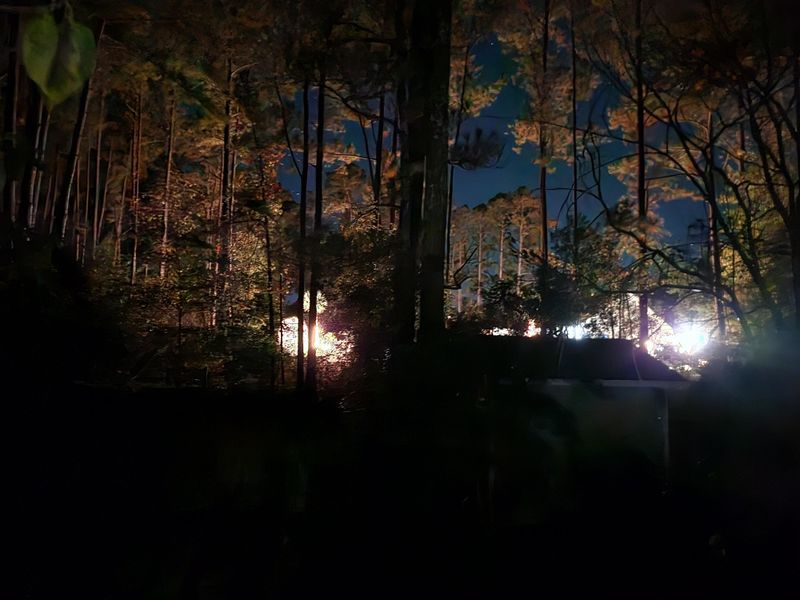
Stand in your yard after sunset tonight and count every light source aimed toward a treeline, a shrubby edge, a stream bank, or an open grassy patch.
Porch lights, flood lights, deck string lights, pathway fixtures, and motion-activated security lights can all wash over the exact spots where fireflies need darkness to do their most important work.
That wash of light is worth checking before you assume something more complicated is wrong.
A quick note on the title: no single yard condition explains why every North Carolina homeowner sees fewer fireflies than they expected.
Absence is a clue worth investigating, not a verdict about one particular mistake you made.
Artificial light is one important and genuinely actionable place to start, because NC State entomologist Gareth Powell and other researchers have connected bright outdoor lighting to disrupted firefly behavior, particularly near habitat edges where flashing beetles look for mates.
The nighttime audit itself takes about fifteen minutes.
Go outside at least thirty minutes after full dark, between roughly 9 p.m. and 11 p.m. on a warm, calm evening above about 65 degrees Fahrenheit.
Note every fixture that throws light toward natural cover.
Write down which ones stay on all night versus which ones could run on a timer or a motion sensor instead.
You are not trying to plunge the yard into total darkness.
You are looking for lights that are genuinely unnecessary after the household is settled indoors.
Turning off one bright flood light aimed at a wooded corner costs nothing and takes ten seconds, and it is a reasonable first step before making any bigger changes to the landscape.
Darkness Helps Some Fireflies Communicate
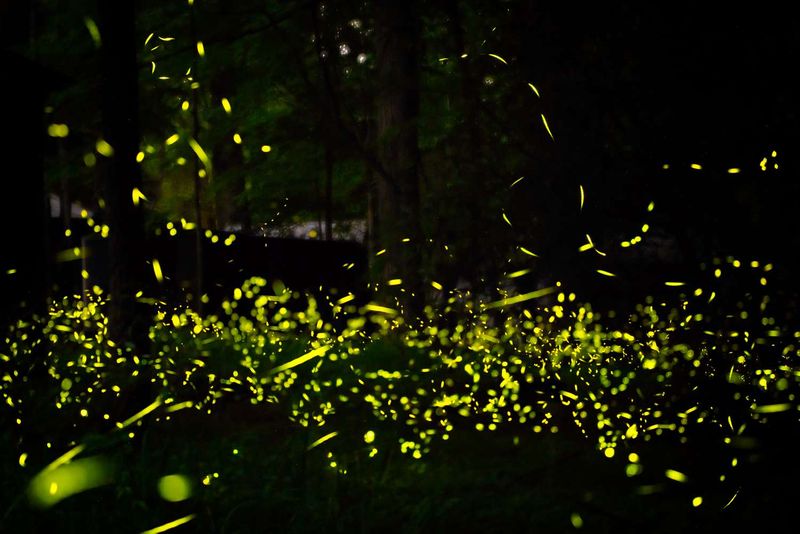
Fireflies are beetles, and the flash you see on a summer night is a precisely timed reproductive signal.
Males of most flashing species fly low and pulse in a pattern specific to their kind, while females perched in vegetation watch and respond with their own answering flash.
That back-and-forth is how a mate gets found, and it depends on contrast between the beetle’s light and the surrounding darkness.
Artificial light does not automatically kill every firefly in a yard, but a peer-reviewed study on artificial light and firefly mate success found that light can suppress courtship behavior and reduce mating activity in some species, with effects that were not identical across every species tested.
That distinction matters: the concern is behavioral interference with signaling and courtship under certain lighting conditions, not a guarantee that any porch light drives away every firefly on the block.
A separate line of research on nocturnal insects more broadly has found similar patterns, with light altering movement, orientation, and reproductive behavior in ways that vary by species and light intensity.
The practical takeaway for a Piedmont or Coastal Plain yard is straightforward.
Turn off unnecessary outdoor lights during peak firefly activity, roughly from late May through July in most of North Carolina, especially lights facing wooded edges, open fields, or stream corridors.
When safety lighting genuinely cannot be turned off, there are still good options.
Shield the fixture so light falls only on the path or step it needs to cover.
Aim it downward rather than outward.
Put it on a motion sensor so it stays dark most of the night.
These adjustments cost very little and give the darker corners of your yard a better chance of supporting whatever species might already be living nearby.
A Dark Yard Still Needs Living Ground

Switching off the flood light is a good start, but a dark yard with bare, dry, compacted soil is still an empty yard for fireflies.
The larvae, which are the stage that actually spends the most time in your landscape, live underground and in the layer of decomposing leaves sitting on top of the soil.
They hunt snails, slugs, and other small soft-bodied organisms, and they need moist, undisturbed ground to do it.
NC State Extension notes that firefly larvae depend on leaf litter where snails and slugs are common, making that layer of fallen leaves far more than yard debris.
In the Sandhills and sandy Coastal Plain, where soil dries out faster than in the Piedmont’s clay-heavy ground, keeping that organic layer intact matters even more.
Without it, larvae have nowhere to hunt and nowhere to shelter through the dry spells that hit North Carolina every summer.
North Carolina is home to about 35 currently known firefly species, and they do not all want the same thing.
Some species favor open fields and meadow edges.
Others live in dense woods, along creek banks, or in low shrubby vegetation.
A few spend most of their adult lives up in the tree canopy, which means you might actually have fireflies overhead that you never notice from a lawn chair.
Absence of visible flashes in one part of the yard is not proof that no fireflies are present at all.
After you have looked at your lights, walk the yard in daylight and ask what the ground layer looks like.
Is there any leaf litter under the shrubs or along the back fence?
Is the soil near the treeline damp after rain, or does it dry out within a day?
Is there tall vegetation anywhere, or does every inch get mowed tight?
Those questions will tell you more about your yard’s firefly potential than almost anything else.
Build One Manageable Habitat Corner

Nobody is asking you to let the whole yard go wild.
The goal is one intentional corner, maybe a ten-by-ten-foot patch beneath an existing oak or dogwood (Cornus florida), along the back fence, or at the edge where your lawn meets a neighbor’s treeline.
That small area can do a lot of work without making the yard feel neglected or unsafe.
Start by stopping the leaf blower in that one spot.
Let fallen leaves accumulate under shrubs or at the base of trees rather than hauling them to the curb.
Add a few clumps of native grass or low native shrubs if the area is bare.
NC State Extension recommends native plants and a natural area with leaf litter and vegetation as the foundation of firefly-friendly habitat, not a single magic plant, but a combination of cover, moisture, and reduced disturbance working together.
University of Florida Extension similarly advises letting yard edges become slightly shrubby and using vegetation that shades the soil, which helps it hold moisture longer between North Carolina’s summer storms.
No individual plant species is proven to attract fireflies on its own, so skip the idea that planting one patch of milkweed or goldenrod (Solidago spp.) will immediately bring beetles back.
What those natives do provide is structure, shade, and a more stable soil surface that supports the whole community of small organisms firefly larvae need to eat.
For the mowed portions of the yard, University of New Hampshire Extension suggests mowing at approximately 3.5 to 4 inches where the grass type and site conditions allow, and removing no more than one-third of the blade at a time.
That is general lawn guidance rather than a North Carolina firefly rule, so adjust for your specific turf and soil.
The point is simply that a tightly scalped lawn offers very little shelter for any ground-dwelling insect, and giving the grass a little more height in the habitat zone costs you almost nothing.
Keep Habitat Compatible With Daily Life
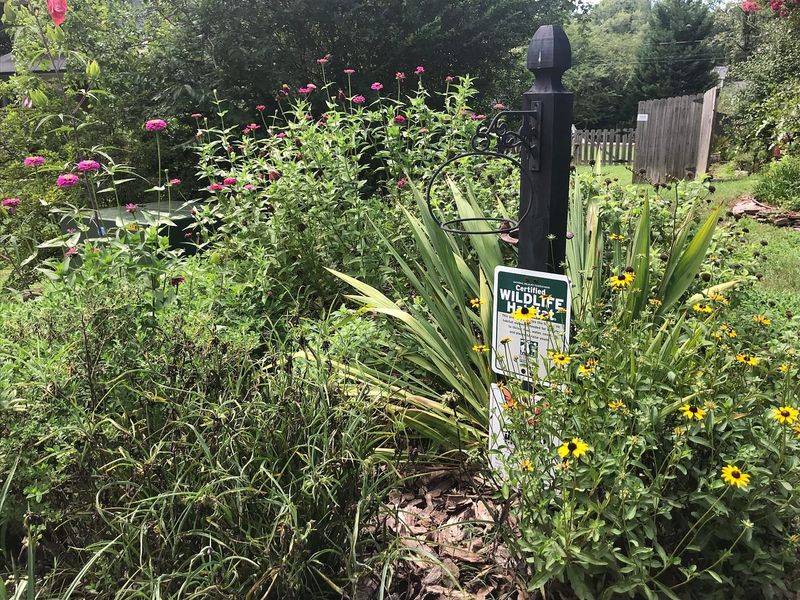
One reason people hesitate to try any of this is the image of a yard that looks abandoned.
That is not the target here.
The yard still needs to work for cookouts, kids, dogs, and the neighbor who stops by unannounced.
A habitat corner and a functional family yard are not opposites, they just need clear edges.
Keep all paths, play surfaces, seating areas, HVAC equipment clearance zones, roof gutters, and drainage routes maintained exactly as you normally would.
Leaf litter belongs in the defined habitat zone, not in gutters, not across the walkway to the back gate, and not piled against the foundation.
NC State Extension’s firefly guidance is clear that a tidy, intentional approach to habitat works better than simply stopping yard care in random patches.
On the lighting side, the same principles from earlier apply to safety fixtures specifically.
Shield porch and step lights so they illuminate only what they need to cover.
Aim flood lights downward toward pavement rather than outward toward the yard.
Use timers to turn off perimeter lights by 10 p.m. or 11 p.m. when the household is in for the night.
Motion sensors mean a light comes on when you actually need it and stays dark the rest of the time.
Firefly-friendly landscaping does not automatically reduce mosquitoes, and pretending otherwise would be misleading.
Tall vegetation and damp leaf litter are genuinely good for firefly larvae and genuinely worth managing carefully around family spaces.
CDC guidance on mosquito control at home recommends emptying, scrubbing, covering, turning over, or discarding any container that holds water at least once a week.
That practice runs alongside the habitat work, not against it.
A yard can have a living corner and still be a place where you want to sit outside after dark.
Season, Weather, and Species Change What You See
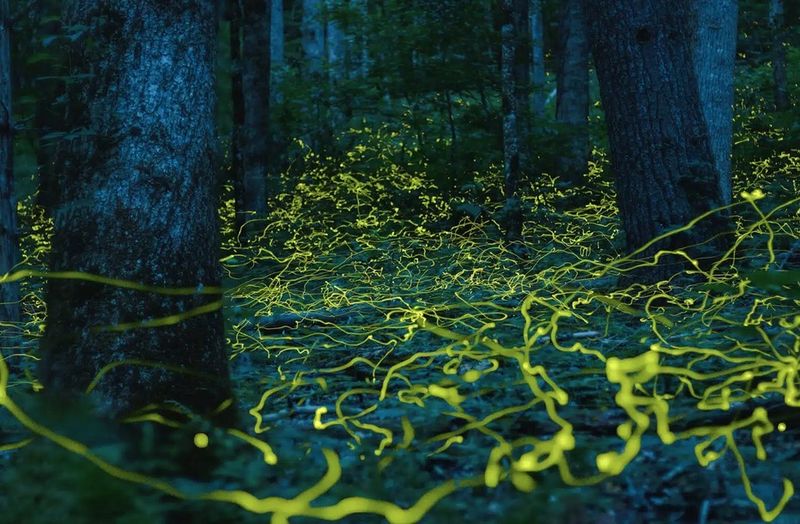
Many mountain and Piedmont homeowners make habitat changes in early summer and then feel discouraged when a quiet July evening produces no flashes.
Before concluding the changes did not work, it helps to understand how much variation is normal, because firefly activity shifts constantly with species, temperature, rainfall, and time of night.
Adult fireflies in North Carolina are generally most active from late May through July, though the exact window shifts by species and elevation.
A cool, rainy stretch can push activity back by days.
Drought can reduce numbers significantly in dry years.
And the timing within a single evening matters more than most people expect, with peak flashing often occurring in a window of thirty to ninety minutes right after dark rather than throughout the whole night.
NC State Extension’s science of fireflies resource explains that adult fireflies commonly live only about two to three weeks, while larvae may spend one to two years developing underground before emerging, with variation among species.
That means the fireflies you see this June started their larval lives in your yard one or two summers ago.
A habitat change you make this fall might not show up as more visible adults until the summer after next, which is a genuinely long feedback loop for a homeowner hoping to see results.
Some firefly species produce a steady glow rather than distinct flashes, and some adults do not produce visible light at all.
A yard that looks dark to someone watching for flashing beetles might actually have fireflies present in the canopy or moving low through the grass in ways that are easy to miss.
Go out on multiple evenings, at different times, and in different parts of the yard before deciding the habitat is not working.
Reduce Chemical and Water-Related Risks

Pesticides are a real concern for firefly habitat, but the picture is more complicated than “spray nothing.” A peer-reviewed review on firefly diversity and conservation threats identifies pesticide exposure, habitat degradation, and loss of prey as important concerns, while also noting that effects differ among species and life stages.
Broad-spectrum insecticides applied routinely across the lawn can reduce the snails, slugs, and other small organisms that firefly larvae depend on, even when the label does not mention fireflies specifically.
The practical rule is to identify the pest before reaching for any product.
Use the least disruptive effective treatment, apply it only where the problem actually exists, and read the complete product label before opening the container.
EPA guidance on reading pesticide labels is clear that natural and organic products are not automatically harmless to non-target organisms, children, or pets.
Reentry intervals, environmental warnings, and application rates exist for a reason, and skipping them creates real risks regardless of whether the product is synthetic or plant-derived.
Water is a trickier subject than it first appears.
Some firefly species do use wet habitats, and moisture in the soil genuinely matters for larvae.
But leaving buckets, saucers, plant trays, kiddie pools, or any other container of stagnant water sitting around is not a firefly strategy, it is a mosquito nursery.
CDC mosquito control guidance recommends emptying, scrubbing, covering, turning over, or discarding water-holding containers at least once a week.
A properly maintained water garden or slow-moving water feature can be compatible with a wildlife-friendly yard, but it needs to be designed and managed with mosquito prevention in mind from the start.
Darker nights and a lightly managed, moist ground layer can genuinely improve conditions for fireflies in a North Carolina yard.
That is a real and worthwhile outcome, even if it does not come with a guarantee.
A yard that holds a little more life in its edges is already a different place than it was before.