
These Underused Native Pennsylvania Trees Were Made For The Front Yard Everyone Ignores
Follow us on Google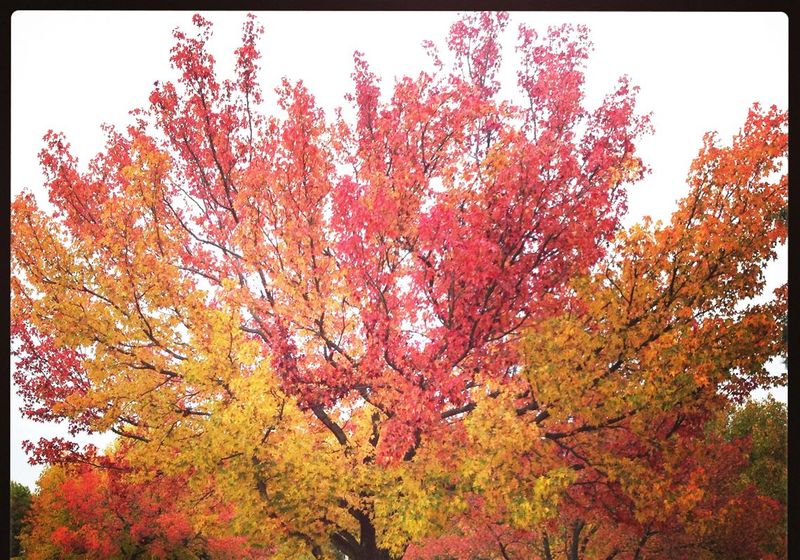
You step into the yard on a damp October morning, a chill clinging to the air, and find yourself staring at that tired old shrub by the porch.
The muted browns do not capture the autumn Pennsylvania is famous for, and you wonder if something better exists.
Many homeowners feel stuck between wanting beauty and dreading endless upkeep.
Good news waits below.
There is a whole world of native trees, quiet heroes built for our soils and weather, that most people walk right past every single day.
1. The Humble Serviceberry Hides A Burst Of Spring
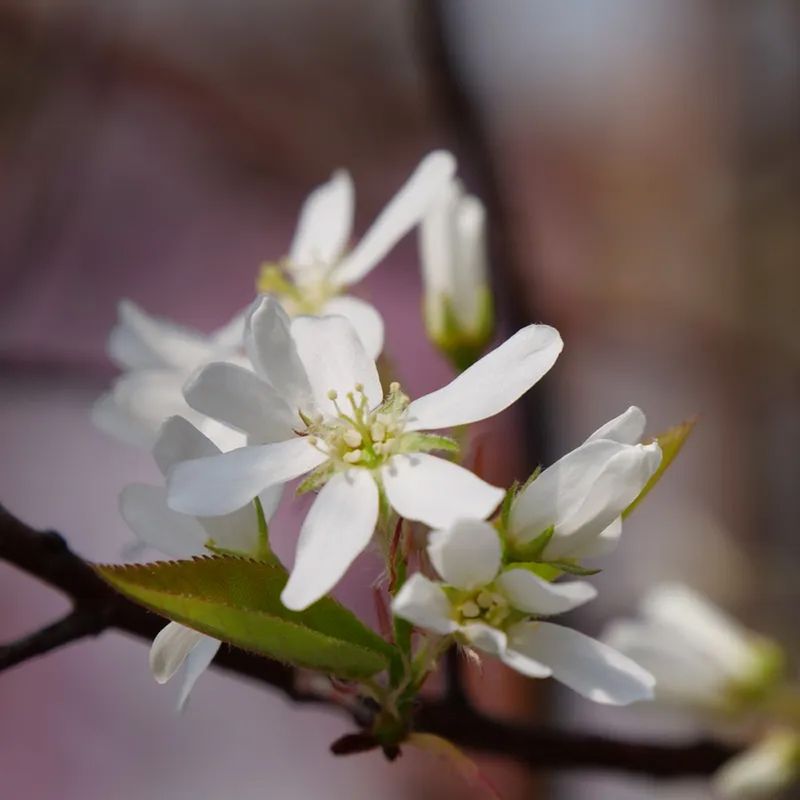
You might walk right past a serviceberry, or Amelanchier canadensis, thinking it just another small tree.
But early each spring, often while snow still lingers in shaded spots, it bursts into a cloud of delicate white flowers.
Those blooms feed bees and other pollinators waking hungry across the Allegheny Plateau and central valleys.
Here is where it gets tricky.
Many gardeners grab non-native ornamental pears instead, which bring disease and weak, splitting branches.
The serviceberry stays tough.
It handles heavy clay in southeastern Pennsylvania and rocky glacial soil in the northern tier, growing 15 to 30 feet tall in full sun to part shade.
After the flowers fade, sweet blueberry-like fruits ripen in early summer, a treat for you and a feast for migrating birds.
Come autumn, the leaves blaze red and orange.
Plant it in well-drained soil and water it consistently for the first two years, about an inch per week during dry spells.
Once established, it genuinely asks for almost nothing.
Just keep it away from eastern red cedars to avoid cedar apple rust, which is mostly cosmetic anyway.
It is a low-maintenance superstar most neighbors have never even met.
2. Eastern Redbud Lights Up Early Spring
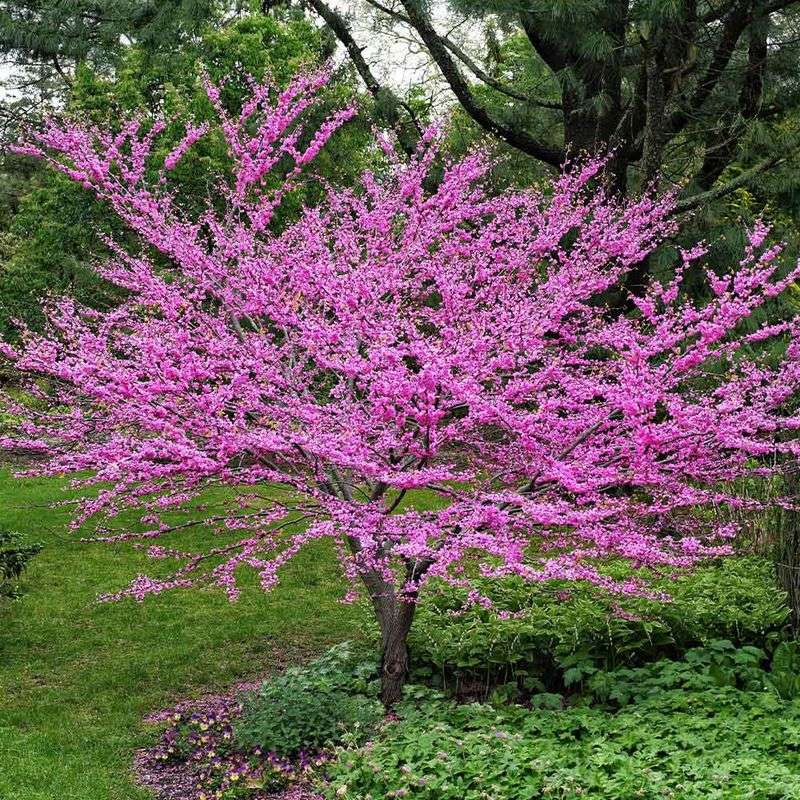
Picture standing on your porch one mild March afternoon, weary of winter’s grays, when a splash of rosy-pink appears right on bare branches.
That is the Eastern Redbud, Cercis canadensis, painting color where you least expect it.
People assume such brilliant color only comes from fussy exotic trees.
But this native thrives in Pennsylvania soil with little drama.
Its pea-like blossoms feed bees and butterflies emerging hungry from winter, and its heart-shaped leaves turn soft yellow in fall.
The redbud grows 20 to 30 feet tall and wide, forming a graceful, often multi-stemmed shape that fits most front yards.
It prefers full sun to part shade and adapts from the warmer urban pockets of Philadelphia to the cooler central valleys.
Plant it away from heavy road salt if you live near a busy street, since it can be sensitive.
Dig a hole twice as wide as the root ball and keep the root flare at ground level.
Water deeply after planting and stay consistent through the first year, especially in dry stretches.
You will genuinely feel proud watching it usher in spring.
3. White Fringetree Offers Delicate Late Spring Drama
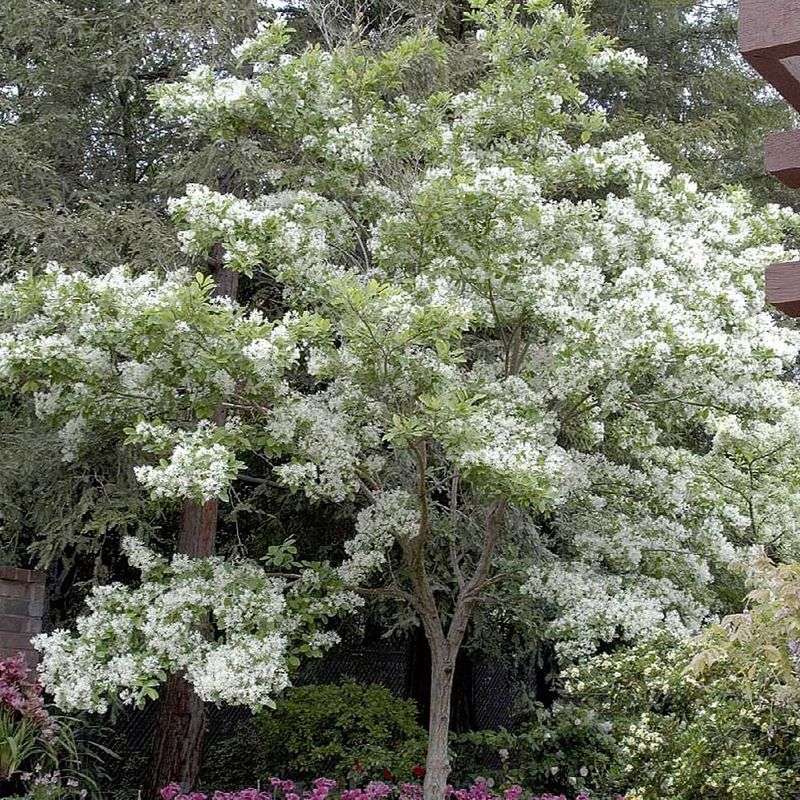
Frothy white flowers cascading like snow in late spring, long after other bloomers quit.
That is the White Fringetree, Chionanthus virginicus, a genuinely underused native that earns its poetic nickname, old man’s beard.
Many of us crave visual drama without a tree that swallows the whole yard.
This slow grower fits the bill perfectly.
It adds only about 6 to 10 inches per year and tops out around 12 to 20 feet, so it will not outgrow a small front yard or an entryway spot.
Dark blue, olive-like fruits ripen in autumn and feed birds, while the leaves turn cheerful yellow.
Penn State Extension highlights its charm for home gardens, and it stays largely disease-free once settled.
Plant it in moist, rich, acidic soil, though it tolerates some drought and shade from the humid Delaware Valley to the cooler Poconos.
Give it supplemental water during long dry spells in its early years.
Very dry conditions can invite scale insects, so keep the roots comfortable.
It brings a quiet elegance that actually turns heads without demanding your weekends.
4. Sourwood Delivers Unexpected Summer Blooms And Fiery Fall Color
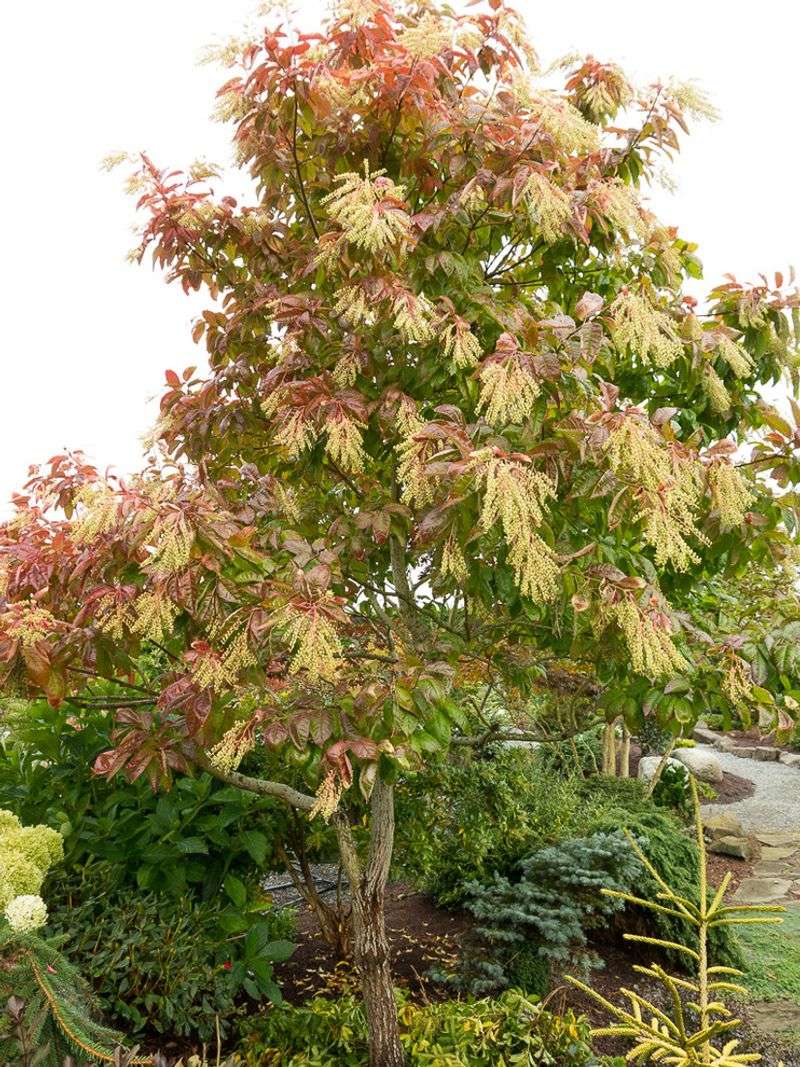
Summer is not when most people expect a flowering tree.
Sourwood, Oxydendrum arboreum, ignores that rule entirely.
In mid to late summer, when other trees have finished, it unfurls delicate, lily-of-the-valley-like white flowers.
Those bell-shaped blooms feed pollinators, especially honey bees, and produce the prized sourwood honey.
You might catch a gentle hum around it on a warm August afternoon.
Then autumn arrives, and the glossy green leaves turn scarlet and burgundy, often longer-lasting and more intense than many maples.
Sourwood grows slowly to moderately, reaching 25 to 30 feet tall with a 20 to 25 foot spread, a well-behaved size for a front yard.
Its twisted branches and furrowed bark add winter interest, and it resists deer browsing, a real relief for Pennsylvania gardeners tired of nibbled trees.
Plant it in moist, acidic, well-drained soil, echoing its home in the Appalachian foothills.
It flowers and colors best in full sun.
Give it about an inch of water weekly through its first few seasons, then it handles drought well.
With a lifespan of 100 to 200 years, this is genuinely a legacy tree you plant for the grandkids.
5. Black Gum Offers Unrivaled Fall Color And Year-Round Interest
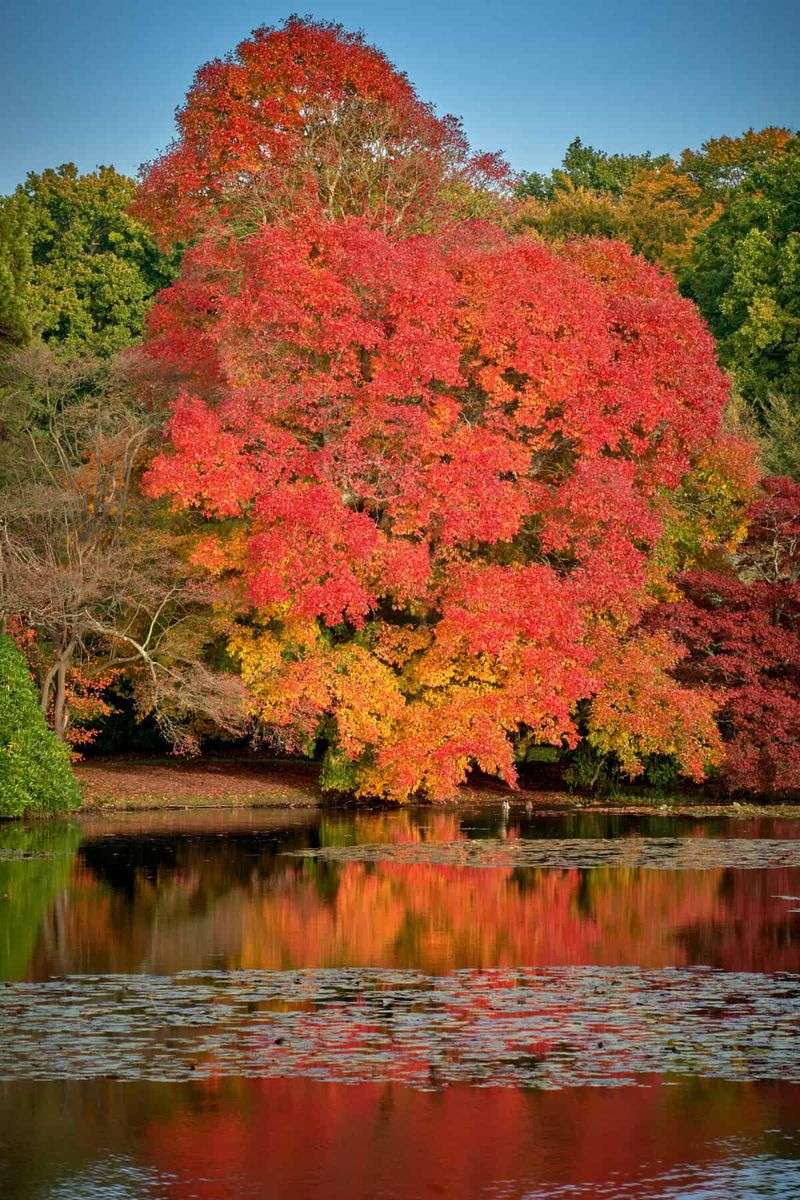
Some trees demand almost nothing and still steal the whole autumn show.
The Black Gum, Nyssa sylvatica, also called black tupelo, is exactly that kind of quiet hero.
It goes unnoticed all year until its leaves erupt into scarlet, orange, purple, and yellow, sometimes all on one tree.
Beyond that display, it holds a stately shape with a straight trunk and horizontal branching.
The bark develops a distinctive ridged, alligator-hide texture that carries the eye through winter.
Small spring flowers feed bees, and the dark blue fruits that follow are a critical fuel stop for birds during fall migration.
That makes Black Gum a strong pick for supporting wildlife across Pennsylvania.
It is remarkably adaptable, handling wet and dry ground, sandy to heavy clay, and even some salt spray near the Lake Erie shore.
Plant it in full sun to partial shade in moist, acidic soil, though it forgives a lot once established.
Water thoroughly through the first year, keeping soil moist but not soggy.
Its slow growth to 30 to 50 feet means it will not overwhelm your space.
This long-lived tree genuinely rewards patience with beauty and calm.
6. American Hornbeam Provides Rugged Charm And Fine-Textured Beauty
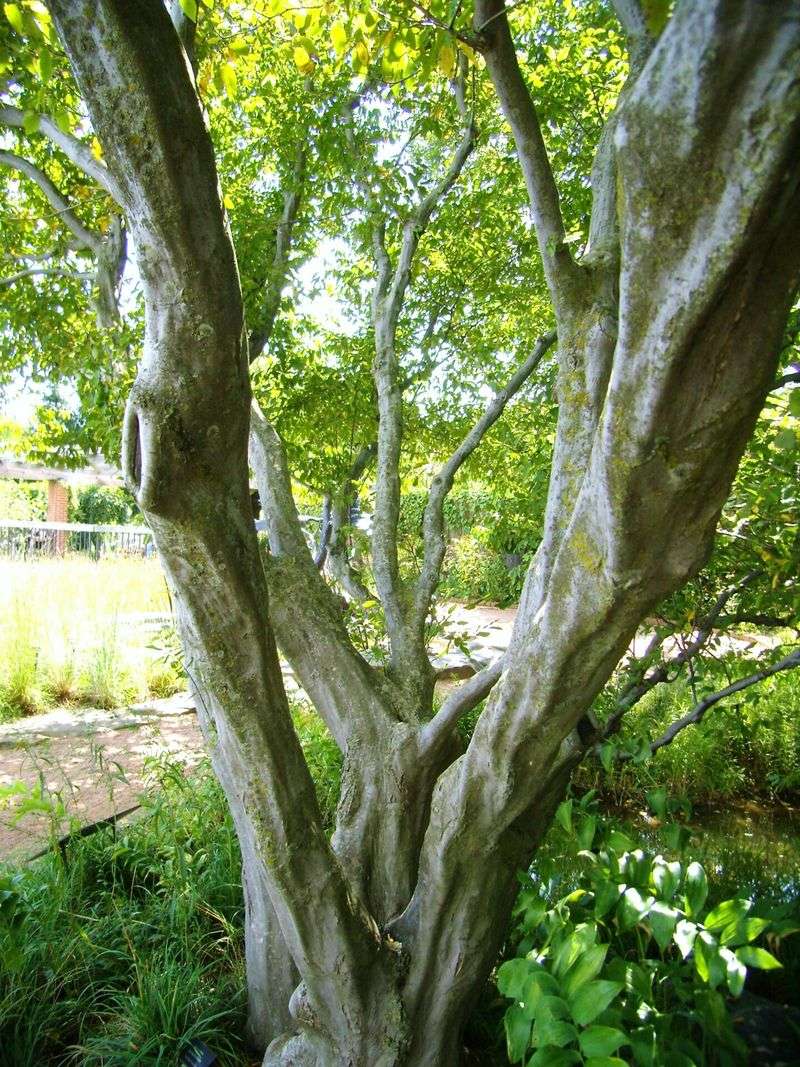
People believe a tough, low-maintenance tree has to be plain.
The American Hornbeam, Carpinus caroliniana, proves that wrong.
Nicknamed Musclewood for its smooth, bluish-gray bark that looks sinewy and flexed, it brings rugged character all year, especially once the leaves drop.
Growth is slow, roughly 8 to 10 feet over 10 years, reaching a mature 20 to 30 feet.
That manageable size makes it ideal for smaller spaces or tucked beneath larger shade trees, where it thrives even in dense shade.
It handles full sun too.
The hard, dense wood gives it real resilience against Pennsylvania storms and ice.
In autumn, the serrated leaves shift to yellow, orange, and red for a warm glow.
Its nutlets and buds feed songbirds and small mammals, and its foliage supports around 68 species of caterpillars, quietly holding up the local food web.
Plant it in acidic, organically rich, well-drained soil with medium moisture.
It tolerates some dryness once established but dislikes prolonged drought, heat, and compacted ground.
A ring of mulch helps hold moisture in.
This tree asks for little and gives texture, color, and life in return.
7. Pawpaw Grows Tropical Fruit In A Cold Climate
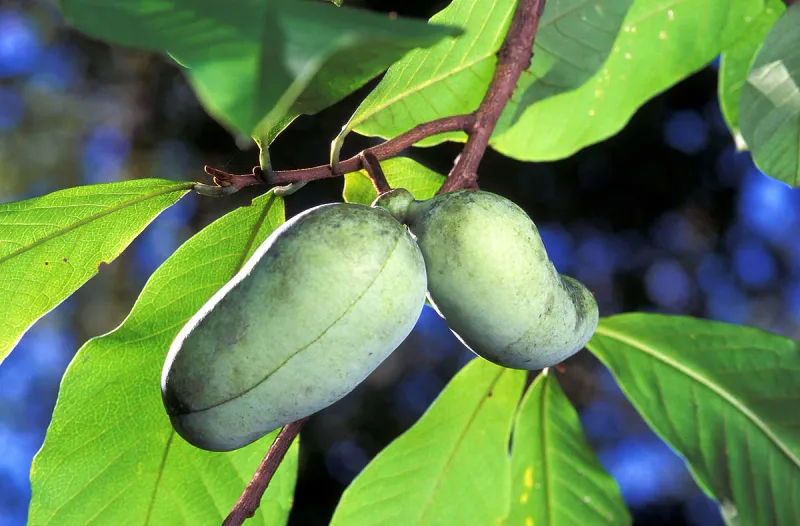
A tree that grows a custardy, mango-flavored fruit in Pennsylvania sounds made up.
It is not.
The Pawpaw, Asimina triloba, is the largest edible fruit native to the state, and hardly anyone plants it out front.
Its big, drooping leaves give the yard a lush, almost tropical look through summer that surprises every visitor.
In early spring, odd maroon flowers appear, pollinated not by bees but by flies and beetles, which is part of its quirky charm.
Pawpaw reaches 15 to 25 feet and often sends up suckers, forming a small patch if you let it.
Here is the catch.
You usually need two genetically different trees for fruit, so plant a pair about 10 to 15 feet apart.
It also hosts the striking zebra swallowtail butterfly, whose caterpillars eat nothing else.
Young trees prefer part shade for the first couple of years, then full sun for the best fruit.
Give it moist, rich, well-drained soil common in the Susquehanna Valley, and water deeply through establishment.
Fruit ripens in late September into October, right around fall cleanup.
Genuinely few trees pack this much wonder into a front yard.
8. Fraser Magnolia Unfolds Enormous Native Leaves
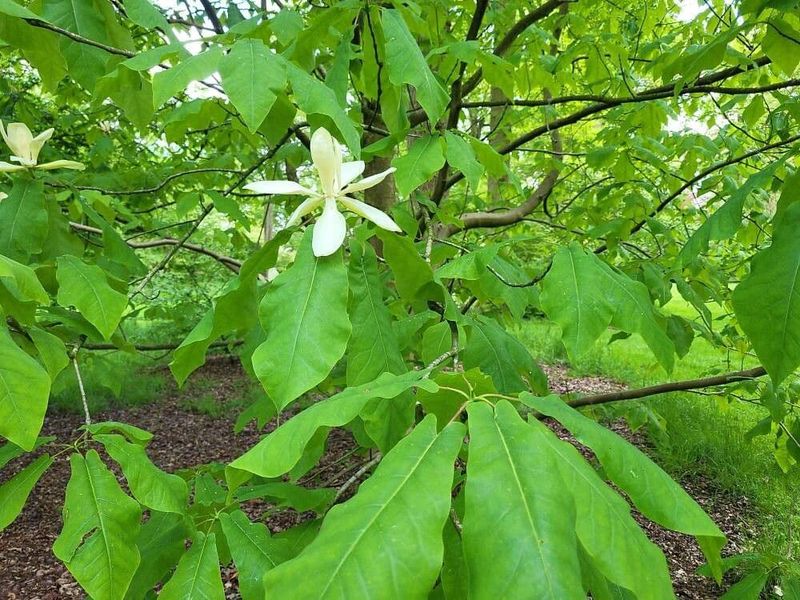
Leaves the size of dinner plates on a tree that belongs here.
The Fraser Magnolia, Magnolia fraseri, unfolds foliage up to 18 inches long, giving a bold, dramatic look most people assume is impossible with a native.
In late spring it opens creamy white flowers, sometimes 8 to 10 inches across, with a soft fragrance that drifts across the yard on a warm evening.
Those blooms turn into rosy-red seed cones that birds pick clean by early fall.
Found naturally in the cooler, higher ground of the Laurel Highlands and southern Appalachians, it suits the shorter growing seasons of elevated Pennsylvania.
It reaches 30 to 40 feet with an open, layered shape that reads elegant rather than crowded.
Plant it in rich, moist, well-drained, acidic soil in a spot sheltered from harsh wind, since those big leaves can tatter in a sudden thunderstorm.
Part shade to full sun both work, with more sun encouraging fuller flowering.
Keep the roots consistently moist through the first two years, aiming for an inch of water weekly.
It actually turns a plain front yard into a place people stop and stare.
9. Yellowwood Drapes The Yard In Fragrant Chains
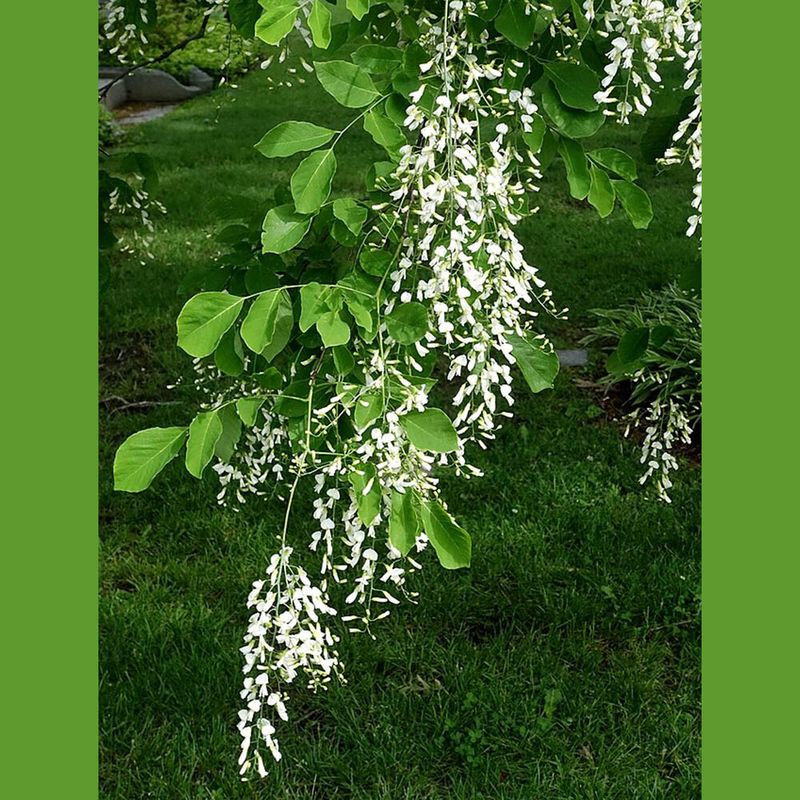
Long chains of fragrant white flowers hanging like a chandelier over the lawn.
Yellowwood, Cladrastis kentukea, does exactly that in late spring, dripping wisteria-like blooms that fill the air with scent.
The blunt truth is that it does not flower heavily every year, often putting on its biggest show every second or third season.
That rarity makes the good years feel like an event worth gathering the family for on the porch.
Bees swarm the blossoms, and the smooth gray bark stays handsome all winter after the leaves turn clear golden yellow in fall.
Yellowwood grows 30 to 50 feet tall with a broad, rounded canopy, so give it room and a sunny open spot in a front yard.
It handles the limestone valleys and clay of southeastern Pennsylvania well, tolerating a range of soils as long as drainage is decent.
Prune only in summer, since it bleeds sap heavily if cut in late winter or early spring.
Water deeply for the first two years, about an inch weekly in dry stretches.
Once rooted, it stands calm and strong, a graceful anchor for the whole yard.