
Hemp Grows More Usable Fiber In One Season Than Trees Do In Years, And Your Garden Can Grow It Too
Follow us on Google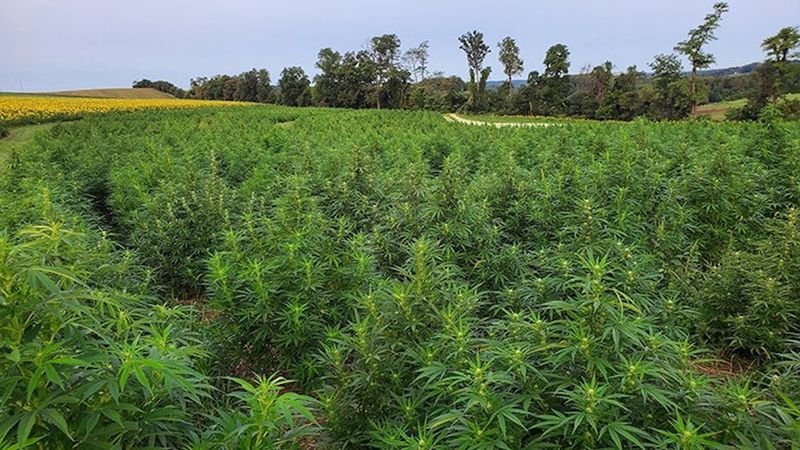
Most people know hemp as a headline crop, but few have thought seriously about growing it in their own backyard.
Industrial hemp, Cannabis sativa L., can go from seed to harvestable stalks in a single growing season, which puts it in a different category from trees that take years just to reach pulpwood size.
That speed is real, and it makes hemp a genuinely interesting annual fiber crop for curious gardeners in the right location.
The catch is that “interesting” and “easy” are not the same thing, and whether you can legally plant it at all depends entirely on where you live.
Hemp Offers A One-Season Fiber Crop
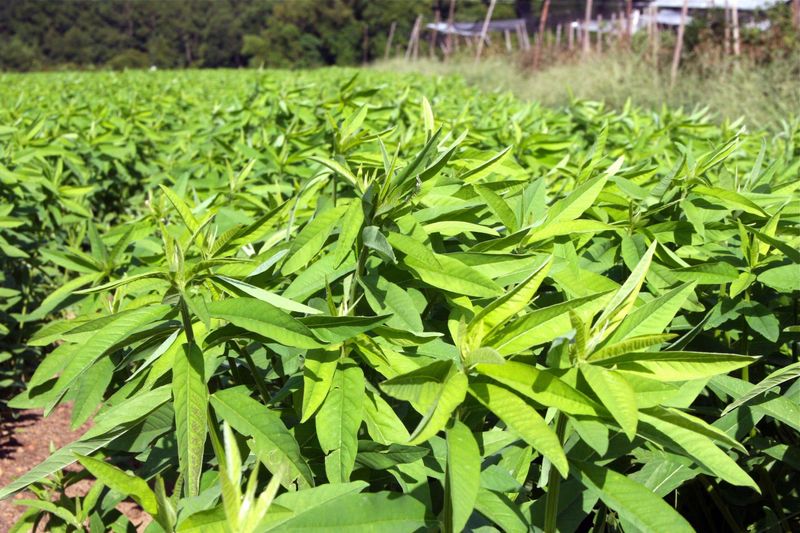
Industrial hemp, Cannabis sativa L., is a warm-season annual that many fiber varieties can carry from seed to harvest in roughly 70 to 120 days, depending on cultivar, climate, planting date, and how your season unfolds.
Oregon State Extension’s hemp seeding guidance confirms that fiber varieties generally fall within that window, though early frost, late planting, or a poorly matched cultivar can shorten or derail the season.
That one-season timeline is the real story here, and it is worth understanding on its own terms before comparing it to trees.
The comparison with trees is where things get complicated.
USDA Forest Service data on intensively managed hybrid poplar plantations show mean annual biomass increments of roughly 2 to 9 dry tons per acre, but those numbers are averaged across multiyear stands on managed sites with irrigation and fertilizer.
That is a very different system from a backyard hemp bed, and the two do not measure the same material.
Tree species, clone, site quality, spacing, and rotation age all shift the numbers considerably, so there is no single standard tree harvest timeline to compare against.
A historical USDA report on hemp harvesting and retting shows that a 1970 example crop yielded about 1,606 pounds of dry retted fiber per acre, but that figure represented only about 4.5 percent of the plant’s total dry crop material.
Stalk weight is not the same as usable fiber, and hemp fiber yield is not the same as total plant weight.
A backyard trial can show you how fast hemp grows and give you raw material for a craft experiment, but it cannot settle the question of which crop produces more finished fiber in a given year.
That comparison requires defining the units, the tree system, the processing method, and the final product, and no single backyard planting can do all of that.
Check Permission Before You Plant
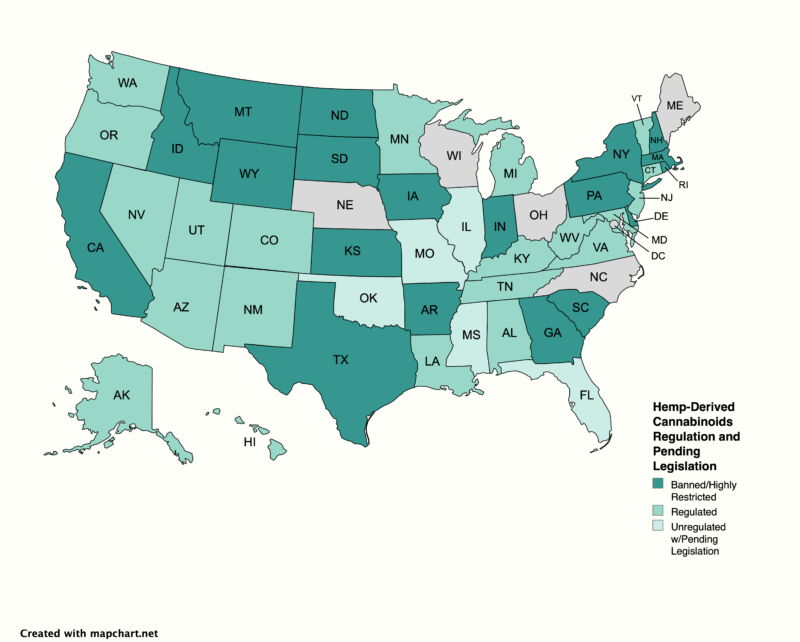
Before you order a single packet of fiber seed, you need to know whether your state or tribe actually allows homeowner hemp planting, because federal law alone does not open the gate.
Under the federal definition, hemp must contain no more than 0.3 percent delta-9 THC on a dry-weight basis, but that threshold is a floor, not a permission slip.
USDA’s list of approved state and tribal hemp plans is the right starting point, and your state or tribal hemp authority is the right phone call or website visit after that.
State and tribal programs vary widely in what they require.
Some states ask for a producer license, crop registration, GPS-referenced field maps, regular reporting, and compliance testing before you plant a single row.
Others may allow smaller-scale or personal cultivation with lighter paperwork, and a few have no active program at all.
USDA lab testing guidelines explain how sampling and THC compliance testing work under federal and state plans, and crops that exceed the legal threshold can be subject to disposal requirements.
Finding out the rules in your specific county and state before you spend money on seed is not optional.
There is also a neighborly consideration that does not show up in the legal paperwork.
Colorado State University Extension describes fiber hemp as a heavy pollen producer, and fiber and grain cultivars can be monoecious or dioecious, meaning pollen production can be substantial.
If a neighbor grows CBD hemp nearby, your fiber planting’s pollen could trigger unwanted seed set in their crop, which is a real source of conflict.
Anyone in your household or next door with pollen sensitivities should know what you are planning.
Check the rules, talk to your neighbors, and treat the legal step as the foundation of the whole project.
Choose Fiber Seed And A Suitable Site
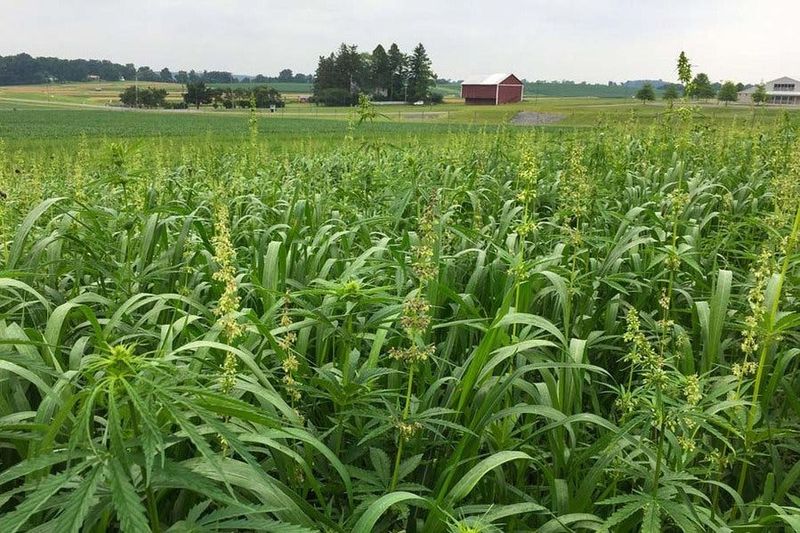
Seed selection is where a backyard fiber trial either starts on solid ground or quietly goes sideways.
You want seed that is explicitly sold for compliant, low-THC fiber production, not a generic hemp seed, not saved seed from an unknown crop, and not anything labeled simply “hemp” without THC certification.
Follow the supplier’s regional planting directions closely, because cultivar performance is tied to day length, latitude, and frost dates in ways that general advice cannot capture.
Oregon State Extension’s hemp seeding guide notes that soil temperature near 50 degrees Fahrenheit supports more dependable germination, so planting too early in cold soil is a common and avoidable mistake.
Site selection matters just as much as seed choice.
Hemp grown for fiber wants full sun, well-drained soil, and a seedbed that is as weed-free as you can make it before planting.
Illinois Extension notes that hemp production works best in well-drained, productive soils and that weed control can be genuinely difficult because few pesticide products are registered for use on hemp.
A clean, firm seedbed going in is your best early weed management tool.
Penn State Extension’s hemp guidance recommends drilled fiber stands at 35 to 50 pounds of seed per acre, targeting around 15 plants per square foot, because dense planting is what drives tall, slender stems and natural weed suppression at farm scale.
Do not copy those farm rates directly into a raised bed or small garden plot.
A small trial patch can use proportionally scaled seeding, but the key principle holds: fiber hemp is planted to grow tall and close together, not spread out the way you might space tomatoes or squash.
Colorado State University Extension draws a clear line between fiber cultivars, which are managed for tall dense stems, and CBD or seed cultivars, which are managed very differently.
Planting the wrong type for your goal will not give you useful bast fiber, regardless of how well the plants grow.
Manage Frost Weeds Water And Fertility
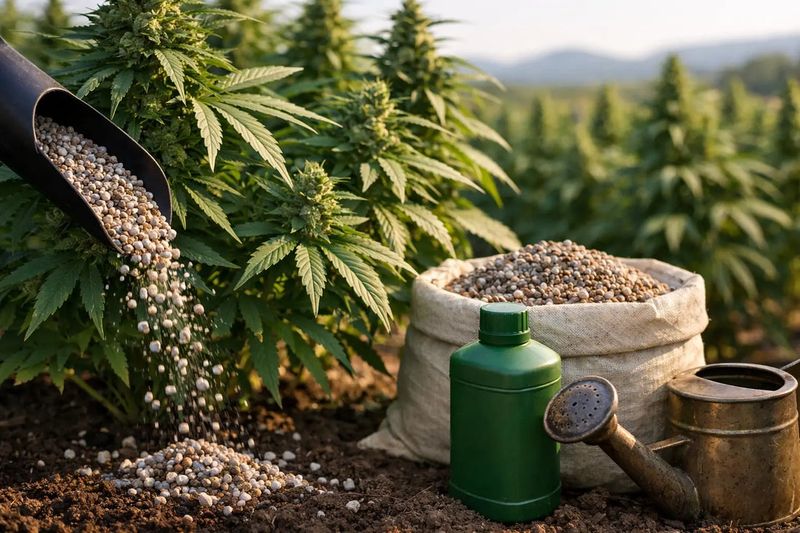
Hemp is not a set-it-and-forget-it crop, and the season’s first challenge usually arrives before the plants are even knee-high.
Young hemp seedlings can tolerate a light frost, but a hard early freeze can stop growth in its tracks or push plants into early seed setting before the stalks have developed the fiber you are after.
Plant after your local last frost date has reliably passed, check your seed supplier’s regional calendar, and watch the extended forecast for the first few weeks after seeding.
Oregon State Extension’s hemp seeding guidance is specific about soil temperature and timing for a reason: germination in cold, wet soil leads to uneven stands and more weed pressure, not less.
Weeds are the second challenge, and dense planting helps but does not eliminate the problem.
Illinois Extension points out that few pesticide products carry legal registrations for use on hemp, which means your main weed management tools are a clean seedbed, timely planting, and good stand establishment.
Once the canopy closes, hemp can shade out many weeds on its own, but the window between germination and canopy closure is when competition does the most damage.
Water is where a lot of hemp enthusiasm runs into reality.
A peer-reviewed scoping review on hemp water use found reported seasonal water use ranging from about 220 to 700 millimeters, with daily use commonly near 4 to 5 millimeters during active growth.
That range is wide on purpose, because climate, genotype, rainfall, and irrigation management all shift the number substantially.
Telling a gardener that hemp barely needs water is not safe advice.
Plan to water during dry stretches, particularly in the first several weeks after germination.
Fertility is the quieter variable.
Penn State Extension provides commercial fiber hemp fertility recommendations that include nitrogen, phosphorus, and potassium based on soil test results.
Research has found that nitrogen can increase stem and fiber yield while sometimes reducing fiber quality, so more fertilizer does not automatically mean better fiber.
A basic soil test before planting will tell you what your specific plot actually needs, and that is a better starting point than any general rate.
Harvesting Starts A Longer Processing Job
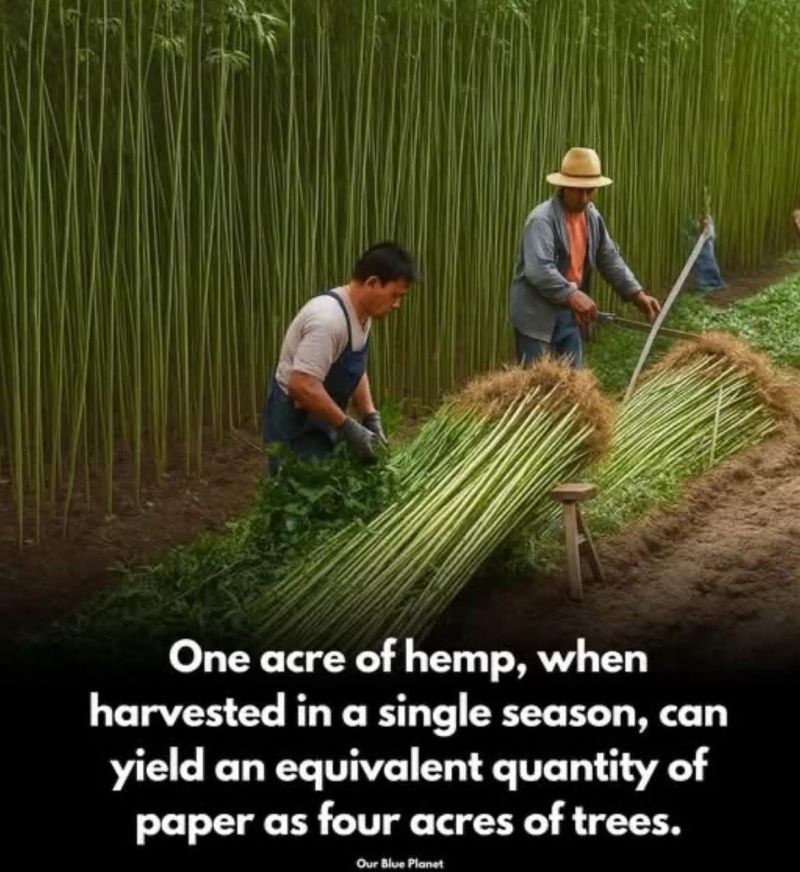
Cutting the stalks feels like the finish line, but it is actually the starting gun for a processing job that takes considerably longer than the harvest itself.
Raw hemp stems contain bast fibers locked against a woody inner core called hurd or shives, and those two materials do not separate just because you cut the plant down.
The bast is what you are after for textile, rope, paper, or craft fiber, and getting it out requires retting, a controlled decomposition process that breaks down the pectin holding the fibers to the hurd.
Commercial harvest timing for fiber hemp is generally set somewhere between early bloom and seed set, depending on the fiber quality the grower is targeting.
Earlier harvest tends to produce finer, softer fiber; later harvest produces coarser fiber with higher yield.
The USDA’s historical report on hemp harvesting, retting, and fiber separation describes field retting in detail: cut stems are left in windrows on the ground, where moisture and microbial activity gradually loosen the fibers.
That process can take up to five weeks, and windrows are commonly raked two or three times during that period to expose the stalks to even weathering before drying and baling.
For a backyard experiment, you are not managing acres of windrows.
Penn State Extension’s hemp resource focuses on farm-scale operations, but the underlying biology is the same at any scale.
A small-plot grower can cut a bundle of dry stalks and try hand retting outdoors in a safe location, monitoring the process over several weeks.
The result will be a craft-scale learning experience, not a shortcut to commercial rope or paper.
Plan for the processing to take at least as long as growing the crop itself, and treat the whole arc from seed to separated fiber as the actual experiment.
Separate Bast Fiber From Woody Hurd
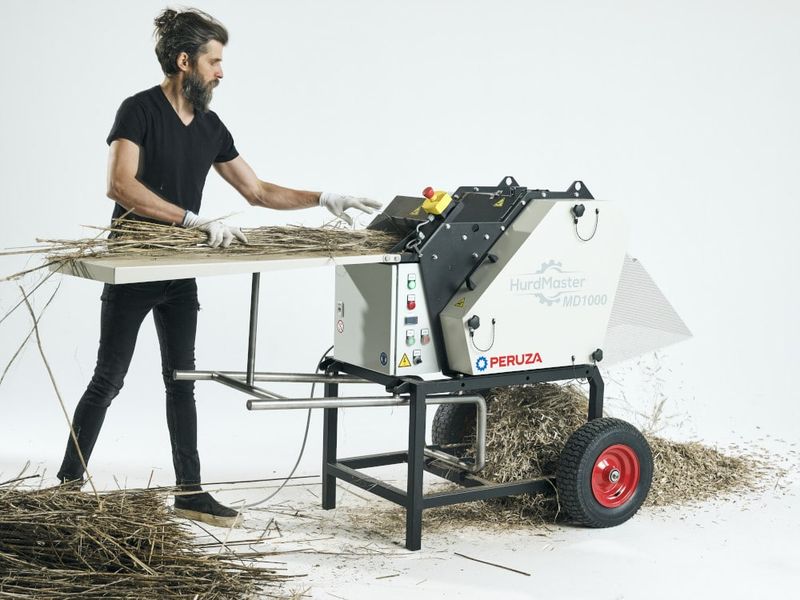
Once your retted stalks are dry, the real anatomy lesson begins.
A hemp stem has two distinct parts, and understanding the difference between them is what separates a useful fiber trial from a pile of broken sticks.
The outer layer contains bast fibers, the long, strong strands used in textiles, rope, paper, insulation, and fiber composites.
The inner core is hurd, also called shives, a shorter, woodier material more suited to animal bedding, hempcrete, pulping for lower-grade paper, and related applications.
Colorado State University Extension’s hemp overview makes this distinction clearly, and it matters because stalk weight and usable bast fiber weight are not the same number.
The historical USDA data make that gap concrete.
That 1970 USDA example crop yielded about 1,606 pounds of dry retted fiber per acre, which represented roughly 4.5 percent of the total dry crop material.
The rest was stems, tow, leaves, and other components.
So when someone says hemp produces a large amount of fiber, the honest follow-up question is: which part, processed how, measured against what baseline?
A backyard grower who weighs their harvested stalks and then weighs the separated bast fiber will see that ratio firsthand.
Breaking and separating the fiber by hand is slow, physical work.
Commercial decortication uses machinery to crack the dried stalks and pull the bast away from the hurd efficiently.
A 2026 peer-reviewed study on papermaking potential from hemp bast, hurd, and stubble pulps evaluated laboratory and pilot-scale processing, not backyard methods, and its results reflect optimized technical conditions.
Your hand-separated bast sample will be modest in quantity, but it will be genuinely informative about what hemp fiber looks and feels like and how much work goes into producing even a small amount of it.
Judge The Trial By What It Teaches
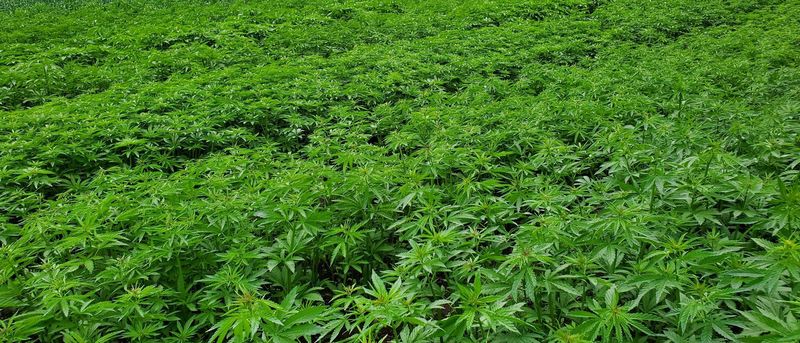
A backyard hemp trial succeeds when it teaches you something accurate, not when it produces enough fiber to weave a shirt.
Keep a simple record from the start: your planting date, seed source and variety, stand density, local weather patterns, any watering or fertility inputs, harvest date, fresh stalk weight, retting time, and the weight and quality of the bast fiber you separated at the end.
That log turns a single-season experiment into data you can actually use, whether you try again next year or simply share what you learned.
The evidence does not support the claim that hemp universally outproduces trees or can replace commercial forests, pulp mills, decortication facilities, or textile supply chains.
The USDA’s historical hemp fiber data and the Forest Service’s poplar plantation figures measure different materials in different production systems, and no honest comparison can flatten those differences into a single winner.
What hemp genuinely offers is a fast annual nonwood fiber crop that a curious grower can observe and handle in a single season, and that is worth knowing on its own.
Stop the project if your local rules prohibit planting, if you cannot meet compliance requirements under your state or tribal plan, or if THC testing requirements are more than your situation can support.
Stop also if your soil has any history of contamination, because research on hemp grown in heavy-metal-contaminated soils shows the plant can take up contaminants, creating disposal and safety concerns that make the harvest unsuitable for compost, bedding, or household use.
Check USDA’s current state and tribal plan list before you buy seed, follow your approved program’s rules carefully, and let the fiber you separate at the end speak for itself.
A small bundle of hand-worked bast fiber is a better teacher than any headline.