
These Texas Native Plant Nurseries Are Worth Every Mile Of The Drive
Follow us on Google
You pull into a gravel lot on a Saturday morning, and the air already smells like warm soil and blooming autumn sage.
A worker waves you toward a shade table stacked with milkweed, the kind that actually feeds monarchs, not the tropical stuff that confuses them.
Big-box stores rarely stock plants tough enough for blackland clay or shallow caliche, so your money washes out with the first triple-digit week.
That is why smart Texas gardeners point the truck toward these nurseries instead.
Each one grows plants bred for real Texas weather, and every one of them is worth the drive.
1. Barton Springs Nursery In Austin
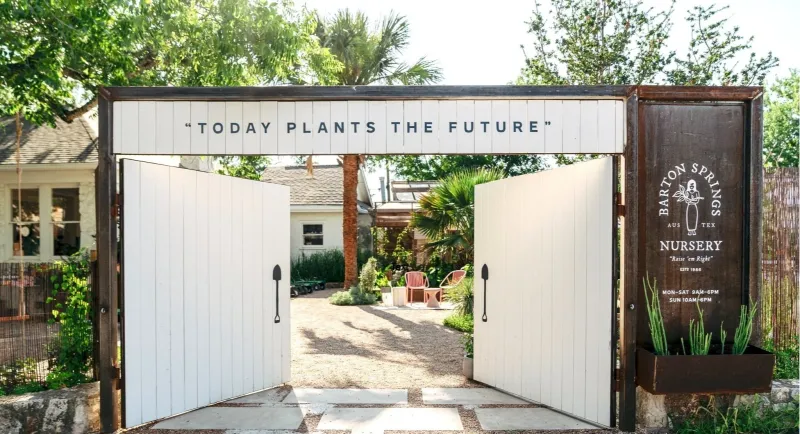
Four acres of Central Texas plants, most of them grown right there from seed.
That is the quiet flex at Barton Springs Nursery, tucked into Austin where the soil turns to rock about eight inches down.
Here is where it gets good for Hill Country gardeners.
Their team picks plants that shrug off shallow alkaline ground and long dry stretches, so you are not gambling on something that wants rich loam it will never find.
Ask for Turk’s cap, botanical name Malvaviscus arboreus, and they will point you to a shady spot plan that handles the afternoon oven.
Space these roughly 3 feet apart and water them deep, about 1 inch per week the first summer, then back off.
Autumn sage, Salvia greggii, goes in with the same easy care and blooms nearly year round in mild winters.
You leave with plants that were babies in that same heat, so they do not sulk when you get them home.
That head start genuinely matters when July hits 100 degrees for two weeks straight.
2. The Nectar Bar In San Antonio
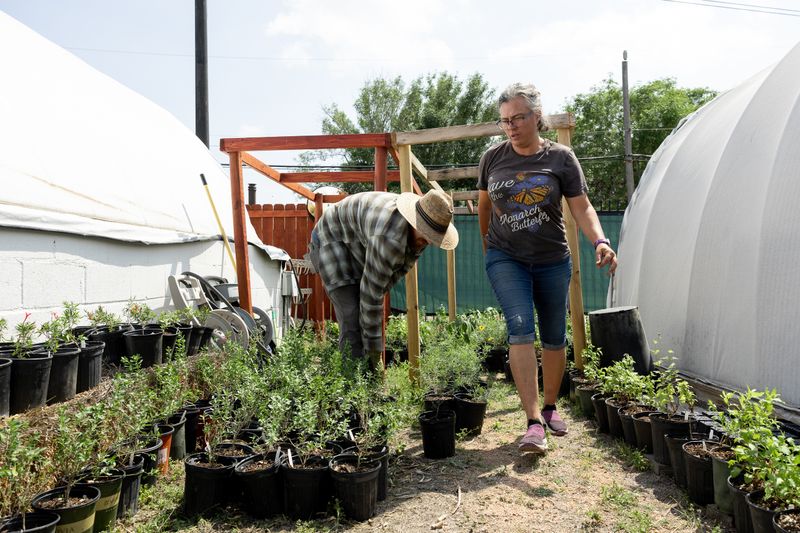
Monarchs have a problem, and San Antonio has an answer.
The Nectar Bar bills itself as the city’s first all-Texas native plant nursery, and butterflies are the whole point.
Owner Drake White knows pollinators the way a mechanic knows engines.
That expertise shows up in the milkweed selection, native Asclepias species that fuel the spring and fall monarch migrations rolling straight through South and Central Texas.
The tropical milkweed sold elsewhere can throw off migration timing, so native stock actually protects the butterflies you are trying to help.
Plant your milkweed in full sun, space clumps about 18 inches apart, and skip the pesticides entirely if you want caterpillars to survive.
A patch of 5 to 7 plants gives a hungry brood real room.
San Antonio residents get a bonus here, since SAWS WaterSaver Rewards apply at the shop.
You save water, you feed the migration, and one October morning your yard turns into a rest stop for travelers headed to Mexico.
That is a good feeling to earn.
3. Buchanan’s Native Plants In Houston
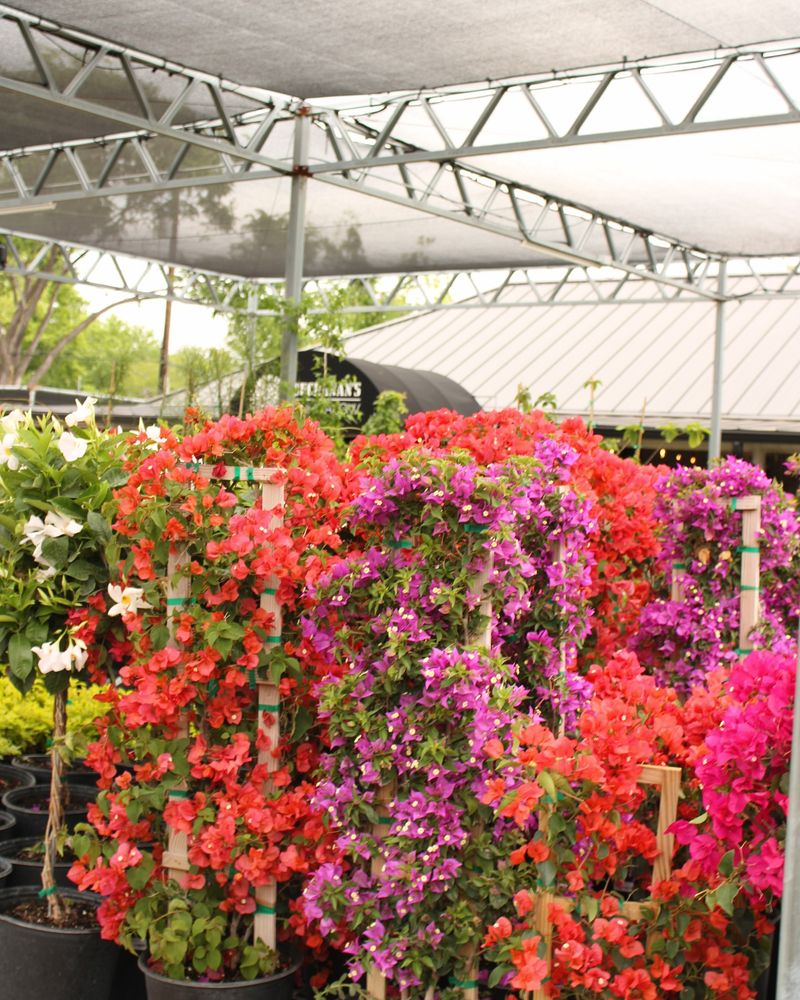
Open seven days a week since 1986, Buchanan’s Native Plants has outlasted more Houston hurricanes than most folks can name.
Longevity like that tells you they know Gulf Coast growing.
The soil near Houston runs mixed clay and sandy, and summers stack heat on top of soaking humidity.
Buchanan’s stocks natives and well-adapted plants that handle both, plus fruits and vegetables for people who want dinner from the backyard.
They are also a NICE partner through the Native Plant Society of Texas, which means the plants on the tables genuinely fit the local ecoregion.
Grab Gregg’s mistflower, Conoclinium greggii, for a low haze of blue that queen and monarch butterflies mob in fall.
Set plants about 2 feet apart in part sun.
Because they carry so many well-adapted picks alongside true natives, you can build a whole bed in one trip.
And with hurricane season running June through November, plants rooted in local conditions bounce back faster after a 6-inch downpour flattens everything else.
4. Painted Flower Farm In Denton
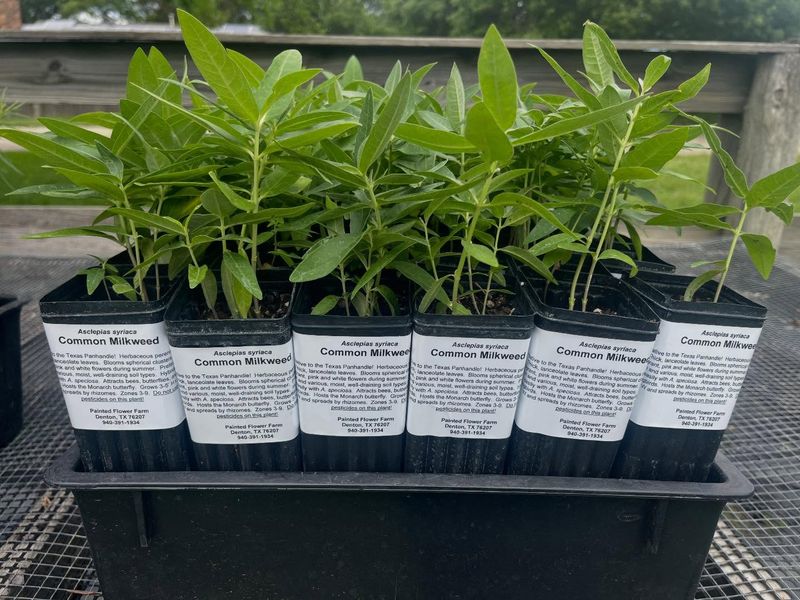
Growing roots since 1992, Painted Flower Farm in Denton treats butterflies like paying customers.
Their whole system revolves around which native plant feeds which winged visitor.
North Texas throws a brutal combo at gardeners, blackland clay that bakes hard in summer and cracks like old paint.
This family-owned nursery focuses on herbaceous perennials native or adapted to exactly that punishment, so you stop replacing dead plants every spring.
What sets them apart is the homework already done for you.
Shop online and they tell you the specific butterfly species each host plant supports, then you arrange pickup at the Denton location.
That saves a lot of guessing about what actually lays eggs where.
Try native milkweed for monarchs or a host plant matched to swallowtails, spacing perennials 12 to 18 inches apart in full sun.
Water them in with about 1 inch weekly through the first hot stretch.
You drive home knowing your yard is not just pretty, it is genuinely raising the next generation of butterflies.
5. Friendly Natives In Fredericksburg
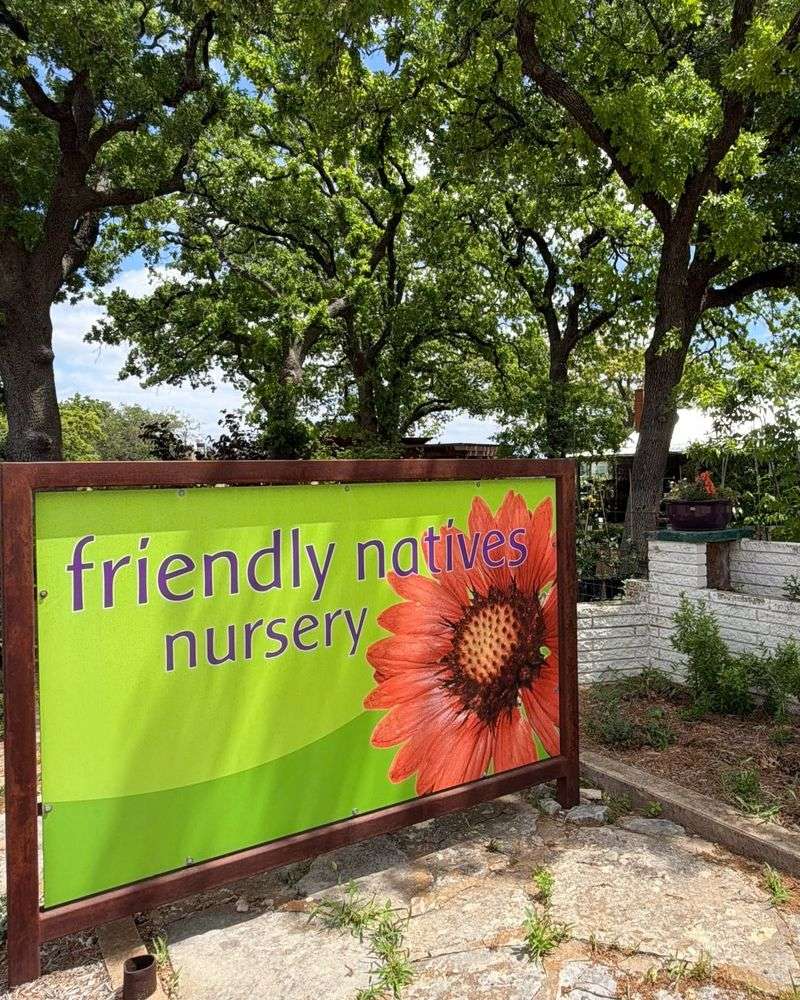
Rock, wind, and cold snaps define the Hill Country around Fredericksburg, and Friendly Natives leans right into it.
Since 2008 they have specialized in plants that laugh at thin soil.
Their shelves lean toward cold-hardy yuccas, agaves, cacti, grasses, shrubs, and ornamental trees, the tough crowd that thrives where caliche sits inches below the surface.
That focus makes them a rare find, because most nurseries treat succulents and natives as separate departments.
Here is a myth worth busting.
People assume anything spiky is fragile in a freeze, but the yuccas and agaves here are chosen to survive the occasional hard freeze that drops the Hill Country into the low 20s.
Give agaves full sun and gritty, fast-draining ground, spacing large ones 4 to 6 feet apart so they never crowd.
Water once every couple weeks at most, since soggy roots kill them faster than any cold front.
You end up with a low-water landscape that stays handsome through August, and that is a small victory against the water bill.
6. Rancho Lomitas In Rio Grande City
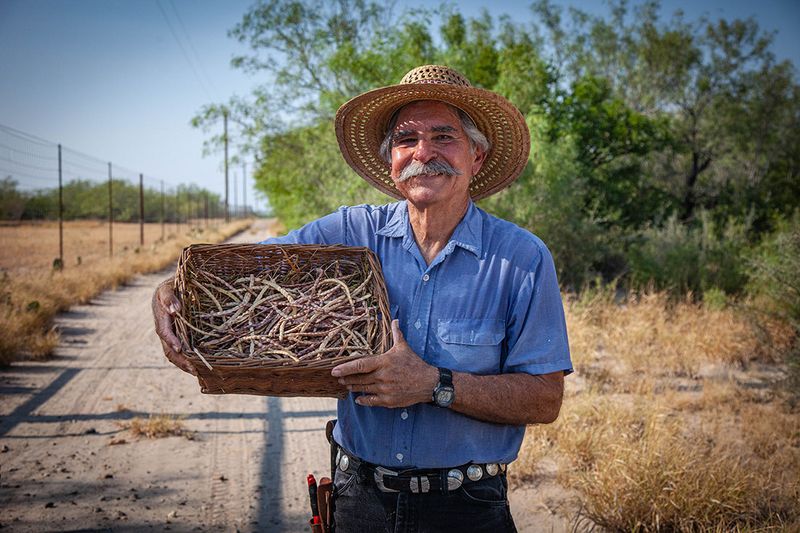
Down in Rio Grande City, where zone 10b means winters barely dip, Rancho Lomitas Native Plant Nursery grows the brushland plants nobody else bothers with.
South Texas has its own botanical language, and this place speaks it fluently.
The Lower Rio Grande Valley sits in one of the most biologically rich corners of the country, yet finding true regional natives can be a chore.
Rancho Lomitas fills that gap with plants specific to South Texas thornscrub and brushland, the stuff local butterflies and birds evolved alongside.
What makes the trip memorable is the education.
They offer tours that walk you through the native plants and animals of the region, so you leave understanding the land, not just carrying a cart of pots.
Plant heat-loving South Texas natives in full sun with room to spread, and water sparingly once established since this country goes long stretches without rain.
Most of these plants expect 90-degree stretches as normal.
You come back with plants and a story about the wild border country most Texans never see up close.
7. West Texas Nursery In Idalou
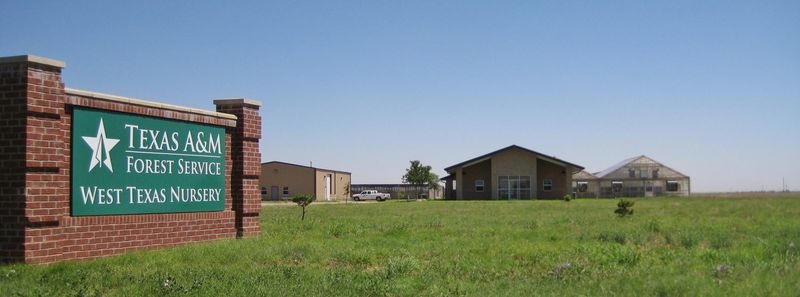
For over 45 years, the Texas A&M Forest Service has run the West Texas Nursery near Lubbock in Idalou, and the scale is genuinely wild.
They can produce up to 140,000 container seedlings a year.
Out on the Panhandle, where zone 6b winters bite and wind never quits, trees are not decoration, they are survival gear.
This nursery grows affordable pines and evergreens for windbreaks plus hardwoods like oak and pecan for wildlife and conservation plantings.
Here is the part that surprises people.
A good windbreak can knock down brutal high winds and even cut heating costs for the farmhouse behind it, so those cheap seedlings pay you back for decades.
Plant windbreak rows in staggered lines with trees spaced about 8 to 12 feet apart, and water young seedlings deeply their first two years while roots chase moisture down into dry soil.
Fall and late winter planting beat the heat.
Backed by a state institution, the quality is dependable, and few things feel more hopeful than putting a tree in the ground where the horizon runs flat for miles.
8. Nativo Gardens In Fort Worth
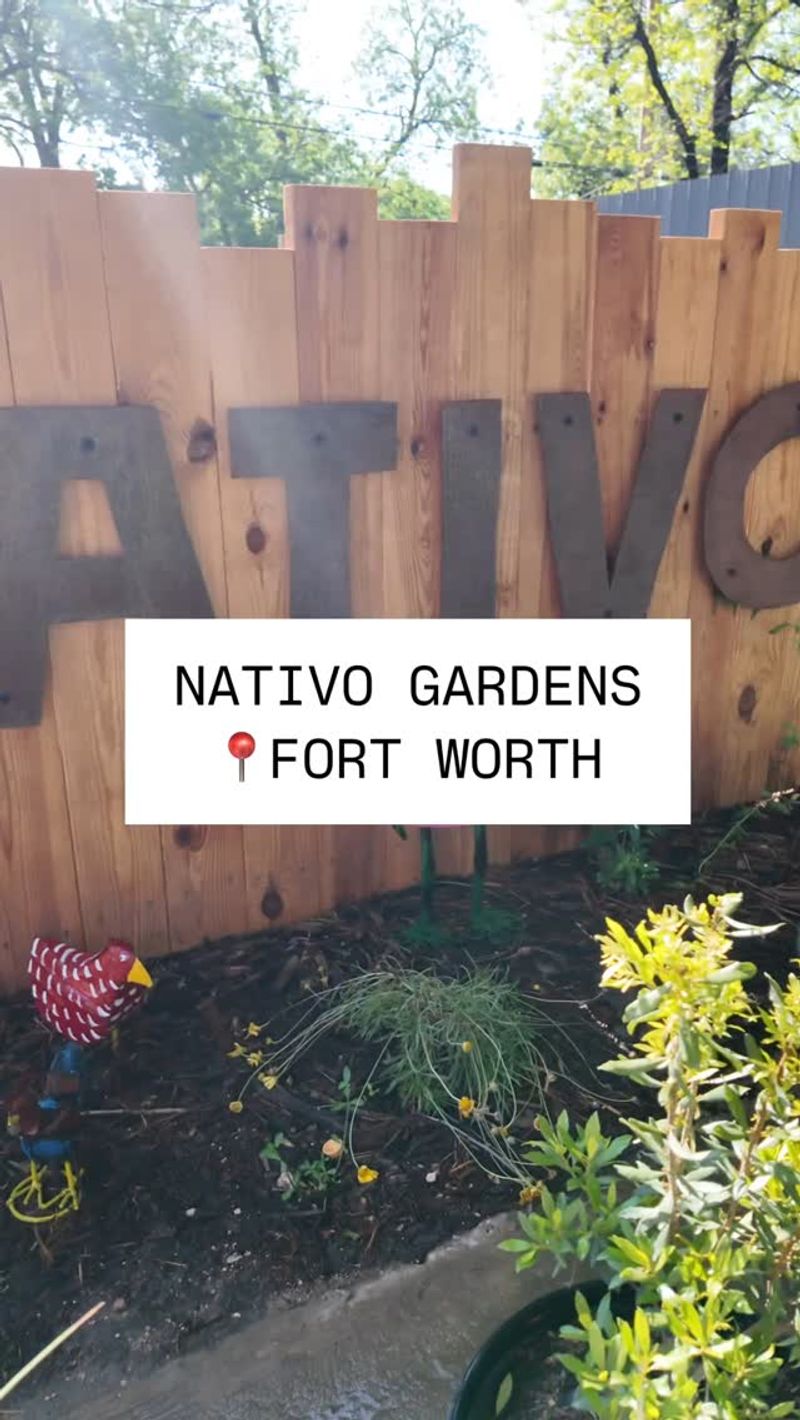
A stone’s throw from the Fort Worth Stockyards, Nativo Gardens carries a big selection of native and adapted plants, and they are picky about it.
The inventory is deliberately curated to keep invasive and harmful species off the shelves.
That matters more than folks realize.
Some pretty imports become garden bullies, escaping into North Texas creek bottoms and crowding out the plants wildlife needs.
Nativo does the vetting so you do not accidentally plant a problem.
They also offer design consultations, which is a real gift if you are staring at a blank blackland clay yard with no idea where to start.
Someone who knows the plants can map out full sun and shade zones before you spend a dime.
Ask about lantana, Lantana horrida for the native, a heat-proof bloomer that pulls butterflies all summer and shrugs off 100-degree days.
Space it about 3 feet apart in full sun and cut it back after a freeze.
You walk out with a plan and plants that belong here, which beats winging it every single time.
9. Concho Natives Nursery Near San Angelo
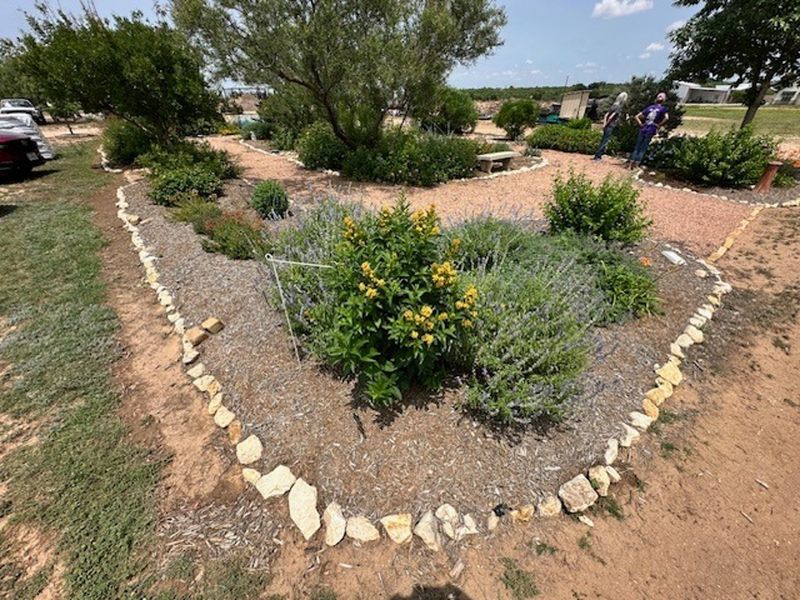
Out in the Concho Valley near San Angelo, Concho Natives Nursery treats West Texas like the specific, demanding place it is.
Nothing here is chosen by accident.
Their whole pitch is trading thirsty ornamentals for plants that flourish in local landscapes, which is the only sane strategy when rain is scarce and summers scorch.
They offer personalized consultations to build resilient gardens instead of handing you a random cart.
Lean into drought-tough grasses like Little Bluestem, Schizachyrium scoparium, and Blue Grama, Bouteloua gracilis, that turn gold in fall and feed native critters.
Space bunchgrasses about 18 inches apart in full sun and water only until roots grab, then let them fend for themselves.
One honest note, the nursery is typically open Fridays and Saturdays, weather permitting, so plan the drive around that window.
West Texas weather has its own opinions.
What you gain is a yard that stays alive through water restrictions and long dry spells, humming with grasshoppers, songbirds, and the low rustle of grass in the wind.
That is a landscape that actually belongs to the country it sits in, and you helped it happen.