
These Pennsylvania Natives Look Beautiful While Quietly Starving Out The Spotted Lanternfly
Follow us on Google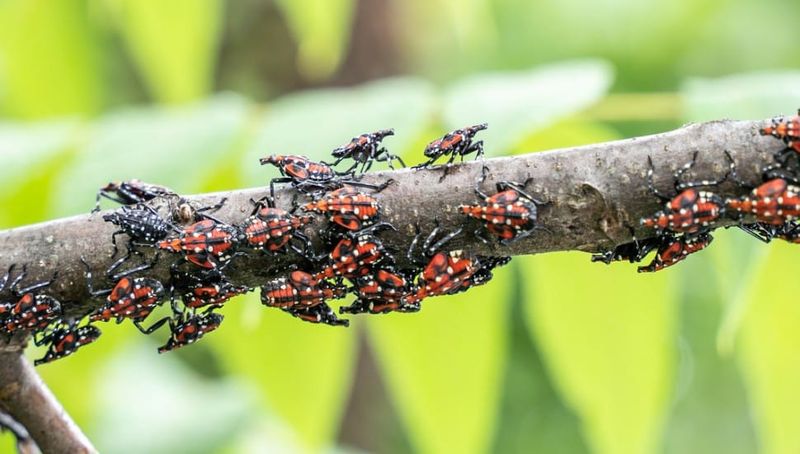
You step into the yard on a warm August afternoon, the air thick and humid, and there on a plant stem you spot the black, white, and red of a late spotted lanternfly nymph.
Your stomach clenches.
But what if that plant is quietly working against the pest instead of feeding it?
Across Pennsylvania, a handful of native beauties are doing exactly that, and they ask almost nothing from you in return.
Here is how these quiet heroes look stunning while helping starve out one of our worst backyard troublemakers.
1. Your Yard’s Silent Assassin: Common Milkweed
Picture that late-summer moment when a lanternfly nymph clings to a stem and you feel the dread rise.
Now picture the plant fighting back.
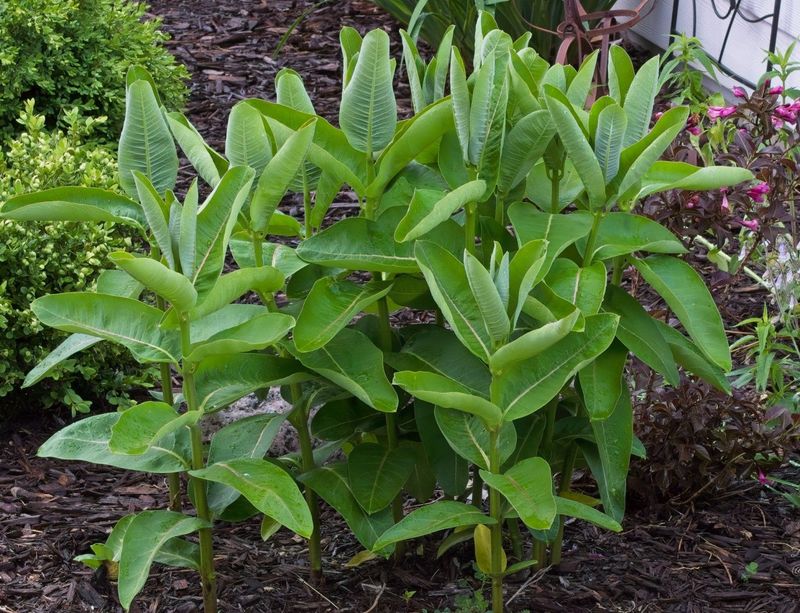
Common milkweed (Asclepias syriaca) is one of Pennsylvania’s most unassuming natives, and it doubles as a quiet trap.
Spotted lanternflies are drawn in, feeding on the sap with their piercing mouthparts just like they do on other plants.
But here is where it gets tricky for them.
The same milkweed sap that shields monarch caterpillars from predators is actually toxic to the lanternfly.
When these invaders drink it, many get sick, and often they die.
It is a genuinely effective form of pest control that happens without you lifting a finger past the initial planting.
Do not expect a miracle cure.
Milkweed will not clear an infestation on its own, and it works best as one layer in a broader plan.
Still, turning a tempting meal into poison is a satisfying trade for a plant that also feeds monarchs during their fall migration south.
2. Why This Native Plant Turns The Tables On Lanternflies
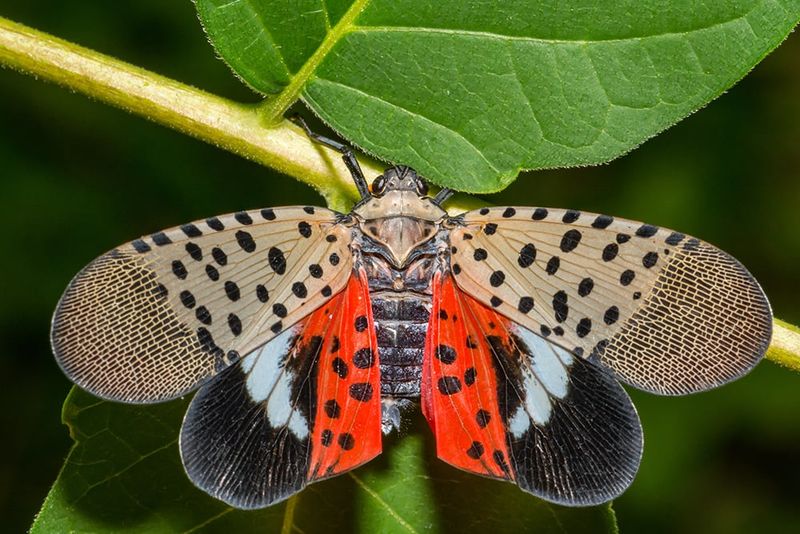
The spotted lanternfly (Lycorma delicatula) landed in Berks County back in 2014, and it has since spread to 56 counties across the state.
That is a fast, frustrating march for a bug the size of your thumb.
These planthoppers feed on more than 70 plant species, favoring grapevines, maples, black walnut, and the invasive tree-of-heaven.
Their feeding stresses plants, leaving oozing sap and sooty mold that can choke off photosynthesis.
The stakes are real for Pennsylvania.
Penn State Extension puts the potential yearly toll on our grape, fruit, and timber industries at around 324 million dollars and more than 2,800 jobs.
By working milkweed into your beds, you literally shrink the enemy’s ranks.
Fewer adults survive to lay egg masses from September through December, before the first hard frost.
That is the turn in the story, the pest walks into the pantry and does not walk back out.
Every nymph that feeds and fails is one less egg mass on your porch railing next spring.
3. How To Welcome This Hero Plant Into Your Garden
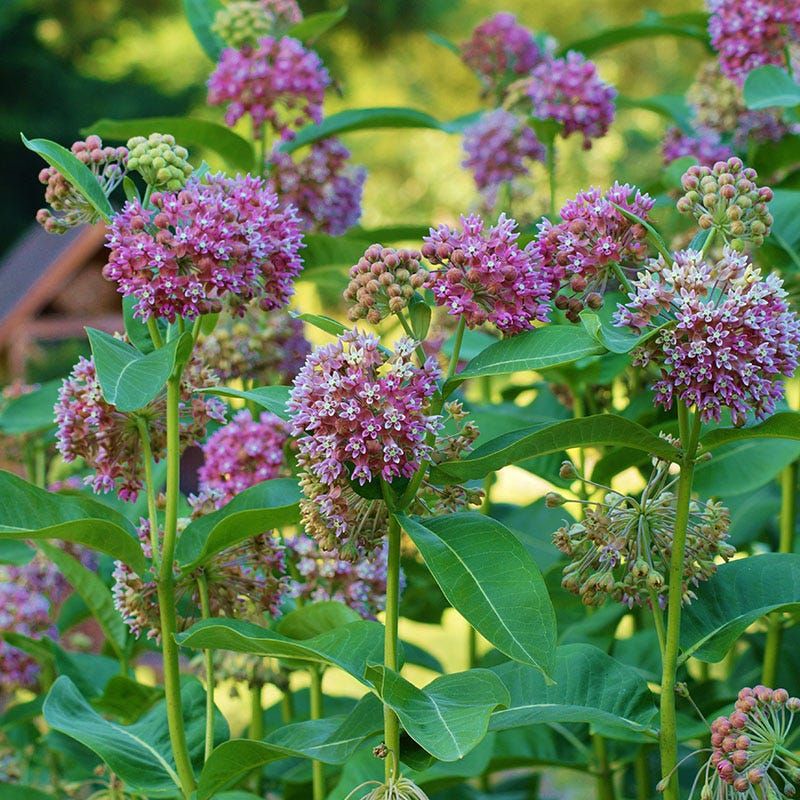
Common milkweed is far more forgiving than its reputation suggests.
It settles happily into the fertile limestone soils of the central valleys and even the heavy clay of southeastern Pennsylvania, as long as it gets enough sun.
Give it full sun for the best results, though it tolerates part shade.
It handles average, well-drained ground and shrugs off poor or dry spots once its roots take hold.
Plan for size.
Common milkweed climbs 3 to 6.5 feet tall, so tuck it at the back of a border or in a dedicated meadow patch.
Space plants 2 to 3 feet apart to give the spreading rhizomes room to roam.
It is hardy across our zones, roughly 5b in the colder northern tier up through the warmer 8a pockets down southeast.
If it wanders too far, just snip the seed pods after those pink to white flowers fade in June through August.
That is genuinely the whole job.
One planting, a little sun, and a quiet defender that comes back free year after year.
4. More Native Beauties That Bring Backup
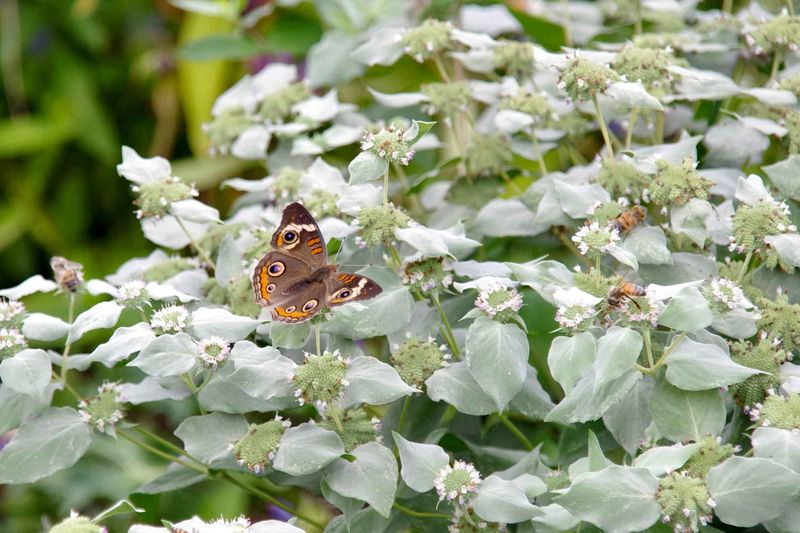
Milkweed lands the direct hit, but it does not fight alone.
Other Pennsylvania natives serve as recruiters, pulling in the lanternfly’s natural enemies.
Plenty of our birds have figured out the buffet.
Cardinals, catbirds, blue jays, and tufted titmice all snack on lanternflies, and so do praying mantises, wheel bugs, spined soldier bugs, and orbweaver spiders.
To keep those hunters around, plant what feeds and shelters them.
Short-toothed mountain mint (Pycnanthemum muticum) is a standout, named the 2025 Perennial Plant of the Year.
The blooms are modest, small white to lavender clusters from July through September, but they act like a magnet for beneficial insects, including predatory ones.
Better yet, it is resistant to deer, rabbits, groundhogs, and voles.
It spreads by shallow rhizomes that behave far better than true mints, and it thrives in full sun to part shade in medium to moist, well-draining soil.
It even tolerates clay everywhere except the coldest northern elevations.
You plant it once, and it quietly builds you a standing army.
5. Planting A Predator Paradise

Imagine stepping out on a crisp fall morning to a stretch of native plants humming with life, all of them working for you.
That is the payoff of a predator paradise.
Common goldenrod (Solidago canadensis) waves cheerful yellow wands from August through November, feeding migrating monarchs and drawing soldier beetles and beneficial wasps that prey on lanternflies.
It is deer resistant and drought tolerant once established, at home in a sunny spot across the Allegheny Plateau or the central valleys.
Joe Pye weed (Eutrochium purpureum) rises 4 to 6 feet with dusky-pink flower clusters from midsummer into early fall.
Bees, butterflies, and predatory wasps flock to it, and it loves the moist to wet ground of a rain garden, even through humid southeastern summers.
Black-eyed Susan (Rudbeckia hirta) rounds out the crew with golden petals and dark centers from June through September.
These short-lived perennials grow 1 to 3 feet tall, feed beneficial insects, and drop seeds that goldfinches adore.
They handle full sun to part shade and, happily, shrug off deer.
Layer these three and you have built a working ecosystem, not just a pretty bed.
6. Cultivating Resilience: General Garden Health Actually Helps

Here is a myth worth busting.
People assume the only way to beat lanternflies is spraying something.
But a resilient landscape does a lot of the quiet work for you.
Watering is the simplest lever you have.
For established perennials, aim for about 1 inch of water per week, especially during those dry stretches that sneak in between heavy summer downpours.
Water deeply and less often.
That coaxes roots to reach down, which builds plants tough enough to shrug off pest pressure and sudden droughts alike.
For new plantings, check the soil with your finger, about 2 to 3 inches down for small plants and 6 to 8 inches for larger ones.
Water thoroughly when it feels dry, ideally in the early morning to cut evaporation.
This foundation holds true from the Lake Erie region to the Delaware Valley.
Penn State Extension notes that lanternfly feeding rarely kills mature trees outright, but it can weaken them over time.
Strong, well-watered plants take that pressure and keep going, and they keep feeding the predators you have invited in.
7. Scraping Egg Masses Before Spring Wakes Them
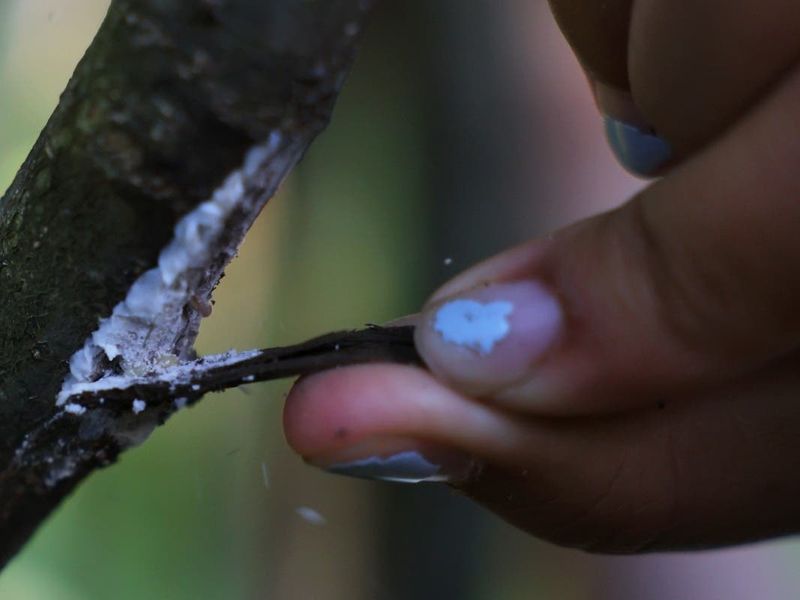
Every female lanternfly lays 30 to 60 eggs at a time, and she is not picky about where.
From September to December she smears mud-like masses onto tree bark, stone, vehicles, and outdoor furniture.
Those gray, putty-looking patches are next year’s problem sitting in plain sight.
And the cold does not kill them, they wait out the winter freeze-and-thaw cycles just fine.
The fix takes minutes.
Scrape each mass off with an old card or a putty knife, then crush it or drop it into a container of alcohol or hand sanitizer to finish the job.
Walk your property in late fall and winter, checking the shady sides of trunks, fence posts, and anything smooth.
Every mass you destroy is up to 60 fewer nymphs climbing your milkweed come spring.
It is not glamorous work, but it pairs perfectly with your plant defenses.
You feel a small, genuine satisfaction each time you flick one loose, knowing your porch will be quieter next August.
8. Stopping The Hitchhikers Before They Spread
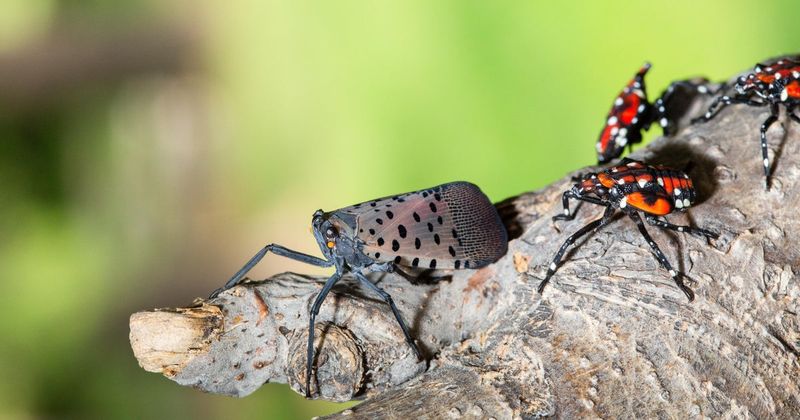
Lanternflies are lousy fliers but excellent hitchhikers.
They ride wheel wells, truck beds, patio chairs, and grill covers straight into new neighborhoods.
That is genuinely how a Berks County problem became a 56-county problem.
The bug barely travels on its own, we do the heavy lifting for it.
Before you leave home, especially inside one of Pennsylvania’s quarantine zones, give your vehicle and any outdoor items a quick once-over.
Check bumpers, wheel wells, and the folds of anything you are hauling.
Knock off any adults or nymphs you find and scrape any egg masses you spot.
It takes about two minutes and stops the spread cold before it reaches the next county.
Think of the felt payoff.
The neighbor down the road, the vineyard across the valley, the park where your kids play, all of it stays a little safer because you looked before you drove.
Small habit, real ripple.
9. What Else Actually Helps Keep Lanternflies At Bay
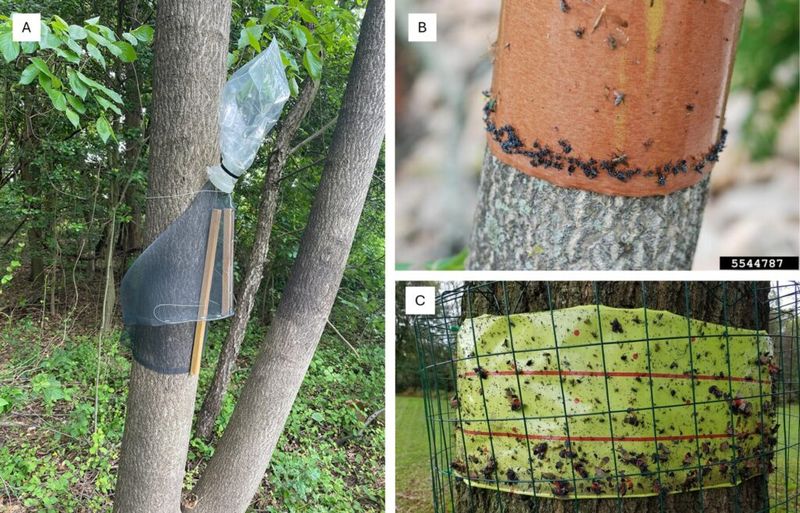
One more antagonist deserves attention, the invasive tree-of-heaven (Ailanthus altissima).
Lanternflies love it, and if it grows on your land, it is basically ringing a dinner bell.
The recommended approach flips that against them.
You can remove roughly 85 percent of these trees and treat the remaining 15 percent as trap trees, using a systemic insecticide between June and August.
The lanternflies pile onto those trap trees, feed, and die.
It is a targeted move that thins local populations without blanketing your whole yard in chemicals.
Pair that with everything else you have built.
The milkweed poisoning nymphs, the mountain mint and goldenrod recruiting predators, the egg masses you scraped, the vehicle you checked.
No single step is a magic solution, but stacked together they add up to a genuine defense.
So you can stand on the patio next warm porch evening, drink in hand, and watch the yard hum along without that clenching dread.
You built this quiet, beautiful machine.
And it keeps working long after you have gone back inside.