
These Pennsylvania Native Wildflowers Come Back Tougher Every Year Instead Of The Mums You Buy Each Fall
Follow us on Google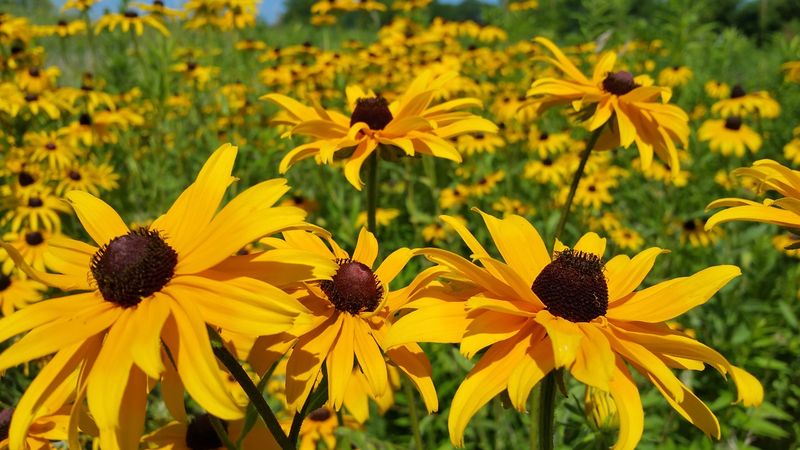
You step into the yard on a crisp October morning and find the mums you bought last month already wilting, their bright petals browning after the first hard frost.
It is a quiet disruption to your fall cleanup, a familiar ache for anyone who loves that burst of autumn color.
Many Pennsylvania homeowners pour effort into seasonal pots, only to toss them when winter arrives, ready to repeat the whole cycle next year.
But there is a better way, a group of native wildflowers that shrug off our fickle weather and come back tougher every single spring.
1. These Native Stars Shine Brighter Than Any Mum
The real heroes of the Pennsylvania fall garden laugh at a hard freeze and welcome spring with fresh vigor.
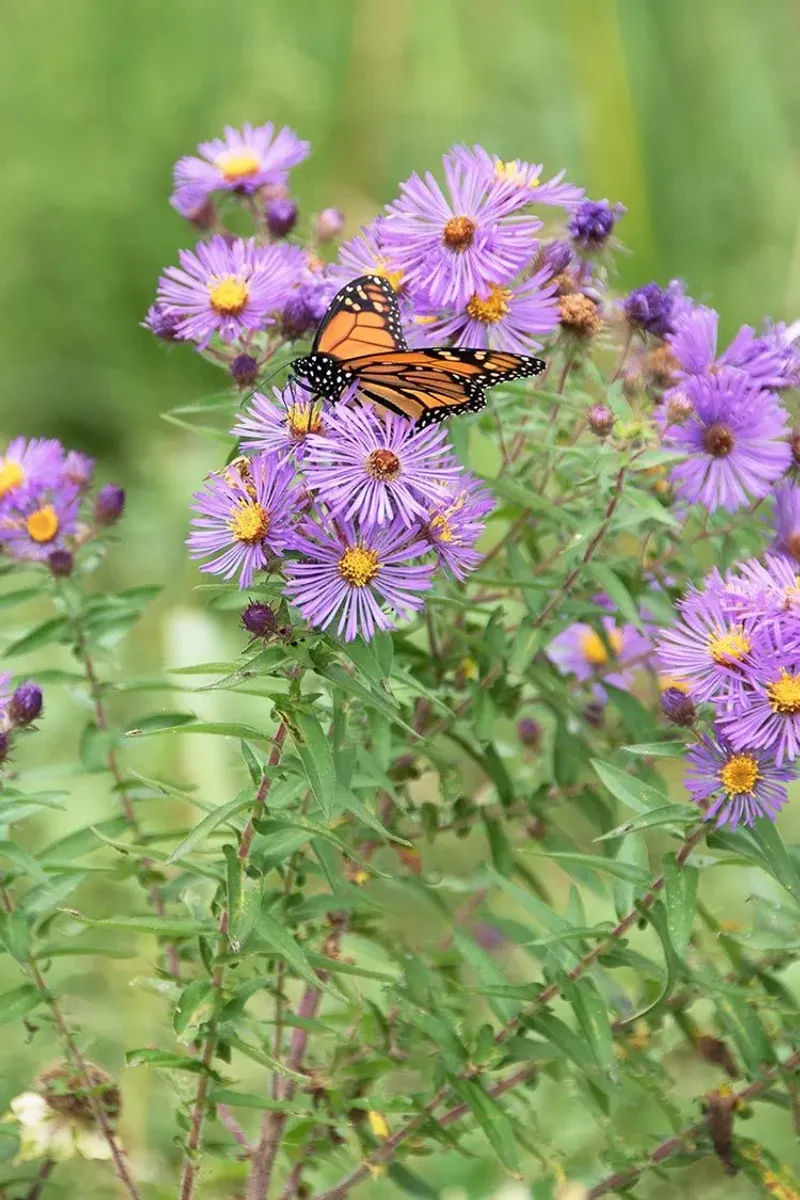
Two stand out, the New England aster (Symphyotrichum novae-angliae) and the purple coneflower (Echinacea purpurea).
These are not delicate annuals you discard, they are robust perennials whose roots stay alive underground through winter.
Mums, by contrast, are often bred for a single season and rarely survive our winters.
That leaves you buying new ones every fall.
These native powerhouses genuinely improve with age, forming denser clumps and more blooms over time.
New England asters paint the late season with purple, lavender, and pink, their daisy flowers ringed by yellow centers.
They reach 3 to 6 feet, giving your beds a backdrop when everything else fades.
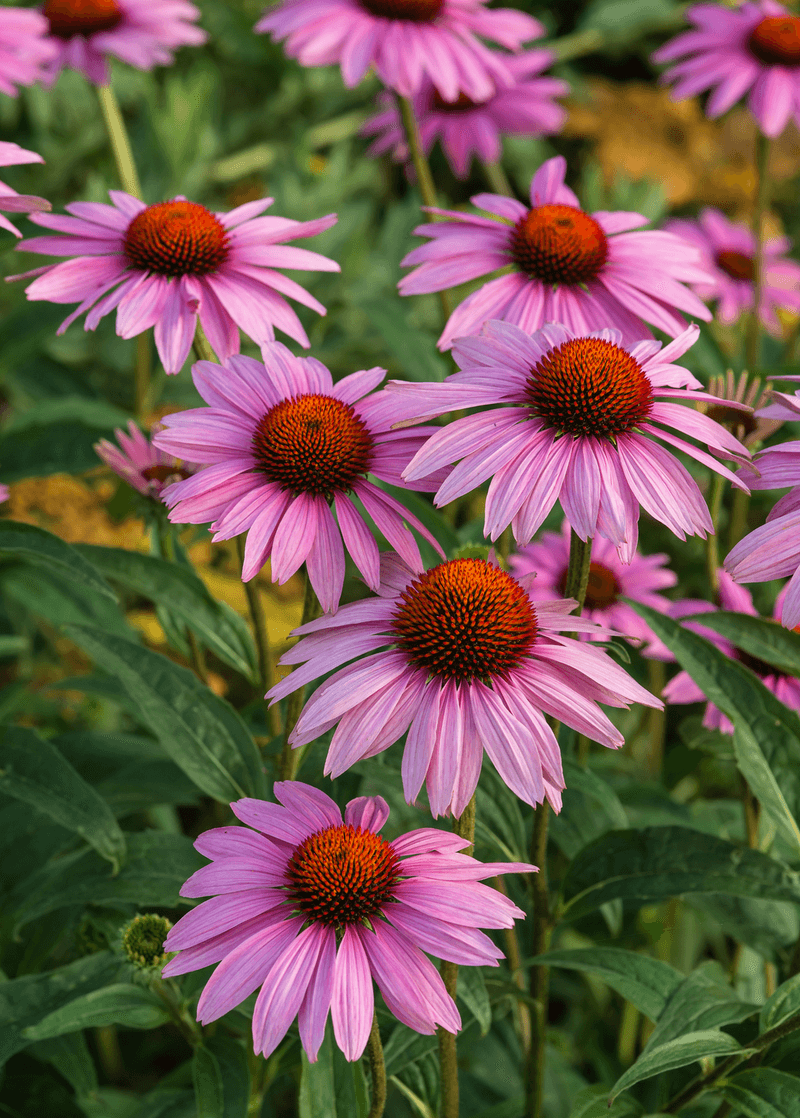
Purple coneflowers bring their spiky central cones and drooping petals from mid summer well into autumn.
Both plants evolved in Pennsylvania conditions, from the shale of the Allegheny Plateau to the heavy clays of southeastern Pennsylvania.
That makes them better suited to your backyard than any imported chrysanthemum.
You plant them once, and they show up loyal, year after year.
2. Native Roots Build Resilience To Pennsylvania Weather
Here is where it gets tricky for many store-bought garden plants.
Our Pennsylvania climate is a genuine challenge, with humid summers, sudden thunderstorms, and the relentless freeze-and-thaw cycles of winter.
Exotic plants often buckle under those extremes.
Native wildflowers grew up here, so they came prepared.
They have deep, intricate root systems that act like anchors, holding soil against erosion and reaching moisture during dry spells.
Purple coneflower develops a deep taproot, making it remarkably drought tolerant once established, a real advantage during the uneven rainfall that hits the Susquehanna Valley or the Poconos.
Those roots also let the plants come back stronger.
They store energy underground, enduring winter snow and ice, including the lake-effect snow near Erie, then spring back to life when the ground warms.
Mums simply lack this staying power, designed as they are for a short, flashy show.
Many gardeners water their mums nearly every day to keep them fresh.
Established asters and coneflowers often need little to no extra watering.
That means less time dragging the hose around, and a happier water bill for you.
3. Planting For Lasting Color In Diverse Soils
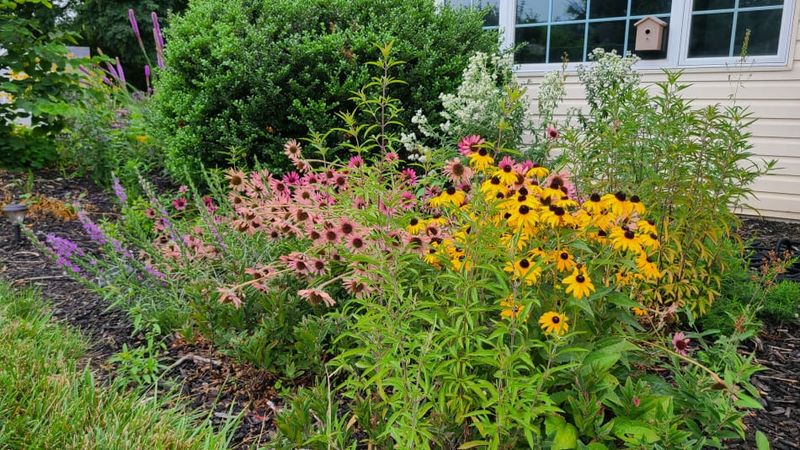
You might worry that native wildflowers demand perfect soil, but these plants are surprisingly forgiving.
Pennsylvania soils vary wildly, from the rocky glacial ground of the northern tier to fertile limestone in central valleys and heavy clay across much of southeastern Pennsylvania.
The good news is that both New England aster and purple coneflower adapt to a wide range.
Asters prefer full sun to light shade and medium to moist, well-drained soil, yet they handle clay and even sandy ground.
Coneflowers want full sun and drainage, but they tolerate most soils, doing well in sandy loam and even standing up to some clay.
Before planting, loosen your soil to a depth of 12 to 15 inches and mix in a few inches of compost.
That simple step helps roots settle fast, especially in the compacted urban soils around Philadelphia or Pittsburgh.
These plants shrug off varied soil acidity too, which trips up many fussy ornamentals.
You are not fighting your dirt anymore, you are working with what the land already gave you.
And that changes everything about how gardening feels.
4. Timing Is Everything When You Plant
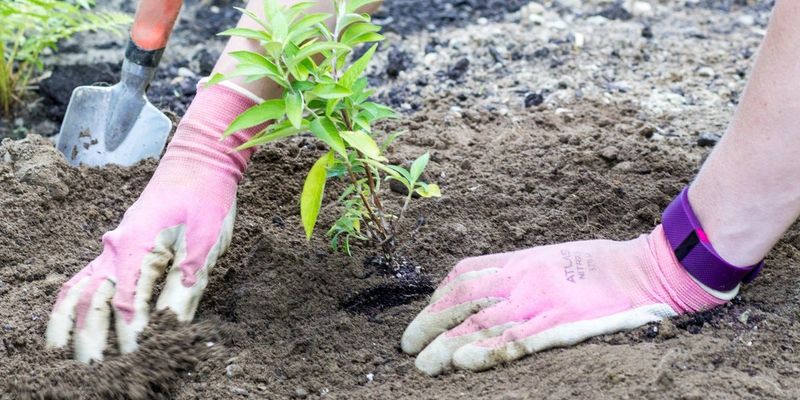
Myth says spring is the only real planting window.
For tough native perennials like New England aster and purple coneflower, fall planting often gives the best results.
Roots get to settle before the ground freezes, so the plant hits the ground running come spring.
You can set out nursery-grown plants in spring or early summer with no trouble.
If you are starting from seed, aim for late fall or very early spring for coneflower, when soil temperatures sit around 65 degrees Fahrenheit.
Black-eyed Susan, a close cousin, germinates best when soil hits about 70 degrees.
Our growing season swings a lot across the state.
It runs about 120 days in the colder northern mountains and stretches to nearly 200 frost-free days in the Delaware Valley.
In southeastern Pennsylvania, the last frost often lands around April 1, giving you a generous window.
Gardeners in the Poconos or Laurel Highlands may not clear frost until late May, which shortens the runway.
Match your timing to your county, not to some statewide calendar.
That small choice pays off for years.
5. A Feast For Pollinators, A Foe For Deer
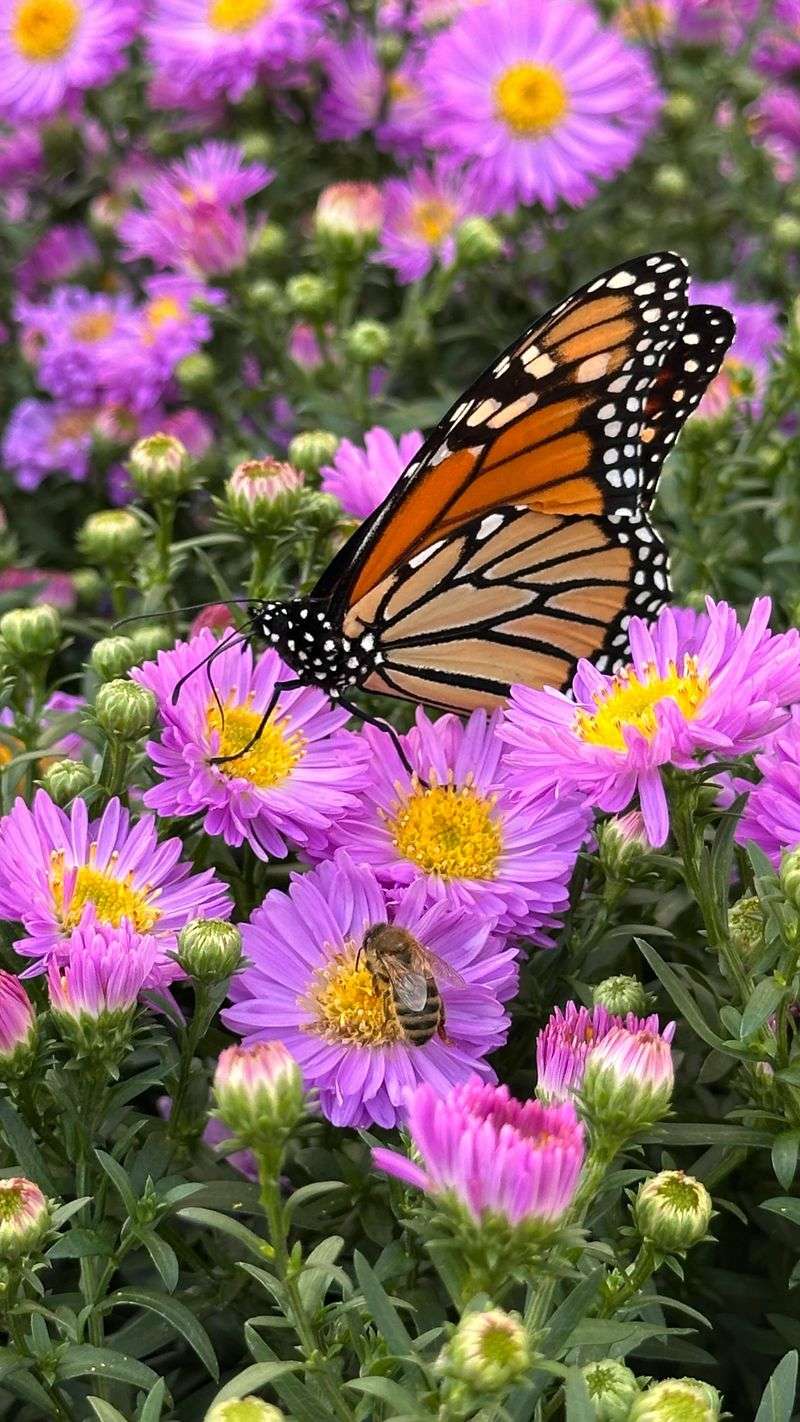
Picture your garden buzzing with life, not for a couple fleeting weeks, but from summer clear into fall.
That is the quiet magic of native wildflowers.
Unlike many bred mums, which offer little nectar or pollen, asters and coneflowers are magnets for our native pollinators.
Their blooms feed bees, butterflies, and even hummingbirds when the pickings get slim.
New England asters bloom from late summer into October, which makes them genuinely crucial for migrating monarch butterflies fueling up for the long trip south.
Purple coneflowers support a wide crowd of insects, and their spent seed heads become a food source for goldfinches through fall and winter.
So your garden keeps working long after the flowers fade.
Better yet, both plants are generally deer resistant.
That means you are less likely to wake up and find your hard work nibbled to nubs, a heartbreak deer hand out freely across Pennsylvania.
All this activity turns your backyard into a living scene, far more engaging than a row of matching mums sitting stiff in a pot.
6. Less Work Means More Time On The Porch
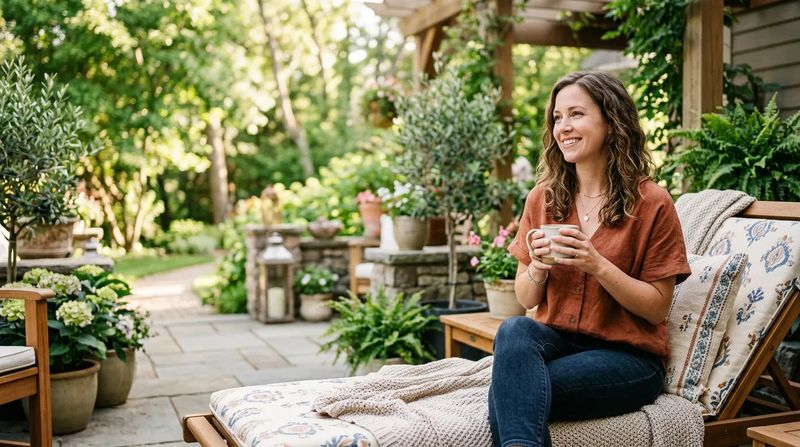
One of the biggest payoffs of native wildflowers is how little they ask of you.
Traditional mums need careful watering, feeding, and pinching to look their best right up to the cold snap.
Established asters and coneflowers barely need you at all.
They are tuned to the 38 to 48 inches of rain Pennsylvania receives each year, so once settled they often need no extra irrigation.
That is a lot of Saturdays back in your pocket.
You can pinch back New England aster stems before mid July to keep them bushier and shorter, but it is not required.
Skip it, and they still put on a full show, just a taller one.
Coneflowers rarely need feeding.
A topdressing of compost in early spring is usually plenty.
Instead of constant fussing, you get to sit back and actually enjoy the yard.
That frees up your weekend hours for the good stuff, a warm porch evening with a drink in hand while the garden takes care of itself.
7. Spacing And A Soil Test Head Off Trouble
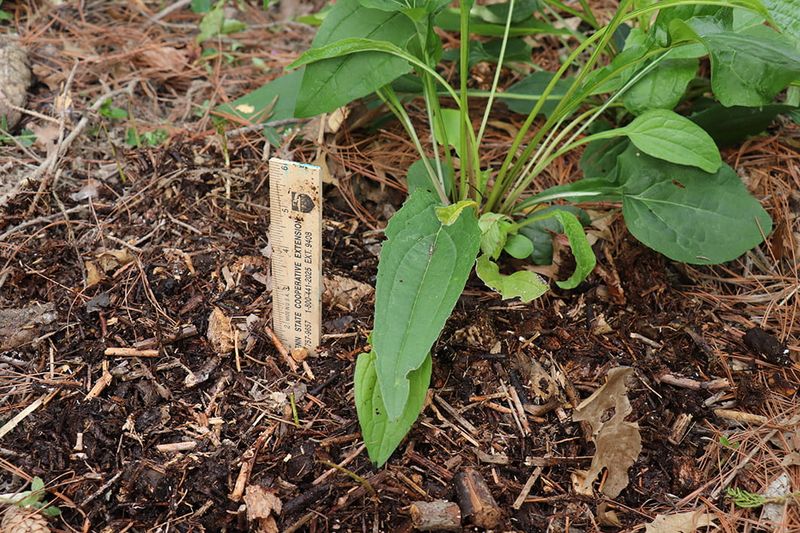
Before you plant a single root, get a soil test through Penn State Extension.
It tells you exactly what nutrients your ground holds and whether it leans acidic or alkaline, so you skip guessing and skip amendments you do not need.
Knowing your soil, whether it is the gritty stony loam of western Pennsylvania or the deep rich loam of the Piedmont, means you pick plants that will genuinely thrive rather than sulk.
Spacing matters just as much.
Give purple coneflowers 16 to 24 inches between plants so air moves freely.
Good airflow helps head off fungal leaf spots and powdery mildew, which love our humid summers and can spread fast after a warm, rainy stretch.
Crowded plants trap moisture on their leaves, and that is exactly the damp hideout mildew wants.
A little breathing room is one of the cheapest defenses you have.
It will not fix everything, but paired with a soil test, it stacks the odds in your favor before the season even starts.
8. Bee Balm Brings Hummingbirds To Clay Soil
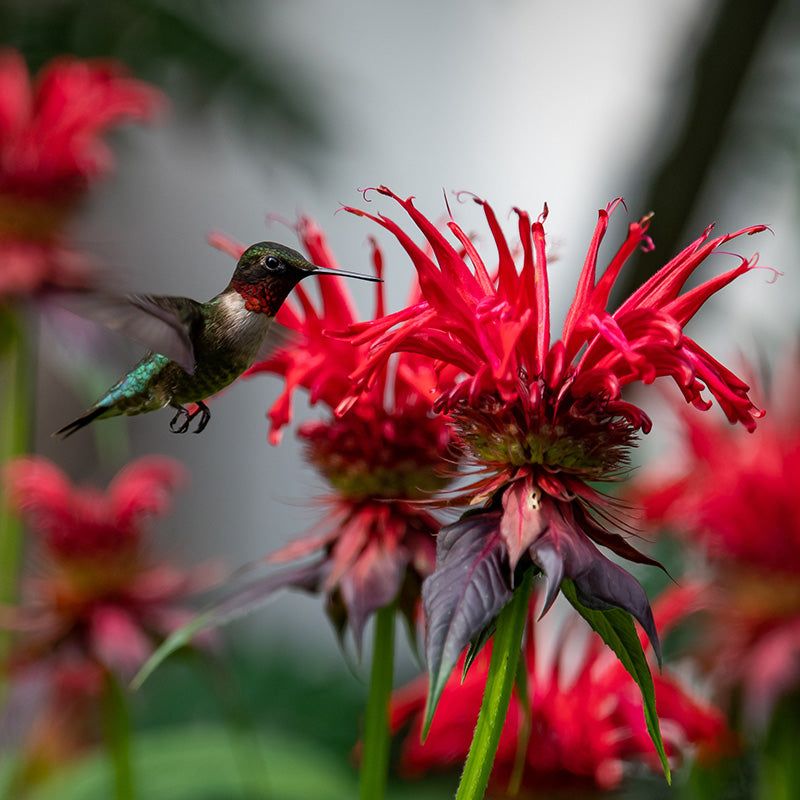
If you want to widen the show beyond asters and coneflowers, bee balm (Monarda didyma) earns its spot in a Pennsylvania bed.
It tolerates the heavy clay that stumps so many plants, and it draws hummingbirds like a beacon.
Its shaggy red, pink, or purple blooms look almost fireworks-frozen, and pollinators cannot leave them alone through the muggy heart of summer.
Here is the catch.
Bee balm is prone to powdery mildew, that dusty white film, when air sits still in rainy weather.
Give it room and full sun, and thin the stems a bit if the clump gets dense.
To keep it vigorous, divide the clump every three to four years, digging it up in early spring and splitting it into fresh pieces.
That resets the plant and stops the center from dying out.
Treat it like a spirited friend who needs a little space, and bee balm rewards you with color and buzzing visitors all summer.
It is one more layer in a garden built to last, not to be replaced.
9. Leave The Stalks Standing Through Winter
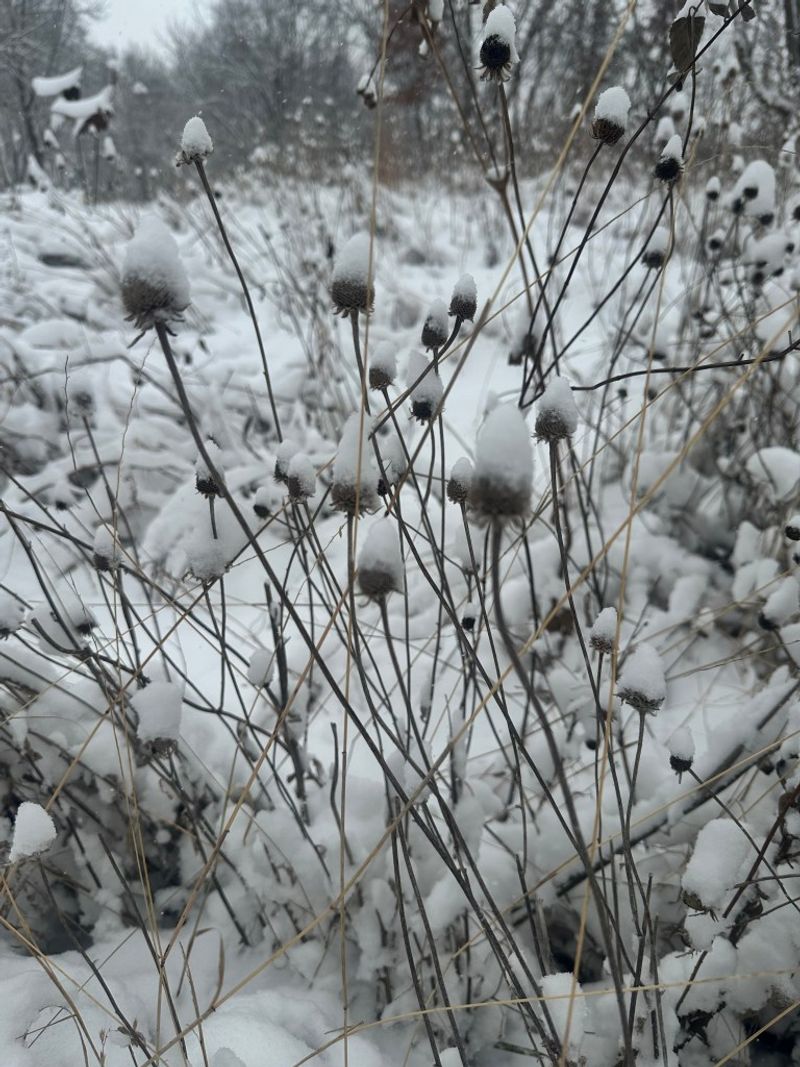
Every fall the urge hits to tidy up, cut everything down, and haul it off before the snow flies.
Resist it, at least with your native wildflowers.
Those spent stalks and seed heads are doing quiet work all winter long.
Standing coneflower heads feed goldfinches and other songbirds when food runs thin.
Hollow stems shelter native bees and beneficial insects riding out the cold, sometimes for months.
Cutting it all back in October strips that shelter right when creatures need it most.
A messy-looking bed in December is actually a busy one, humming with life you cannot see.
Wait until spring, once daytime temperatures hold above 50 degrees Fahrenheit for a stretch, then cut the old growth back to a few inches.
By then the overwintering insects have moved on, and fresh green shoots are already pushing up underneath.
So you end up doing less, not more, and the garden comes back tougher for it.
That is the whole quiet promise of going native in Pennsylvania.
You plant once, you fuss less, and every spring the yard proves it can handle whatever our weather throws at it.