
These Pennsylvania Garden Plants Are Quietly Rolling Out A Welcome Mat For Snakes
Follow us on Google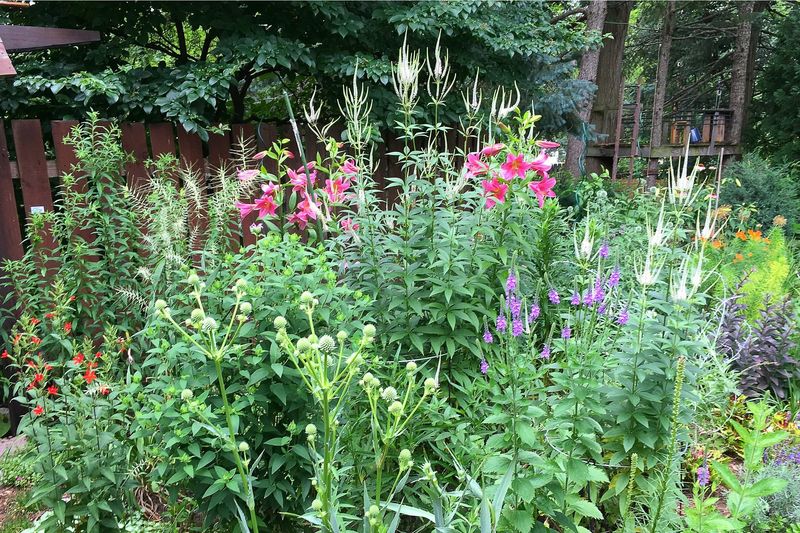
You walk out to the garden on a warm May morning, coffee in hand, and something long and quick disappears into the spicebush.
Your first thought is that your plants somehow called it there.
The truth is more interesting, and a lot less scary, than that.
No ordinary garden plant has been shown to pull snakes into a yard on its own, but certain combinations of cover, moisture, and nearby prey can quietly make your property more inviting to them.
The Plants Are Not The Real Lure
Somewhere between the headline and the garden hose, a useful idea got oversimplified.
No reviewed source from Penn State Extension or any other reliable authority identifies a specific garden plant as a direct snake attractant.
Extension specialists answering snake-attraction questions consistently report that no plant has been shown to reliably call snakes into a yard on its own.
What plants can do is contribute to a larger picture.
Tall grasses create concealment.
Dense shrubs hold shade and moisture close to the ground.
Low groundcovers give a small animal somewhere to disappear quickly.
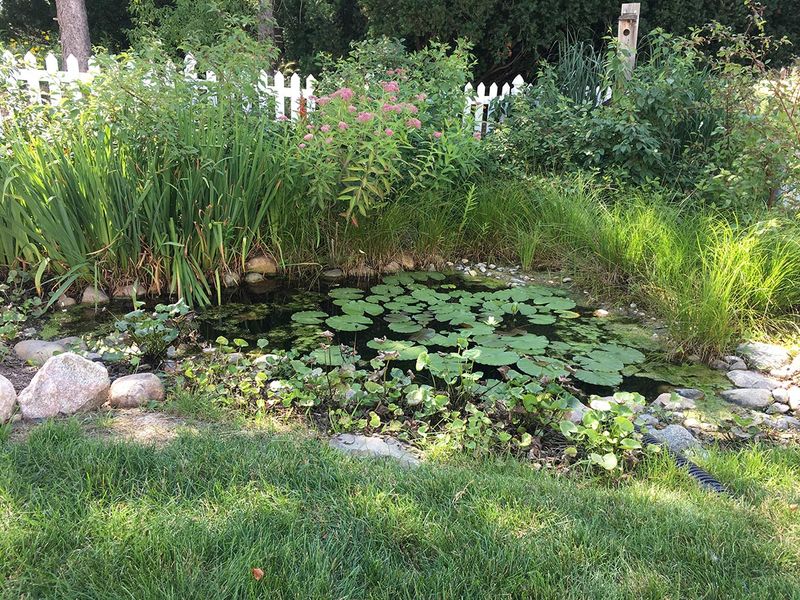
Pond-edge plantings support frogs, insects, and other creatures that happen to be on a snake’s menu.
None of that makes the plant itself a lure, any more than a park bench attracts pigeons because someone dropped a pretzel nearby.
The distinction matters because it changes what you actually do about it.
Penn State’s guidance on residential natural landscaping frames plants as one part of a habitat package, not as a secret cause of snake activity.
Pulling out every native shrub or perennial would not guarantee a snake-free yard, and it would cost you real benefits, pollinators, birds, and beneficial insects among them.
The practical move is to understand what combination of conditions actually supports snake activity, then adjust the features closest to your doors and foundation.
The rest of this article walks through exactly that.
The Habitat Package Matters More Than A Plant Name
Think of snake habitat the way you would think about what makes a neighborhood appealing.
One good coffee shop does not make a place worth living in.
You need food, water, a comfortable place to rest, sunlight in the right spots, and enough room to move around.
Penn State’s wildlife habitat relationships resource identifies those same five elements for snakes: food, water, shelter, sunny basking sites, and space.
Plants can support several of those needs without being the deciding factor.
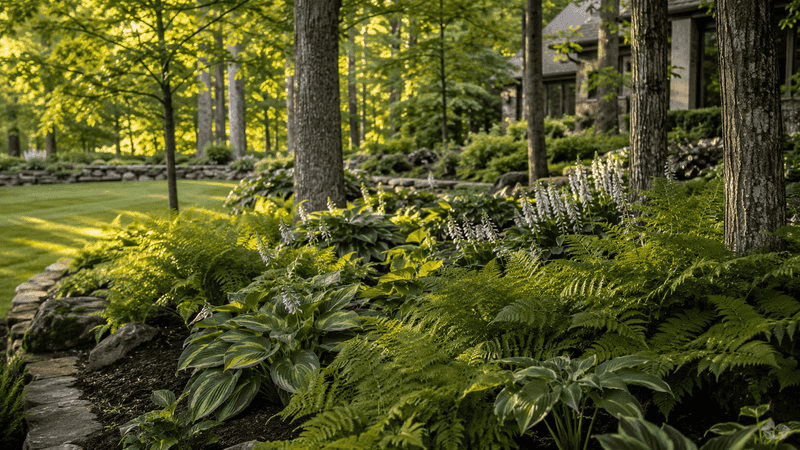
Native shrubs like spicebush (Lindera benzoin) and serviceberry (Amelanchier canadensis) attract insects and berry-eating birds.
Grasses and perennials support insects, which in turn draw frogs, salamanders, and small mammals.
Any of those animals can become prey, but the plant itself is not sending an invitation.
It is simply part of a functioning yard ecosystem.
Shelter is where the habitat picture gets specific.
Rock walls, old logs, brush piles, outbuildings, abandoned rodent tunnels, and dense low-growing vegetation all offer places for a snake to rest, regulate its temperature, or wait out a cold night.
Penn State’s landscaping for wildlife guidance describes managed natural landscapes as capable of supporting broad wildlife communities, which genuinely includes snakes alongside the more celebrated visitors like monarch butterflies and nesting songbirds.
The relevant mechanism is always the combination.
A single goldenrod plant in a tidy suburban bed does not transform a yard.
A dense patch of switchgrass growing against a stone foundation wall, beside a compost pile, 10 feet from a drainage ditch, in a yard with an active vole population, starts to look much more like suitable territory.
Water Makes Snake Activity Easier To Notice
Add a pond, a rain garden, or even a low wet corner to your yard, and you have done something significant.
You have satisfied more than one habitat need at once.
Water supports the frogs, fish, crayfish, and aquatic insects that certain snakes rely on for food, and the rocks and logs along a water edge make ideal basking and shelter spots at the same time.
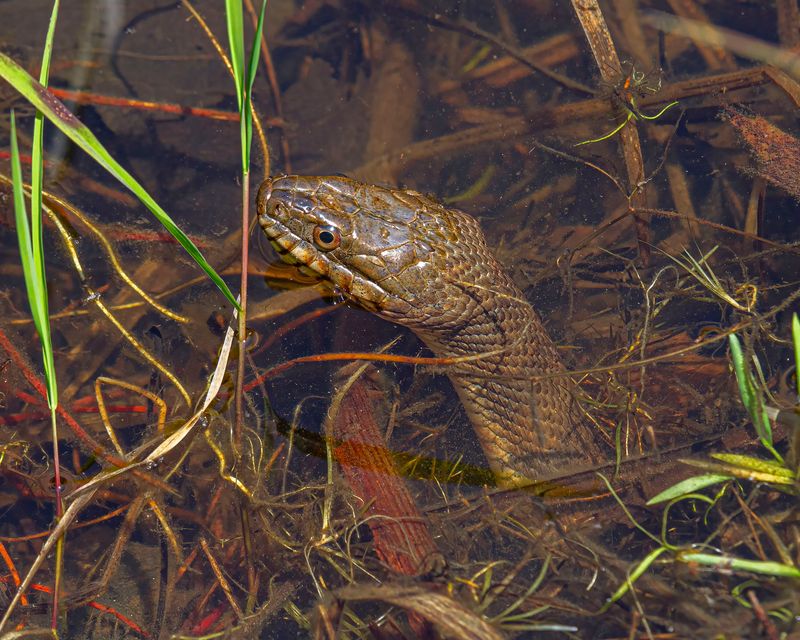
The northern water snake (Nerodia sipedon) is the species most Pennsylvania homeowners with ponds are actually seeing.
Penn State’s pond and lake wildlife resource describes them using ponds, swamps, marshes, and the edges of lakes, rivers, and streams.
They eat fish and frogs primarily, and they shelter in rocks, logs, overhanging bank burrows, crayfish burrows, and vole tunnels.
They emerge from hibernation around April, are most active from May through July, and head back to their hibernation sites around mid-October.
Seeing one near your pond on a warm June afternoon is genuinely not cause for alarm.
Northern water snakes are not venomous, though they will flatten their bodies and bite if cornered, so giving them space is always the right call.
More sightings in summer simply reflect the species’ natural activity period, not a growing population moving in because of your water iris or native sedge planting.
A backyard pond also draws other wildlife that snakes follow.
Penn State’s guidance on water features for wildlife notes that even a small water source can support frogs, dragonflies, and birds, all of which contribute to a richer habitat picture.
The pond is doing its job well.
Knowing which snake you are likely to see near it helps you respond calmly instead of reaching for a shovel.
Pennsylvania Snake Risk Depends On Place And Species
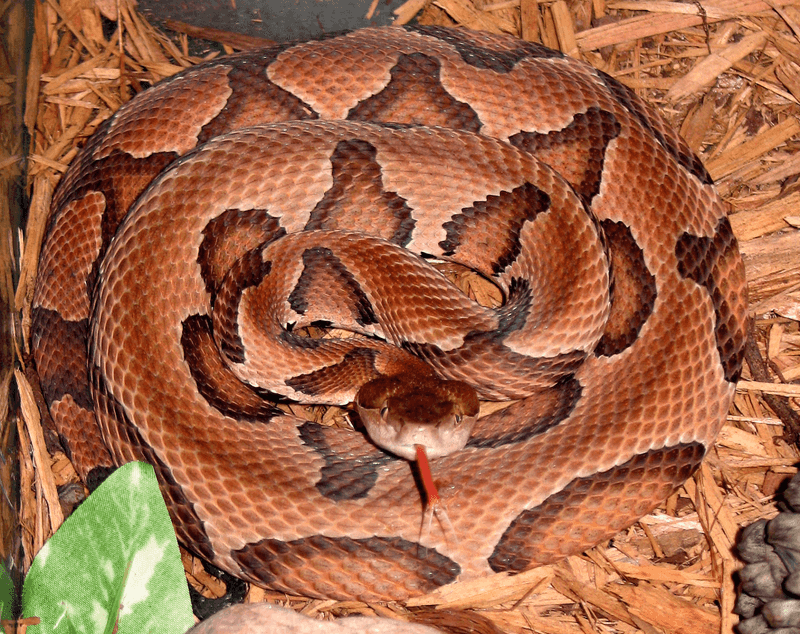
Pennsylvania has three native venomous snake species: the eastern copperhead (Agkistrodon contortrix), the timber rattlesnake (Crotalus horridus), and the eastern massasauga (Sistrurus catenatus).
Cottonmouths, also called water moccasins, are not native to Pennsylvania, so if someone tells you they spotted one in the Susquehanna Valley, they almost certainly saw a northern water snake instead.
The Pennsylvania Fish and Boat Commission’s amphibian and reptile FAQ notes that all native reptiles are regulated under state law, and endangered or threatened species cannot be legally possessed.
That matters practically because timber rattlesnakes and eastern massasaugas are both species of concern, meaning the impulse to kill one on sight carries real legal weight beyond just the ethical argument.
Where you live in Pennsylvania shapes your actual risk considerably.
Timber rattlesnake survey guidelines from the Fish and Boat Commission place that species in rugged, forested, mountainous areas, including portions of the Allegheny Plateau, the Laurel Highlands, the Ridge and Valley region, and the Pocono Plateau.
If you garden in a flat suburban neighborhood outside Harrisburg or in a row-home yard in southeastern Pennsylvania, a timber rattlesnake encounter is genuinely unlikely.
The Fish and Boat Commission’s copperhead fact sheet describes that species as having a broader distribution, turning up in suburban and even urban edges where rocky outcrops, wooded slopes, or overgrown lots provide cover.
One copperhead crossing your patio in late summer does not prove your yard is hosting a resident population.
Snakes move between habitat patches, follow prey, or seek warm basking surfaces, and a single warm-weather sighting after heavy rain often means exactly that: one snake passing through.
Build A Clear Zone Around The House
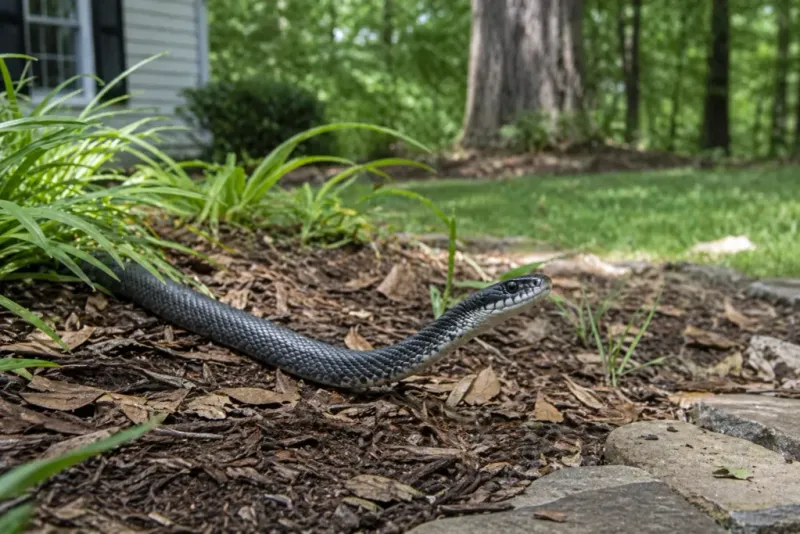
Here is where the practical work starts.
The goal is not to turn your yard into a parking lot.
The goal is to make the 10 feet closest to your foundation, doors, and basement windows less appealing as snake shelter, without touching the native plantings further out in the yard.
Start with a mowed zone.
Keeping grass and groundcover short directly against the foundation removes the kind of dense, low cover where a snake might rest or wait.
Move firewood at least 12 feet from the house and stack it at least 12 inches above the ground on a rack or treated timbers, because a ground-level woodpile is essentially a pre-furnished snake apartment.
Penn State Extension’s snake management guidance specifically recommends that stacking height to reduce shelter appeal.
Debris matters more than most people realize.
Old boards, scrap metal, tarps, leaf piles left against the house, and forgotten garden pots all create the same shaded, sheltered microhabitat that a rock pile or brush pile provides.
Clearing that material away from the building removes options for both snakes and the rodents that snakes follow.
Rodents are actually the bigger thread to pull.
Penn State’s residential landscaping resource notes that human food waste, pet food left outside, grain, and unmanaged debris are more direct drivers of rodent activity near buildings than native plantings are.
Managing those attractants, securing trash cans, bringing in pet bowls at night, and storing birdseed in sealed containers, addresses the prey supply that makes a foundation zone worth visiting in the first place.
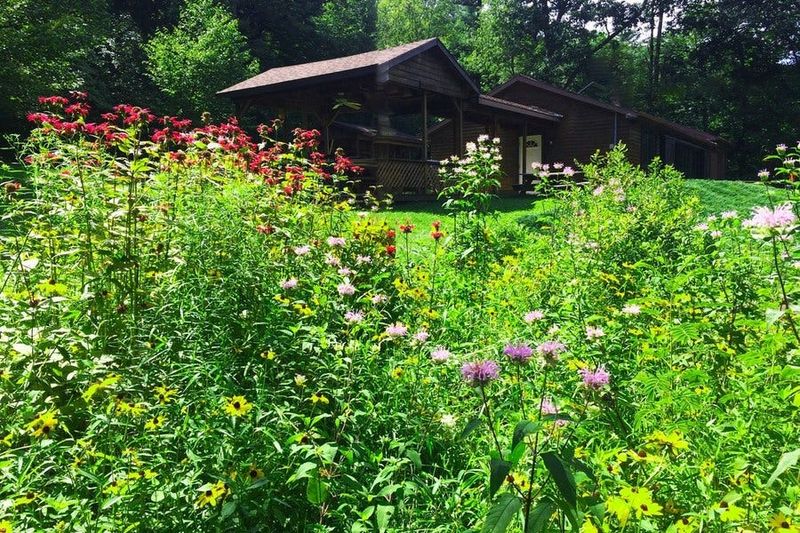
A flowering bee balm plant 20 feet from the back door is not the problem.
An open bag of sunflower seed in the garage with a gap under the side door is a much more direct concern.
Seal Ground-Level Openings And Targeted Exclusion Areas
Snakes are not climbers looking for second-story windows.
They move along the ground and follow gaps at ground level, which means a crack in the foundation near a dryer vent or a loose-fitting door threshold matters far more than anything higher up.
Penn State Extension recommends filling foundation cracks with mortar and using wire mesh around utility openings where pipes and wires enter the building.
Basement windows with damaged frames or gaps at the sill deserve the same attention as any other low opening.
Walk the perimeter of your house once in spring, before snakes become active, and again in early fall.
Look for gaps wider than 1/4 inch at ground level, including spaces around gas lines, electrical conduit, hose bibs, and the bottom edges of garage doors.
A door sweep on the garage side door costs very little and closes one of the most common entry routes.
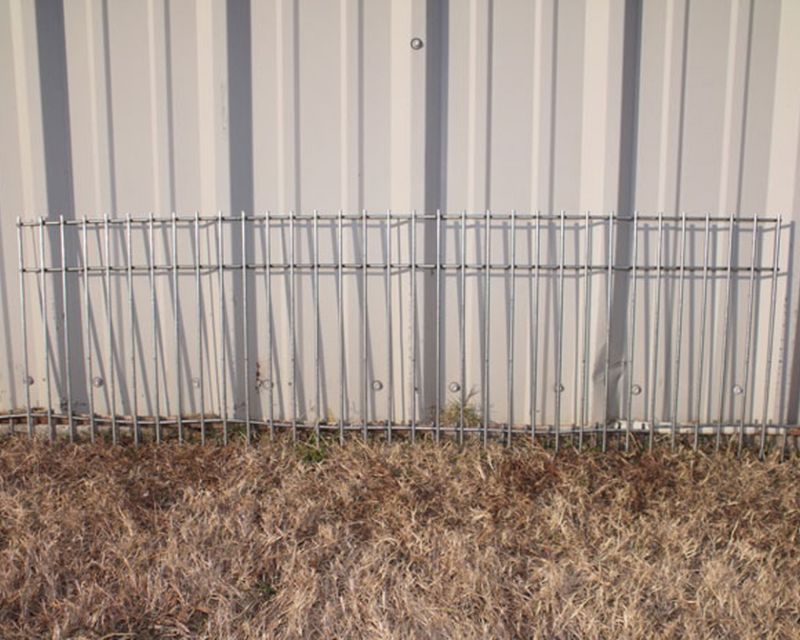
For a small, specific area where you genuinely need to keep snakes out, such as a children’s play space, a chicken run, or a tight corner between a shed and the house, Penn State describes a targeted exclusion fence built from heavy galvanized hardware cloth 36 inches wide with 1/4-inch mesh.
The lower edge should be buried 6 inches into the ground, and the fence should slope outward at about 30 degrees rather than standing straight up.
Keep vegetation beside the fence cut short so snakes cannot use tall growth as a ladder over the barrier.
This kind of fencing is a useful tool for a defined small area.
Trying to fence an entire yard with it is impractical and unnecessary.
Think of it as a targeted solution for a specific high-priority zone, not a perimeter defense for your whole property.
Respond Safely And Skip Unproven Repellents
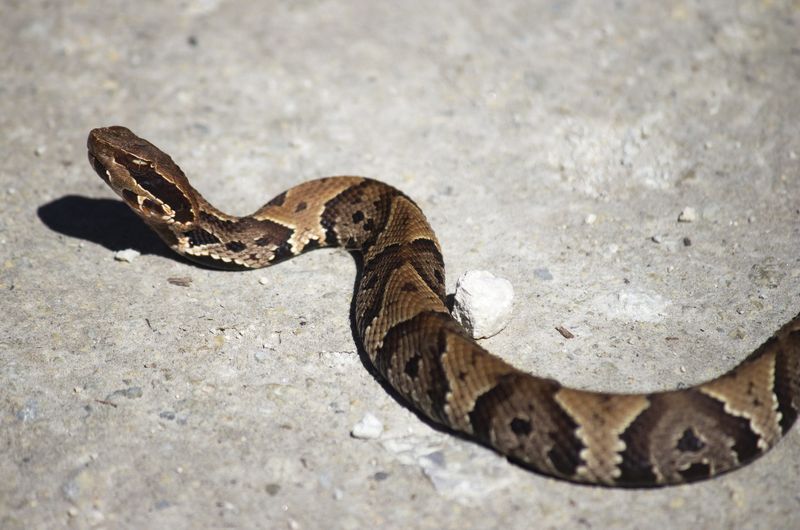
You find one coiled near the shed door on a warm August evening.
Your instinct might be to grab a tool and solve the problem immediately.
Slow down.
The safest response is almost always to give the snake 3 feet of space and wait.
Most snakes will move on within a few minutes if they do not feel cornered, and that outcome costs you nothing.
CDC guidance for outdoor workers around venomous snakes recommends wearing closed-toe shoes, long pants, and gloves when moving brush, logs, firewood, or debris, especially during warm weather and around dawn or dusk when snakes are more likely to be active.
Do not reach under a shed, into a rock pile, beneath boards, or into thick vegetation without first checking the area visually.
That habit alone prevents most encounters from becoming incidents.
Do not try to catch or kill a snake.
Beyond the legal protections that apply to native species, most bites happen during exactly those attempts.
If the species might be venomous or the snake will not leave a space where people need to be, contact the Pennsylvania DCNR or the Fish and Boat Commission, or call a licensed wildlife removal professional.
On repellents: mothballs, sulfur, ultrasonic devices, and homemade sprays do not work consistently, and Extension specialists in snake management note that no commercial repellent has demonstrated reliable results in field conditions.
Mothballs are registered pesticides meant for enclosed indoor use, and scattering them outdoors exposes people, pets, pollinators, and surface water to unnecessary chemical risk.
Identifying a snake by head shape or pupil shape alone is also unreliable, since some nonvenomous species can look similar to venomous ones.
If you can do it safely from a distance of at least 6 feet, a photograph helps a professional make a proper identification later.
Keep The Wildlife Value Without Losing Everyday Safety
The goal was never to build a snake-free yard by stripping out every native plant.
Penn State’s landscaping for wildlife resource describes native plantings as genuine contributors to pollinator health, bird habitat, and amphibian populations, all of which matter for a functioning yard ecosystem.
Snakes are part of that system too.
Depending on the species, they consume rodents, slugs, insects, and amphibians, which means a garter snake working through your vegetable garden border is actually doing useful pest control.
The practical compromise is straightforward.
Keep dense habitat, native grasses, shrubs, brush piles, and log features, away from foundations, doors, patios, paths, and play areas.
Place that kind of wildlife-friendly planting toward the back of the property or along fence lines that do not border the house.
A 5-foot to 10-foot mowed or graveled buffer between the dense garden and the building gives you a clear visual zone and removes the sheltered microhabitat closest to where people spend time.
One separate caveat worth adding here: native plantings and wildlife habitat can increase contact with ticks.
Penn State notes that deer ticks occur wherever suitable hosts are present.
Use clear paths or setbacks where practical, avoid brushing against tall vegetation with bare skin, and check clothing and skin after any gardening session in dense plantings.
If a bite does occur, the response is medical, not botanical.
Seek emergency medical care immediately.
Keep the person calm and still, remove rings or tight clothing near the bite, gently wash the area, and cover it with a clean dry dressing.
Poison Control guidance on snakebites is clear: do not use ice, a tourniquet, cutting, suction, electric shock, alcohol, or folk remedies, and do not attempt to capture the snake for identification.
The emergency room needs you, not the snake.
A yard that supports native wildlife and keeps encounters near the house rare is genuinely achievable.
The plants were never the problem, and they do not have to be the solution either.