
The Tiny Pennsylvania Animal With A Venomous Bite That Sleeps Under Your Garden Mulch
Follow us on Google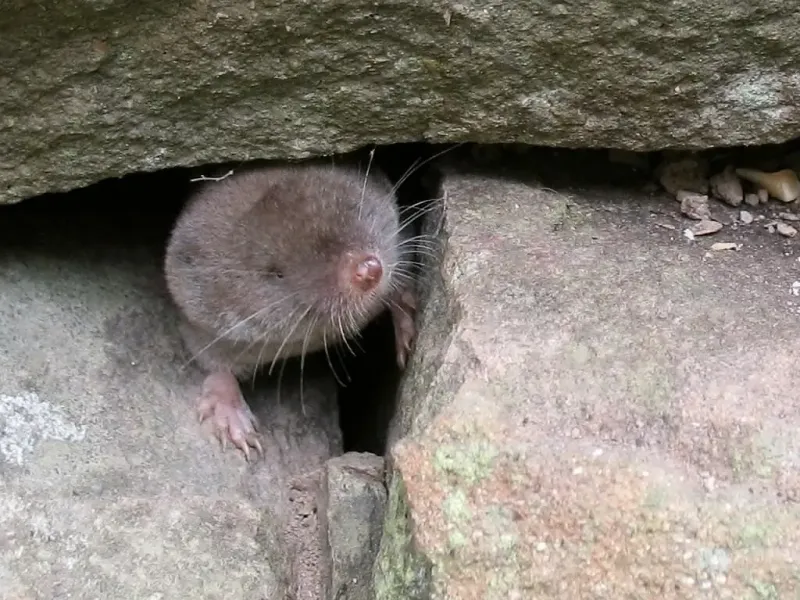
The animal is the short-tailed shrew, and yes, it has toxic saliva. It lives all over Pennsylvania, measures only about 4 to 5 inches long, and eats small creatures like worms, snails, and insects.
Whether one ever tucks itself under your garden mulch is a fair question, and the honest answer is a bit more careful. Here is what is known, what is not, and what to do if you meet one.
Meet Pennsylvania’s Short-Tailed Shrew
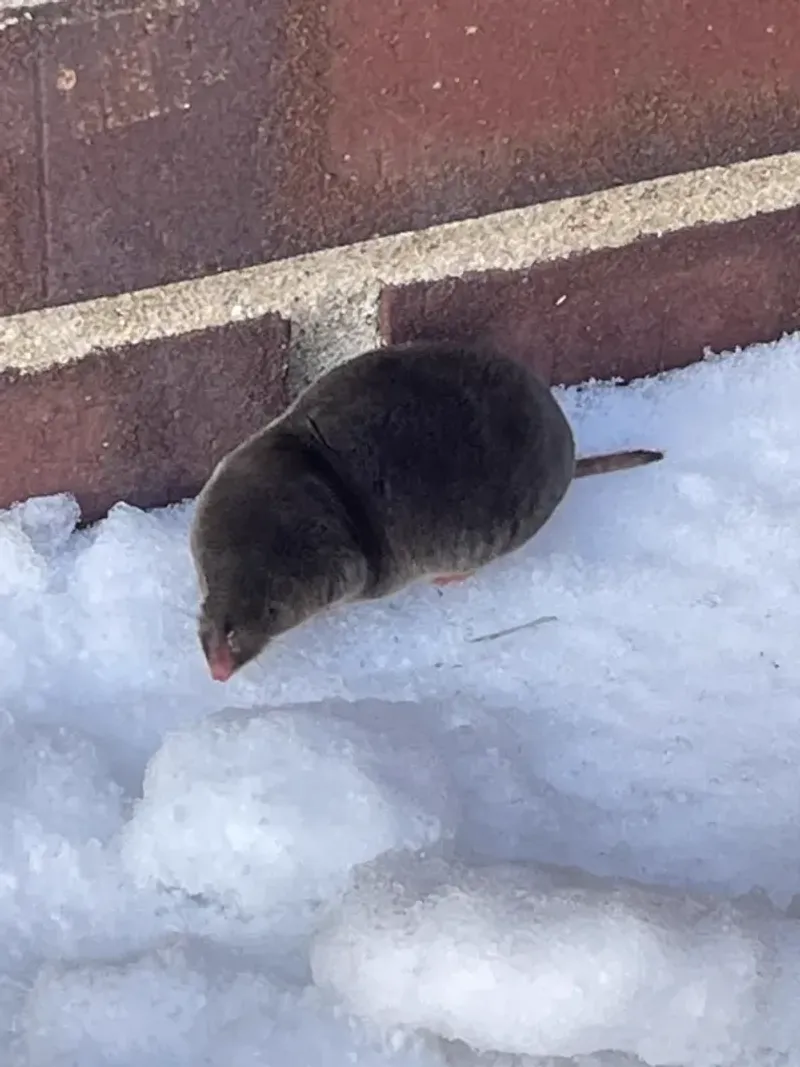
Picture a small, velvety gray animal with a pointed nose, tiny eyes, and a short tail, hurrying through leaf litter. That is the short-tailed shrew, Blarina brevicauda, and it lives statewide in Pennsylvania.
Most people never see one, because it spends its life close to the ground and out of sight.
Size matters here, so let us get it right. The Pennsylvania Game Commission lists its overall length at 4.1 to 5.2 inches, according to the agency’s shrews and moles page.
It is the largest and most robust of the state’s shrews. So it is small, but it is not the smallest mammal in Pennsylvania, and that is a common mix-up.
Two facts make this animal interesting to anyone with a garden bed. First, its saliva is toxic.
Second, it eats small animals, including insects, worms, and snails. Those two traits sit side by side in one very busy little body.
The Game Commission also describes the shrew as active both day and night, and common across its range. That does not mean every yard has one.
It means that if you have leafy ground nearby, a shrew could be passing through without you ever knowing.
Think of it as a tiny neighbor with a big appetite and a secret weapon. The rest of this article sorts out where it hides, how that saliva works, what it eats, and how to stay safe.
Where It Finds Cover
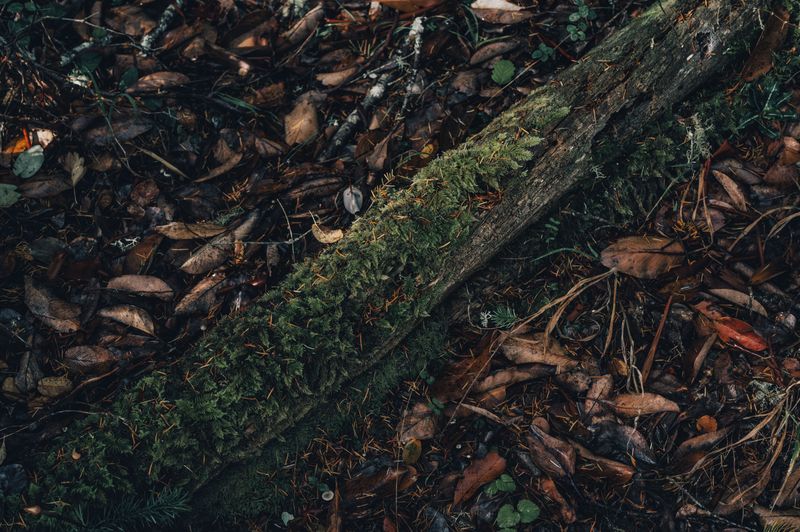
A shrew does most of its living in the top few inches of soil and in leaf litter. That is where the food is, and it is where a small animal can hide from hawks and owls.
The Game Commission also says it nests beneath logs, stumps, rocks, and debris, as noted on its species page.
Now the headline question. Does a shrew sleep under garden mulch?
It might. A layer of mulch can offer damp, shady cover that looks a lot like leaf litter.
But the source does not name mulch as a nesting site, and it does not say mulch is a preferred spot.
So the careful version goes like this. A shrew could shelter beneath leaf litter or garden debris near your beds.
Mulch may sometimes serve the same purpose, but that is unconfirmed.
It also does not mean mulch attracts shrews. Nothing in the available source shows that adding or removing mulch changes whether one shows up.
What you can picture is a small animal using whatever cover is close to its hunting grounds. A pile of old leaves, a flat stone at the bed edge, or a stack of branches fits the documented pattern better than a freshly spread bark layer.
Still, that is a reasonable guess, not a confirmed local finding.
How Its Toxic Saliva Reaches Prey
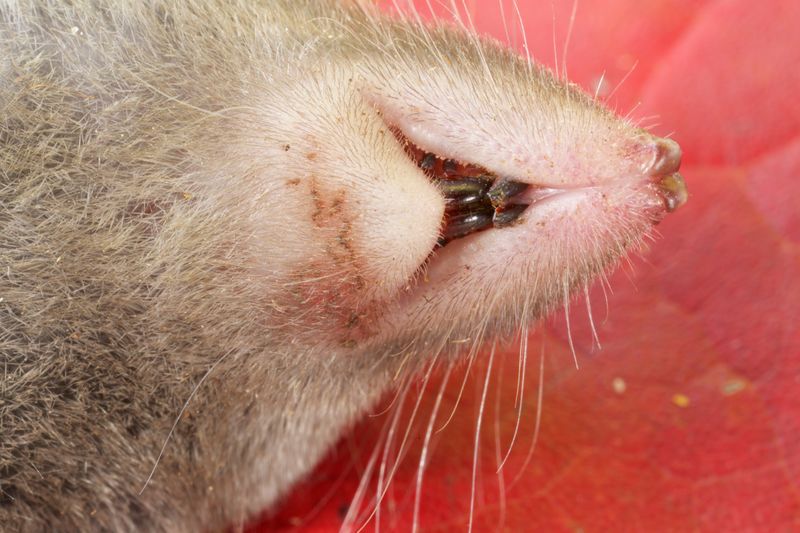
The short-tailed shrew makes a toxin in its saliva. Researchers identified that toxin in the animal’s salivary glands in a peer-reviewed study of Blarina toxin.
It is the reason people call the shrew venomous.
Here is how it gets into prey. The Pennsylvania Game Commission explains that the shrew’s sharp teeth make small cuts, and the toxin can enter through those cuts.
There is no hollow fang and no snake-style injection. It is more like a bite that carries something extra.
So is the phrase venomous bite fair? As shorthand, yes.
It tells you the bite is not just mechanical. But it can mislead if you picture a tiny cobra, because the delivery is simpler than that.
For a creature that burns through food all day, the toxin is a handy tool. It helps the shrew deal with prey that might otherwise be hard to handle.
That is the biology, plain and simple.
It does not mean shrews go looking for people. These are shy animals that spend their time under cover, hunting small prey.
A bite to a person is a defensive accident, and we will look at what to do about that in a later section.
What the Shrew Eats
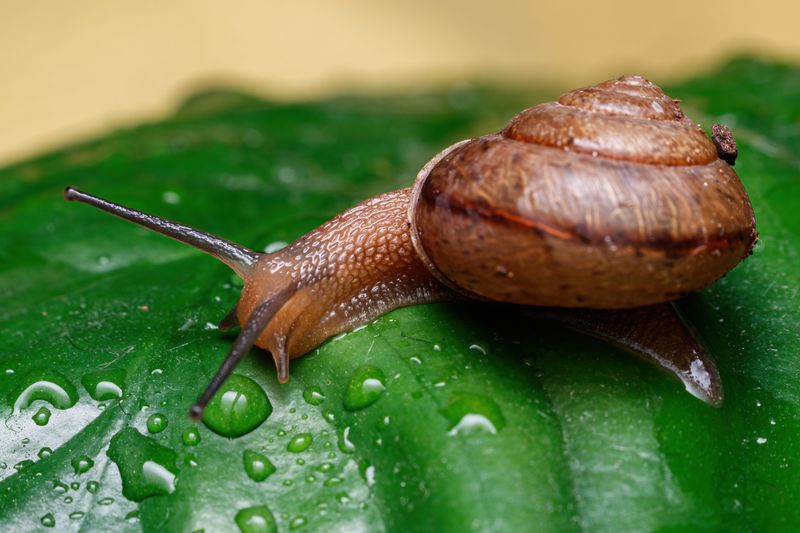
Shrews are not picky. The Game Commission lists insects, worms, and snails on the short-tailed shrew’s menu.
That is a lot of small, soft-bodied prey, and many of them live right where gardeners spend their time.
A closer look comes from a study of Indiana shrews. It found slugs and snails among the short-tailed shrew’s important foods, along with earthworms and insect larvae.
Larvae are the young, grub-like stage of many insects.
That sounds like good news for a bed full of hosta nibbled by slugs. And it might be.
But look at what the study actually shows. It documents what shrews ate in Indiana.
It does not measure garden damage in Pennsylvania.
So the honest takeaway is this. Shrews eat some of the same creatures that gardeners fight.
Whether they eat enough to reduce slugs, grubs, or plant damage by a measurable amount has not been shown.
Think of a shrew as one small player in the soil food web, not a hired pest crew. If one visits, it may snack on a few unwelcome guests.
Do not count on it to solve a slug problem.
What to Do After a Bite

First, the rule that prevents most trouble. Do not handle a shrew.
Not to move it, not to rescue it, not to show the kids. If one turns up, give it room and let it go on its way.
Now what the research says. The peer-reviewed paper on Blarina toxin reports that human bite accounts describe local burning and swelling around the punctures.
The paper does not say how often people get bitten. It also does not give a broad medical rating of how severe bites are.
If someone is bitten, wash the wound with soap and water. Then seek medical advice.
A doctor or poison control line can look at the actual bite and the person’s health history.
Rabies comes up with any mammal bite, so here is how to read it. Pennsylvania’s guidance says to get medical help promptly if a mammal that bites or scratches someone cannot be observed or tested.
It also says to contact the appropriate health authorities about possible rabies exposure, as laid out by the Pennsylvania Department of Agriculture.
That is a general mammal-bite precaution. It is not evidence that shrews carry a special rabies risk.
Follow the same steps you would for any wild animal bite and let a medical professional guide you.
How to Read a Possible Garden Sighting
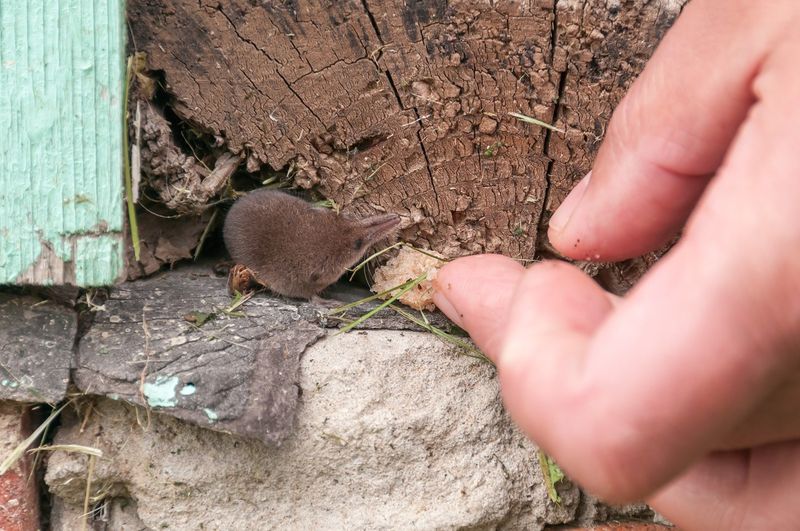
Say something small and dark zips across your bed and vanishes under the leaves. Before you decide what it was, use what is documented.
Short-tailed shrews use soil, leaf litter, and natural debris, and they live statewide, according to the Game Commission. A shrew is a reasonable possibility.
Your best move is to leave it alone. Do not try to catch it, corner it, or pick it up.
A quiet animal that is left in peace will usually move along by itself.
Keep the limits in mind. Mulch use is not confirmed, so a sighting near your mulch does not prove the shrew sleeps there.
And since shrews eat some garden-associated prey, it is tempting to call one a pest fighter. That has not been shown either.
You also cannot tell from one glimpse what you saw. Other small animals scurry through gardens too, and a quick blur is rarely enough to name a species.
So the practical read is simple. Watch from a distance, keep hands and pets back, and let the soil and leaves do their quiet work.
Some garden neighbors are best met with a nod and a wide berth.
