
Skip the English Ivy on Your Shady North Carolina Slope and Let These Native Ferns Take Over
Follow us on Google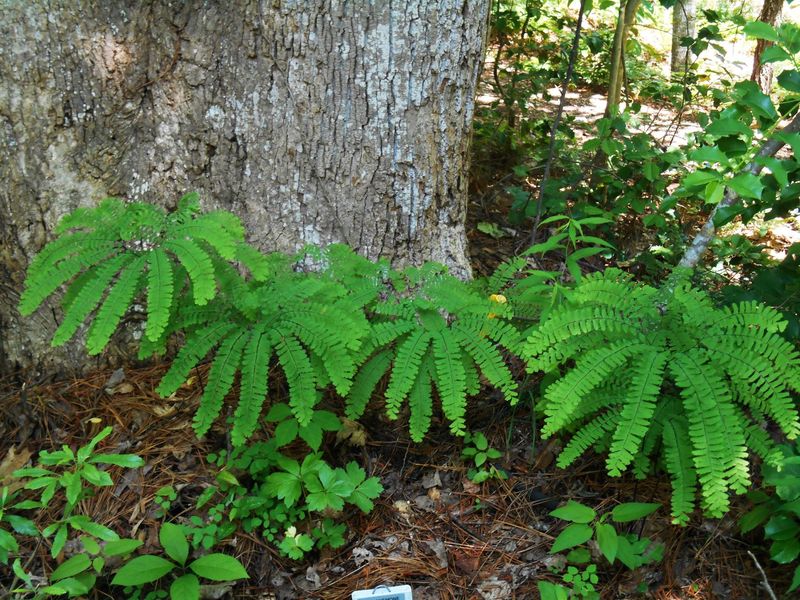
You’re standing at the top of that shady slope behind the house, coffee in hand, and the bank below is either bare red clay or a creeping carpet of English ivy. The ivy looks like the easy answer, but it is quietly working against your trees, your soil, and the wildlife you actually want around.
Across North Carolina, native ferns can hold that same slope, stay green in the shade, and give toads, birds, and box turtles a place to live. Here are eight ferns that can take over the job, each one with its own reason to earn a spot.
1. Christmas Fern
Blunt truth first. English ivy roots usually reach only 1 to 4 inches deep, so rain slides right underneath and chews away your slope while the top looks green.
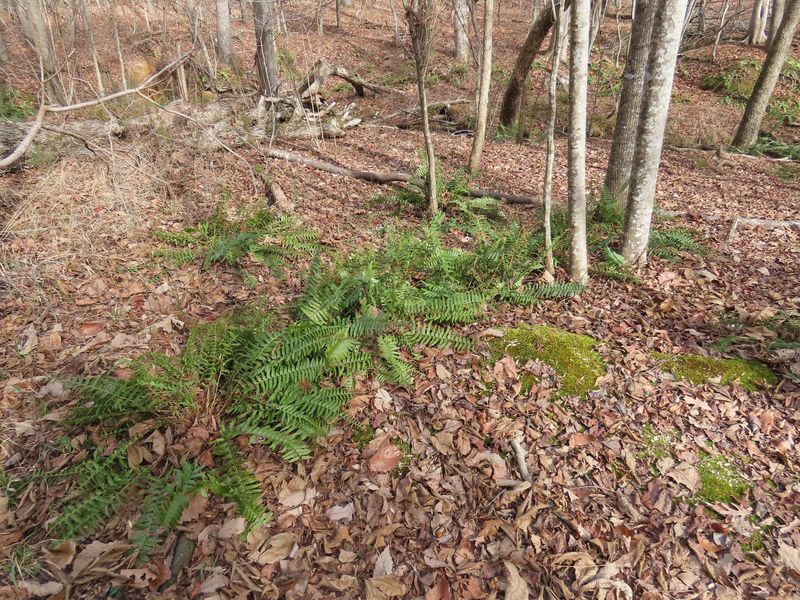
Christmas fern, Polystichum acrostichoides, is the steady neighbor that fixes this. It grows tidy, arching clumps 18 to 36 inches tall, and its glossy fronds stay green straight through January cold snaps.
It is native to the mountains, Piedmont, and Coastal Plain, and it handles dry shade and root-filled soil under oaks.
Here is the catch. It does not love heavy, sticky clay.
On Piedmont red clay, work a 2-inch layer of compost into the whole planting area, not just single holes, and space plants about 18 inches apart. Top with shredded leaves.
By the second winter, that brown bank becomes a green staircase of fronds, and it actually stays put when the afternoon storms roll through.
2. New York Fern
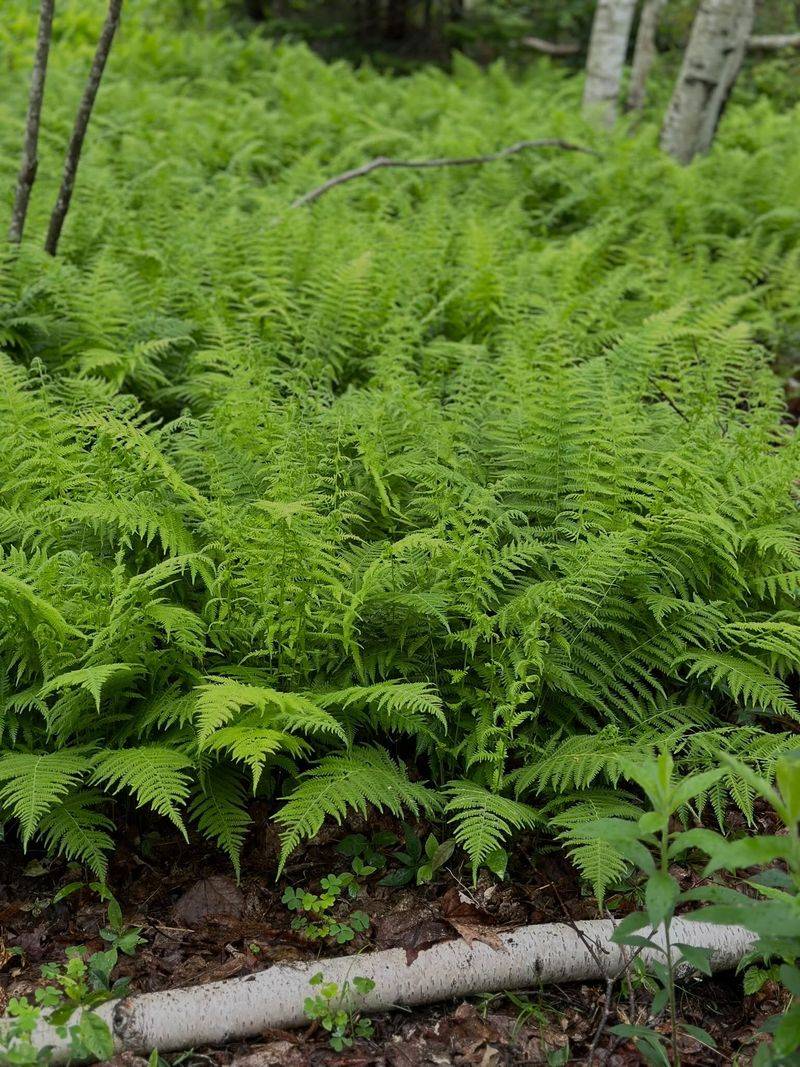
Picture a 20-foot stretch of bare dirt where nothing wants to grow. New York fern, Thelypteris noveboracensis, sees that space as an invitation.
It spreads by underground stems called rhizomes, creeping outward and stitching the soil together like a net. Fronds stay low, about 12 to 24 inches, with a soft yellow-green color that brightens deep shade.
It prefers rich, slightly acidic, moist soil but can cope with drier stretches once rooted.
Plant small divisions about 2 feet apart in spring, and expect gaps to close within two or three seasons. It does go dormant in winter, so pair it with an evergreen fern if bare months bother you.
And watch the edges on a muggy June evening. Toads like to tuck under its fronds, which is a small, quiet thank-you for choosing it over ivy.
3. Cinnamon Fern
Every slope has that one soggy spot at the bottom, usually right where the downspout dumps water after a storm. Ivy just sits there.
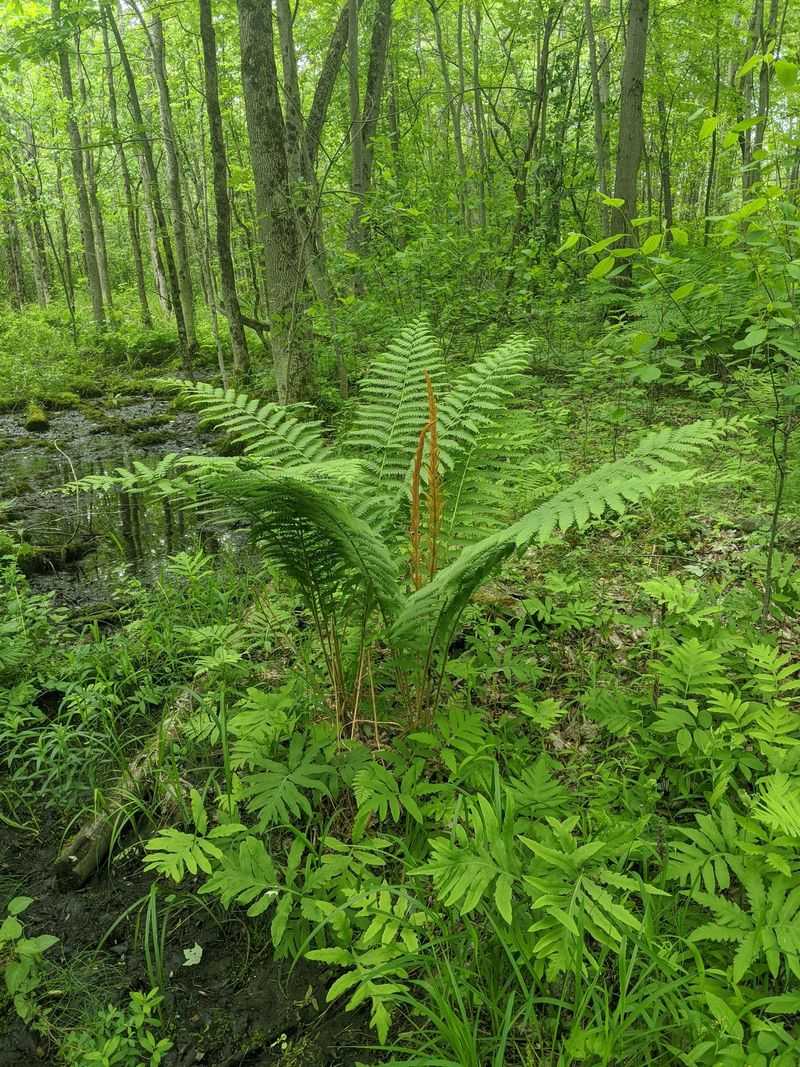
Cinnamon fern, Osmundastrum cinnamomeum, genuinely thrives in it.
It is the big one on this list, reaching 3 to 5 feet tall. In spring, rusty brown fertile fronds rise from the center looking exactly like cinnamon sticks, which is how it got its name.
It tolerates wet muck and even full sun if the ground stays damp.
Give each plant about 3 feet of room, and set it where water naturally collects. Birds pull the fuzzy fiber from young fronds for nesting material, so you may notice wrens and other songbirds poking around in April.
That wet, annoying corner suddenly becomes the most dramatic spot in the yard.
4. Sensitive Fern
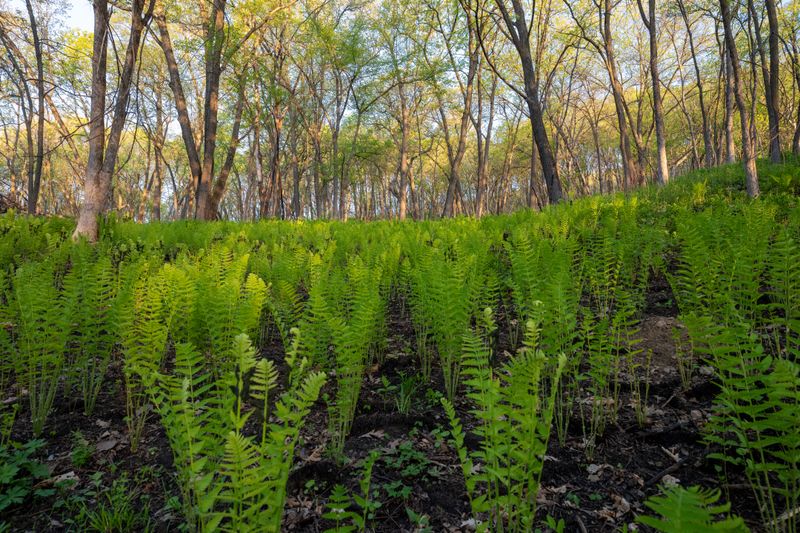
Most ferns sulk in clay. Sensitive fern, Onoclea sensibilis, shrugs and gets to work.
It grows 1 to 4 feet tall and spreads fast by rhizomes, which makes it a tough choice for rough, eroding banks in the Piedmont. It handles full shade, part sun, wet spots, and most soil types once settled.
The name comes from how quickly the fronds brown after the first fall frost, a bit dramatic, but harmless.
Here is where it gets tricky. That speed means it can wander into beds you meant for hostas or azaleas.
Plant it where you want coverage, about 2 feet apart, and use a path or edging as a border.
Hot afternoon sun can yellow the fronds, so keep it on east or north faces. Put it in the right spot, and it becomes the workhorse that finally quiets that gully.
5. Lady Fern
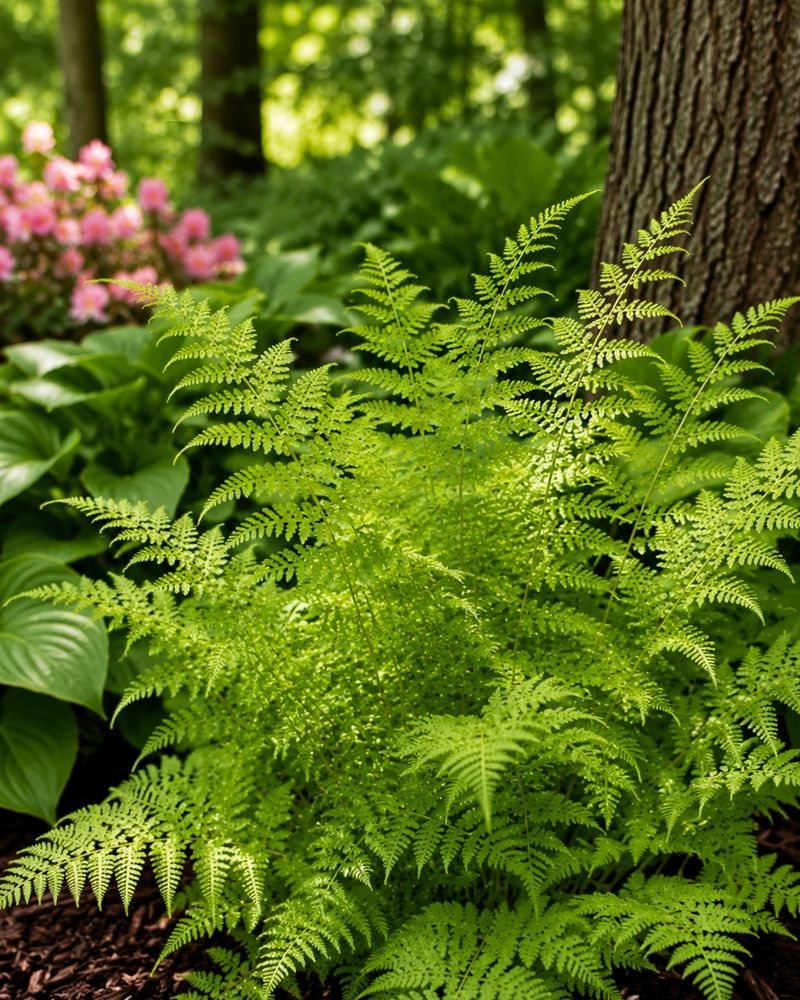
Some ferns are for holding ground. Lady fern, Athyrium filix-femina, is for making people stop on the path and look.
Its fronds are finely cut and lacy, forming clumps about 2 to 3 feet tall and wide. It spreads slowly by small offsets, so it stays where you put it.
It copes with clay, takes deep freezes in the North Carolina mountains, and accepts a little morning sun.
Use it near the top of a slope or along the front walk, spaced around 30 inches apart. Water weekly the first summer if rain skips a week, since loose, moist soil keeps it looking its best.
It will not knit a big slope on its own. But woven between faster spreaders, it adds the soft texture that makes the whole bank feel like a woodland instead of a repair job.
6. Maidenhair Fern
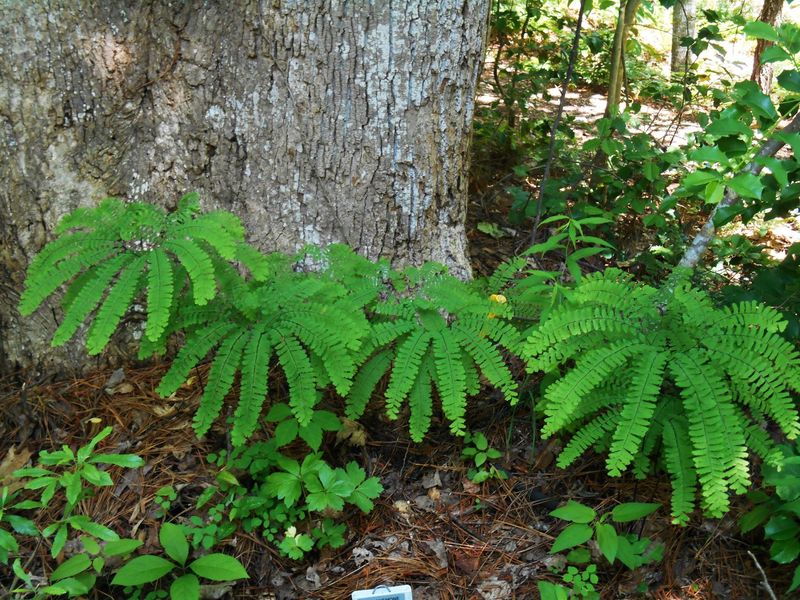
Fun fact. Northern maidenhair fern, Adiantum pedatum, arranges its leaflets in a horseshoe fan on wiry black stems, so it looks almost hand-drawn.
It grows 1 to 2 feet tall and prefers moist, rich, well-drained soil in part to full shade. That makes it a natural fit for cool spots in the mountains and the shaded, leafy pockets of Piedmont yards.
Deer usually leave it alone, which matters in neighborhoods where hostas vanish overnight.
It spreads slowly, so treat it as the jewel, not the groundcover. Tuck three plants about 18 inches apart near a rock or the base of a dogwood, where you will actually see them.
On a still summer morning, the fronds tremble at the slightest breeze. It is the kind of detail that makes you glad you pulled the ivy.
7. Marginal Wood Fern
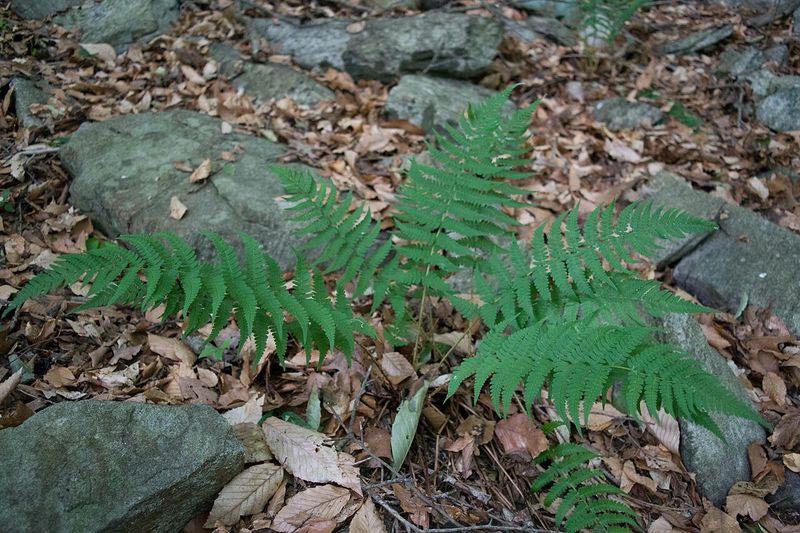
Myth: rocky, deep-shade slopes are hopeless. Marginal wood fern, Dryopteris marginalis, grows wild in rock crevices across the mountains, so it treats that spot like home.
It is evergreen, about 1 to 2 feet tall, with a neat, upright vase shape that looks formal and tidy. Its spore dots sit right on the edges of the leaflets, which is where the name marginal comes from.
Plant it in pockets between stones or along a retaining wall, about 2 feet apart, with a handful of compost in each pocket. It does not spread much, so it works best as an anchor around tougher spreaders.
Through winter, while the deciduous ferns rest, these clumps keep the slope green. It is a small, proud win on the gloomiest corner you own.
8. Hay-Scented Fern
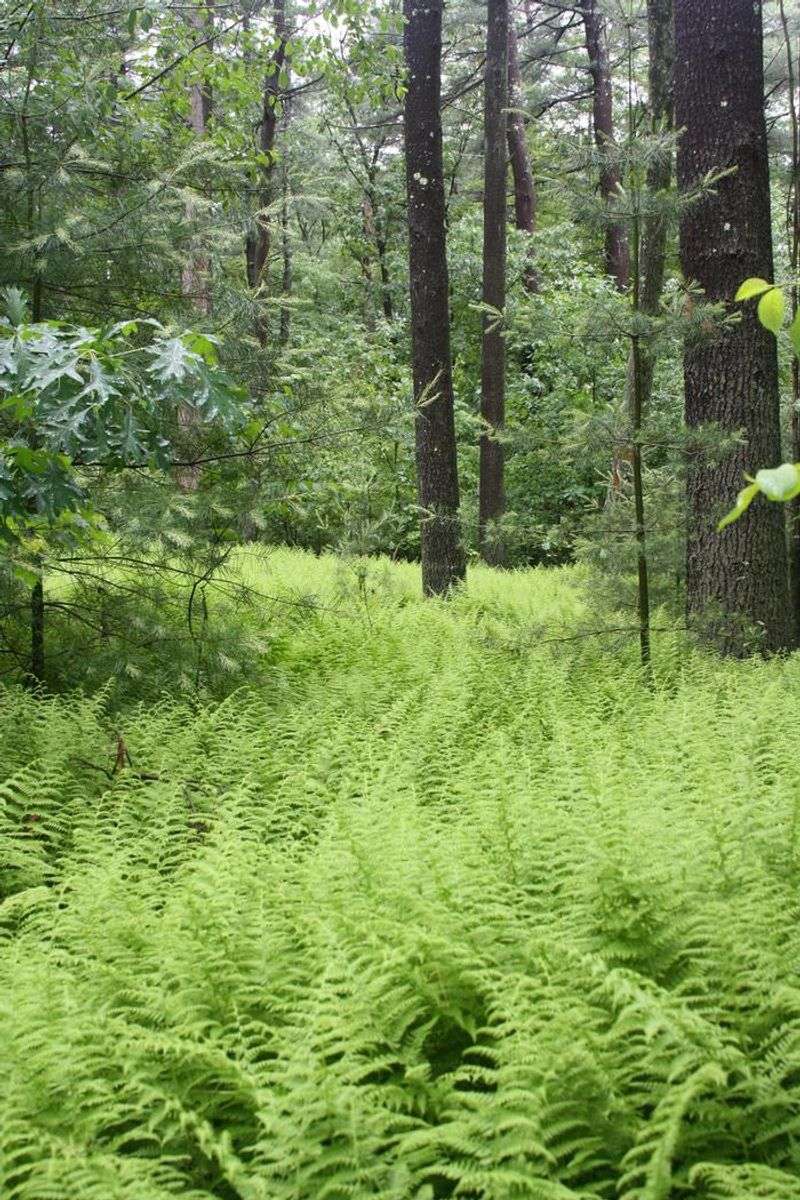
Brush your hand across a patch of hay-scented fern, Dennstaedtia punctilobula, and you get the smell of a freshly mown field.
It earns its spot for a different reason, though. This fern handles drought better than most and can tolerate salt spray, which helps on dry slopes and near the coast.
It spreads by rhizomes into a light green carpet, so use it where you want coverage, not in tight beds.
Plant divisions about 2 feet apart in early spring or fall, mixing 2 inches of compost into sandy Coastal Plain soil. On steep banks, lay jute or coir fabric first and plant through it, then mulch with pine straw.
NC State Extension notes that removing ivy fully matters, since any stem left behind can re-root.
It is not a magic solution alone. But layered with the others, your slope stays put, smells great, and finally feels alive.
